
3PE Coated SSAW Carbon Steel Pipe for Underground Pipeline Projects
In the construction of underground pipeline projects, pipe materials must not only withstand the high pressure of internal fluids, but also face the severe challenges
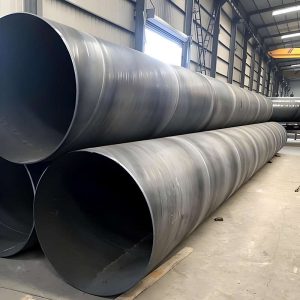
API 5L PSL2 SSAW Carbon Steel Pipe for Oil and Gas Pipelines
In the energy transportation sector, pipelines are hailed as the “blood vessels of industry.” With the growth of global energy demand, ensuring the safety and
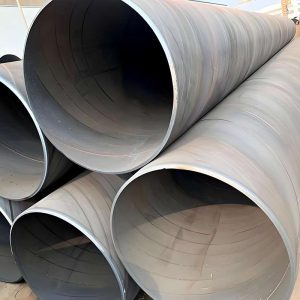
API 5L Large Diameter SSAW Carbon Steel Pipe for Water Transmission
In modern large-scale infrastructure projects, the safety and durability of water conveyance systems are of paramount importance. API 5L Large Diameter SSAW Steel Pipe, with
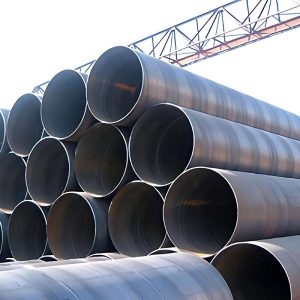
ASTM A252 Grade 3 SSAW Carbon Steel Piling Pipe
In deep foundation construction, port and terminal projects, and bridge engineering, the structural integrity of piling pipes is non-negotiable. Among the many available specifications, ASTM
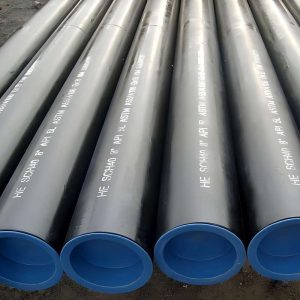
Black Painted Beveled Ends Seamless Carbon Steel Pipe in 20ft Lengths
In the fields of industrial piping and structural engineering, protecting the product’s appearance is just as important as ensuring ease of installation. Black Painted Beveled
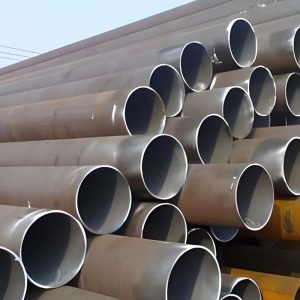
Heavy Wall Thickness Seamless Carbon Steel Pipe for Structural Support
In the fields of architecture, mechanical engineering, and heavy industry, the stability of structural supports directly determines the safety of the entire project. Heavy-wall seamless
-2-300x300.jpg)
API 5L Grade B Sch 40 Seamless Line Pipe for Oil and Gas
I. What is API 5L Grade B Sch 40 Seamless Line Pipe? API 5L Grade B Sch 40 Seamless Line Pipe is a type of
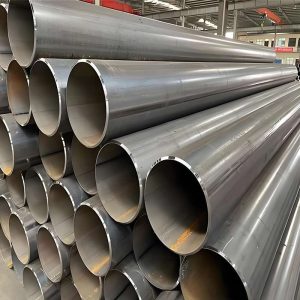
Top 5 Common Issues in ERW Carbon Steel Pipes and How to Avoid Them
ERW carbon steel pipes are widely used due to their low cost, broad range of applications, and ease of fabrication. However, users often encounter certain
How to Maintain and Inspect ERW Carbon Steel Pipes for Longevity
ERW carbon steel pipes are widely used in construction, water supply, gas transmission, and industrial piping systems due to their low production costs and broad
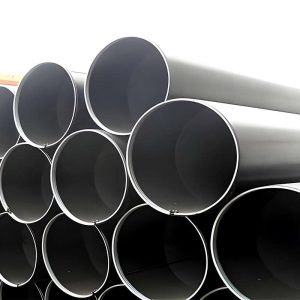
ERW Carbon Steel vs Seamless Steel Pipes: Which One Should You Choose?
In industrial piping, mechanical manufacturing, and building structures, carbon steel pipes are an indispensable basic material. However, different production processes result in different types of
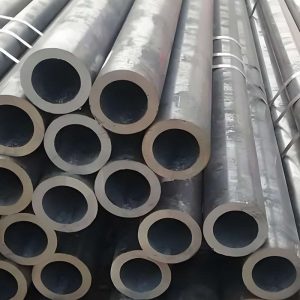
Hot Rolled vs Cold Drawn Seamless Pipe: Which Is Better?
Many procurement professionals face a common dilemma when selecting seamless steel pipes:Which is better—hot rolled seamless pipes or cold-drawn seamless pipes?There is no one-size-fits-all answer.It
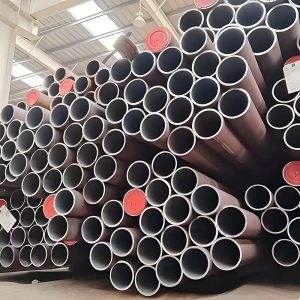
How to Choose Hot Rolled Seamless Carbon Steel Pipe
Selecting the right hot-rolled seamless carbon steel pipe is critical for safety, performance, and cost control.Many procurement professionals focus solely on price, which often leads