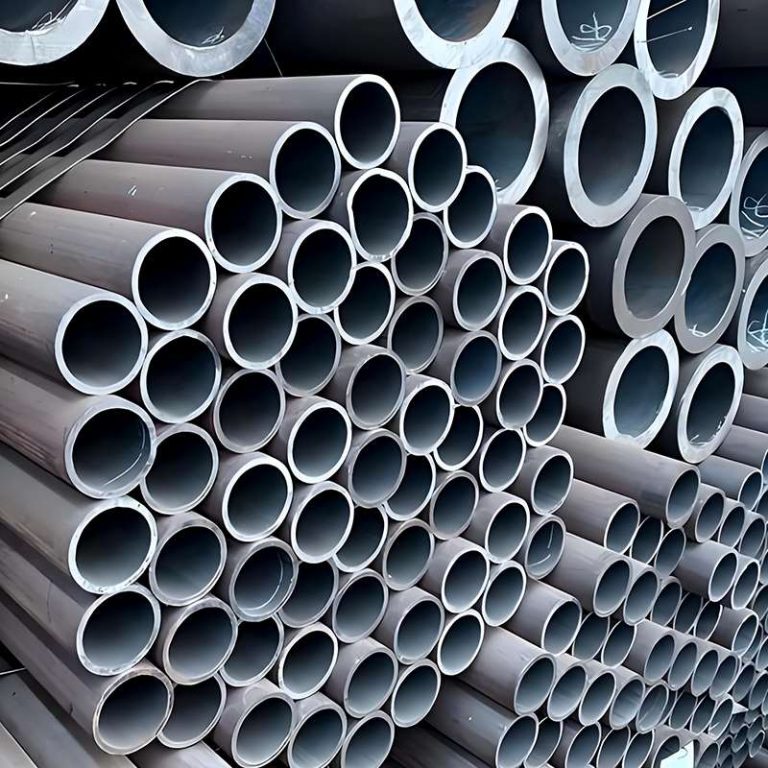
I. Introduction to Chromium-Molybdenum Alloy Steel Pipes for Steam Conveyance
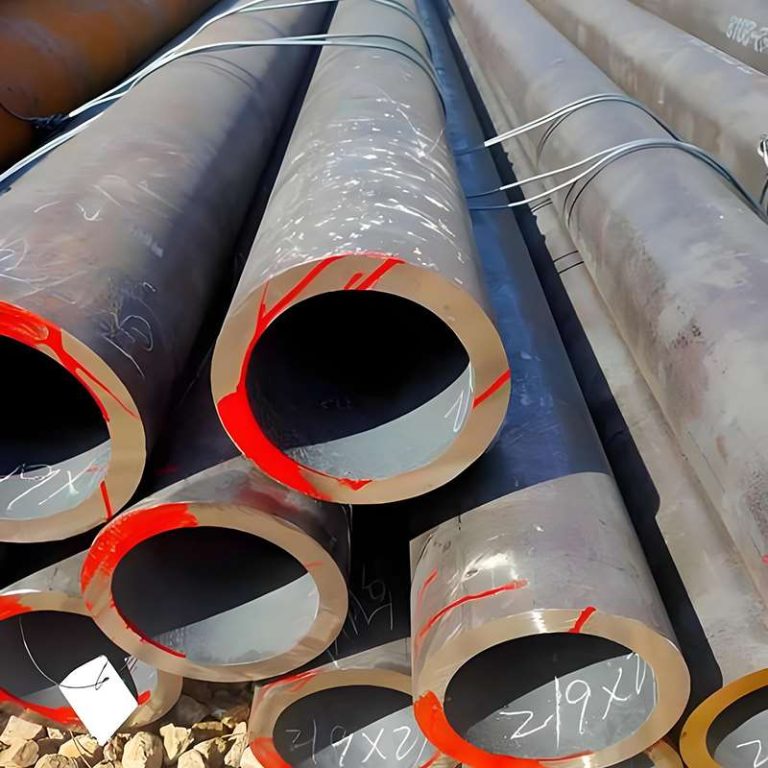
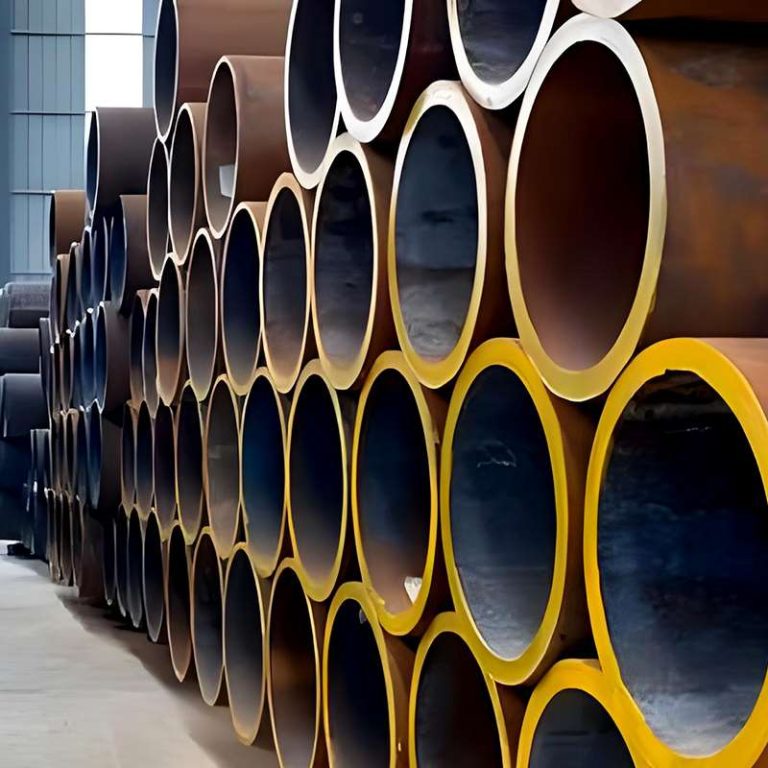
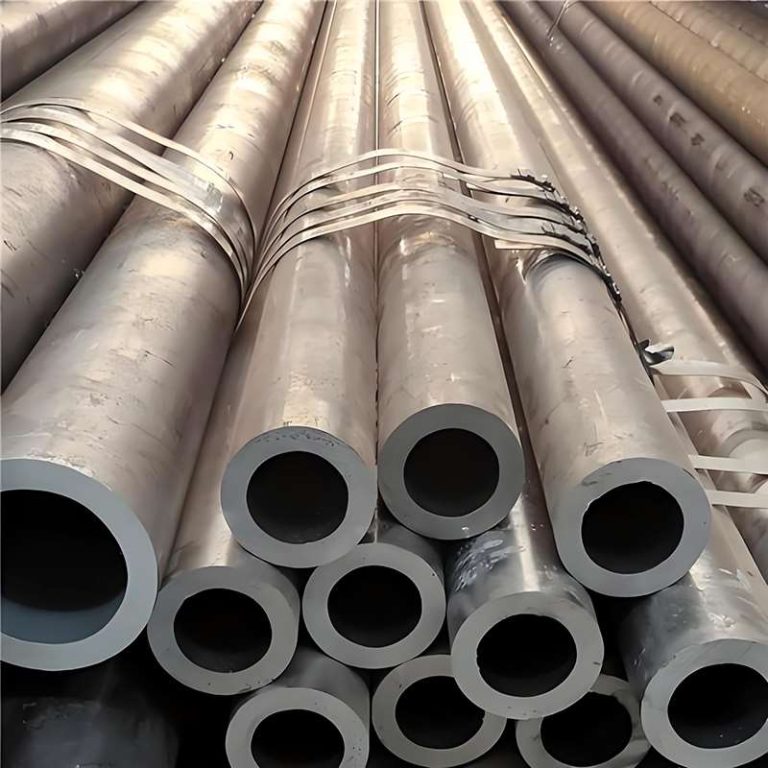
Chromium-molybdenum alloy steel pipes for steam transportation are critical tubing specifically engineered for high-temperature, high-pressure steam systems. They are extensively utilized in power plant boilers, petrochemical facilities, and industrial steam pipeline systems.
Manufactured from premium chromium-molybdenum alloy steel through hot-rolled or cold-drawn seamless processes and subjected to normalizing + tempering heat treatment, this product features:
- High-temperature and high-pressure resistance: Ensures stable operation in prolonged high-temperature steam environments
- High strength and excellent toughness: Guarantees pipeline safety under high-pressure steam transmission
- Superior corrosion resistance: Chromium and molybdenum alloy elements enhance oxidation resistance
- High dimensional accuracy: Ensures quality in welding and installation
Primary Steel Grades and Standards
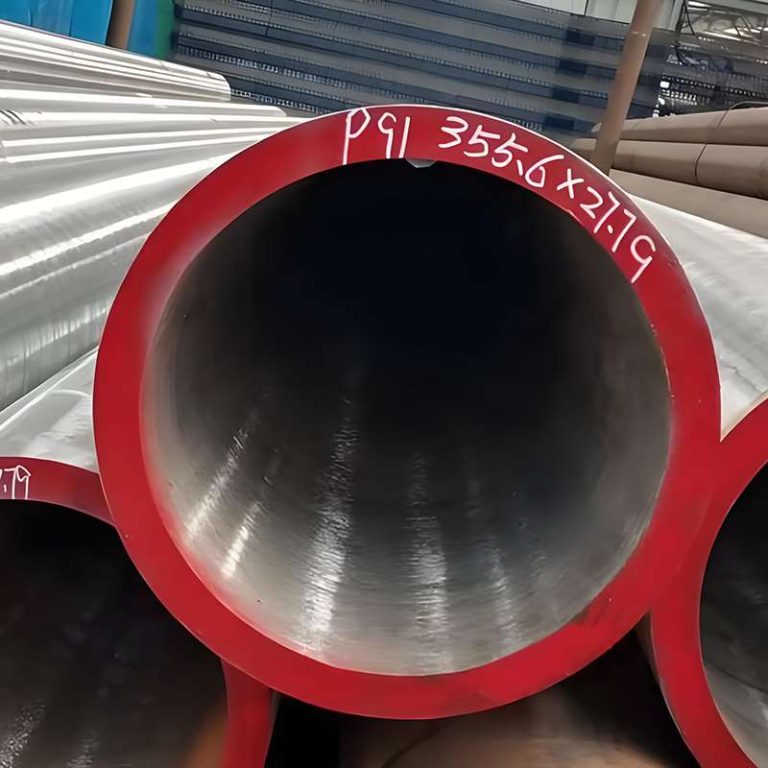
Steel Grades: P11, P22, P91, 10CrMo9-10, 13CrMo4-5
Standards: ASTM A335 / ASME SA335; EN 10216-2; GB 5310
Application Fields
Power plant boiler steam systems (superheaters, reheaters, main steam lines)
High-temperature steam pipelines in petrochemical and chemical industries
Industrial steam transportation and thermal energy systems
II. Chemical Composition and Mechanical Properties of Chromium-Molybdenum Alloy Steel Pipes for Steam Applications
i. Chemical Composition Comparison Table (%)
| Steel grade | Standard | C | Mn | Si | P | S | Cr | Mo | V |
| P11 | ASTM A335 / EN 10216-2 | 0.08–0.15 | 0.30–0.60 | 0.10–0.40 | ≤0.035 | ≤0.035 | 0.90–1.10 | 0.45–0.65 | 0 |
| P22 | ASTM A335 / EN 10216-2 | 0.08–0.15 | 0.30–0.60 | 0.10–0.40 | ≤0.035 | ≤0.035 | 1.90–2.20 | 0.85–1.05 | 0 |
| P91 | ASTM A335 / EN 10216-2 | 0.08–0.12 | 0.30–0.60 | 0.20–0.50 | ≤0.025 | ≤0.015 | 0.85–1.05 | 0.90–1.05 | 0.18–0.25 |
| 10CrMo9-10 | EN 10216-2 | 0.08–0.15 | 0.40–0.70 | 0.10–0.40 | ≤0.035 | ≤0.035 | 1.00–1.20 | 0.90–1.10 | 0 |
| 13CrMo4-5 | EN 10216-2 | 0.12–0.18 | 0.40–0.70 | 0.10–0.40 | ≤0.035 | ≤0.035 | 1.20–1.50 | 0.50–0.65 | 0 |
ii. Mechanical Properties Comparison Table
| Steel Grade | Standard | Yield Strength σs (MPa) | Tensile Strength σb (MPa) | Elongation δ5 (%) | Applicable Temperature (℃) |
|---|---|---|---|---|---|
| P11 | ASTM A335 / EN 10216-2 | ≥ 205 | 410–550 | ≥ 20 | ≤ 450 |
| P22 | ASTM A335 / EN 10216-2 | ≥ 205 | 415–550 | ≥ 20 | 450–540 |
| P91 | ASTM A335 / EN 10216-2 | ≥ 600 | 690–850 | ≥ 20 | ≥ 540 |
| 10CrMo9-10 | EN 10216-2 | ≥ 205 | 415–550 | ≥ 20 | 450–540 |
| 13CrMo4-5 | EN 10216-2 | ≥ 205 | 410–550 | ≥ 20 | ≤ 450 |
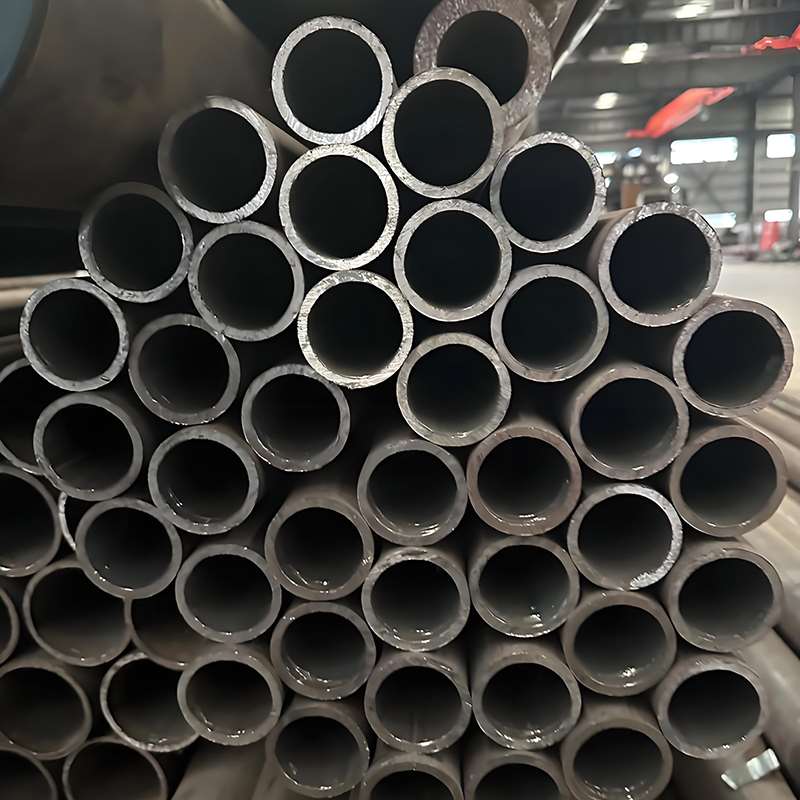
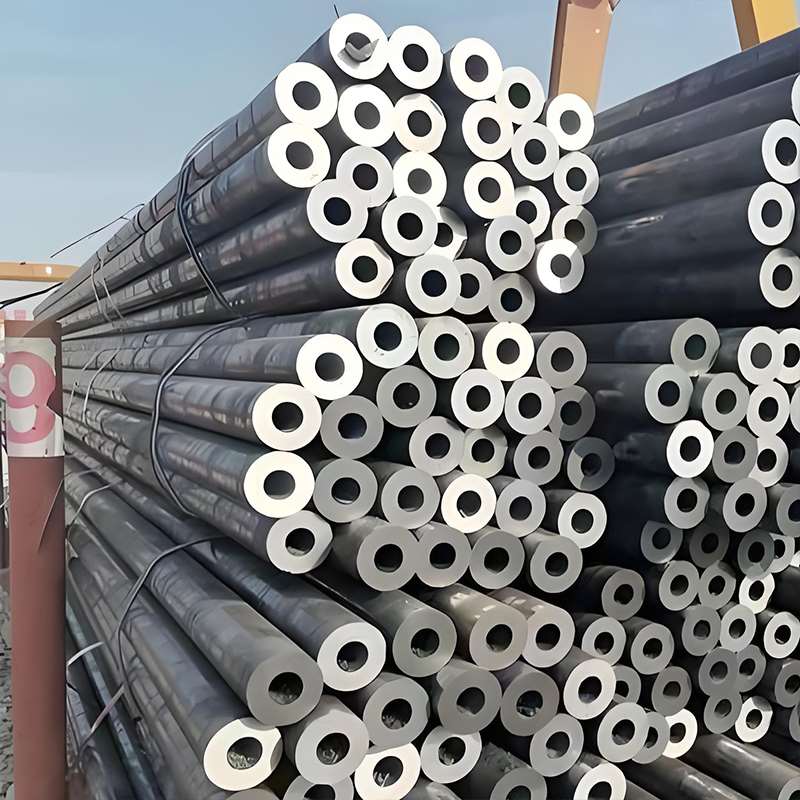
III. Advantages and Disadvantages of Chromium-Molybdenum Alloy Steel Pipes for Steam Applications
i. Advantages
- Excellent High-Temperature Resistance
Alloying elements chromium (Cr) and molybdenum (Mo) enhance the material’s creep resistance and oxidation resistance under high-temperature steam conditions.
Capable of long-term stable operation in high-temperature environments ranging from 450–600°C. - High Strength and Good Toughness
After heat treatment (normalizing + tempering), it exhibits high yield strength and tensile strength.
Good elongation and impact toughness enable it to withstand high-pressure steam cyclic stresses. - Corrosion Resistance and Oxidation Resistance
Chromium enhances the ability to form a protective oxide film on the surface, while molybdenum improves corrosion resistance.
Suitable for humid, high-pressure steam, and certain chemical environments. - High dimensional accuracy and excellent weldability
Hot-rolled or cold-drawn seamless processes ensure outer diameter, wall thickness, and straightness meet high-pressure pipeline requirements.
Beveled ends and superior weldability facilitate installation and construction. - Long service life and cost-effectiveness
Operates reliably for 20–30 years under design conditions, reducing replacement and maintenance frequency.
ii. Disadvantages
- Higher Cost
The use of high-alloy elements (Cr, Mo, V) and heat treatment processes results in material costs exceeding those of ordinary carbon steel pipes. - Stringent Welding and Processing Requirements
High-alloy steels (e.g., P91) necessitate strict control over welding procedures and heat treatment to prevent cracking or stress concentration. - Difficult Machining
Cold processing of thick-walled or large-diameter pipes is challenging and requires specialized equipment. - Transportation and Storage Protection
Prone to surface rust or damage, necessitating rust-preventive oils or coatings for protection, which increases transportation costs.
IV. Selection Recommendations for Chromium-Molybdenum Alloy Steel Pipes for Steam Use
1. Select steel grade based on operating temperature and pressure
| Operating Temperature | Pressure Rating | Recommended Steel Grade | Description |
|---|---|---|---|
| ≤ 450℃ | Medium–Low Pressure | P11 / 13CrMo4-5 | Cost-effective, suitable for medium-temperature steam pipelines |
| 450–540℃ | High Pressure | P22 / 10CrMo9-10 | Excellent high-temperature performance, ideal for superheater and reheater tubes |
| ≥ 540℃ | Ultra-High / Supercritical | P91 / X10CrMoVNb9-1 | High creep strength at elevated temperatures, suitable for main steam pipelines |
2. Select Standards Based on Application
Boiler Heat Transfer Surfaces/Superheaters: Prefer ASTM A213 / EN 10216-2 T11/T22/T91
High-Pressure Steam Main Piping: Prefer ASTM A335 / EN 10216-2 P11/P22/P91
Domestic Engineering Projects: Commonly Use GB 5310 Standard
Note: Do not interchange boiler tube and pipeline steel standards.
3. Selection Based on Diameter and Wall Thickness
Diameter: Designed based on steam flow and pressure, commonly 21.3–508 mm
Wall Thickness: Selected based on design pressure and corrosion allowance, commonly 2–60 mm
Large Diameter/Thick Wall: Hot-rolled seamless tubes
Precision Small Diameter: Cold-drawn seamless tubes
4. Heat Treatment and Welding
P11 / P22: Normalizing + tempering sufficient
P91 / T91: Must undergo normalizing + tempering with strict welding process control
Welding port: Grooved end (PE) facilitates welding
5. Quick Selection Considerations
Define operating temperature, pressure, flow rate, and application
Determine standards and steel grades
Outer diameter × wall thickness × length per design requirements
Confirm heat treatment, surface protection, and packaging requirements
Three core elements: Material → Process → Installation, ensuring long-term stable operation
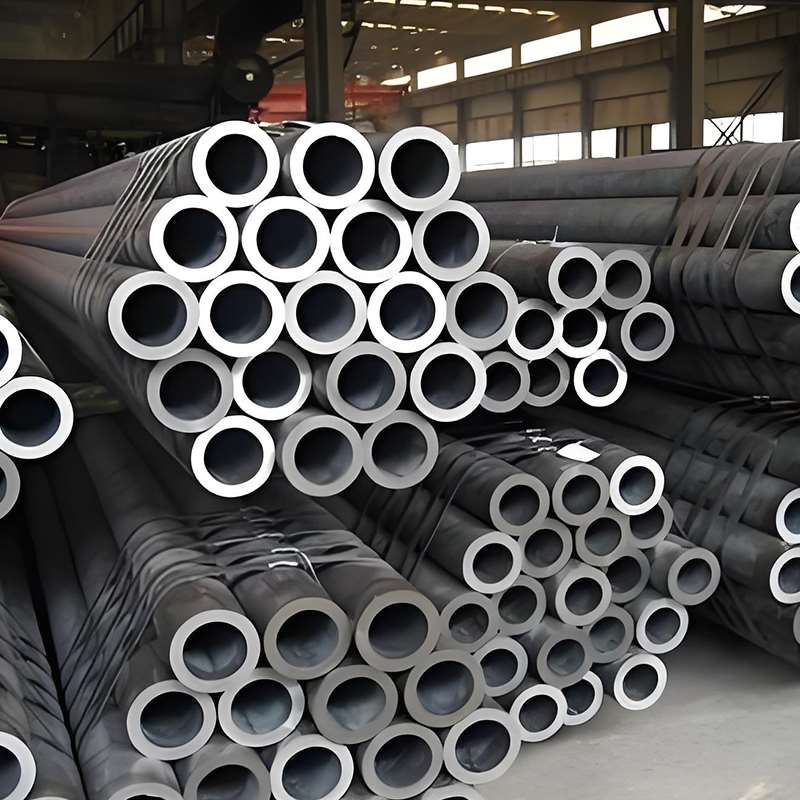
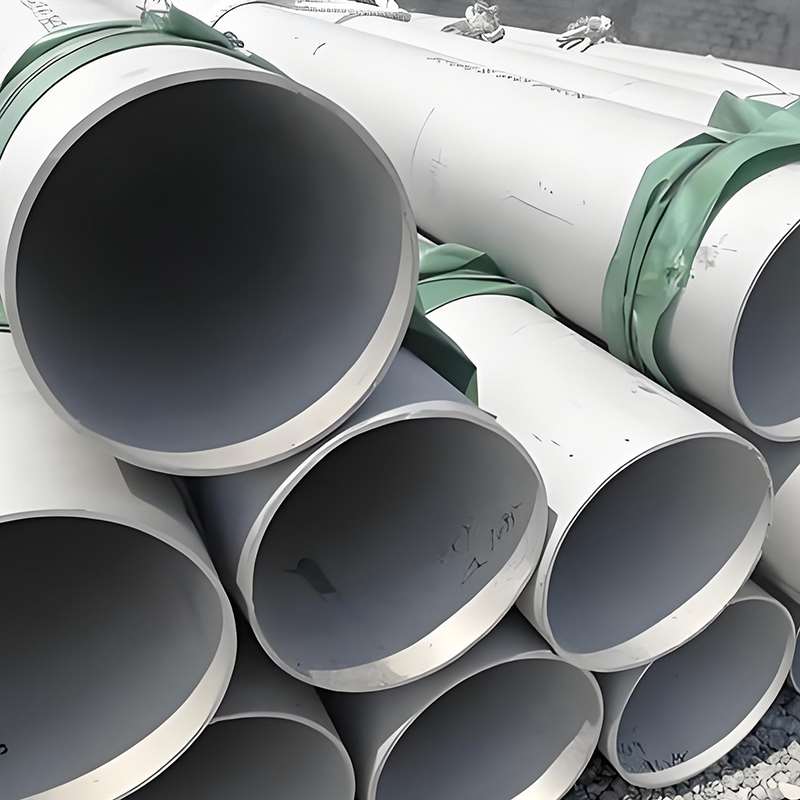
V. How to quench chromium-molybdenum alloy steel pipes?
| Process Step | Parameters & Description |
|---|---|
| Preparation | Clean surface scale, rust, and oil; check pipe dimensions and defects |
| Heating | Temperature 1050–1100℃ (depending on steel grade); heat uniformly; holding time calculated as 1 hour per 25 mm wall thickness |
| Quenching Medium | Oil or gas quenching; control cooling rate to prevent cracking |
| Cooling | Cool uniformly; control thermal stress; slow cooling using oil or gas is recommended |
| Tempering | Temperature 760–780℃, 1–3 hours; relieve stress, improve toughness, and stabilize microstructure |
| Inspection | Check dimensions; perform non-destructive testing (UT/RT); ensure no cracks or deformation |
VI. Common FAQs on Chromium-Molybdenum Alloy Steel Pipes
Q1: What operating conditions are chromium-molybdenum alloy steel pipes suitable for?
A:
Primarily used in high-temperature, high-pressure steam systems such as boiler superheaters, reheaters, and main steam lines.
Capable of long-term stable operation in high-pressure steam environments at 450–600°C.
Q2: How should steel grades be selected based on temperature and pressure?
A:
≤450°C: P11 / 13CrMo4-5
450–540°C: P22 / 10CrMo9-10
≥540°C: P91 / X10CrMoVNb9-1
Principle: Prioritize temperature → Confirm pressure → Select steel grade to ensure long-term safe operation.
Q3: Why does P91 steel tubing require quenching and tempering?
A:
High-alloy steels are prone to residual stresses and grain coarsening at elevated temperatures.
Quenching + tempering refines the microstructure, enhances high-temperature creep strength and toughness, ensuring welding safety.
Q4: How are pipe diameter and wall thickness selected?
A:
Pipe diameter is calculated based on steam flow rate and design pressure, typically ranging from 21.3–508 mm.
Wall thickness is selected according to design pressure and corrosion allowance, commonly between 2–60 mm.
Thick-walled pipes suit main steam lines, while small-diameter pipes are suitable for boiler heat transfer surfaces.
Q5: What inspections and certificates are provided for chromium-molybdenum alloy steel pipes?
A:
Testing includes: chemical composition, mechanical properties, dimensional accuracy, non-destructive testing (UT/RT), and pressure testing.
The Material Test Certificate (MTC) specifies material standards, steel grades, and test results, compliant with ASTM/EN/GB standards.
Q6: How is long-term reliable operation ensured?
A:
Proper selection: Match steel grades to temperature and pressure requirements.
Rigorous manufacturing: Seamless pipe fabrication, heat treatment (normalizing + tempering).
Welding construction standards: Groove preparation, welding process control, and NDT inspection compliance.
Surface protection: Anti-rust oil or coating to prevent corrosion during transport and storage.
Core safeguards: Material → Process → Construction, ensuring sustained safe operation.