
In high-temperature industrial systems, selecting the right steel pipe is crucial. ASTM A335 alloy steel pipe is specifically designed for high-temperature, high-pressure environments, offering durability, reliability, and compliance with industry standards. This article introduces commonly used steel grades, technical specifications, and typical applications to help engineers and purchasing parties make informed choices.
I. ASTM A335 Alloy Steel Pipe High Temperature Grade
ASTM A335 alloy steel pipe is divided into several grades according to different temperature and pressure conditions:
| Steel Grade | Main Alloying Elements | Maximum Operating Temperature | Typical Applications |
|---|---|---|---|
| P11 | Cr ~1%, Mo ~0.5% | ≤510°C | Low to medium temperature boilers, general chemical pipelines |
| P22 | Cr ~2%, Mo ~1% | ≤550°C | Medium to high temperature steam pipelines, heat exchangers |
| P91 | Cr 9%, Mo 1%, trace V/N | ≤600°C | Supercritical boilers, high temperature & high pressure pipelines |
| P92 | Cr 9%, Mo 1%, V/N strengthened alloy | ≤620°C | Ultra-supercritical boiler pipes, main steam pipelines |
II. Standard Specifications
ASTM A335 alloy steel pipe is a seamless pipe, manufactured strictly according to ASTM standards. Common specifications are as follows:
| Parameter | Range | Remarks |
|---|---|---|
| Outer Diameter (OD) | 21.3 mm – 762 mm | Standard industrial sizes |
| Wall Thickness (WT) | 3.2 mm – 80 mm | Can be selected according to pressure requirements |
| Length | 6 m – 12 m | Special lengths can be customized |
| Steel Grade | P11, P22, P91, P92 | Selected based on temperature and pressure |
III. Typical Applications of ASTM A335 Alloy Steel Pipes
| Application Field | Typical Uses |
|---|---|
| Power Industry | Boiler pipes, steam pipelines, heat exchangers |
| Petrochemical Industry | Heat exchangers, reactors, process pipelines |
| Oil & Gas | Oil pipelines, gas pipelines, high-pressure pipelines |
| Boilers & Thermal Equipment | Main steam pipes, reheat steam pipes |
| Other High-Temperature Industrial Pipelines | Nuclear power plants, catalytic cracking units, and other high-temperature systems |
VI. Frequently Asked Questions about ASTM A335 Alloy Steel Pipes
1. What are ASTM A335 Alloy Steel Pipes?
Answer:
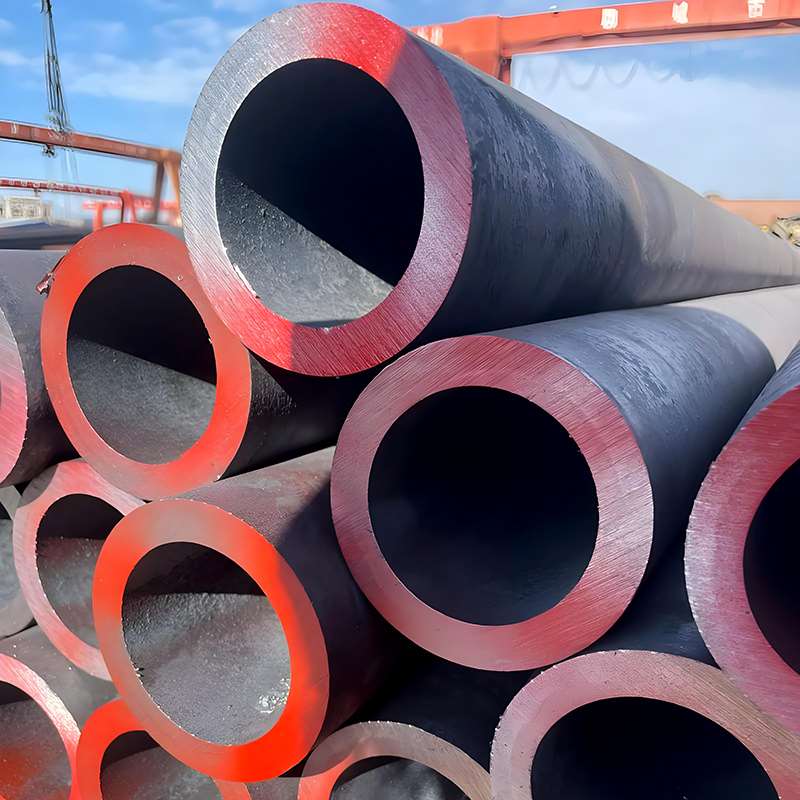
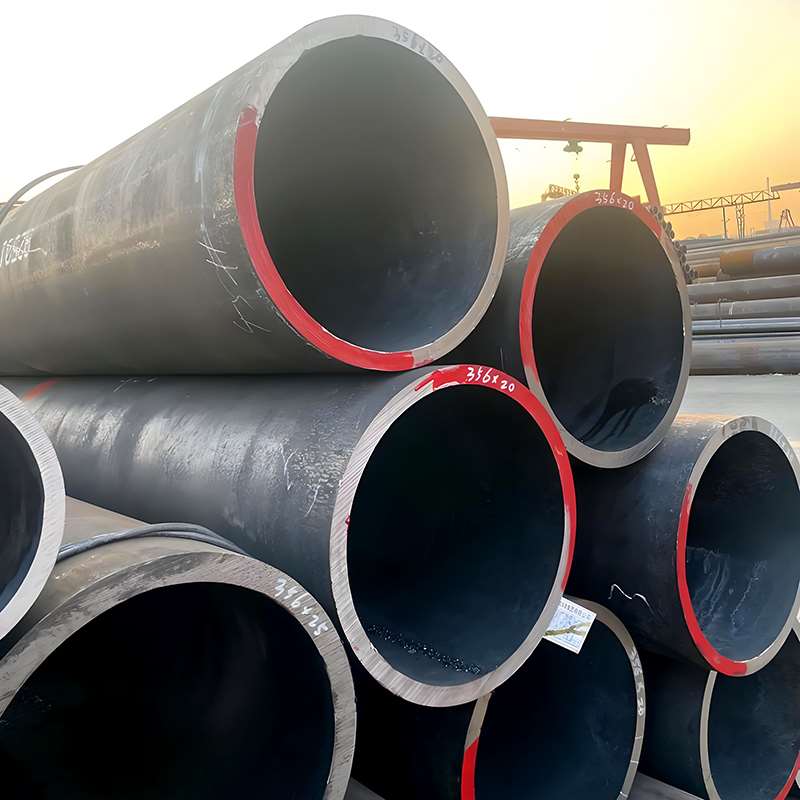
ASTM A335 Alloy Steel Pipes are seamless alloy steel pipes manufactured according to the ASTM A335 standard, specifically designed for high-temperature and high-pressure industrial environments.
They are made of chromium-molybdenum (Cr-Mo) alloy, offering excellent high-temperature resistance, corrosion resistance, and pressure resistance. They are commonly used in boiler piping, steam piping, heat exchangers, and petrochemical process piping.
2. What are the commonly used steel grades for ASTM A335 pipe?
Answer: Commonly used steel grades include:
- P11: Low to medium temperature systems, maximum operating temperature approximately 510°C
- P22: Medium to high temperature steam pipe, maximum approximately 550°C
- P91: High temperature and high pressure systems, maximum approximately 600°C
- P92: Ultra-supercritical boiler piping, maximum approximately 620°C
Different steel grades differ in strength, creep performance, and durability; selection should be based on project requirements.
3. What are the typical applications of ASTM A335 Alloy Steel Pipes?
Answer:
- Power industry: Boiler tubes, steam pipes, heat exchangers
- Petrochemical industry: Heat exchangers, reactors, process piping
- Oil and gas: High-pressure oil and gas pipelines
- High-temperature industrial equipment: Main steam pipes, reheat steam pipes, nuclear power plant auxiliary piping
These applications require pipes with high-temperature, pressure-resistant, and corrosion-resistant properties.
4. What are the specifications for ASTM A335 Alloy Steel Pipes?
Answer:
- Outer Diameter (OD): 21.3 mm – 762 mm
- Wall Thickness (WT): 3.2 mm – 80 mm
- Length: 6 m – 12 m (customizable)
- Steel Grade: P11, P22, P91, P92
Appropriate wall thickness and steel grade can be selected according to design pressure and temperature to ensure safety and reliability.
5. How to select the appropriate ASTM A335 Alloy Steel Pipe?
Answer: Selection mainly considers four factors:
- Operating Temperature: Select the steel grade based on the system steam temperature.
- Operating Pressure: Pipe diameter and wall thickness must meet the design pressure.
- Environmental Conditions: For corrosive media, select a high corrosion resistance grade.
- Certifications and Standards: Ensure the pipe conforms to the ASTM A335 standard and provide a material certificate.
Correct selection can extend service life and reduce maintenance costs.
发送反馈
6. Can ASTM A335 Alloy Steel Pipes be customized?
Answer: Yes. Most suppliers offer customization services, including:
- Length: Customizable according to piping layout requirements
- Wall thickness: Adjustable according to pressure rating
- Steel grade: Meets specific temperature or corrosion requirements of the project
Customized pipes ensure ease of installation and system safety, while meeting the demands of high-temperature and high-pressure industrial applications.