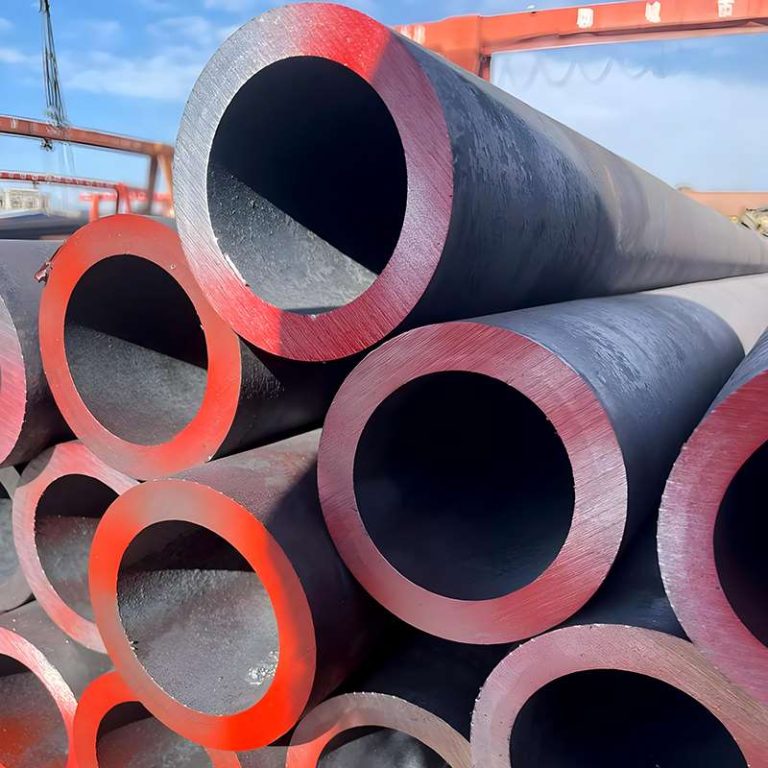
I. Overview of High-Temperature & High-Pressure Alloy Steel Pipe
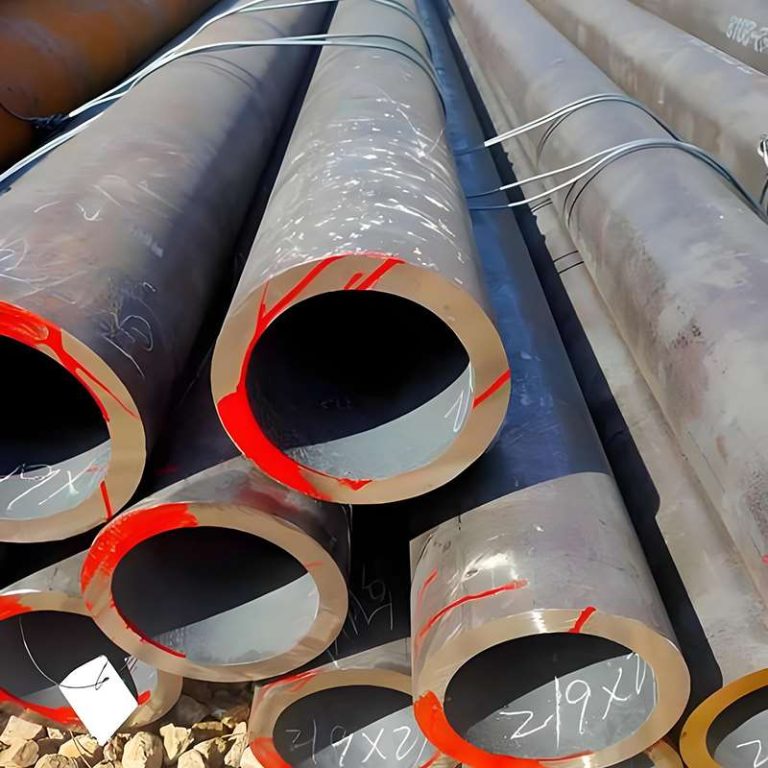
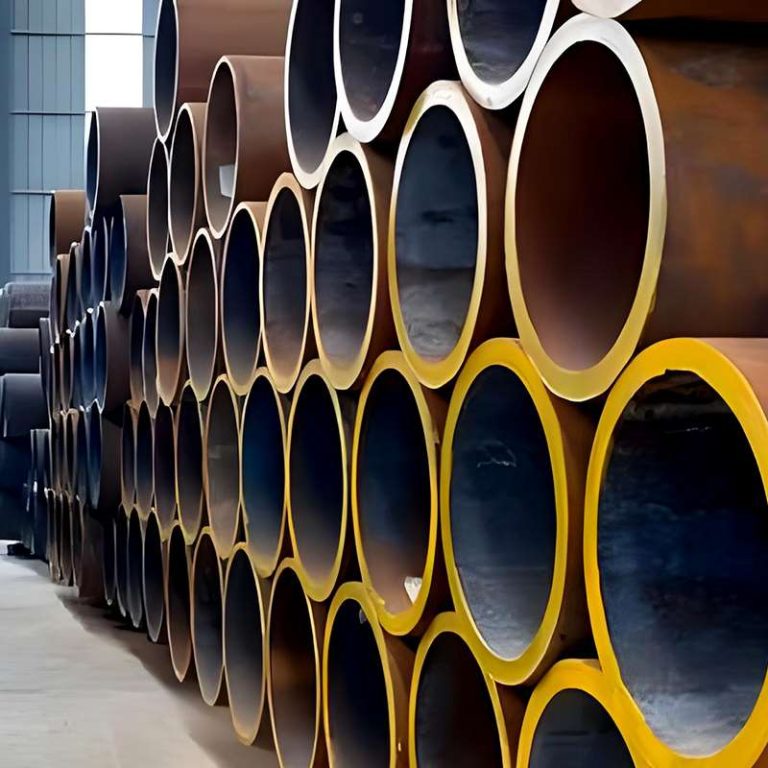
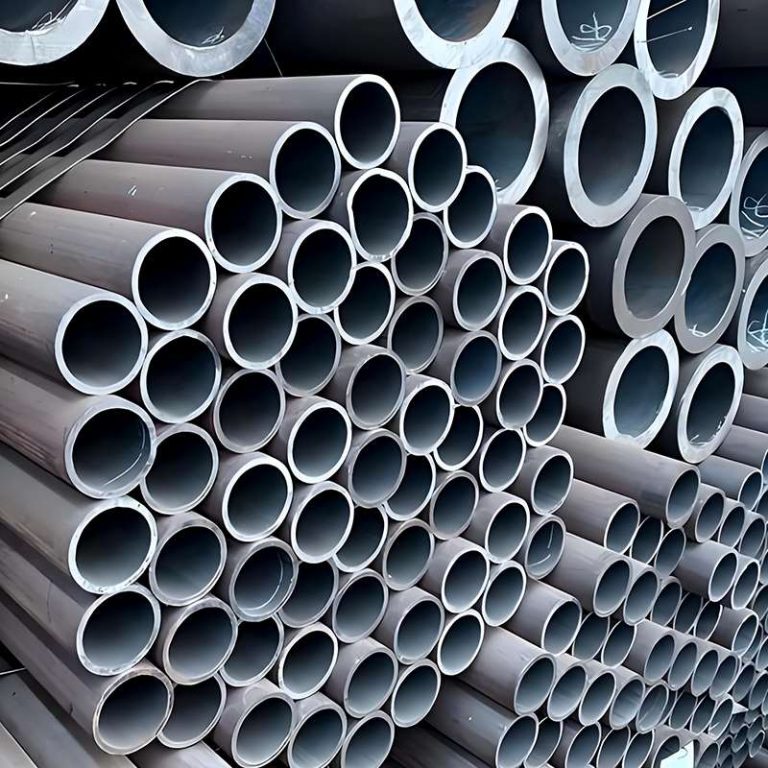
High-Temperature & High-Pressure Alloy Steel Pipe is a type of seamless alloy steel pipe specifically designed for high-temperature and high-pressure operating conditions.
Manufactured from chromium-molybdenum alloy steel, it features excellent high-temperature resistance, creep resistance, and high tensile strength, enabling long-term, stable operation in industries such as boiler manufacturing, steam piping systems, chemical processing, and petroleum refining.
This product complies with ASTM A335 / ASME SA335 standards and is available in various grades (P5, P9, P11, P22, P91, P92) to meet diverse requirements regarding temperature, pressure, and specific operating environments.
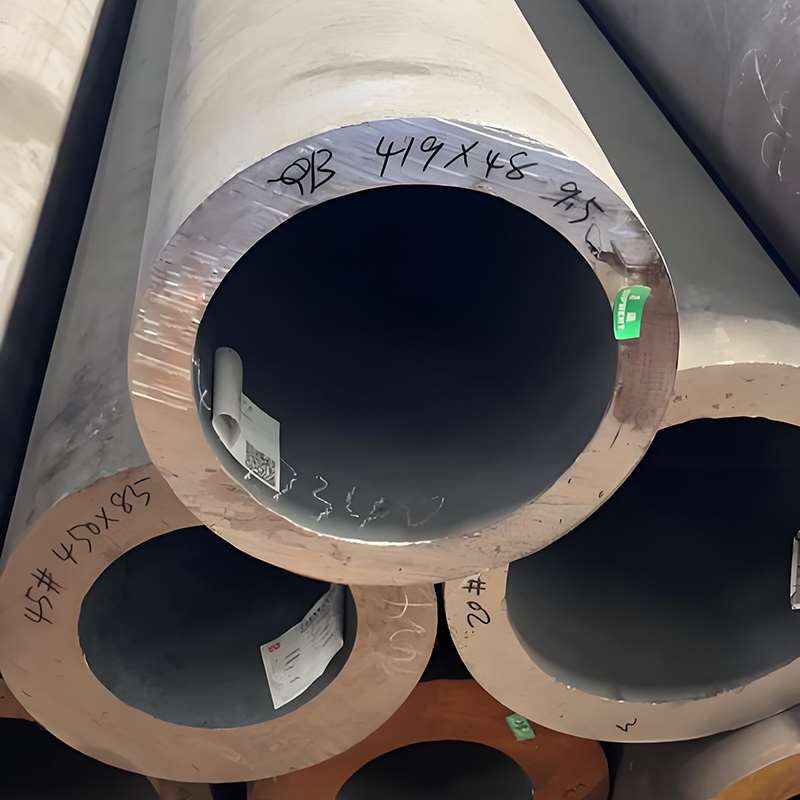
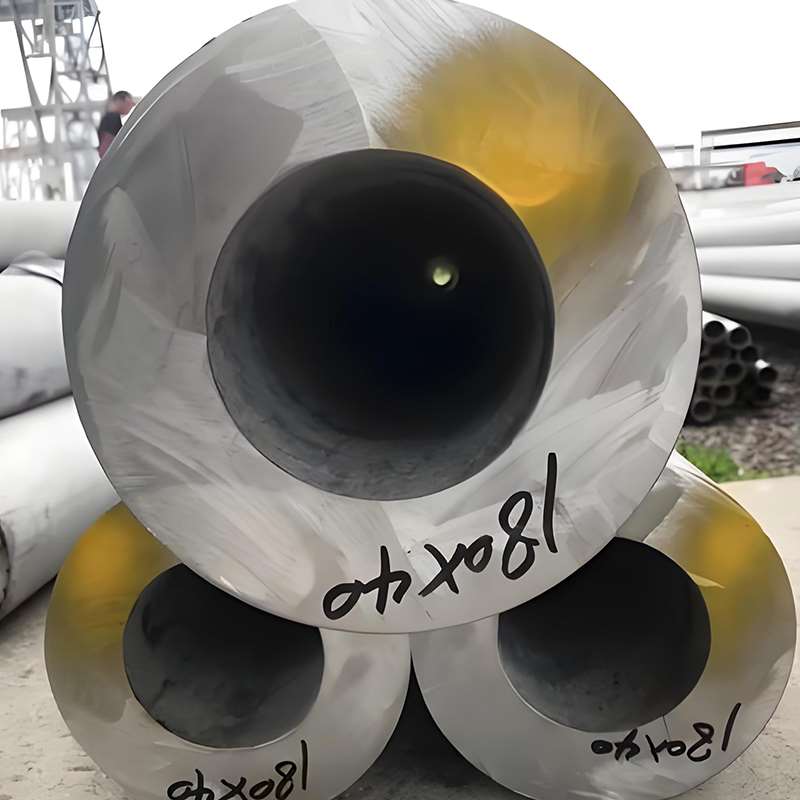
II. Overview of Distinctions Between Different Steel Grades
| Steel Grade | Chemical Composition Characteristics | Main Properties | Applicable Temperature |
|---|---|---|---|
| P5 | Low chromium, low molybdenum alloy (Cr ≈ 0.5%, Mo ≈ 0.5%) | Moderate high-temperature strength, average creep resistance | ≤450°C |
| P9 | Medium chromium, low molybdenum (Cr ≈ 1%, Mo ≈ 0.5%) | Better creep resistance than P5, slightly higher high-temp strength | ≤500°C |
| P11 | Cr ≈ 1%, Mo ≈ 0.5%, moderate alloy content | Good high-temperature strength, strong creep resistance | ≤540°C |
| P22 | Cr ≈ 2%, Mo ≈ 1% | High high-temperature strength, strong creep resistance, improved oxidation resistance | ≤580°C |
| P91 | High chromium, high molybdenum alloy (Cr ≈ 9%, Mo ≈ 1%), small amounts of V, Nb, N for strengthening | Ultra-high temperature strength, excellent creep resistance | ≤600–620°C |
| P92 | Similar to P91 but optimized alloy composition for longer high-temperature life | Better creep resistance and longer service life than P91 | ≤620–630°C |
III. Table of Mechanical Properties for High-Temperature Alloy Steel Tubes
| Steel Grade | Yield Strength σy (MPa) | Tensile Strength σb (MPa) | Elongation δ5 (%) | Reduction of Area ψ (%) | Service Temperature Range (°C) |
|---|---|---|---|---|---|
| P5 | 205 – 310 | 380 – 520 | ≥20 | ≥40 | ≤450 |
| P9 | 240 – 310 | 415 – 550 | ≥18 | ≥35 | ≤500 |
| P11 | 275 – 310 | 415 – 550 | ≥18 | ≥35 | ≤540 |
| P22 | 275 – 310 | 415 – 550 | ≥18 | ≥35 | ≤580 |
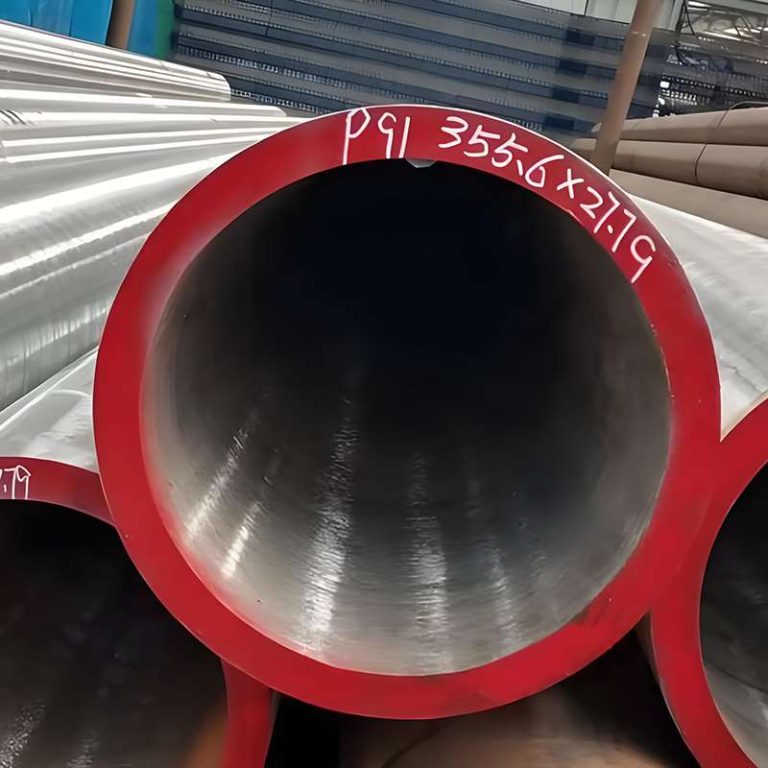
| P91 | 585 – 690 | 710 – 880 | ≥20 | ≥35 | ≤600–620 |
| P92 | 620 – 690 | 760 – 860 | ≥20 | ≥30 | ≤620–630 |
IV. High-Temperature & High-Pressure Alloy Steel Pipe: Specifications and Dimensions Table
| Nominal Size (inch) | Outer Diameter (mm) | Wall Thickness (mm) | Standard Length (m) | Weight per Pipe (kg/m) |
|---|---|---|---|---|
| 1/2″ | 21.3 | 2.77 – 4.55 | 6 / 12 | 1.5 – 2.5 |
| 3/4″ | 26.7 | 2.87 – 4.78 | 6 / 12 | 2.0 – 3.0 |
| 1″ | 33.4 | 3.38 – 4.78 | 6 / 12 | 2.7 – 4.0 |
| 1 1/4″ | 42.2 | 3.56 – 5.16 | 6 / 12 | 3.5 – 5.0 |
| 1 1/2″ | 48.3 | 3.68 – 5.54 | 6 / 12 | 4.2 – 5.8 |
| 2″ | 60.3 | 3.91 – 6.02 | 6 / 12 | 5.5 – 8.0 |
| 2 1/2″ | 73.0 | 4.19 – 6.55 | 6 / 12 | 7.5 – 11.0 |
| 3″ | 88.9 | 4.57 – 7.11 | 6 / 12 | 10 – 15 |
| 4″ | 114.3 | 4.78 – 7.62 | 6 / 12 | 14 – 21 |
| 5″ | 141.3 | 5.16 – 8.18 | 6 / 12 | 20 – 30 |
| 6″ | 168.3 | 5.49 – 9.27 | 6 / 12 | 28 – 40 |
| 8″ | 219.1 | 6.35 – 11.13 | 6 / 12 | 42 – 65 |
| 10″ | 273.0 | 6.35 – 12.70 | 6 / 12 | 60 – 90 |
| 12″ | 323.9 | 7.11 – 14.27 | 6 / 12 | 85 – 120 |
| 14″ | 355.6 | 7.92 – 15.09 | 6 / 12 | 110 – 160 |
| 16″ | 406.4 | 8.56 – 16.00 | 6 / 12 | 135 – 200 |
| 18″ | 457.0 | 9.27 – 18.00 | 6 / 12 | 170 – 260 |
| 20″ | 508.0 | 10.31 – 19.05 | 6 / 12 | 210 – 310 |
| 24″ | 609.6 | 12.70 – 22.22 | 6 / 12 | 300 – 450 |
V. Can it withstand prolonged exposure to high temperatures and high pressures?
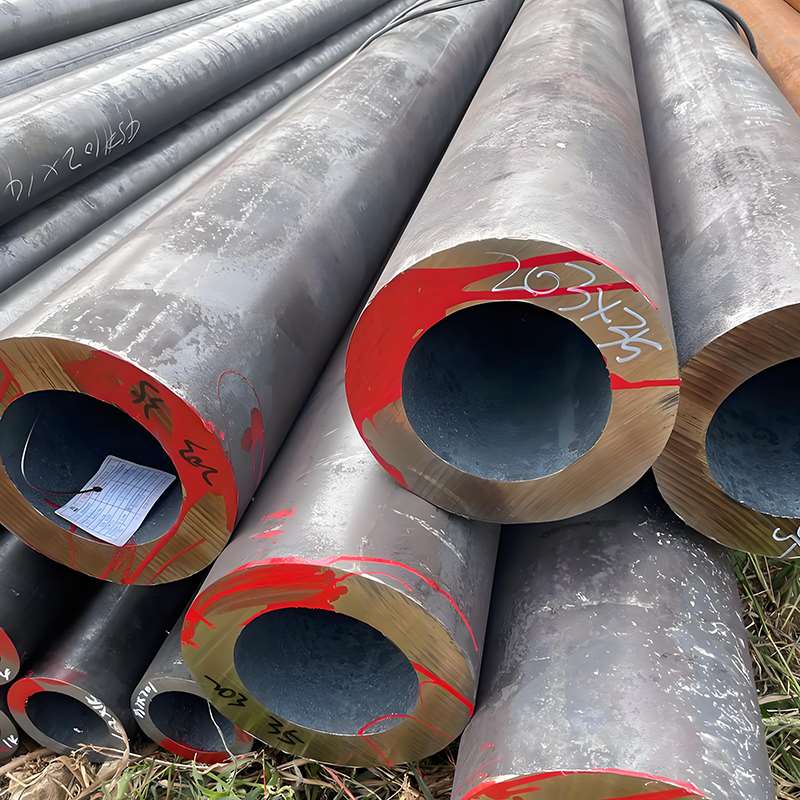
High-Temperature & High-Pressure Alloy Steel Pipe is manufactured using high-strength chromium-molybdenum alloy steel and undergoes rigorous heat treatment processes (normalization or tempering) to ensure the piping material maintains stable, long-term performance in high-temperature and high-pressure environments. Different steel grades (P5, P9, P11, P22, P91, P92) are designed to address specific temperature and pressure operating conditions:
- Medium-to-Low Temperature, Medium-Pressure Piping (P5, P9): Suitable for steam or fluid transport systems operating at temperatures ≤ 450–500°C, capable of withstanding moderate pressures over extended periods.
- High-Temperature, High-Pressure Piping (P11, P22): Suitable for steam and thermal media applications at temperatures ≤ 540–580°C; features high creep strength to ensure stable, long-term operation.
- Ultra-High Temperature, Ultra-High Pressure Piping (P91, P92): Designed for operating temperatures reaching 600–630°C; specifically engineered for supercritical and ultra-supercritical boilers, as well as high-temperature and high-pressure chemical processing environments, offering exceptional creep resistance and a long service life.
Furthermore, the seamless structure of the piping material—combined with strict manufacturing standards (ASTM A335 / ASME SA335)—ensures that the pipes remain free from threading, cracking, or excessive deformation under high-temperature and high-pressure conditions. This enables their safe and reliable application in boiler main steam lines, reheater lines, and high-temperature/high-pressure chemical systems.
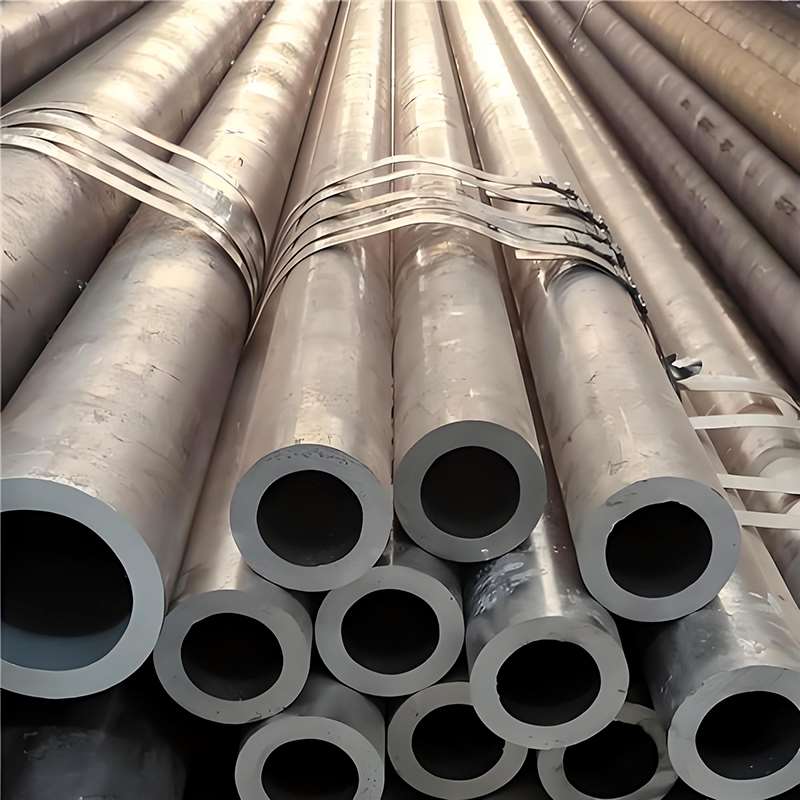
VI. Welding, Installation, and On-Site Process Considerations
The welding and installation of high-temperature, high-pressure alloy steel pipes are subject to strict requirements; proper construction procedures are directly critical to the safety and long-term service life of the piping system.
- Welding Process Requirements
- High-temperature alloy steel pipes are compatible with various welding methods, including Gas Tungsten Arc Welding (TIG), Shielded Metal Arc Welding (SMAW), and Submerged Arc Welding (SAW). However, regardless of the method employed, Pre- and Post-Weld Heat Treatment (PWHT) constitutes an indispensable step.
- Heat treatment serves to relieve welding stresses, restore the material’s high-temperature strength and creep resistance, and ensure that the mechanical properties of the weld seam are consistent with those of the base metal.
- Installation Considerations
- During on-site installation, care must be taken to prevent bending of the pipe material or the creation of localized stress concentrations—particularly in the case of large-diameter or thick-walled pipes.
- Pipe hoisting, supporting, and anchoring operations must strictly adhere to design specifications to ensure uniform stress distribution throughout the piping system, thereby preventing deformation or cracking caused by stress concentrations during long-term operation.
- The Importance of Weld Heat Treatment
- Each steel grade (P5, P9, P11, P22, P91, P92) is subject to strict standards for weld heat treatment. Failure to adhere to these standards may compromise the piping material’s creep life and overall safety under high-temperature and high-pressure operating conditions.
- Therefore, prior to construction, it is essential to verify that the construction team is thoroughly familiar with the welding procedures and heat treatment requirements, and has prepared the appropriate equipment and procedural plans.
VII. Frequently Asked Questions (FAQ)
1. What temperatures and pressures can high-temperature alloy steel pipes withstand?
- The load-bearing capacity of high-temperature, high-pressure alloy steel pipes depends on the steel grade and wall thickness.
- Grades P5/P9 are suitable for medium-temperature steam lines (≤450–500°C); P11/P22 can withstand high-temperature, high-pressure operating conditions (≤540–580°C); and P91/P92 are designed for temperatures reaching 600–630°C, making them suitable for supercritical or ultra-supercritical boilers.
Selecting the appropriate steel grade and pipe diameter ensures the long-term, stable operation of the pipeline and prevents creep or rupture caused by material overload.
2. How should one select the appropriate steel grade (P5–P92)?
The selection of a steel grade should be based on operating temperature, pressure, and service life requirements. General guidelines are as follows:
- P5/P9: Medium temperature and pressure; economical and practical.
- P11/P22: High temperature and pressure; ensures long-term reliability.
- P91/P92: Ultra-high temperature and pressure; possesses exceptional creep resistance and is suitable for supercritical boilers and high-temperature chemical pipelines.
By clearly defining the specific temperature-pressure range, one can avoid selecting an unsuitable steel grade, thereby reducing operational risks and engineering costs.
3. What process considerations are critical when welding these pipes?
- When welding high-temperature alloy steel pipes, it is imperative to strictly adhere to the welding specifications prescribed for the specific steel grade. Post-Weld Heat Treatment (PWHT) is a mandatory step that cannot be omitted; it serves to relieve welding stresses and restore the material’s high-temperature strength and creep resistance.
- Applicable welding methods include Gas Tungsten Arc Welding (GTAW), Shielded Metal Arc Welding (SMAW), and automated welding processes. During construction, care must be taken to prevent pipe deformation or localized stress concentrations, thereby ensuring the integrity of both the weld seams and the pipeline as a whole.
4. Does the pipe surface require anti-corrosion treatment?
- Under high-temperature and high-pressure operating conditions, the surface of the pipes is susceptible to corrosion caused by steam or chemical media.
- Common protective measures include the application of rust-inhibiting oils, anti-rust paints, as well as coatings such as Fusion Bonded Epoxy (FBE) and multi-layer polyethylene systems (e.g., 2PE/3PE). Selecting the appropriate surface treatment solution can significantly extend the service life of the pipeline and reduce maintenance costs.
5. What precautions should be taken during the transportation and installation of high-temperature alloy steel pipes?
- Large-diameter, thick-walled pipes are heavy; therefore, slings or specialized lifting gear must be used during transport to prevent collisions.
- Pipes should be stacked in layers to ensure safety.
- During installation, pipe supports must be distributed evenly to prevent localized stress concentrations.
- Planning transportation and on-site construction procedures in advance can minimize damage and the need for rework, thereby improving overall project efficiency.
6. How can the safe operation of pipelines be ensured under prolonged conditions of high temperature and high pressure?
- Ensuring long-term operational safety requires a comprehensive approach that addresses various factors, including steel grade selection, wall thickness calculations, welding procedures, corrosion protection treatments, and installation standards.
- By selecting a steel grade appropriate for the specific operating conditions, strictly adhering to welding and heat treatment protocols, ensuring uniform stress distribution within the pipeline, implementing corrosion prevention measures, and conducting regular inspections of the pipe’s condition, it is possible to extend service life, mitigate accident risks, and ensure the long-term, stable operation of the system.