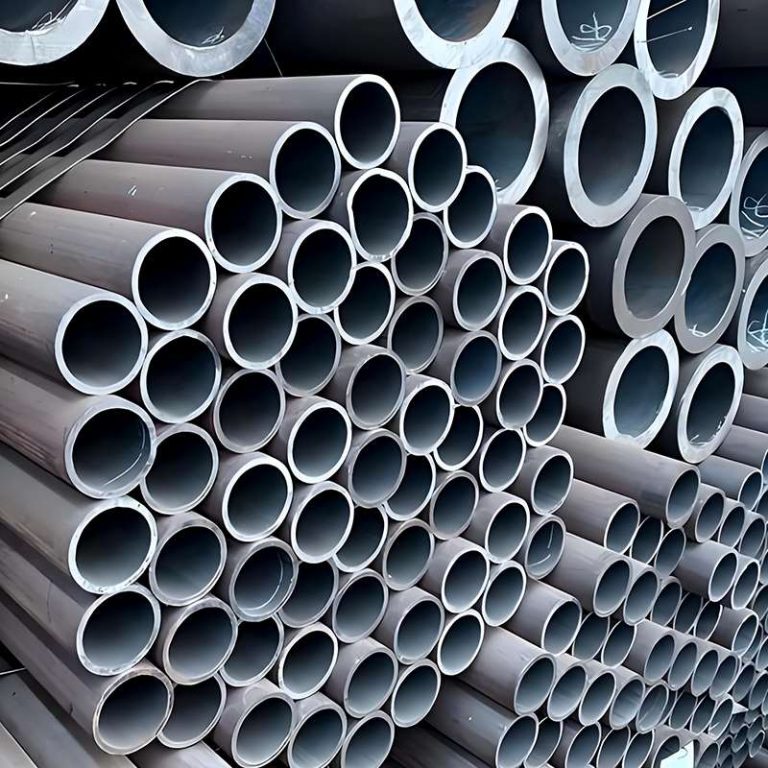
I. Introduction to Chromium-Molybdenum Alloy Steel Tubes for Industrial Boilers
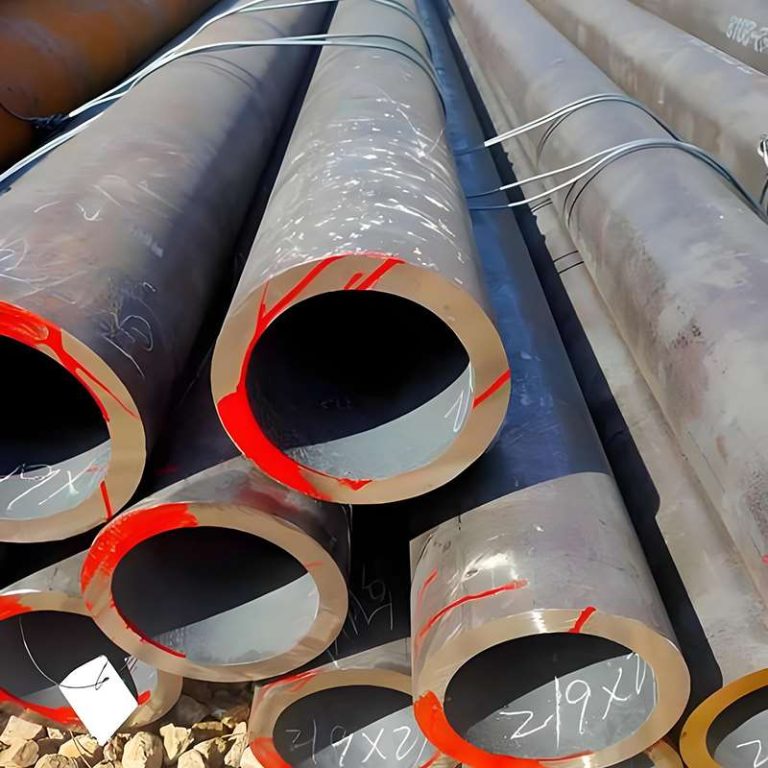
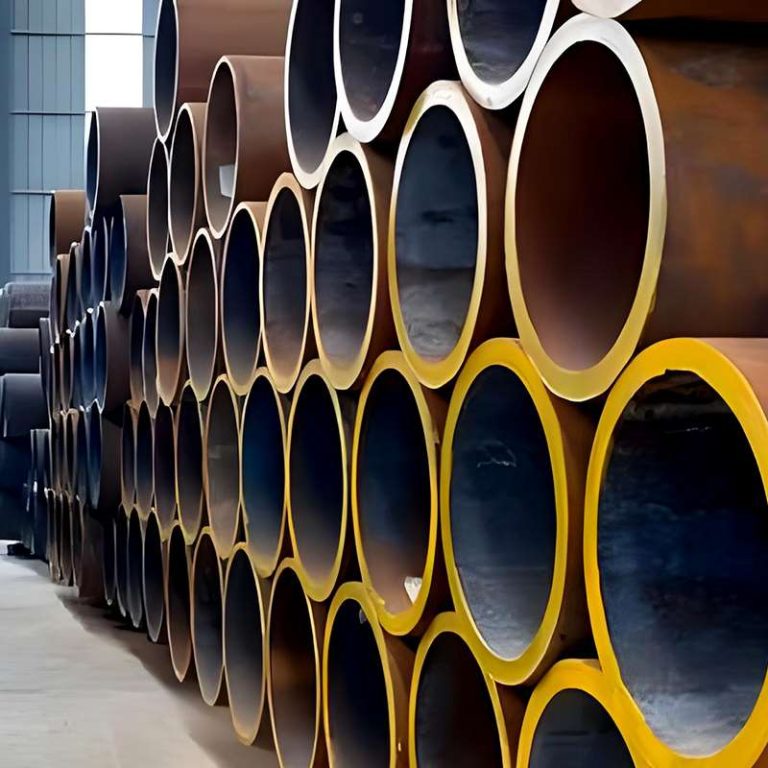
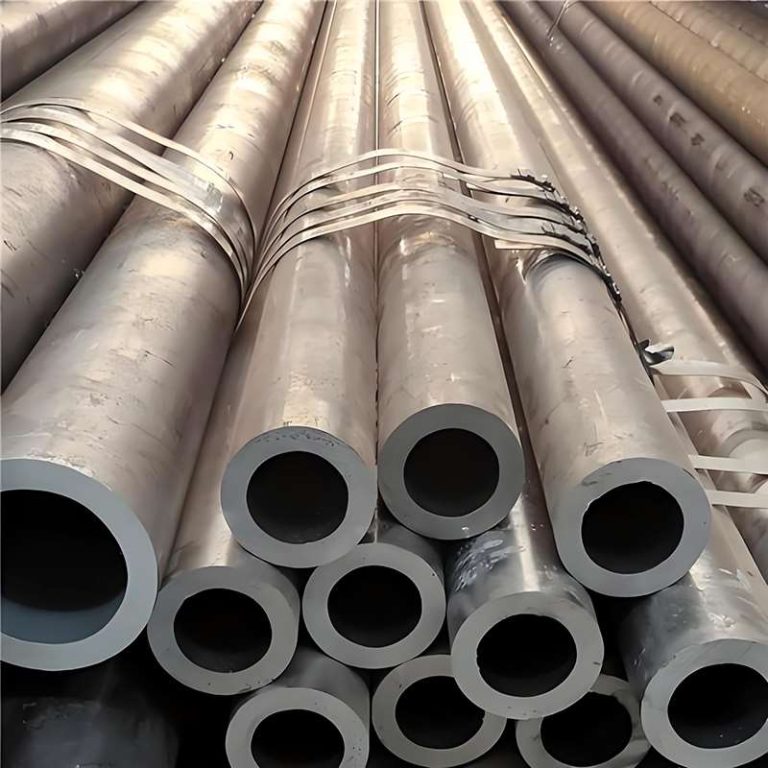
Chromium-molybdenum alloy steel tubes for industrial boilers are critical piping materials specifically engineered for high-temperature, high-pressure industrial steam systems. They are extensively used in power station boilers, industrial boilers, and steam pipeline systems within petrochemical plants.
Manufactured from premium chromium-molybdenum alloy steel via hot-rolled or cold-drawn seamless processes, these pipes undergo normalized + tempered heat treatment to ensure performance under demanding operating conditions.
Key Features
High-Temperature & High-Pressure Resistance: Capable of sustained operation in high-temperature steam environments ranging from 450–600°C.
High strength and excellent toughness: Meets pressure requirements for high-pressure steam pipelines in industrial boilers.
Superior corrosion resistance: Chromium and molybdenum alloy elements enhance oxidation resistance and corrosion resistance.
High dimensional accuracy and weldability: Ensures installation and construction quality.
Primary Grades and Standards
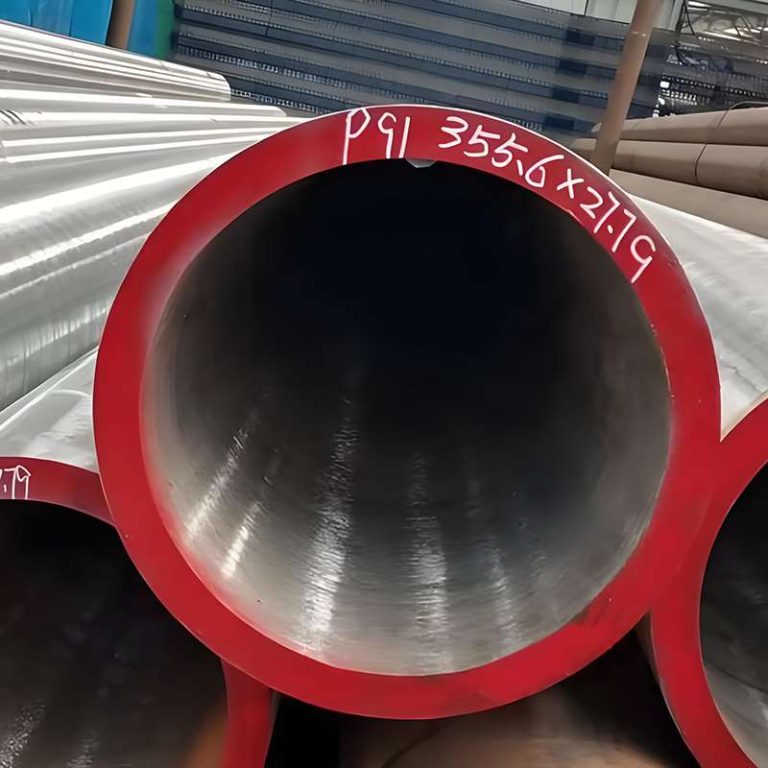
Grades: P11, P22, P91, 10CrMo9-10, 13CrMo4-5
Standards: ASTM A335 / ASME SA335; EN 10216-2; GB 5310
Application Fields
Industrial boiler steam systems (superheaters, reheaters, main steam lines)
High-pressure steam trunk lines and high-temperature steam pipelines in petrochemical and chemical plants
Industrial thermal energy systems and steam transportation in power plants
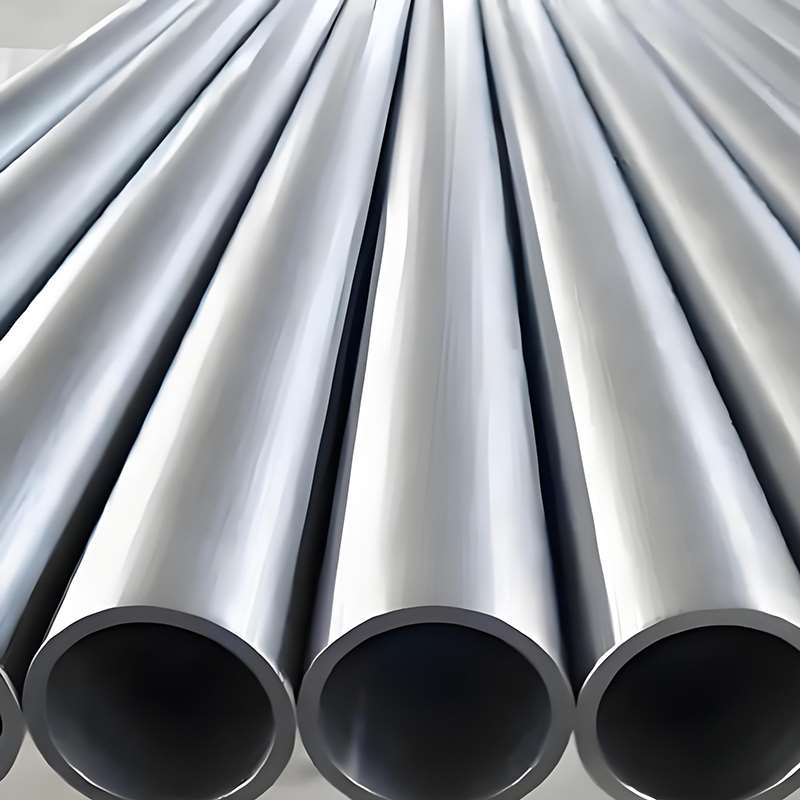
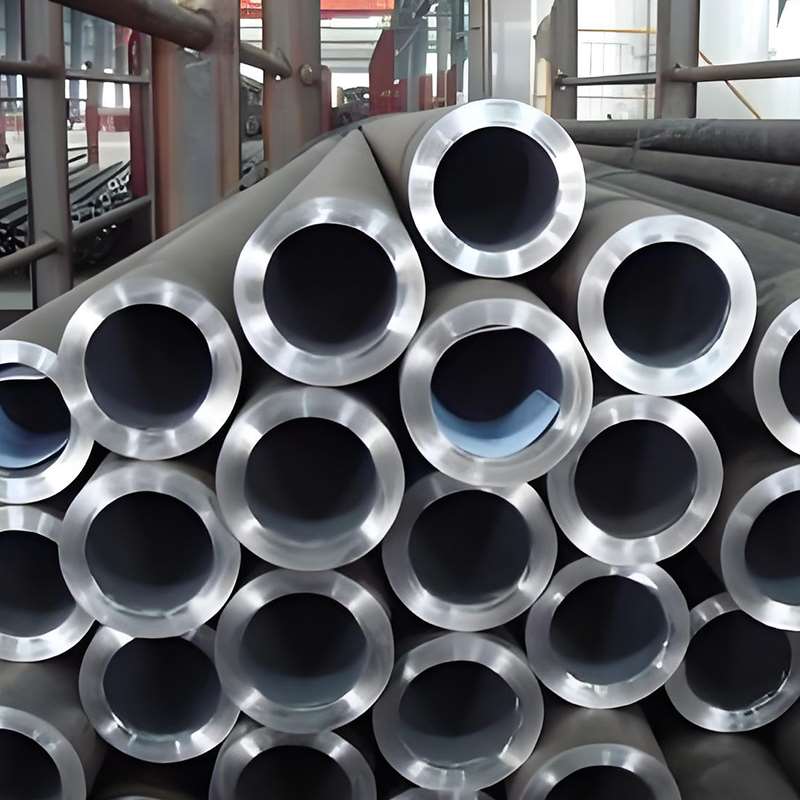
II. Manufacturing Process for Chromium-Molybdenum Alloy Steel Tubes Used in Industrial Boilers
1. Raw Material Selection
Select high-quality chromium-molybdenum alloy steel ingots (e.g., P11, P22, P91, 10CrMo9-10, etc.).
Strictly control the content of alloying elements such as Cr, Mo, and V to ensure high-temperature resistance, corrosion resistance, and high strength.
2. Forming Process
| Manufacturing Process | Characteristics | Typical Applications |
|---|---|---|
| Hot-rolled Seamless Pipe | Produced by high-temperature piercing and rolling; large outer diameter and thick wall | Main steam pipelines, thick-wall pressure pipes |
| Cold-drawn / Cold-rolled Seamless Pipe | Precision drawing/rolling for improved dimensional accuracy and surface finish | Small-diameter, high-precision piping; boiler heat exchanger tubes |
3. Heat Treatment Process
Normalizing + Tempering: Improves grain structure, enhances toughness and high-temperature creep strength.
Quenching + Tempering (P91, T91): Ensures long-term high-temperature performance and welding safety.
4. Dimensioning and End Preparation
Cutting: Cut to specified lengths or random lengths as required.
End Preparation:
Butt-end (BE) for standard pipe connections
Beveled end (PE 30°±5°) for welding convenience
Surface Treatment: Black scale, pickled, sandblasted; may be coated with rust-preventive oil or epoxy coating.
5. Inspection and Quality Assurance
Physical and Chemical Property Testing: Chemical composition, mechanical properties, metallographic structure.
Non-Destructive Testing (NDT): Ultrasonic (UT), Radiographic (RT) inspection.
Dimensional Inspection: Outer diameter, wall thickness, straightness, roundness.
Material Test Certificate (MTC): Provides material standards, steel grades, and test results compliant with ASTM / EN / GB standards.
6. Summary of Process Features
Seamless Manufacturing: Ensures safe operation of high-pressure, high-temperature industrial boiler tubes.
Rigorous Heat Treatment: Enhances high-temperature creep strength and toughness.
Precision Dimensional Control: Guarantees installation and welding quality.
Surface Protection: Facilitates transportation, installation, and welding.
III. Application Fields and Selection Recommendations for Chromium-Molybdenum Alloy Steel Pipes in Industrial Boilers
i. Application Fields
- Industrial Boiler Steam Systems
Main steam pipes, superheaters, reheaters, high-pressure steam pipelines. - High-Temperature Steam Piping in Petrochemical and Chemical Industries
High-temperature steam circulation systems, reactor vessels, and thermal energy transfer pipelines. - Energy and Power Plant Boilers
Steam delivery pipelines for thermal power, cogeneration, and waste heat boilers. - High-Pressure Thermal Energy Systems
Industrial facility hot water/steam circulation systems and high-temperature process piping.
ii. Selection Recommendations
1. Select the steel grade based on the operating temperature and pressure.
| Operating Temperature | Pressure Class | Recommended Steel Grade | Description |
|---|---|---|---|
| ≤450 °C | Medium & Low Pressure | P11 / 13CrMo4-5 | Cost-effective; suitable for medium-temperature steam pipelines |
| 450–540 °C | High Pressure | P22 / 10CrMo9-10 | Designed for high-temperature and high-pressure components such as superheaters and reheaters |
| ≥540 °C | Ultra-High Pressure / Supercritical | P91 / X10CrMoVNb9-1 | Excellent high-temperature creep strength; ideal for main steam pipelines |
2. Select Standards Based on Application
- Boiler Heat Surfaces/Superheaters: ASTM A213 / EN 10216-2 T11/T22/T91
- High-Pressure Steam Main Piping: ASTM A335 / EN 10216-2 P11/P22/P91
- Domestic Projects: GB 5310 standard commonly used
- Note: Do not mix boiler tube and pipeline steel standards.
3. Pipe Diameter and Wall Thickness Selection
- Pipe Diameter: Calculated based on steam flow and design pressure, commonly 21.3–508 mm.
- Wall Thickness: Selected based on pressure design and corrosion allowance, commonly 2–60 mm.
4. Heat Treatment and Welding
- P11 / P22: Normalizing + Tempering sufficient
- P91 / T91: Must undergo Normalizing + Tempering; welding process strictly controlled
- Welded Ends: Grooved end (PE) facilitates welding
5. Key Considerations for Rapid Selection
- Define temperature, pressure, flow rate, and application
- Determine standards and steel grades
- Outer diameter × wall thickness × length per design requirements
- Confirm heat treatment, surface protection, and packaging specifications
- Core principle: Material → Process → Installation, ensuring long-term safe and reliable operation of industrial boilers and steam systems.
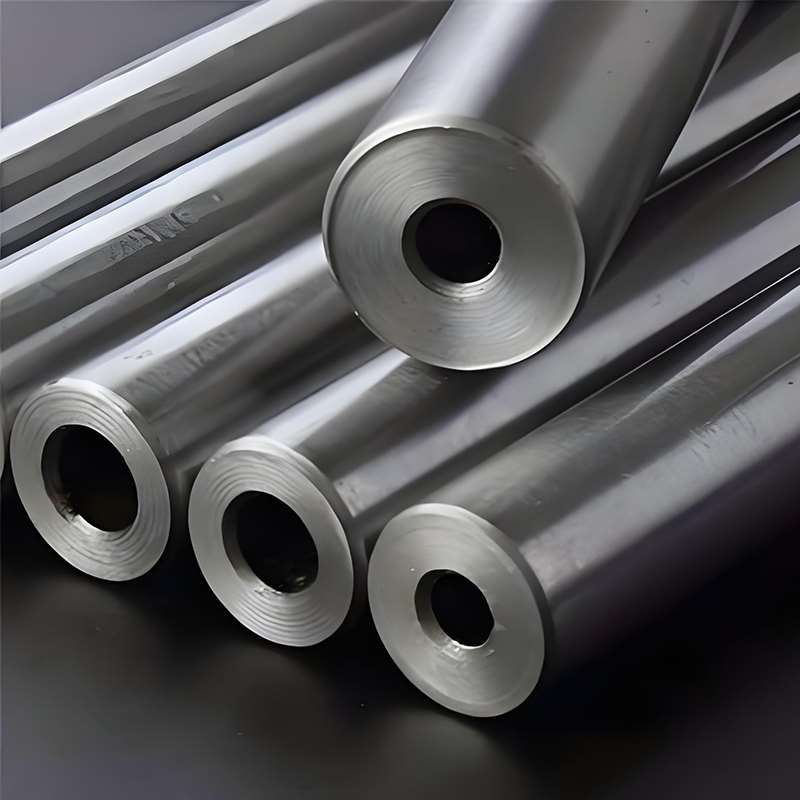
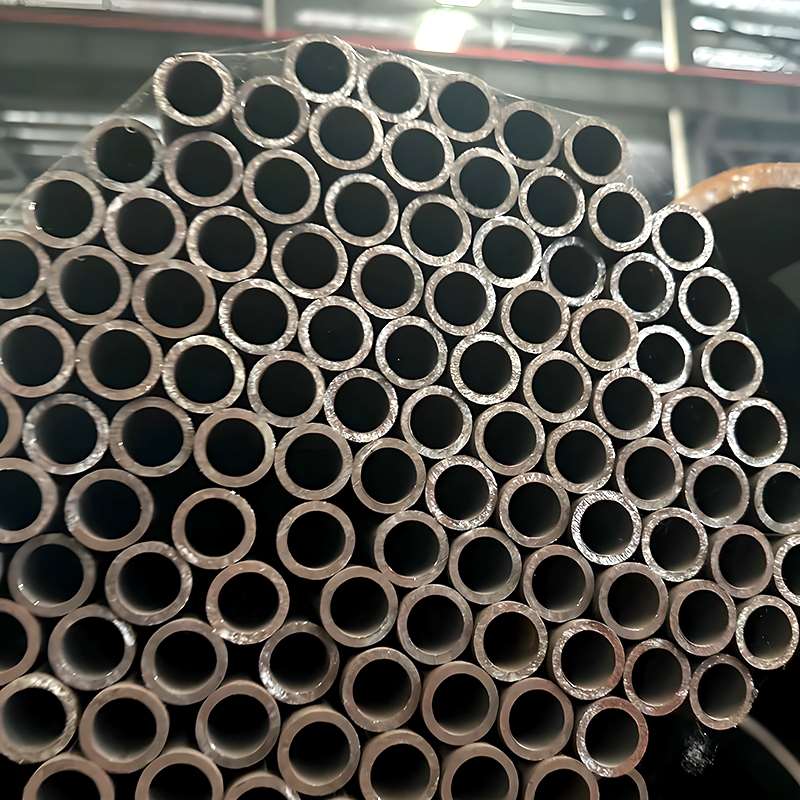
IV. Classification of Chromium-Molybdenum Alloy Steel Pipes
1. Classification by Steel Grade/Material
| Type | Steel Grade / Material | Key Characteristics | Typical Applications |
|---|---|---|---|
| Low Alloy Chromium-Molybdenum Steel Pipe | P11, P22, 10CrMo9-10, 13CrMo4-5 | Good resistance to medium and high temperatures and pressures; cost-effective | Industrial boiler steam systems, medium-pressure steam pipelines |
| High Alloy Chromium-Molybdenum Steel Pipe | P91, T91, X10CrMoVNb9-1 | Excellent high-temperature strength, superior creep resistance, long service life | High-temperature and high-pressure main steam pipelines, supercritical boilers |
2. Classified by manufacturing process
| Type | Manufacturing Process | Key Characteristics | Typical Applications |
|---|---|---|---|
| Hot-Rolled Seamless Pipe | Hot piercing + rolling | Large outer diameter, thick wall, uniform dimensions | Main steam pipelines, thick-wall high-pressure piping |
| Cold-Drawn Seamless Pipe | Cold drawing or cold rolling | High dimensional accuracy, excellent surface finish | Small-diameter boiler tubes, heat transfer surface tubes |
| Welded Pipe | ERW or SAW welding | Suitable for medium and low pressure, large diameters | Low-pressure steam pipelines, chemical steam systems |
3. Classified by purpose
| Type | Typical Applications | Description |
|---|---|---|
| Industrial Boiler Use | Boiler main steam pipes, superheaters, reheaters | High-temperature and high-pressure steam piping; requires excellent high-temperature strength |
| Power Plant Use | Steam pipelines in thermal and cogeneration power plants | High-temperature and high-pressure circulating steam systems |
| Petrochemical / Chemical Use | High-temperature steam pipelines, reactor piping | Corrosion-resistant; suitable for process steam systems |
V. What is the hardness of chromium-molybdenum alloy steel pipes?
i. Hardness range of commonly used steel grades (after heat treatment)
| Steel Grade | Standard | Hardness (HRC) | Hardness (HB) | Description |
|---|---|---|---|---|
| P11 | ASTM A335 / EN 10216-2 | 18–22 HRC | 170–210 HB | Normalized and tempered condition; suitable for medium-temperature steam pipelines |
| P22 | ASTM A335 / EN 10216-2 | 19–23 HRC | 180–220 HB | Excellent high-temperature strength; suitable for superheaters and reheaters |
| P91 | ASTM A335 / EN 10216-2 | 22–28 HRC | 200–240 HB | Outstanding high-temperature creep strength; ideal for high-temperature and high-pressure main steam pipelines |
| 10CrMo9-10 | EN 10216-2 | 18–22 HRC | 170–210 HB | Medium- to high-temperature steam pipes with long-term durability |
| 13CrMo4-5 | EN 10216-2 | 18–22 HRC | 170–210 HB | Medium-temperature steam pipes; cost-effective, widely used in industrial boilers |
ii. Hardness Specifications
- Hardness values represent typical post-heat-treatment readings; actual values are subject to factory testing (MTC).
- High-alloy steels (e.g., P91) exhibit elevated hardness but require tempering to ensure toughness and prevent brittle fracture.
- Hardness impacts weldability, machinability, and wear resistance; selection must align with intended application.
VI. Common FAQs for Chromium-Molybdenum Alloy Steel Pipes in Industrial Boilers
Q1: What operating conditions are suitable for chromium-molybdenum alloy steel pipes in industrial boilers?
A:
Suitable for high-temperature, high-pressure steam systems such as boiler main steam lines, superheaters, reheaters, and high-pressure steam pipelines.
Capable of stable long-term operation in high-temperature (450–600°C) and high-pressure steam environments.
Q2: How should steel grades be selected based on temperature and pressure?
A:
≤450°C: Select P11 / 13CrMo4-5
450–540°C: Select P22 / 10CrMo9-10
≥540°C: Select P91 / X10CrMoVNb9-1
Principle: Temperature priority → Pressure confirmation → Grade selection to ensure long-term safety.
Q3: How are pipe diameter and wall thickness selected?
A:
Pipe diameter is calculated based on steam flow rate and design pressure, typically ranging from 21.3–508 mm.
Wall thickness is selected according to pressure and corrosion allowance, commonly between 2–60 mm.
Thick-walled pipes are suitable for main steam lines, while small-diameter pipes are used for boiler heat transfer surfaces.
Q4: Why must P91 steel pipes undergo quenching and tempering?
A:
High-alloy steels are prone to residual stresses and grain coarsening at elevated temperatures.
Quenching + tempering refines the microstructure, enhances high-temperature creep strength and toughness, and ensures welding integrity.
Q5: How is welding and installation quality ensured?
A:
Use beveled ends (PE) for easier welding.
Strictly control welding process parameters and preheat/postheat temperatures, especially for high-alloy steel P91.
Perform non-destructive testing (UT/RT) post-construction to verify weld quality.
Q6: How is long-term stable operation ensured?
A:
Optimal selection: Match steel grades to temperature and pressure requirements.
Rigorous manufacturing: Seamless pipe fabrication and heat treatment (normalizing + tempering).
Surface protection: Anti-rust oil or epoxy coating to prevent corrosion during transport and storage.
Core principle: Material → Process → Construction, ensuring long-term safe operation under high temperature and pressure.