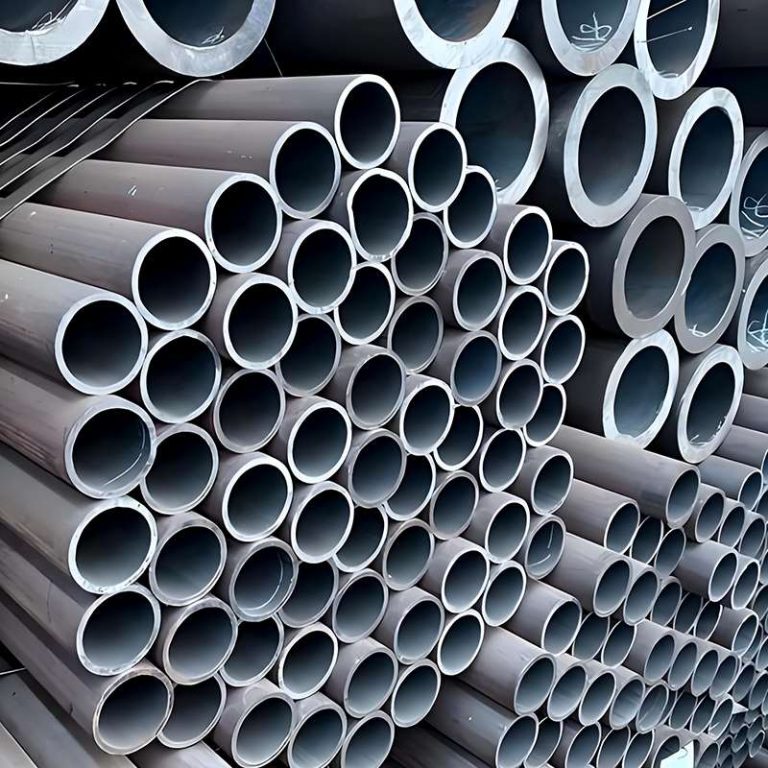
I. Overview of Industrial High-Temperature Alloy Steel Pipes
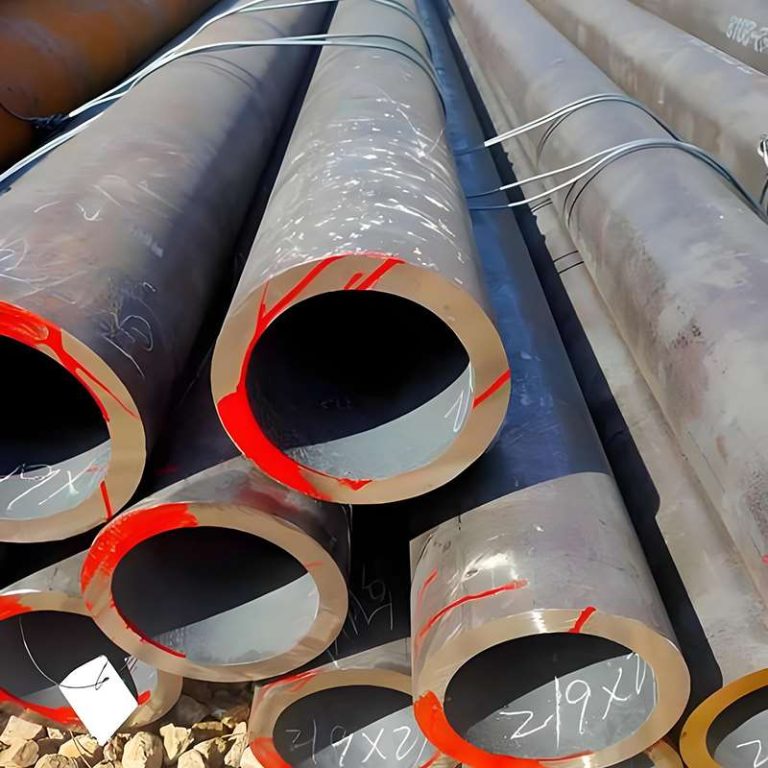
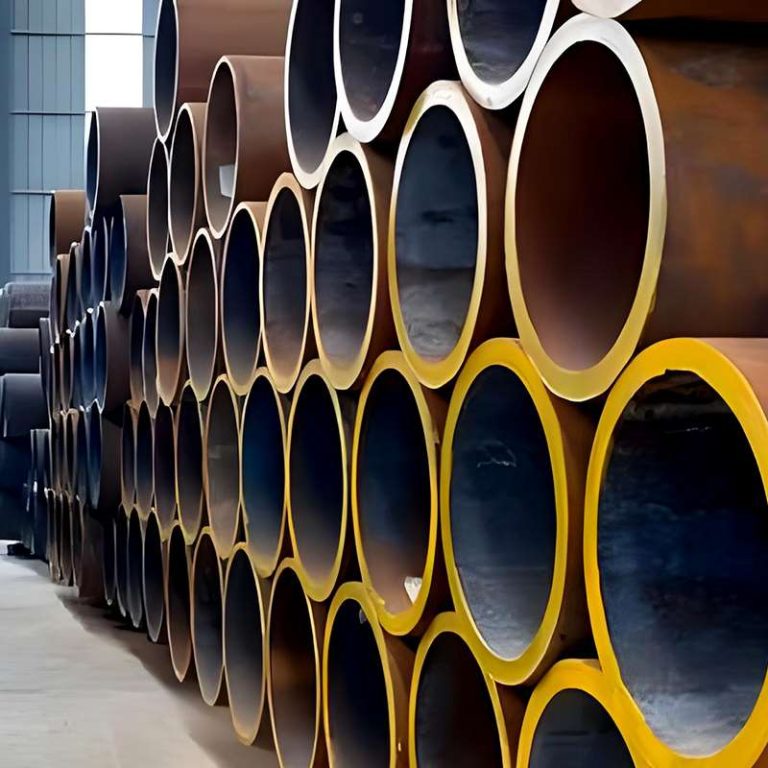
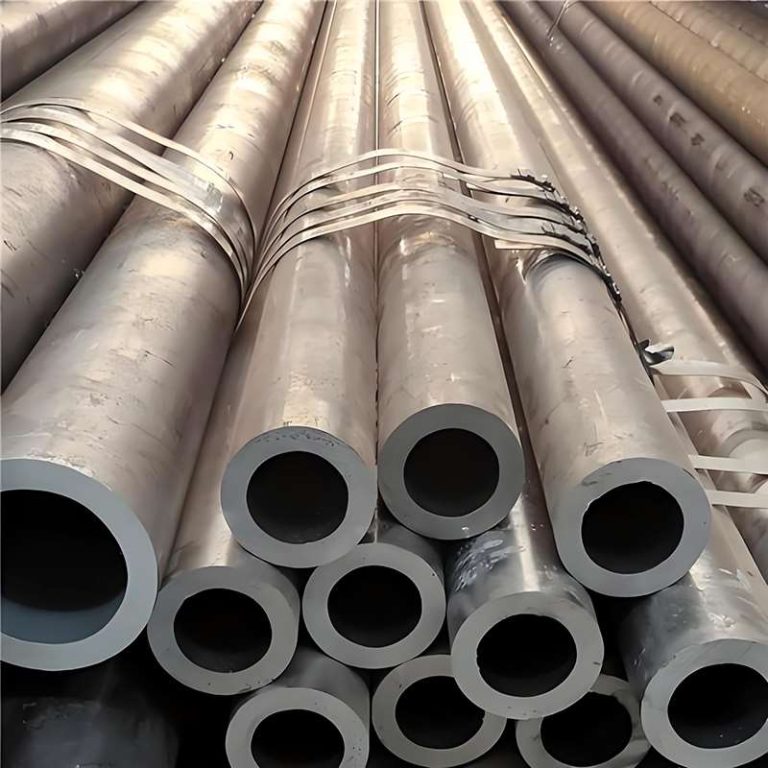
Industrial high-temperature alloy steel pipes are a category of pipeline materials specifically engineered for high-temperature, high-pressure, and demanding operating conditions. They are widely utilized in power generation, petroleum, chemical processing, metallurgy, and energy industries.
By alloying carbon steel with elements such as chromium (Cr), molybdenum (Mo), vanadium (V), and niobium (Nb), these pipes enhance high-temperature strength, creep resistance, oxidation resistance, and corrosion resistance. They maintain stable mechanical properties under prolonged exposure to elevated temperatures.
II. Table of Standards for Industrial High-Temperature Alloy Steel Pipes
| Standard System | Standard Number | Application Scope | Common Steel Grades |
|---|---|---|---|
| American ASTM / ASME | ASTM A335 / ASME SA335 | Seamless alloy steel pipes for high-temperature and high-pressure service | P5, P9, P11, P22, P91, P92 |
| American ASTM / ASME | ASTM A213 / ASME SA213 | Pipes for boilers, superheaters, and heat exchangers | T11, T22, T91 |
| European EN | EN 10216-2 | Seamless steel pipes for high-temperature pressure equipment | P235GH, P265GH, 13CrMo4-5, 10CrMo9-10 |
| German DIN | DIN 17175 | Seamless steel pipes for high-temperature pressure service | 13CrMo44, 10CrMo910 |
| Chinese GB | GB/T 5310 | Steel pipes for high-pressure boilers and steam pipelines | 20G, 15CrMo, 12Cr1MoV |
| Japanese JIS | JIS G3458 | Alloy steel pipes for boilers and pressure vessels | STPA22, STPA24 |
III. Primary Classification of Industrial High-Temperature Alloy Steel Pipes
1. Low-Alloy Heat-Resistant Steel Pipes (Cr-Mo Series)
- Typical Grades: P11, P22, 15CrMo, 12Cr1MoV
- Alloy Characteristics: Primarily chromium (Cr) and molybdenum (Mo)
- Operating Temperature Range: 450–550°C
- Primary Applications: Boiler piping, superheaters, steam lines
2. High-Alloy Heat-Resistant Steel Tubes (Cr-Mo-V / Cr-W Series)
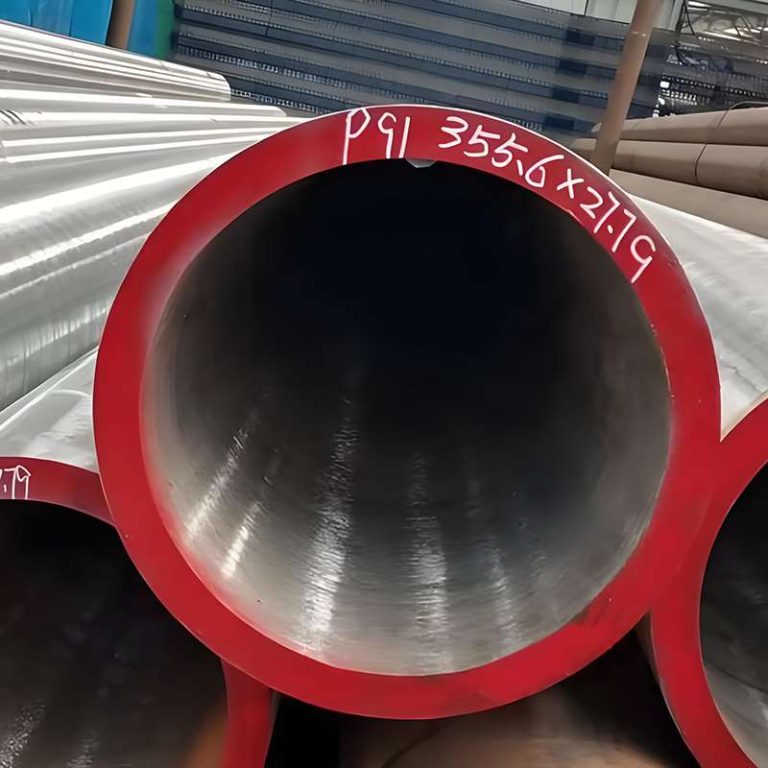
- Typical Grades: P91, P92, T91, 10Cr9Mo1VNb
- Alloy Characteristics: Contains microalloying elements such as vanadium (V), niobium (Nb), tungsten (W), etc.
- Service Temperature Range: 540–620°C
- Primary Applications: Main steam pipes for supercritical/ultra-supercritical power plants
3. Heat-Resistant Stainless Steel Tubing
- Typical Grades: TP304H, TP316H, 321H, 347H
- Alloy Characteristics: High chromium and nickel content, oxidation and corrosion resistance
- Operating Temperature Range: Above 600°C
- Primary Applications: High-temperature corrosive media, chemical processing equipment
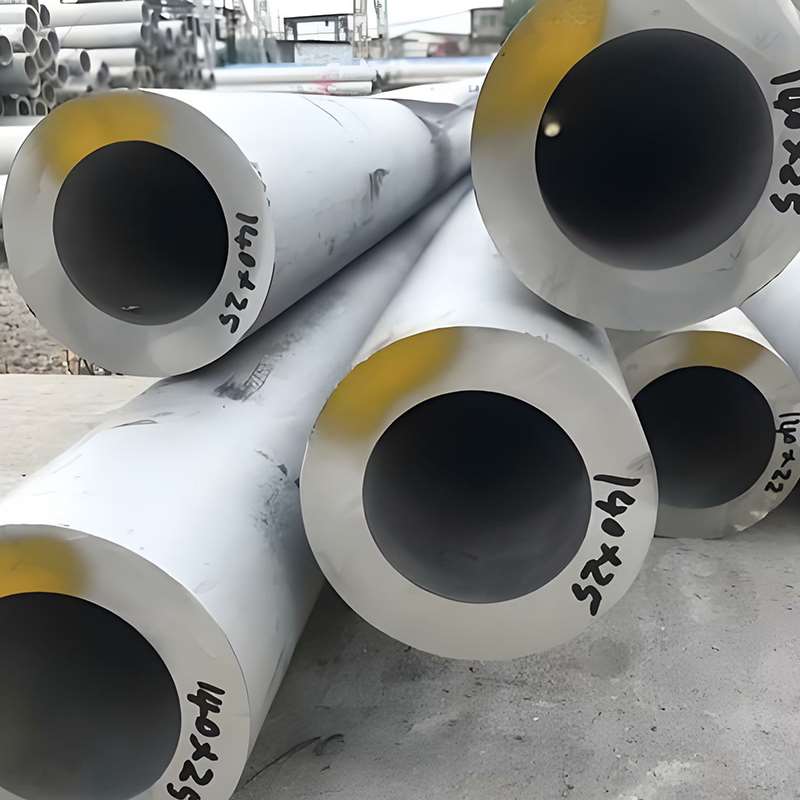
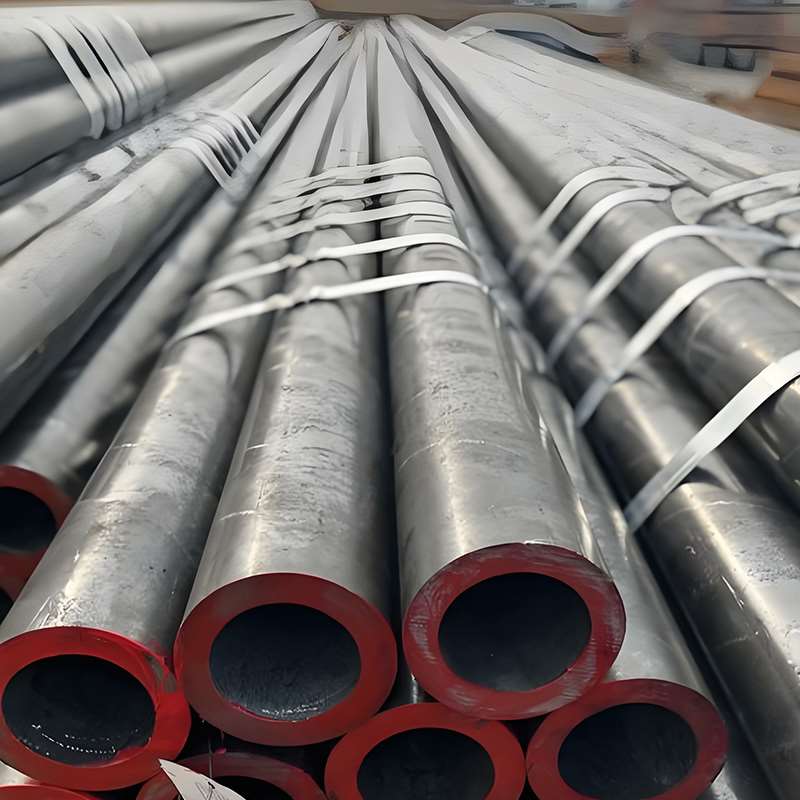
IV. Application Fields of Industrial High-Temperature Alloy Steel Pipes
i. Power Industry (Core Application Field)
- Typical Components
Pressure-bearing boiler components
Main steam pipes, reheat steam pipes
Superheaters, reheaters, economizers - Operating Conditions
High temperatures (450–620°C)
High pressure, long-term creep loading - Common Steel Grades
P11, P22 (subcritical)
P91, P92 (supercritical / ultra-supercritical)
ii. Petrochemical Industry
- Typical Components
Hydrogenation reactor piping
High-temperature cracking furnace tubes
High-temperature, high-pressure transmission pipelines - Operating Conditions
High temperature + high pressure
Exposure to hydrogen sulfide, hydrogen, and corrosive media - Commonly Used Steel Grades
P11, P22
Cr-Mo alloy steel
Heat-resistant stainless steel (TP321H, TP347H)
iii. Coal Chemical and Synthesis Gas Plants
- Typical Components
High-temperature pipelines in coal gasification units
Synthesis gas transportation systems - Operating Conditions
High temperatures, severe corrosion
Significant temperature fluctuations - Commonly Used Steel Grades
P22, P91
High-chromium alloy steel
iv. Industrial Boilers and Steam Systems
- Typical Components
Industrial boiler steam pipes
High-temperature steam main pipelines - Operating Conditions
Medium to high temperatures
Long-term continuous operation - Commonly Used Steel Grades
P11, 15CrMo, 12Cr1MoV
v. Metallurgical and Industrial Furnace Equipment
- Typical Components
Heating furnace radiation tubes
High-temperature internal conveying pipes - Operating Conditions
High-temperature oxidation
Significant thermal fatigue - Commonly Used Steel Grades
Heat-resistant stainless steel
High-chromium alloy steel
vi. Heat Exchanger and Pressure Vessel Systems
- Typical Components
High-temperature heat exchanger tube bundles
High-temperature pressure vessel connecting pipes - Operating Conditions
High temperature + thermal cycling
High demands on dimensional and microstructural stability - Commonly Used Steel Grades
P11, P22
TP347H, TP304H
vii. Energy and New Industrial Sectors
- Typical Applications
Biomass power generation
High-temperature pipelines for waste incineration power generation - Operating Conditions
High temperatures + corrosive flue gases - Commonly Used Steel Grades
High-chromium heat-resistant steel
Heat-resistant stainless steel
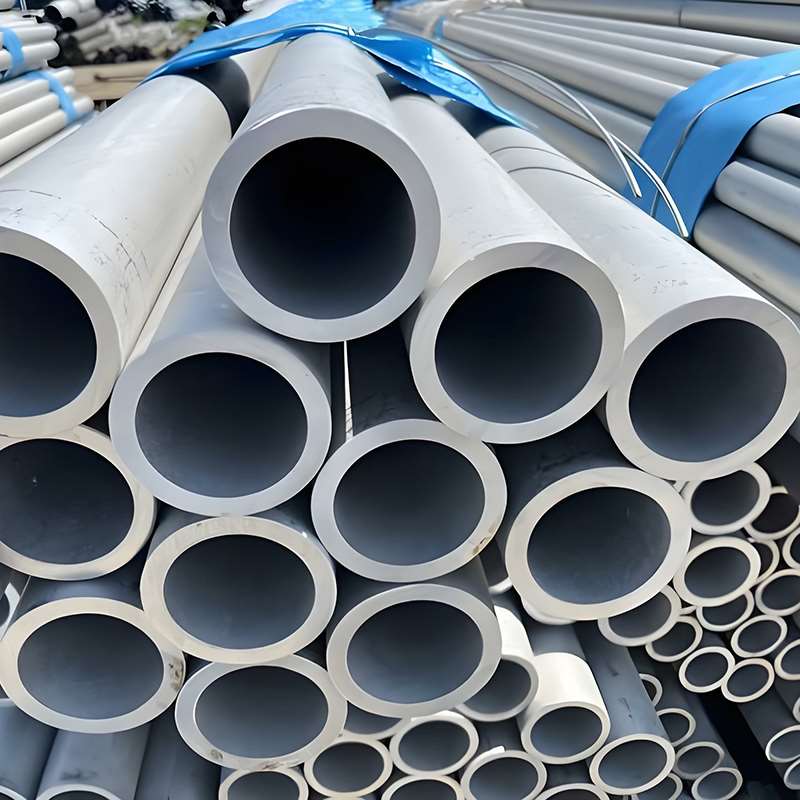
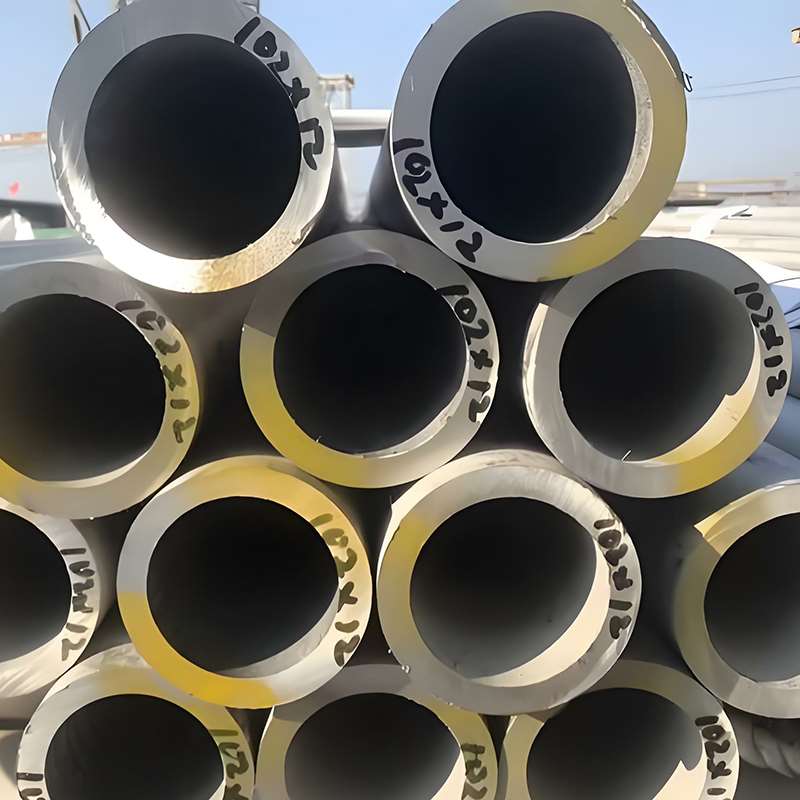
V. Chemical Composition and Mechanical Properties of Commonly Used High-Temperature Alloy Steel Pipes for Industrial Applications
i. Chemical Composition (%)
| Grade | C | Si | Mn | P | S | Cr | Mo | V | Nb |
| P11 | 0.08–0.12 | 0.50–0.80 | 0.30–0.60 | ≤0.025 | ≤0.025 | 1.00–1.50 | 0.45–0.65 | — | — |
| P22 | 0.07–0.13 | 0.50–0.80 | 0.30–0.60 | ≤0.025 | ≤0.025 | 1.90–2.60 | 0.85–1.05 | — | — |
| P91 | 0.08–0.12 | 0.20–0.50 | 0.40–0.70 | ≤0.020 | ≤0.020 | 8.00–9.50 | 0.85–1.05 | 0.18–0.25 | 0.06–0.12 |
| P92 | 0.08–0.12 | 0.20–0.50 | 0.40–0.70 | ≤0.020 | ≤0.020 | 8.50–9.50 | 0.50–0.90 | 0.20–0.30 | 0.06–0.12 |
| T11 | 0.08–0.15 | 0.20–0.50 | 0.30–0.60 | ≤0.025 | ≤0.025 | 1.00–1.50 | 0.45–0.65 | — | — |
| T22 | 0.08–0.15 | 0.20–0.50 | 0.30–0.60 | ≤0.025 | ≤0.025 | 1.90–2.60 | 0.85–1.05 | — | — |
ii. Mechanical properties
| Steel Grade | Tensile Strength σb (MPa) | Yield Strength σs (MPa) | Elongation δ5 (%) | Impact Toughness KV (J) | Service Temperature Range (℃) |
|---|---|---|---|---|---|
| P11 | 415–560 | ≥240 | ≥20 | ≥34 @ 20℃ | ≤450 |
| P22 | 415–560 | ≥240 | ≥20 | ≥34 @ 20℃ | ≤500 |
| P91 | 585–710 | ≥415 | ≥20 | ≥34 @ 20℃ | 540–600 |
| P92 | 600–720 | ≥450 | ≥20 | ≥34 @ 20℃ | 550–620 |
| T11 | 415–550 | ≥240 | ≥20 | ≥34 @ 20℃ | ≤450 |
| T22 | 415–560 | ≥240 | ≥20 | ≥34 @ 20℃ | ≤500 |
Description
Low-alloy heat-resistant steel: P11, T11 Suitable for medium- and low-temperature steam pipelines and boiler piping.
Medium-temperature high-pressure steel: P22, T22 Suitable for medium-temperature steam pipes and chemical high-pressure pipelines.
High-temperature high-pressure steel: P91, P92 Suitable for main steam pipelines in supercritical and ultra-supercritical power plants, and high-temperature boiler components.
VI. Common Misconceptions in Industrial High-Temperature Alloy Steel Pipe Applications FAQ
Q1: Is temperature the only factor when selecting steel for high-temperature pipelines?
A1: No. Beyond temperature, pressure, medium corrosivity, thermal cycle frequency, and pipeline service life requirements must also be considered. Selecting steel grades based solely on temperature can easily lead to pipeline creep, cracking, or corrosion issues.
Q2: Does high-temperature resistance mean welding processes can be ignored?
A2: Incorrect. Welding significantly impacts pipeline performance. Non-compliant welding or omitting preheating/post-weld heat treatment can cause cracks or degrade high-temperature mechanical properties.
Q3: Are pipelines of the same steel grade universally applicable under all operating conditions?
A3: Incorrect. Even for grades like P91 or P22, different pressure ratings and operating conditions (e.g., high-temperature steam vs. highly corrosive media) impose distinct durability requirements. Specific conditions necessitate tailored material selection.
Q4: Does greater thickness mean greater safety?
A4: Incorrect. Excessive wall thickness may cause thermal stress concentration, increase welding difficulty, and raise costs. Standard SCH wall thickness grades should be selected based on design pressure and temperature.
Q5: Are all seamless steel pipes suitable for high-temperature applications?
A5: Incorrect. While seamless pipes withstand high pressure, their temperature resistance, creep strength, and corrosion resistance vary significantly by steel grade. Selection must align with specific operating conditions.
Q6: Can anti-corrosion coatings replace the high-temperature properties of steel itself?
A6: Incorrect. Anti-corrosion coatings primarily prevent oxidation and media corrosion. They cannot enhance high-temperature creep strength or mechanical properties and should not substitute for steel grade selection.
Q7: Can high-temperature alloy steel pipes from the same manufacturer be interchangeably substituted?
A7: Incorrect. Even from the same manufacturer, grades like P91, P92, and P22 have different chemical compositions and heat treatments. Substitution may cause premature pipeline failure or safety hazards.