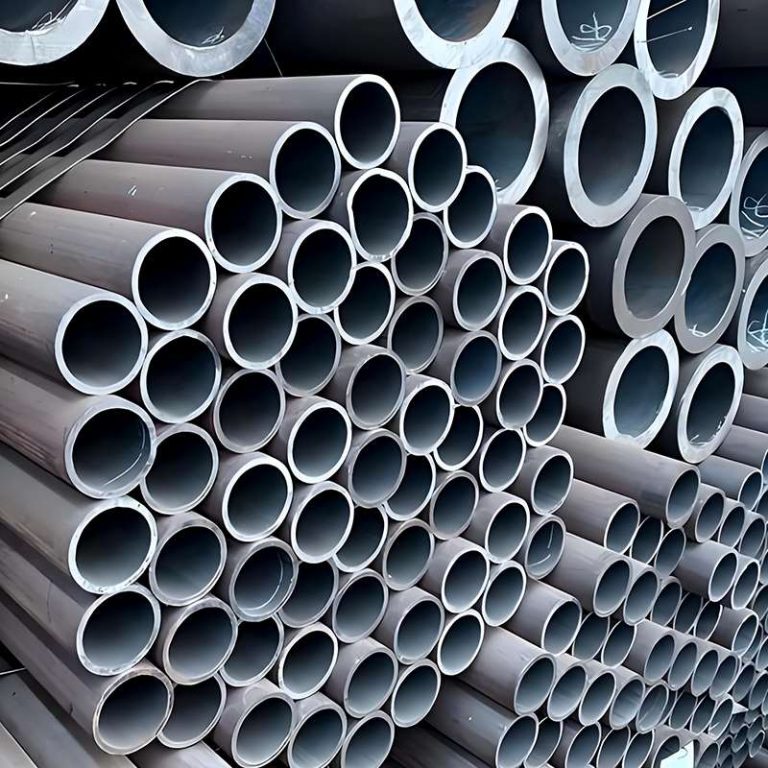
I. Introduction to Alloy Steel Pipes for High-Temperature Steam Conveyance
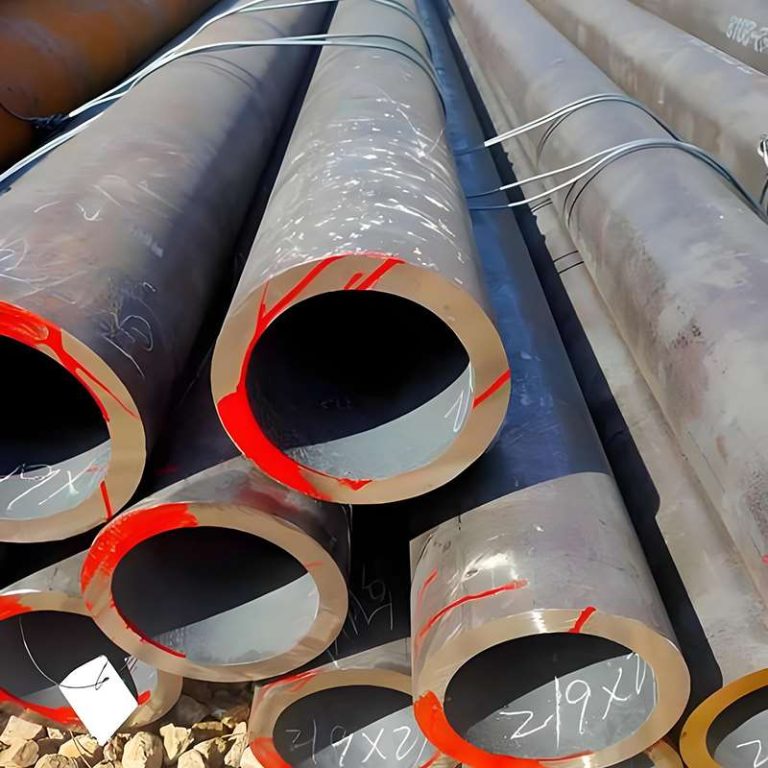
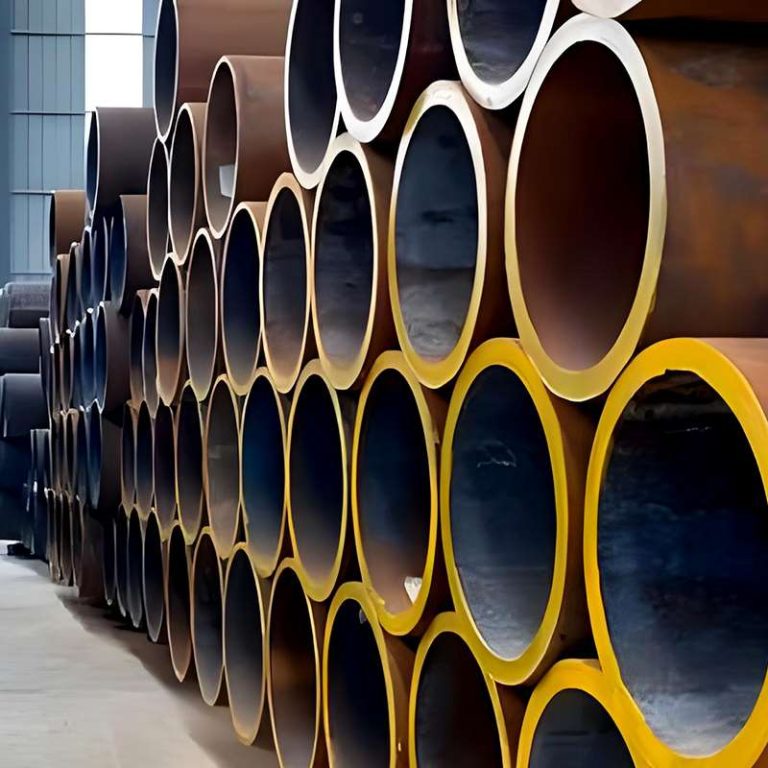
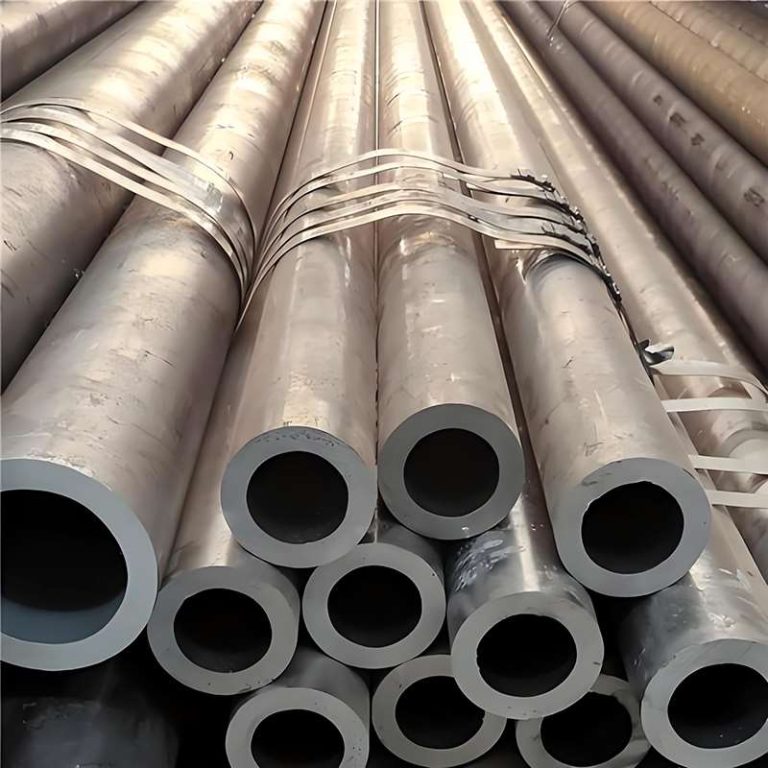
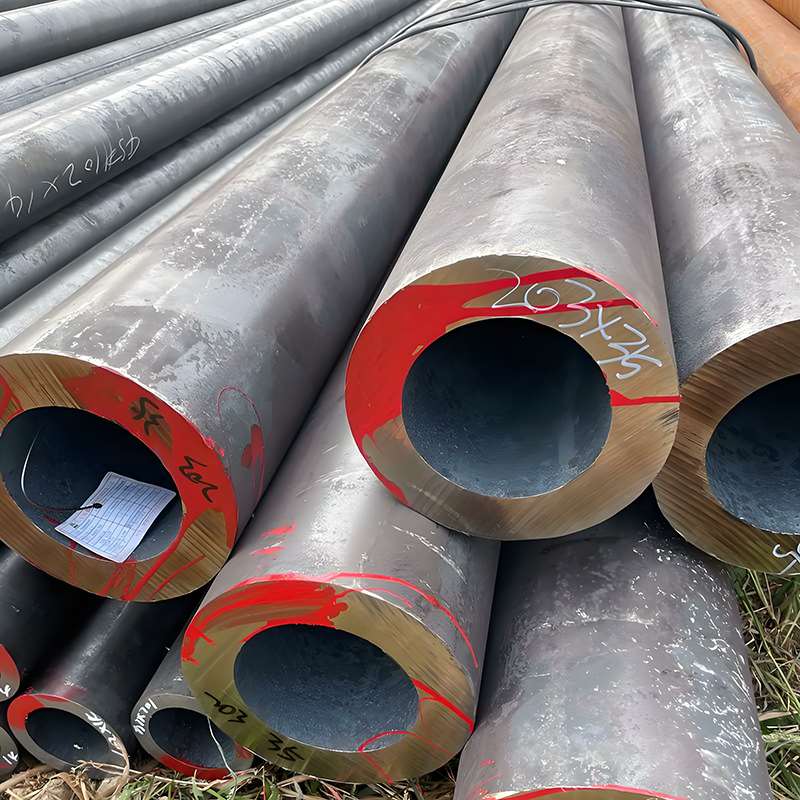
Alloy steel pipes for high-temperature steam conveyance are high-performance tubing specifically engineered for industrial steam systems. They find extensive application in power plant boilers, chemical plants, metallurgical furnace tubes, and high-temperature heat exchangers.
Featuring an alloyed composition with elements like chromium, molybdenum, and vanadium, these pipes deliver exceptional high-temperature strength, creep resistance, and corrosion resistance, ensuring long-term stable operation under high-temperature, high-pressure steam conditions.
Seamless or welded manufacturing ensures structural integrity throughout the pipeline. Combined with strict standards (e.g., ASTM A335 / ASME SA-335) and customizable wall thicknesses and lengths, these pipes meet the safety and efficiency requirements of diverse industrial steam transportation systems.
II. International Standards for Alloy Steel Pipes Used for High-Temperature Steam Transportation
| Standard | Full Name | Application / Description |
|---|---|---|
| ASTM A335 / ASME SA-335 | Standard Specification for Seamless Ferritic Alloy-Steel Pipe for High-Temperature Service | American standard, suitable for boilers, heat exchangers, and high-temperature steam pipelines; covers steel grades such as P11, P22, P91 |
| EN 10216-2 | Seamless Steel Tubes for Pressure Purposes – Alloy and Stainless Steel | European standard, high-temperature service steel pipes, including low-alloy and medium-alloy seamless tubes |
| DIN 17175 / DIN 17457 | Seamless Steel Tubes for High Temperature | German industrial standard, alloy steel pipes for high-temperature boilers and pressure vessels |
| GB/T 5310 | Alloy Steel Pipes for High-Pressure Boilers | Chinese national standard, suitable for boilers and high-temperature steam pipelines |
| JIS G 4105 / JIS G 3467 | Alloy Steel Pipes for High-Temperature Boilers | Japanese industrial standard, steel pipes for high-temperature steam and boiler pipelines |
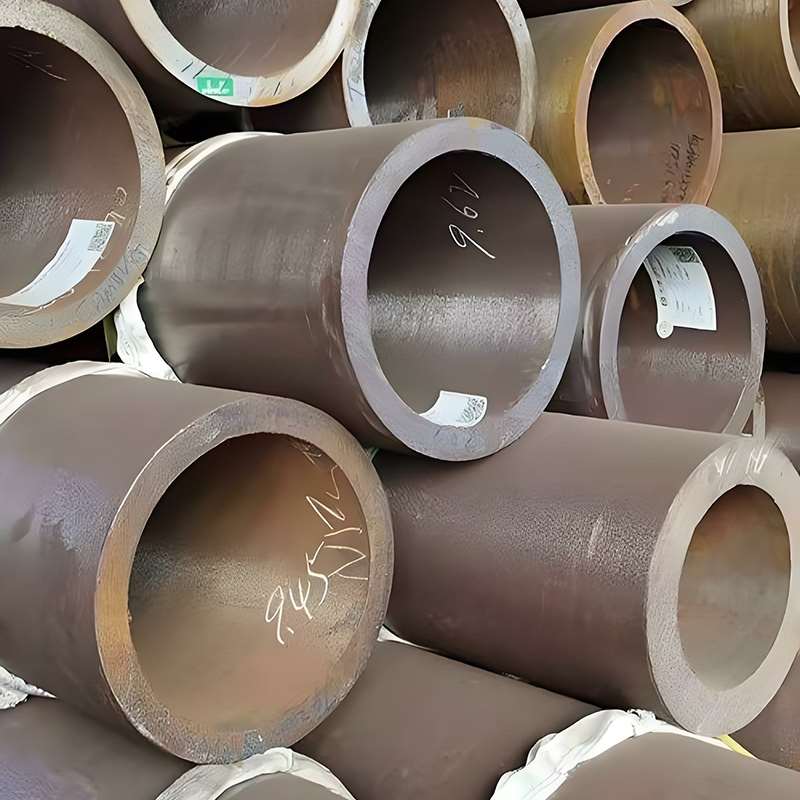
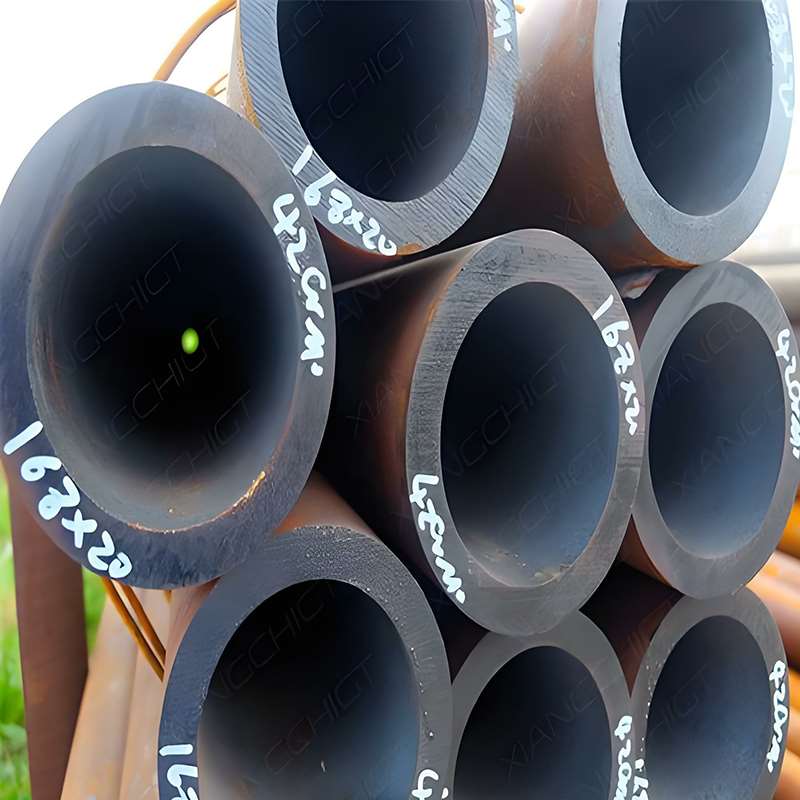
III. Commonly Used Grades (Steel Grades) of Alloy Steel Pipes for High-Temperature Steam Transportation
| Steel Grade / Designation | Standard | Typical Application Temperature Range (℃) | Application Scenario |
|---|---|---|---|
| P11 / T11 | ASTM A335 / ASME SA-335, GB/T 5310 | ≤450 | Industrial boilers, medium- and low-temperature steam pipes, chemical plant steam pipelines |
| P22 / T22 | ASTM A335 / ASME SA-335, GB/T 5310 | ≤500 | Medium-temperature high-pressure steam pipes, high-temperature pipelines in chemical plants |
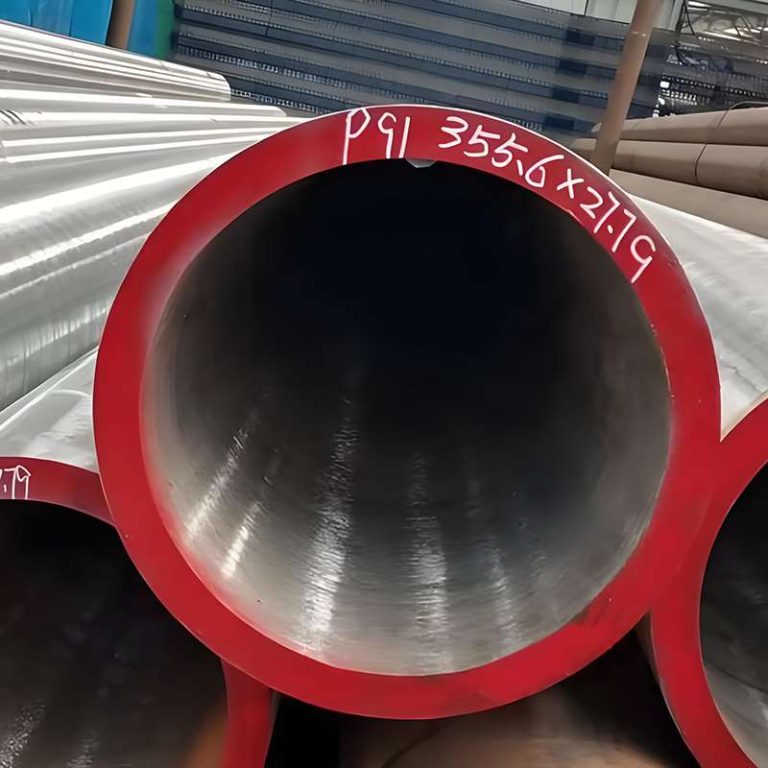
| P91 | ASTM A335 / ASME SA-335 | 540–600 | Supercritical power plant main steam, reheat steam pipelines, high-temperature high-pressure industrial steam pipes |
| P92 | ASTM A335 / ASME SA-335 | 550–620 | Ultra-supercritical power plant main steam and high-temperature high-pressure pipelines |
| TP304H / TP321H / TP347H | ASTM A312 / ASME SA-312 | 500–650 | Corrosive high-temperature steam and heat exchanger tube bundles |
| T91 | ASTM A335 / ASME SA-335 | 540–600 | Power plant boiler high-temperature main steam and reheat steam pipelines |
Description
- P Series (P11, P22, P91, P92): Low-alloy or medium-to-high-alloy steels suitable for high-temperature steam pipelines across various temperature grades;
- T Series (T11, T22, T91): Primarily used in boiler and chemical high-temperature steam systems, typically corresponding to domestic standard grades;
- Stainless Corrosion-Resistant Steel (TP304H, TP321H, TP347H): Suitable for high-temperature steam pipelines and heat exchangers containing corrosive media.
IV. Chemical Composition and Mechanical Properties of Alloy Steel Pipes for High-Temperature Steam Transportation
1. Chemical Composition (%)
| Steel grade | C | Si | Mn | P | S | Cr | Mo | V | Nb |
| P11 / T11 | 0.08–0.12 | 0.50–0.80 | 0.30–0.60 | ≤0.025 | ≤0.025 | 1.00–1.50 | 0.45–0.65 | — | — |
| P22 / T22 | 0.07–0.13 | 0.50–0.80 | 0.30–0.60 | ≤0.025 | ≤0.025 | 1.90–2.60 | 0.85–1.05 | — | — |
| P91 / T91 | 0.08–0.12 | 0.20–0.50 | 0.40–0.70 | ≤0.020 | ≤0.020 | 8.00–9.50 | 0.85–1.05 | 0.18–0.25 | 0.06–0.12 |
| P92 | 0.08–0.12 | 0.20–0.50 | 0.40–0.70 | ≤0.020 | ≤0.020 | 8.50–9.50 | 0.50–0.90 | 0.20–0.30 | 0.06–0.12 |
2. Mechanical properties
| Steel Grade | Tensile Strength σb (MPa) | Yield Strength σs (MPa) | Elongation δ5 (%) | Impact Toughness KV (J) | Service Temperature Range (℃) |
|---|---|---|---|---|---|
| P11 / T11 | 415–560 | ≥240 | ≥20 | ≥34 @ 20℃ | ≤450 |
| P22 / T22 | 415–560 | ≥240 | ≥20 | ≥34 @ 20℃ | ≤500 |
| P91 / T91 | 585–710 | ≥415 | ≥20 | ≥34 @ 20℃ | 540–600 |
| P92 | 600–720 | ≥450 | ≥20 | ≥34 @ 20℃ | 550–620 |
V. Production Process for Alloy Steel Pipes Used in High-Temperature Steam Transportation
i. Seamless Steel Pipe Production Process
Billet preparation → Heating → Piercing → Hot rolling → Sizing/Cold drawing → Straightening → Heat treatment → Inspection → Cutting → Packaging
ii. Welded Steel Pipe Production Process
Steel strip/plate → Forming → High-frequency welding → Weld heat treatment → Sizing → Straightening → Heat treatment → Inspection → Cutting → Packaging
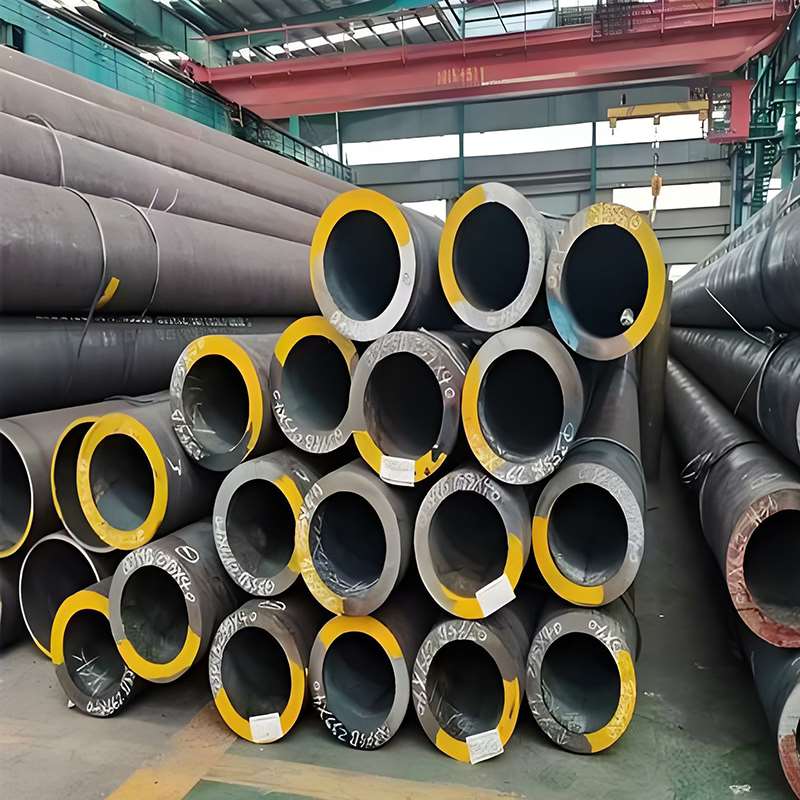
VI. Selection Guide for Alloy Steel Pipes for High-Temperature Steam Transportation
1. Select the steel grade based on the temperature
| Service Temperature Range | Recommended Steel Grade | Description |
|---|---|---|
| ≤450℃ | P11 / T11 | Medium- and low-temperature steam pipelines, cost-effective, suitable for low-pressure industrial boilers and chemical steam lines |
| 450–500℃ | P22 / T22 | Medium-temperature steam pipelines, suitable for medium-pressure service, heat exchangers, and chemical plant steam networks |
| 500–620℃ | P91 / P92 | High-temperature high-pressure steam pipelines, including power plant main steam and reheat steam lines; requires heat treatment to ensure long-term creep performance |
2. Select wall thickness based on working pressure
- Main pipeline with high pressure → Choose SCH80–SCH160
- Branch pipeline with low pressure → SCH40–SCH80 is sufficient
- High-temperature, high-pressure pipelines must ensure a safety factor ≥1.5
3. Select steel grade and corrosion protection based on steam medium
- Dry steam: Standard alloy steel sufficient (P11/P22)
- Corrosive or impure steam: Select corrosion-resistant steel grades or internal coatings (P91/P92 + high-temperature corrosion-resistant coating)
- Outdoor or exposed piping: External corrosion protection required (hot-dip galvanizing, epoxy coating)
4. Select the production process based on the pipe type
| Pipe Type | Recommended Process | Description |
|---|---|---|
| Main steam pipes, reheat steam pipes | Seamless steel pipes | High pressure-bearing capacity, long-term high-temperature operation with excellent creep life |
| Branch pipes or medium- and low-pressure steam pipes | Welded steel pipes (ERW / SAW) | Cost-effective, suitable for medium-temperature and medium-pressure service; welds require strict inspection |
5. End Form and Installation Considerations
- End Form: Plain end, chamfered end, socket end
- Installation Notes: Allowance for thermal expansion in high-temperature pipelines, support/hanger layout, expansion joint installation
- Flange connection or welding: Ensure interfaces withstand high temperature and pressure; welded pipes require heat treatment of welds
6. Common Selection Pitfalls
- Focusing Only on Wall Thickness, Not Steel Grade → P91/P92 Must Be Selected for High-Temperature/High-Pressure Conditions; Wall Thickness Is Only Part of Pressure Rating Criteria
- Neglecting Heat Treatment → P91/P92 High-Temperature Creep Strength Depends on Normalizing + Tempering
- Inadequate corrosion protection → Chemical steam pipes and outdoor pipelines are prone to corrosion, shortening service life
- Substandard weld quality → Welded pipes may leak under high-temperature/high-pressure conditions
- Undersized pipe diameter → Insufficient flow in main lines causes pressure loss
- Failure to account for thermal expansion → High-temperature pipes deform easily, leading to excessive joint stress
Selection Summary
- Temperature → Steel Grade: P11/T11 ≤450°C, P22/T22 450–500°C, P91/P92 500–620°C
- Pressure → Wall Thickness: Thick-walled for main lines, medium-walled for branches, safety factor ≥1.5
- Medium → Corrosion Resistance/Interior Treatment: Select corrosion-resistant steel or coatings for highly corrosive media
- Pipeline Application → Process: Seamless for main lines under high pressure/temperature; welded for branches
VII. FAQ on Common Alloy Steel Pipe Selection for High-Temperature Steam Transportation
Q1: Should I choose P11, P22, or P91/P92 steel grades?
A: Selection depends on steam temperature and pressure.
≤450°C: P11/T11, suitable for low-pressure boilers and chemical steam pipelines
450–500°C: P22/T22, for medium-temperature/medium-pressure conditions
500–620°C: P91/P92, for high-temperature/high-pressure main steam and reheat steam pipelines
Note: Higher temperatures and pressures require higher-grade steels. Failure to do so may cause creep, deformation, or leakage.
Q2: Why must seamless steel pipes be used for high-temperature pipelines?
A: Seamless steel pipes lack welded joints, offering superior pressure resistance and extended creep life under prolonged high-temperature operation.
Branch pipes or medium/low-pressure pipelines may use welded pipes, but main trunk lines and high-pressure/high-temperature pipelines must exclusively use seamless steel pipes.
Q3: How should pipe wall thickness be selected?
A: Wall thickness must be selected based on working pressure, pipe diameter, and safety factor.
Main lines (high temperature/high pressure) → SCH80–SCH160
Branch lines (medium pressure) → SCH40–SCH80
Note: Thick walls alone cannot guarantee high-temperature longevity; high-temperature creep resistance also requires matching steel grade and heat treatment.
Q4: Does the pipeline require anti-corrosion treatment?
A: Anti-corrosion treatment is mandatory if high-temperature steam contains corrosive impurities or for outdoor applications.
Outer wall: Hot-dip galvanizing, epoxy coating
Inner wall: High-temperature corrosion-resistant coating or acid pickling treatment
Note: Untreated pipelines experience significantly reduced service life in chemical steam or high-temperature water vapor environments.
Q5: Are welded steel pipes safe under high-temperature and high-pressure conditions?
A: Under high-temperature and high-pressure conditions, welded pipe joints are potential weak points.
Weld heat treatment and ultrasonic/radiographic testing must be performed.
For high-temperature main steam pipes and reheat steam pipes, prioritize seamless steel pipes to mitigate safety risks.
Q6: What precautions should be taken during installation?
A: High-temperature steam pipes exhibit significant thermal expansion.
Allow sufficient thermal expansion length.
Properly arrange supports, hangers, and expansion joints.
For welded joints or flange installations, ensure high-temperature creep stresses are not concentrated.
Note: Neglecting thermal expansion may cause excessive joint stress, pipe deformation, or even leakage.