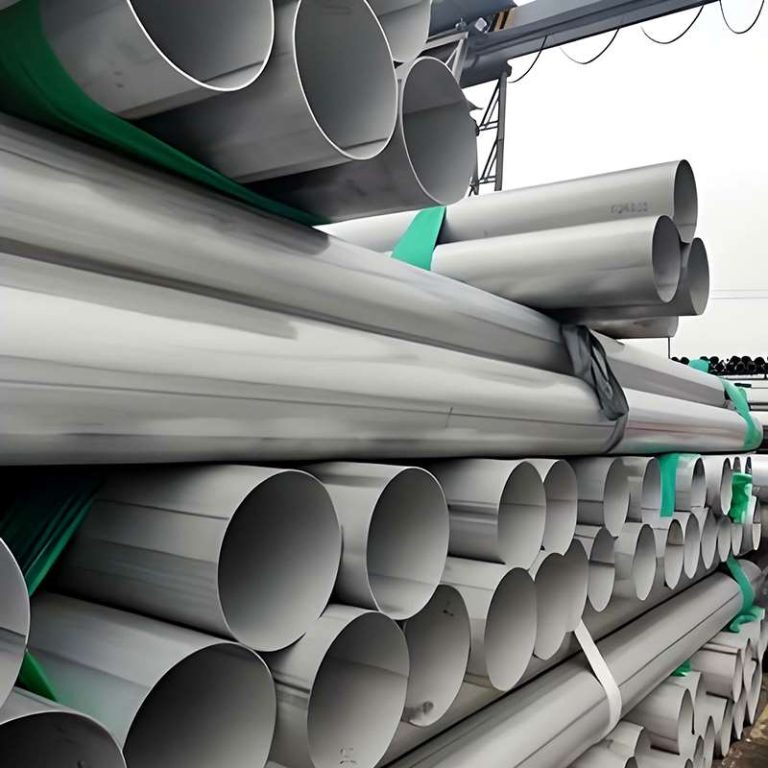
I. Overview of 316 Stainless Steel Welded Pipe
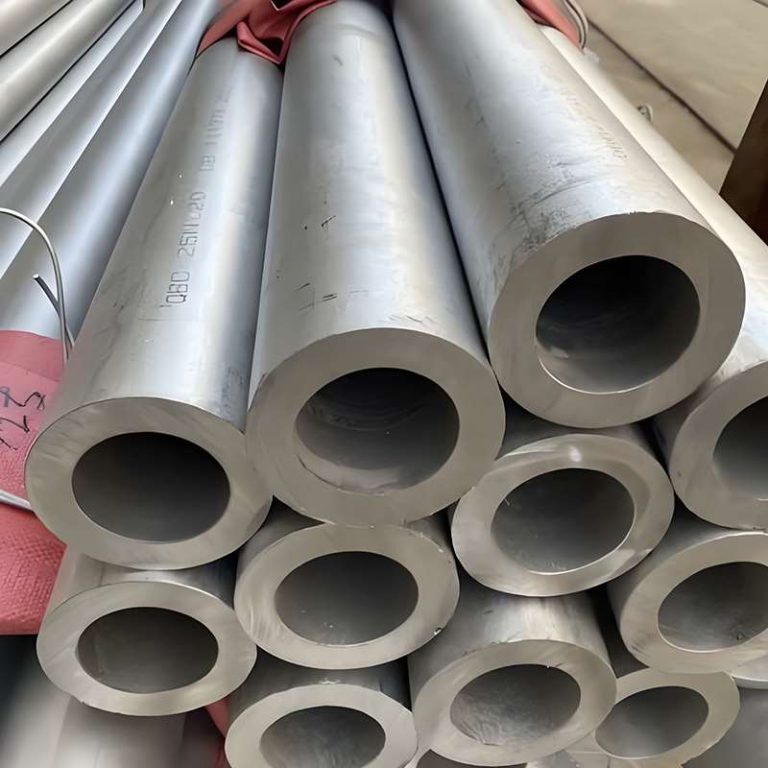
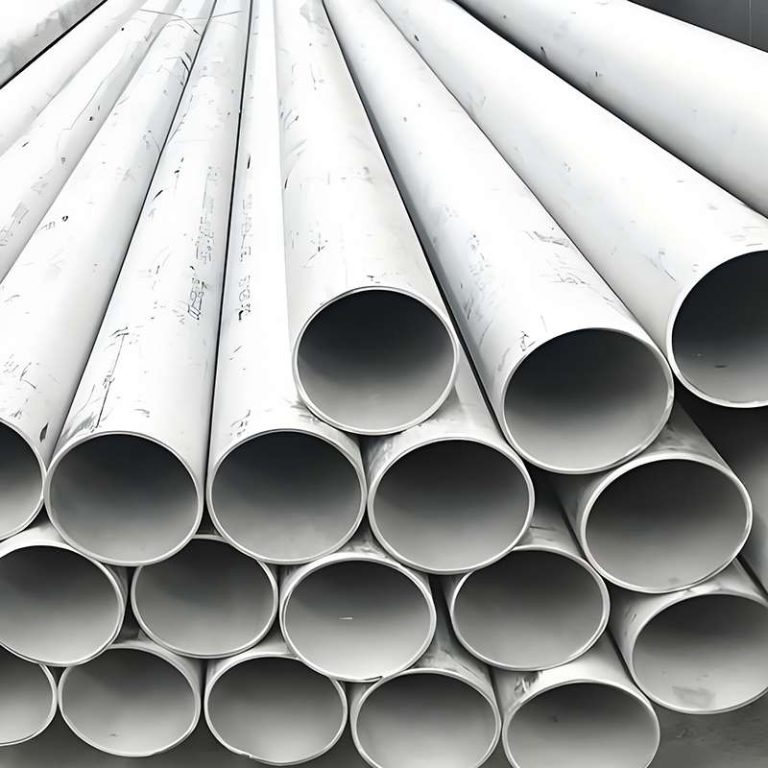
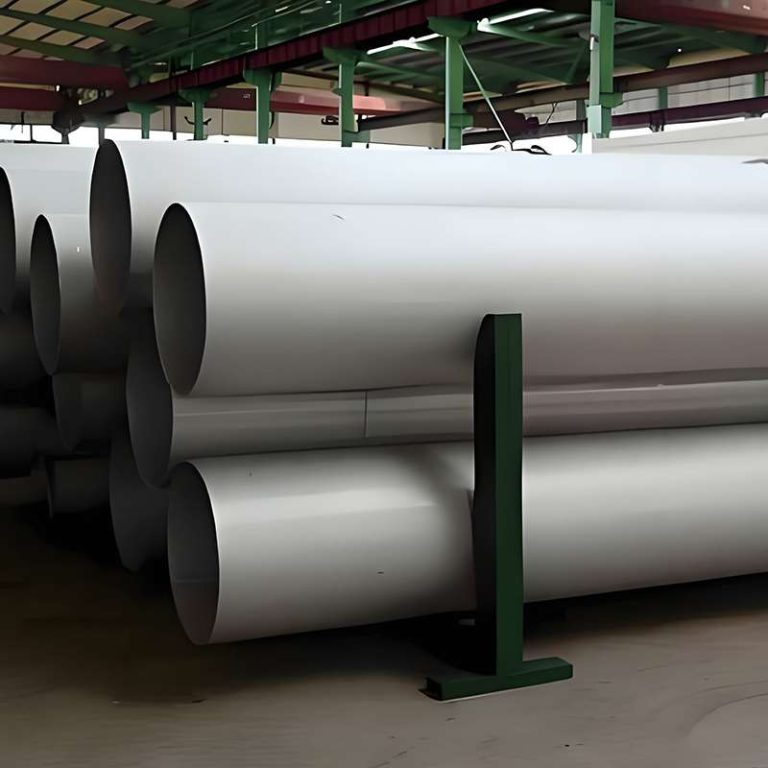
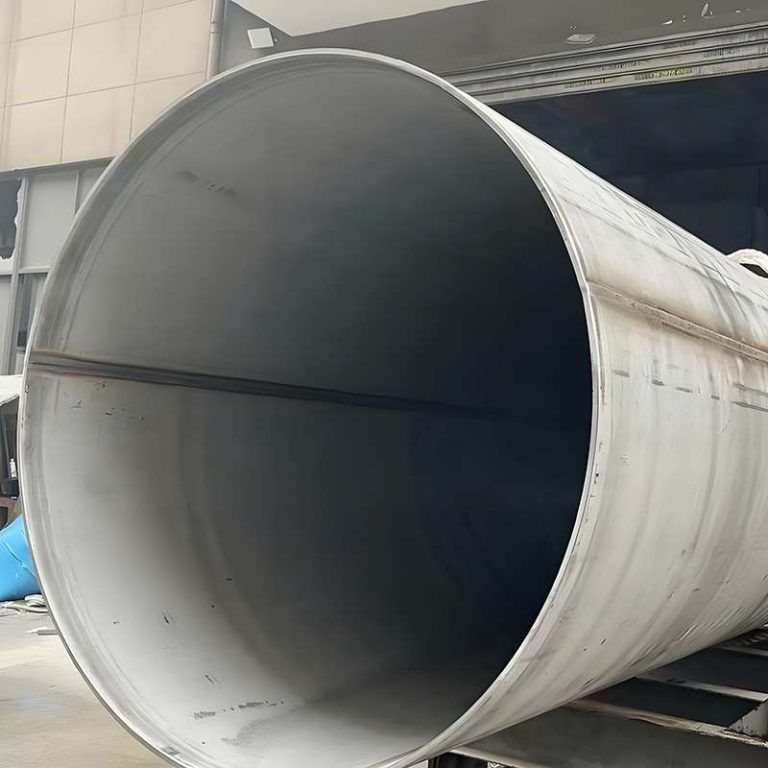
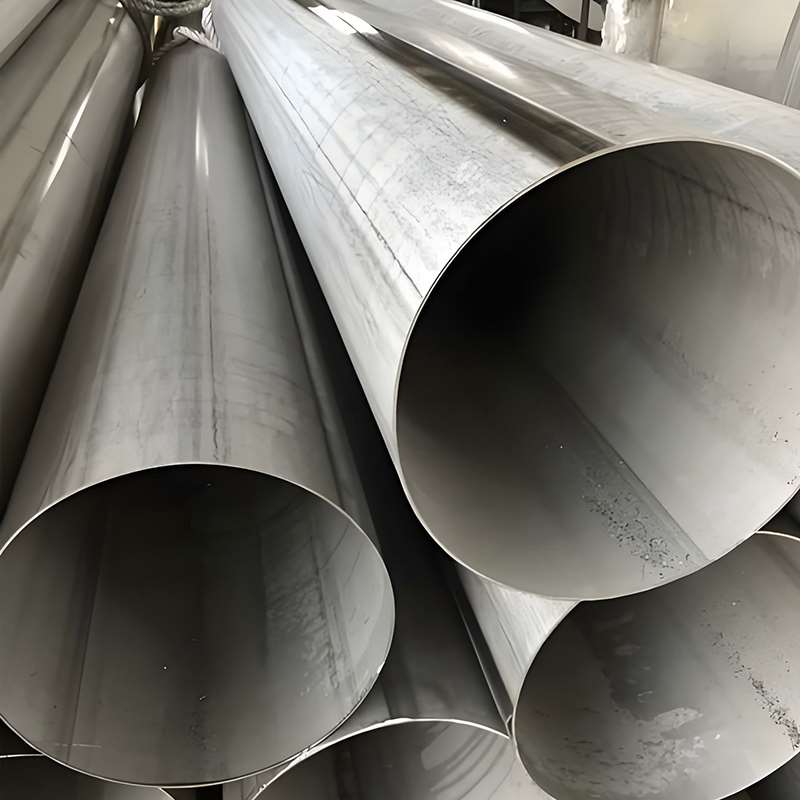
316 stainless steel welded pipe is a welded tubing manufactured from austenitic stainless steel grade 316, offering exceptional corrosion resistance, high-temperature tolerance, and excellent weldability.
This tubing finds extensive application across industries including chemical processing, pharmaceuticals, food and beverage, machinery manufacturing, and architectural decoration. It is available in various diameters, wall thicknesses, and surface finishes (pickling, polishing, mirror finish, or brushed finish) to meet diverse requirements for industrial and sanitary-grade piping systems.
II. 316 Stainless Steel Welded Pipe Standard
| Standard System | Standard No. | Applicable Description |
|---|---|---|
| ASTM (USA) | ASTM A312 / A554 | Austenitic stainless steel welded pipes for industrial, chemical, and pressure pipelines |
| EN (Europe) | EN 10217-7 | Corrosion-resistant austenitic welded pipes, suitable for high-temperature and chemical environments |
| GB (China) | GB/T 12771 | Austenitic stainless steel welded pipes for industrial and chemical applications |
| JIS (Japan) | JIS G3463 | Stainless steel welded pipes for industrial use |
| ISO (International) | ISO 1127 / ISO 4200 | International reference standards for stainless steel welded pipe dimensions, wall thickness, and pressure ratings |
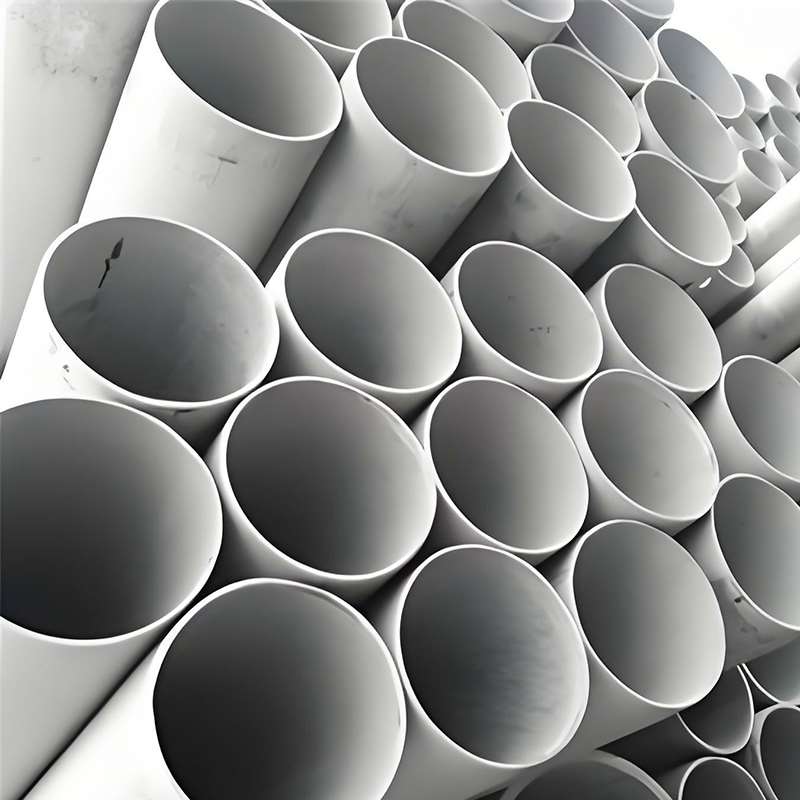
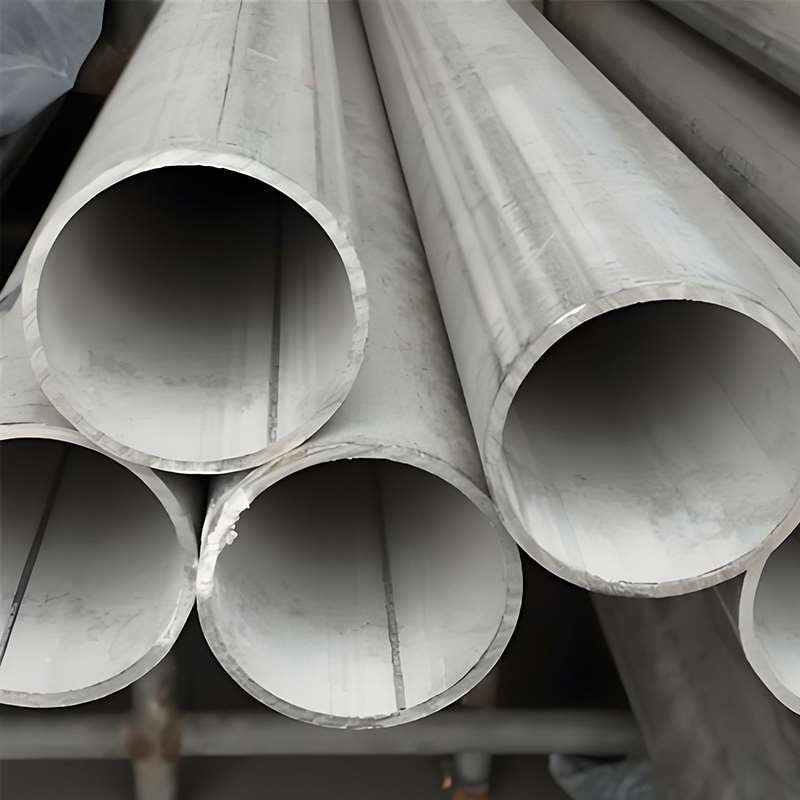
III. Specifications and Dimensions of 316 Stainless Steel Welded Pipes
| Outer Diameter (mm) | Wall Thickness (mm) | Theoretical Weight (kg/m) | Remarks |
|---|---|---|---|
| 6 | 0.5, 1.0 | 0.06–0.09 | Small-diameter precision pipe |
| 10 | 0.5, 1.0, 1.5, 2.0 | 0.12–0.31 | Precision / industrial pipe |
| 15 | 0.5, 1.0, 1.5, 2.0, 2.5 | 0.28–0.62 | Common water supply / industrial pipe |
| 20 | 0.5, 1.0, 1.5, 2.0, 2.5, 3.0 | 0.37–1.00 | Industrial fluid pipeline |
| 25 | 1.0, 1.5, 2.0, 2.5, 3.0, 3.5 | 0.78–1.70 | Chemical / food pipeline |
| 32 | 1.0–4.0 | 1.20–2.40 | Medium-small diameter industrial pipe |
| 40 | 1.0–4.5 | 1.50–3.30 | Water treatment / chemical industry |
| 50 | 1.0–5.0 | 2.10–4.20 | Medium-pressure pipeline |
| 65 | 1.5–5.5 | 3.80–6.50 | Medium-large diameter pipe |
| 80 | 1.5–6.0 | 4.50–8.10 | Industrial and chemical pipelines |
| 100 | 2.0–7.0 | 6.30–11.00 | Medium-large diameter pipelines |
| 125 | 2.0–8.0 | 9.50–16.00 | Large-diameter pipe |
| 150 | 2.5–9.0 | 13.50–23.00 | Industrial pipe |
| 200 | 3.0–10.0 | 22.50–37.00 | Large-diameter high-pressure pipe |
| 219 | 3.0–12.0 | 28.00–48.00 | High-pressure pipe / custom use |
IV. 316 Stainless Steel Welded Pipe Manufacturing Process
- Raw Material Preparation
Select 316 austenitic stainless steel strip or plate, cut into suitable blanks for welding based on required pipe diameter and wall thickness. - Forming
Small-diameter pipes: Typically cold-rolled or cold-bent (ERW process), then welded into circular tubes using high-frequency welders.
Medium-to-large diameter pipes: Employ hot rolling followed by multi-roll forming and welding to ensure uniform pipe dimensions. - Welding
ERW (Electric Resistance Welding): A high-efficiency method for small diameters, producing smooth, robust welds.
TIG/MIG Welding: Primarily used for industrial or sanitary-grade pipes requiring high weld quality, yielding bright, smooth welds.
SAW (Submerged Arc Welding): Commonly used for large-diameter or thick-walled pipes, delivering stable and reliable welds. - Heat Treatment (if required)
Post-weld annealing: Reduces weld and base material hardness, eliminates internal stresses, and enhances corrosion resistance.
Solution treatment may be selected after cold working to improve strength and corrosion resistance. - Dimensional Correction and Straightening
Utilizes straightening machines to ensure pipe straightness, roundness, and outer diameter dimensions meet specifications. - Surface Finishing
Acid pickling, polishing, mirror finish, or brushing—selected based on application and customer requirements.
Sanitary pipes typically undergo mirror or electropolishing with surface roughness Ra ≤ 0.4 μm. - Inspection and Testing
Visual inspection: Free from cracks, burrs, and with smooth welds.
Dimensional inspection: Outer diameter, wall thickness, and length conform to standards.
Mechanical and chemical properties: Material Test Certificate (MTC) provided; third-party testing available. - Packaging
Packaged in wooden crates or steel strapping, lined with impact-resistant paper. Surface protected with dust-proof and oxidation-resistant film, suitable for sea or land transport.
V. Introduction to the Production Process of V.316 Stainless Steel Welded Pipes
1. ERW (Electric Resistance Welding, High-Frequency Resistance Welding)
- Principle: Welds steel strip edges into tubes by heating them with high-frequency current.
- Applicable Sizes: Small diameters Φ6–168 mm (typically small-to-medium industrial pipelines)
- Advantages: High production efficiency, low cost, smooth welds; suitable for mass production
- Disadvantages: Limited wall thickness; unsuitable for thick-walled or oversized pipes
2. TIG/MIG Welding (Tungsten Inert Gas/Metal Inert Gas Welding)
- Principle: Welding under inert gas shielding produces high-gloss, smooth welds.
- Applicable Diameters: Small-diameter and sanitary-grade pipes, typically Φ6–114 mm.
- Advantages: Bright, smooth welds with minimal spatter, meeting sanitary requirements for food, pharmaceutical, and similar applications.
- Disadvantages: Low production efficiency, relatively high cost, unsuitable for large-diameter batch production.
3. SAW (Submerged Arc Welding)
- Principle: Welding performed with the arc submerged in flux, suitable for thick-walled large-diameter pipes
- Applicable Diameters: Medium-to-large diameters or thick-walled pipes ≥ Φ100 mm
- Advantages: Strong and reliable welds, suitable for high-pressure or thick-walled pipelines
- Disadvantages: Significant equipment investment, complex operation, lower production efficiency than ERW
4. Summary of Differences
| Process | Applicable Diameter | Weld Quality | Production Efficiency | Cost | Typical Applications |
|---|---|---|---|---|---|
| ERW | Small diameter Φ6–168 mm | Smooth, sufficient for industrial use | High | Low | Industrial fluids, low to medium-pressure pipelines |
| TIG / MIG | Small diameter Φ6–114 mm | High-quality, bright welds, sanitary grade | Medium | High | Food & beverage, pharmaceutical, fine chemical piping |
| SAW | Medium to large diameter Φ100 mm and above | Strong and reliable | Medium | Medium–High | Thick-walled, high-pressure, chemical / seawater pipelines |
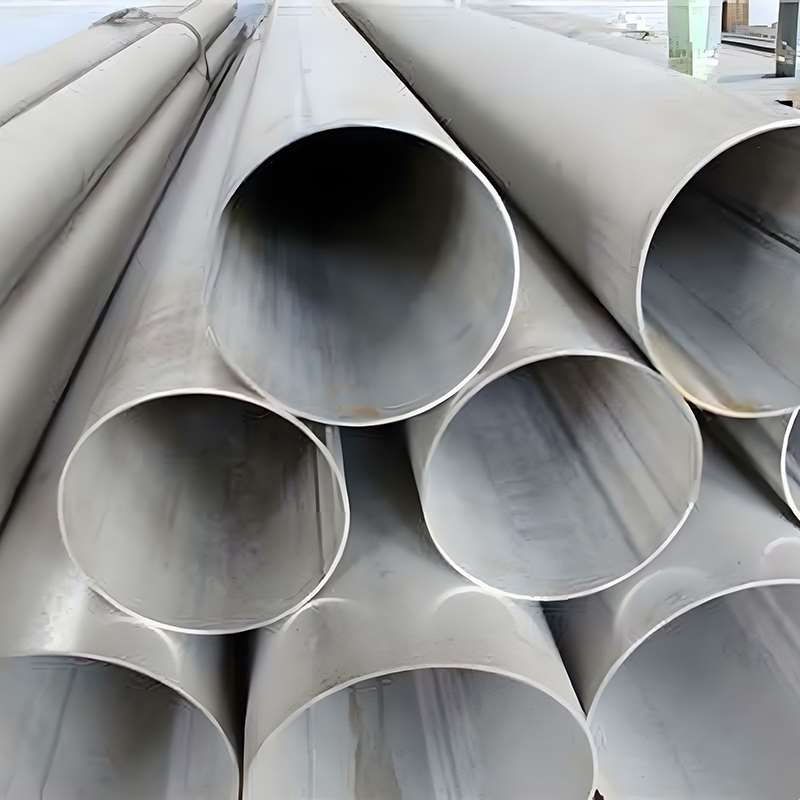
VI. Selection Guide for 316 Stainless Steel Welded Pipes
- Determine Material Grade
316L vs 316
316L: Low carbon content, excellent corrosion resistance after welding, suitable for high-volume welding or pipes not annealed post-weld.
316: Suitable for low-volume welding and industrial piping with standard corrosion resistance requirements. - Determine Production Process
ERW: Small-diameter industrial pipes, batch production, high efficiency, low cost.
TIG/MIG: Sanitary or food/pharmaceutical piping, bright and smooth welds, suitable for small diameters.
SAW: Large-diameter or thick-walled pipes, high-pressure applications, strong and reliable welds. - Determine Diameter and Wall Thickness
Diameter: Selected based on flow rate, equipment interfaces, and operating conditions. Common sizes: Φ6–219 mm. Small-diameter precision pipes: Φ6–114 mm. Industrial pipes: Φ15–168 mm. Large-diameter pipes: Φ114–219 mm or custom.
Wall Thickness: Select based on pressure rating. Low-pressure pipes: SCH5S–SCH10S; medium-high pressure pipes: SCH20S–SCH40S or custom thick-walled options. - Determine Surface Finish
Industrial Use: Acid pickling or standard polishing sufficient to ensure corrosion resistance.
Sanitary/Food & Beverage/Pharmaceutical: Mirror finish or electropolishing (Ra ≤ 0.4 μm) with smooth welds for easy cleaning.
Decorative piping: Brushed or mirror finish, balancing aesthetics and corrosion resistance. - Specify Standards
International Standards: ASTM A312 / A554, EN 10217-7, ISO 1127
Domestic Standards: GB/T 12771 - Pressure and Service Condition Matching
Low pressure, small-to-medium diameters: Standard wall thickness sufficient; ERW welded pipe adequate.
High pressure or large diameter: Thick-walled or SAW welded pipes to ensure pressure-bearing capacity and corrosion resistance - Packaging and Transportation Requirements
Standard lengths: 6–12 meters, custom cutting available
Packaged in wooden crates or steel strapping with impact-resistant paper lining for dust and oxidation protection
Ensure pipes remain free from scratches and impacts during sea or land transport
VII. Common FAQs on Selecting 316 Stainless Steel Welded Pipes
1. What is the difference between 316L and 316 welded pipes?
Answer: 316L is a low-carbon variant with reduced risk of intergranular corrosion after welding, making it more suitable for extensive welding or pipelines not undergoing post-weld heat treatment. 316 is appropriate for limited welding or applications with moderate corrosion resistance requirements. Selection should be based on operating conditions and welding needs.
2. Should I choose seamless or welded pipe?
Answer:
Seamless pipe: Suitable for high-pressure, thick-walled applications with stringent corrosion resistance requirements, such as chemical processing or seawater pipelines.
Welded pipe: Suitable for medium-to-low pressure, cost-sensitive projects, large-volume production, or sanitary-grade pipelines.
Selection should be based on pressure rating, nominal diameter, and cost considerations.
3. How do I select nominal diameter and wall thickness based on operating conditions?
Answer:
Diameter is determined by flow rate and connection standards:
Small diameter: Φ6–114 mm
Medium diameter: Φ114–168 mm
Large diameter: Φ168–219 mm or custom
Wall thickness is selected based on pressure rating:
Low pressure: SCH5S–SCH10S
Medium/high pressure: SCH20S–SCH40S or custom thick-walled
4. How should surface treatment be selected?
Answer:
Industrial piping: Acid pickling or polishing suffices.
Sanitary piping (food, pharmaceutical): Mirror finish or electropolishing, with smooth welds and Ra ≤ 0.4 μm.
Decorative piping: Brushed or mirror finish, balancing aesthetics and corrosion resistance.
5. How to verify supplier material and quality?
Answer:
Require Material Test Certificates (MTC) including chemical composition and mechanical property test reports.
Verify compliance with ASTM/EN/GB standard numbers.
For high-end projects, request third-party inspection or on-site sampling to ensure pipe authenticity and reliability.