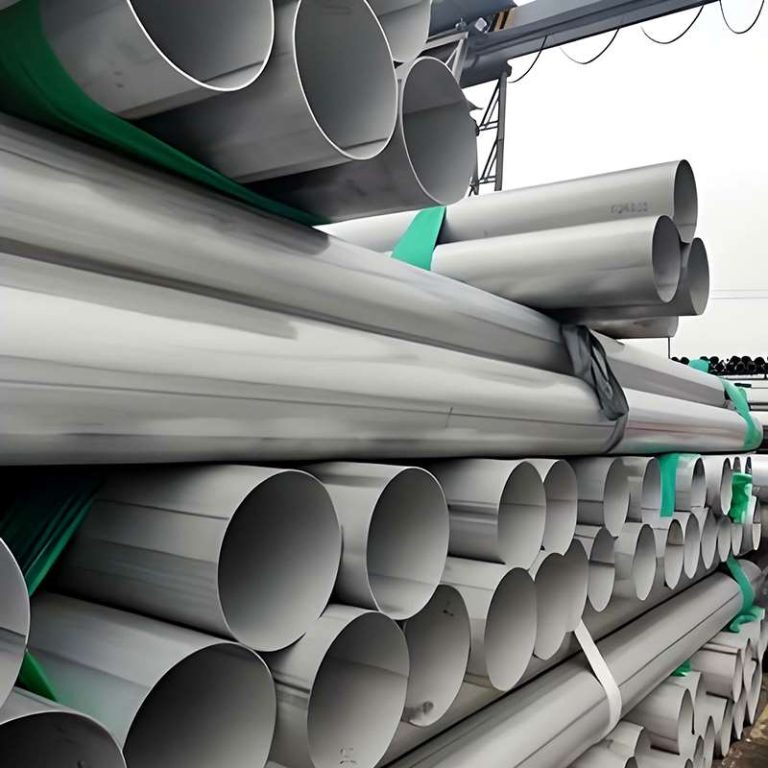
I. Introduction to 316L Stainless Steel Seamless Pipe
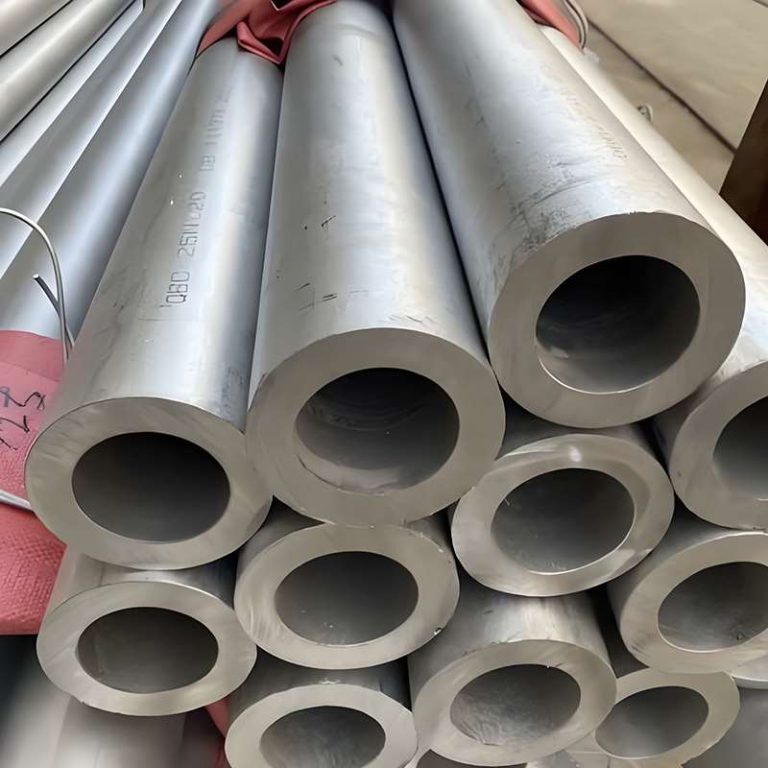
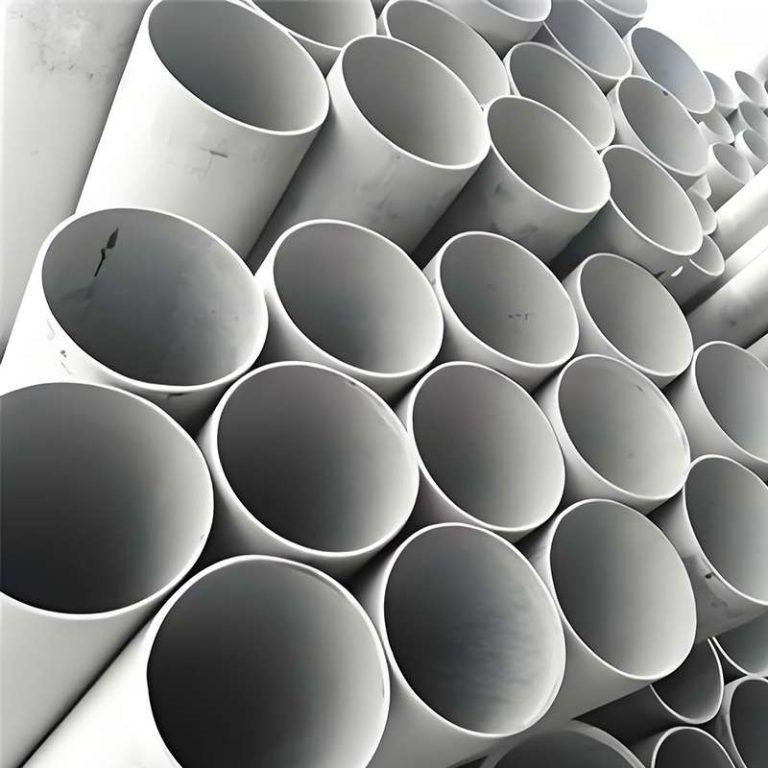
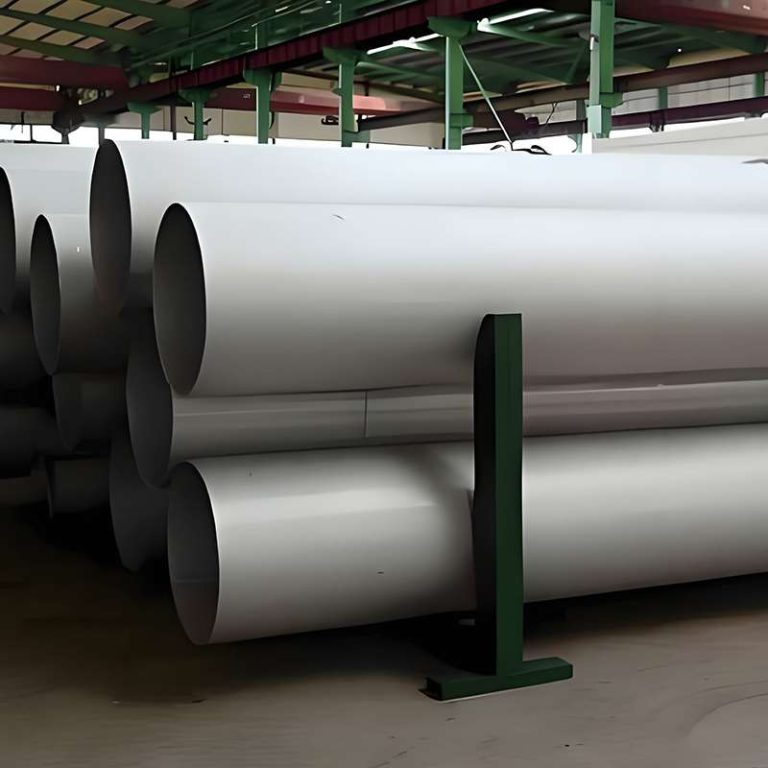
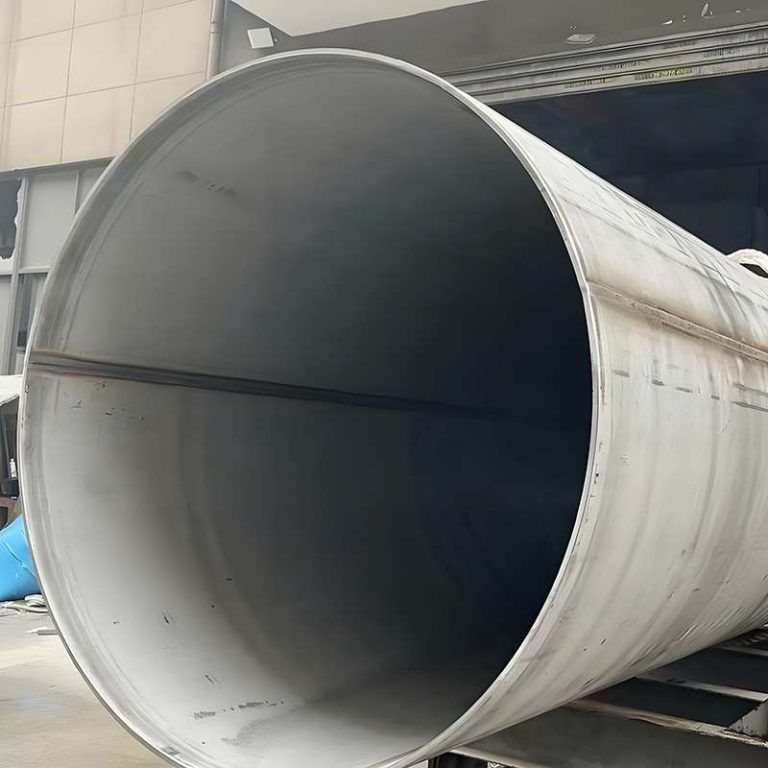
316L stainless steel seamless pipe is manufactured from low-carbon austenitic stainless steel 316L. It offers exceptional corrosion resistance, high-temperature tolerance, and excellent weldability.
Widely used in chemical processing, petroleum, food and beverage, pharmaceuticals, seawater equipment, and industrial fluid transportation industries, it is available in various diameters, wall thicknesses, and surface finishes (pickling, polishing, mirror finish) to meet specific requirements.
II. International Standards for 316L Stainless Steel Seamless Pipes
| Standard System | Standard No. | Scope / Description |
|---|---|---|
| ASTM (USA) | ASTM A312 / A213 | Austenitic stainless steel seamless pipes for industrial and pressure piping |
| EN (Europe) | EN 10216-5 | Corrosion-resistant austenitic stainless steel seamless pipes, suitable for high temperature and pressure pipelines |
| JIS (Japan) | JIS G3459 | Stainless steel seamless pipes for industrial use |
| GB (China) | GB/T 14976-2012 | Stainless steel seamless pipes for industrial and water supply / drainage pipelines |
| ISO (International) | ISO 1127 / ISO 4200 | International reference standards for stainless steel pipe dimensions, wall thickness, and pressure rating |
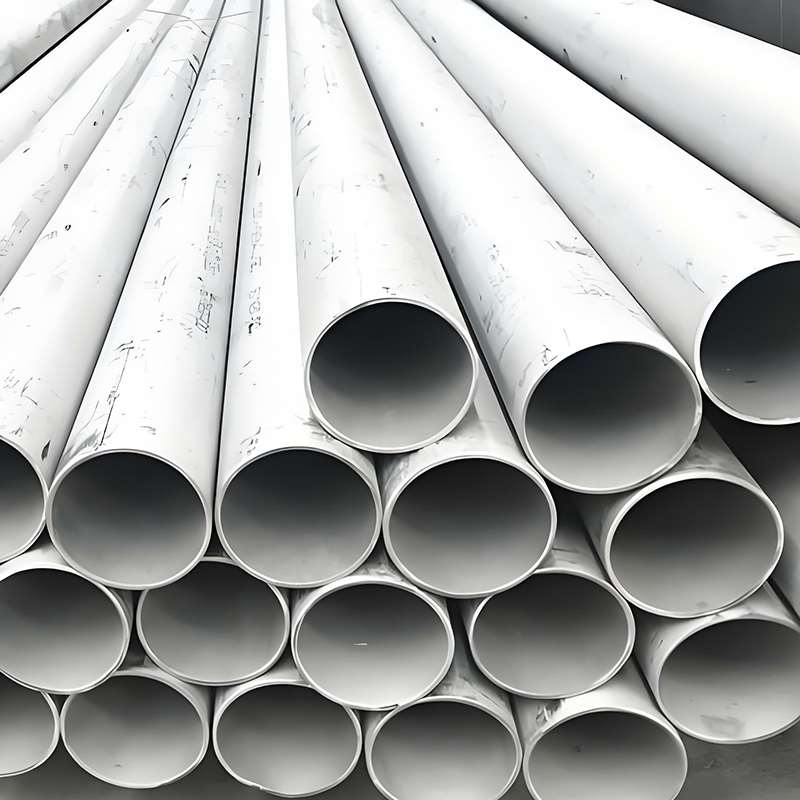
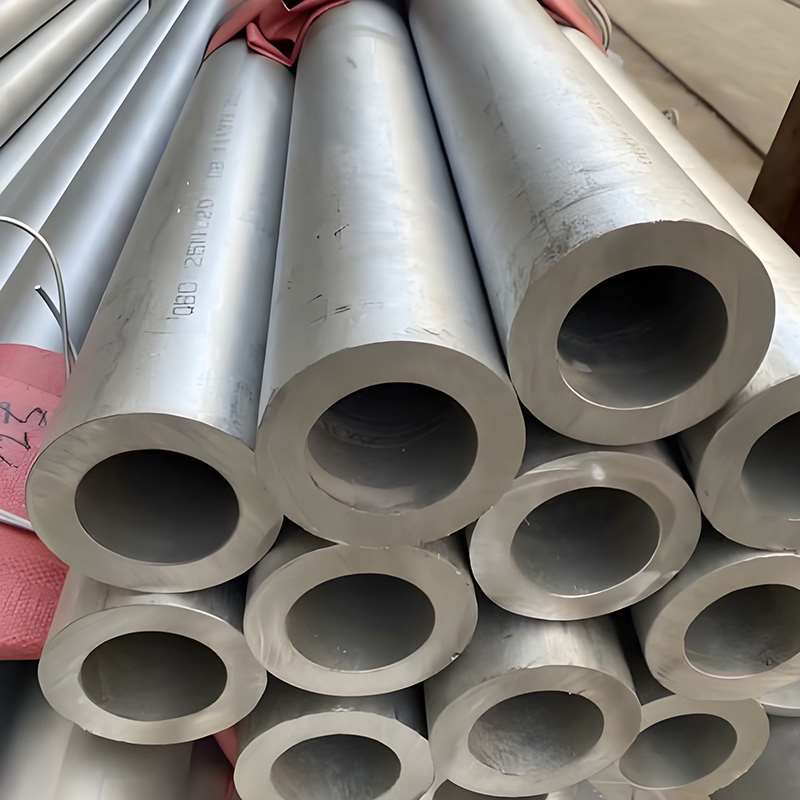
III. Chemical Composition and Mechanical Properties of 316L Stainless Steel Seamless Tubing
1. Chemical Composition (Mass Fraction %)
| Element | Content Range |
|---|---|
| Carbon (C) | ≤ 0.03 |
| Manganese (Mn) | ≤ 2.00 |
| Silicon (Si) | ≤ 1.00 |
| Phosphorus (P) | ≤ 0.045 |
| Sulfur (S) | ≤ 0.03 |
| Chromium (Cr) | 16.0 – 18.0 |
| Nickel (Ni) | 10.0 – 14.0 |
| Molybdenum (Mo) | 2.0 – 3.0 |
| Iron (Fe) | Balance |
2. Mechanical properties
| Property | Standard Value |
|---|---|
| Tensile Strength | 485 – 620 MPa |
| Yield Strength (0.2%) | ≥ 170 MPa |
| Elongation (A5) | ≥ 40% |
| Hardness (HRB) | 70 – 90 |
IV.316L Stainless Steel Seamless Pipe Specifications and Dimensions Table
| Outer Diameter (mm) | Wall Thickness (mm) | Theoretical Weight (kg/m) | Notes |
|---|---|---|---|
| 6 | 0.5 – 1.0 | 0.06 – 0.09 | Small-diameter precision tube |
| 10 | 0.5 – 2.0 | 0.12 – 0.31 | Precision / industrial pipe |
| 15 | 0.5 – 2.5 | 0.28 – 0.62 | Common water supply / industrial pipe |
| 20 | 0.5 – 3.0 | 0.37 – 1.00 | Industrial fluid pipe |
| 25 | 1.0 – 3.5 | 0.78 – 1.70 | Chemical / food pipeline |
| 32 | 1.0 – 4.0 | 1.20 – 2.40 | Small to medium industrial pipe |
| 40 | 1.0 – 4.5 | 1.50 – 3.30 | Water treatment / chemical pipe |
| 50 | 1.0 – 5.0 | 2.10 – 4.20 | Medium-pressure pipeline |
| 65 | 1.5 – 5.5 | 3.80 – 6.50 | Medium to large diameter pipe |
| 80 | 1.5 – 6.0 | 4.50 – 8.10 | Industrial and chemical pipe |
| 100 | 2.0 – 7.0 | 6.30 – 11.00 | Medium to large diameter pipeline |
| 125 | 2.0 – 8.0 | 9.50 – 16.00 | Large-diameter pipe |
| 150 | 2.5 – 9.0 | 13.50 – 23.00 | Industrial pipe |
| 200 | 3.0 – 10.0 | 22.50 – 37.00 | Large-diameter high-pressure pipe |
| 219 | 3.0 – 12.0 | 28.00 – 48.00 | High-pressure pipeline, custom use |
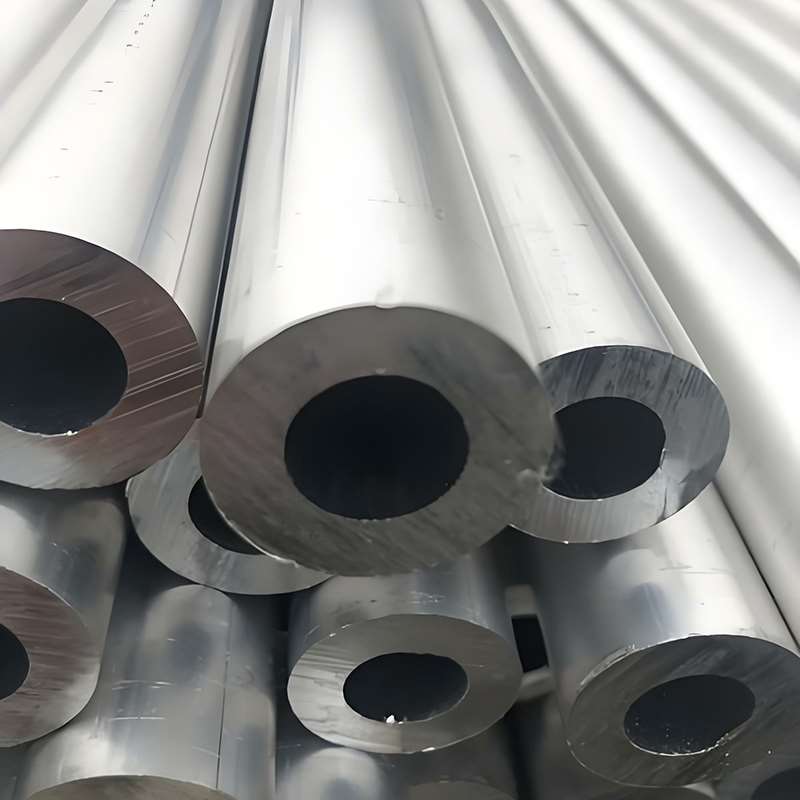
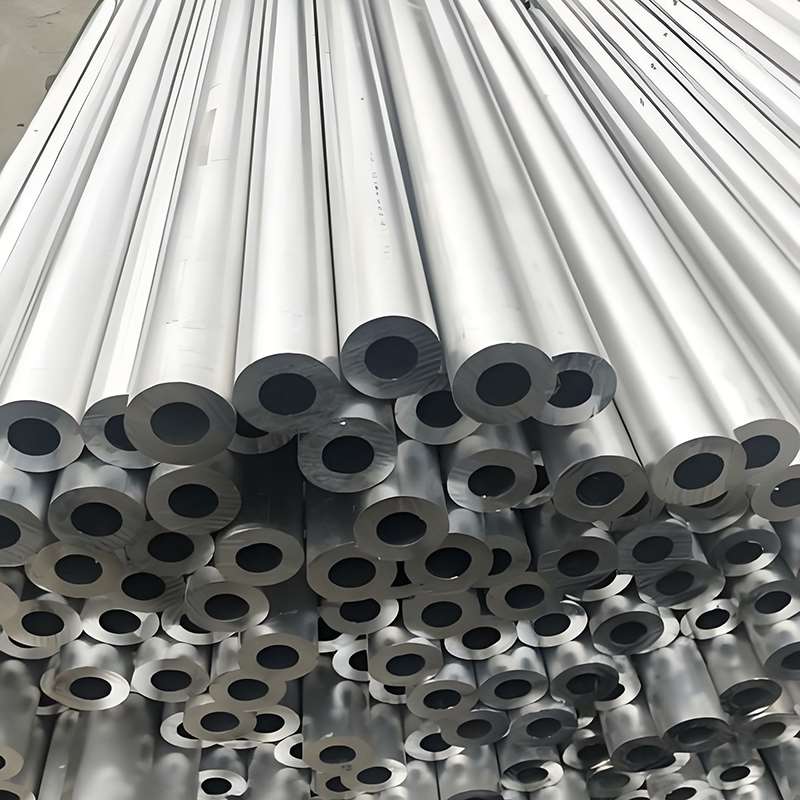
V. 316L stainless steel seamless pipe surface treatment
| Surface Treatment | Features & Purpose | Applicable Scenarios |
|---|---|---|
| Pickling | Removes scale, welding slag, and impurities; improves corrosion resistance | Industrial pipelines, chemical, and petroleum pipelines |
| Polishing | Smooths surface, removes minor scratches, enhances appearance and corrosion resistance | Industrial and decorative pipes, machinery equipment |
| Mirror Finish | High-gloss surface, Ra ≤ 0.4 μm, easy to clean, excellent hygiene | Food & beverage, pharmaceutical, sanitary pipelines |
| Brushed Finish | Fine linear texture, aesthetic, fingerprint resistant | Architectural decoration, visible machinery pipes |
| Sandblasting | Matte or uniform frosted surface, removes burrs | Architectural decoration, special process requirements |
| Electropolishing | Chemical/electrochemical treatment, removes micro-protrusions and welding oxide layer, improves corrosion resistance | Sanitary pipelines, food and pharmaceutical industry |
VI. Application Fields and Selection Recommendations for 316L Stainless Steel Seamless Pipes
1. Chemical and Petrochemical Piping
Operating Conditions: Transporting acids, alkalis, and chemical liquids; high-pressure environments; welds prone to corrosion
Selection:
Material: 316L stainless steel (corrosion-resistant, low-carbon)
Diameter: Small diameter Φ15–114 mm, Medium-large diameter Φ114–219 mm
Wall Thickness: SCH10S–SCH40S, Custom thick walls available
Welding: TIG / MIG / ERW
Surface: Pickled or polished
2. Food, Beverage, and Pharmaceutical
Operating Conditions: Requires sanitary design, easy cleaning, smooth welds without crevices for harboring contaminants
Selection:
Material: 316L
Nominal Diameter: Φ15–114 mm
Wall Thickness: SCH5S–SCH10S
Welding: TIG / MIG with high-gloss welds
Surface Finish: Mirror polish or electropolishing, Ra ≤ 0.4 μm
3. Seawater and Marine Engineering
Service Conditions: Long-term exposure to seawater or saline environments, prone to corrosion
Selection:
Material: 316L (Mo content enhances chloride resistance)
Nominal Diameter: Φ15–219 mm
Wall Thickness: SCH10S–SCH40S
Welding: ERW / TIG / MIG
Surface Finish: Pickled or Polished
4. Mechanical Manufacturing and Industrial Equipment
Service Conditions: High pressure, wear resistance, durability
Selection:
Material: 316L
Nominal Diameter: Selected based on equipment design
Wall Thickness: SCH10S–SCH40S or thick-walled pipe
Welding: ERW / TIG
Surface Finish: Polished
5. Architectural Decorative Piping
Application: Aesthetic appearance and corrosion resistance required
Specifications:
Material: 316L
Diameter: Φ15–114 mm
Wall Thickness: SCH5S–SCH10S
Welding: TIG
Surface Finish: Brushed or Mirror Polished
6. Water Treatment and Environmental Engineering
Service Conditions: Pipes prone to scaling and corrosion; require durability and ease of cleaning
Specifications:
Material: 316L
Diameter: Φ15–219 mm
Wall Thickness: SCH10S–SCH40S
Welding: ERW / TIG
Surface Finish: Polished or pickled
VII. Common FAQs for Procuring 316L Stainless Steel Seamless Tubing
1. What is the difference between 316L and 316 stainless steel tubing?
Answer: 316L is a low-carbon variant with reduced risk of intergranular corrosion after welding. It is particularly suitable for piping systems requiring extensive welding or those not undergoing post-weld heat treatment. When procuring tubing that will be welded or subjected to long-term corrosion exposure, 316L is recommended.
2. How to select diameter and wall thickness based on operating conditions?
Answer: Determine wall thickness according to pipeline pressure, flow rate, and conditions:
Low pressure, short runs: Thin-wall SCH5S–SCH10S suffices
Medium/high pressure or long-distance pipelines: SCH40S–SCH80S or custom thick-wall
Diameter should match flow requirements while considering equipment interface standards.
3. Should I choose welded or seamless pipes?
Answer:
High pressure, thick walls, corrosion resistance, or chemical/seawater applications → Select seamless pipes
Medium-low pressure, cost-sensitive, large batches → Welded pipes
Decide based on pressure rating and budget during procurement.
4. What are the surface treatment requirements?
Answer:
Industrial piping: Acid pickling or polishing is sufficient.
Sanitary piping (food, dairy, pharmaceutical): Mirror finish or electropolishing, Ra ≤ 0.4 μm, with smooth welds for easy cleaning.
Specify intended use during procurement; suppliers must process surfaces accordingly.
5. How can I verify the authenticity of material provided by suppliers?
Answer:
Require suppliers to provide Material Test Certificates (MTC) including chemical composition and mechanical property test reports.
Verify that ASTM/EN/GB standard numbers match the product specifications.
For high-end projects, request third-party testing or on-site sampling tests.
6. What considerations apply to procurement length and packaging?
Answer:
Standard lengths: 6–12 meters, custom cutting available
Packaging: Wooden crates or steel banding with impact-resistant paper lining; surface protective film for dust and oxidation prevention
Ensure moisture and impact protection during sea or land transport to prevent scratches or deformation