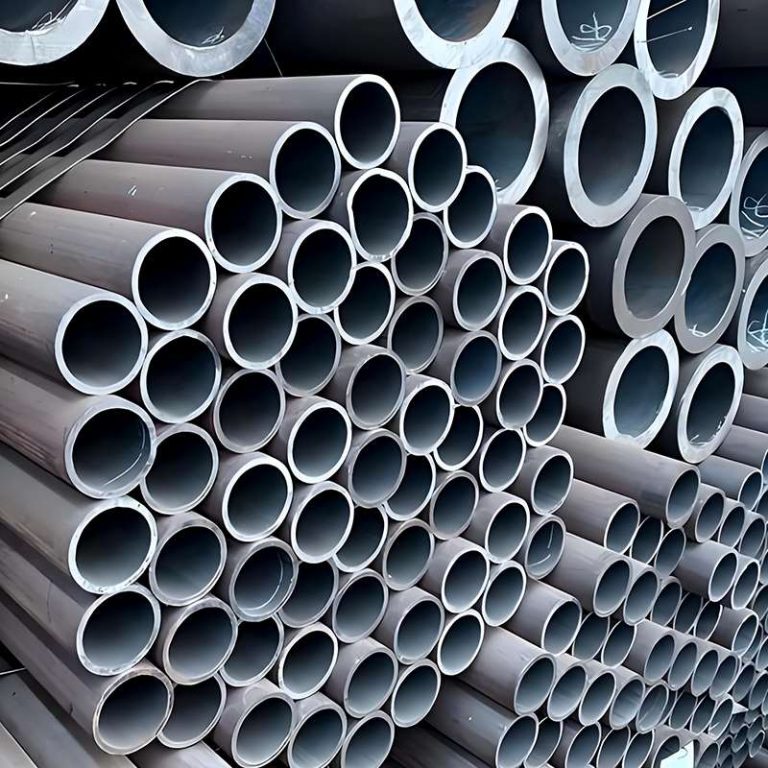
I. Overview of ASTM A335 Alloy Steel Seamless Pipe
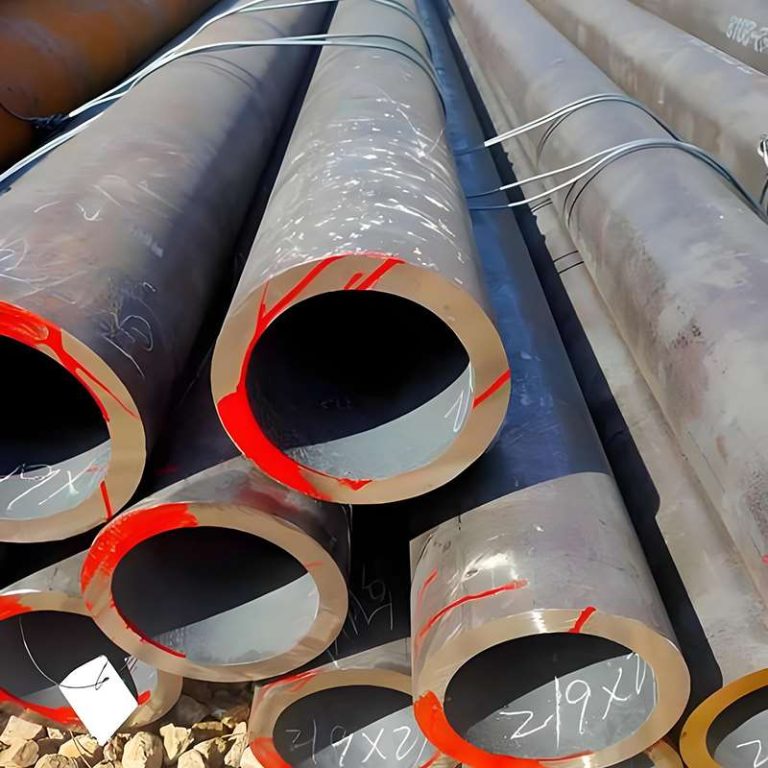
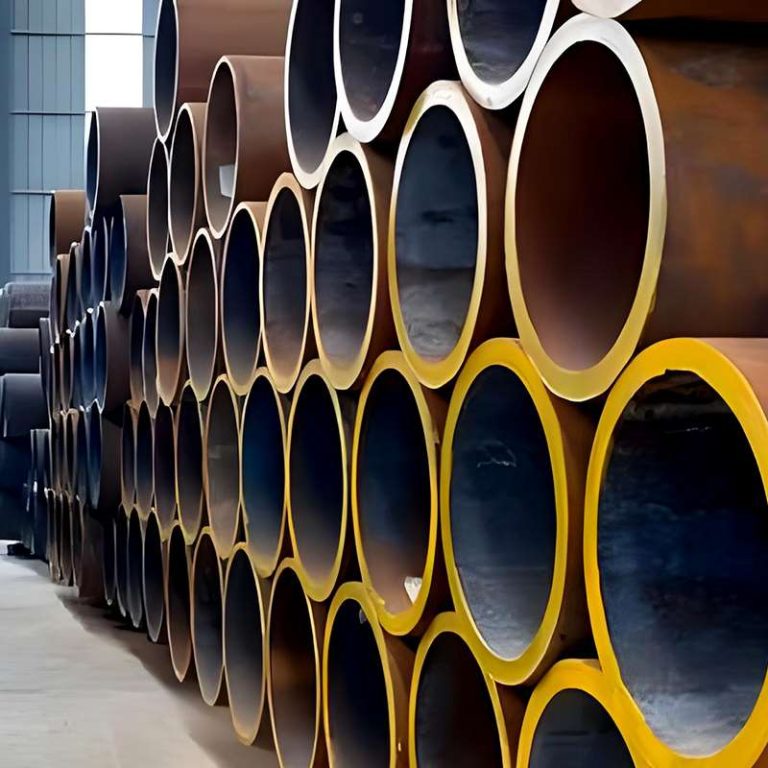
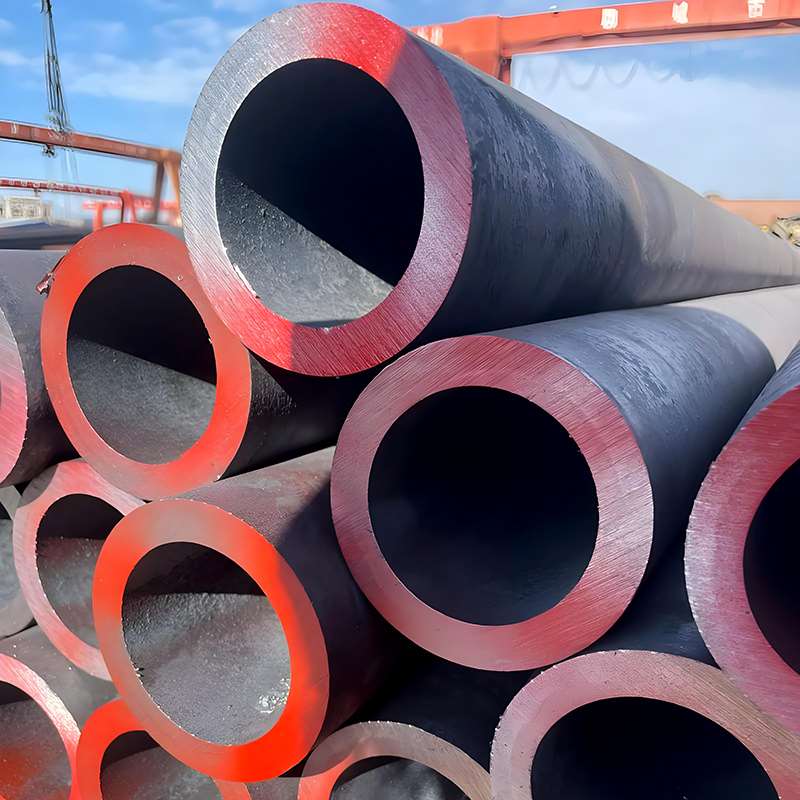
ASTM A335 alloy steel seamless pipe is a specialized piping material designed for high-temperature and high-pressure operating conditions. Manufactured from high-quality alloy steel, it exhibits exceptional strength as well as superior resistance to both high temperatures and corrosion.
This product complies with ASTM A335 / ASME SA335 standards and is available in standard pipe schedules (SCH40 and SCH80). It is widely utilized in critical industrial sectors, including boiler piping, heat exchangers, petrochemical facilities, power plants, and high-temperature steam lines.
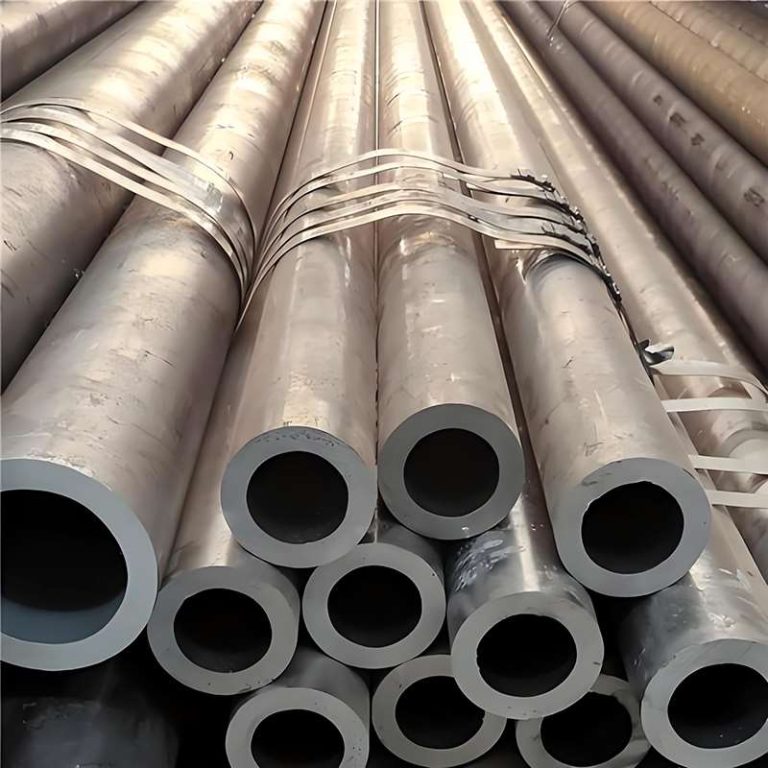
The pipes can be supplied with plain ends, cut ends, or beveled ends; furthermore, surface rust-proofing treatments or protective coatings can be applied upon request. The packaging is secure and reliable, facilitating ease of transport and on-site application.
Features:
- High-Temperature Pressure Resistance: Suitable for high-temperature operating conditions, such as in boilers and heat exchangers.
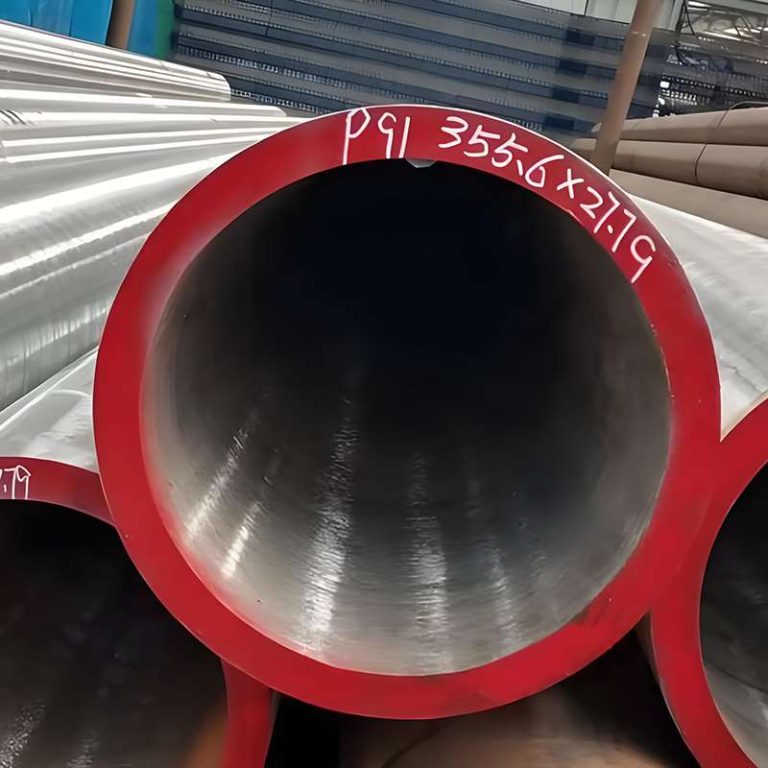
- Reliable Materials: Available in a variety of alloy steel grades (P11, P22, P91, etc.).
- Flexible Specifications: Supports SCH40 / SCH80 schedules; lengths can be customized.
- Wide Applications: Petrochemical, power generation, industrial piping, and more.
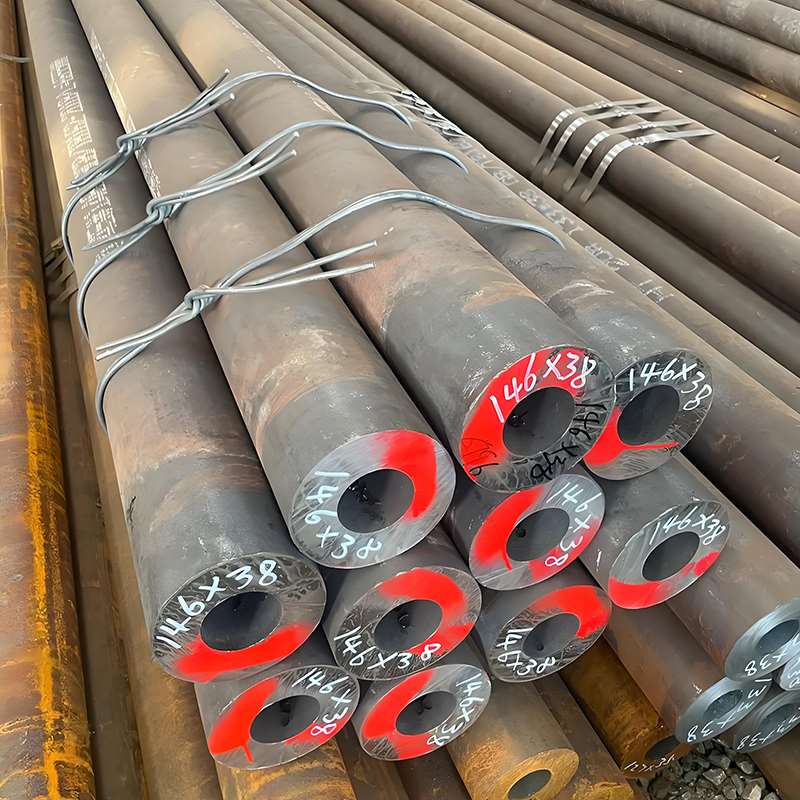
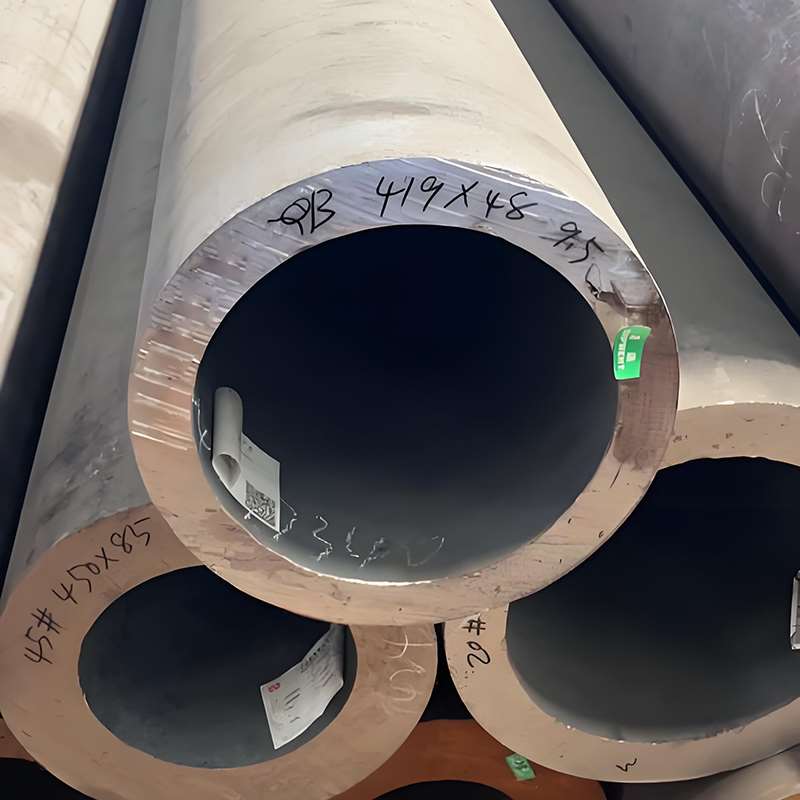
II. Common Material Grades for ASTM A335 Seamless Alloy Steel Pipes
| Material Grade | Key Chemical Composition Control | Applicable Temperature Range | Main Applications |
|---|---|---|---|
| P5 | C ≤ 0.15%, Cr ≈ 0.50%, Mo ≈ 0.50% | ≤ 540°C | Low to medium temperature boiler tubes and steam piping |
| P9 | C ≤ 0.15%, Cr ≈ 1.25%, Mo ≈ 0.50% | ≤ 565°C | Medium to high temperature boilers and heat exchanger tubes |
| P11 | C ≤ 0.15%, Cr ≈ 1.00%, Mo ≈ 0.50% | ≤ 580°C | High-temperature boiler tubes and chemical plant equipment |
| P22 | C ≤ 0.15%, Cr ≈ 2.25%, Mo ≈ 1.00% | ≤ 600°C | High-temperature and high-pressure boiler tubes and heat exchangers |
| P91 | C ≈ 0.10%, Cr ≈ 9.00%, Mo ≈ 1.00%, V ≈ 0.20%, Nb ≈ 0.06% | ≤ 650°C | Ultra-high temperature and high-pressure boiler tubes, power plant steam piping |
III. ASTM A335 Alloy Steel Seamless Pipe Mechanical Properties Table
| Material Grade | Yield Strength (σy) | Tensile Strength (σt) | Elongation (δ5) | Impact Toughness (KV) | Service Temperature Range |
|---|---|---|---|---|---|
| P5 | 205 – 275 MPa | 380 – 510 MPa | ≥20% | ≥34 J | ≤540°C |
| P9 | 205 – 275 MPa | 415 – 550 MPa | ≥20% | ≥34 J | ≤565°C |
| P11 | 205 – 275 MPa | 415 – 550 MPa | ≥20% | ≥34 J | ≤580°C |
| P22 | 205 – 275 MPa | 415 – 550 MPa | ≥20% | ≥34 J | ≤600°C |
| P91 | 585 – 750 MPa | 690 – 850 MPa | ≥20% | 40 – 60 J | ≤650°C |
IV. ASTM A335 Seamless Alloy Steel Pipe Dimensions (SCH40 / SCH80)
| Outer Diameter (inch/mm) | SCH40 Wall Thickness (mm) | SCH80 Wall Thickness (mm) | SCH40 Weight (kg/m) | SCH80 Weight (kg/m) | Length (m) | OD Tolerance | Wall Thickness Tolerance | Straightness | Roundness | Wall Thickness Uniformity |
|---|---|---|---|---|---|---|---|---|---|---|
| 1/2″ (12.7) | 2.77 | 3.91 | 0.88 | 1.23 | 6 – 12 | ±0.10 mm | ±10% | ≤0.5% | ≤1% | ±5% |
| 3/4″ (19.05) | 2.87 | 3.91 | 1.24 | 1.64 | 6 – 12 | ±0.10 mm | ±10% | ≤0.5% | ≤1% | ±5% |
| 1″ (25.4) | 3.38 | 4.55 | 1.68 | 2.27 | 6 – 12 | ±0.10 mm | ±10% | ≤0.5% | ≤1% | ±5% |
| 1 1/4″ (31.75) | 3.38 | 4.55 | 2.11 | 2.83 | 6 – 12 | ±0.10 mm | ±10% | ≤0.5% | ≤1% | ±5% |
| 1 1/2″ (38.1) | 3.68 | 4.85 | 2.53 | 3.38 | 6 – 12 | ±0.10 mm | ±10% | ≤0.5% | ≤1% | ±5% |
| 2″ (50.8) | 3.91 | 5.54 | 3.40 | 4.71 | 6 – 12 | ±0.15 mm | ±10% | ≤0.5% | ≤1% | ±5% |
| 2 1/2″ (63.5) | 4.78 | 6.55 | 4.60 | 6.35 | 6 – 12 | ±0.15 mm | ±10% | ≤0.5% | ≤1% | ±5% |
| 3″ (76.1) | 5.49 | 7.11 | 6.12 | 7.87 | 6 – 12 | ±0.15 mm | ±10% | ≤0.5% | ≤1% | ±5% |
| 4″ (101.6) | 6.02 | 7.62 | 8.50 | 10.7 | 6 – 12 | ±0.15 mm | ±10% | ≤0.5% | ≤1% | ±5% |
| 6″ (152.4) | 7.11 | 9.27 | 14.2 | 18.1 | 6 – 12 | ±0.20 mm | ±10% | ≤0.5% | ≤1% | ±5% |
| 8″ (203.2) | 8.18 | 11.13 | 22.0 | 29.3 | 6 – 12 | ±0.20 mm | ±10% | ≤0.5% | ≤1% | ±5% |
| 10″ (254.0) | 9.27 | 12.70 | 31.0 | 41.0 | 6 – 12 | ±0.20 mm | ±10% | ≤0.5% | ≤1% | ±5% |
| 12″ (304.8) | 10.97 | 15.09 | 43.0 | 57.0 | 6 – 12 | ±0.25 mm | ±10% | ≤0.5% | ≤1% | ±5% |
| 14″ (355.6) | 12.70 | 16.91 | 55.0 | 72.0 | 6 – 12 | ±0.25 mm | ±10% | ≤0.5% | ≤1% | ±5% |
| 16″ (406.4) | 14.27 | 18.26 | 69.0 | 88.0 | 6 – 12 | ±0.25 mm | ±10% | ≤0.5% | ≤1% | ±5% |
| 18″ (457.2) | 15.09 | 19.05 | 82.0 | 104.0 | 6 – 12 | ±0.30 mm | ±10% | ≤0.5% | ≤1% | ±5% |
| 20″ (508.0) | 16.31 | 21.34 | 98.0 | 126.0 | 6 – 12 | ±0.30 mm | ±10% | ≤0.5% | ≤1% | ±5% |
| 24″ (609.6) | 19.05 | 25.40 | 136.0 | 182.0 | 6 – 12 | ±0.30 mm | ±10% | ≤0.5% | ≤1% | ±5% |
V. Guide to Corrosion Protection Schemes for ASTM A335 Alloy Steel Seamless Pipes
- Dry Indoor Environments
- Recommended Surface Treatment: Black Oxide
- Coating / Corrosion Protection: Application of rust-inhibiting oil (optional)
- Applicable Scenarios: Short-term storage of tubing or indoor installation where there is no contact with water or chemical media.
- Note: Rust-inhibiting oil prevents minor oxidation and satisfies short-term protection requirements.
- Humid Indoor or Short-Term Outdoor Environments
- Recommended Surface Treatment: Acid Pickling
- Coating / Corrosion Protection: Rust-inhibiting oil or light-duty anti-corrosion paint.
- Applicable Scenarios: Construction sites or short-term storage locations characterized by high atmospheric humidity.
- Note: Acid pickling removes mill scale, while the rust-inhibiting oil or light paint coating protects the tubing surface and prevents short-term corrosion.
- Long-Term Outdoor or Humid Environments
- Recommended Surface Treatment: Painting, or Black Oxide + Acid Pickling.
- Coating / Corrosion Protection: Epoxy Primer + Topcoat.
- Applicable Scenarios: Long-term outdoor storage or environments subject to mild corrosion.
- Note: The epoxy coating provides water, moisture, and mild corrosion resistance, thereby extending the service life of the tubing.
- High-Temperature Steam Environments
- Recommended Surface Treatment: Black Oxide or Acid Pickling
- Coating / Corrosion Protection: High-Temperature Anti-Rust Oil or Heat-Resistant Coating
- Applicable Scenarios: Boiler Piping, Heat Exchangers, Steam Lines
- Note: Standard epoxy paints are prone to cracking and peeling at high temperatures; high-temperature anti-rust oil prevents surface oxidation.
- Chemical Media Environments
- Recommended Surface Treatment: Acid Pickling + Surface Cleaning
- Coating / Corrosion Protection: Epoxy Coating or Epoxy Powder Coating
- Applicable Scenarios: Piping for Acids, Alkalis, or Corrosive Chemicals
- Note: Epoxy coatings provide chemical corrosion resistance, extending the service life of the piping in corrosive environments.
- Long-Term Transport and Export
- Recommended Surface Treatment: Anti-Rust Oil + Anti-Rust Paper Lining
- Coating / Corrosion Protection: Optional Epoxy Coating
- Applicable Scenarios: Sea Freight or Long-Distance Transport
- Note: Prevents the piping from rusting or sustaining scratches during transit, ensuring it remains ready for immediate use upon arrival at the client’s site.
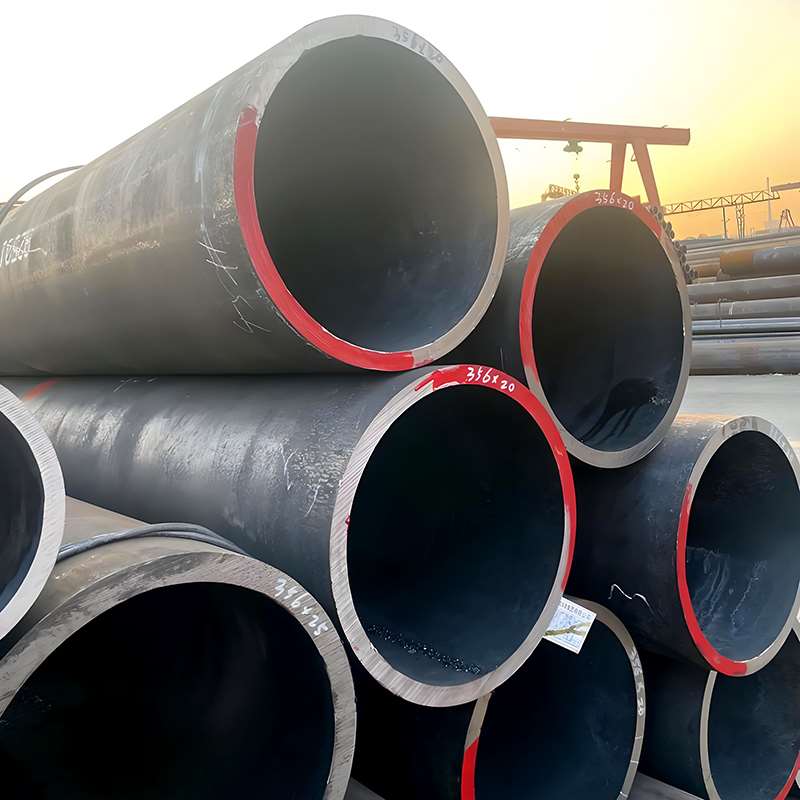
VI. Procurement Recommendations for ASTM A335 Alloy Steel Seamless Pipes
- Clarify Operating Conditions and Requirements
- High-Temperature and High-Pressure Piping: Select high-temperature grades such as P11, P22, or P91.
- Medium-to-Low Temperature Steam or General Service Conditions: Grades such as P5 or P9 are sufficient.
- Chemical Corrosion or Special Media: Select pipes featuring epoxy coatings or anti-corrosion powder coatings.
- Specific Applications: Boiler tubes, heat exchangers, petrochemical pipelines, power plant steam lines, etc.
- Verify operating conditions prior to procurement to avoid errors in material grade selection or corrosion protection choices, thereby saving costs and mitigating future risks.
- Confirm Specifications and Quantities
- Outer Diameter and Wall Thickness: Refer to comprehensive specification charts (e.g., SCH40 / SCH80) to ensure alignment with design drawings.
- Length: Standard lengths typically range from 6 to 12 meters; custom cutting can be arranged to suit on-site construction requirements.
- Quantity: It is recommended to procure a quantity slightly exceeding actual requirements—by 5% to 10%—to accommodate on-site adjustments or material loss.
- Confirming specifications in advance prevents difficulties during on-site welding or installation, while maintaining a quantity reserve avoids delays associated with last-minute procurement.
- Material and Certification Requirements
- Material Grade: P5 / P9 / P11 / P22 / P91
- Certification Requirements: Require the supplier to provide certification confirming compliance with ASTM A335 / ASME SA335 standards.
- Material Test Certificates (MTC): Reports detailing chemical composition, mechanical properties, heat treatment processes, and hardness test results.
- Material specifications and certifications constitute the most critical aspect of the procurement process, ensuring that the piping materials fully comply with design specifications and safety regulations.
- Corrosion Protection and Packaging Requirements
- Select an appropriate corrosion protection scheme based on specific operating conditions (refer to the Corrosion Protection Guide).
- For pipes intended for long-distance transport or export, the packaging must include rust-preventive oil, an inner lining of anti-rust paper, and a protective plastic film wrap.
- For pipes intended for long-term storage, additional protection—such as an epoxy coating or paint application—is recommended.
- Proper corrosion protection and packaging are essential to prevent rust and corrosion issues during transit and storage.
- Suppliers and Lead Times
- Supplier Selection: Prioritize manufacturers with proven experience in producing ASTM A335 compliant materials and the necessary export qualifications.
- Lead Times: Confirm production and shipping schedules in advance, taking into account the order quantity and any specific customization or processing requirements.
- After-Sales Support: Verify that the supplier provides material certificates, inspection reports, and technical support.
- Confirming the supplier’s credentials and delivery schedule in advance helps ensure the smooth progression of the project.
- On-Site Installation and Inspection Recommendations
- Arrival Inspection: Inspect the pipes for general appearance, end conditions, dimensional tolerances, and surface finish.
- Construction Coordination: Verify that the weld ends and bevels meet the specific requirements of the construction plan.
- Storage Conditions: Store pipes in a dry, well-ventilated environment, avoiding contact with acidic substances or moist media.
- Thorough inspection upon arrival and proper storage practices can help minimize construction-related issues and reduce future maintenance costs.
VII. Common Issues with ASTM A335 Alloy Steel Seamless Pipes in Service
1. Assessing the high-temperature strength and long-term performance of piping is challenging.
Pain Point Description:
- In many engineering projects, piping materials operate under conditions of high temperature and high pressure over extended periods. Consequently, clients are concerned that the pipes may be susceptible to creep, loss of strength, or cracking.
Proposed Solution:
- Select piping materials that comply with grades such as ASTM A335 P11, P22, and P91 to ensure the material’s high-temperature strength.
- Request the Heat Treatment Report and Material Test Certificate (MTC) to verify that the yield strength, tensile strength, and impact toughness meet the specific requirements of the operating conditions.
- For long-term, high-temperature operating environments, calculate the allowable stress in accordance with relevant piping design codes to ensure safe and reliable operation.
2. Mismatched Wall Thickness Specifications: Significant Installation Challenges
Problem Description:
- In engineering projects, SCH40 and SCH80 pipes require a strict match regarding both outer diameter and wall thickness; failure to ensure this alignment results in significant difficulties during welding or connection.
Recommended Solutions:
- Prior to procurement, verify the outer diameter, wall thickness, and applicable tolerances by consulting a comprehensive SCH40/SCH80 specification chart.
- For critical pipe sections, consider conducting preliminary test welds or trial assemblies to ensure smooth execution during on-site construction.
- When handling pipes with large diameters or thick walls, pay close attention to handling and hoisting procedures to prevent damage to the pipe ends.
3. Corrosion Prevention and Rusting During Transport
Problem Description:
- Piping materials are prone to oxidation and rusting during storage or long-distance transport—particularly during sea freight or in humid environments.
Recommended Solutions:
- Select an appropriate surface treatment and anti-corrosion strategy based on the specific operating conditions (e.g., black oxide treatment, rust-inhibiting oil, or epoxy coating).
- For export or long-distance shipments, pipes should be securely bundled, packed on wooden pallets, and lined with anti-rust paper to prevent friction-induced corrosion.
- Upon delivery, if on-site storage is required, apply a rust-inhibiting oil spray to the pipe surfaces or cover them with plastic sheeting to ensure they remain rust-free during short-term storage.
4. Corrosion Prevention Challenges in High-Temperature Steam or Chemical Media Environments
Problem Statement:
- Standard anti-corrosion coatings are prone to failure when exposed to high temperatures or chemical media, leading to surface corrosion of the piping materials.
Recommended Solutions:
- High-Temperature Steam Environments → Select a combination of black oxide treatment and high-temperature rust-inhibiting oil to prevent the cracking typically associated with standard epoxy coatings.
- Chemical Media Environments → Apply pickling followed by an epoxy coating or powder coating to ensure long-term corrosion resistance.
- Customized internal and external coating treatments can be applied—tailored to specific project requirements—to significantly extend the service life of the piping materials.
5. Pipe Length and Processing Inconvenience
Problem Description:
- During on-site welding or pipe-bending operations, excessive pipe lengths or unprocessed pipe ends increase the difficulty of construction.
Proposed Solutions:
- Based on the construction plan, pre-order pipes in customized lengths (typically 6m–12m) or cut to specific lengths as per the design specifications.
- For pipe ends, select from options such as plain ends, beveled ends, or cut ends to facilitate welding and connection.
- For sections requiring bending, verify the pipe’s processability and wall thickness uniformity in advance.
6. Difficulty in Selecting Material Grades
Problem Description:
- Under varying operating conditions, material grades such as P5, P9, P11, P22, and P91 exhibit significant differences in performance characteristics. Consequently, customers are often unsure which material grade is the most suitable for their specific application.
Recommended Solution:
Select the appropriate material grade based on the specific requirements for temperature, pressure, process medium, and service life:
- Moderate-to-Low Temperature Steam → P5, P9
- High Temperature and High Pressure → P11, P22
- Ultra-High Temperature, Ultra-High Pressure, or Long-Service-Life Applications → P91