I. What Is FBE Coated Steel Pipe?
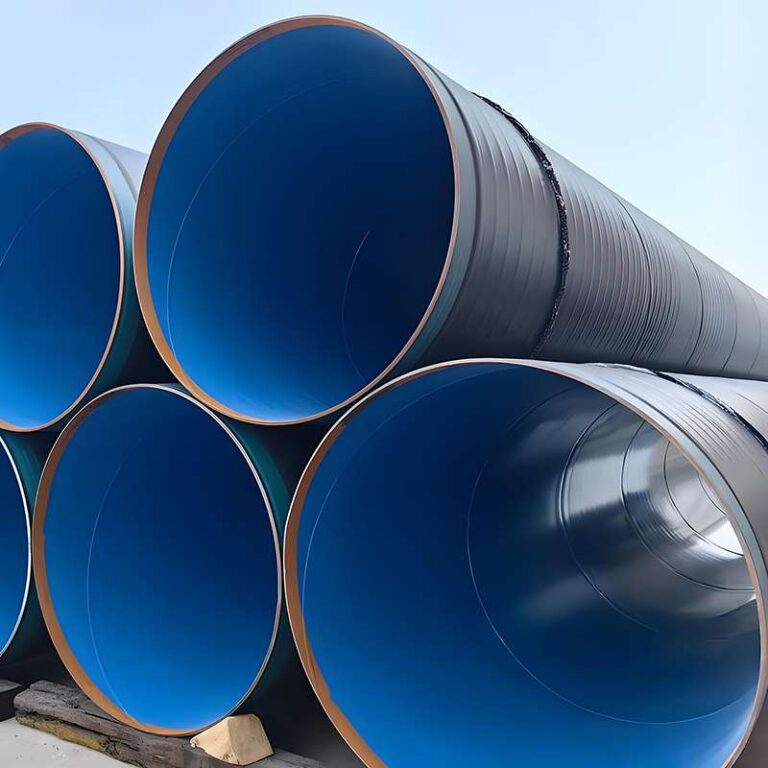
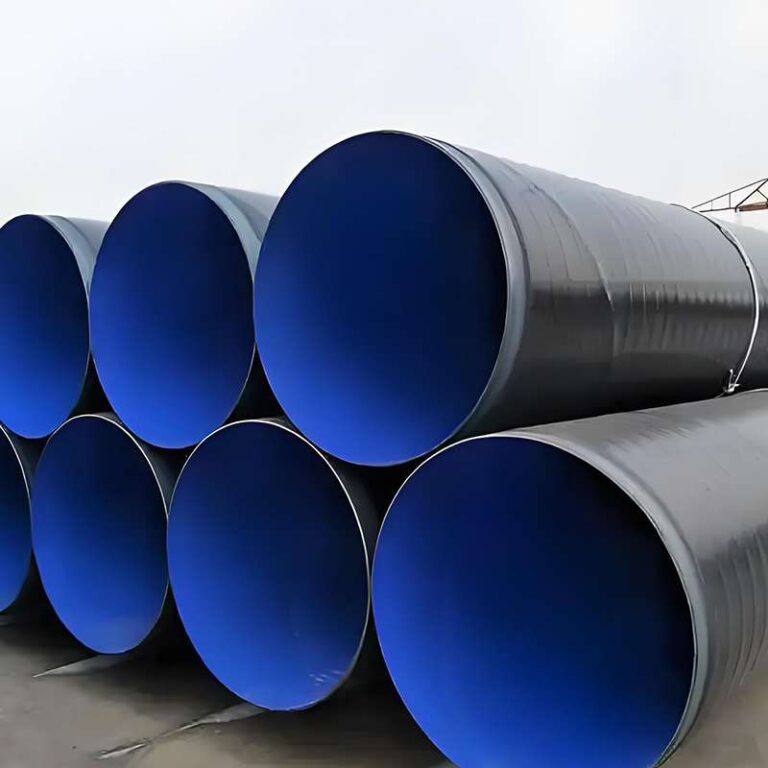
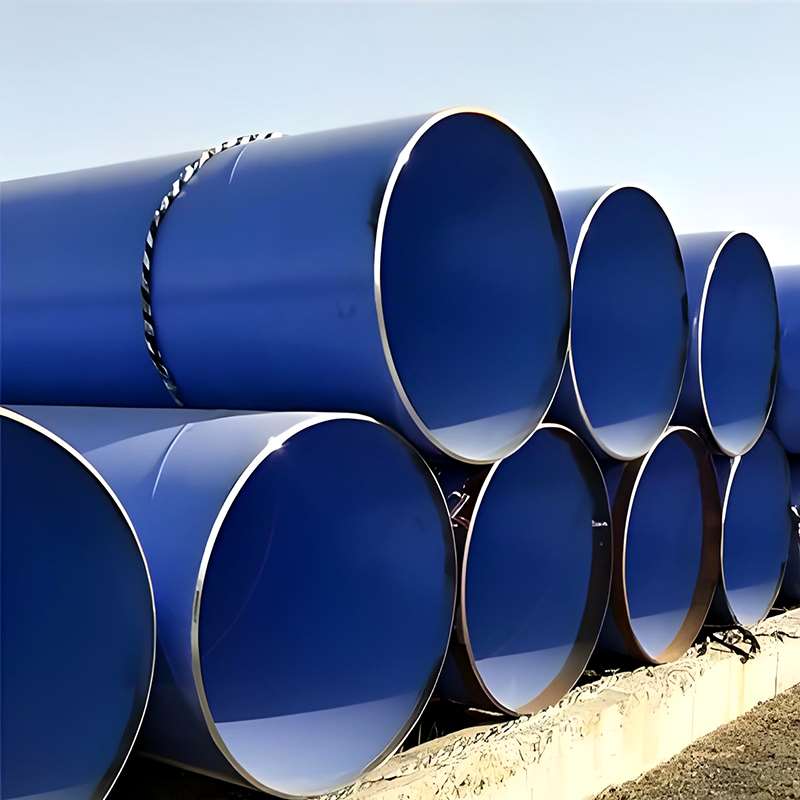
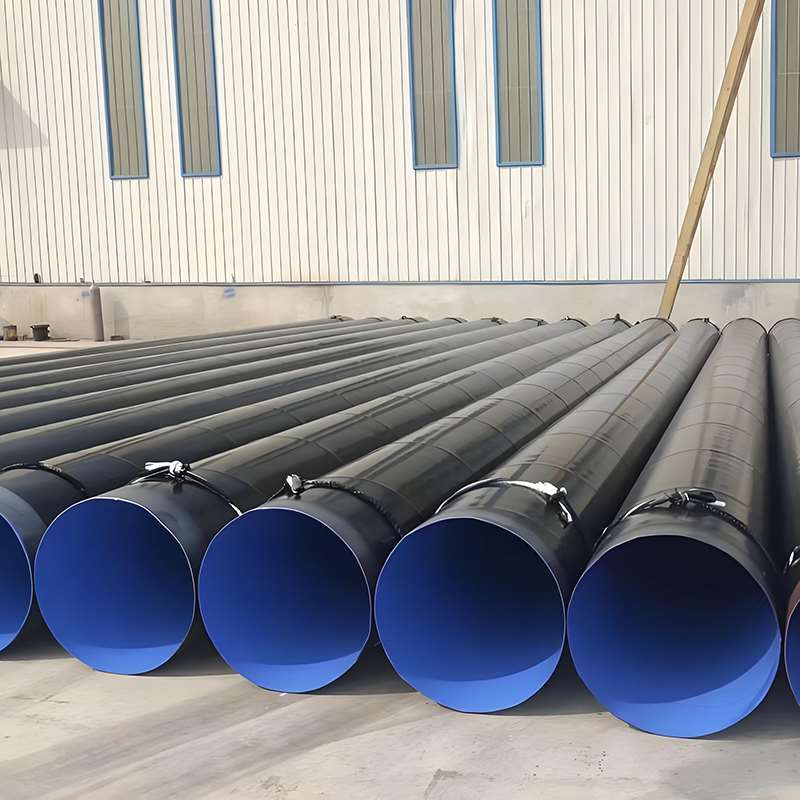
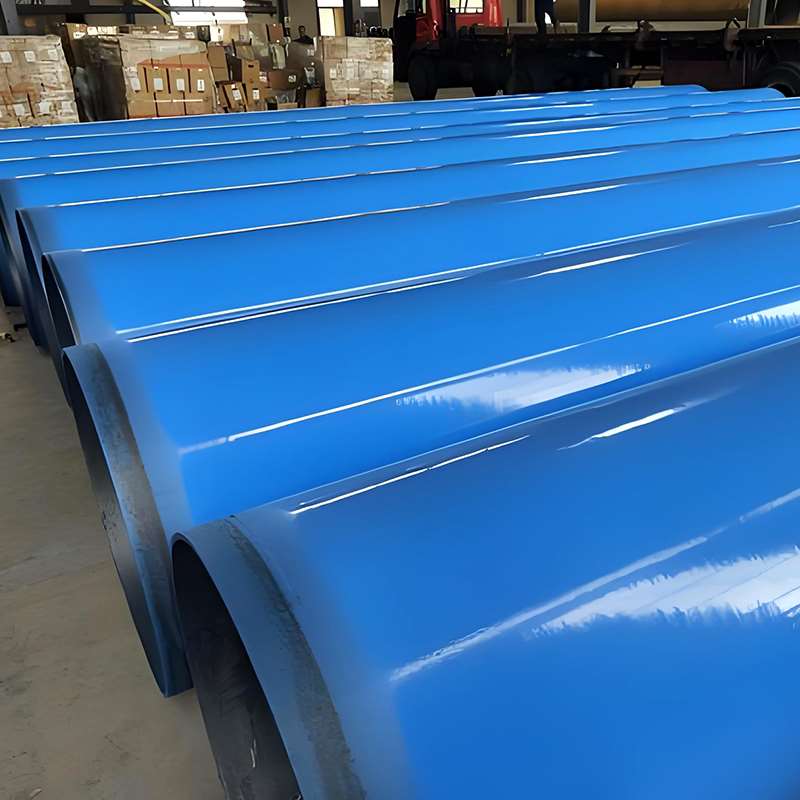
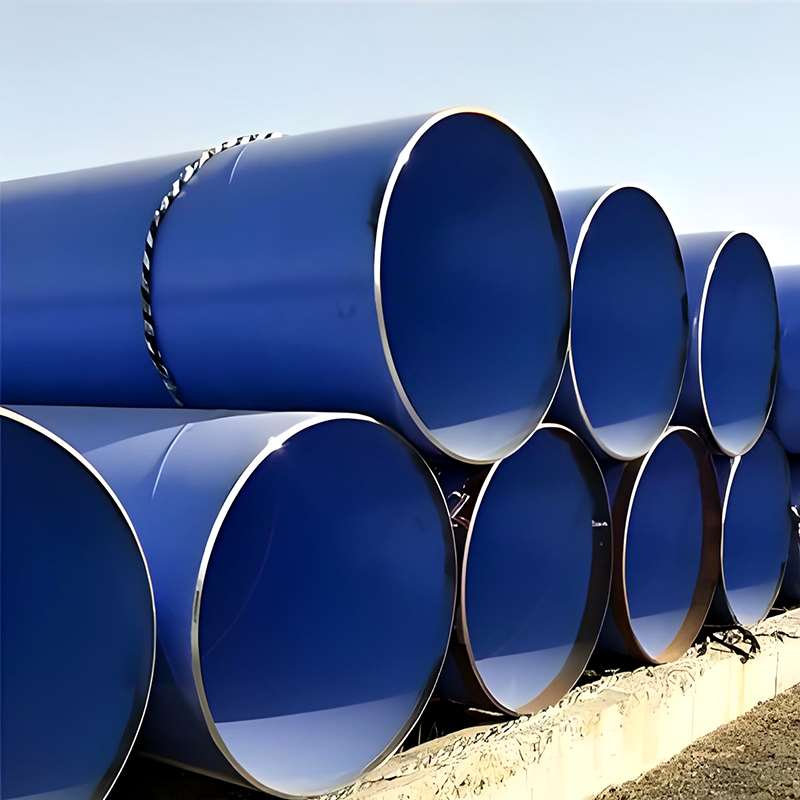
FBE Coated Steel Pipe refers to an anti-corrosion steel pipe manufactured by applying epoxy powder to the surface of carbon steel pipes or low-alloy steel pipes through a thermal curing process.
Working Principle: When the preheated steel pipe comes into contact with the epoxy powder, the powder instantly melts and flows evenly across the surface. A high-molecular cross-linking chemical reaction then takes place on the steel surface, forming a dense protective coating with extremely strong adhesion to the steel substrate.
Core Advantages: It offers excellent resistance to cathodic disbondment, outstanding adhesion strength, and superior resistance to chemical corrosion from acids, alkalis, and salts.
Main Applications: It is widely used in buried long-distance oil and gas transmission pipelines, municipal water supply and drainage systems, seawater desalination projects, as well as trenchless installation methods such as pipe jacking and horizontal directional drilling (HDD).
II. Coating Technical Parameters
| Coating Parameter | Technical Specification | Applicable Standards |
|---|---|---|
| Coating Type | Single-layer FBE / Dual-layer FBE (DPS / ARO) | ISO 21809-2, CAN/CSA Z245.20 |
| Coating Thickness | External anti-corrosion coating: 300–500 µmDual-layer abrasion-resistant coating: 600–900 µmInternal coating: 152–254 µm | ISO 21809-2 / AWWA C213 |
| Continuous Operating Temperature | Single-layer FBE: -30°C to +85°CDual-layer / modified FBE: up to +110°C | CSA Z245.20 / NACE RP0394 |
| Application Temperature | 180°C to 250°C (using residual heat from the pipe to achieve rapid cross-linking and curing) | AMPP / ISO 21809-2 |
| Holiday Detection | 100% full-length high-voltage spark testing (free from pinholes and coating defects) | NACE SP0188 / ISO 21809-2 |
| Cathodic Disbondment Resistance | ≤ 6.5 mm radius (24 hours @ 65°C) | CSA Z245.20 |
| Adhesion Test | Rating 1 (No peeling after pull-off testing or hot water immersion testing) | CSA Z245.20 / ASTM D3359 |
III. Base Pipe Specifications and Materials
FBE coating can be applied to steel pipes manufactured using various processes. The specific base pipe specifications must be selected based on the pressure rating, the medium being transported, and the pipe diameter.
| Base Pipe Parameter | Detailed Specification |
|---|---|
| Applicable Steel Pipe Types | Seamless Steel Pipe: Suitable for high-pressure oil and gas pipelinesLongitudinal Submerged Arc Welded (LSAW) Pipe: Suitable for large-diameter high-pressure onshore and subsea pipelinesSpiral Submerged Arc Welded (SSAW) Pipe: Suitable for long-distance oil & gas transmission pipelines and water supply/drainage pipelines |
| Base Pipe Manufacturing Standards | API 5L (PSL1 / PSL2), ASTM A53, ASTM A139, ASTM A252, GB/T 9711, EN 10219 |
| Common Steel Grades / Materials | Gr. B, X42, X46, X52, X56, X60, X65, X70(HIC-resistant / sour service grades available for hydrogen sulfide and corrosive environments) |
| Outside Diameter Range | 2″ to 60″ (DN50 – DN1500) |
| Wall Thickness Range | SCH 20 to SCH 160, XXS (2.0 mm – 30.0 mm) |
| Pipe End Preparation | Beveled ends or plain endsNote: A 100–150 mm uncoated bare steel area is normally reserved at both pipe ends to facilitate field welding and jointing. |
IV. Where Are Our FBE Coated Steel Pipes Used?
Our FBE coated steel pipes are specifically designed for highly corrosive environments, high-pressure applications, and complex geological conditions. They are widely used in the following four key fields:
1. Onshore and Subsea Long-Distance Oil & Gas Transmission Pipelines
Operating Conditions:
Cross-border oil and gas trunk pipelines, crude oil gathering and transportation pipelines, and high-pressure natural gas transmission pipelines.
Application Advantages:
Resistant to corrosion caused by acids, alkalis, and salts in soil, as well as hydrocarbon attacks, ensuring the safe and reliable transportation of oil and gas over long distances.
2. Trenchless / Horizontal Directional Drilling (HDD) Crossing Projects
Operating Conditions:
When pipelines need to cross rivers, highways, railways, or buildings where open excavation is not possible, pipe pulling / horizontal directional drilling (HDD) methods are required for forced pulling installation.
Recommended Solution:
Dual-layer FBE coating. The outer modified FBE layer provides extremely high impact resistance and abrasion resistance, protecting the inner anti-corrosion coating from being scratched during friction with rocks and hard soil.
3. Water Conservancy, Municipal Infrastructure, and Seawater Desalination Projects
Operating Conditions:
Long-distance drinking water transmission projects, urban water supply trunk networks, and high-salinity water transmission pipelines in seawater desalination plants.
Application Advantages:
Non-toxic and odorless (compliant with AWWA C213 drinking water standards), with excellent resistance to saltwater and chloride ion corrosion.
4. Offshore Engineering and Pile Structures
Operating Conditions:
Wharf and trestle piles, offshore platform steel piles, and support columns exposed to high salt spray and tidal zones.
Application Advantages:
Capable of withstanding long-term seawater immersion and tidal erosion, providing a strong protective barrier against marine corrosion.
V. Is the Quality Reliable? We Let Data and Standards Speak
Any minor defect in the anti-corrosion coating can shorten the service life of a pipeline. To ensure zero-defect delivery, we have established a strict quality control system covering the entire process from raw materials to final shipment.
1. Core Materials — Only from Trusted Brands
Base Pipe:
We only use base pipes supplied by large steel mills with API / ISO certifications (such as Baosteel, Ansteel, etc.), complete with original mill material certificates.
Epoxy Powder:
We use internationally recognized heavy-duty anti-corrosion epoxy powder, supplied with original manufacturer quality reports.
2. Four Key Factory Inspection Tests
Before shipment, every FBE coated steel pipe must pass the following tests:
100% Holiday Detection by High-Voltage Spark Testing:
Full-length high-voltage scanning to ensure the coating is free from pinholes and damage.
Accurate Coating Thickness Measurement:
Multi-point thickness inspection using coating thickness gauges to ensure the required thickness is achieved (such as 300–500 µm).
Adhesion and Pull-Off Testing:
Strictly tested according to ISO 21809-2 standards to ensure the anti-corrosion coating will never peel off.
Cathodic Disbondment Resistance Testing:
Ensures compatibility with cathodic protection systems used for buried pipelines.
3. Traceable Documentation and Third-Party Inspection
MTC Certificate Provided with Shipment:
Complete material and anti-corrosion inspection reports are provided, complying with EN 10204 3.1 / 3.2 standards.
Support for International Third-Party Inspection:
We accept in-plant supervision and pre-shipment random inspections by authorized third-party inspection organizations.
VI. Purchasing Process and Service Assurance
i. Simple 5-Step Purchasing Process
Submit Your Requirements:
Provide us with your base pipe specifications (outside diameter, wall thickness, steel grade), FBE coating thickness requirements, and purchase quantity.
Technical Confirmation and Quotation:
Our engineers and sales team will verify technical feasibility within 24 hours and provide a competitive FOB/CIF quotation.
Contract Signing and Advance Payment:
After confirming technical details and delivery schedule, we will sign the contract and receive the advance payment to secure the steel raw materials.
Customized Production and Quality Inspection:
We will start the automated coating production process, complete 100% holiday detection and other quality inspections, and provide real-time production updates with photos and videos.
Protective Packaging and Shipment:
We strictly follow anti-corrosion pipe packaging standards for protection, arrange vessel shipment on schedule, and provide complete MTC documentation.
ii. Our Commercial Assurance
Delivery Time Assurance
Stable Production Capacity:
Our factory has a monthly production capacity of 15,000 metric tons, and standard specifications can normally be delivered within 15–30 days.
Flexible Minimum Order Quantity:
We support batch shipments for large-scale engineering projects and also accept flexible small-batch customization for medium and small projects.
Transportation Safety Assurance
Pipe End Protection:
100% of pipes are equipped with high-strength plastic dust caps or metal protection rings to protect the welding bevels.
Anti-Impact and Isolation Protection:
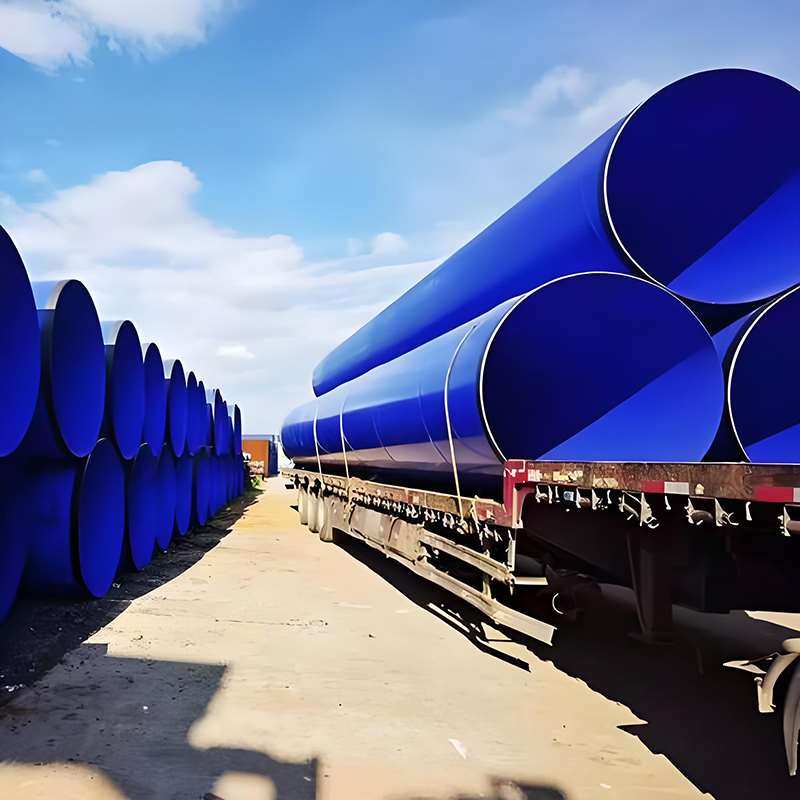
During stacked transportation, rubber isolation pads or nylon ropes are placed between pipes to prevent coating wear caused by vibration and friction during sea transportation.
Safe Loading and Unloading:
Non-metallic nylon lifting slings are used throughout the loading and unloading process. Direct contact between steel wire ropes and the anti-corrosion coating is strictly prohibited.