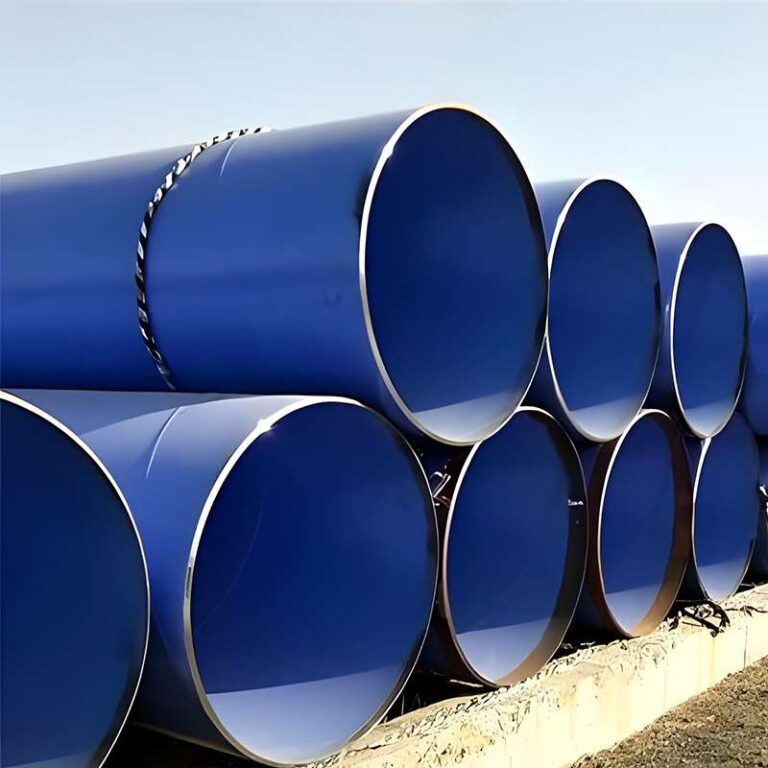
In oil and gas transmission, municipal water supply, and various pipeline infrastructure projects, buried steel pipelines are continuously exposed to soil, moisture, and corrosive chemicals. Over time, these harsh underground conditions can lead to corrosion. Once corrosion causes perforation or leakage, it can result in costly repairs, service interruptions, environmental contamination, and even serious safety hazards.
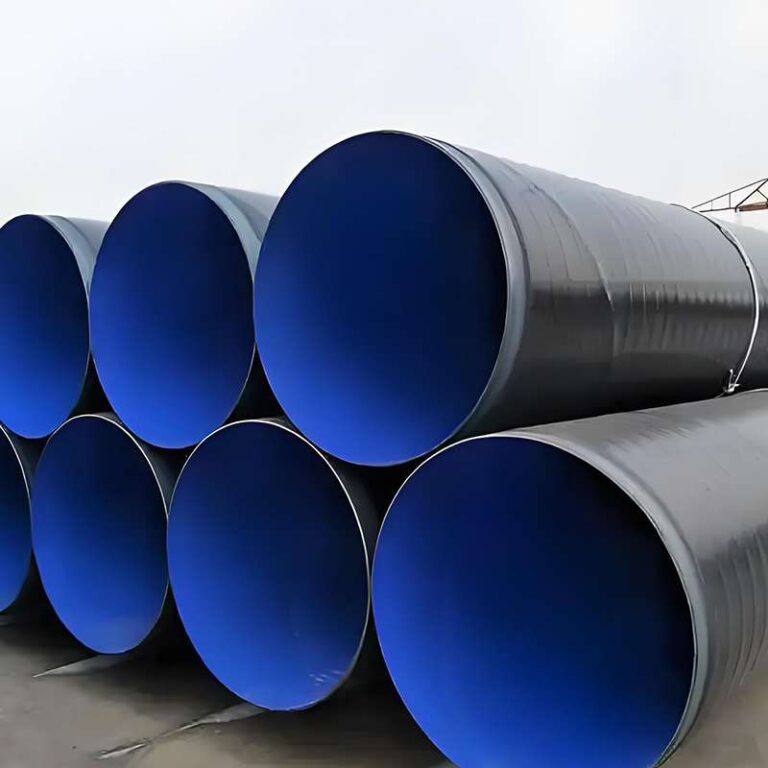
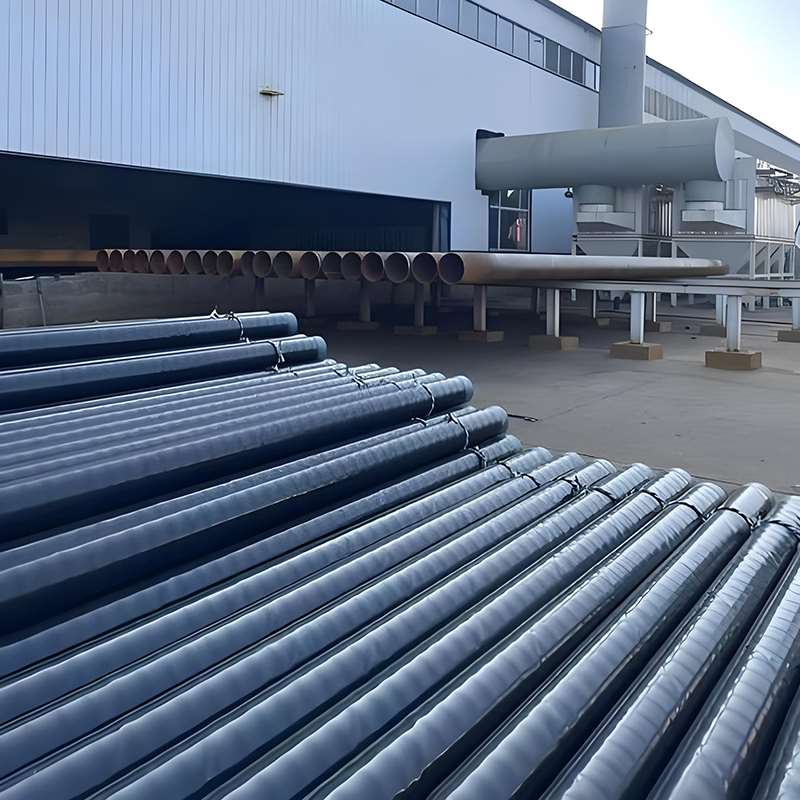
3PE Coated Steel Pipe was developed to address these challenges. Featuring a multi-layer protective coating system, it effectively isolates the steel pipe from moisture, soil, and other corrosive elements, significantly extending the pipeline’s service life and improving long-term operational reliability. Today, 3PE coated steel pipes are widely used in long-distance oil and gas transmission pipelines, large-scale water supply networks, and other critical infrastructure projects.
I. What Is 3PE Coating?
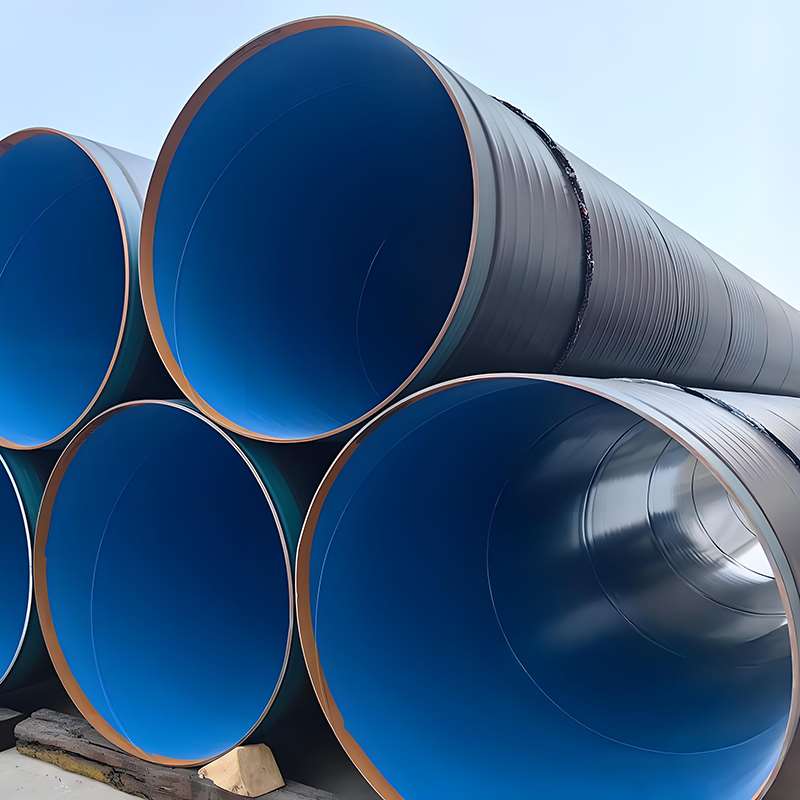
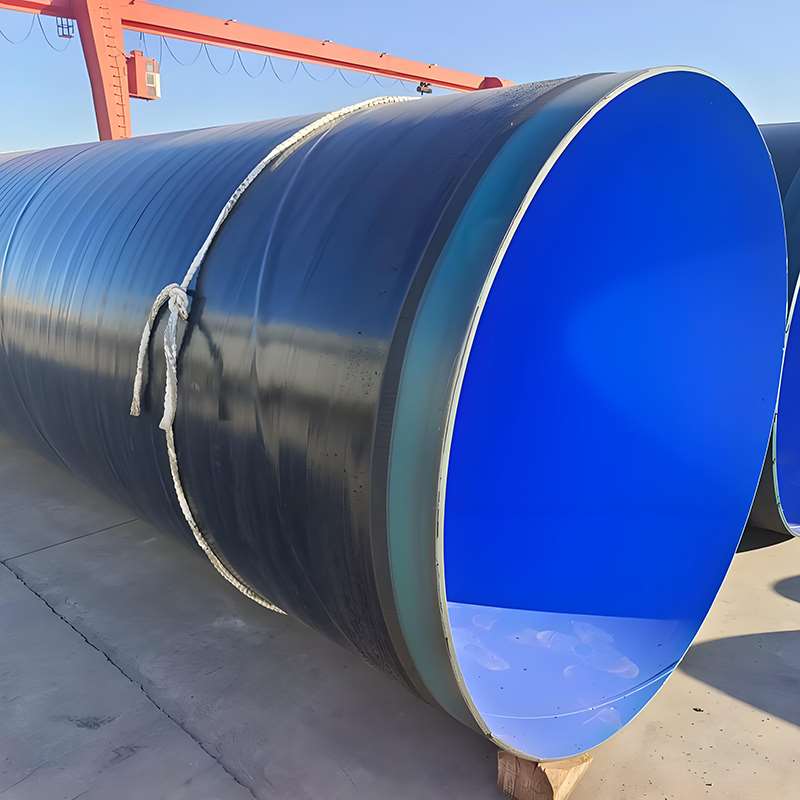
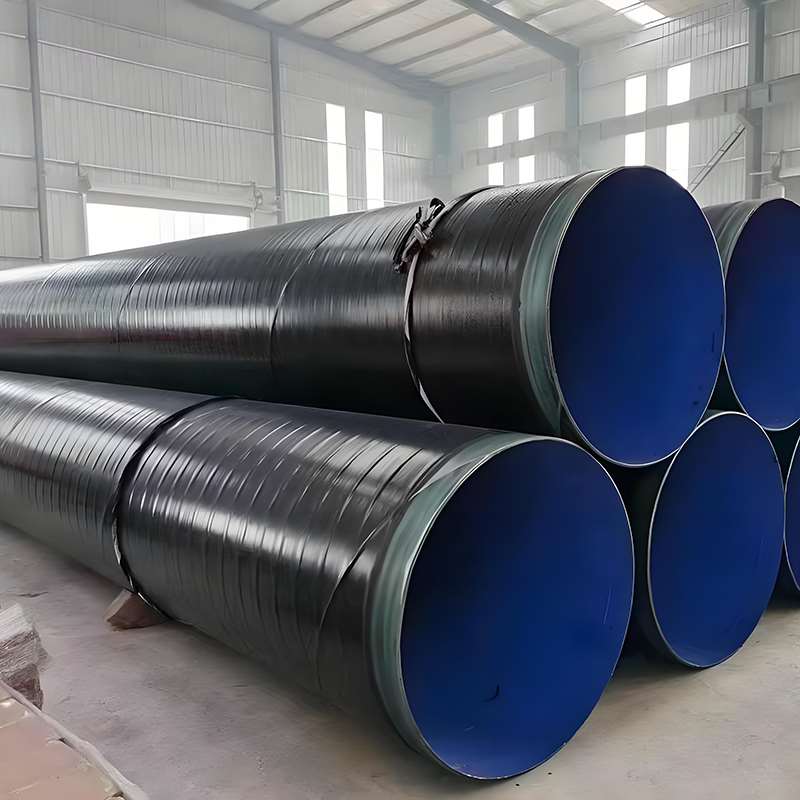
3PE (Three-Layer Polyethylene) coating is not a single protective layer. Instead, it is a multi-layer anti-corrosion system manufactured through a thermal extrusion process that permanently bonds three different protective materials into one integrated coating.
1. Inner Layer: Fusion Bonded Epoxy (FBE, ≥60 μm)
Function:
The FBE coating is applied directly to the abrasive blast-cleaned steel surface. It provides outstanding adhesion, excellent chemical resistance, and superior cathodic disbondment resistance, forming the primary anti-corrosion barrier that protects the steel substrate.
2. Middle Layer: Adhesive / Copolymer (AD, 170–250 μm)
Function:
The adhesive layer acts as a molecular bridge between the polar epoxy coating and the non-polar polyethylene outer layer. Without this intermediate layer, the polyethylene coating would not bond securely to the steel pipe, compromising the overall integrity of the coating system.
3. Outer Layer: High-Density Polyethylene (HDPE, 1.6–3.7 mm)
Function:
The HDPE outer layer serves as the pipeline’s mechanical protection shell. It offers excellent impact resistance, abrasion resistance, resistance to root penetration, and outstanding waterproof and electrical insulation properties, protecting the pipeline from damage during transportation, installation, and long-term underground service.
II. Key Advantages of 3PE Coated Steel Pipe
Extended Service Life
Designed for harsh underground environments, 3PE coated steel pipes provide an expected service life of 30–50 years in corrosive soils and groundwater conditions, significantly reducing the total life-cycle maintenance cost of pipeline systems.
Excellent Mechanical Protection
The durable HDPE outer layer offers outstanding resistance to mechanical damage during demanding installation methods such as horizontal directional drilling (HDD), trenchless pipe pulling, and backfilling with coarse gravel, effectively protecting the underlying coating layers from scratches and impact.
Extremely Low Water Absorption
High-density polyethylene (HDPE) has a water absorption rate of less than 0.01%, creating an effective barrier against moisture and oxygen to minimize the risk of corrosion.
Wide Operating Temperature Range
Standard 3PE coating systems are suitable for continuous operating temperatures from −40°C to +70°C. By using specially formulated high-temperature polyethylene, the maximum operating temperature can be increased to +80°C.
III. Comparison Guide: How to Choose Between 3PE, 2PE, and Monolayer FBE?
| Comparison Item | 3PE (Three-Layer Polyethylene) | 2PE (Two-Layer Polyethylene) | Single-Layer FBE (Fusion Bonded Epoxy) |
|---|---|---|---|
| Coating Structure | Fusion Bonded Epoxy (FBE) + Adhesive + HDPE Outer Layer | Adhesive + HDPE Outer Layer (No FBE Primer) | Single-layer Fusion Bonded Epoxy (No PE Outer Layer) |
| Corrosion Protection Mechanism | Combined chemical protection and physical barrier (three-layer system) | Primarily physical barrier protection | Chemical protection through direct epoxy-to-steel bonding |
| Impact & Abrasion Resistance | Excellent – Thick HDPE outer layer provides outstanding impact and abrasion resistance | Good – Thick HDPE outer layer offers good protection but lacks the rigid FBE base layer | Moderate – Thin coating (typically 300–500 μm) is more susceptible to damage from rocks and mechanical abrasion |
| Cathodic Disbondment Resistance | Excellent – The FBE primer provides outstanding resistance to cathodic disbondment | Moderate – Moisture penetration may lead to coating disbondment and reduce the effectiveness of cathodic protection | Good – Direct bonding to steel provides good resistance to cathodic disbondment |
| Recommended Soil Conditions | Harsh environments (high salinity, high moisture, rocky terrain, mountainous areas) | Normal soil conditions (sand, clay, and areas with minimal rock content) | Mild environments (dry soils, river crossings, and other special engineering applications) |
| Installation Compatibility | Suitable for both open-cut installation and trenchless methods such as Horizontal Directional Drilling (HDD) | Suitable for open-cut installation; not recommended for high-stress trenchless pulling applications | Requires careful handling during lifting and backfilling; sand padding is recommended, and direct contact with rocks should be avoided |
| Design Service Life | 30–50+ years | 20–30 years | 20–30 years |
| Overall Cost | Higher initial cost, but lower life-cycle maintenance cost | Moderate cost (typically 10–15% lower than 3PE) | Lower initial cost due to reduced material and processing requirements |
IV. Standards and Quality Control
To ensure compliance with project specifications and international acceptance requirements, every 3PE coated steel pipe is manufactured and inspected in accordance with strict quality control procedures and recognized industry standards.
1. Compatible Steel Pipe Types
The 3PE coating system can be applied to a wide range of carbon steel pipe substrates, including:
- Seamless Steel Pipe (SMLS): Ideal for high-pressure oil and gas transmission.
- Spiral Submerged Arc Welded Pipe (SSAW): Commonly used for large-diameter water transmission and natural gas pipeline networks.
- Longitudinal Submerged Arc Welded Pipe (LSAW): Suitable for high-pressure pipelines and river, road, or railway crossing projects.
- Electric Resistance Welded Pipe (ERW): Widely used for small- to medium-diameter transmission pipelines.
2. Applicable Standards
3PE coated steel pipes are manufactured in accordance with internationally recognized coating standards, including:
- China: GB/T 23257-2017 — Polyethylene Coating for Buried Steel Pipelines
- Europe: DIN 30670 / ISO 21809-1
- North America: CAN/CSA Z245.21
3. Factory Inspection and Quality Assurance
Holiday Detection (100% Inspection)
Every coated pipe undergoes 100% high-voltage holiday testing to verify that the coating is free from pinholes, pores, and other coating discontinuities, ensuring complete corrosion protection.
Peel Strength Test
The coating adhesion is tested at ambient temperature and 50°C to verify the bond strength between the coating system and the steel substrate, ensuring long-term coating integrity without delamination.
Coating Thickness Measurement
Coating thickness is measured at multiple locations using a magnetic thickness gauge to ensure that each coating layer complies with the specified standard requirements.
Uncoated Pipe Ends
Each pipe end is left 100–150 mm uncoated and prepared with a bevel to facilitate field girth welding. Heat-shrink sleeves are supplied for field joint coating after welding.
V. Frequently Asked Questions (FAQ)
Q1: How is corrosion protection restored at field weld joints on 3PE coated steel pipes?
Answer:
After field girth welding is completed, the weld joint is protected using a 3PE radiation cross-linked polyethylene heat-shrink sleeve, restoring the corrosion protection system to the same standard as the factory-applied coating.
The typical field joint coating procedure includes the following steps:
1. Surface Preparation
The weld area and exposed steel surface are cleaned by abrasive blasting to Sa 2.5 or power tool cleaning to St 3, ensuring a clean and properly prepared surface for coating application.
2. Primer Application
A compatible solvent-free liquid epoxy primer is applied to the prepared steel surface to promote strong adhesion.
3. Heat-Shrink Sleeve Installation
The heat-shrink sleeve is positioned over the weld joint and uniformly heated using a propane torch or other approved heating equipment. As the adhesive layer melts, the sleeve bonds tightly to both the exposed steel and the existing 3PE coating, creating a continuous corrosion protection system with mechanical protection equivalent to the original factory coating.
Factory-Supplied Field Joint Coating Kits
To simplify on-site installation, we can supply manufacturer-certified heat-shrink sleeves and matching adhesives on a one-to-one basis with the number of pipe joints, ensuring fast installation, reliable sealing, and seamless integration with the factory-applied 3PE coating.
Q2: What Is the Difference Between Standard-Duty and Heavy-Duty 3PE Coating? How Should I Choose?
Answer:
The primary difference between Standard-Duty and Heavy-Duty 3PE coatings lies in the minimum thickness of the polyethylene (PE) outer layer. The thickness of the Fusion Bonded Epoxy (FBE) primer and adhesive layer remains essentially the same in both systems.
Standard-Duty 3PE
The PE outer layer is relatively thinner. For example, on a DN500 pipeline, the minimum PE thickness is typically about 2.2 mm.
It is suitable for:
- Normal soil conditions
- Conventional trench excavation and backfilling
- Areas with little or no coarse rock or gravel
Heavy-Duty 3PE
The PE outer layer is thicker, typically 0.3–0.5 mm thicker than the standard-duty version. For the same DN500 pipe, the PE layer is generally 2.7 mm or greater.
It is recommended for more demanding applications, including:
- Mountainous areas with rocky backfill
- High-salinity or marshy soils
- Trenchless installations, such as Horizontal Directional Drilling (HDD)
The thicker polyethylene layer provides enhanced resistance to impact, abrasion, pulling forces, and mechanical damage during installation and long-term service.
Recommendation
If your pipeline project involves road crossings, river crossings, trenchless installation, or challenging geological conditions, a Heavy-Duty 3PE coating is strongly recommended to ensure maximum long-term protection and durability.
The detailed coating thickness requirements should be determined in accordance with applicable standards such as GB/T 23257 or DIN 30670.
Q3: How Can the 3PE Coating and Pipe Ends Be Protected During Long-Distance Ocean Transportation and Multiple Loading/Unloading Operations?
Answer:
To ensure the integrity of the 3PE coating during international ocean transportation and in high-humidity, high-salt environments, we provide professional export packaging and protection measures.
Pipe End Protection:
Each beveled pipe end is fitted with heavy-duty plastic end caps or steel end protectors to prevent impact damage, bevel deformation, and internal corrosion during transportation and handling.
Coating Protection:
The pipes are bundled using nylon lifting slings and protective rubber spacers to prevent the 3PE coating from being scratched or damaged by pipe-to-pipe contact during transit.
Rust Prevention and Bundling:
The exposed beveled ends are coated with rust preventive oil or anti-corrosion paint to minimize corrosion during storage and shipment. During loading and unloading, dedicated nylon lifting slings are used to handle the pipes, and direct contact between steel wire ropes and the 3PE coating is strictly prohibited to avoid coating damage. The pipes are then securely bundled with high-strength steel strapping for safe transportation.
Q4: How Long Can 3PE Coated Steel Pipes Be Stored Outdoors? Will Sunlight Damage the Coating?
Answer:
The polyethylene (PE) outer layer of a 3PE coating is formulated with UV stabilizers and carbon black during the manufacturing process to provide excellent resistance to ultraviolet (UV) exposure.
Under normal conditions, 3PE coated steel pipes can be stored outdoors at a project site for 6–12 months without significant aging or deterioration of the coating.
However, if the pipes need to be stored for an extended period (more than one year), it is recommended to cover them with UV-resistant protective tarpaulins or otherwise minimize prolonged exposure to direct sunlight and high temperatures to help preserve the long-term performance of the coating.