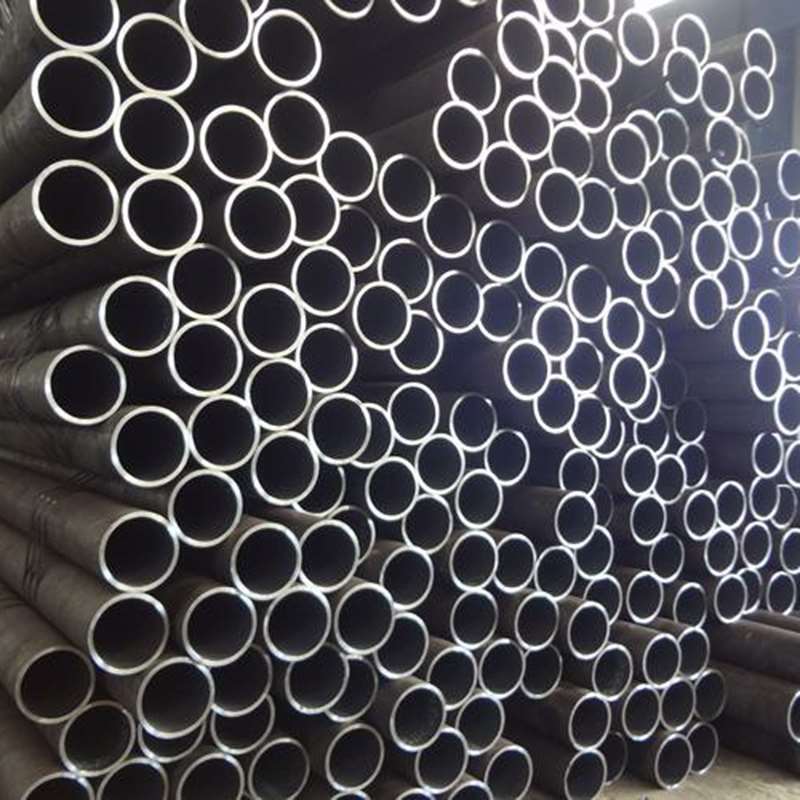
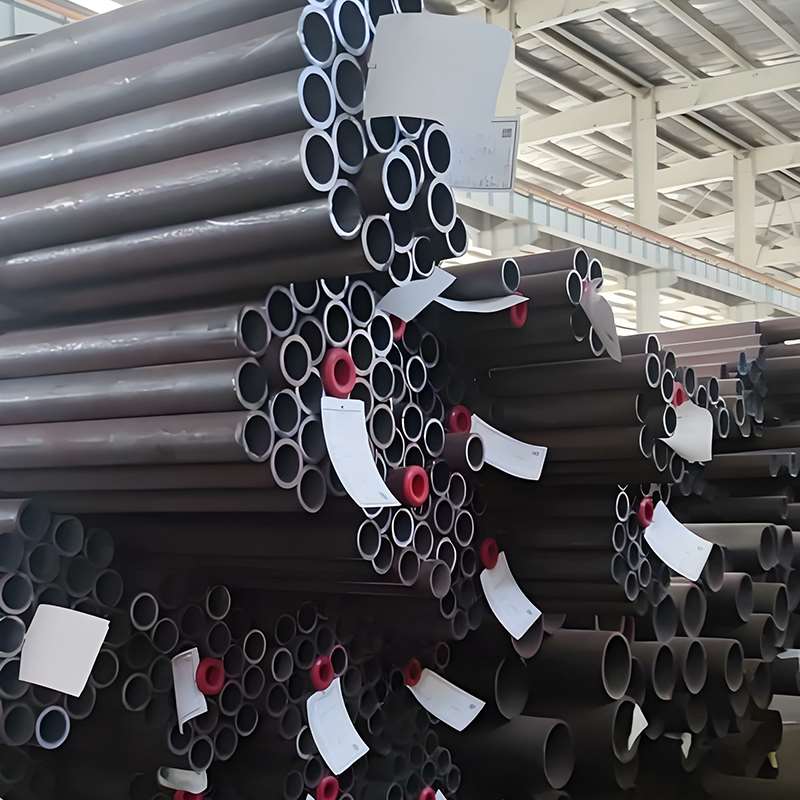
Welded Carbon Steel Pipes: Suitable for Low and Medium Pressure Chemical and Petrochemical Piping Systems
Welded carbon steel pipes are widely used in medium and low-pressure chemical and petrochemical pipeline systems due to their flexible construction, cost-effectiveness, and stable mechanical properties. Proper material selection and construction can significantly improve the safety and long-term reliability of pipeline systems.
I. Applications of Welded Carbon Steel Pipes
Chemical Plant Liquid Transportation: Used for transporting low to medium pressure chemical media, suitable for most process pipelines.
Petrochemical Process Pipelines: Used for transporting raw materials, semi-finished products, and auxiliary processes.
Circulating Water and Auxiliary Pipelines: Suitable for cooling water, circulating water, and temporary transportation pipelines.
Drainage and Wastewater Pipelines: Excellent leak-proof performance, suitable for low to medium pressure drainage systems.
II. Advantages of Welded Carbon Steel Pipes
Flexible Construction: Can be cut and welded on-site, meeting complex process layout requirements.
Cost-Effective: Lower cost than seamless pipes or alloy steel pipes, offering high cost-performance ratio.
Stable Mechanical Properties: Suitable for low to medium pressure and medium temperature conditions, safe and reliable.
Customizable Corrosion Protection: Surface treatment with painting or galvanizing can extend service life.
III. Material Selection and Engineering Recommendations
Item
Recommendation
Pipe diameter and wall thickness
Select based on flow rate and pressure to ensure safety and cost-effectiveness
Material standard
Welded carbon steel pipe according to standards such as GB/T 8162 or ASTM A53
Welding construction
Welds should be uniform and free of cracks; perform non-destructive testing (NDT) if necessary
Support layout
Supports should be evenly distributed to reduce local stress concentration
Anti-corrosion treatment
For outdoor or corrosive environments, galvanization or coating is recommended
Routine maintenance
Regularly inspect welds, protective layers, and support points
IV. Frequently Asked Questions and Solutions
Issue
Solution
Welded pipe leakage
Ensure strict welding quality; perform non-destructive testing (NDT) if necessary
Local corrosion
Apply anti-corrosion coating or galvanization; conduct regular inspections
Local stress concentration
Provide proper support and distribute loads evenly
Pipe diameter mismatch
Customize pipe diameter and wall thickness according to flow rate and pressure
V. Costs and Construction Value
Low material costs, economical and practical: Compared to seamless pipes or alloy pipes, welded carbon steel pipes are less expensive and offer better value for money.
Fast welding construction, shortening project duration: On-site welding is flexible, allowing for quick pipe installation and saving construction time.
Reduced long-term maintenance costs: Proper pipe layout and anti-corrosion treatment extend service life and reduce maintenance costs.
High cost-effectiveness: Particularly suitable for medium and low-pressure chemical and petrochemical pipeline systems, meeting comprehensive requirements for safety, economy, and reliability.