
I. What are Seamless Carbon Steel Pipe Grades?
Seamless carbon steel pipe grades refer to the classification of pipe materials based on their chemical composition, mechanical properties, and standard specifications. Different grades of pipes have varying strengths, pressure resistance, toughness, and suitability for different operating conditions.
- Chemical composition: Primarily refers to the content of elements such as carbon, manganese, and silicon.
- Mechanical properties: Include yield strength, tensile strength, elongation, etc.
- Standard grades: Usually established according to standards such as ASTM, GB, and API.
- Core function: To clearly define the pressure bearing capacity and applicable temperature range of the pipe material, ensuring the safety and reliability of the engineering project.
II. Standards and Grades for Seamless Carbon Steel Pipes
i. Domestic Standards (GB/T)
| Standard No. | Grade/Designation | Features | Typical Applications |
|---|---|---|---|
| GB/T 8162 | 20#, 35#, 45# | General-purpose carbon steel pipes for structural use, low-pressure & ambient-temperature service | Building structures, general machinery |
| GB/T 8163 | 20#, 16Mn | Fluid-transport pipes for low- to medium-pressure service | Petroleum, chemical plants, boiler feed-water lines |
| GB/T 5310 | 16Mn | High-pressure boiler tubes | Boilers, high-temperature & high-pressure steam lines |
| GB/T 9711 | API 5L X42–X80 | Oil & natural-gas line pipes | Long-distance oil and gas transmission pipelines |
ii. International Standards (ASTM/ASME)
| Standard No. | Grade | Features | Typical Applications |
|---|---|---|---|
| ASTM A106 | Gr.A / Gr.B / Gr.C | Seamless carbon steel pipe for high-temperature service | Boilers, steam lines |
| ASTM A53 | Gr.A / Gr.B | Weldable, general-purpose line pipe | Water, gas, oil pipelines |
| ASTM A333 | Gr.6 / Gr.8 | Low-temperature carbon steel pipe | Cryogenic liquid-transfer lines |
| API 5L | X42 / X46 / X52 / X60 / X70 / X80 | Oil & natural-gas line pipe | Long-distance, high-pressure oil & gas transmission |
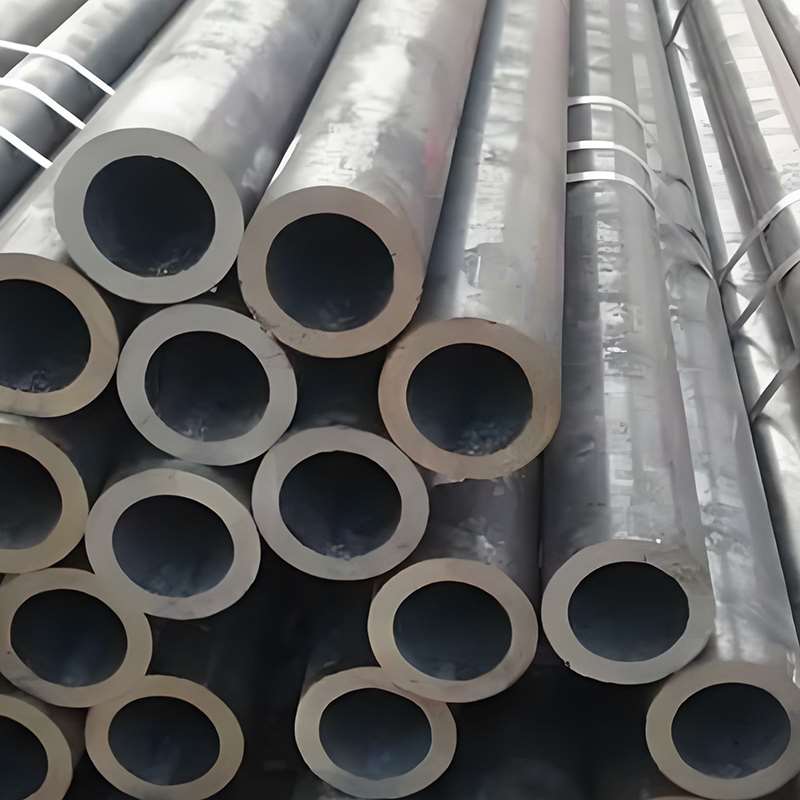
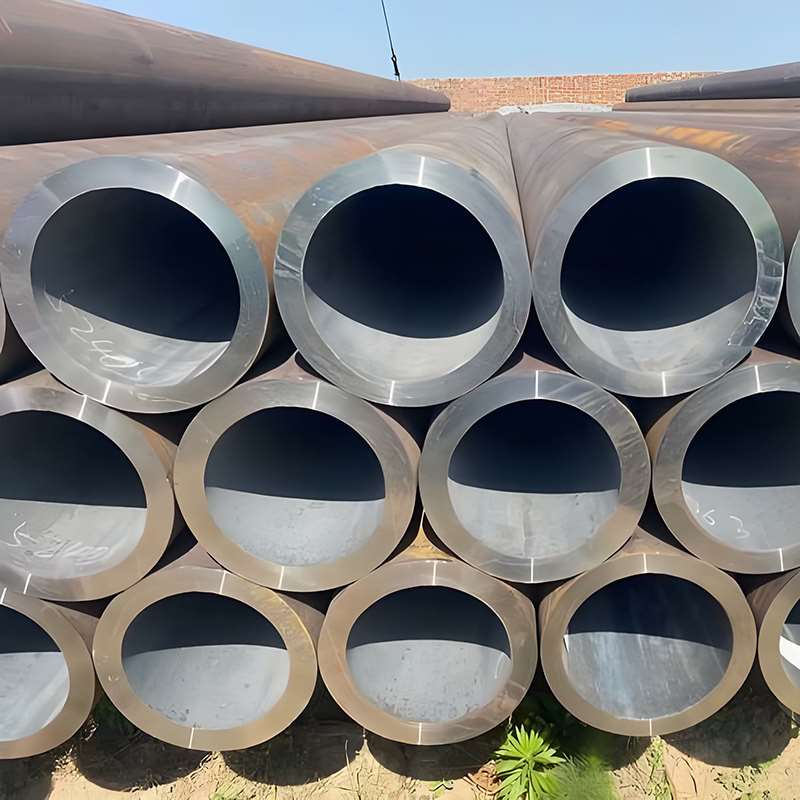
iii. Grade Overview
(1) Low-Pressure, General Structural Pipes
Domestic: 20#, 35#
International: ASTM A53 Gr.A
Characteristics: Moderate strength, suitable for construction and low-pressure fluid transportation
(2) Medium and High-Pressure Pipelines
Domestic: 16Mn
International: ASTM A106 Gr.B
Characteristics: High temperature and high pressure resistance, suitable for boilers and steam pipelines
(3) Low-Temperature Applications
International: ASTM A333 Gr.6 / Gr.8
Characteristics: Good toughness, does not become brittle at low temperatures
(4) Oil and Gas Pipelines
Domestic: GB/T 9711
International: API 5L X42–X80
Characteristics: High pressure, high strength, suitable for long-distance pipelines
III. Differences between the various grades of ASTM A106 seamless carbon steel pipes
| Grade | Yield Strength (MPa) | Tensile Strength (MPa) | Service Temperature | Features & Applications |
|---|---|---|---|---|
| Grade A | ≥ 205 | 330–480 | Low to medium | Lowest strength; for low-pressure, low-temperature piping |
| Grade B | ≥ 240 | 415–540 | Medium to high | Most commonly used; moderate strength for boilers, steam lines, general industrial piping |
| Grade C | ≥ 275 | 450–620 | High | Highest strength; withstands higher temperature & pressure for severe high-temperature/high-pressure service |
Selection Recommendations
- Low pressure, normal temperature conditions → Choose Grade A, economical and practical
- Boilers, steam pipes, and conventional industrial pipelines → Choose Grade B, good overall performance, most widely used
- High temperature and high pressure pipelines → Choose Grade C, ensuring safety and reliability
- Export projects or projects with strict standard requirements → Pay attention to the correspondence with ASTM A106 grades and confirm the engineering pressure and temperature requirements.