
Understanding the cost structure and pricing logic of spiral-welded steel pipes can help procurement teams accurately manage budgets, time their purchases effectively amid market fluctuations, and successfully avoid “low-price traps.”
This article will provide an in-depth breakdown of the five key factors that influence the cost of spiral-welded steel pipes, offering you a practical guide to analyzing procurement prices.
I. Raw Material Costs: The Key Determinant of the Benchmark Price
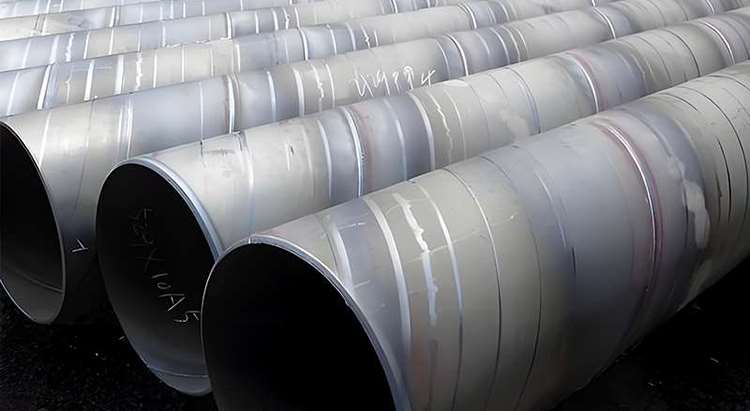
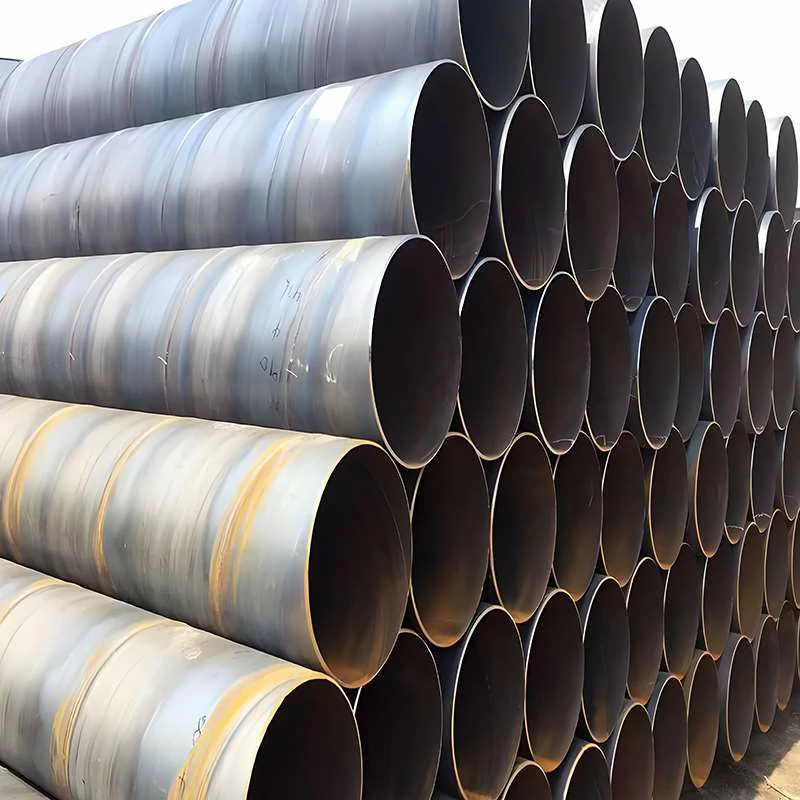
Spiral welded steel pipes are manufactured from hot-rolled coil through a process of rolling and submerged-arc welding. Therefore, price fluctuations in hot-rolled steel strip are the single largest factor affecting the cost of spiral welded steel pipes.
Steel Grades:
- Standard grades (e.g., Q235B, Q355B): Commonly used for low-pressure water transmission, piling, or structural supports; widely available in the market with relatively low benchmark prices.
- Pipeline-Grade Steel (e.g., API 5L X42, X65, X70, etc.): Used for high-pressure oil and gas transmission pipelines. Due to the addition of microalloying elements (such as niobium, vanadium, and titanium), these grades require higher smelting costs and meet stricter performance requirements, resulting in prices higher than those of standard grades.
Raw Material Quality and Steel Mill Brand:
- Genuine steel strips from large state-owned steel mills (such as Baosteel, Ansteel, and Shougang) offer greater assurance in terms of chemical composition uniformity, impact toughness, and wall thickness uniformity; their base price per metric ton is typically higher than that of spot goods from small steel mills or secondary distributors.
II. Production, Processing, and Quality Control Costs
Processing a coil of steel strip into a qualified spiral steel pipe involves a series of forming, welding, and non-destructive testing processes. The processing costs are primarily reflected in the following areas:
Wall Thickness and Diameter Tolerance Control:
- Standard negative tolerance: Pipes that comply with general national standards can be processed quickly with low material loss.
- Strict control of the lower tolerance (e.g., negative tolerance ≤5% or zero negative tolerance): This requires frequent adjustments to the forming line and roller tables, resulting in a lower yield rate and a corresponding increase in processing surcharges.
Hydrostatic Testing and Non-Destructive Testing Standards:
- High-standard water conservancy or oil and gas projects require 100% hydrostatic testing of each pipe, and welds must undergo 100% ultrasonic testing (UT) and X-ray (RT) re-inspection. The investment in testing equipment, the labor costs of inspection personnel, and the slower production cycle caused by the testing processes are all reflected in the final pricing.
III. Corrosion Protection and Post-Treatment Costs: Key Variables Driving Price Differences
For underground water or oil pipelines, corrosion protection typically accounts for 15%–35% of the total pipe material cost, and the choice of corrosion-resistant coating directly affects the final quote.
| Corrosion Protection System | Process Features | Cost & Price Range | Typical Applications |
|---|---|---|---|
| Single-layer FBE | Fusion-bonded epoxy powder is electrostatically sprayed and thermally cured with a highly automated coating process. | Moderate: Cost-effective with fast production and application. | Buried water transmission pipelines in normal soil conditions. |
| Dual-layer FBE | Standard FBE anti-corrosion primer combined with a thick, impact- and scratch-resistant FBE topcoat. | Relatively High: Requires stricter process control and offers superior impact resistance. | Pipe jacking projects, rocky crossings, highly corrosive environments, and oil transmission pipelines. |
| 3PE Coating (3-Layer Polyethylene) | Consists of an FBE primer, adhesive layer, and polyethylene outer layer. | High: Excellent mechanical protection with higher material and processing costs. | Long-distance oil and gas transmission pipelines and harsh soil environments. |
| Drinking Water-grade FBE / Solvent-free Epoxy (Internal Coating) | Must comply with food-contact or drinking water hygiene certification requirements. | Moderate: Depends on coating thickness and the required certification level. | Municipal drinking water supply systems and long-distance water transmission trunk pipelines. |
IV. Logistics, Transportation, and Packaging Costs
Spiral-welded steel pipes are typical “bulky, heavy-load” cargo, and logistics freight costs account for a significant portion of the total delivery price (CIF/DDP):
“Bulky Cargo” Characteristics and Nested Transportation:
- Large-diameter, thin-walled steel pipes (such as those with a diameter of DN1500 or larger) are extremely bulky but relatively lightweight; freight costs calculated by volume are extremely high.
- Optimization Strategy: In international ocean freight or long-distance land transport, a “large-pipe-within-small-pipe” loading method is commonly used, where small-diameter pipes are nested inside large-diameter pipes, thereby reducing transportation costs per metric ton or per meter.
Pipe End Protection and Packaging:
- Steel pipes with FBE or 3PE anti-corrosion coatings require plastic protective collars at the pipe ends, nylon slings for lifting, and wooden bumpers during transport to prevent the pipe end bevels from colliding with the anti-corrosion coating. These protective measures all increase the corresponding packaging material costs.
V. Market Supply and Demand, Seasonal Factors, and Macroeconomic Factors
In addition to the physical properties of the products themselves, the macroeconomic market environment also serves as a “driving force behind the scenes” for price fluctuations:
- Seasonal Demand: The second and fourth quarters of each year are typically the peak construction seasons for water conservancy and infrastructure projects, and the concentrated release of pipeline demand tends to drive up prices; conversely, in northern regions during winter, demand declines as construction halts, and prices may experience a correction.
- International Trade Policies and Exchange Rates (Export Projects): For purchases destined for export to regions such as the Middle East, Southeast Asia, or South America, fluctuations in ocean freight rates, exchange rate trends, and the tariff policies of target markets all have a direct impact on overseas Free On Board (FOB) or Cost, Insurance, and Freight (CIF) prices.
VI. Recommendations for Procurement Managers to Avoid Pitfalls and Optimize Costs
- Reject the “Lowest Price Only” Approach: Quotes that are significantly below the market benchmark price for raw materials often cut corners on wall thickness, anti-corrosion coating thickness, or the proportion of welds subjected to non-destructive testing, which can easily lead to pipe bursts or failure to pass acceptance inspections later on.
- Price Lock-In Mechanism: Given the frequent fluctuations in the steel market, for large-scale projects with a duration exceeding three months, it is recommended to stipulate a raw material price indexation mechanism in the contract or to lock in the delivery price of hot-rolled strip steel at the time of contract signing.
- Comprehensive Consideration of Logistics and Loading: When procuring multiple specifications, plan for a mix of pipe diameters that can be nested to maximize the utilization of container or bulk carrier cargo space.