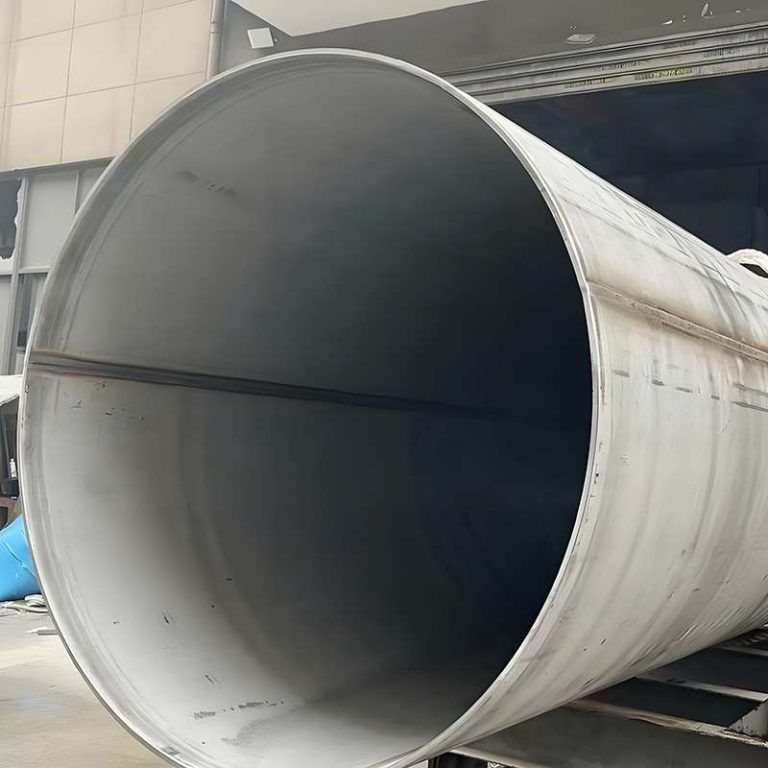
I. What Are Sanitary Grade Stainless Steel Pipes for Food and Beverage Applications
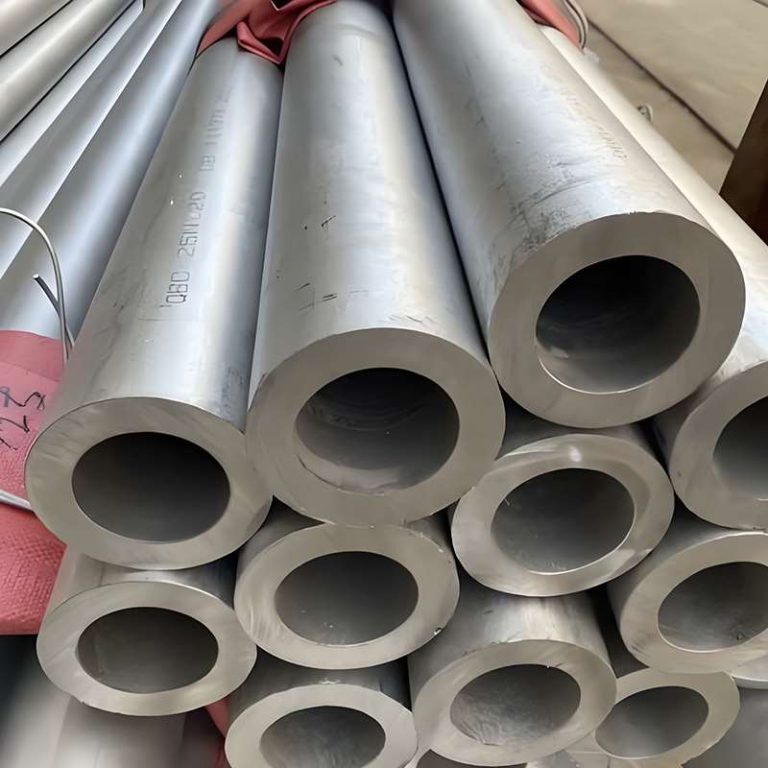
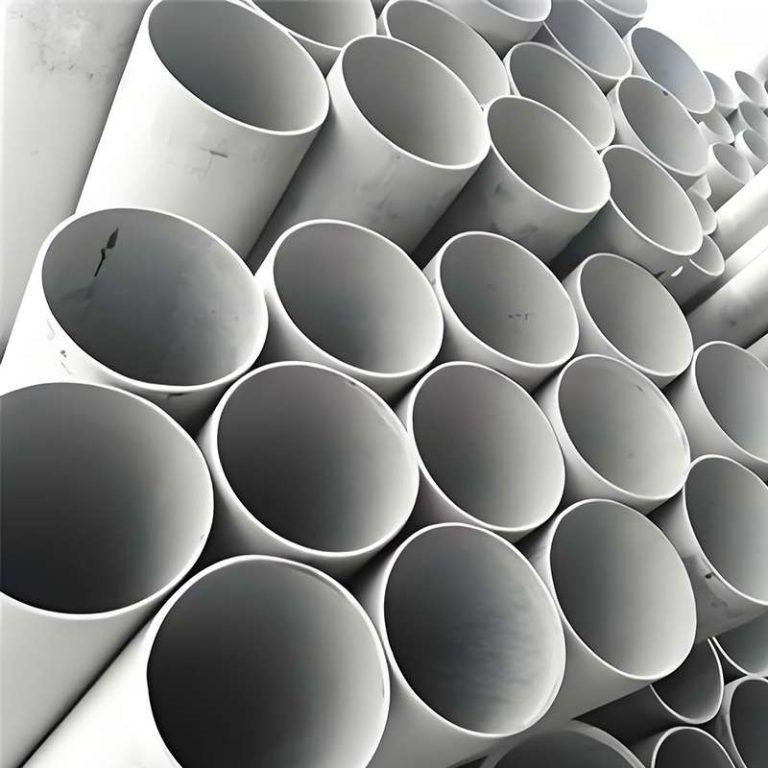
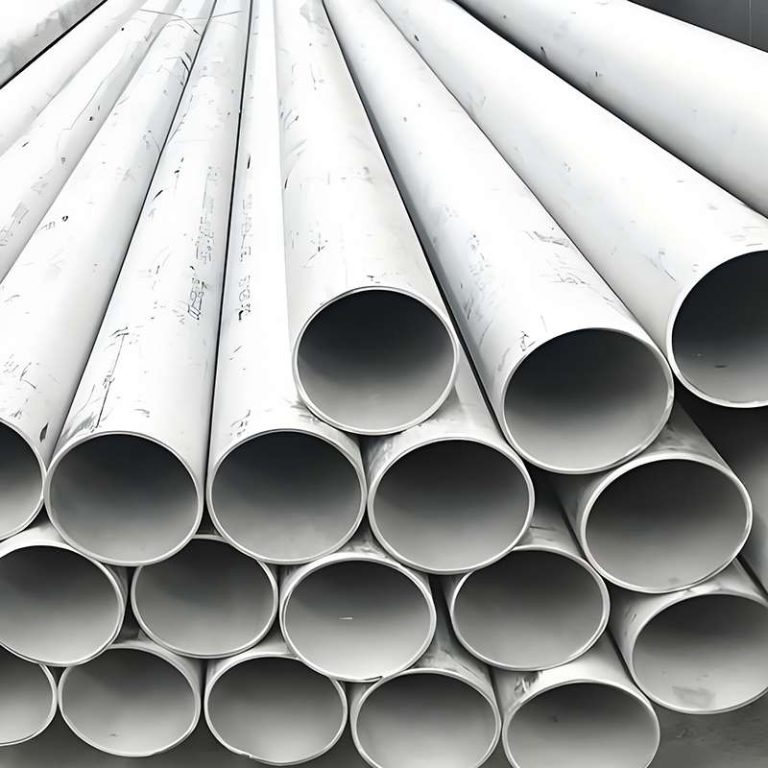
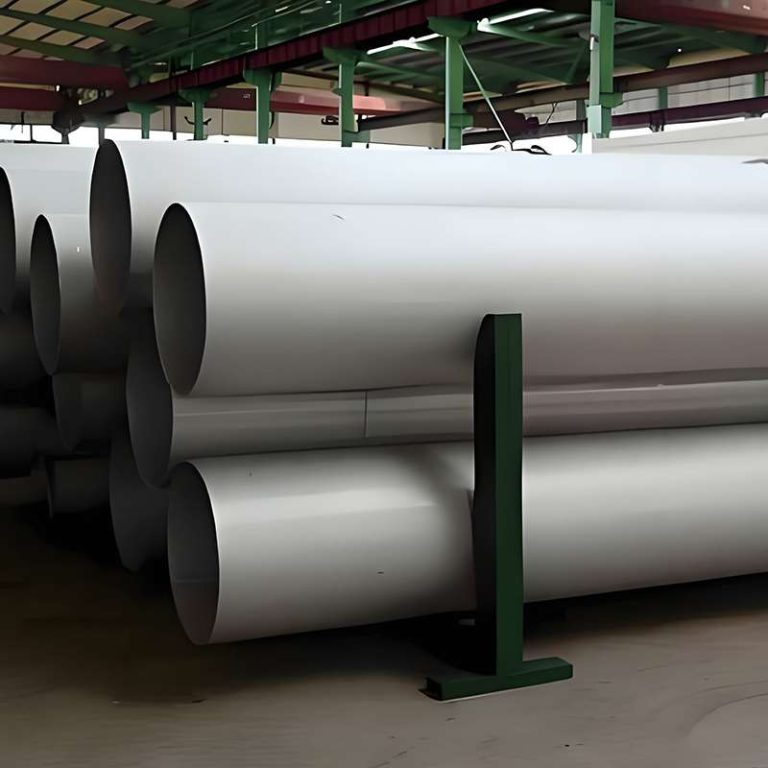
Sanitary grade stainless steel pipes for food and beverage applications are high-purity pipelines specifically designed for conveying food, beverages, and liquid products. They emphasize inner wall smoothness, material safety, corrosion resistance, and cleanability (CIP/SIP) to ensure no contamination of the medium or bacterial growth throughout the production process, meeting food-grade hygiene standards.
II. Why the Food and Beverage Industry Must Use “Sanitary Grade” Stainless Steel Piping
Compared to standard industrial stainless steel piping, this product offers the following essential industry attributes:
- Ultra-Smooth Inner Surfaces Reduce Residue
Inner surfaces polished to Ra ≤ 0.8 μm, or even 0.6 / 0.4 μm
Effectively minimizes material adhesion, buildup, and microbial growth - Food Contact Safety
Constructed from AISI 304/316L food-grade stainless steel
Does not release harmful substances, meeting food contact material requirements - Corrosion and Cleaning Medium Resistance
Withstands prolonged exposure to acidic beverages, dairy products, alcohol, and syrups
Suitable for alkaline washing, acid washing, and high-temperature steam cleaning - Supports CIP/SIP In-Line Cleaning
Enables cleaning and sterilization without pipe disassembly
Enhances production efficiency while reducing downtime costs
III. Suitable Media Types for Conveyance
Sanitary-grade stainless steel pipes for food and beverage applications are commonly used to convey:
- Milk, yogurt, whey
- Beer, wine, spirits
- Juice, carbonated beverages
- Syrups, seasoning liquids, edible oils
- Pure water, process water
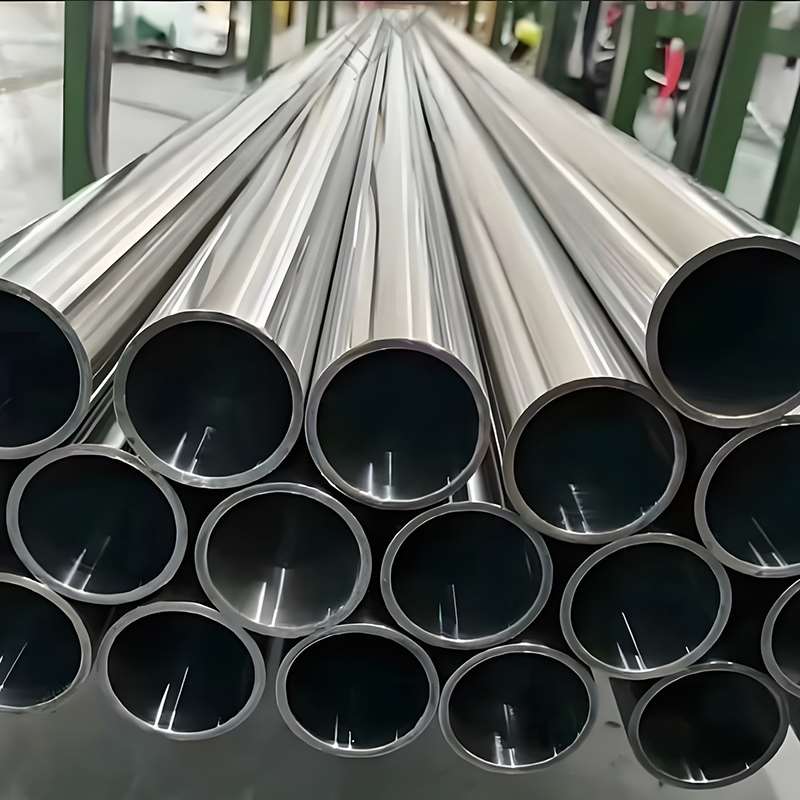
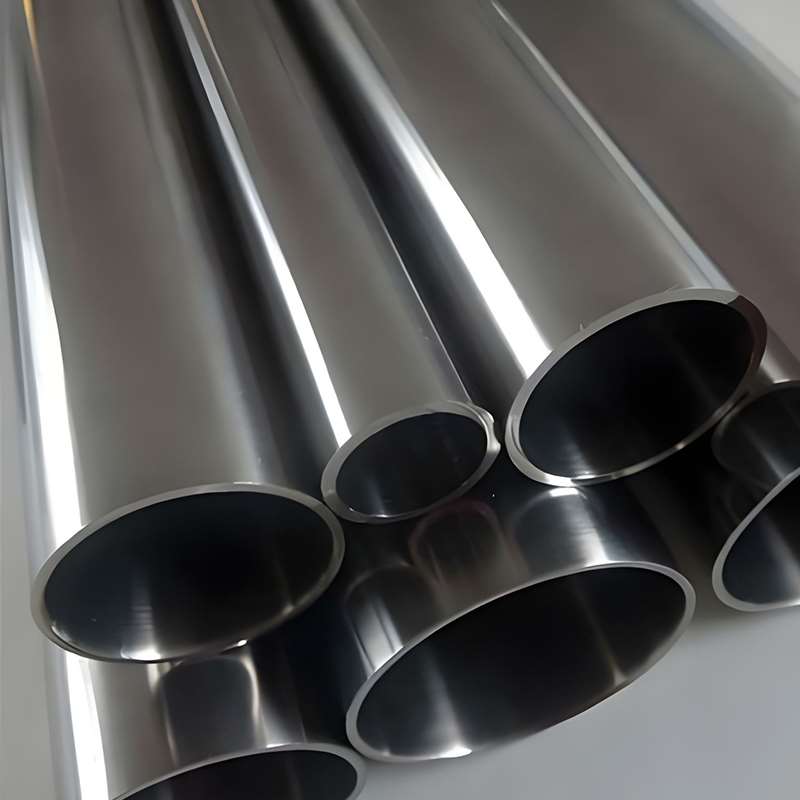
IV. Comparison Table of Different Standard Dimension Systems
| Standard | Outside Diameter (OD) | Wall Thickness (WT) | Length |
|---|---|---|---|
| ASTM A270 | 1/2″ (12.7 mm)3/4″ (19.05 mm)1″ (25.4 mm)1-1/4″ (31.75 mm)1-1/2″ (38.1 mm)2″ (50.8 mm)2-1/2″ (63.5 mm)3″ (76.2 mm)4″ (101.6 mm) | 0.8 mm1.0 mm1.2 mm1.5 mm2.0 mm | 6 m (standard)3 m (optional)Cut to length |
| DIN 11850 | 13 mm19 mm25 mm32 mm38 mm51 mm63.5 mm76.1 mm101.6 mm | 1.0 mm1.2 mm1.6 mm2.0 mm | 6 m (standard)3 m (optional) |
| EN 10357 | 12 mm18 mm25 mm28 mm35 mm42 mm48 mm60 mm76 mm104 mm | 1.0 mm1.2 mm1.5 mm2.0 mm | 6 m (standard)Cut to length |
| ISO 2037 | 12.7 mm19.05 mm25.4 mm31.75 mm38.1 mm50.8 mm63.5 mm76.2 mm | 1.0 mm1.2 mm1.5 mm2.0 mm | 6 m (standard)3 m (optional) |
| 3-A Sanitary | 1/2″ – 4″ (12.7 mm – 101.6 mm) | 0.8 mm1.0 mm1.2 mm1.5 mm | 6 m (standard)Cut to length |
Note:
- ASTM A270 / 3-A: Mainstream standard for North American food, beverage, and brewery projects
- DIN 11850 / EN 10357: Commonly used in European food and pharmaceutical industries
- ISO 2037: Universal standard for international engineering and multi-country procurement projects
V. Key differences from ordinary stainless steel pipes
| Item | Sanitary Stainless Steel Pipe | Ordinary Stainless Steel Pipe |
|---|---|---|
| Internal Surface Roughness | Ra ≤ 0.8 μm | Ra ≥ 1.6 μm |
| Weld Seam Treatment | Weld bead ground and polished (inside & outside) | Visible weld seam |
| Cleaning Method | Suitable for CIP / SIP | Not suitable |
| Applications | Food, beverage, pharmaceutical | Industrial piping |
VI. Typical Applications of Sanitary Grade Stainless Steel Piping for Food and Beverage
1. Dairy Processing Systems
Application Locations:
Raw milk transfer lines
Pasteurization systems
Fermentation and storage tank feed/discharge lines
Piping Requirements:
Ultra-smooth inner walls to prevent protein residue
Capable of withstanding high-temperature steam sterilization (SIP)
Recommended Specifications:
Material: 316L
Standard: ASTM A270 / EN 10357
Inner Surface Finish: Ra ≤ 0.6 μm
2. Beverage and Juice Production Lines
Application Locations:
Juice and concentrate transfer
Pre-filling pipelines for carbonated beverages
Pipeline Requirements:
Resistance to acidic media
Easy cleaning to minimize sugar residue buildup
Recommended Specifications:
Material: 304 or 316L
Standards: ASTM A270 / ISO 2037
Inner Surface Finish: Ra ≤ 0.8 μm
3. Beer Brewing System
Application Locations:
Wort Transfer
Fermentation and Filtration Systems
CIP Cleaning Circuits
Piping Requirements:
Resistant to alkaline and acid cleaning
Smooth welds to prevent microbial growth
Recommended Specifications:
Material: 304 (Standard) / 316L (Premium)
Standards: ASTM A270 + 3-A
Inner Surface Finish: Ra ≤ 0.8 μm
4. Edible Oil and Seasoning Production
Application:
Edible oil, sauce, and seasoning liquid transfer
Pipe Requirements:
Non-grease-adhesive inner walls
Easy and thorough cleaning
Recommended Specifications:
Material: 304
Standard: DIN 11850 / EN 10357
Inner Surface: Ra ≤ 0.8 μm
5. Pure Water / Process Water Systems
Application Locations:
Pure water preparation
Food production water conveyance
Piping Requirements:
Prevention of secondary contamination
Clean inner walls with no dead corners
Recommended Specifications:
Material: 304
Standard: ISO 2037
Inner Surface Finish: Ra ≤ 0.8 μm
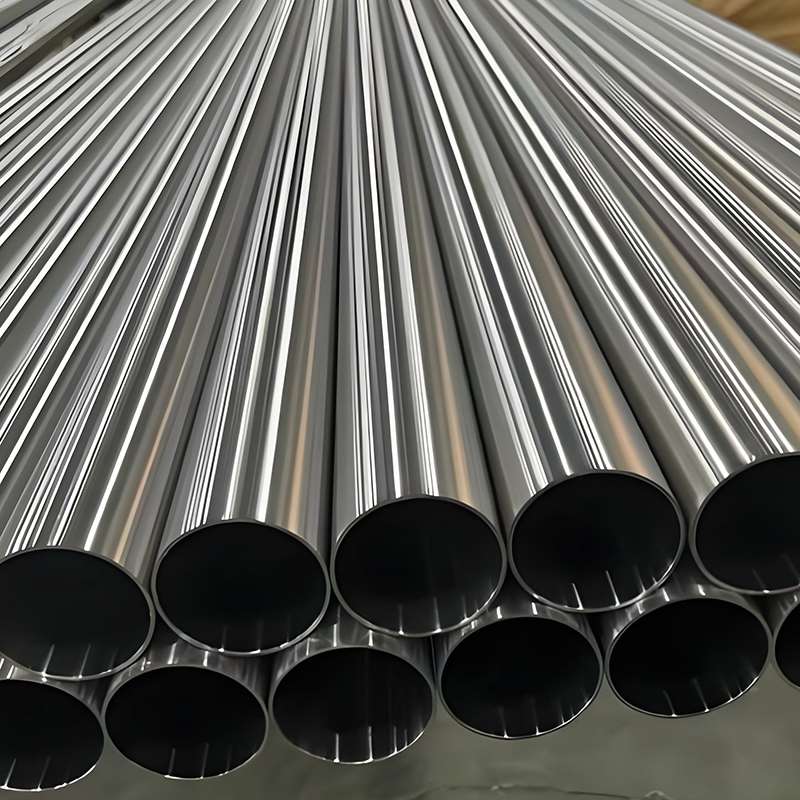
VII. Selection Recommendations for Sanitary Stainless Steel Pipes for Food and Beverage Applications
1. Select the material based on the characteristics of the medium.
| Medium Type | Recommended Material |
|---|---|
| Purified Water, Beverages, Juice | 304 |
| Dairy Products, Beer | 304 / 316L |
| High-Acidity, High-Salinity, Chloride-Containing Media | 316L |
2. Select the internal surface grade according to the cleaning requirements.
| Cleaning Requirement | Recommended Surface Roughness |
|---|---|
| Standard Food Processing | Ra ≤ 0.8 μm |
| High-Frequency CIP / SIP | Ra ≤ 0.6 μm |
| High Hygiene Level | Ra ≤ 0.4 μm |
3. Select the implementation standards based on the region and project
| Market Region | Recommended Standard |
|---|---|
| North American Market | ASTM A270 + 3-A |
| European Market | DIN 11850 / EN 10357 |
| International Projects | ISO 2037 |
4. Select Connection Method Based on System Structure
Clamp Connection: Easy maintenance, most commonly used in food lines
Welded Connection: Fixed piping, higher sealing integrity
VIII. Common Selection Pitfalls for Sanitary Grade Stainless Steel Pipes in Food & Beverage Applications
1. Focusing Only on Material Grade, Neglecting Inner Surface Roughness
Issue:
Many purchasers assume that any 304 or 316L material qualifies as sanitary grade, overlooking the critical factor of inner wall roughness (Ra value).
Risk:
Rough inner walls trap residues
Incomplete cleaning fosters bacterial growth
Correct Approach:
Standard food applications: Ra ≤ 0.8 μm
Frequent CIP/SIP cycles: Ra ≤ 0.6 μm or lower
2. Substituting standard industrial stainless steel pipes for sanitary-grade pipes
Issue:
Surfaces appear “similar,” but manufacturing processes and inspection requirements differ entirely.
Risk:
Weld seams remain unfinished
Internal dead corners exist, failing sanitary audits
Correct Practice:
Products must comply with sanitary standards such as ASTM A270 / EN 10357 / DIN 11850.
3. Neglecting Weld Quality and Welding Processes
Issue:
Focusing solely on outer diameter and wall thickness without inspecting internal weld quality.
Risk:
Weld spatter causing material buildup
Forming sanitation blind spots during cleaning
Correct Approach:
Select sanitary-grade welded pipes with automated TIG welding for uniform internal and external weld surfaces.
4. Ignoring applicable standards and project location requirements
Issue:
Incorrect standard selection hinders project acceptance or export.
Risk:
North American projects require ASTM A270 / 3-A
European projects require DIN / EN standards
Correct approach:
Select standards based on project region, not merely “what can be produced.”
5. Focusing Only on Price While Ignoring Long-Term Operating Costs
Issue:
Low-cost pipes save money initially but incur higher long-term expenses.
Risks:
Increased cleaning frequency
Shortened pipe lifespan
High downtime maintenance costs
Correct Approach:
Select based on total lifecycle cost, not unit price.
6. Ignoring connection methods and system compatibility
Issue:
Failing to consider compatibility with subsequent valves and fittings during pipe selection.
Risks:
Installation difficulties
High on-site modification costs
Correct approach:
Confirm in advance whether quick-connect or welded systems will be used.
7. Neglecting Cleaning Media and Corrosion Resistance Requirements
Issue:
Material selection based solely on conveyed media, ignoring cleaning media.
Risk:
Pipe corrosion from alkaline or acid cleaning
Pitting and crevice corrosion
Correct Practice:
Prioritize 316L for high-frequency intensive cleaning systems.
8. Failure to Require Inspection and Quality Documentation
Issue:
No material certification or surface inspection required.
Risk:
Material nonconformity
Failure to pass customer or third-party audits
Correct Practice:
Require provision of:
Material Test Certificate (MTC / EN 10204 3.1)
Internal surface roughness inspection report