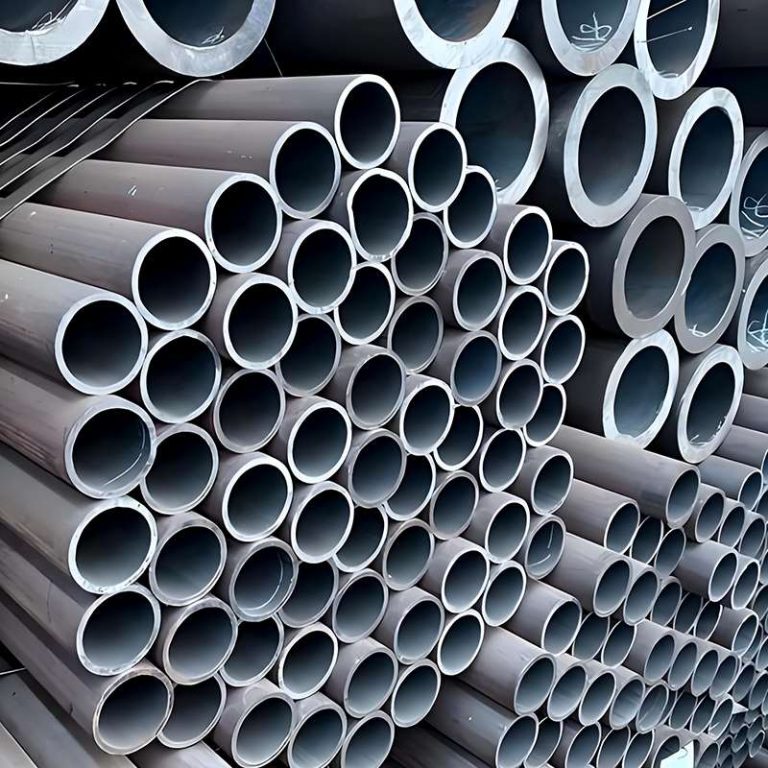
I. Introduction to Seamless Alloy Steel Tubes for High-Pressure Boilers
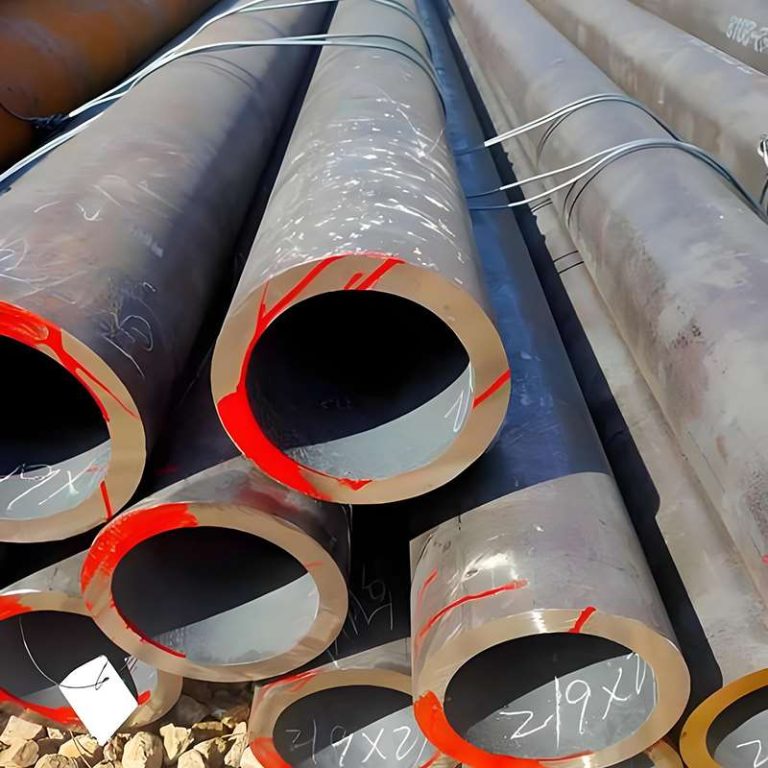
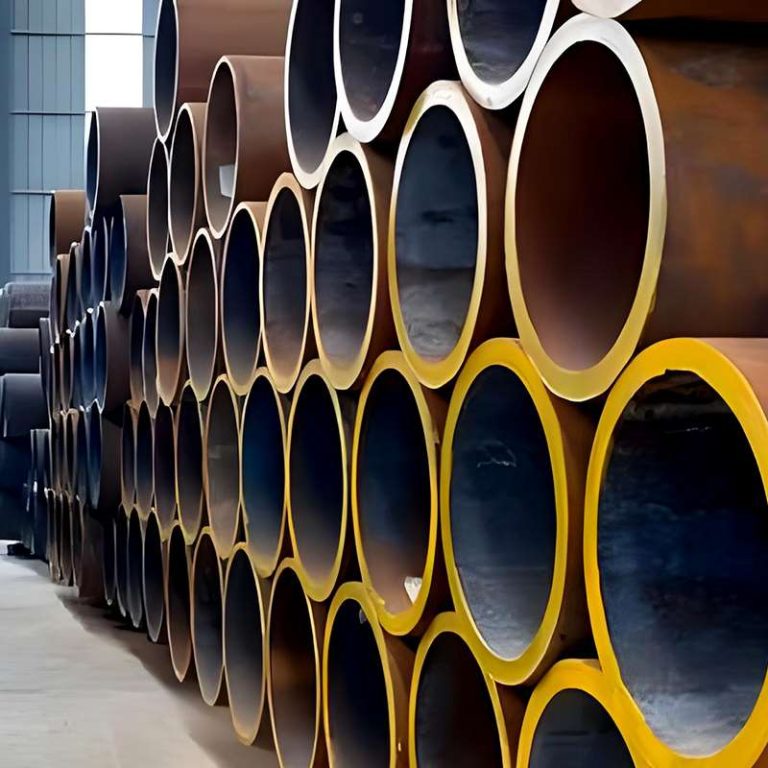
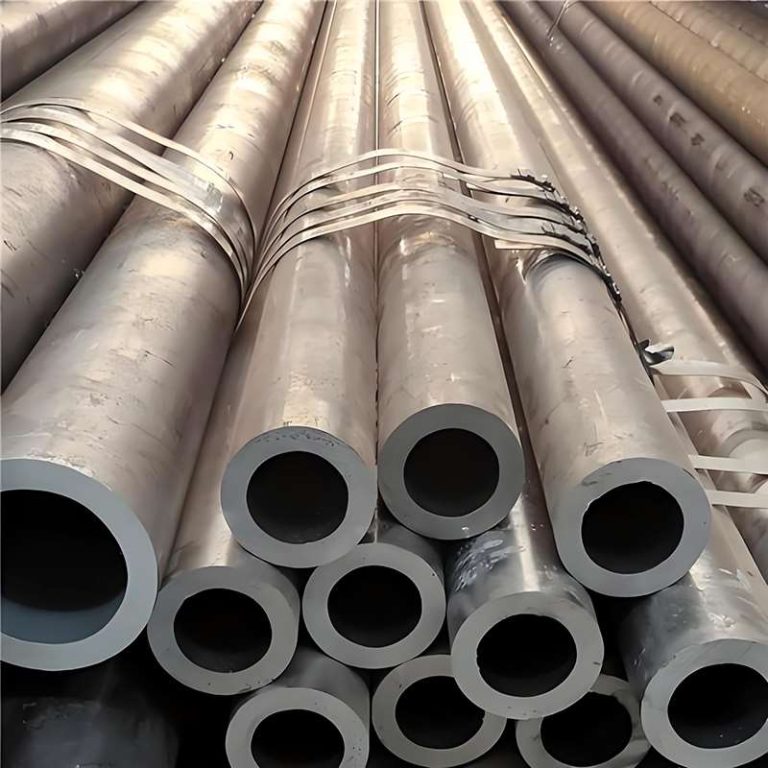
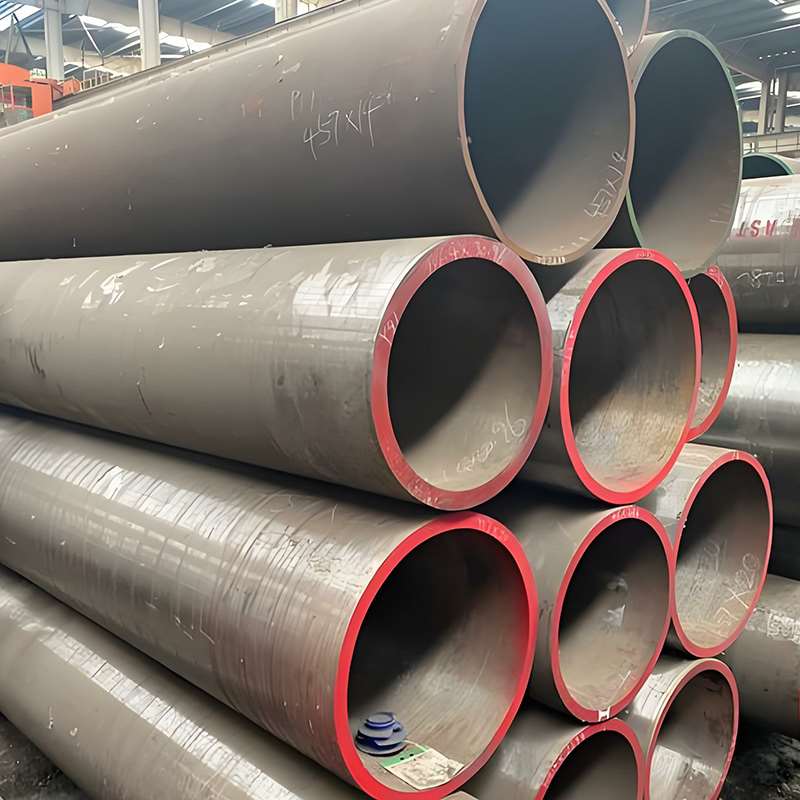
Seamless alloy steel tubes for high-pressure boilers are critical industrial tubing specifically engineered for high-temperature, high-pressure applications. They are extensively used in boiler and steam systems.
Manufactured from premium alloy structural steel through hot-rolled or cold-drawn seamless processes, these products feature high strength, excellent heat resistance, and superior creep resistance, ensuring stable operation under prolonged high-temperature and high-pressure conditions.
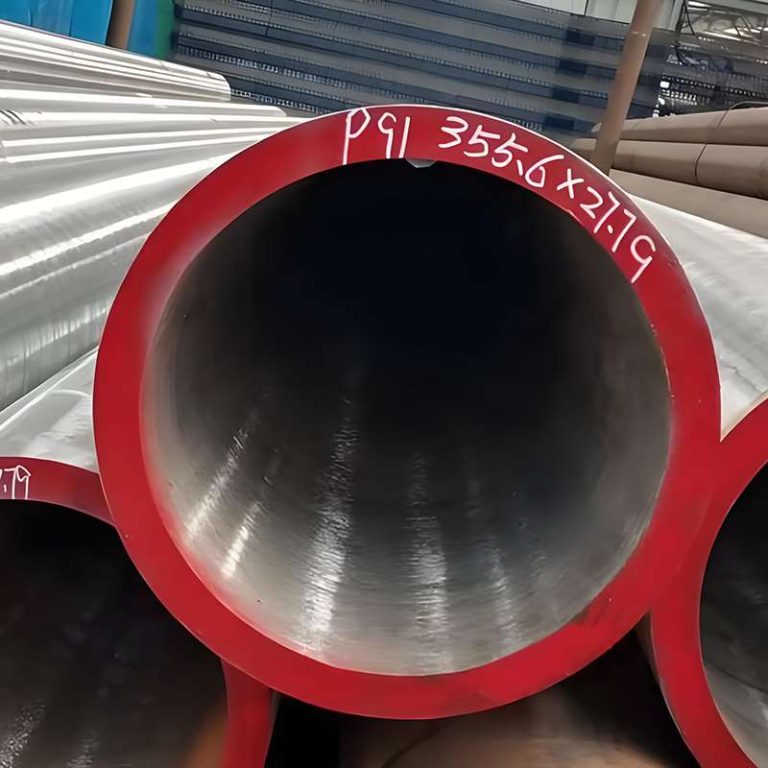
These pipes typically comply with international standards such as ASTM A335, EN 10216-2, and GB 5310. Common grades include P11, P22, P91, 10CrMo9-10, 13CrMo4-5. Through the optimal proportioning of alloying elements (such as Cr and Mo), these pipes demonstrate outstanding resistance to oxidation, high-temperature steam corrosion, and pressure-bearing capacity, making them suitable for demanding operating conditions.
II. International Standards for Seamless Alloy Steel Tubes for High-Pressure Boilers
| Standard System | Standard Number | Standard Name | Typical Steel Grades | Main Applications |
|---|---|---|---|---|
| ASTM / ASME (USA) | ASTM A335 / ASME SA335 | Seamless Ferritic Alloy Steel Pipes for High-Temperature Service | P11, P22, P91, P92 | High-pressure boilers, main steam pipelines, high-temperature and high-pressure systems |
| ASTM / ASME (USA) | ASTM A213 / ASME SA213 | Seamless Alloy Steel Pipes for Boilers and Superheaters | T11, T22, T91 | Boiler heating surfaces, superheaters, heat exchangers |
| EN (Europe) | EN 10216-2 | Seamless Steel Pipes for Pressure Purposes (High-Temperature Service) | 13CrMo4-5, 10CrMo9-10, X10CrMoVNb9-1 | High-temperature high-pressure boilers, steam pipelines |
| EN (Europe) | EN 10216-5 | Stainless and Heat-Resistant Seamless Steel Pipes | X8CrNiTi18-10 | High-temperature corrosion-resistant boiler systems |
| GB (China) | GB 5310 | Seamless Steel Pipes for High-Pressure Boilers | 20G, 12Cr1MoVG, 15CrMoG | Power plant boilers, high-pressure steam systems |
| JIS (Japan) | JIS G3462 | Alloy Steel Pipes for Boilers and Heat Exchangers | STBA20, STBA22 | Boilers, heat exchangers |
| DIN (Germany) | DIN EN 10216-2 | High-Temperature Pressure-Resistant Seamless Steel Pipes | 13CrMo4-5 | Power plant and industrial boilers |
| GOST (Russia) | GOST 550-75 | Steel Pipes for High-Temperature High-Pressure Boilers | 12Х1МФ | Boilers and high-temperature steam systems |
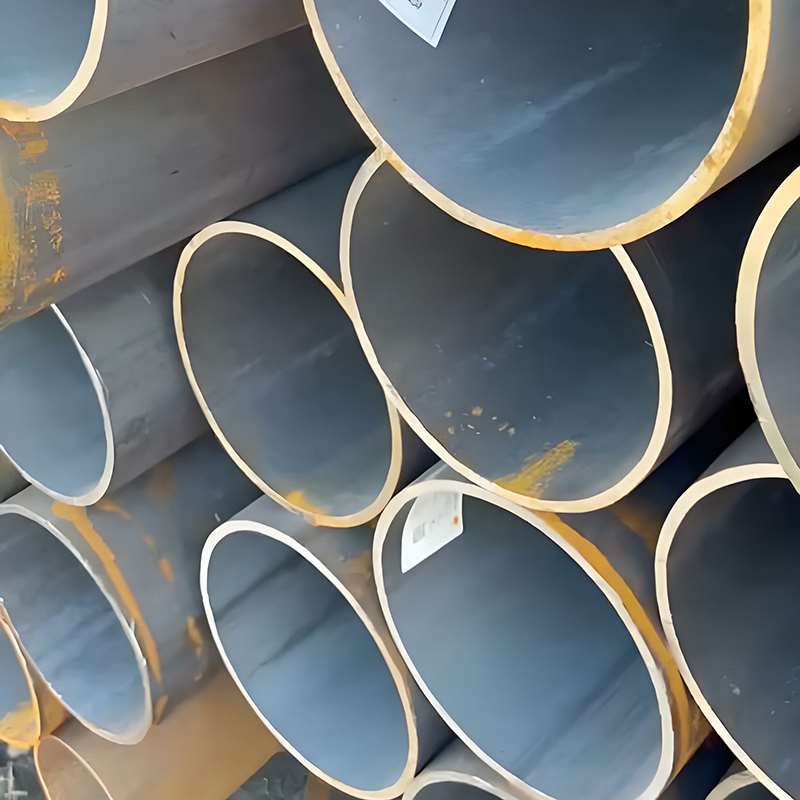
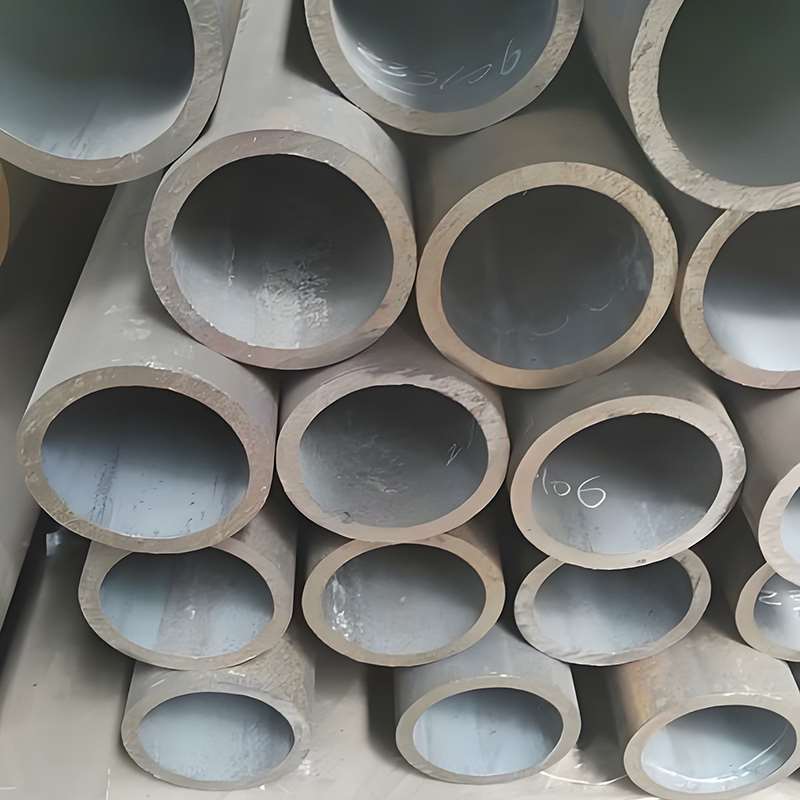
III. International Equivalent Comparison Table of Commonly Used Steel Grades (ASTM / EN / GB / JIS)
| ASTM / ASME | EN | GB | JIS |
| A335 P11 | 13CrMo4-5(1.7335) | 12Cr1MoVG | STBA20 |
| A335 P22 | 10CrMo9-10(1.7380) | 15CrMoG | STBA22 |
| A335 P91 | X10CrMoVNb9-1(1.4903) | 9Cr1MoV | STBA28 |
| A213 T11 | 13CrMo4-5 | 12Cr1MoVG | STBA20 |
| A213 T22 | 10CrMo9-10 | 15CrMoG | STBA22 |
| A213 T91 | X10CrMoVNb9-1 | 9Cr1MoV | STBA28 |
| A106 Gr.B* | P235GH(EN 10216-2) | 20G | STB410 |
IV. Quick Reference Table for Engineering Selection of Seamless Alloy Steel Pipes for High-Pressure Boilers
| Operating Conditions | Recommended Steel Grades | Common Standards | Typical Application Areas |
|---|---|---|---|
| ≤450℃, Medium–High Pressure | P11 / 13CrMo4-5 | ASTM A335 / EN 10216-2 | High-pressure boilers, steam branch pipes |
| 450–540℃, High Pressure | P22 / 10CrMo9-10 | ASTM A335 / ASTM A213 | Superheaters, reheaters |
| ≥540℃, Ultra-High Pressure | P91 / X10CrMoVNb9-1 | ASTM A335 / ASTM A213 | Main steam pipelines, ultra-critical boilers |
| Boiler Heating Surfaces | T11 / T22 / T91 | ASTM A213 | Boiler tubes, superheater tubes |
| High-Pressure Steam Main | P22 / P91 | ASTM A335 | Power plant steam transmission systems |
V. Seamless Alloy Steel Tubes for High-Pressure Boilers – Steel Grade Cost and Lifespan Comparison Table
| Steel Grade | Service Temperature Range | Relative Cost | Typical Service Life | Main Applications |
|---|---|---|---|---|
| P11 / 13CrMo4-5 | ≤450℃ | Low | 15–20 years | Medium–low temperature high-pressure boilers, branch pipes, low-pressure steam lines |
| P22 / 10CrMo9-10 | 450–540℃ | Medium | 20–25 years | High-pressure steam pipelines, superheaters, reheaters |
| P91 / X10CrMoVNb9-1 | ≥540℃ | High | 25–30 years | Ultra-supercritical / supercritical boilers, main steam pipelines |
| T11 / T22 / T91 | 450–600℃ | Medium–High | 20–30 years | Boiler heating surfaces, superheater tubes |
VI. Manufacturing Process of Seamless Alloy Steel Tubes for High-Pressure Boilers
1. Raw Material Selection
- High-quality alloy steel ingots (e.g., P11, P22, P91, 10CrMo9-10) are employed.
- Chemical composition is strictly controlled for Cr, Mo, and V content to ensure high-temperature corrosion resistance and strength.
2. Rolled or drawn into shape
| Process | Features | Applicable Applications |
|---|---|---|
| Hot-Rolled Seamless Pipe | High-temperature heating of billets, followed by piercing and rolling into pipe blanks | High-pressure boiler pipes with relatively large outer diameter and thick walls |
| Cold-Drawn / Cold-Rolled Seamless Pipe | Precision drawing at room temperature to improve dimensional accuracy and surface finish | Small-diameter, thick-walled precision pipes requiring tight tolerances for boilers |
3. Heat Treatment Processes
- Normalizing + Tempering: Improves pipe microstructure, enhances toughness and high-temperature creep resistance
- Quenching + Tempering (P91 / T91): Essential for high-alloy steel pipes to ensure long-term high-temperature strength
- Annealing (Optional): Used to reduce residual stresses and facilitate welding processing
4. Dimensional Processing and End Preparation
Cutting: Cut to specified lengths or random lengths
End Finishing:
- Plain End (BE): For pipe connections
- Beveled End (PE): For welding construction, bevel angle 30° ±5°
Surface treatment: Black finish, pickling, sandblasting; can be coated with anti-rust oil or epoxy coating.
5. Inspection and Quality Assurance
- Physical and Chemical Properties Testing: Chemical composition, tensile strength, yield strength, elongation
- Non-Destructive Testing (NDT): Ultrasonic (UT), Radiographic (RT) inspection for internal defects
- Dimensional Inspection: Outer diameter, wall thickness, straightness, roundness
- Certificate of Conformity: Provides MTC (Material Test Certificate), compliant with ASTM / EN / GB standards
6. Summary of Process Features
- Seamless Manufacturing: Ensures long-term safe operation of high-pressure boiler tubes
- Rigorous Heat Treatment: Enhances high-temperature creep strength and toughness
- Precision Dimensional Control: Suitable for high-pressure steam and boiler systems
- Surface and End Protection: Facilitates transportation, installation, and welding
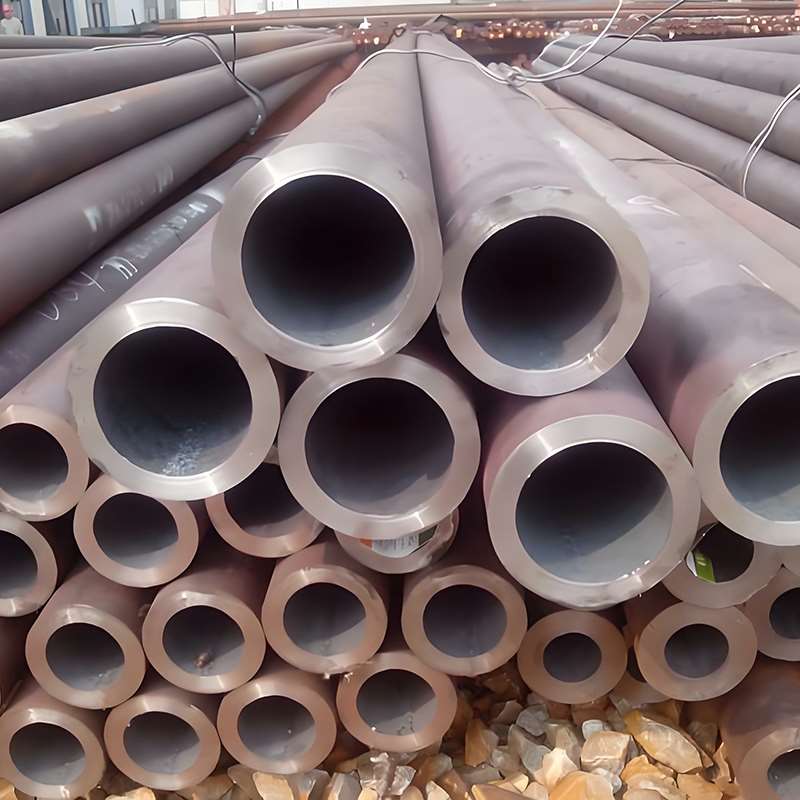
VII. Testing Standards for Seamless Alloy Steel Tubes Used in High-Pressure Boilers
| Inspection Type | Inspection Item | Inspection Standard | Description |
|---|---|---|---|
| Chemical Composition Testing | C, Mn, Si, P, S, Cr, Mo, V, Ni, etc. | ASTM A335 / EN 10216-2 / GB 5310 | Ensure alloy elements meet design requirements, improving high-temperature and corrosion resistance |
| Mechanical Properties Testing | Yield strength, tensile strength, elongation, reduction of area | ASTM A335 / EN 10216-2 / GB 5310 | Ensure steel pipe can withstand high-pressure and high-temperature conditions with adequate toughness |
| Metallographic Examination | Grain size, microstructure | ASTM E3 / GB/T 13298 | Check heat treatment effectiveness to guarantee toughness and creep resistance |
| Nondestructive Testing (NDT) | Ultrasonic testing (UT), radiographic testing (RT), magnetic particle testing (MT) | ASTM E213 / EN 10228-3 / GB/T 11345 | Detect internal defects such as porosity, inclusions, cracks |
| Dimensional & Geometric Accuracy | Outer diameter, wall thickness, roundness, straightness | ASTM A530 / EN 10216-2 / GB/T 17395 | Ensure installation and welding fit accuracy |
| Pressure Testing | Hydrostatic test (Hydrotest) | ASTM A450 / EN 10204 | Verify sealing and pressure-bearing capacity under design pressure |
| Surface Quality Inspection | Surface cracks, mill scale, oxide scale, scratches | ASTM A450 / GB/T 17395 | Ensure smooth surface for corrosion protection and welding |
| Final Inspection & Certification | Material Test Certificate (MTC / Mill Test Certificate) | ASTM / EN / GB | Includes chemical composition, mechanical properties, NDT results; meets international procurement requirements |
Testing Specifications
- Chemical Composition Testing: Typically performed via spectroscopic analysis or chemical analysis methods
- Mechanical Properties Testing: Tensile and impact tests conducted after heat treatment
- Non-Destructive Testing: Ensures absence of internal defects such as cracks or porosity to guarantee safe operation
- Dimensional Accuracy and Surface Quality: Directly impacts pipeline installation and welding quality
- Pressure Testing: Hydraulic testing conducted at standard pressure to ensure safety factor upon shipment
VIII. Common FAQs on Selecting Seamless Alloy Steel Tubes for High-Pressure Boilers
Q1: How to select the appropriate steel grade based on operating temperature and pressure?
A:
≤450°C Medium-High Pressure: Recommended P11 / 13CrMo4-5
450–540°C High Pressure: Recommended P22 / 10CrMo9-10
≥540°C Ultra-High Pressure or Supercritical Boilers: Recommended P91 / X10CrMoVNb9-1
Principle: Prioritize temperature, confirm pressure, then select steel grade. Ensure long-term creep resistance at elevated temperatures for safe service life.
Q2: What distinguishes boiler tubes from high-pressure steam piping?
A:
Boiler tubes (heat transfer surfaces, superheaters, reheaters) predominantly use ASTM A213 / EN 10216-2 T11/T22/T91, requiring excellent high-temperature toughness and creep resistance.
High-pressure steam piping commonly uses ASTM A335 / EN 10216-2 P11/P22/P91, emphasizing high pressure-bearing capacity.
Clearly define the application during selection to avoid mixing standards.
Q3: Why does P91 steel tubing require heat treatment?
A:
P91 contains high levels of alloying elements such as Cr, Mo, and V, making it prone to residual stresses under prolonged high-temperature conditions.
Heat treatment (normalizing + tempering) refines the grain structure, enhancing high-temperature creep strength and toughness.
Untreated material is susceptible to weld cracking or premature failure.
Q4: How are pipe diameter and wall thickness selected?
A:
Pipe diameter is designed based on flow rate and operating pressure, typically ranging from 21.3–508 mm.
Wall thickness is calculated according to design pressure and temperature, incorporating corrosion allowance, commonly between 2–60 mm.
Thick-walled pipes are suitable for high-pressure steam mainlines, while smaller diameters are ideal for boiler heat transfer surfaces.
Q5: What are the essential factory inspections and certificates?
A:
Essential inspections: Chemical composition, mechanical properties, dimensional accuracy, non-destructive testing (UT/RT), pressure testing.
The Material Test Certificate (MTC) should include: Material standard, steel grade, chemical composition, mechanical properties, NDT results.
For overseas projects, compliance with ASTM/EN/ISO standards is required, and third-party inspection reports can be provided.
Q6: How is long-term reliability ensured for high-pressure boiler tubes?
A:
Reasonable selection: Match steel grades to operating temperatures and pressures.
Strict manufacturing: Use hot-rolled or cold-drawn seamless tubes with normalized + tempered heat treatment.
Welding and installation standards: Ensure qualified beveled ends, controlled welding processes, and NDT compliance.
Surface protection: Apply rust-preventive oil or epoxy coatings to prevent corrosion during transport and storage.
Three-tiered assurance: Material → Process → Construction guarantees long-term pipeline safety.