
High-pressure industrial piping systems often operate under demanding conditions.
They are subjected to high temperatures, high pressures, and corrosive media for extended periods.
System failures can lead to costly downtime and pose serious safety risks.
ASTM A335 alloy steel pipes provide a reliable solution to these challenges.
They are widely used in power plants, petrochemical facilities, and other high-pressure industrial systems.
I. Operating Conditions of High-Pressure Industrial Systems
Industrial piping systems typically face the following characteristics:
- Long-term high-temperature operation (up to 650℃)
- High internal pressure, potentially with periodic fluctuations
- Exposure to corrosive media, such as hydrogen or sulfides
- Continuous operation with limited maintenance windows
These operating conditions demand materials with high-temperature strength, corrosion resistance, and long-term stability.
II. Common Faults in High-Pressure Industrial Pipelines and Solutions Using ASTM A335 Alloy Steel Pipes
| Common Failure Type | Specific Issue | ASTM A335 Alloy Steel Pipe Solution |
|---|---|---|
| High-temperature creep & deformation | Long-term exposure to high temperatures causes plastic deformation and wall thickness reduction | Alloy steel pipes with high-temperature strength and excellent creep resistance; P91 / P92 grades are suitable for critical high-temperature and high-pressure pipelines |
| Oxidation & corrosion | High-temperature steam and corrosive media cause metal oxidation or corrosion | Alloying elements (Cr, Mo) improve oxidation and corrosion resistance, ensuring long-term stable operation |
| Thermal fatigue & cracking | Frequent start-up and shutdown lead to thermal fatigue and crack formation | High-strength steel pipes maintain stable mechanical properties, reducing the occurrence of thermal fatigue cracks |
| Weld zone failure | Performance degradation of welds and heat-affected zones at high temperatures | Good weldability combined with proper welding procedures and heat treatment ensures the reliability of welds and heat-affected zones |
| Applications with different pressure & temperature levels | Systems include both medium-temperature/medium-pressure and high-temperature/high-pressure pipelines | Flexible grade selection: P11 / P12 for medium-temperature and medium-pressure service, P22 for main high-temperature pipelines, and P91 / P92 for critical high-temperature and high-pressure pipelines |
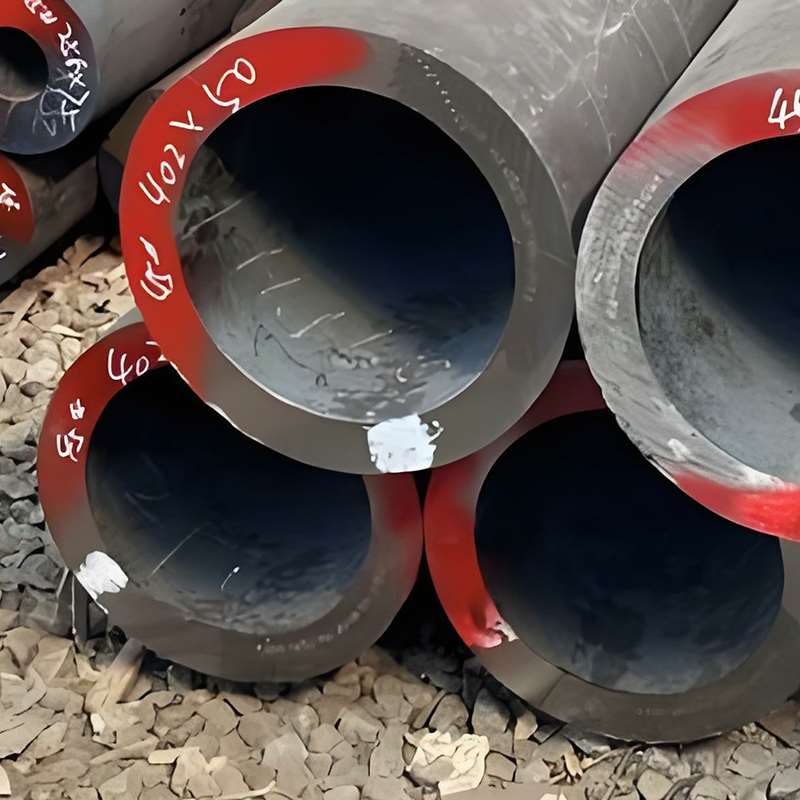
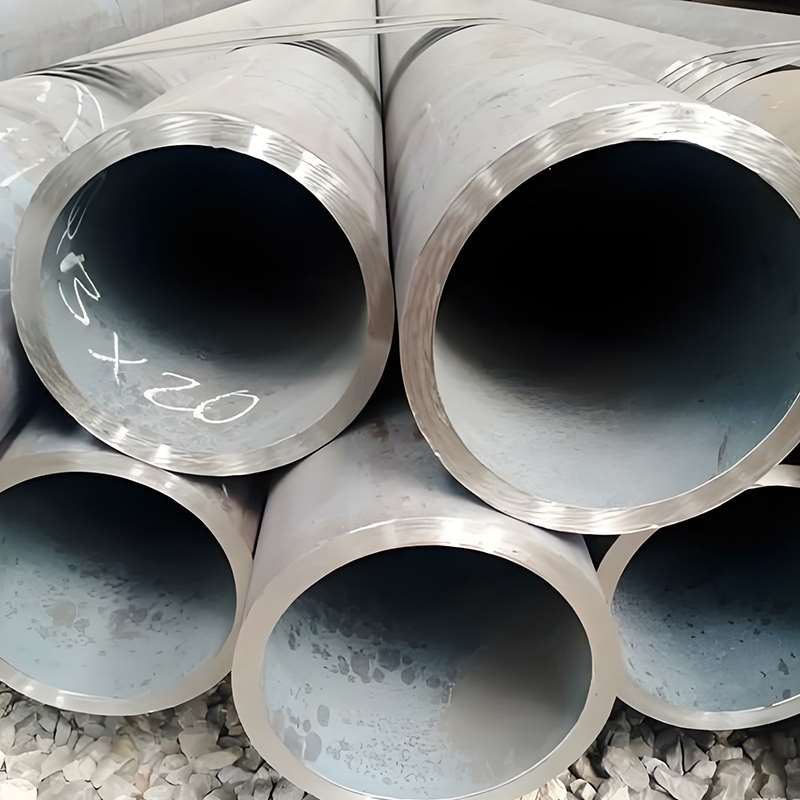
III. Typical Applications of ASTM A335 Alloy Steel Pipes
- Power Industry
Boiler piping: Main steam pipes, reheat steam pipes
High-temperature circulating water pipes: Withstand high temperature and pressure, long-term continuous operation
Auxiliary piping for power generation units: Gas turbine and steam turbine systems - Petrochemical and Chemical Industry
High-temperature process piping: Heating furnace outlets, reactor inlets and outlets
Heat exchanger connecting pipes: Resistant to high-temperature steam and corrosive media
Critical chemical pipelines: High-pressure pipelines containing sulfur or hydrogen media - High-Temperature and High-Pressure Industrial Systems
Supercritical and ultra-supercritical steam pipelines: P91/P92 steel grades ensure creep life
High-pressure industrial gas pipelines: Ensuring safe and stable transportation
Continuous production pipeline systems: Suitable for industrial pipeline networks with long-term operation
IV. Material Selection and Engineering Application Recommendations
| Recommendation | Description |
|---|---|
| Grade selection | Choose the appropriate steel grade based on temperature, pressure, and service medium conditions |
| High-pressure applications | P91 / P92 are used for critical pipelines that withstand extreme temperature and pressure conditions |
| Medium-pressure applications | P11 / P12 are used for auxiliary or standard pipelines |
| Welding procedures | High-alloy steels require strict control of welding and post-weld heat treatment |
| Heat treatment | Ensure creep resistance and mechanical properties meet the steel grade requirements |
| Inspection & quality control | Includes chemical composition analysis, mechanical property testing, and non-destructive testing |
| Maintenance & management | Proper material selection, construction, and maintenance can extend pipeline service life |