
In petrochemical plants, process pipelines are subjected to harsh operating conditions involving high temperatures, high pressures, corrosive media, and continuous operation, making them a critical component for the safe operation of the plant.
Pipeline failure can not only disrupt production continuity but also pose serious safety and environmental risks.
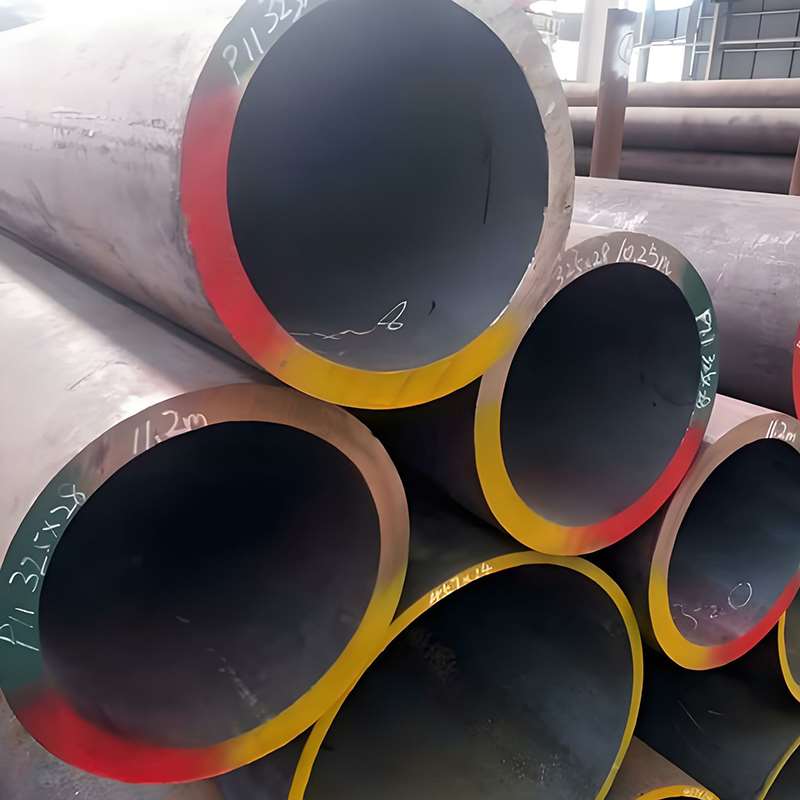
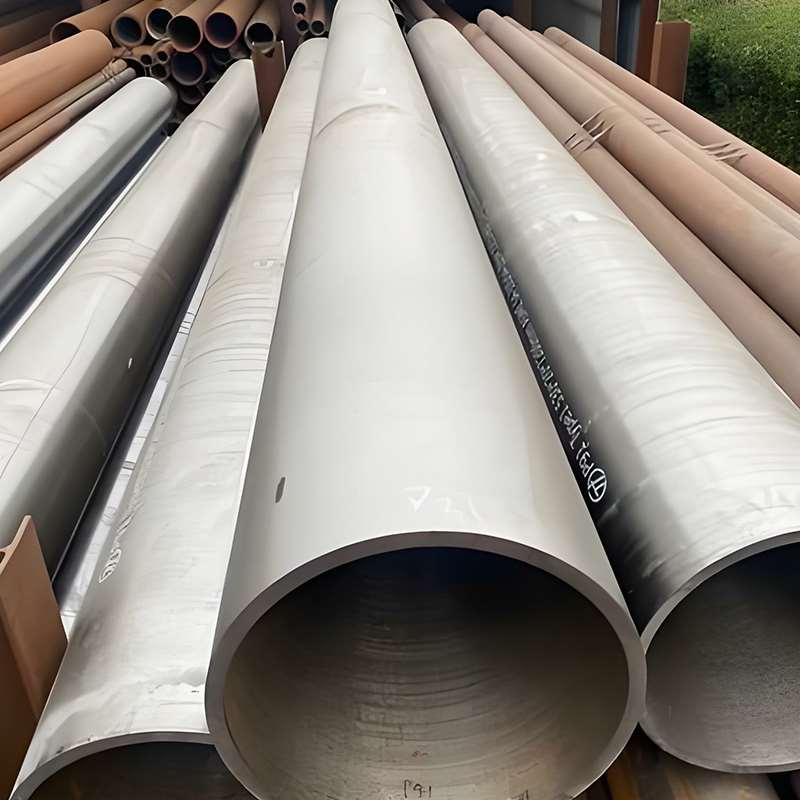
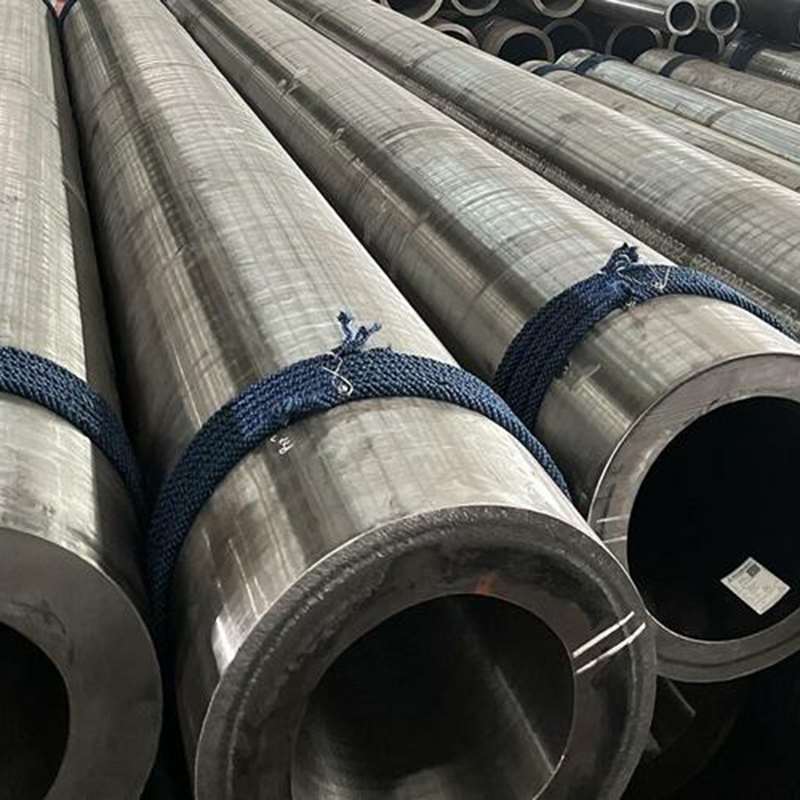
ASTM A335 alloy steel seamless pipes are widely used to address failure problems in critical pipeline systems of petrochemical plants due to their excellent high-temperature resistance, creep resistance, and corrosion resistance.
I. Typical Operating Conditions of Petrochemical Plant Piping Systems
Process piping in petrochemical plants typically faces the following operating conditions:
- Long-term high-temperature operation (400–650℃)
- High internal pressure and periodic pressure fluctuations
- Sulfur-containing, hydrogen-containing, and highly corrosive media
- Long continuous operating time and limited maintenance windows
These factors place extremely high demands on the high-temperature strength, structural stability, and service life of the piping materials.
II. Common Pipeline Failure Problems in Petrochemical Plants
- High-Temperature Creep and Deformation
Under high temperature and high pressure conditions, ordinary carbon steel pipes are prone to creep deformation, leading to thinning and even rupture of the pipe wall. - High-Temperature Oxidation and Corrosion
High-temperature steam and corrosive media accelerate metal surface oxidation, reducing the pipeline’s load-bearing capacity. - Thermal Fatigue and Cracking
Frequent start-ups and temperature fluctuations easily induce thermal fatigue cracks, affecting system safety. - Welding Area Failure
Welds and heat-affected zones are more susceptible to structural degradation and performance deterioration in high-temperature environments.
III. Solutions with ASTM A335 Alloy Steel Pipes
- High-Temperature Strength and Creep Resistance
ASTM A335 alloy steel pipes achieve enhanced high-temperature strength through the addition of alloying elements such as chromium (Cr) and molybdenum (Mo).
They maintain stable mechanical properties under prolonged high temperatures.
The pipes are less prone to plastic deformation or reduced load-bearing capacity during continuous operation.
They are ideally suited for high-temperature conditions in petrochemical plants.
- Oxidation and Corrosion Resistance
Pipes are susceptible to corrosion in high-temperature steam or sulfur- and hydrogen-containing media.
ASTM A335 alloy steel pipes are oxidation-resistant and highly corrosion-resistant.
They maintain a stable metal structure even in harsh environments.
This effectively reduces the risk of pipe failure due to corrosion.
- Good Weldability
Under appropriate heat treatment conditions, ASTM A335 alloy steel pipes exhibit good weldability.
They can meet the construction requirements of complex piping systems in petrochemical plants.
The welds and heat-affected zones have high reliability under high-temperature conditions.
Combined with standardized welding processes, this can extend the service life of the pipes.
- Flexible Steel Grade Selection
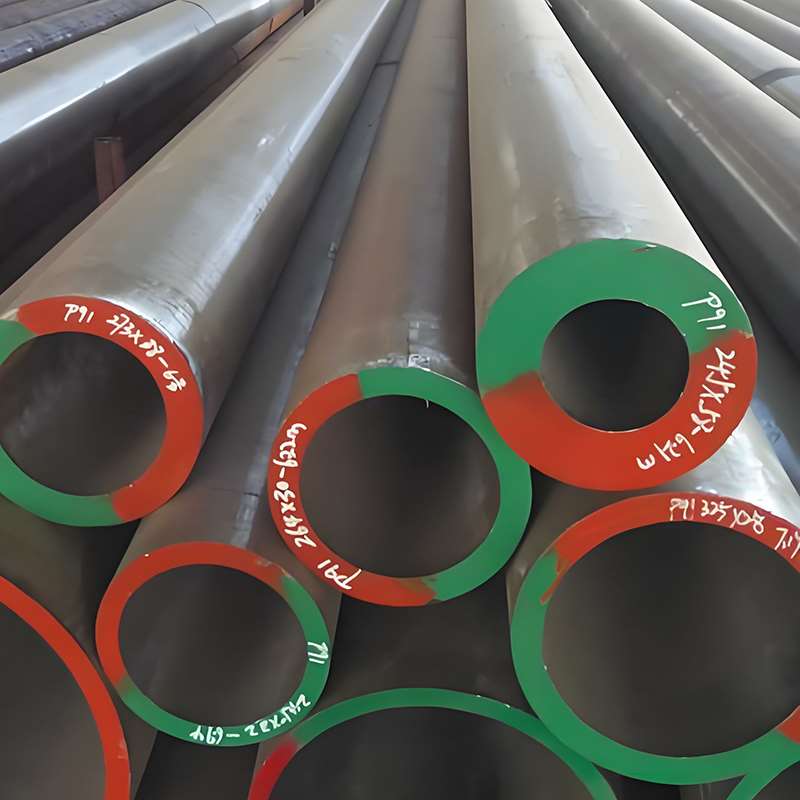
ASTM A335 pipes are available in various steel grades:
P11 / P12: Medium-temperature, medium-pressure pipelines
P22: Mainstream high-temperature process pipelines
P91 / P92: High-parameter pipelines
Appropriate selection based on temperature, pressure, and service life ensures safety while controlling costs.
IV. Typical Application Areas in Petrochemical Plants
- High-temperature pipelines at the furnace outlet
- Reactor inlet and outlet pipelines
- High-temperature process steam systems
- Heat exchanger connecting pipelines
V. Material Selection and Engineering Application Recommendations for ASTM A335 Alloy Steel Pipes
| Recommendations | Description |
|---|---|
| Grade selection | Select the appropriate steel grade (P11, P22, P91, P92) based on design temperature, pressure, and service medium characteristics |
| High-temperature & high-pressure applications | P91 / P92 are suitable for critical high-temperature and high-pressure pipelines, offering excellent creep resistance |
| Medium-temperature & medium-pressure applications | P11 / P12 are suitable for medium-temperature, medium-pressure auxiliary pipelines and general process piping |
| Welding procedures | For high-alloy steels (P91 / P92), strictly control welding procedures to ensure the reliability of welds and the heat-affected zone |
| Heat treatment condition | Heat treatment (normalizing, tempering, or quenching and tempering) must comply with grade requirements to ensure high-temperature performance |
| Inspection & quality control | Combine chemical composition analysis, mechanical property testing, and non-destructive testing to ensure long-term safe operation |
| Service life & maintenance | Proper material selection, standardized installation, and regular maintenance can significantly extend service life and reduce maintenance costs |