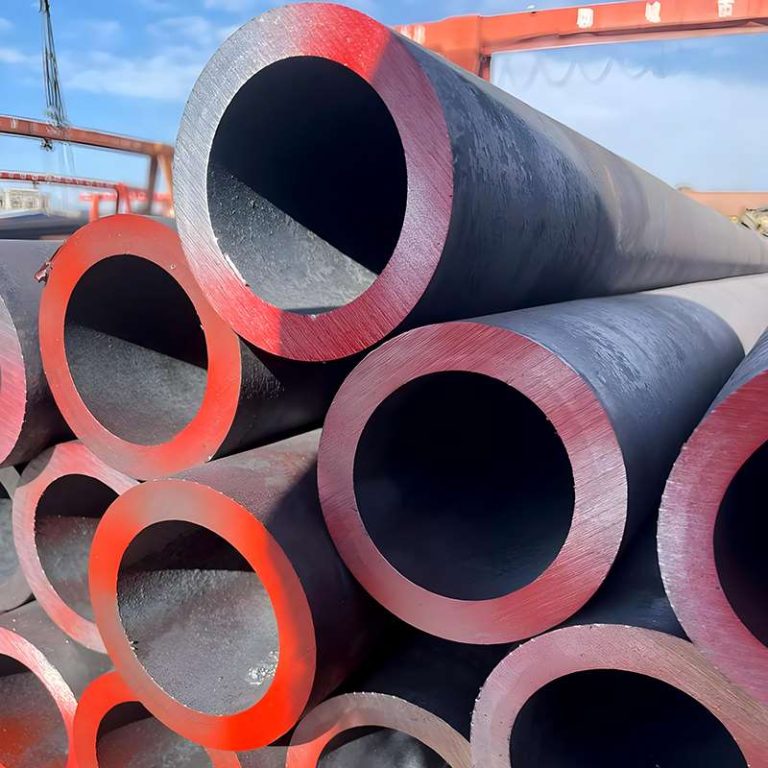
I. Overview of ASTM A335 P92 Alloy Steel Pipe
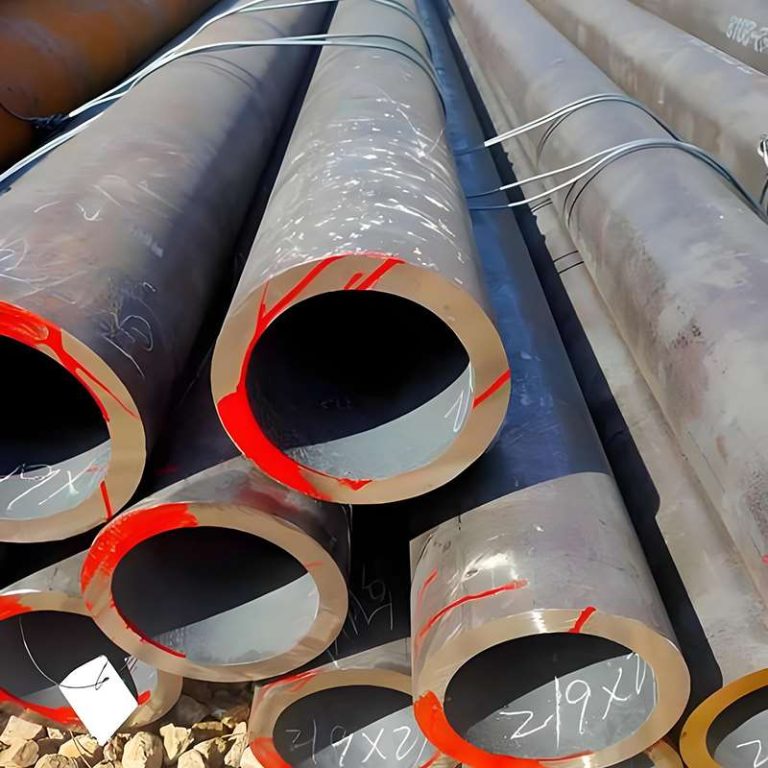
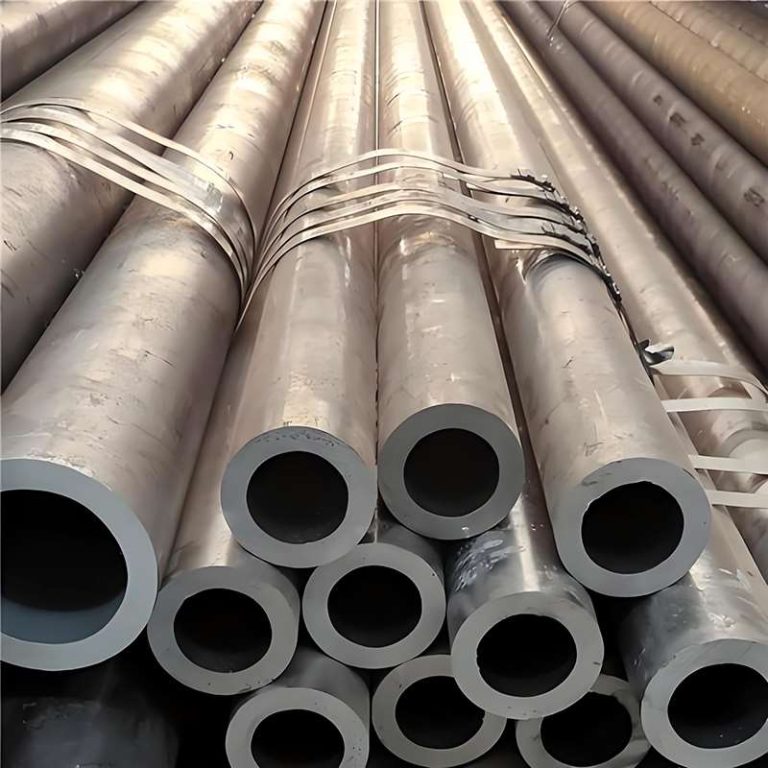
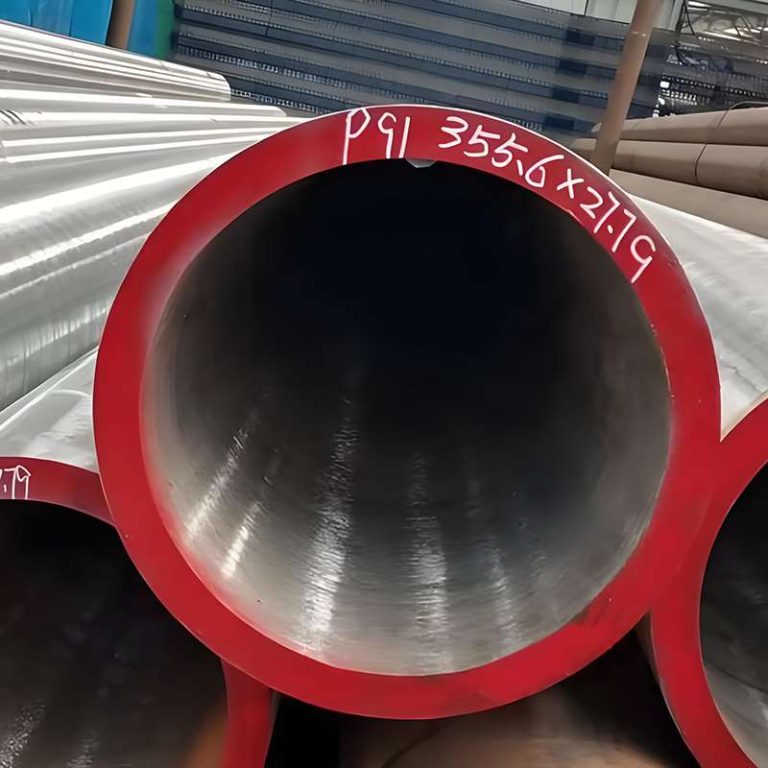
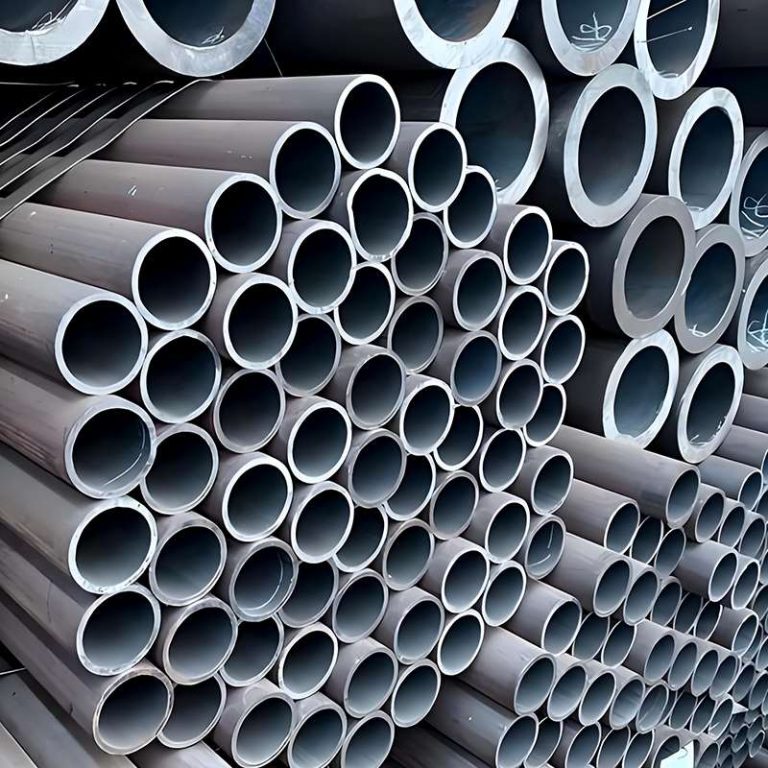
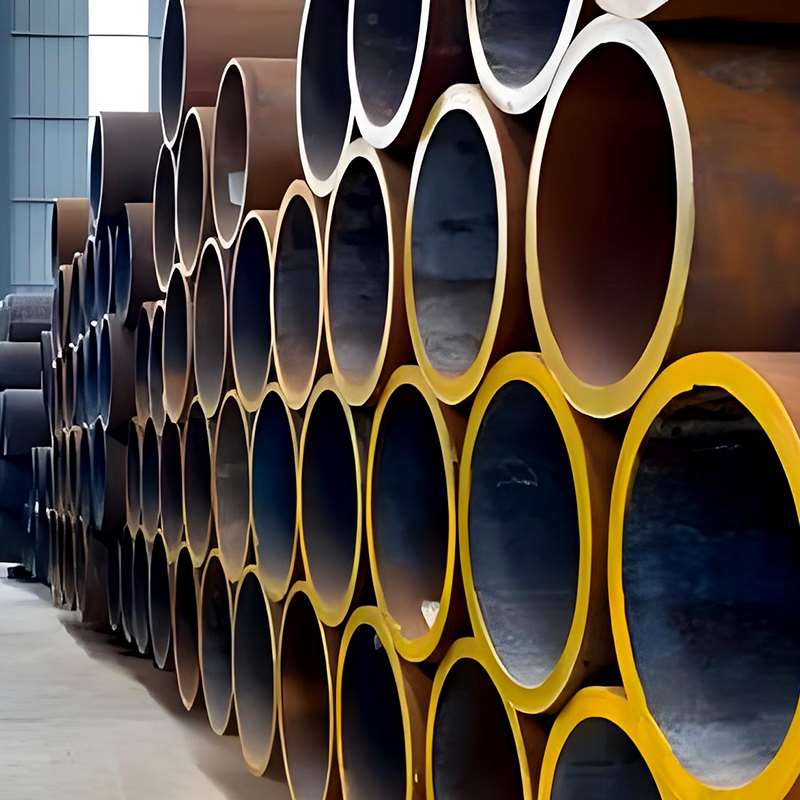
ASTM A335 P92 alloy steel pipe is a high-strength, high-temperature, and high-pressure resistant seamless steel pipe, specifically designed for ultra-high temperature and high-pressure operating conditions.
This piping material is widely utilized in thermal power plants for main steam and reheat steam lines in supercritical boilers, as well as in high-temperature and high-pressure pipelines within petrochemical and chemical processing facilities, ensuring the safe, reliable, and efficient operation of critical piping systems.
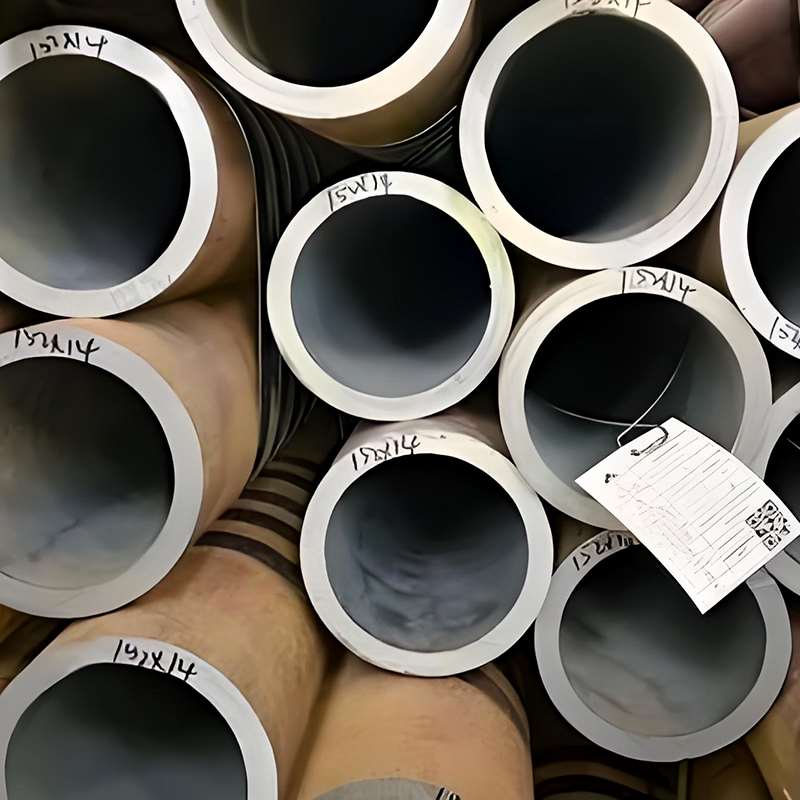
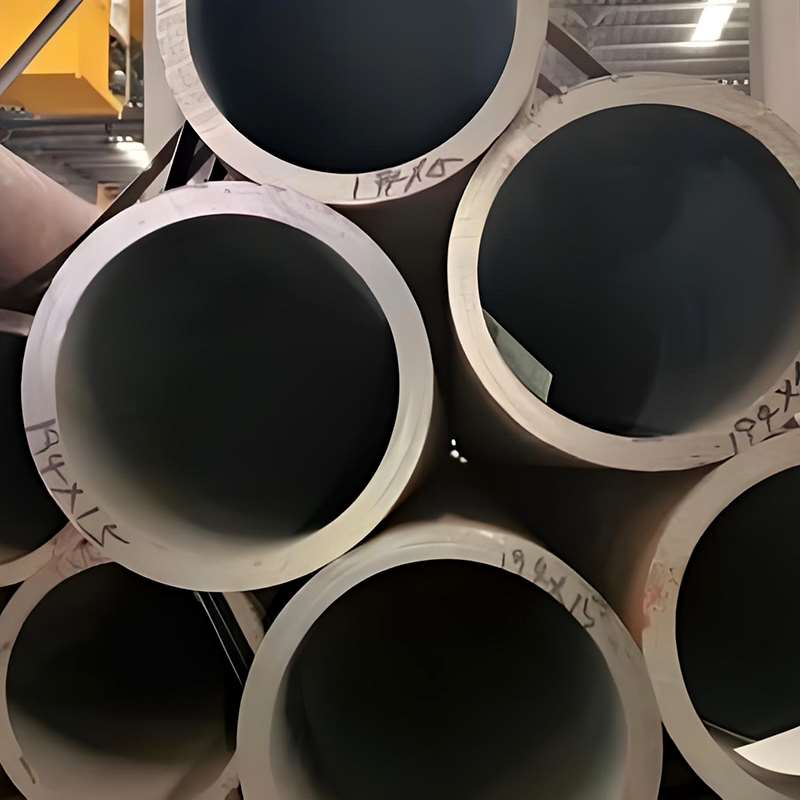
The pipes are available in accordance with standard specifications regarding various outer diameters, wall thicknesses, and lengths. End finishes can be selected from plain ends, beveled ends, or threaded ends; surface finishes may undergo hot-rolled or cold-drawn processing; and optional anti-corrosion coatings and export packaging services are available to meet the diverse requirements of different engineering projects.
II. Chemical Composition and Mechanical Properties of ASTM A335 P92 Alloy Steel Pipe
i. Chemical Composition Table
| Element | Content Range (%) |
|---|---|
| Carbon (C) | 0.08 – 0.12 |
| Manganese (Mn) | 0.30 – 0.60 |
| Silicon (Si) | 0.20 – 0.50 |
| Chromium (Cr) | 8.50 – 9.50 |
| Molybdenum (Mo) | 0.44 – 0.55 |
| Nickel (Ni) | ≤ 0.40 |
| Vanadium (V) | 0.18 – 0.25 |
| Niobium (Nb) | 0.06 – 0.12 |
| Nitrogen (N) | ≤ 0.03 |
| Phosphorus (P) | ≤ 0.02 |
| Sulfur (S) | ≤ 0.01 |
| Copper (Cu) | ≤ 0.40 |
| Tungsten (W) | 1.70 – 1.90 |
ii. Mechanical Properties Table
| Property | Value |
|---|---|
| Yield Strength σy (MPa) | ≥ 415 |
| Tensile Strength σu (MPa) | 585 – 760 |
| Elongation δ₅₀ (%) | ≥ 20 |
| Impact Toughness KV (J) | ≥ 47 @ 20°C |
| Hardness HB | ≤ 248 |
III. Suitable Applications for ASTM A335 P92 Alloy Steel Pipe
- Ultra-High Temperature Steam Piping
Suitable for main steam and reheat steam piping in ultra-supercritical boilers within thermal power plants.
Capable of withstanding high-temperature environments ranging from 550°C to 620°C over extended periods. - High-Pressure Piping
Capable of withstanding operating pressures of up to 30–35 MPa, meeting the requirements for ultra-high-pressure steam and hot oil pipelines. - Chemical and Petrochemical Facilities
Suitable for applications in the petrochemical industry, high-temperature reactors, heat exchangers, and high-temperature, high-pressure chemical pipelines.
Ideal for the continuous conveyance of corrosive or high-temperature media. - Long-Distance Transport Pipelines
Suitable for the long-distance transport of hot water, steam, or hot oil in applications where high resistance to creep and fatigue is required. - High-Temperature, High-Strength Structural Components
Serves as raw material for load-bearing boiler structures, valve connection piping, and high-temperature support components.
IV. ASTM A335 P92 Alloy Steel Pipe Manufacturing Process Flow
Ingot Preparation → Melting & Refining → Forging / Hot Rolling → Piercing / Extrusion → Hot Rolling & Forming → Heat Treatment (Normalizing + Tempering) → Cut-to-Length & End Finishing → Surface Treatment → Inspection & Testing → Anti-Corrosion Treatment & Packaging
V. ASTM A335 P92 Alloy Steel Pipe Anti-Corrosion Solutions and Applicable Scenarios
| Application / Service Condition | Corrosion Protection Requirement | Recommended Protection Method | Description |
|---|---|---|---|
| Thermal power plant main steam pipe | High-temperature dry steam, risk of oxidation | Black anti-rust oil + high-temperature oxidation-resistant coating | Protects the pipe surface at high temperatures and prevents oxidative corrosion |
| Thermal power plant reheated steam pipe | Ultra-high-temperature steam, prone to scaling | High-temperature oxidation-resistant paint/coating + regular cleaning | Improves durability and reduces the risk of scaling |
| Chemical high-temperature, high-pressure pipelines | Corrosive media such as acids, alkalis, hot oil | Internal and external anti-corrosion coating (epoxy/polyurethane) + anti-rust oil | Enhances corrosion resistance and ensures safe operation |
| Petroleum refining and natural gas | High temperature, sulfur- or water-containing media | Alloy lining / anti-corrosion coating inside + external anti-rust oil or plastic coating | Protects pipes from media corrosion and external environmental effects |
| Outdoor heat/ hot water pipelines | Climate variation, rain, UV exposure | External epoxy paint or thermoplastic coating + plastic protective sleeve | Improves weather resistance and prevents external environmental corrosion |
| Long-term storage or transportation | Rust and moisture prevention | Anti-rust oil coverage + plastic end caps + bundled packaging | Ensures pipes do not rust during storage or transportation |
VI. Selection Guide for ASTM A335 P92 Alloy Steel Pipe
When selecting P92 alloy steel pipes, the decision should be based on operating conditions, pressure, temperature, and the conveyed medium:
- Confirmation of Operating Conditions
High-temperature (≤600°C) and high-pressure environments → P92 is suitable.
Chemical or corrosive media → Consider internal lining or high-temperature-resistant coatings. - Specifications and Wall Thickness
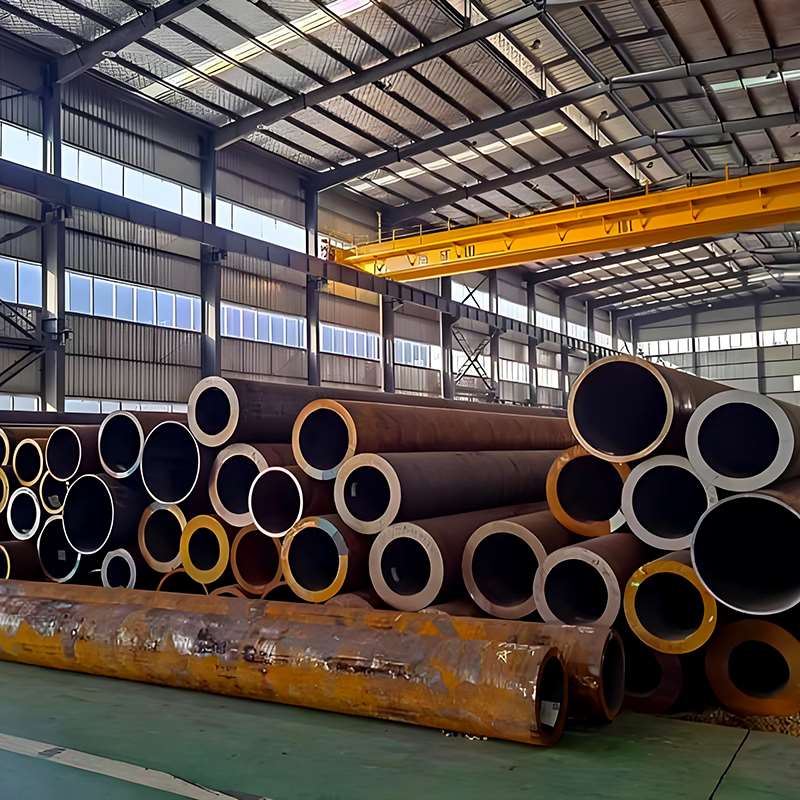
Outer Diameter: 16–610 mm; Wall Thickness: 2–80 mm. These dimensions can be calculated based on the design pressure and ASME standards.
Standard lengths typically range from 6 to 12 meters; custom lengths are available. - Welding and Heat Treatment
Preheating before welding: 200–250°C. Post-Weld Heat Treatment (PWHT): 730–780°C for 2–4 hours.
The creep properties of the weld seam must match those of the base metal. - Corrosion Protection Solutions
Steam Piping: May not require additional coatings.
Chemical or Outdoor Piping: Epoxy coatings, internal linings, or thermal spray zinc protection are recommended.
VII. ASTM A335 P92 Alloy Steel Pipe Selection FAQ
1. What are the differences between P92 and P91 pipes, and when should P92 be selected?
Answer:
P92 contains Tungsten (W) and Vanadium (V), giving it higher high-temperature creep strength than P91. It is suitable for high-temperature piping systems in power plants or chemical facilities where operating temperatures are ≤600°C and a long service life (20–30 years) is required.
ASTM A335 P91 Alloy Steel Pipe is also designed for high-temperature and high-pressure service, but P91 is generally suitable for applications where the required operating conditions and design life can be met without the additional alloying elements and performance advantages of P92. Therefore, P91 may be considered for projects where cost-effectiveness is an important factor, while P92 is preferred when higher creep strength and long-term high-temperature performance are required.
2. How can one quickly determine the required wall thickness?
Answer:
Based on the design pressure and temperature, calculate the theoretical wall thickness in accordance with ASME B31.1/B31.3 or relevant boiler design standards; then, cross-reference this with the available stock specifications provided by pipe manufacturers to find a match.
Note: A corrosion/design allowance of ≥10% should be applied; for high-pressure or high-temperature long-distance pipelines, it may be appropriate to increase the thickness further.
3. Can P92 piping be welded to low-alloy steel or carbon steel pipes?
Answer:
Yes, it can; however, pre-weld heating and post-weld heat treatment (PWHT) are mandatory. These measures ensure that the creep properties of the weld joint match those of the base metal, thereby preventing the formation of cracks during long-term operation at high temperatures. Furthermore, welds involving dissimilar metals should be minimized in number and, wherever possible, concentrated in specific locations.
4. Do high-temperature and high-pressure pipelines require corrosion protection?
Answer:
Steam pipelines: Generally, no additional corrosion protection is required.
Pipelines conveying chemical media or located outdoors: Options such as epoxy coatings, internal linings, or thermal zinc spraying may be selected.
The specific corrosion protection strategy should be determined based on a comprehensive assessment of the medium’s temperature, corrosivity, and environmental conditions.
5. What is the typical service life of P92 pipelines?
Answer:
High-temperature steam pipelines typically have a designed service life of 20–30 years. For high-temperature pipelines conveying chemical media, the service life must be evaluated based on a combination of corrosion rates, creep strength, and operating temperatures. The service life of the pipeline can be extended through periodic inspections of welds and pipe wall thickness.
6. What are some practical tips for pipeline selection?
Answer:
First, create a system pressure-temperature chart and identify the most critical (most severe) operating point.
Calculate the required wall thickness based on this critical point and select available stock specifications.
Determine the welding procedure and Post-Weld Heat Treatment (PWHT) requirements.
Determine the appropriate method for corrosion protection.
Prioritize ease of construction and future maintenance requirements.