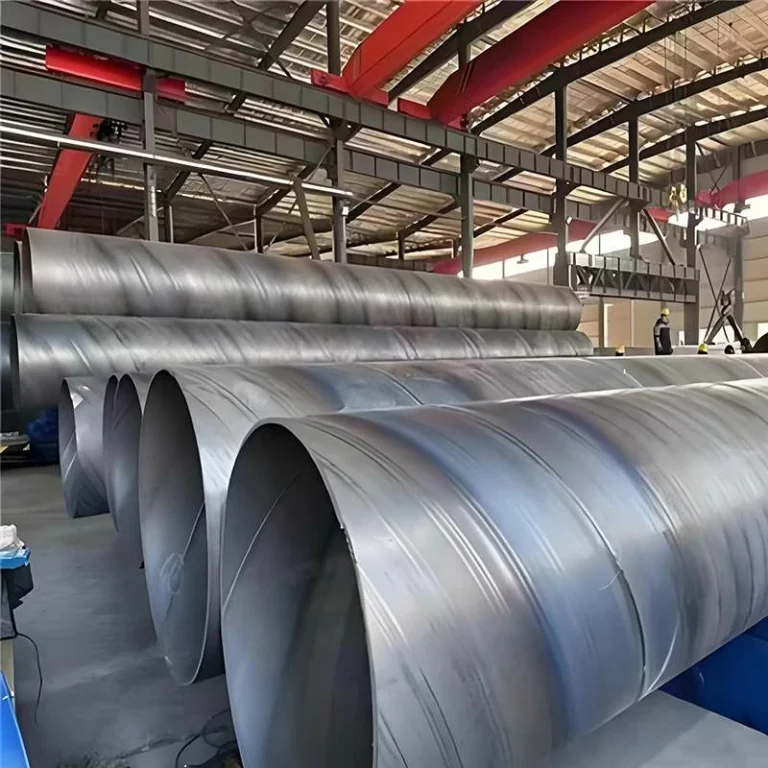
I. Overview of ASTM A106 High-Pressure Seamless Carbon Steel Pipes
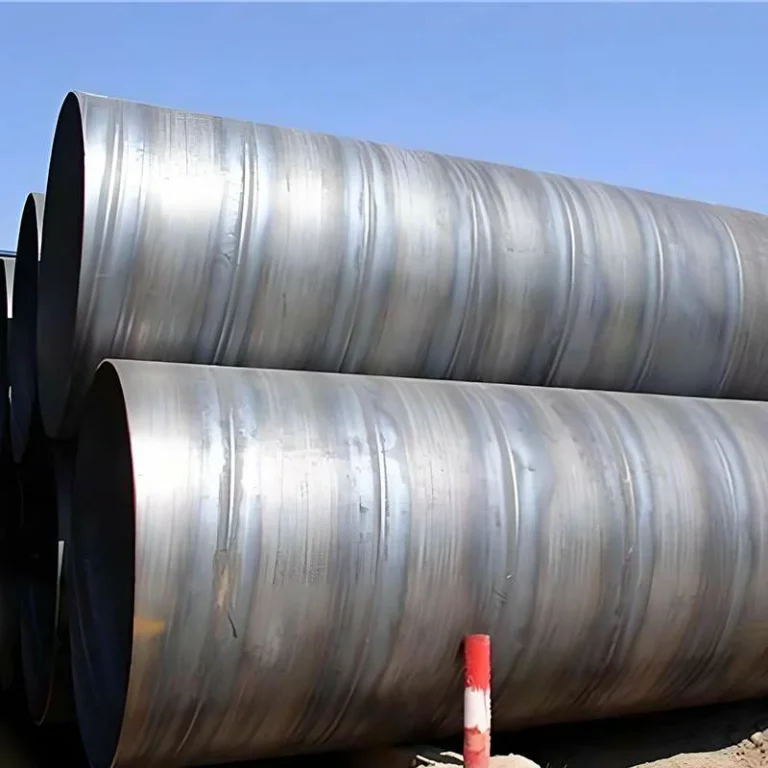
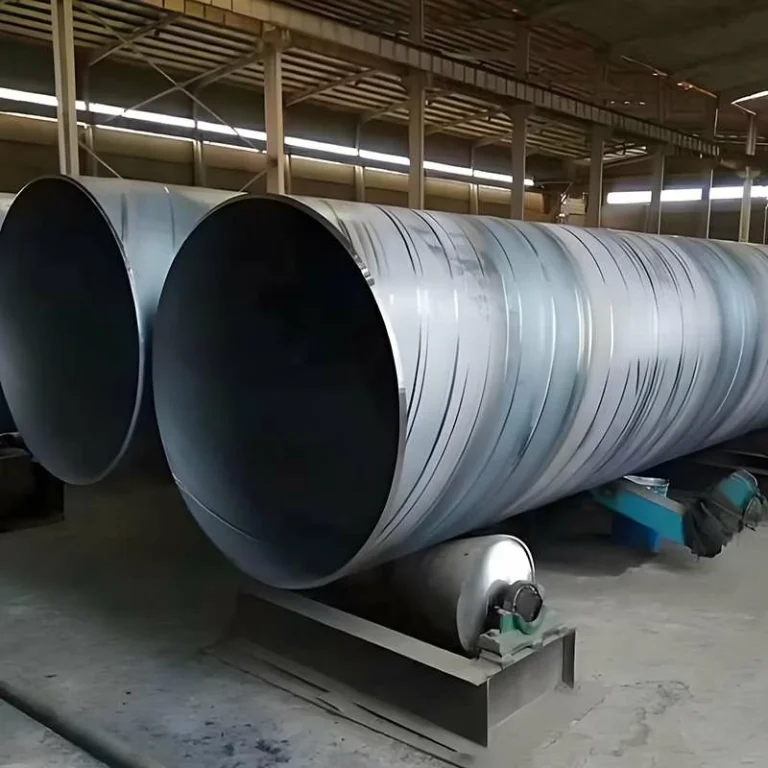
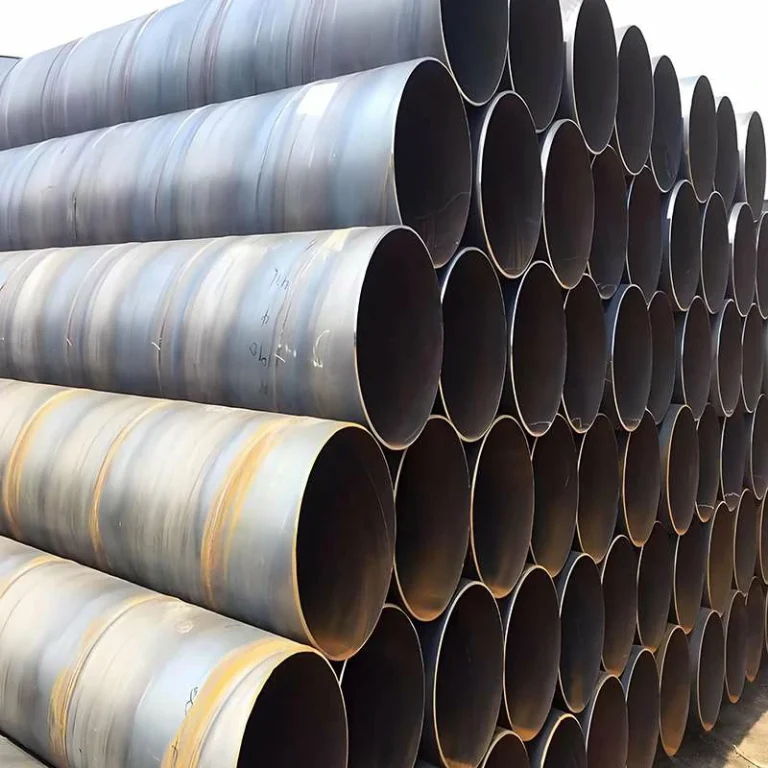
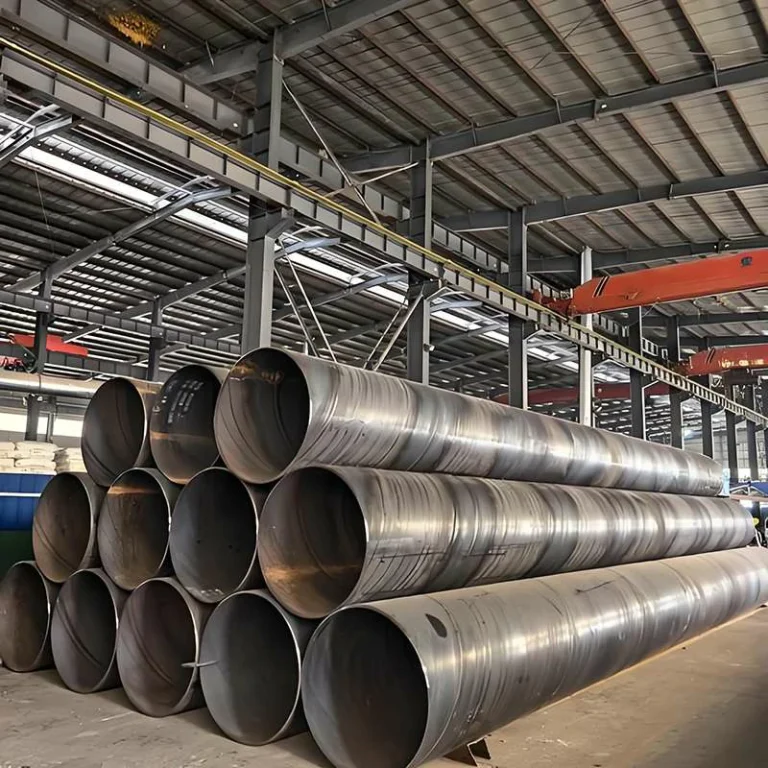
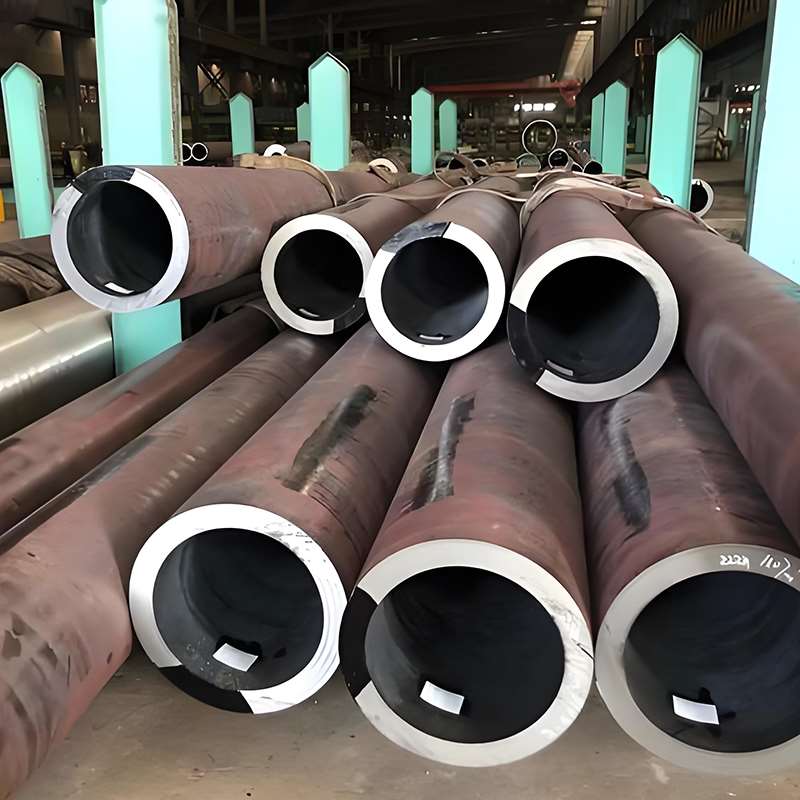
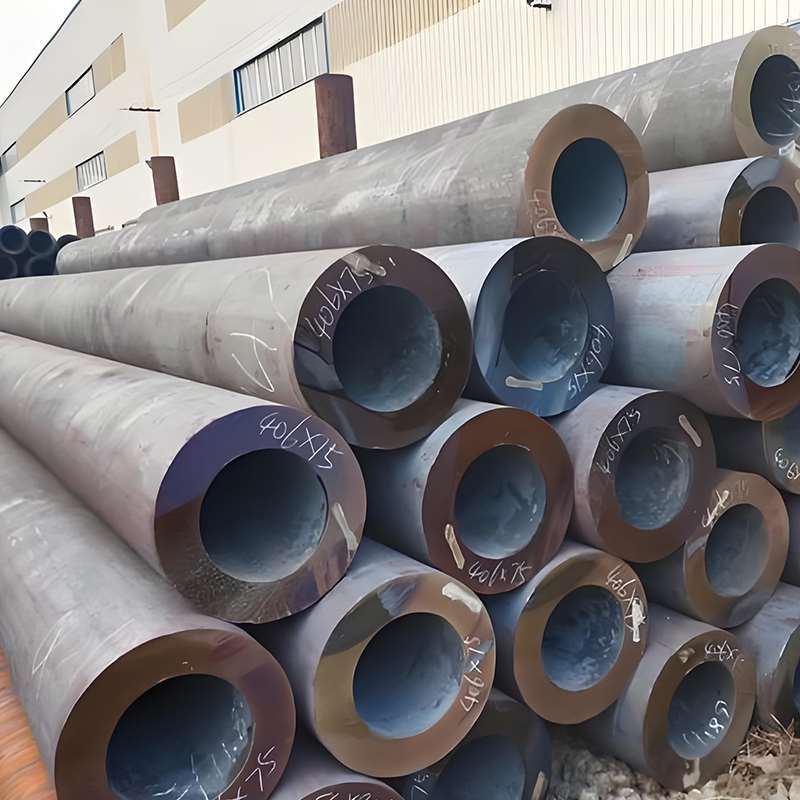
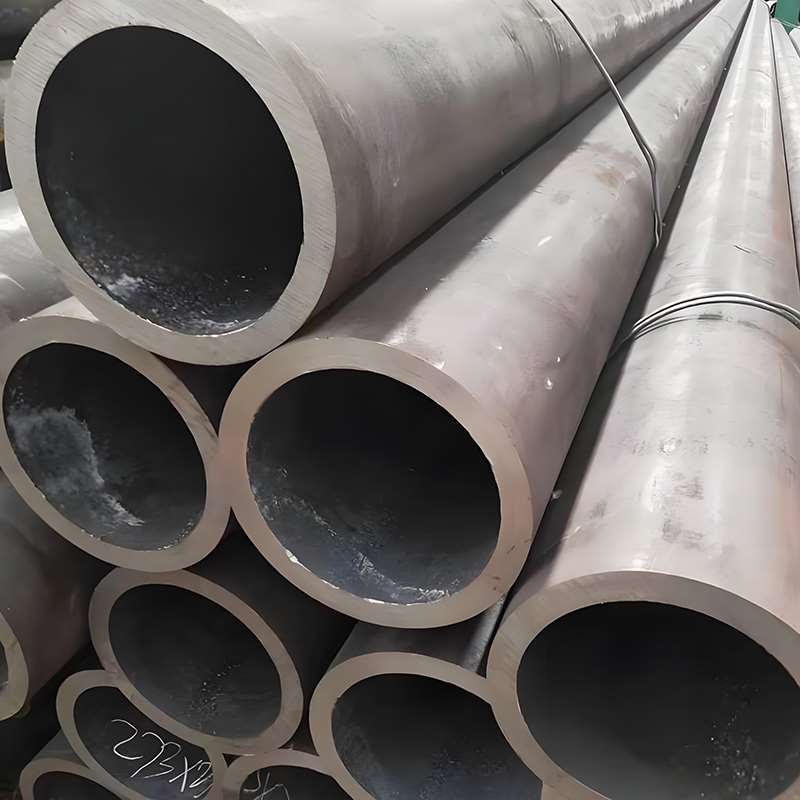
ASTM A106 high-pressure seamless carbon steel pipes are steel pipe products used in medium and high-pressure, high-temperature applications. They are manufactured using a seamless forming process, resulting in a pipe body without welds, a dense structure, and strong pressure resistance.
ASTM A106 high-pressure seamless carbon steel pipes typically conform to international or national standards such as ASTM, API, EN, and GB. Different steel grades and wall thicknesses can be selected based on the required pressure, temperature, and media.
II. Steel Grades and Differences of ASTM A106 High-Pressure Seamless Carbon Steel Pipes
| Steel Grade | English | Key Characteristics | Typical Applications | Remarks |
|---|---|---|---|---|
| Grade A | Grade A | Lower carbon content with moderate mechanical properties; lower pressure resistance than Grade B and C | General industrial piping, low-pressure boiler tubes | Lower cost, suitable for light industry and general-purpose applications |
| Grade B | Grade B | Slightly higher carbon content; higher strength and pressure resistance than Grade A | Industrial pipelines, boilers, steam pipes | Most commonly used grade, offering a good balance of strength and toughness |
| Grade C | Grade C | Highest strength and excellent pressure resistance; suitable for high-temperature and high-pressure service | High-pressure steam pipelines, oil and gas pipelines | Used in demanding industrial and oil & gas applications |
III. Chemical Composition and Mechanical Properties of ASTM A106 High-Pressure Seamless Carbon Steel Pipes
1. Chemical Composition Table
| Steel grade | C (%) | Mn (%) | P (%) | S (%) | Si (%) |
| Grade A | 0.25 max | 0.29–1.06 | 0.035 max | 0.035 max | 0.10–0.35 |
| Grade B | 0.30 max | 0.29–1.06 | 0.035 max | 0.035 max | 0.10–0.35 |
| Grade C | 0.35 max | 0.29–1.06 | 0.035 max | 0.035 max | 0.10–0.35 |
2. Mechanical Properties Table
| Steel Grade | Yield Strength σy (MPa) | Tensile Strength σb (MPa) | Elongation δ5 (%) |
|---|---|---|---|
| Grade A | ≥ 205 | 330–440 | ≥ 30 |
| Grade B | ≥ 240 | 415–540 | ≥ 30 |
| Grade C | ≥ 260 | 415–540 | ≥ 30 |
IV. ASTM A106 High-Pressure Seamless Carbon Steel Pipe Application Guide
i. Application Areas
- ASTM A106 high-pressure seamless carbon steel pipes are widely used in industrial piping systems requiring resistance to high temperatures and pressures, including:
- Oil and Gas Industry: Transporting crude oil, natural gas, steam, and hot water
- Boiler and Heat Exchange Systems: High-temperature steam pipes, boiler tubes
- Chemical and Petrochemical Pipelines: Transporting non-highly corrosive liquids or gases
- Power Industry: High-pressure boiler tubes, steam pipes
- General Industrial Pipelines: Industrial heat fluid transport, compressed air pipelines
ii. Operating Conditions
- Temperature Range: -29°C to 425°C (may vary depending on steel grade and pipe diameter)
- Pressure Range: Depends on pipe diameter and wall thickness (Schedule 40/80/160, etc.), suitable for medium to high-pressure conditions
- Fluid Type: Steam, water, oil, natural gas
- Environmental Requirements: Typically dry or high-temperature environments; corrosion protection treatment is required for use in corrosive environments
iii. Specification Selection
| Service Conditions | Recommended Grade | Common Wall Thickness (Schedule) | Description |
|---|---|---|---|
| Low-pressure industrial pipelines, water piping | Grade A | SCH 40 | Cost-effective option, suitable for low-pressure fluids |
| Medium to high-pressure industrial service, boiler tubes | Grade B | SCH 40 / SCH 80 | Moderate strength with good toughness; the most commonly used grade |
| High-pressure steam pipelines, oil & gas pipelines | Grade C | SCH 80 / SCH 160 | Designed for high-temperature and high-pressure service; offers excellent pressure resistance and toughness |
iv. Selection Considerations
- Incorrect Steel Grade Selection:
Selecting ASTM A106 Grade A carbon steel pipe for high-pressure steam or oil and gas pipelines → prone to overpressure, short lifespan; selecting Grade C for low-pressure applications → excessively high cost. - Insufficient or Excessive Wall Thickness:
SCH 40 may not be sufficient for high-pressure pipelines; SCH 160 for low-pressure applications → wasted cost, difficult processing. - Improper Pipe End Treatment:
Butt-weld ends, threaded ends, and flanged ends must be selected according to installation requirements; incorrect end types may lead to installation difficulties or leaks. - Failure to Consider Corrosion Protection:
Use in humid or corrosive environments → rust prevention or coating is necessary; neglecting corrosion protection will significantly shorten the pipeline lifespan. - Transportation and Storage:
Pipe materials subjected to collision, scratching, or moisture → affecting strength and corrosion resistance. - Non-Standard Welding:
Improper welding temperature, bevel angle, or welding material selection → insufficient joint strength.
V. Manufacturing Process Flow of ASTM A106 High-Pressure Seamless Carbon Steel Pipes:
Raw Material Preparation (Hot-rolled steel billets or round steel billets) → Billet Heating → Piercing and Forming → Hot Rolling and Drawing → Cooling → Annealing/Normalizing Treatment (Optional) → Surface Treatment (Pickling or Sandblasting) → Dimensional Correction → Inspection (Dimensions, Chemical Composition, Mechanical Properties) → Cutting → End Processing (Butt Welding/Threading/Flanging) → Packaging and Warehousing
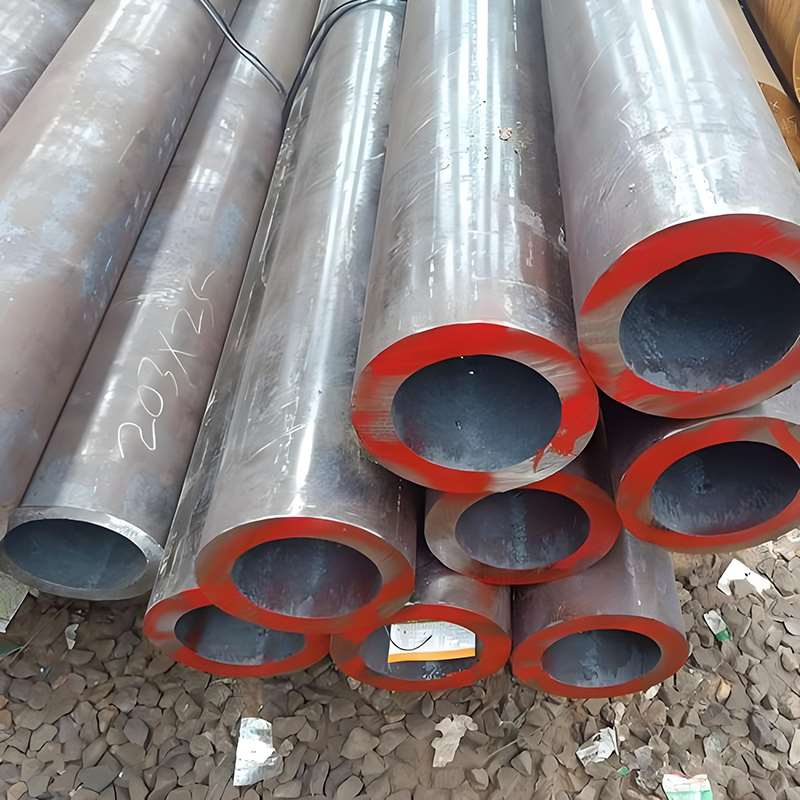
VI. ASTM A106 High-Pressure Seamless Carbon Steel Pipe Testing Standards
| Inspection Item | Inspection Details | Method / Description |
|---|---|---|
| Chemical Composition | Carbon (C), Manganese (Mn), Silicon (Si), Phosphorus (P), Sulfur (S) content | Spectrometric analysis or chemical analysis in accordance with ASTM A106 / ASME SA-106 requirements |
| Dimensions & Appearance | Outside diameter (OD), wall thickness (WT), length, surface defects (cracks, shrinkage cavities, porosity, etc.) | Measuring instruments combined with visual inspection; strict tolerance control |
| Mechanical Properties | Yield strength, tensile strength, elongation; optional impact toughness | Tensile testing machine and impact testing machine, performed according to standard requirements |
| Non-Destructive Testing (NDT) | Internal pipe defects such as cracks, inclusions, and lamination | Magnetic Particle Testing (MT), Ultrasonic Testing (UT) |
| Hydrostatic Test | Resistance to internal hydrostatic pressure | Hydrostatic pressure test conducted according to pipe size and specified test pressure to ensure no leakage or rupture |
| Packaging & Marking | Clear marking of steel grade, dimensions, and length; intact packaging | Inspection of labels and packaging integrity to ensure safe transportation and easy acceptance |
VII. ASTM A106 High-Pressure Seamless Carbon Steel Pipe Selection Guide (FAQ)
Q1: What are the main applications for ASTM A106 seamless carbon steel pipes?
A1: ASTM A106 high-pressure seamless carbon steel pipes are suitable for conveying high-temperature, high-pressure fluids such as steam, hot water, oil, and natural gas. They are commonly used in industrial pipelines, boiler tubes, oil and gas pipelines, and chemical pipelines.
Q2: How to choose the appropriate steel grade?
A2: Choose based on working pressure and temperature:
Grade A: Suitable for low-pressure industrial pipelines
Grade B: Suitable for medium-to-high pressure pipelines and boiler tubes, the most commonly used grade
Grade C: Suitable for high-pressure steam pipes and oil and gas pipelines
Q3: How should the pipe diameter and wall thickness be selected?
A3: The pipe diameter and wall thickness should be calculated based on fluid pressure, temperature, and flow rate. Standard wall thicknesses such as SCH 40, SCH 80, and SCH 160 are usually referenced. Too thin a wall may result in insufficient pressure resistance, while too thick a wall will increase costs and processing difficulties.
Q4: How does the operating environment affect the selection?
A4: If the pipeline is installed in a humid or corrosive environment, anti-corrosion treatment (coating or hot-dip galvanizing) is recommended; otherwise, the pipeline’s lifespan will be significantly shortened.
Q5: How to choose the pipe end type?
A5: Choose based on the installation method: Butt Weld, Threaded, or Flanged. The wrong end type may lead to installation difficulties or leaks.
Q6: What are the most common pitfalls during selection?
A6: Common problems include:
Incorrect steel grade selection (low pressure using a high-grade steel or high pressure using a low-grade steel)
Wall thickness not matching pressure requirements
Neglecting anti-corrosion treatment
Pipe end type not meeting installation requirements
Improper welding procedures.