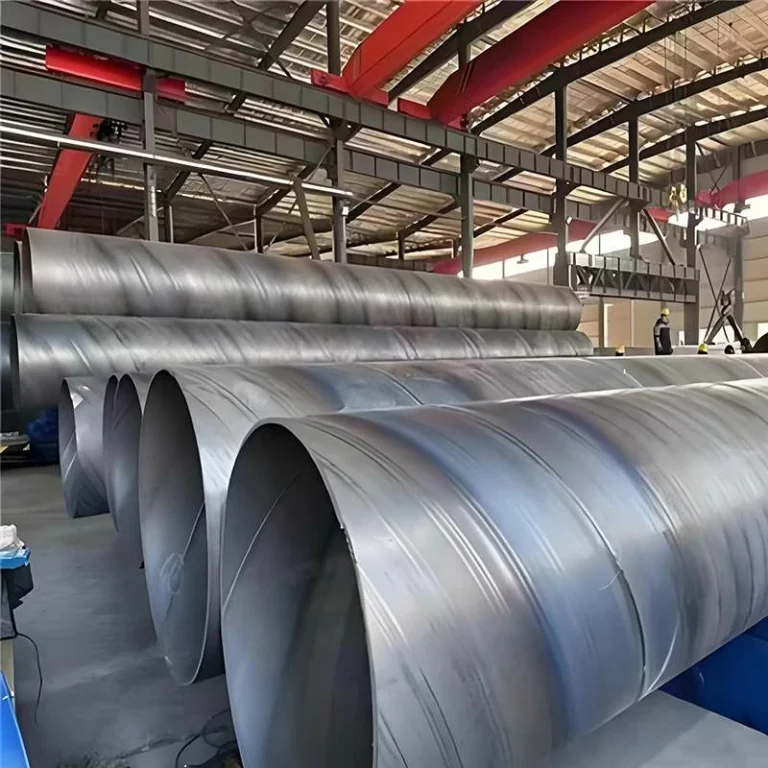
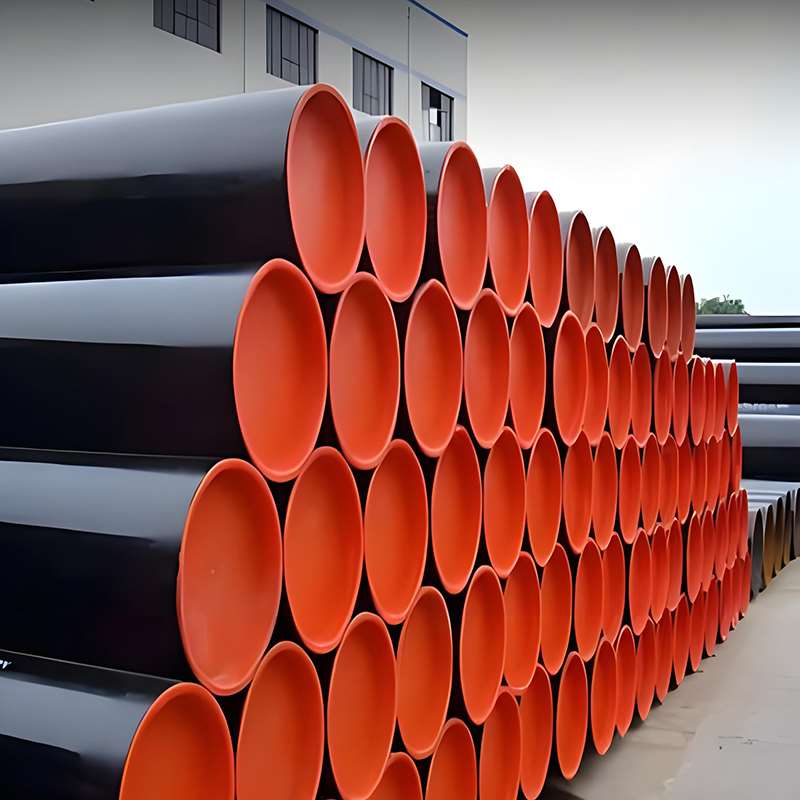
I. Introduction to ASTM A106 Seamless Carbon Steel Pipes for Oil and Gas Applications
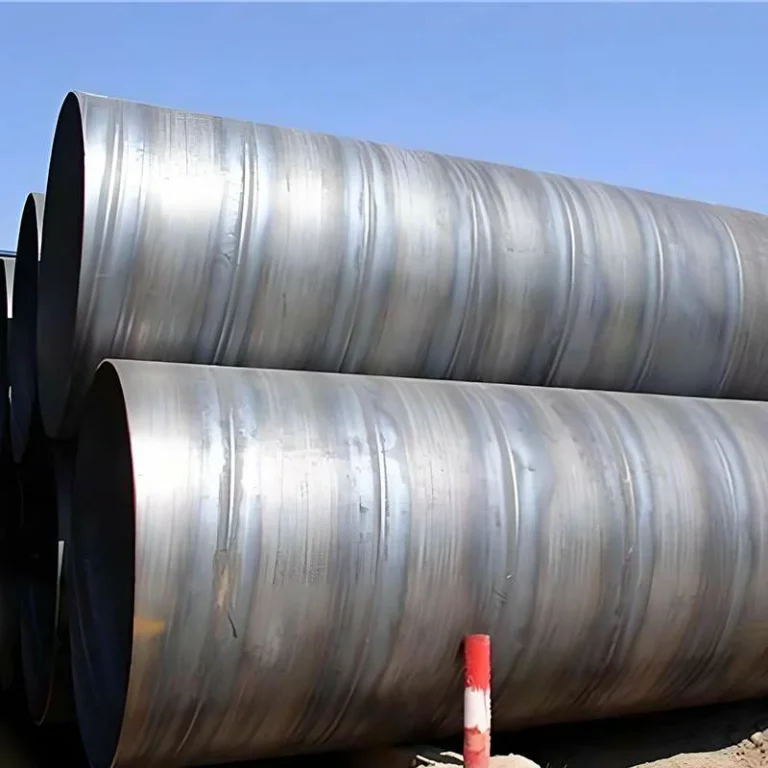
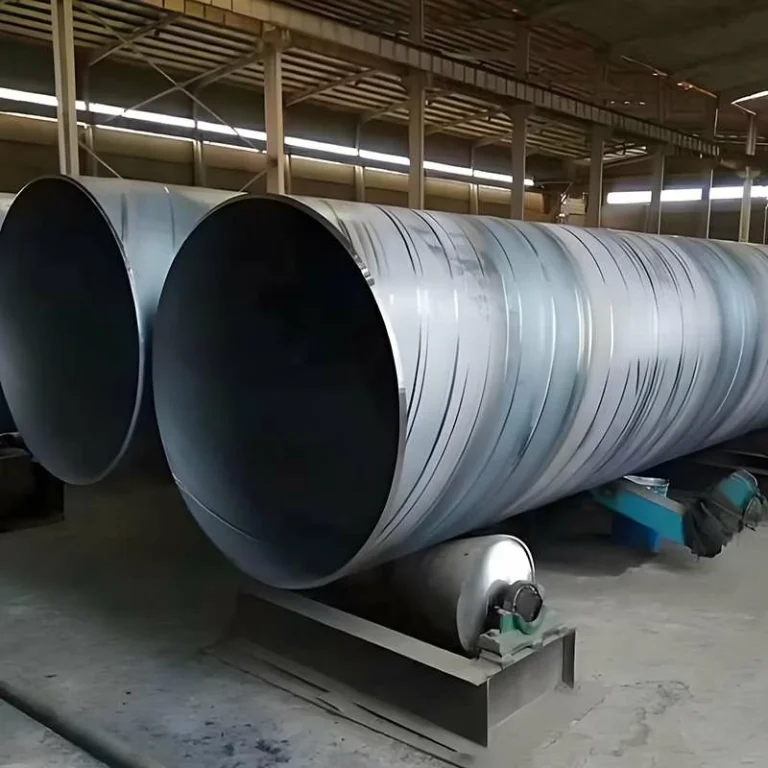
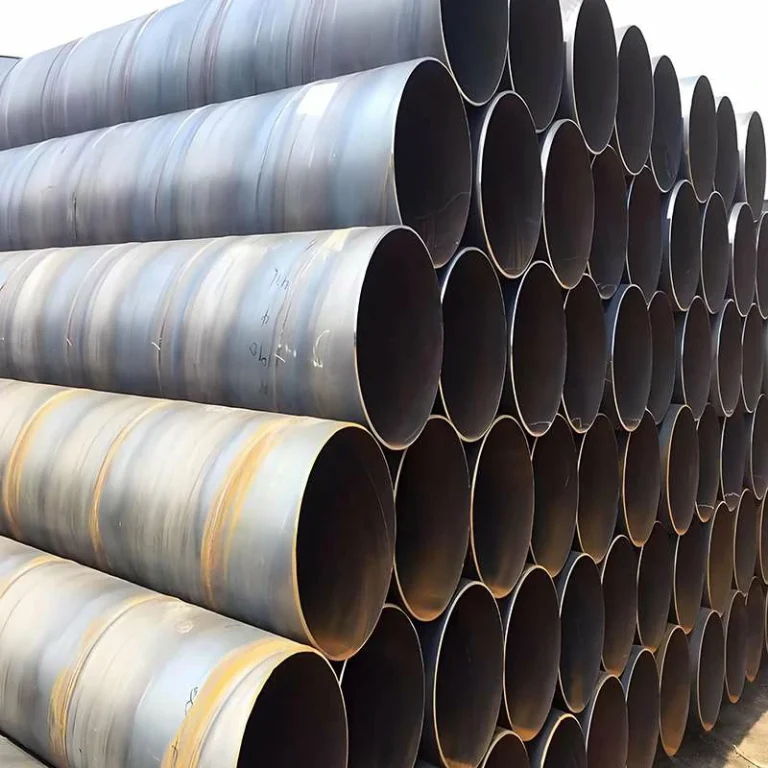
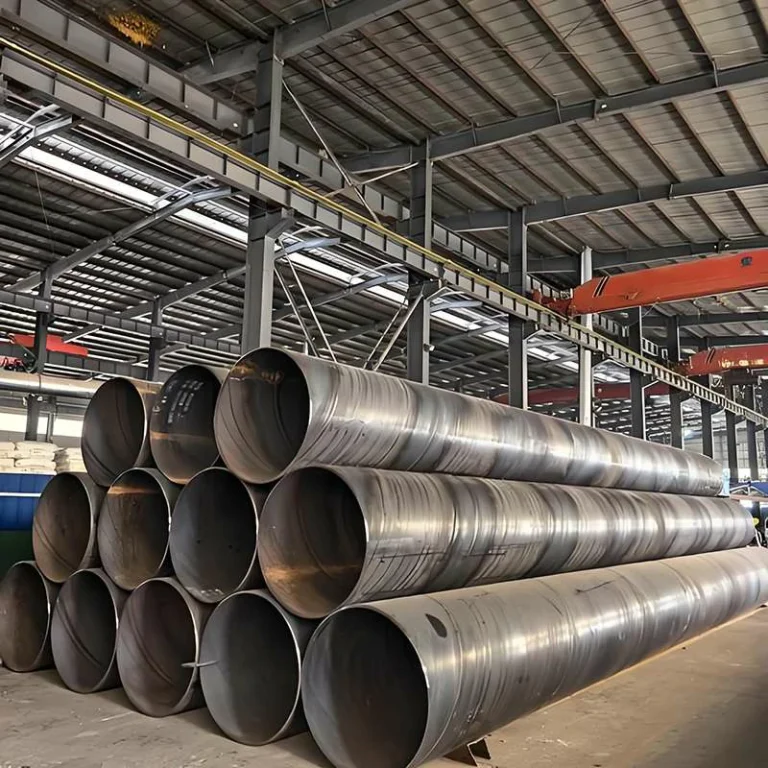
ASTM A106 seamless carbon steel pipes are high-quality steel pipes designed specifically for the oil and gas industry, suitable for high-temperature and high-pressure pipeline transportation.
These pipes feature smooth inner and outer surfaces, high pressure resistance, excellent corrosion resistance, and a long service life, meeting the needs of various industrial and energy pipeline projects.
The pipes are manufactured according to the ASTM A106 standard and are available in various material grades (Gr. B/C/D), diameters, and wall thicknesses, as well as diverse surface treatments and end finishes, facilitating installation and construction for different projects.
II. Comparison Table of ASTM A106 Seamless Carbon Steel Pipe Grades for Oil and Gas Applications
| Steel Grade | Chemical Composition Characteristics | Mechanical Property Characteristics | Typical Applications |
|---|---|---|---|
| Gr. B | Carbon content ≤ 0.30%, manganese 0.29–1.06%, low sulfur and phosphorus | Yield strength ≥ 240 MPa, tensile strength 415–550 MPa | Conventional oil and natural gas transmission pipelines; suitable for general to medium pressure service |
| Gr. C | Carbon content ≤ 0.30%, manganese 0.29–1.06%, low sulfur and phosphorus; suitable for elevated temperature service | Yield strength ≥ 260 MPa, tensile strength 415–570 MPa | Medium to high-temperature and high-pressure pipelines, such as oil, natural gas, and chemical process piping |
| Gr. D | Carbon content ≤ 0.35%, manganese 0.29–1.06%; suitable for high-temperature and high-pressure service | Yield strength ≥ 275 MPa, tensile strength 485–620 MPa | High-temperature and high-pressure pipelines, widely used in long-distance oil and gas transmission pipelines and boiler systems |
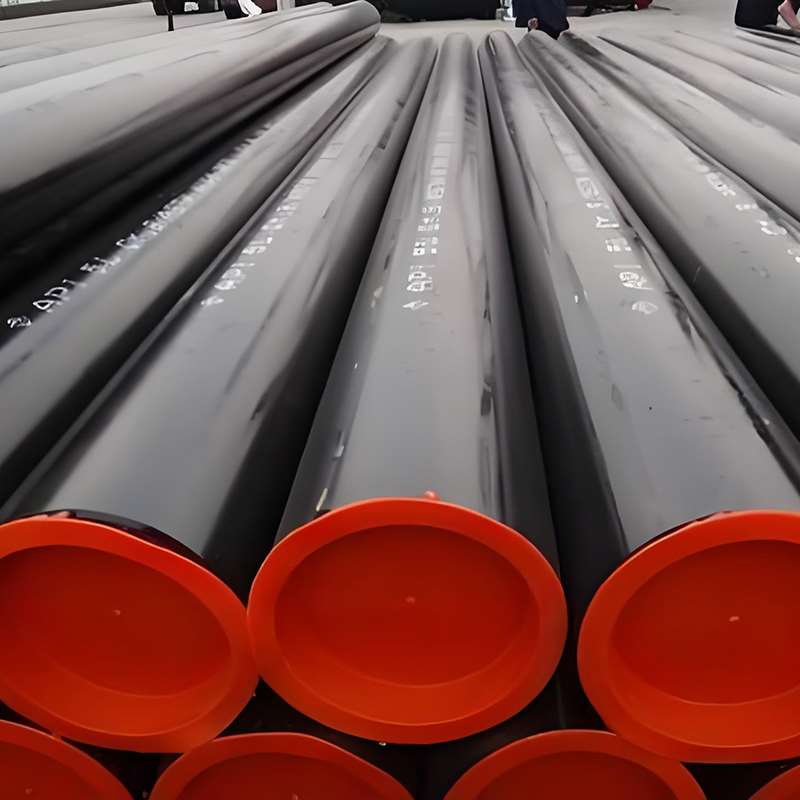
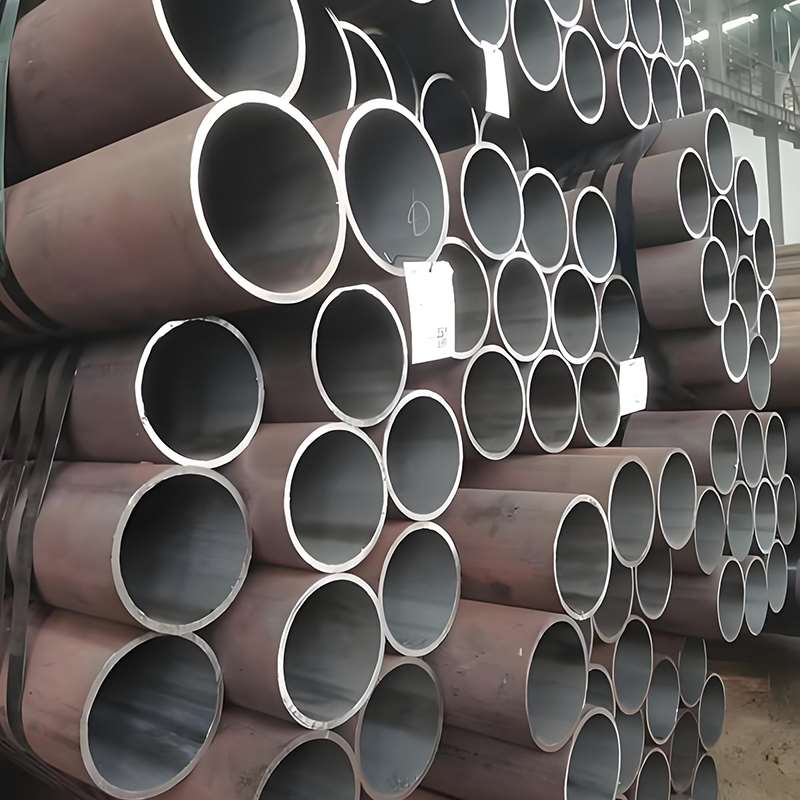
III. ASTM A106 Seamless Carbon Steel Pipe Specifications and Dimensions for Petroleum and Natural Gas Applications
| Nominal Pipe Size (NPS) | Outside Diameter OD (mm) | Wall Thickness SCH 10 (mm) | Wall Thickness SCH 40 / STD (mm) | Wall Thickness SCH 80 / XS (mm) | Common Length (m) |
|---|---|---|---|---|---|
| 1/2″ | 21.3 | 2.11 | 2.77 | 3.91 | 6 / 12 |
| 3/4″ | 26.7 | 2.41 | 3.38 | 4.55 | 6 / 12 |
| 1″ | 33.4 | 2.77 | 3.56 | 4.85 | 6 / 12 |
| 1 1/4″ | 42.2 | 2.87 | 3.91 | 5.16 | 6 / 12 |
| 1 1/2″ | 48.3 | 2.87 | 3.91 | 5.16 | 6 / 12 |
| 2″ | 60.3 | 2.87 | 3.91 | 5.16 | 6 / 12 |
| 2 1/2″ | 73.0 | 3.05 | 4.78 | 6.35 | 6 / 12 |
| 3″ | 88.9 | 3.05 | 5.49 | 7.11 | 6 / 12 |
| 4″ | 114.3 | 3.56 | 6.02 | 7.62 | 6 / 12 |
| 5″ | 141.3 | 3.68 | 6.55 | 8.74 | 6 / 12 |
| 6″ | 168.3 | 3.68 | 7.11 | 9.27 | 6 / 12 |
| 8″ | 219.1 | 4.19 | 8.18 | 9.53 | 6 / 12 |
| 10″ | 273.0 | 4.78 | 9.27 | 11.13 | 6 / 12 |
| 12″ | 323.9 | 5.16 | 10.31 | 12.70 | 6 / 12 |
| 14″ | 355.6 | 5.54 | 11.13 | 13.49 | 6 / 12 |
| 16″ | 406.4 | 5.54 | 12.70 | 15.09 | 6 / 12 |
| 18″ | 457.0 | 6.02 | 14.27 | 16.67 | 6 / 12 |
| 20″ | 508.0 | 6.35 | 15.09 | 18.26 | 6 / 12 |
| 24″ | 609.6 | 7.11 | 17.48 | 21.34 | 6 / 12 |
IV. Characteristics of Seamless Carbon Steel Pipes for Oil and Gas Applications
- High Pressure Bearing Capacity
Designed with ASTM A106 seamless carbon steel pipe body, ensuring uniform and stable pressure bearing capacity, meeting the medium and high-pressure operating conditions of onshore and offshore oil and gas pipelines. - Strong Corrosion Resistance
The pipe material can be coated with FBE, 3LPE, 3LPP and other anti-corrosion coatings, resisting corrosion from seawater, oil products, and some chemical media. The pipe ends and welds can undergo localized enhanced anti-corrosion treatment to ensure long-term safe and reliable use. - High Toughness and Resistance to Brittle Fracture
Using ASTM A106 Grade B seamless carbon steel pipe, with optimized steel chemical composition and good low-temperature impact toughness, suitable for cold regions and environments with frequent geological activity, effectively reducing the risk of brittle fracture. - High Dimensional Accuracy
Precise control of outer diameter, wall thickness, and length ensures pipeline connection sealing and overall construction stability, facilitating welding and installation. - Strict Industry Standards
The pipe material can comply with API 5L Grade B carbon steel pipe (for oil and gas pipelines), ASTM A106, GB/T 5310 and other standards. The steel grade and process meet oil and gas pipeline specifications, facilitating project acceptance. - Adaptability to Extreme Conditions
Can withstand high temperatures, high pressures, and some corrosive media, suitable for onshore high-pressure oil pipelines, offshore oil and gas pipelines, and long-distance natural gas pipelines. Wall thickness, length, and anti-corrosion solutions can be customized.
V. Selection Recommendations for ASTM A106 Seamless Carbon Steel Pipes for Oil and Gas Applications
- Select Steel Grade Based on Pressure Rating
For medium and low-pressure pipelines, ASTM A106 Grade B seamless carbon steel pipes are recommended.
For high-pressure or long-distance pipelines, consider higher strength grades or pipes conforming to API 5L Grade B carbon steel pipes (for oil and gas pipelines). - Select Pipe Type Based on Transported Medium
For oil, natural gas, or chemical media, select pipes treated with suitable anti-corrosion coatings (such as FBE, 3LPE, 3LPP).
For offshore environments, consider resistance to seawater corrosion and enhanced anti-corrosion treatment at the pipe ends. - Match Pipe Size and Wall Thickness to Operating Conditions
Determine the nominal pipe diameter and wall thickness (SCH 40 / SCH 80 / custom) to meet pressure and temperature requirements.
The accuracy of diameter and wall thickness directly affects pipeline welding and construction sealing. - Select Material Based on Environmental and Temperature Conditions
For cold regions, select steel grades with good low-temperature impact toughness to ensure resistance to brittle fracture.
For high-temperature applications, select steel grades with excellent heat resistance. - Customize Length and End Processing Based on Construction and Engineering Requirements
Regular lengths of 6 m / 12 m or custom lengths are available for easy transportation and on-site installation.
Pipe ends can be plain, threaded, or flanged to meet different construction needs. - Strictly Adhere to Industry Standards and Specifications
It is recommended to select products that comply with standards such as ASTM A106 for seamless carbon steel pipes for oil and gas applications, API 5L, and GB/T 5310 to ensure quality acceptance and project compliance.
VI. Corrosion Protection Scheme for ASTM A106 Seamless Carbon Steel Pipes for Oil and Gas Applications
- Internal Corrosion Protection
For pipelines transporting oil, natural gas, and certain chemical media, epoxy resin coatings or polyethylene linings can be used to reduce media corrosion and scaling.
Internal corrosion protection is suitable for long-distance pipelines and high-pressure pipelines, ensuring safe and stable fluid transportation. - External Corrosion Protection
FBE (Fusion Bonded Epoxy Coating): Suitable for onshore medium and high-pressure pipelines, with strong adhesion and good corrosion resistance.
3LPE / 3LPP (Three-Layer Polyethylene/Polypropylene Coating): Suitable for offshore and highly corrosive environments, with high resistance to mechanical damage and excellent long-term corrosion resistance.
Epoxy Asphalt Coating: Suitable for some offshore or soil corrosion environments, with simple construction. - Pipe End and Weld Corrosion Protection
The pipe ends can be protected with a reinforced anti-corrosion layer or anti-corrosion end caps.
The weld areas can be protected using heat-shrinkable sleeves, epoxy repair coatings, or local spraying to ensure overall corrosion protection continuity. - Additional Protective Measures
Cathodic Protection: Suitable for offshore pipelines or humid soil environments, reducing the corrosion rate through sacrificial anodes or impressed current.
Regular Maintenance: Regularly inspect the integrity of the pipeline coating and corrosion status to ensure long-term safe operation. - Standards and Specifications
The corrosion protection scheme can comply with industry standards such as ASTM A106 for seamless carbon steel pipes for oil and gas applications, API 5L, and ISO 12944.
The corrosion protection level, coating thickness, and construction process can be customized according to the project environment.
VII. ASTM A106 Seamless Carbon Steel Pipe for Oil and Gas Applications: Frequently Asked Questions
FAQ 1: What applications are suitable for ASTM A106 seamless carbon steel pipes?
ASTM A106 seamless carbon steel pipes for oil and gas applications are primarily used in high-temperature and high-pressure conditions, suitable for transporting oil, natural gas, steam, hot oil, and chemical media. They are widely used in onshore and offshore oil and gas pipeline systems.
FAQ 2: What are the common grades of ASTM A106 steel? How to choose the right grade?
Common grades include Gr. B, Gr. C, and Gr. D.
Gr. B: The most widely used, suitable for conventional medium-to-high pressure oil and gas pipelines.
Gr. C / Gr. D: Higher strength, suitable for higher pressure or temperature conditions.
Selection should be based on design pressure, temperature, and engineering specifications.
FAQ 3: Can ASTM A106 seamless carbon steel pipes be used for long-distance natural gas pipelines?
Yes. ASTM A106 pipes have strong pressure bearing capacity and high dimensional accuracy, making them suitable for long-distance natural gas pipelines. However, in some projects, API 5L line pipe steel may also be used according to specifications; the specific choice depends on the design standards.
FAQ 4: Do ASTM A106 seamless carbon steel pipes require anti-corrosion treatment?
In oil and gas applications, anti-corrosion treatment is usually recommended.
Common solutions include:
External anti-corrosion: FBE, 3LPE, 3LPP
Internal anti-corrosion: Epoxy coating or lining
The specific anti-corrosion method should be determined based on whether it is buried underground, offshore, or the corrosiveness of the medium.
FAQ 5: What are the common specifications and lengths of ASTM A106 seamless carbon steel pipes?
The common outer diameter range is 10 mm–610 mm, and the wall thickness covers SCH 10–SCH 160.
Standard lengths are generally 6 m or 12 m, but customized lengths and end processing forms can also be provided according to project requirements.
FAQ 6: What are the differences between ASTM A106 and API 5L pipeline steel pipes?
ASTM A106 mainly emphasizes performance under high-temperature and high-pressure conditions and is often used in process piping;
API 5L focuses more on the requirements of long-distance transmission pipelines. In oil and gas engineering, the two are often used together based on design requirements and specifications.