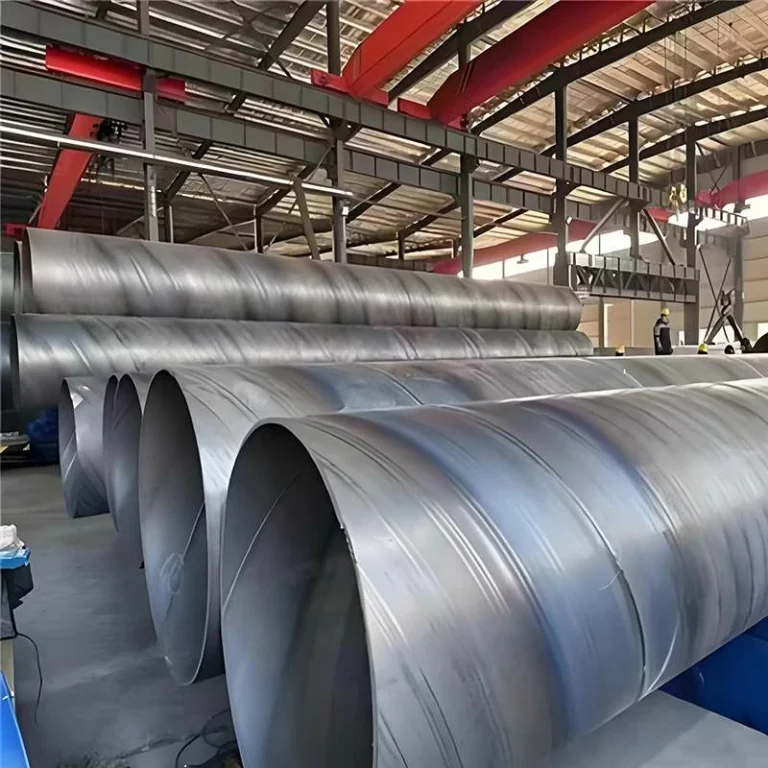
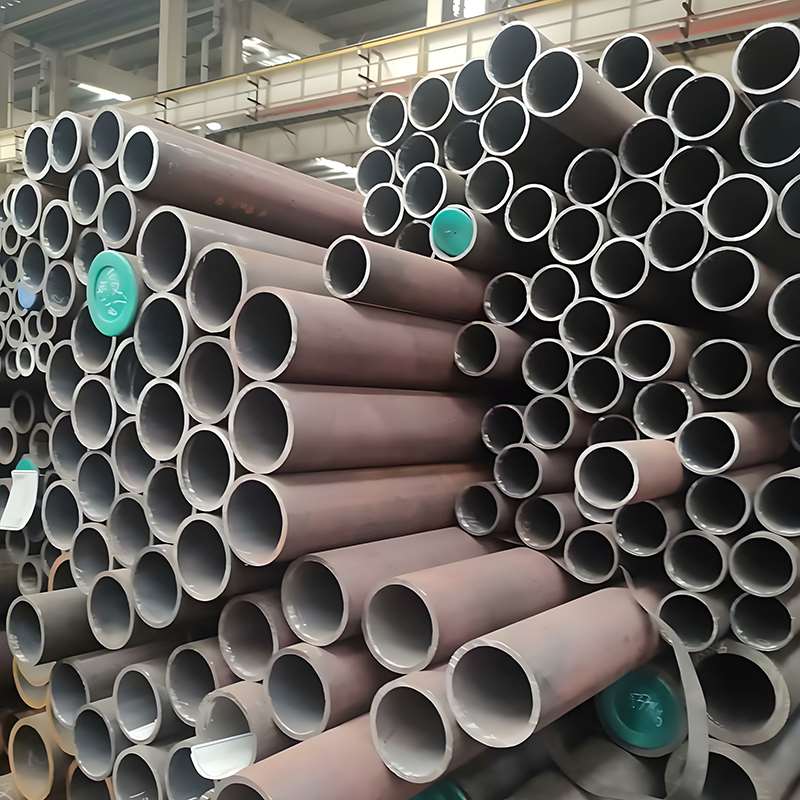
I. Overview of ASTM A106 Grade B Seamless Carbon Steel Pipe
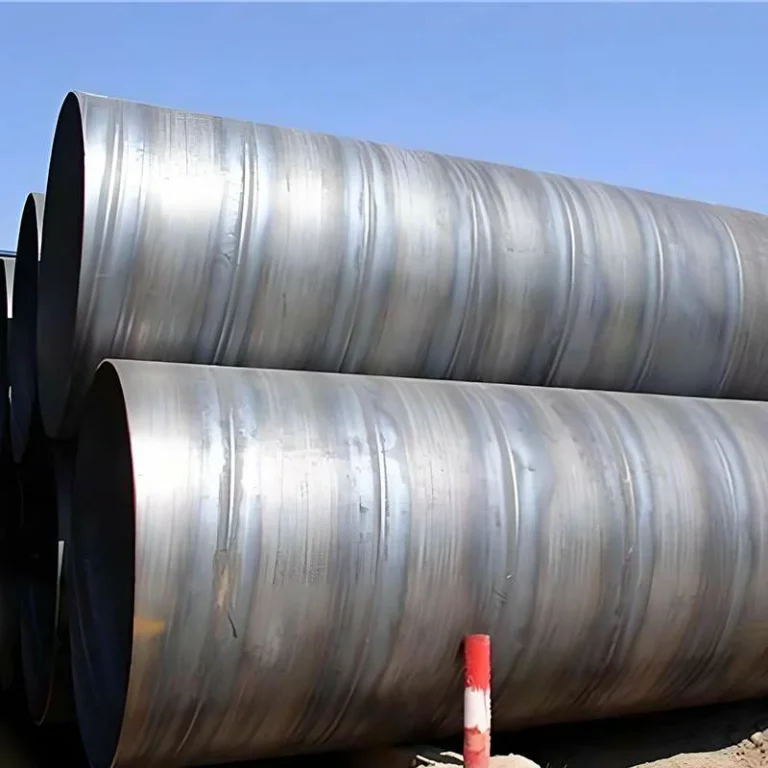
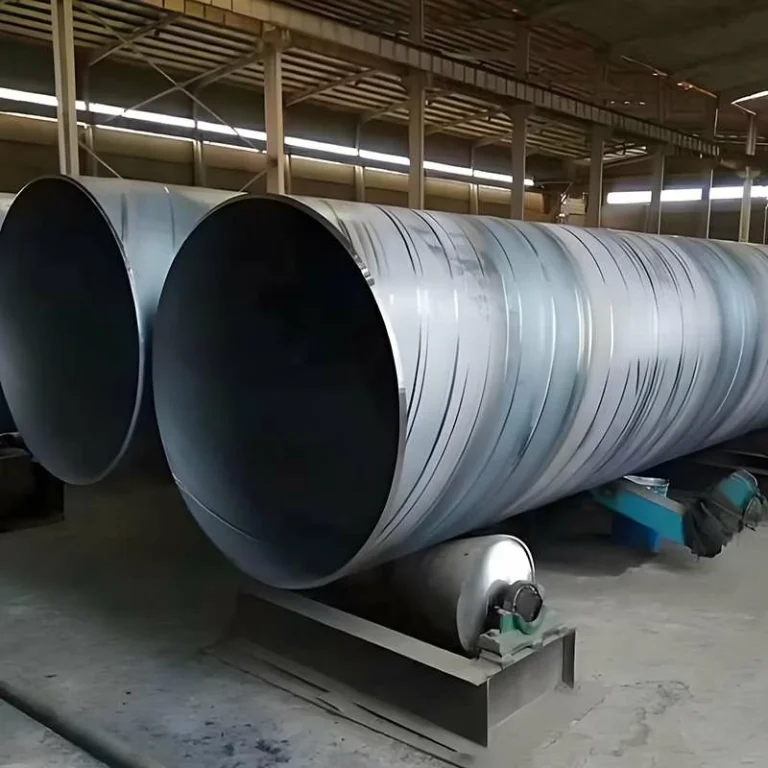
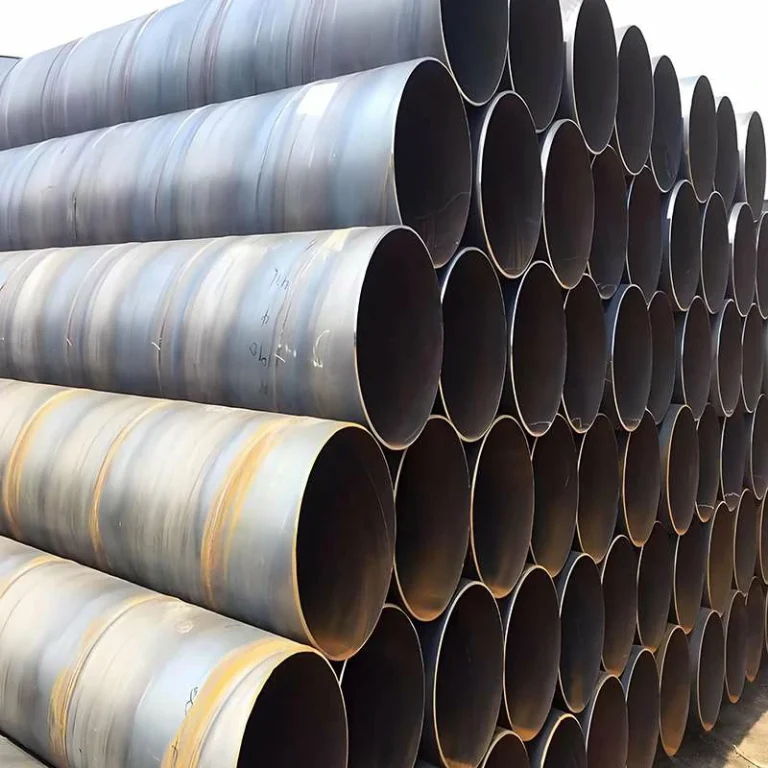
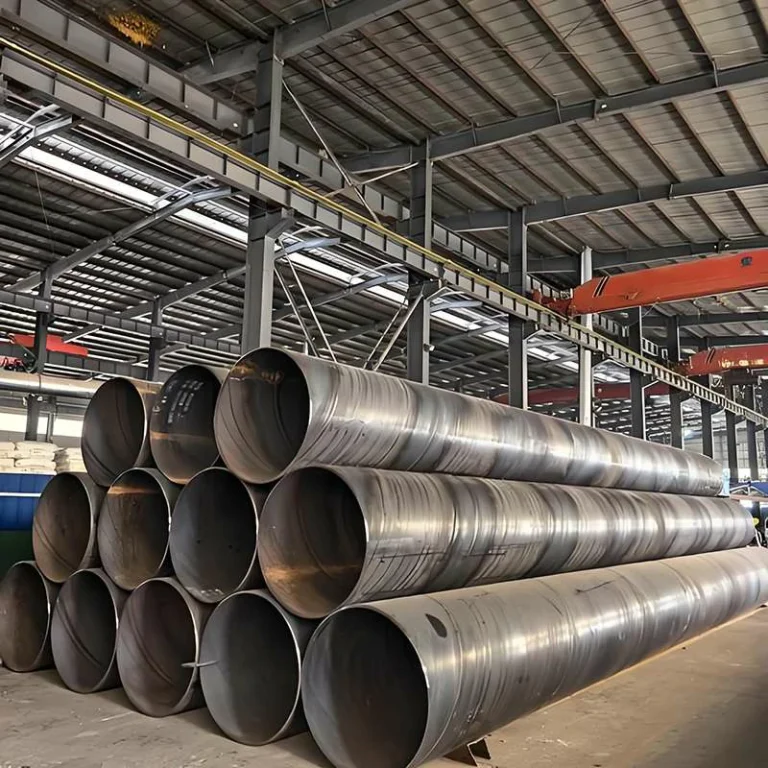
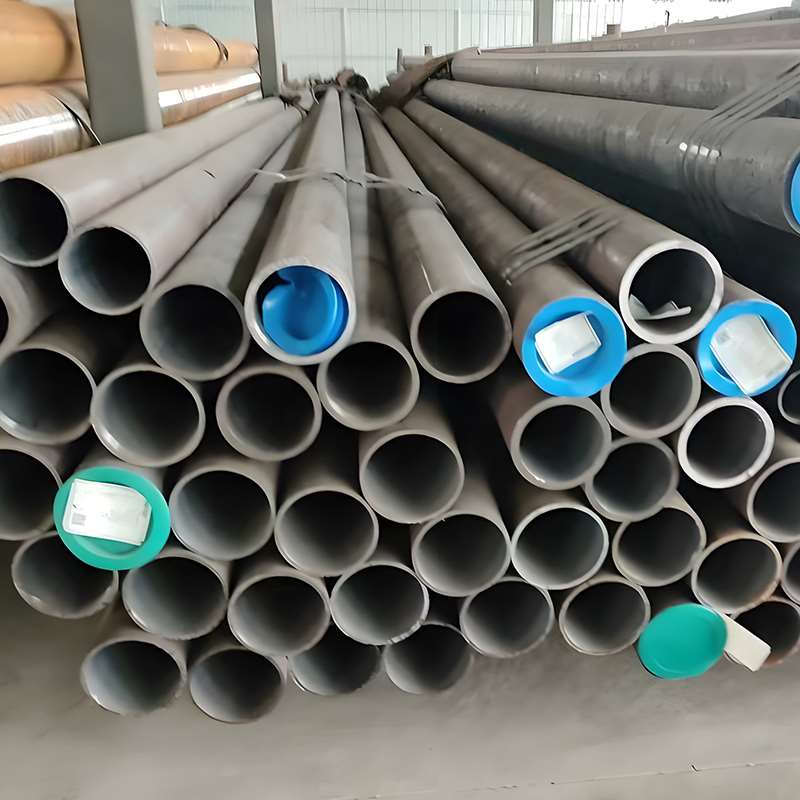
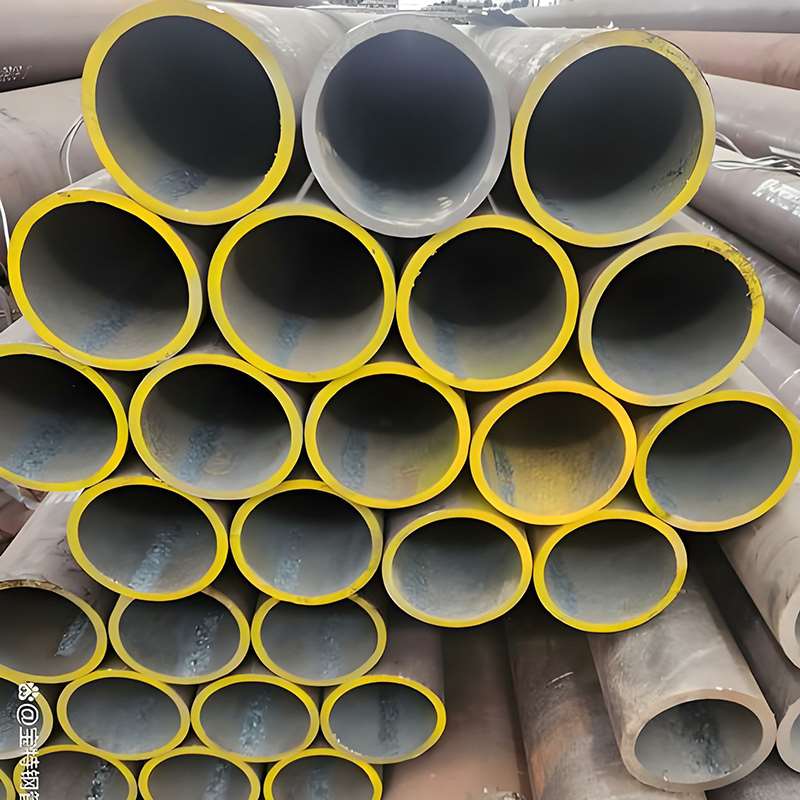
ASTM A106 Grade B seamless carbon steel pipe is a high-quality, heat-resistant, and pressure-resistant carbon steel pipe widely used in industrial pipeline systems for petroleum, natural gas, chemical, and power industries.
This pipe features a seamless construction, ensuring reliability and durability in high-temperature and high-pressure environments.
Product Features:
Seamless Construction: Formed through integral hot-rolling without weld seams, enhancing pressure and temperature resistance.
Superior High-Temperature Performance: Suitable for high-temperature steam, hot oil, and industrial pipeline media transportation.
High Strength and Toughness: Grade B carbon steel ensures excellent mechanical properties under high-pressure conditions.
Good Workability: Easily cut, welded, bent, and field-installed.
Flexible Surface Treatment: Available in hot-rolled bright finish or rust-preventive oil coating for extended storage and transportation.
Typical Application Areas:
Oil and gas pipelines
High-temperature steam pipelines
Boiler and heat exchanger piping
Chemical process pipelines
High-pressure pipeline systems for power and industrial engineering
Advantages:
High Pressure Resistance: Seamless construction withstands high operating pressures.
High Temperature Resistance: Suitable for long-term transport of high-temperature media.
High Reliability: Weld-free design minimizes leakage risks.
Wide Applicability: Extensively used in petrochemical, power generation, chemical, and industrial piping systems.
II. Chemical Composition and Mechanical Properties
1. Chemical Composition (ASTM A106 A/B/C)
| Element | Grade A (%) | Grade B (%) | Grade C (%) |
|---|---|---|---|
| Carbon (C) | ≤0.30 | ≤0.30 | ≤0.35 |
| Manganese (Mn) | 0.29–1.06 | 0.29–1.06 | 0.29–1.06 |
| Sulfur (S) | ≤0.035 | ≤0.035 | ≤0.035 |
| Phosphorus (P) | ≤0.035 | ≤0.035 | ≤0.035 |
| Silicon (Si) | ≥0.10 | ≥0.10 | ≥0.10 |
| Copper (Cu) | ≤0.40 | ≤0.40 | ≤0.40 |
| Nickel (Ni) | ≤0.30 | ≤0.30 | ≤0.30 |
| Chromium (Cr) | ≤0.30 | ≤0.30 | ≤0.30 |
| Molybdenum (Mo) | ≤0.15 | ≤0.15 | ≤0.15 |
2. Mechanical Properties Table (ASTM A106 A/B/C)
| Performance Property | Grade A | Grade B | Grade C |
|---|---|---|---|
| Yield Strength (MPa) | ≥ 240 | ≥ 245 | ≥ 260 |
| Tensile Strength (MPa) | 415–550 | 415–550 | 415–560 |
| Elongation after Fracture (50 mm) | ≥ 30% | ≥ 30% | ≥ 30% |
| Impact Toughness (20℃) | ≥ 27 J | ≥ 27 J | ≥ 27 J |
Summary
Grade A: Low strength, good toughness, suitable for low-pressure, medium-temperature pipelines.
Grade B: Excellent overall performance, commonly used in industrial pipelines, balancing strength and weldability.
Grade C: Highest strength, suitable for high-temperature, high-pressure environments.
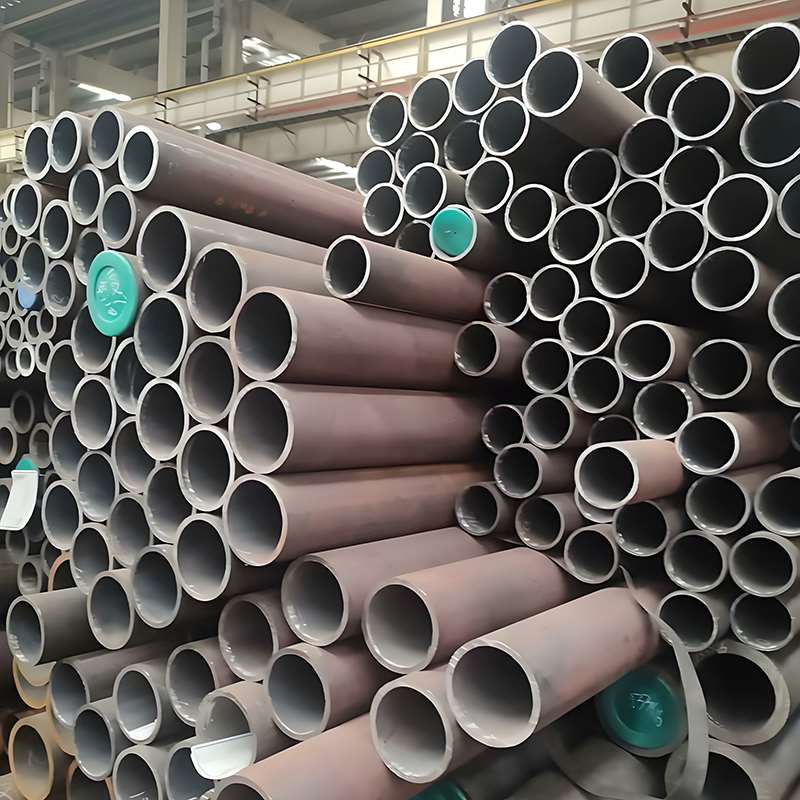
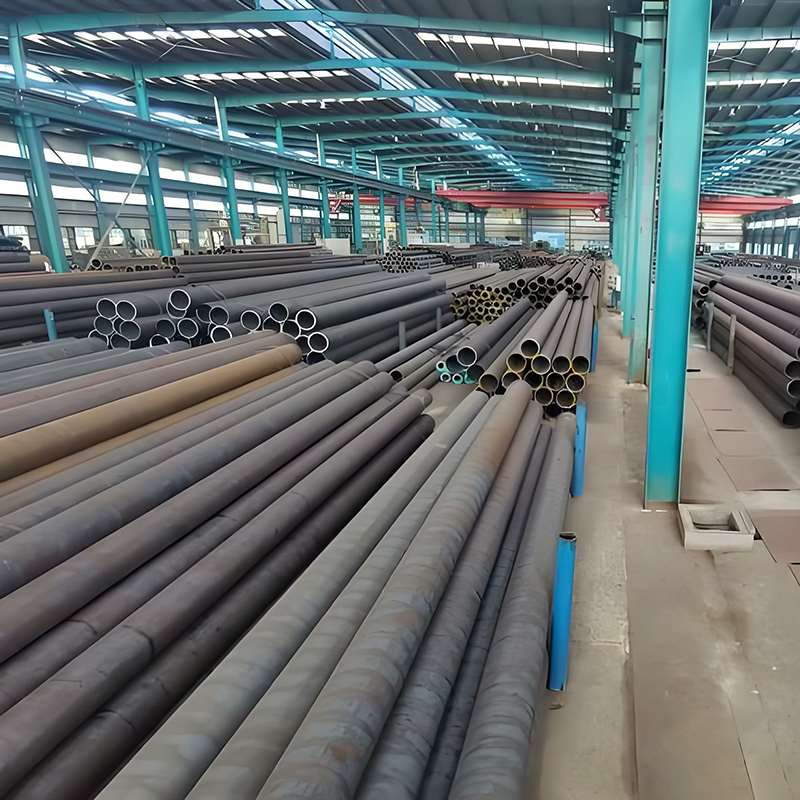
III. Application Fields of ASTM A106 Grade B Seamless Carbon Steel Pipe
- Oil and Gas Industry
Transportation of crude oil, natural gas, and refined petroleum products
Pipeline transportation systems, oil and gas well pipelines - High-Temperature Steam and Hot Water Piping
Industrial steam piping
Thermal power plants and hot water transportation systems - Boiler and Heat Exchanger Piping
High-temperature pressure pipes for boilers
Piping for heat exchangers and condensation systems - Chemical Industry
Chemical process piping
Transportation of high-temperature, high-pressure media - Power Generation Industry
High-temperature, high-pressure piping in thermal power plants
Water and steam piping in thermal engineering systems - Other Industrial Applications
High-pressure industrial piping
Connecting pipes for industrial equipment
High-temperature thermal oil and gas transportation systems
IV. Selection Recommendations for ASTM A106 Grade B Seamless Carbon Steel Pipes
1. Select wall thickness based on working pressure
Low-pressure pipelines (≤1.0 MPa): Thin-wall specifications may be selected to reduce costs.
Medium-to-high-pressure pipelines (1.0–5.0 MPa): Standard or thickened wall thicknesses should be chosen to ensure safety factors.
High-pressure pipelines (>5.0 MPa): Thickened wall thicknesses are recommended, and suitability of welding or connection processes must be verified.
2. Selecting Steel Pipe Grades Based on Operating Temperature
Room-temperature and medium-temperature pipelines (≤400°C): Grade B is sufficient to meet requirements.
High-temperature pipelines (>400°C): Consider Grade C or special alloy steel pipes to ensure long-term durability.
3. Select Materials and Surface Treatments Based on Conveyed Media
Clean water, air, oils: Standard Grade B seamless carbon steel pipes suffice.
Corrosive liquids or chemical media: Apply anti-corrosion coatings or select alloy steel pipes to prevent premature pipeline corrosion.
4. Select Outer Diameter Based on Pipe Size and Flow Rate
Low flow rate, small pipe diameter: DN15–DN50. Thin-wall specifications are available for easier installation.
High flow rate, large pipe diameter: DN80 and above. Ensure proper matching of wall thickness and pipe pressure rating.
5. Consider Standards and Certifications
Export Projects: Confirm compliance with ASTM A106 / ASME SA106 standards to avoid acceptance issues.
Domestic Projects: Select products based on project requirements or customer-specified standards to ensure consistent pipe specifications.
6. Installation and Maintenance Recommendations
Welding: Grade B material is field-weldable for convenient construction, but weld quality must be ensured.
Transportation and Storage: Avoid prolonged outdoor storage; apply rust-preventive oil or protective film as recommended.
Regular Inspection: For high-temperature, high-pressure pipelines, periodically inspect wall thickness and corrosion conditions.
V. ASTM A106 Grade B Seamless Carbon Steel Pipe Dimensions and Weight Comparison Table
| Nominal Size (DN) | Outer Diameter (mm) | Common Wall Thickness (mm) | Theoretical Weight (kg/m) |
|---|---|---|---|
| DN15 | 21.3 | 2.77 / 3.25 | 0.68 – 0.80 |
| DN20 | 26.9 | 2.87 / 3.25 | 0.95 – 1.15 |
| DN25 | 33.7 | 3.25 / 3.91 | 1.30 – 1.55 |
| DN32 | 42.4 | 3.25 / 4.00 | 1.80 – 2.20 |
| DN40 | 48.3 | 3.91 / 4.85 | 2.30 – 3.00 |
| DN50 | 60.3 | 3.91 / 4.85 | 3.80 – 5.00 |
| DN65 | 76.1 | 4.85 / 5.54 | 5.60 – 7.20 |
| DN80 | 88.9 | 5.54 / 6.02 | 7.60 – 9.20 |
| DN100 | 114.3 | 6.02 / 6.35 | 11.0 – 13.0 |
| DN125 | 139.7 | 6.35 / 7.11 | 15.5 – 18.0 |
| DN150 | 168.3 | 6.35 / 7.11 | 20.5 – 23.5 |
| DN200 | 219.1 | 6.35 / 8.18 | 28.0 – 36.0 |
| DN250 | 273.0 | 7.11 / 8.56 | 40.0 – 48.0 |
| DN300 | 323.9 | 8.18 / 9.53 | 55.0 – 65.0 |
VI. ASTM A106 Grade B Seamless Carbon Steel Pipe Working Pressure and Temperature Comparison Table
| Working Temperature (℃) | Recommended Pipe Grade | Common Wall Thickness (mm) | Maximum Working Pressure (MPa) | Typical Applications |
|---|---|---|---|---|
| ≤100 | Grade B | 2.77 – 4.85 | 2.0 – 2.5 | Water supply, low-pressure steam, air lines |
| 101 – 200 | Grade B | 3.25 – 6.02 | 2.0 – 2.8 | Medium-temperature steam, industrial hot water pipes |
| 201 – 300 | Grade B | 4.00 – 6.35 | 2.5 – 3.2 | Petroleum, chemical medium-temperature high-pressure pipelines |
| 301 – 400 | Grade B | 4.85 – 7.11 | 2.8 – 3.5 | High-temperature steam, hot oil pipelines |
| 401 – 450 | Grade B / C | 6.35 – 8.18 | 3.0 – 4.0 | High-temperature boilers, chemical high-pressure pipelines |
| 451 – 500 | Grade C | 7.11 – 9.53 | 3.5 – 4.5 | High-temperature high-pressure steam, industrial boilers |
| >500 | Grade C | 8.18 – 12.7 | 4.0 – 5.0 | Special high-temperature high-pressure industrial pipelines |
VII. Frequently Asked Questions (FAQ) on ASTM A106 Grade B Seamless Carbon Steel Pipe Selection
Q1: What’s the difference between Grade B and Grade A or C? Which should I choose?
A: Grade B is the most commonly used grade, offering moderate strength suitable for medium-temperature, medium-pressure pipelines. Grade A has lower strength and is suitable for low-pressure pipelines; Grade C has higher strength and is suitable for high-temperature, high-pressure pipelines. Selection should be based on operating temperature and pressure.
Q2: How do I select pipe wall thickness?
A: Wall thickness selection requires consideration of operating pressure, temperature, and pipe diameter. Thin walls may be used for low-pressure pipelines, while thicker walls are necessary for high-pressure or high-temperature pipelines, ensuring compliance with design safety factors.
Q3: Can ASTM A106 Grade B pipe be used directly for transporting corrosive media?
A: Standard Grade B carbon steel pipes have limited corrosion resistance. For corrosive media, apply anti-corrosion coatings or select alloy steels to ensure long-term pipeline safety.
Q4: How should pipeline length and installation convenience be considered?
A: Standard lengths are 6 m or 12 m, with custom cutting available. Installation should account for transportation and on-site welding ease. Larger diameters and thicker walls incur higher transportation and installation costs.
Q5: Is ASTM A106 Grade B reliable for high-temperature steam or hot oil pipelines?
A: Grade B is suitable for general industrial high-temperature steam applications. However, for temperatures exceeding 400°C or higher pressures, consider Grade C or thicker-walled pipes to ensure long-term operational safety.