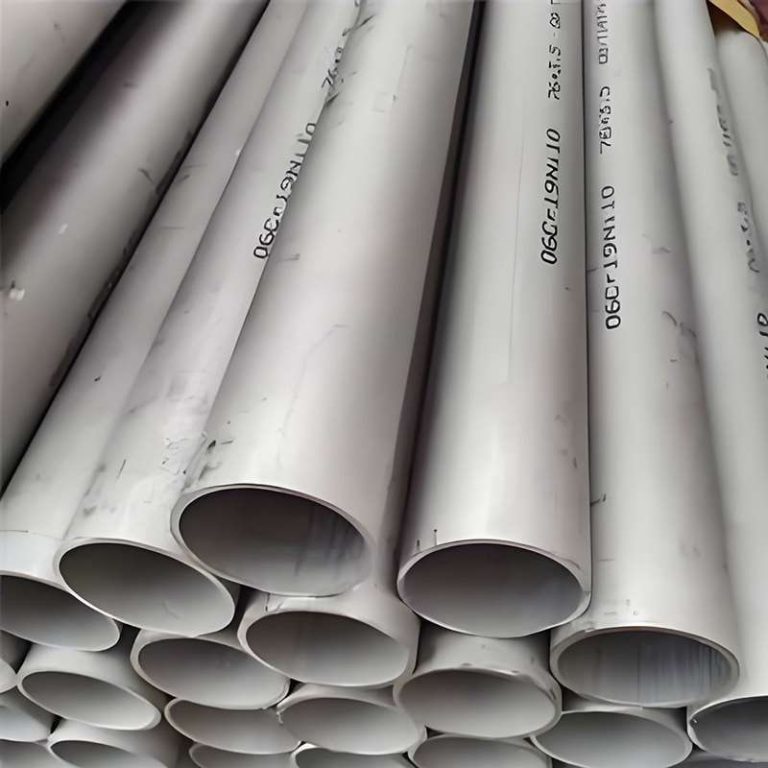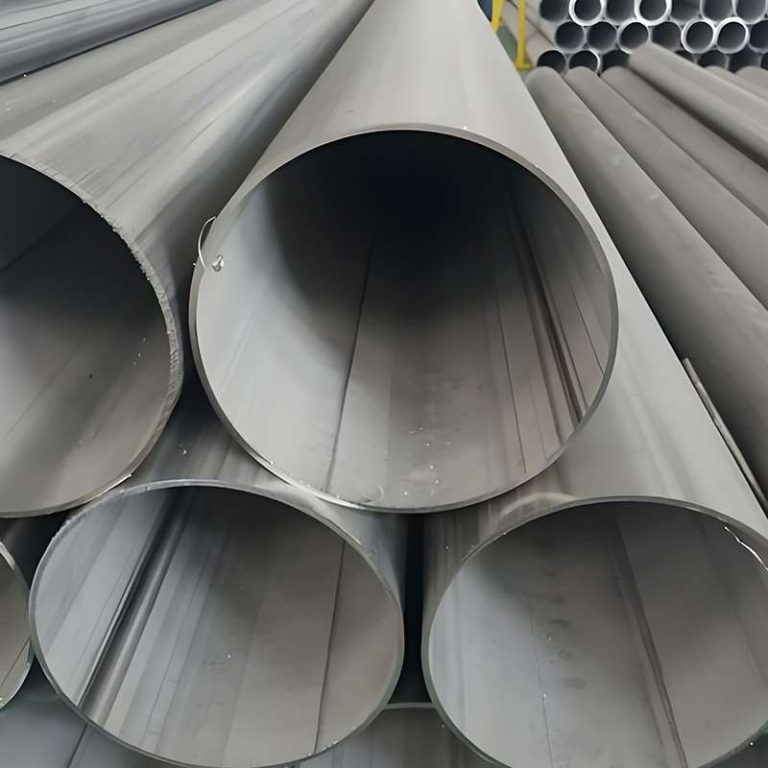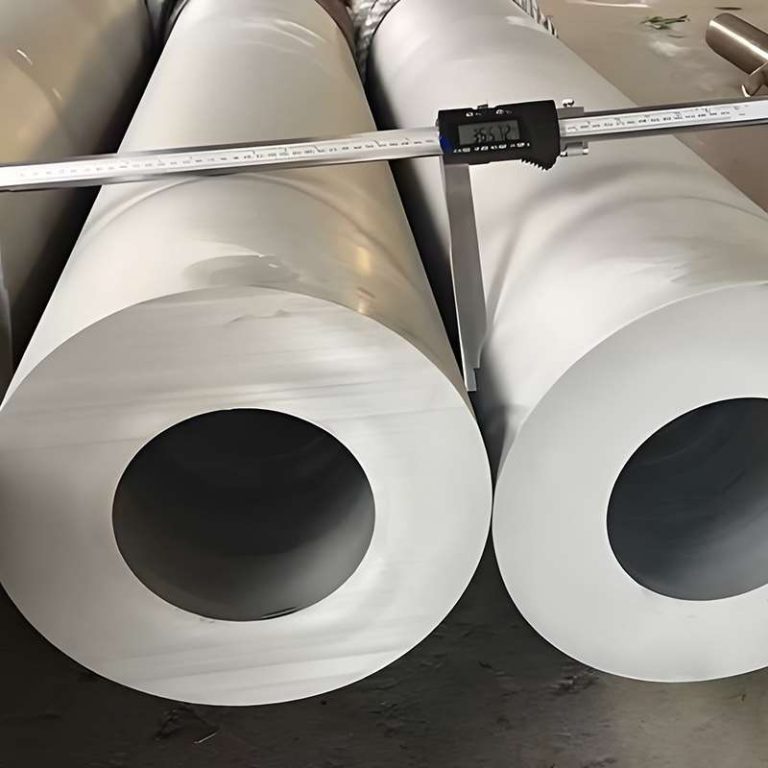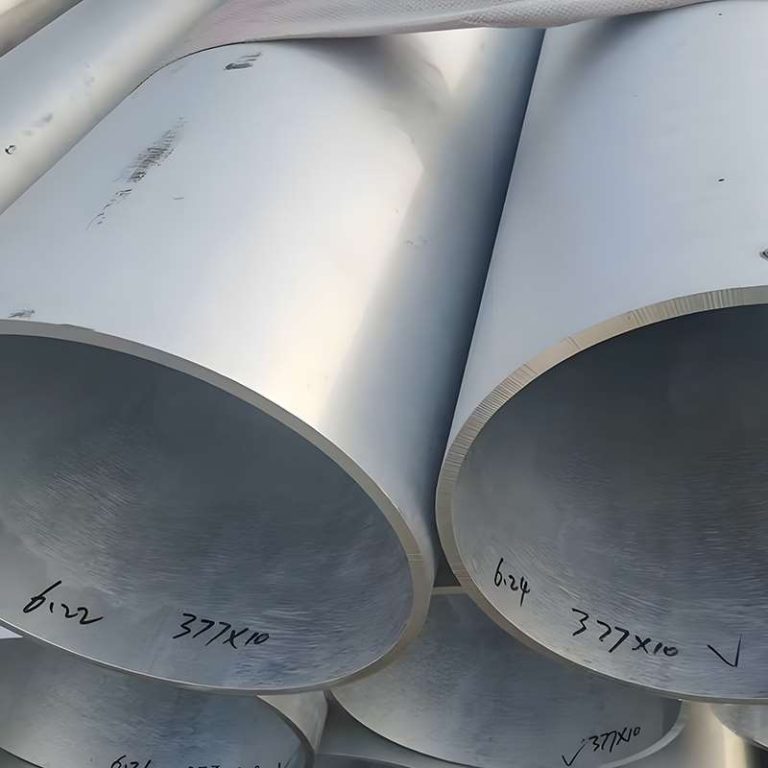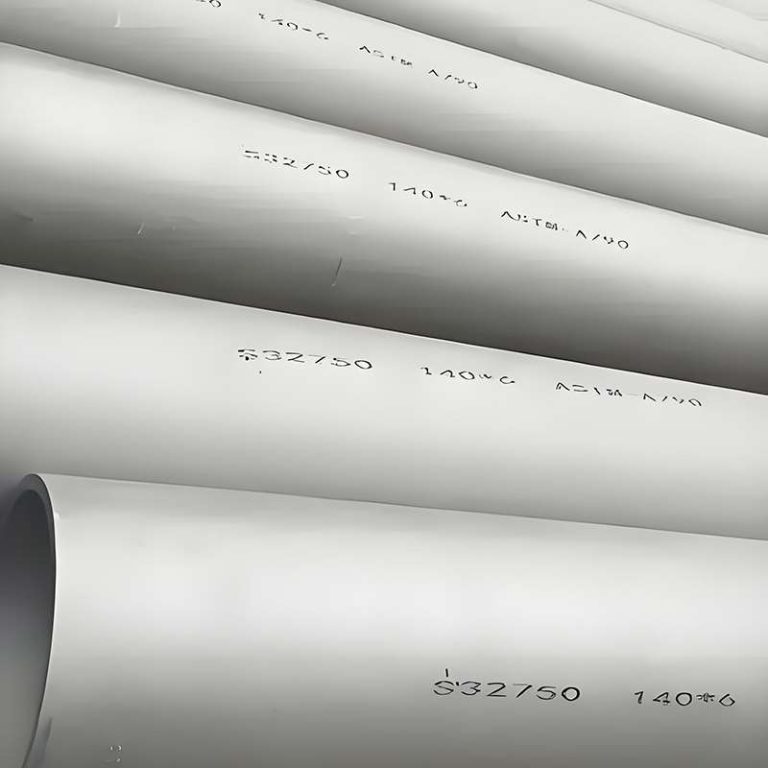
I. Introduction to Super Duplex 2507 Stainless Steel Pipes
Super Duplex 2507 stainless steel pipe is a high-performance duplex stainless steel pipe material that combines the advantages of both austenitic and ferritic stainless steels. It possesses extremely high corrosion resistance, excellent stress corrosion cracking resistance, and superior mechanical strength, making it particularly suitable for highly corrosive environments and harsh industrial conditions.
Super Duplex 2507 pipes are available in various specifications and can be produced using hot rolling or cold drawing processes. The ends can be finished as plain ends, threaded ends, or flanged ends. The surface can be pickled and brightened or polished to improve corrosion resistance and aesthetics.
II. Super Duplex 2507 Stainless Steel Pipe Standards and Grades
| Standard System | Applicable Standard / Description | Corresponding Grade / Designation |
|---|---|---|
| ASTM / ASME | ASTM A790 (Seamless / Welded Duplex Stainless Steel Pipes) | Super Duplex 2507 |
| ASTM / ASME | ASTM A789 (Welded Duplex Stainless Steel Pipes) | Super Duplex 2507 |
| ASTM / ASME | ASTM A182 (High-Performance Stainless Steel Pipe Fittings & Flanges) | Super Duplex 2507 |
| EN / ISO | EN 10216-5 (Corrosion-Resistant Stainless Steel Seamless Pipes) | 1.4410 |
| EN / ISO | EN 10217-7 (Corrosion-Resistant Stainless Steel Welded Pipes) | 1.4410 |
| UNS (USA) | Unified Numbering System | S32750 |
| W. Nr. (Germany) | German Steel Number | 1.4410 |
| NORSOK | Norwegian Offshore Standard, Common in Marine Engineering | Super Duplex 2507 |
| GB/T (China) | GB/T 32770 (Duplex Stainless Steel Pipe Standard) | Super Duplex 2507 |
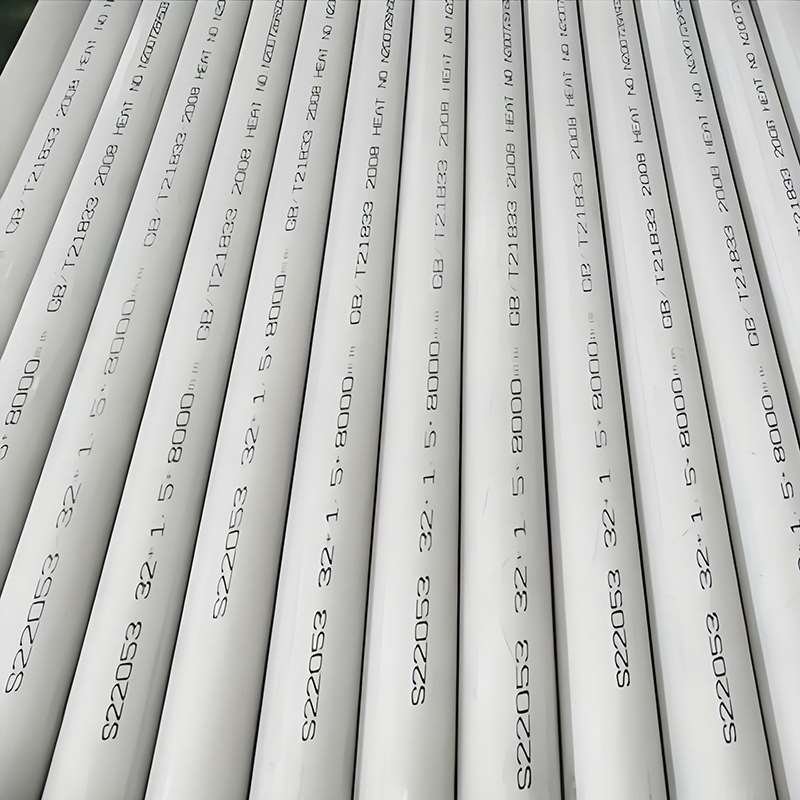
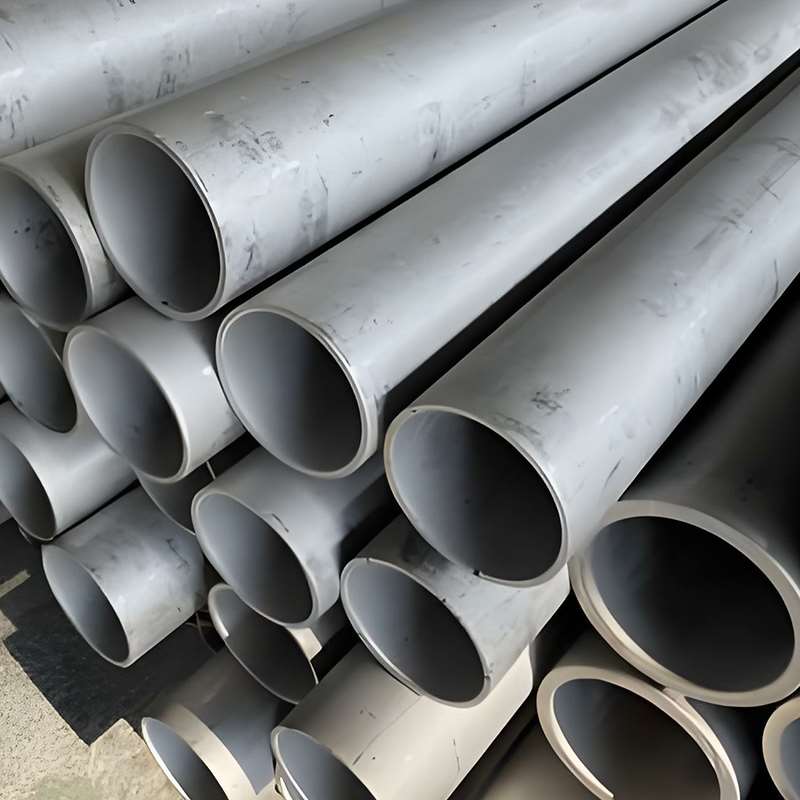
III. Chemical Composition of Super Duplex 2507 Stainless Steel Pipes
| Element | Content Range (%) | Description |
|---|---|---|
| Carbon (C) | ≤ 0.03 | Controls risk of intergranular corrosion |
| Chromium (Cr) | 24 – 26 | Improves corrosion resistance |
| Nickel (Ni) | 6 – 8 | Enhances toughness and corrosion resistance |
| Molybdenum (Mo) | 3 – 5 | Resists pitting and crevice corrosion |
| Nitrogen (N) | 0.24 – 0.32 | Increases strength and stress corrosion resistance |
| Manganese (Mn) | ≤ 1.0 | Process control element |
| Silicon (Si) | ≤ 0.8 | Process control element |
| Phosphorus (P) | ≤ 0.035 | Limits harmful impurities |
| Sulfur (S) | ≤ 0.01 | Limits harmful impurities |
| Iron (Fe) | Balance | Base matrix element |
IV. Mechanical Properties of Super Duplex 2507 Stainless Steel Pipes
| Mechanical Property | Value Range | Description |
|---|---|---|
| Yield Strength (σ₀.₂) | ≥ 550 MPa | Ensures the pipe does not undergo plastic deformation under working stress |
| Tensile Strength (σb) | 750 – 950 MPa | Ensures the pipe can withstand tensile loads |
| Elongation (δ5) | ≥ 25 % | Provides good toughness and ductility |
| Hardness (HB) | ≤ 280 HB | Controls material hardness for easier welding and forming |
| Impact Toughness (KV) | ≥ 80 J (Room Temperature) | Provides good impact resistance at room temperature |
V. High-Temperature Performance of Super Duplex Stainless Steel 2507 Tubing
| High-Temperature Property | Value Range / Description | Notes |
|---|---|---|
| Operating Temperature Range | -50°C to 300°C (continuous service) | Maintains mechanical properties under high-temperature conditions |
| High-Temperature Creep Strength | Excellent, suitable for long-term thermal stress | Applicable for steam pipelines and heat exchangers |
| Oxidation Resistance | Forms stable oxide layer in air at 300–350°C | Enhances corrosion resistance and service life |
| Coefficient of Thermal Expansion | 13.0 ×10⁻⁶ /°C (20–100°C) | Reference value for pipe design and expansion compensation |
| High-Temperature Stress Corrosion Resistance | Excellent | Suitable for long-term service in chloride-containing environments |
Note: For use in higher temperature environments (>300°C), please refer to the specific operating conditions and pipe material design life, and consider incorporating high-temperature test data.
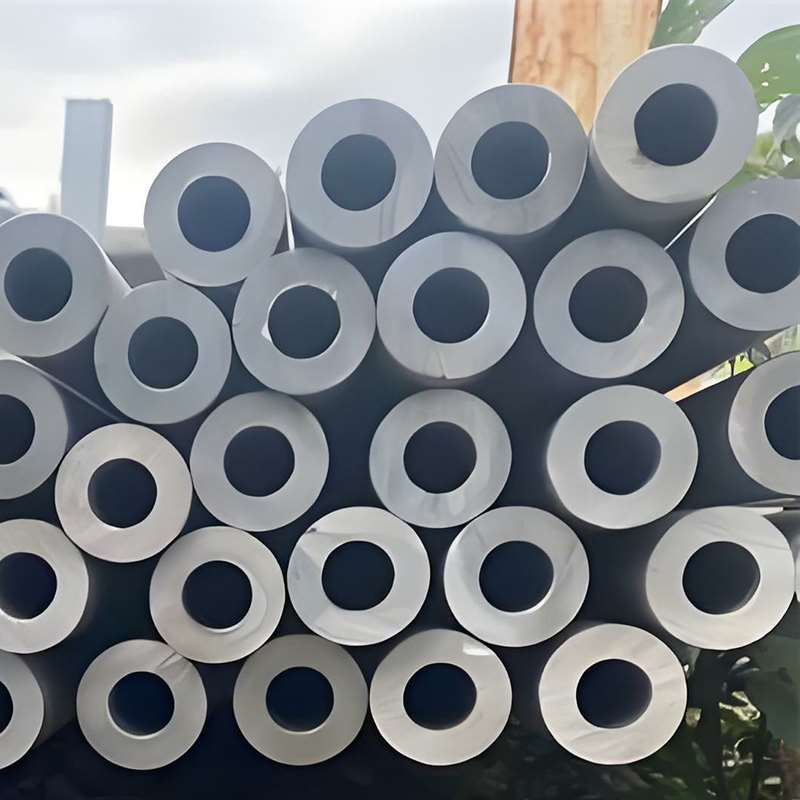
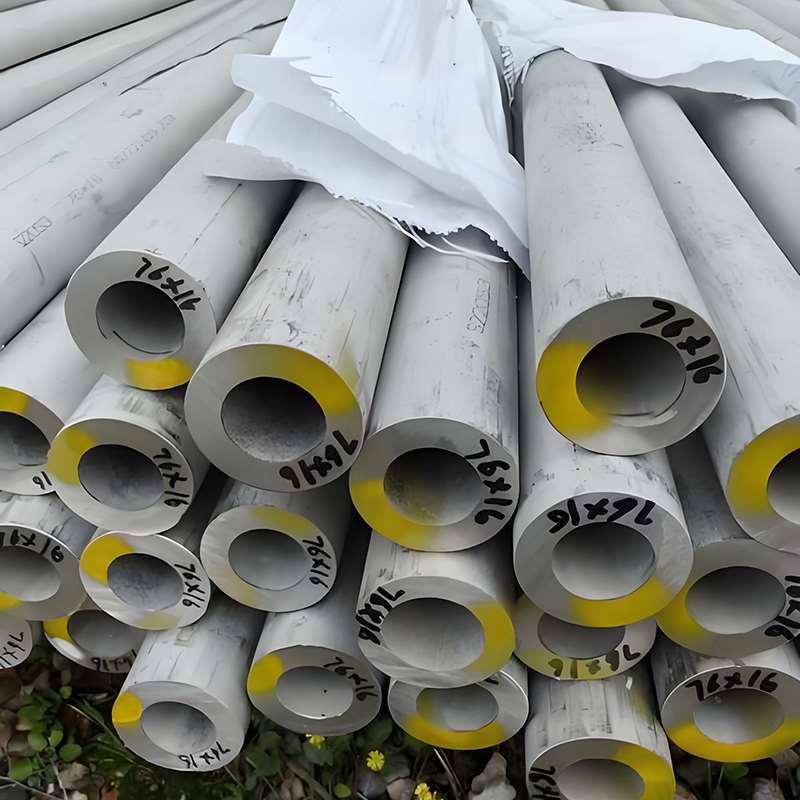
VI. Advantages of Super Duplex 2507 Stainless Steel Pipes in Industrial Applications
- Superior Corrosion Resistance: Resistant to pitting corrosion, crevice corrosion, and stress corrosion cracking, suitable for seawater, acid, alkali, and chemical environments.
- High Strength and Toughness: Yield strength ≥550MPa, tensile strength 750–950MPa, ensuring safety and reliability even with reduced wall thickness.
- Excellent High-Temperature Performance: Can be used long-term in operating conditions from -50°C to 300°C, suitable for steam pipelines and heat exchangers.
- Good Weldability and Machinability: Supports TIG/MIG welding, pipe bending, and flange processing, facilitating construction.
- Low Maintenance and Long Service Life: Corrosion and stress cracking resistance reduce maintenance costs, making it suitable for marine engineering, petrochemicals, shipbuilding, and other industries.
VII. Frequently Asked Questions about Super Duplex 2507 Stainless Steel Pipes
Q1: Will the pipes rust during long-term operation?
A: They will not rust under normal industrial conditions, but localized corrosion may occur on the surface if they come into contact with less corrosion-resistant metals or if impurities accumulate. Regular cleaning and pickling or passivation treatment are recommended.
Q2: Can the pipes withstand high-temperature steam during operation?
A: They can withstand high-temperature steam (≤300°C) for extended periods, maintaining their strength and toughness under high-temperature conditions. Thermal expansion and support spacing should be considered during installation.
Q3: What precautions should be taken after pipe welding?
Answer: After welding, slag and oxide scale should be removed promptly. Acid pickling or polishing treatment can be performed to prevent localized corrosion and stress corrosion cracking.
Q4: How to reduce maintenance costs during daily use?
Answer: Keep the inner and outer surfaces of the pipes clean to avoid the accumulation of impurities; regularly inspect welds, support points, and connectors, and address any problems promptly.
Q5: What to do if the pipeline experiences vibration or thermal expansion?
Answer: Ensure that expansion space is reserved during installation, and use appropriate supports and expansion joints to avoid stress concentration and pipe deformation.