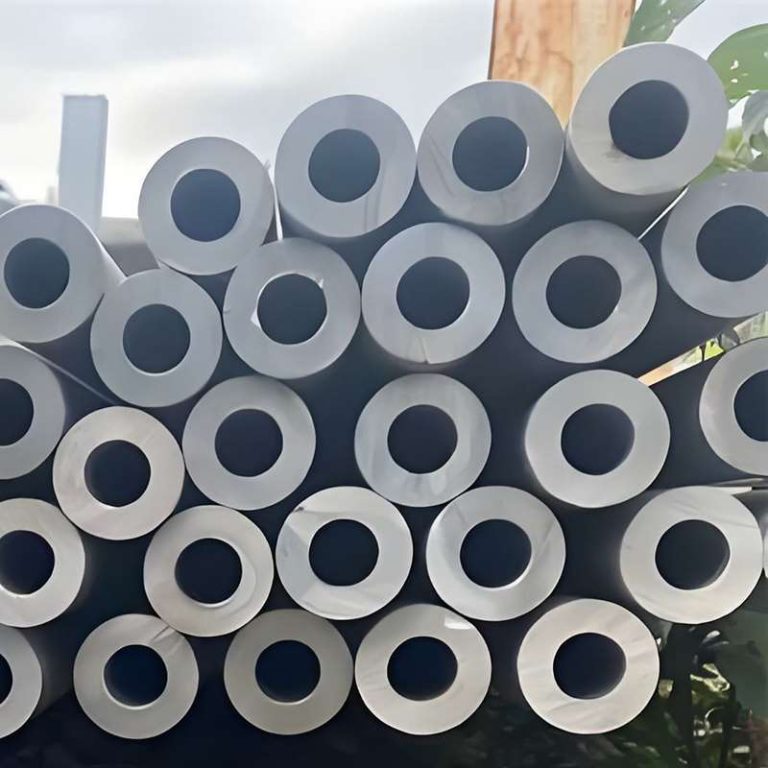
I. Introduction to Duplex Stainless Steel Seamless Pipes
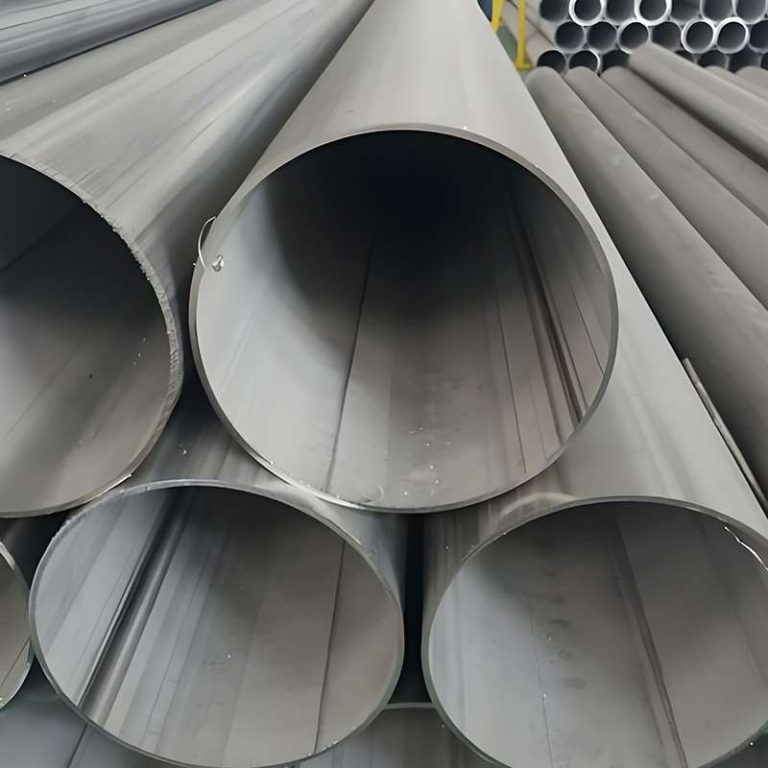
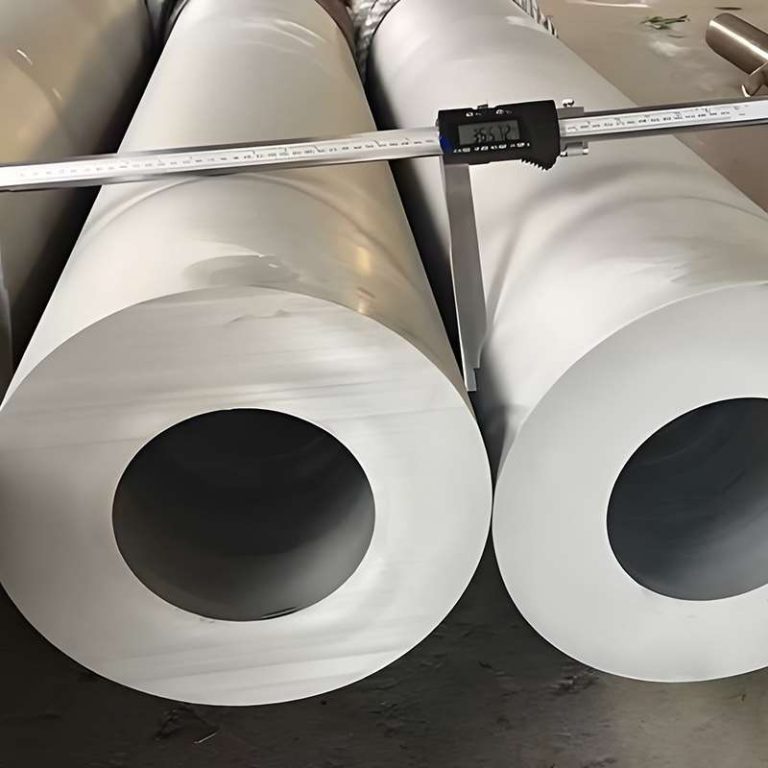
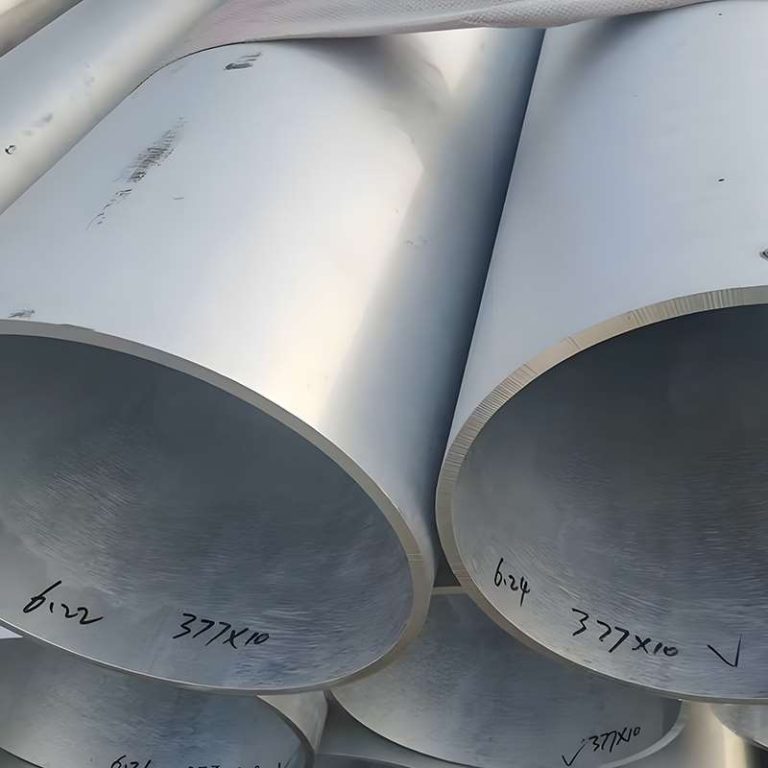
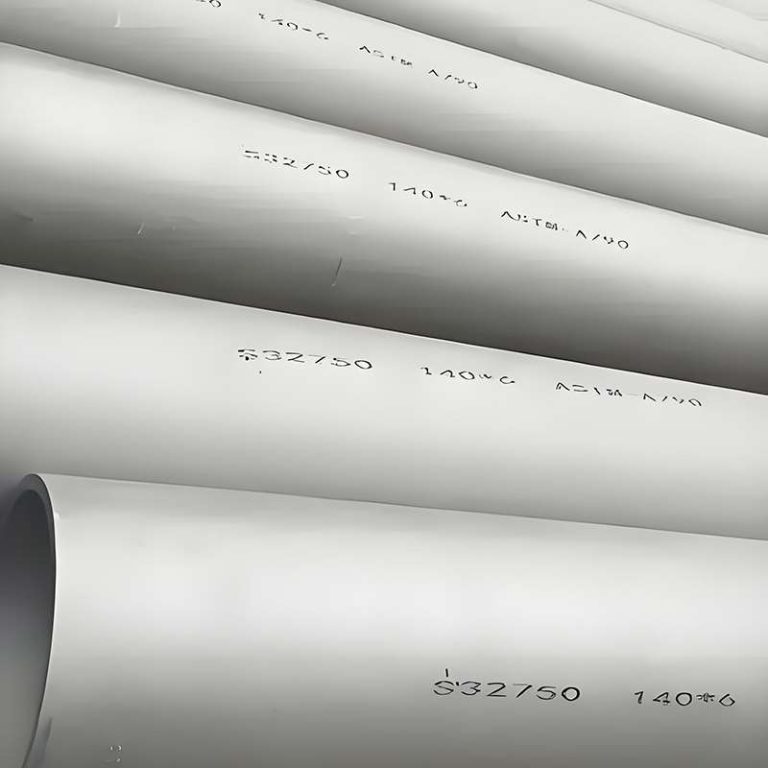
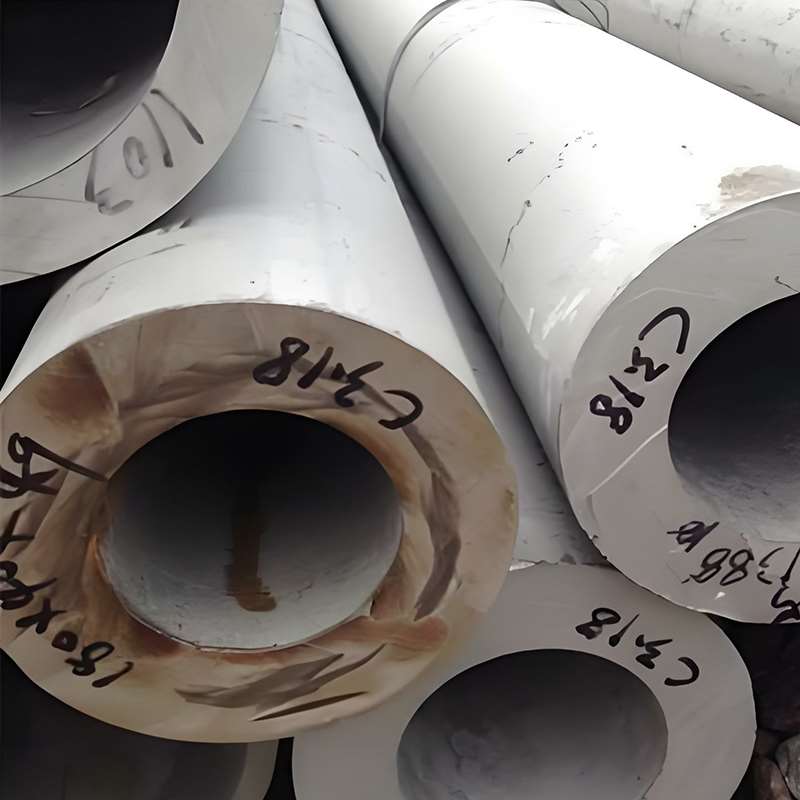
Duplex stainless steel seamless pipes are high-performance stainless steel pipes with a dual-phase structure of both austenite and ferrite. This structure gives the pipes high strength, high corrosion resistance, good toughness, and resistance to stress corrosion cracking, making them particularly suitable for harsh working conditions and highly corrosive environments.
This product has the following characteristics:
- Strong corrosion resistance: Excellent resistance to chloride, acid, alkali, and seawater corrosion.
- High strength: Higher strength than austenitic stainless steel, allowing for thinner wall thickness and cost savings.
- Good toughness: Excellent crack resistance in low-temperature, high-pressure, and vibration environments.
- Easy to process and weld: Maintains its dual-phase structure and corrosion resistance after welding.
- Wide range of applications: Chemical, petrochemical, marine, pharmaceutical, food processing, and highly corrosive piping systems.
II. Standards for Duplex Stainless Steel Seamless Pipes
| Standard | Type | Applicable Scope / Description |
|---|---|---|
| ASTM A789 / A789M | Seamless and welded duplex stainless steel pipes | Chemical, petrochemical, seawater, and highly corrosive pipelines; includes requirements for chemical composition, mechanical properties, dimensions, and tolerances |
| ASTM A790 / A790M | Welded duplex and ferritic-austenitic stainless steel pipes | Pressure piping and industrial pipeline systems |
| EN 10216-5 | Seamless steel pipes for pressure purposes | Duplex stainless steel pipes; specifies dimensional tolerances, chemical composition, mechanical properties, and testing methods |
| ASME SA789 | Seamless and welded duplex stainless steel pipes | Pressure vessels and piping systems |
| DIN 1.4462 / 1.4410 | German standard duplex stainless steel pipes | Chemical, petrochemical, and seawater environments; corrosion-resistant pipeline applications |
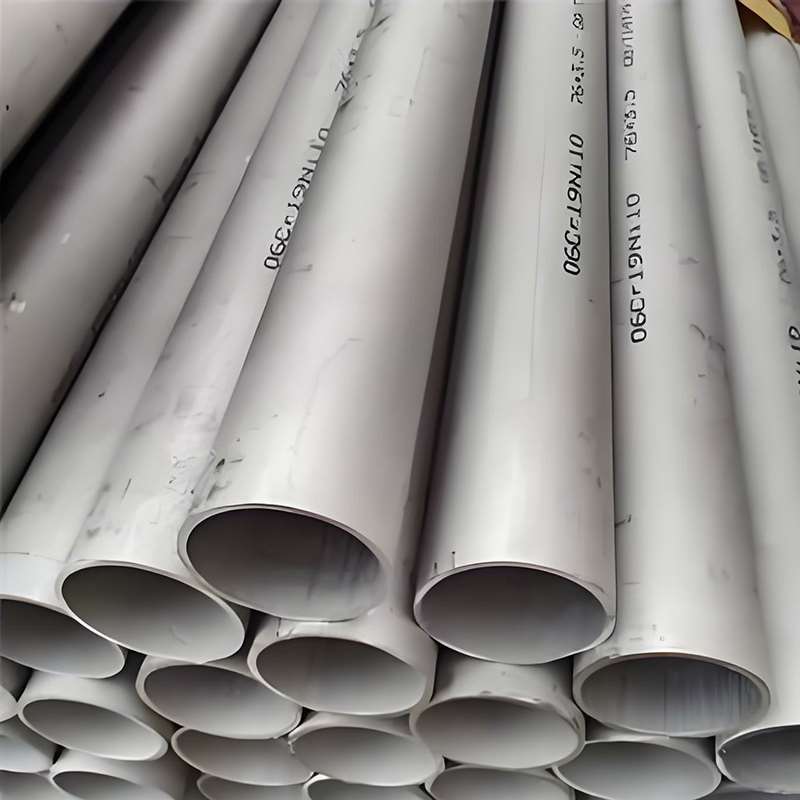
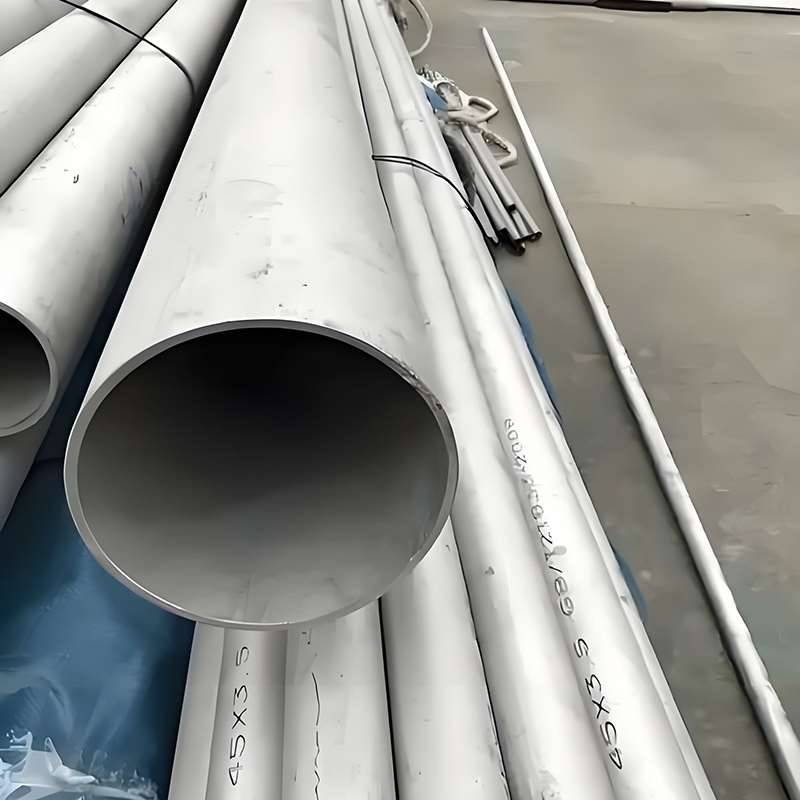
III. 2205 Duplex Stainless Steel Seamless Pipe Technical Specifications
1. Chemical Composition
| Element | Content Range |
| C | ≤0.03% |
| Si | ≤1.0% |
| Mn | ≤2.0% |
| P | ≤0.03% |
| S | ≤0.01% |
| Cr | 22.0–23.5% |
| Ni | 4.5–6.5% |
| Mo | 3.0–3.5% |
| N | 0.08–0.20% |
2. Mechanical properties
| Property | Value |
|---|---|
| Yield Strength (MPa) | ≥450 |
| Tensile Strength (MPa) | 620–850 |
| Elongation (%) | ≥25 |
3. Dimensions and Tolerances
| Property | Value |
|---|---|
| Outside Diameter (OD) | 12.7 mm – 508 mm |
| Wall Thickness (WT) | 1.0 mm – 25 mm |
| Length | Standard 6 m / 12 m, custom lengths available |
| Straightness | ≤0.5% of length (L) |
| Roundness Deviation | ≤1% of OD |
| Concentricity | Concentricity of inner and outer walls ≤1% |
4. Surface quality
| Property | Requirement |
|---|---|
| Internal Surface Roughness Ra | ≤0.8 μm (standard), ≤0.6 μm (high sanitary grade) |
| External Surface Treatment | Pickled and bright (BA), polished, brushed |
| Defect Limitations | No cracks, porosity, folds, or pits |
5. Pressure and corrosion resistance
| Property | Value / Requirement |
|---|---|
| Design Pressure | ≤25 MPa (calculated based on pipe diameter and wall thickness) |
| Test Pressure | 1.5 × Design Pressure |
| Pitting Corrosion Resistance (PREN) | ≥35 |
| Chloride Corrosion Resistance | Suitable for long-term use in 3–5% NaCl environments |
| Stress Corrosion Cracking Resistance | ASTM G36 / NACE TM0177 |
| Temperature Range | -50°C ~ 300°C |
6. Standards, materials, and end connections
| Property | Value / Description |
|---|---|
| Standards | ASTM A789 / A790 / EN 10216-5 / ASME SA789 / DIN 1.4462 |
| Material / Grade | Duplex 2205 / UNS S32205 / 1.4462 |
| End Finish | Welded ends / Quick-fit Clamp / Plain ends |
IV.2205 Duplex Stainless Steel Seamless Pipe Application Fields
- Chemical and Petrochemical Industries
Pipelines for transporting acids, alkalis, chlorides, and highly corrosive media
Reactor, storage tank, and heat exchanger piping
Corrosion-resistant piping systems under high temperature and high pressure conditions - Marine and Offshore Engineering
Seawater desalination plants, water intake pipelines, and pumping station systems
Offshore platform piping and auxiliary equipment
Pipelines affected by chloride corrosion and temperature changes - Oil and Gas Industry
Refinery pipelines, high-pressure oil pipelines
Corrosion-resistant pipelines in hydrogen sulfide (H₂S) environments
High-pressure, long-distance pipelines and systems requiring resistance to stress corrosion cracking - Pharmaceutical and Food Processing
Sanitary piping systems, CIP/SIP cleaning pipelines
Pipelines for infusion, beverages, and food processing requiring high hygiene standards
Smooth inner surface, corrosion resistance, and easy cleaning required - Heat Exchanger and Storage Tank Systems
Corrosion-resistant heat exchanger piping
Reactor and storage tank connecting pipelines
High-temperature and high-pressure media transportation systems - Other Highly Corrosive or Special Working Conditions
Mining, seawater chlorination, papermaking, and other industrial pipelines
Corrosion-resistant systems in high-chloride environments and humid and hot environments
Any piping requiring high strength, high corrosion resistance, and resistance to stress corrosion cracking
V. 2205 Duplex Stainless Steel Seamless Pipe Manufacturing Process
- Raw Material Preparation
Select 2205 duplex stainless steel slabs or ingots with strictly controlled chemical composition.
Ensure that the Cr, Ni, Mo, and N content meets the requirements for duplex microstructure, guaranteeing corrosion resistance and mechanical properties.
- Hot Rolling Seamless Pipe Process
(1) Heating of Slabs or Billets
Heated to 1100–1250°C to ensure uniform microstructure.
(2) Piercing or Extrusion Forming
Seamless pipe blanks are formed through a piercing mill or extrusion press.
(3) Hot Rolling Forming
Multi-pass rolling to the required outer diameter and wall thickness.
(4) Solution Treatment
High-temperature rapid heating (1050–1100°C) followed by water quenching to maintain an austenite-to-ferrite ratio of approximately 40:60 and restore corrosion resistance.
(5) Pickling and Passivation
Removal of oxide scale, resulting in a bright surface and improved corrosion resistance.
- Cold Drawing / Precision Machining (Optional)
For tubing requiring high dimensional accuracy or surface finish, cold drawing, cold rolling, or precision machining can be performed.
The inner and outer surface roughness can reach Ra ≤0.8 μm (standard tubing) or Ra ≤0.6 μm (high-purity tubing).
- Welding and End Treatment
According to process requirements, the tube ends can be prepared for welding, quick-connect clamp fittings, or plain ends.
After welding, solution annealing and pickling passivation can be performed to ensure the correct phase balance and corrosion resistance.
- Inspection and Quality Control
Chemical composition analysis: Confirmation of composition using a spectrometer or chemical analysis methods.
Mechanical performance testing: Tensile, impact, and hardness testing.
Dimensional and tolerance inspection: Outer diameter, wall thickness, straightness, and concentricity.
Non-destructive testing: Ultrasonic testing, eddy current testing, and pressure testing.
Surface quality inspection: Ensuring the absence of cracks, pores, folds, or dents.
- Packaging and Shipment
Cut to standard lengths (6m / 12m) or specified lengths.
Pipe ends are protected with plastic caps, and packaging uses wooden crates or iron pallets for easy transportation and storage.
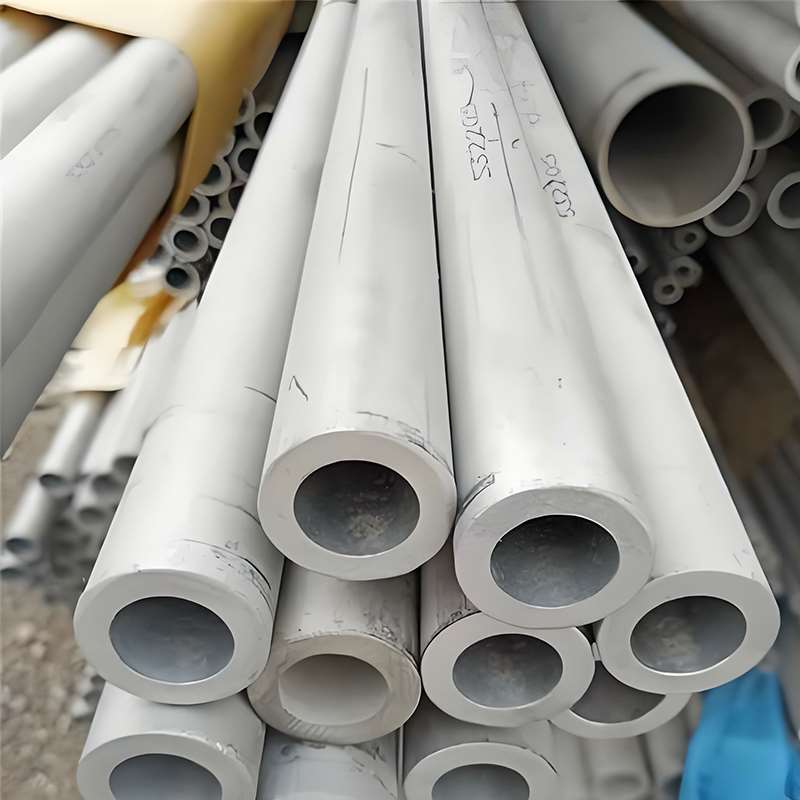
VI.2205 Duplex Stainless Steel Seamless Pipe Selection Guide and Common Misconceptions
i. 2205 Duplex Stainless Steel Seamless Pipe Selection Guide
- Operating Conditions Determination
Select materials based on the type of medium (acid, alkali, chlorides, seawater, etc.), temperature, and pressure.
For highly corrosive environments, 2205 duplex stainless steel is the preferred choice due to its high corrosion resistance and high strength. - Pipe Diameter and Wall Thickness
Calculate the outer diameter and wall thickness based on the design flow rate and process pressure.
Thicker-walled pipes are required for high-pressure applications; thinner walls can be used for low-pressure applications to save costs. - Surface Treatment
For sanitary pipelines (pharmaceuticals, food), choose bright pickling or polishing, with Ra ≤0.6–0.8 μm.
For chemical or seawater pipelines, BA or polished finishes can be selected to ensure corrosion resistance. - Connection Type
Welded ends are used for long-distance pipelines or high-pressure pipelines.
Quick-connect Clamp fittings are used for sanitary pipelines or pipelines requiring frequent cleaning. - Standard Selection
Select standards such as ASTM A789 / A790 / EN 10216-5 / ASME SA789 according to project requirements to ensure that the chemical composition and mechanical properties meet the requirements.
ii. Common Selection Mistakes
- Focusing only on price, neglecting operating conditions
Choosing low-cost 304/316L pipes may lead to insufficient corrosion resistance, resulting in low short-term costs but high long-term risks. - Ignoring wall thickness and pressure matching
Insufficient wall thickness or pressure margin can easily lead to pipe deformation or rupture. - Surface roughness not meeting requirements
Selecting the wrong surface treatment for sanitary pipes will affect cleaning effectiveness and corrosion resistance. - Incorrect interface type selection
Using quick-connect clamps for high-pressure or long-distance pipelines can lead to leaks or safety hazards. - Mismatched standards
Failure to confirm the applicable standards may result in chemical composition, mechanical properties, or dimensional tolerances that do not meet design requirements.
VII. 2205 Duplex Stainless Steel Seamless Pipe Selection – Frequently Asked Questions
Q1: What media are suitable for 2205 duplex stainless steel pipes?
A: They are suitable for chloride, acid, alkali, seawater, and highly corrosive environments, and are also applicable to pharmaceutical, food, and chemical industries.
Q2: How to choose the pipe diameter and wall thickness?
A: Calculate based on the design flow rate, working pressure, and temperature. Thicker walls are required for high pressure or long-distance pipelines; thinner walls can be used for low-pressure applications to save costs.
Q3: What surface treatment is needed for the inner and outer surfaces?
A: For sanitary pipelines, the inner surface needs to be polished or pickled, with Ra ≤0.6–0.8 μm; for chemical or seawater pipelines, bright annealed (BA) treatment can be used.
Q4: How should the pipe end connection be selected?
Answer: Welded ends are used for long-distance or high-pressure pipelines; quick-connect clamp fittings are used for pipelines that require frequent disassembly or cleaning.
Q5: How are the applicable standards determined?
Answer: Select standards such as ASTM A789 / A790 / EN 10216-5 / ASME SA789 according to project requirements to ensure that the chemical composition, mechanical properties, and dimensional tolerances meet the process requirements.