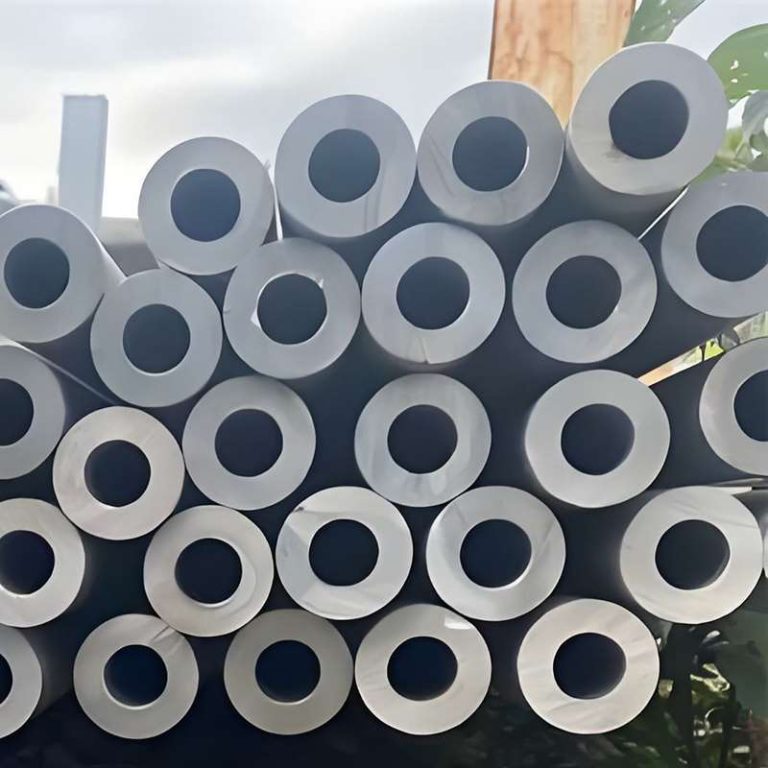
I. Overview of AISI 310 Stainless Steel High-Temperature Pipes
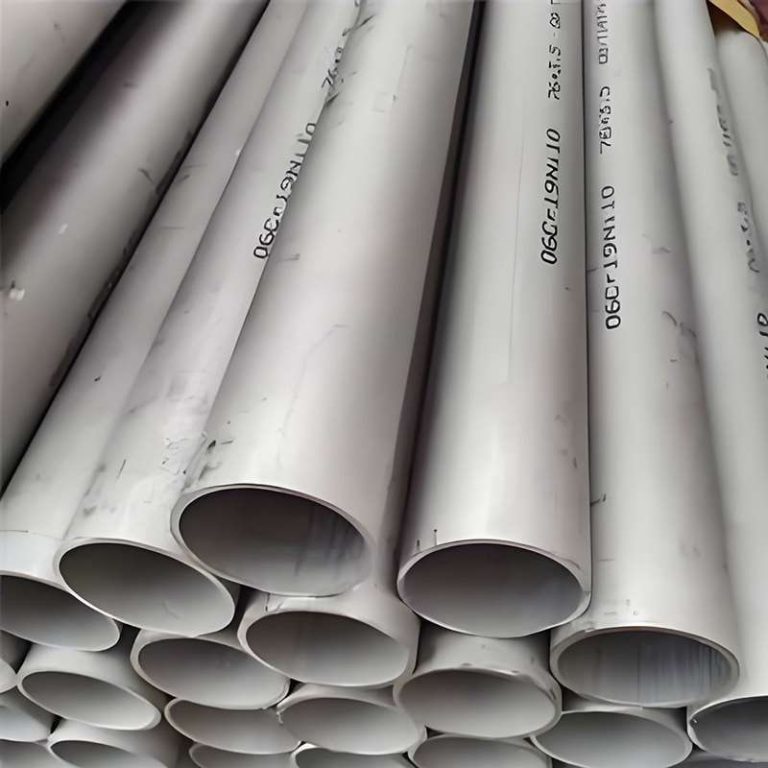
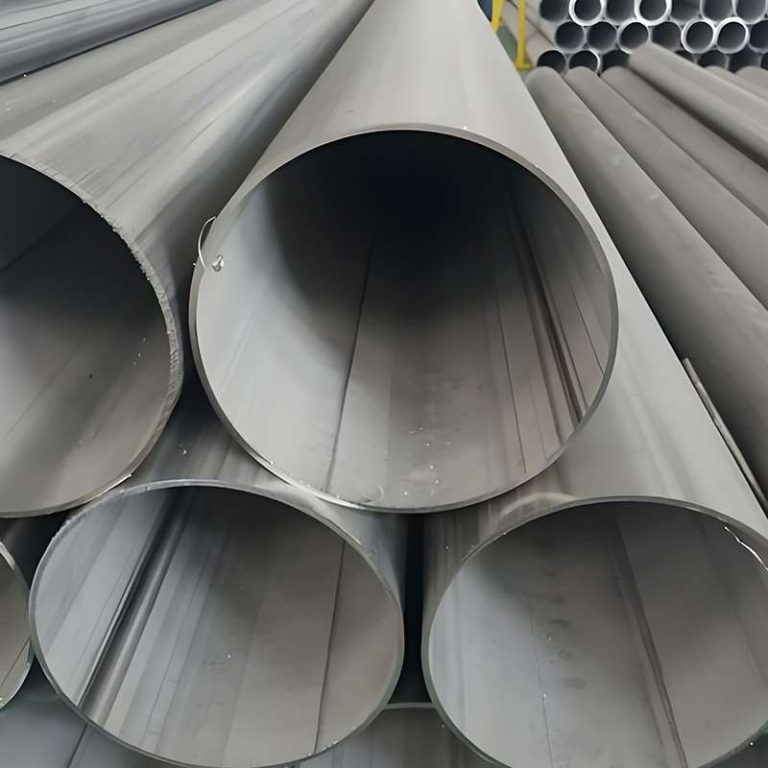
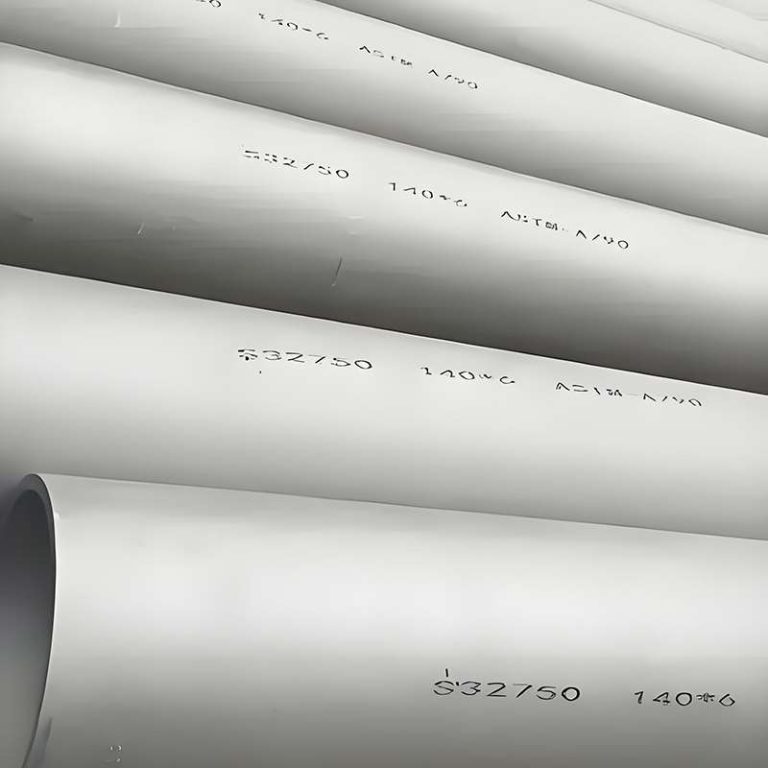
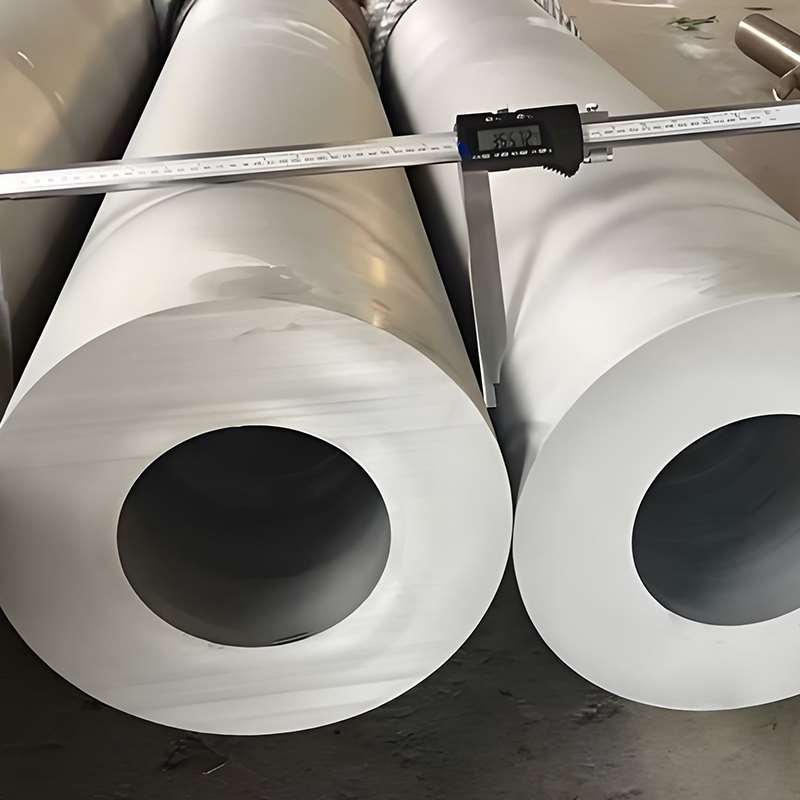
AISI 310 stainless steel high-temperature pipes are a type of stainless steel tubing specifically designed for high-temperature industrial environments, possessing excellent resistance to high temperatures, oxidation, and corrosion.
This tubing contains a high proportion of chromium (Cr) and nickel (Ni), allowing it to maintain good mechanical strength and structural stability in high-temperature environments of around 1000°C.
AISI 310 high-temperature pipes are widely used in boilers, heat exchangers, gas turbines, chemical equipment, and high-temperature steam pipelines, and are particularly suitable for piping systems that are subjected to high temperatures and oxidizing media for extended periods.
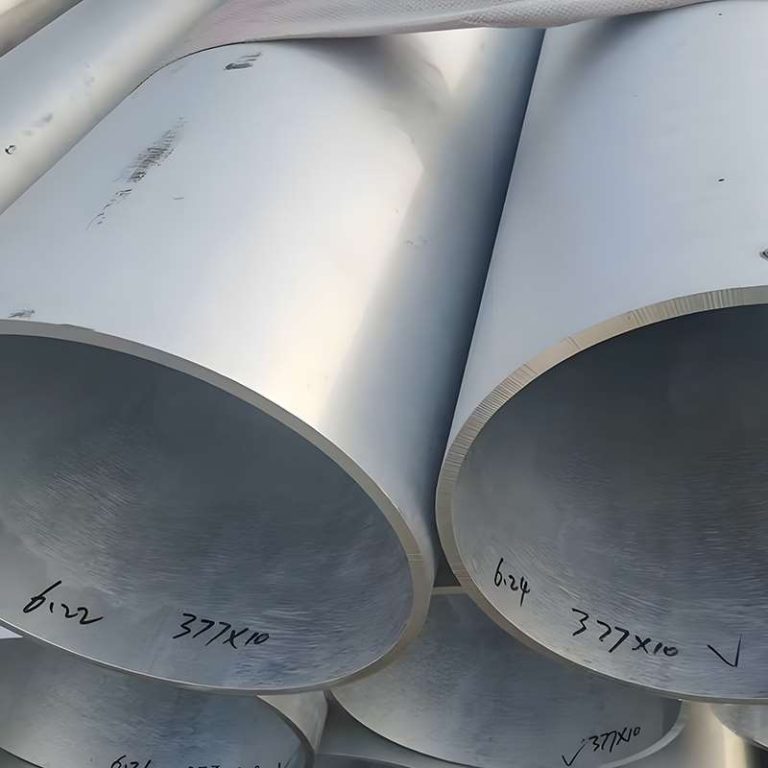
This product is available in various specifications and sizes, supporting hot-rolled or cold-drawn manufacturing processes. The ends can be processed into plain ends, threaded ends, or flanged ends to meet different engineering installation requirements.
The surface is usually pickled or polished to improve corrosion resistance and aesthetics, and the packaging is safe and reliable, suitable for long-distance transportation.
II. Standards for AISI 310 Stainless Steel High-Temperature Pipes
- ASTM (American Society for Testing and Materials) Standards
ASTM A213: Seamless Stainless Steel and Alloy Steel Tubes for High-Temperature Service
ASTM A249: Welded and Seamless Stainless Steel Boiler and Heat Exchanger Tubes
ASTM A269: Seamless and Welded Stainless Steel Tubing for General Service
ASTM A312: Seamless and Welded Stainless Steel Pipes for High-Temperature and Corrosive Service - EN / ISO (European / International Standards)
EN 10216-5: Seamless Stainless Steel Tubes for High-Temperature Applications
EN 10217-7: Welded Stainless Steel Tubes for High-Temperature Applications
ISO 1127: Dimensions, Wall Thicknesses and Tolerances of Stainless Steel Tubes - Other Commonly Used Standards
JIS G3459 (Japanese Industrial Standard): Heat-Resistant Stainless Steel Tubes
GB/T 12770 (Chinese Standard): Stainless Steel High-Temperature Tubes
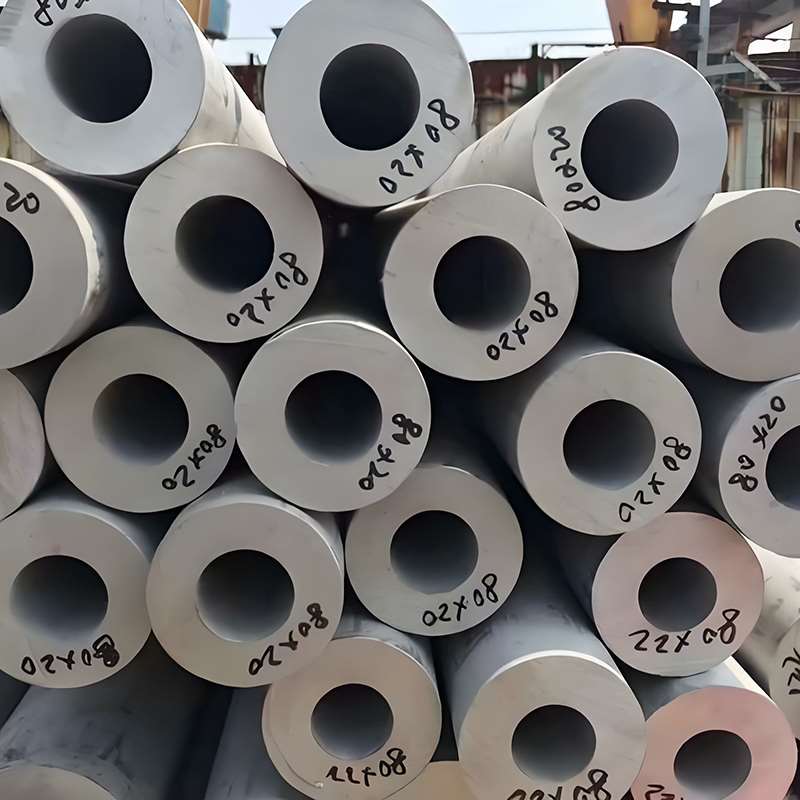
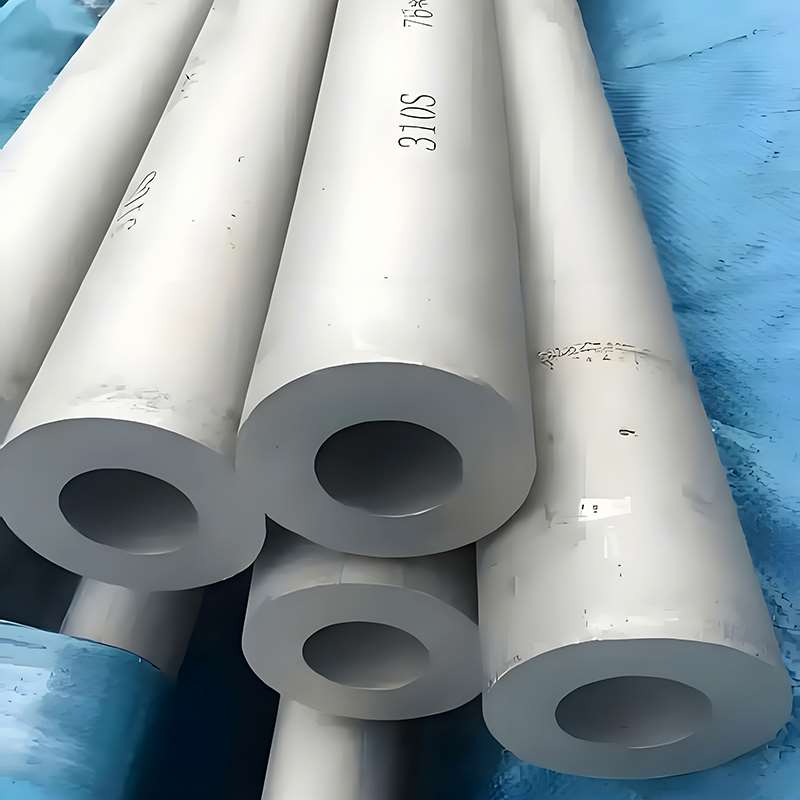
III. Chemical Composition and Mechanical Properties of AISI 310 Stainless Steel High-Temperature Tubes
1. Chemical Composition
| Element | Content Range (%) |
|---|---|
| Carbon (C) | ≤ 0.25 |
| Manganese (Mn) | ≤ 2.00 |
| Silicon (Si) | ≤ 1.00 |
| Chromium (Cr) | 22.0 – 25.0 |
| Nickel (Ni) | 19.0 – 22.0 |
| Phosphorus (P) | ≤ 0.045 |
| Sulfur (S) | ≤ 0.03 |
| Iron (Fe) | Balance |
2. Mechanical properties
| Mechanical Property | Value (Room Temperature) |
|---|---|
| Yield Strength (σ₀.₂) | ≥ 205 MPa |
| Tensile Strength (σb) | 515 – 827 MPa |
| Elongation (δ5) | ≥ 40 % |
| Hardness (HRB) | ≤ 80 |
IV. AISI 310 Stainless Steel High-Temperature Pipe Industrial Selection Guide
| Selection Factor | Recommended Choice / Notes |
|---|---|
| Service Temperature | Medium to high-temperature steam pipelines: OD 25–76 mm, WT 1.5–3 mmHigh-temperature boilers or chemical pipelines: OD 89–219 mm, WT 4–12 mm |
| Working Pressure & Fluid | Low-pressure pipelines: thin-wall pipes are sufficientHigh-pressure or corrosive media: use thick-wall pipes to increase safety marginRefer to ASTM A213/A249/A269 wall thickness design tables |
| Pipe End Preparation | Plain ends: suitable for welding or threaded connectionsFlanged ends: easy assembly/disassembly or high-pressure serviceThreaded ends: quick connection for small diameters |
| Welding & Installation | TIG or MIG welding recommended; clean oxide layer before weldingAllow for thermal expansion; expansion joints can be usedSupport spacing calculated based on pipe diameter and wall thickness |
| Surface Treatment & Corrosion Protection | Pickling or polishing to improve corrosion resistanceFor transport or short-term storage, anti-rust oil can be applied |
| Material Standards & Certification | ASTM A213 / A249 / A269 / A312EN 10216-5, EN 10217-7, ISO 1127MTC (Material Test Certificate) and third-party certification |
| Maintenance & Service Life | Regularly inspect for oxidation and corrosionAvoid contact with low heat-resistant steelsClean deposits periodically to extend service life |
V. High-Temperature Performance and Corrosion Resistance Characteristics of AISI 310 Stainless Steel High-Temperature Pipes
i. High-Temperature Performance
- Long-Term High-Temperature Resistance
AISI 310 stainless steel can operate continuously in environments around 1000°C, making it suitable for industrial boilers, heat exchangers, and high-temperature steam pipelines. - Stable Mechanical Properties
It maintains good yield strength, tensile strength, and ductility at high temperatures, ensuring the structural stability and safety of the piping system. - Creep Resistance
Under high-temperature operating conditions, AISI 310 pipes exhibit excellent creep resistance and high-temperature creep strength, making them suitable for long-term exposure to high-temperature pressure.
ii. Corrosion Resistance Characteristics
- Oxidation Resistance
Containing 22–25% chromium and 19–22% nickel, it forms a stable oxide film in high-temperature environments, preventing oxidative damage. - Chemical Corrosion Resistance
It can resist corrosion from high-temperature industrial steam, some acids and bases, and oxidizing gases, making it suitable for use in the chemical and energy industries. - Resistance to Crevice Corrosion and Intergranular Corrosion
AISI 310 pipes after solution treatment have a low risk of intergranular corrosion, making them suitable for high-temperature steam and chemical fluid systems. - Surface Treatment Enhances Corrosion Resistance
Pickling, polishing, or passivation treatments can further enhance corrosion resistance and extend the lifespan of industrial pipelines.
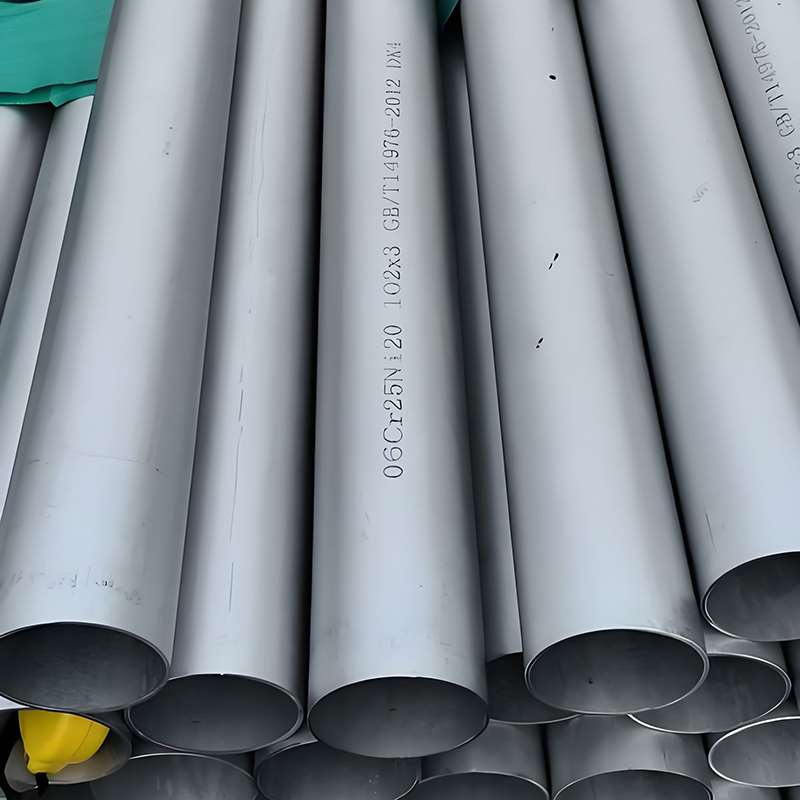
VI. AISI 310 Stainless Steel High-Temperature Pipes – Maintenance and Operation Management
- Regular Inspection of Pipe Condition
In high-temperature environments, the pipe surface may show slight oxidation or discoloration; regular inspections are necessary.
Check welds, support points, and expansion joints for cracks or looseness. - Prevention of Corrosion and Oxidation
Avoid direct contact with low-heat-resistant steel or carbon steel to prevent galvanic corrosion.
Regularly clean pipes carrying high-temperature steam or chemical media to prevent deposits from causing localized corrosion. - Thermal Expansion Management
Allow for thermal expansion during installation; use expansion joints or bends to absorb expansion and contraction as needed.
Ensure appropriate support spacing to prevent damage due to pipe sagging or stress concentration. - Cleaning and Maintenance
Acid pickling or polishing the surface can maintain the pipe’s corrosion resistance.
Regularly clean deposits from high-temperature fluids to ensure smooth fluid flow and heat exchange efficiency. - Operation Monitoring and Recording
Record pipe temperature, pressure, and fluid status to detect abnormalities promptly.
In high-temperature conditions, if pipe expansion or deformation is observed, maintenance measures should be taken immediately. - Lifespan Management and Replacement Strategy
For long-term high-temperature, high-pressure, or corrosive media environments, the pipe’s service life should be regularly assessed.
When the design service life is reached or significant damage occurs, the pipe material should be replaced promptly to ensure system safety.
VII. Testing Standards for AISI 310 Stainless Steel High-Temperature Pipes
| Inspection Type | Method / Content | Standard / Purpose |
|---|---|---|
| Chemical Composition Testing | Spectroscopy, Chemical Analysis | Complies with ASTM A213/A249/A269/A312; ensures high-temperature and corrosion resistance |
| Mechanical Property Testing | Tensile Test, Hardness Test | Yield strength, tensile strength, elongation, and hardness meet ASTM requirements |
| Dimensional & Visual Inspection | Outside diameter, wall thickness, length, pipe ends, surface finish | Meets ASTM, EN, ISO dimensional tolerance standards; ensures proper installation fit |
| Non-Destructive Testing (NDT) | Ultrasonic, Radiographic, Magnetic Particle, Penetrant Testing | Detects internal cracks, weld defects, and porosity; ensures industrial safety |
| High-Temperature Performance Verification (Optional) | High-temperature creep test, Oxidation resistance test | Ensures pipe stability under long-term high-temperature service |
| Third-Party Testing & Certification | SGS, TÜV, BV, and other agencies | Provides Material Test Certificate (MTC) and compliance with industrial standards |