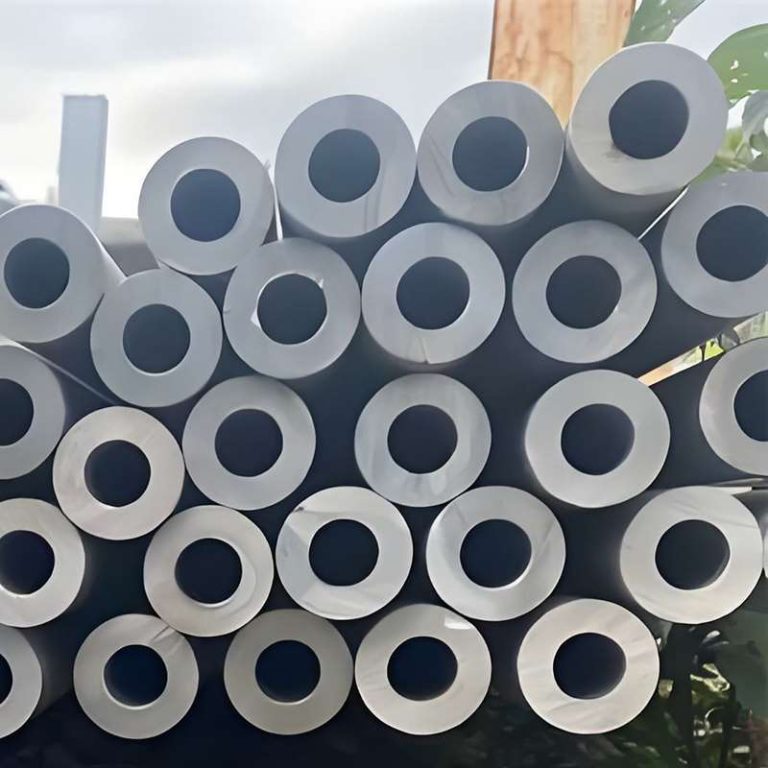
I. Introduction to Super Duplex 2507 Stainless Steel Welded Pipes
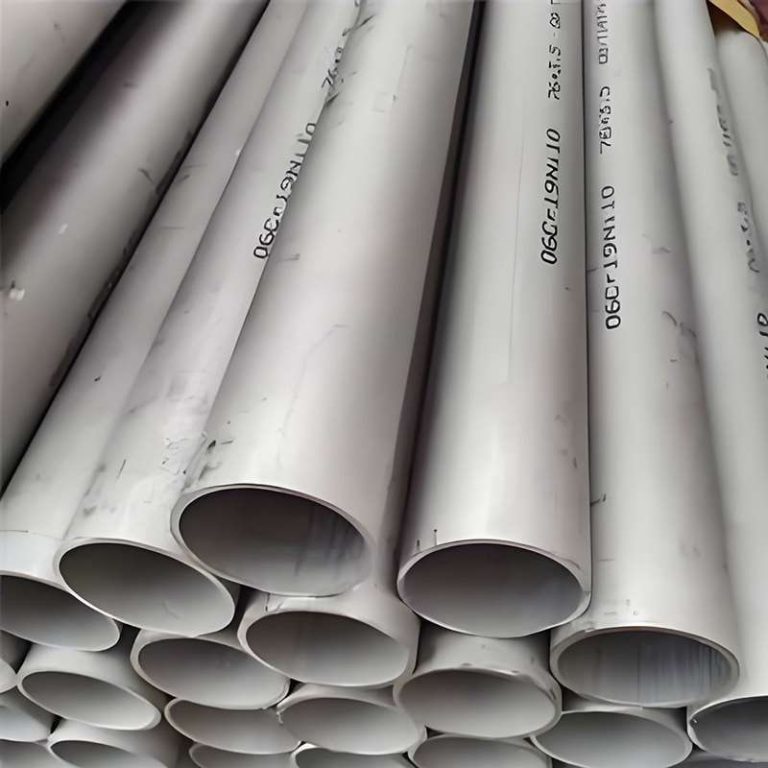
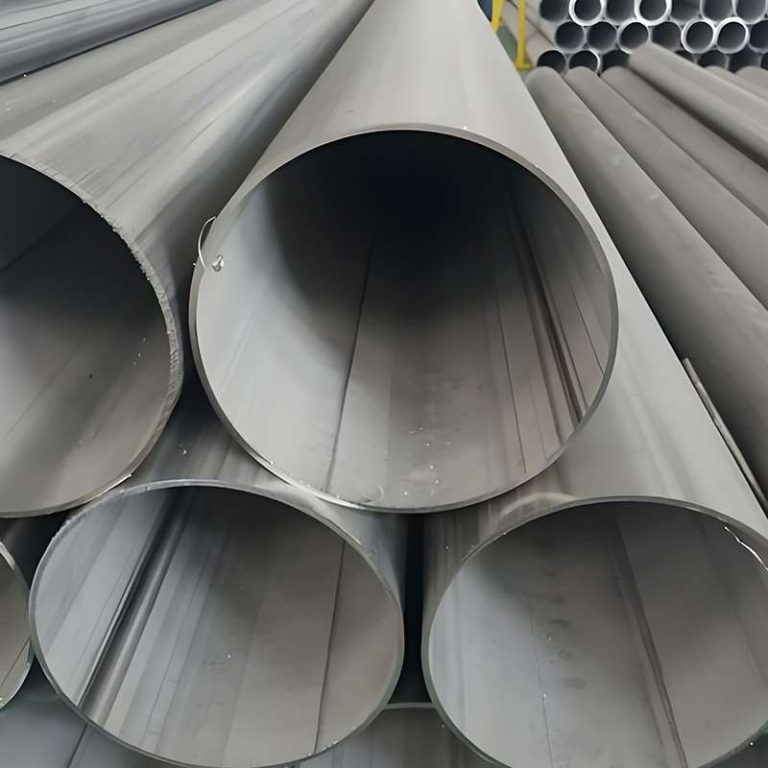
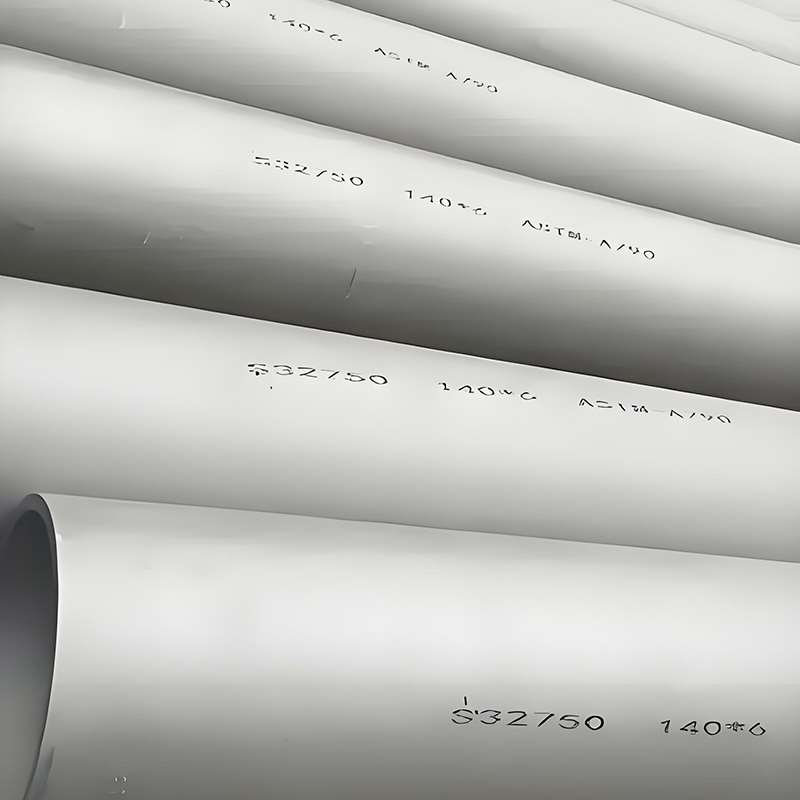
Super Duplex 2507 stainless steel welded pipe is a high-strength, highly corrosion-resistant duplex stainless steel pipe material that combines the advantages of austenitic and ferritic structures, possessing high strength, good toughness, and excellent corrosion resistance.
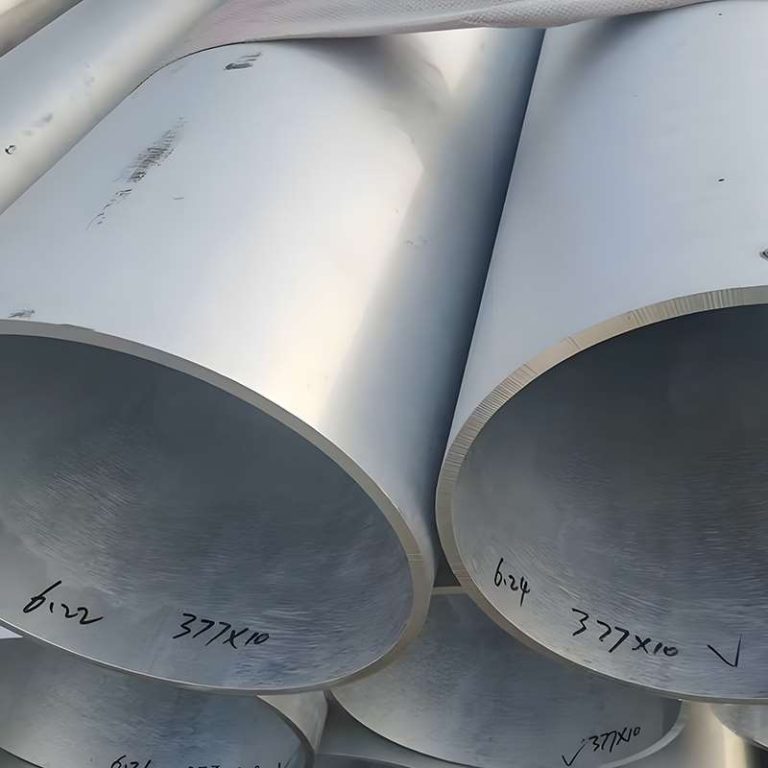
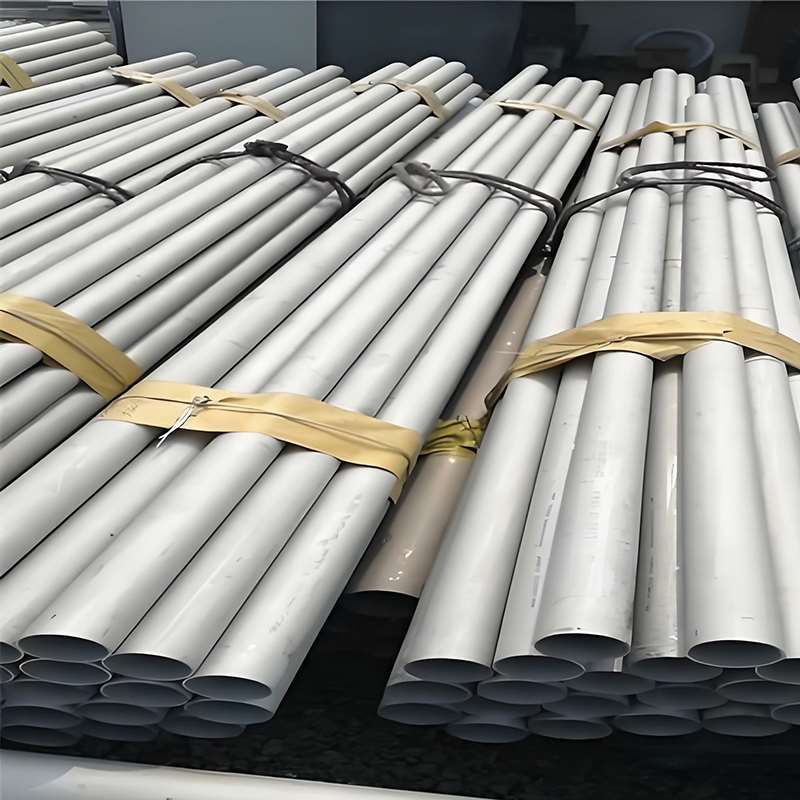
This pipe is manufactured using a welding process and is available in various specifications and lengths. The ends can be processed into plain ends, threaded ends, or flanged ends, and the surface can be pickled and brightened or polished to enhance corrosion resistance.
II. Characteristics and Application Fields of Super Duplex 2507 Stainless Steel Welded Pipes
i. Characteristics of Super Duplex 2507 Stainless Steel Welded Pipes
- Corrosion Resistance
Resistant to pitting corrosion, crevice corrosion, and stress corrosion cracking (SCC), suitable for seawater, acid, alkali, and chemical environments. - High Strength and Toughness
Yield strength ≥ 550 MPa, tensile strength 750–950 MPa, and excellent toughness (elongation ≥ 25%).
Allows for reduced wall thickness to decrease pipe weight while maintaining pressure capacity. - Excellent High-Temperature Performance
Can be used long-term in operating conditions from -50°C to 300°C, suitable for steam pipelines, heat exchangers, and high-temperature applications. - Good Weldability and Machinability
Supports TIG, MIG, and other welding methods, facilitating on-site construction.
Can be bent, formed, and machined into flanges, adapting to various pipeline design requirements. - Low Maintenance, Long Lifespan
High corrosion resistance and stress cracking resistance reduce pipeline maintenance costs and extend service life.
ii. Application Areas
- Chemical Equipment and Pipelines: Pipelines for acids, alkalis, salts, and corrosive media
- Oil and Gas Pipelines: Transportation of crude oil, natural gas, and liquid fuels
- Seawater Treatment and Marine Engineering: Seawater desalination, offshore platforms, shipbuilding industry
- Highly Corrosive Industrial Pipelines: Heat exchangers, steam pipelines, and high-temperature corrosive environments
- Energy and Power Industry: High-temperature and high-pressure steam pipelines and industrial boilers
III. Standards for Super Duplex 2507 Stainless Steel Welded Pipes
| Standard System | Standard No. / Description | Scope / Application |
|---|---|---|
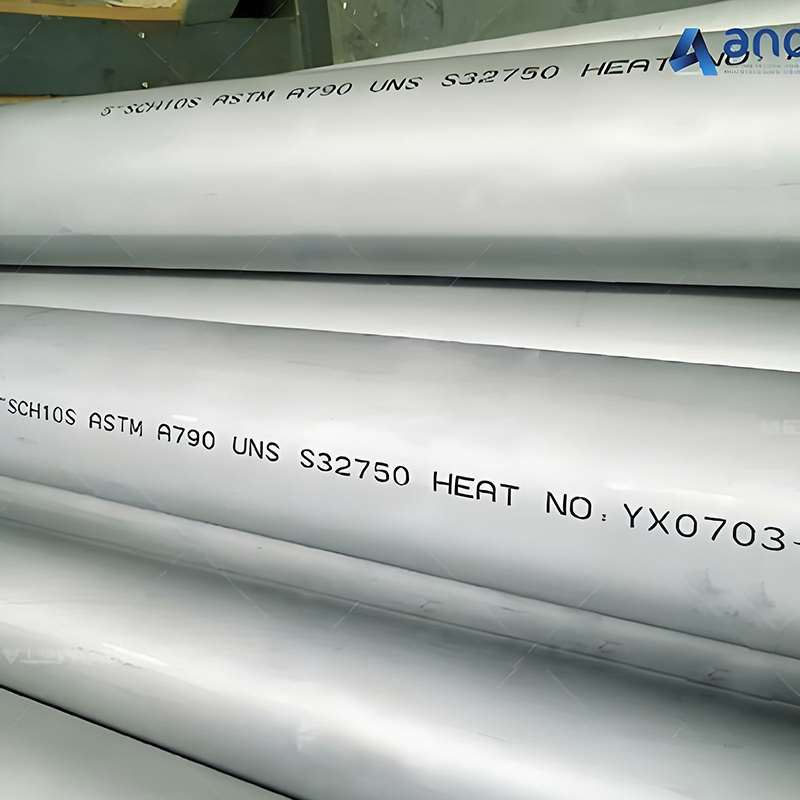
| ASTM / ASME | ASTM A790 – Duplex Stainless Steel Seamless and Welded Pipes | Industrial welded and seamless piping |
| ASTM / ASME | ASTM A789 – Duplex Stainless Steel Welded Pipes | Industrial welded piping |
| ASTM / ASME | ASTM A182 – High-Performance Stainless Steel Pipe Fittings & Flanges | Used for matching fittings and flanges |
| EN / ISO | EN 10216-5 – Corrosion-Resistant Stainless Steel Seamless Pipes | Chemical, marine, and highly corrosive environments |
| EN / ISO | EN 10217-7 – Corrosion-Resistant Stainless Steel Welded Pipes | Industrial welded piping |
| UNS | S32750 – Unified Numbering System (USA) | Corresponds to Super Duplex 2507 |
| W. Nr. (Germany) | 1.4410 | Corresponds to Super Duplex 2507 |
| NORSOK | Norwegian Offshore Standard | Marine engineering and petrochemical applications |
| GB/T (China) | GB/T 32770 – Duplex Stainless Steel Pipe Standard | Domestic industrial piping applications |
IV. Specifications and Dimensions Table for Super Duplex 2507 Stainless Steel Welded Pipes
| Outside Diameter (mm) | Wall Thickness (mm) | Length (m) | Theoretical Weight (kg/m) | Remarks |
|---|---|---|---|---|
| 12.7 | 1.5 – 2.0 | 6 / 12 | 0.56 – 0.75 | Small diameter welded pipe |
| 25.4 | 2 – 3 | 6 / 12 | 1.44 – 2.0 | Standard industrial pipe |
| 50.8 | 2 – 4 | 6 / 12 | 5.0 – 7.5 | Medium diameter pipe |
| 76.1 | 3 – 6 | 6 / 12 | 10.2 – 18.5 | Common industrial pipe |
| 101.6 | 4 – 8 | 6 / 12 | 18.5 – 33.0 | Industrial high-pressure pipe |
| 168.3 | 6 – 12 | 6 / 12 | 54 – 108 | Large diameter industrial pipe |
| 219.1 | 8 – 16 | 6 / 12 | 97 – 208 | High-strength industrial pipe |
| 323.9 | 12 – 25 | 6 / 12 | 260 – 590 | Extra-large diameter piping |
V. Super Duplex 2507 Stainless Steel Welded Pipe Selection Suggestions and Common Selection Mistakes
i. Super Duplex 2507 Stainless Steel Welded Pipe Selection Suggestions
- Selection of Pipe Material Based on Medium
For pipelines carrying seawater, brine, acids, alkalis, and chemical media, prioritize Super Duplex 2507 to ensure corrosion resistance and stress corrosion cracking resistance. - Selection of Wall Thickness and Pipe Diameter Based on Pressure and Temperature
For high-pressure or high-temperature conditions, increase the wall thickness and design a reasonable pressure bearing capacity based on flow rate and pipe diameter.
For high-temperature steam pipelines, it is recommended to reserve space for thermal expansion and support. - Welding and Processing Requirements
When selecting, consider the end form (plain end, threaded end, flanged end) and on-site welding process (TIG/MIG).
For bent pipes or special working conditions, select specifications suitable for wall thickness and material toughness. - Standards and Certification References
Select materials that comply with ASTM, EN, NORSOK, or GB/T standards according to project requirements to ensure quality and traceability. - Economy and Service Life
The most economical wall thickness and specifications can be selected based on the pipeline’s operating environment and conditions, taking into account corrosion resistance and long-term maintenance costs.
ii. Common Misconceptions in Selecting Super Duplex 2507 Stainless Steel Welded Pipes
- Misconception 1: Blindly pursuing maximum wall thickness
Excessive wall thickness increases costs and pipe weight. In many actual working conditions, ultra-thick pipes are unnecessary and can reduce cost-effectiveness. - Misconception 2: Ignoring thermal expansion and support design
Failure to consider thermal expansion under high-temperature conditions can lead to stress concentration and deformation in the pipeline. - Misconception 3: Ignoring the corrosiveness of the medium
Selecting pipe materials based solely on strength while neglecting the risk of chemical corrosion can easily lead to localized corrosion and pipe damage. - Misconception 4: Ignoring welding and on-site construction conditions
Choosing specifications that cannot be welded or bent will increase construction difficulty and safety risks. - Misconception 5: Ignoring maintenance costs
Focusing only on initial material costs while neglecting long-term maintenance may lead to increased overall costs.
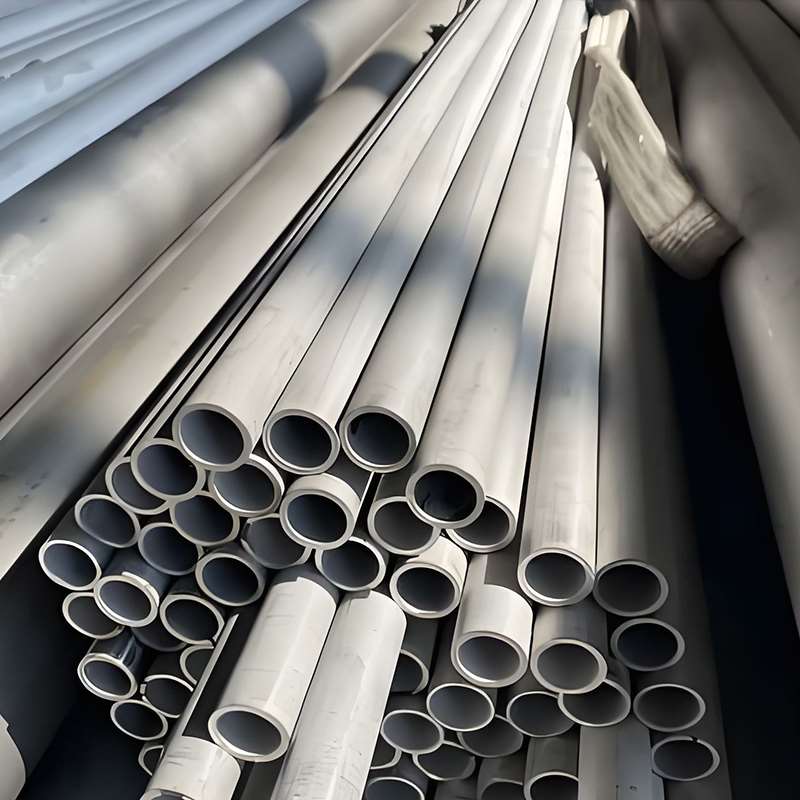
VI. Inspection Standards Table for Super Duplex 2507 Stainless Steel Welded Pipes
| Inspection Item | Test Method / Standard | Requirement / Reference Value | Description |
|---|---|---|---|
| Chemical Composition | Optical Emission Spectroscopy (Spectro / OES) | C ≤ 0.03%, Cr 24–26%, Ni 6–8%, Mo 3–5%, N 0.24–0.32% | Ensures corrosion resistance and mechanical strength |
| Yield Strength (σ₀.₂) | Tensile Test ASTM E8 / ISO 6892 | ≥ 550 MPa | Ensures pipe can withstand operating pressure |
| Tensile Strength (σb) | Tensile Test ASTM E8 / ISO 6892 | 750–950 MPa | Ensures structural integrity |
| Elongation (δ5) | Tensile Test ASTM E8 / ISO 6892 | ≥ 25% | Ensures toughness and ductility |
| Hardness | Brinell / Rockwell Hardness ASTM E10 / ASTM E18 | ≤ 280 HB | Suitable for welding and machining |
| Impact Toughness | Charpy Impact Test ASTM E23 | ≥ 80 J (Room Temperature) | Ensures good impact resistance at ambient temperature |
| Pressure Test | Hydrostatic or Pneumatic Test ASTM A779 | ≥ 1.5 × Design Pressure | Verifies pipe pressure resistance |
| Non-Destructive Testing (NDT) | Radiographic / Ultrasonic Testing ASTM A435 | No cracks or weld defects | Ensures weld quality |
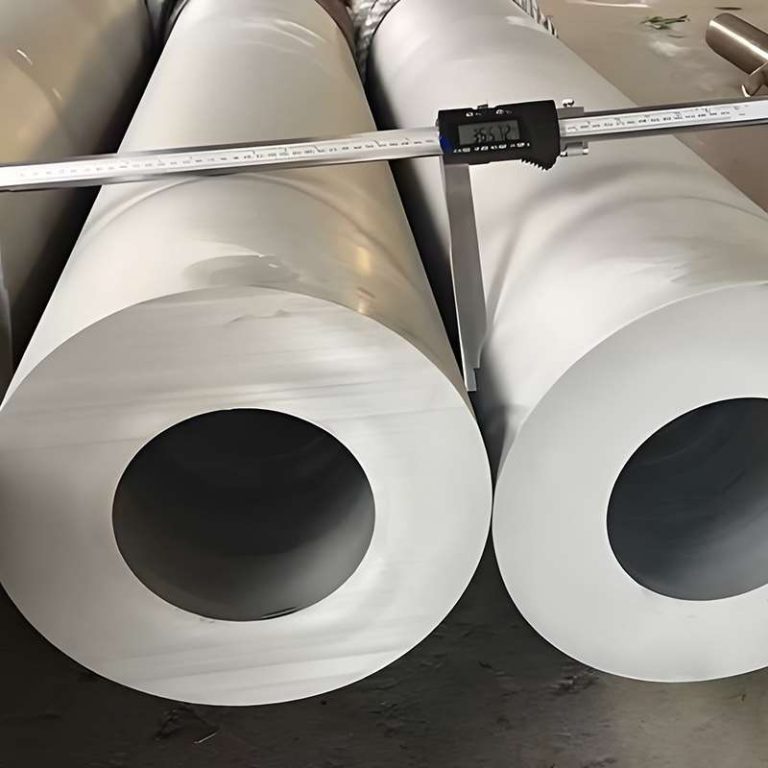
| Dimensional Accuracy | Vernier Caliper, Thickness Gauge, Measuring Tape | OD, WT, tolerances per ASTM / EN standards | Ensures installation precision |
| Surface Quality | Visual Inspection or Magnetic Particle Testing ASTM A480 | No visible cracks, pits, or weld slag | Ensures corrosion resistance and appearance |
VII. Common FAQs for Selecting Super Duplex 2507 Stainless Steel Welded Pipes
Q1: Should I choose seamless pipes or welded pipes?
A: For large diameter, low-pressure, or chemical pipelines, welded pipes are economical and practical; for high-pressure, high-temperature, or special working conditions, seamless pipes should be considered.
Q2: How do I select the wall thickness based on the medium?
A: For highly corrosive media or high-temperature steam, thicker-walled pipes should be selected to ensure corrosion resistance and pressure bearing capacity; standard wall thickness can be used for conventional media.
Q3: What should I pay attention to when installing high-temperature pipelines?
A: Allow for thermal expansion space and design appropriate support spacing; clean off oxide scale before welding to avoid stress concentration.
Q4 How to choose the end connection type?
Answer: For on-site welding, a plain end pipe can be selected; for quick connection or compatibility with other equipment, threaded or flanged ends are available.
Q5: Should long-term maintenance costs be considered?
Answer: Yes, although Super Duplex 2507 is corrosion-resistant, regular inspection of welds, support points, and deposits can extend the pipeline’s service life and reduce long-term maintenance costs.