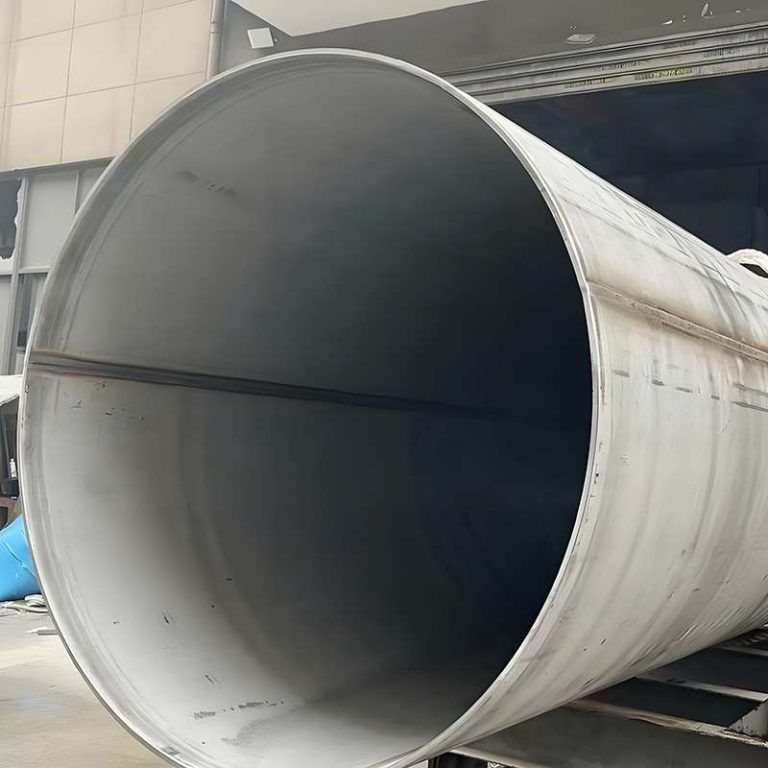
I. Overview of 304 Stainless Steel Seamless Tubing for Chemical Applications
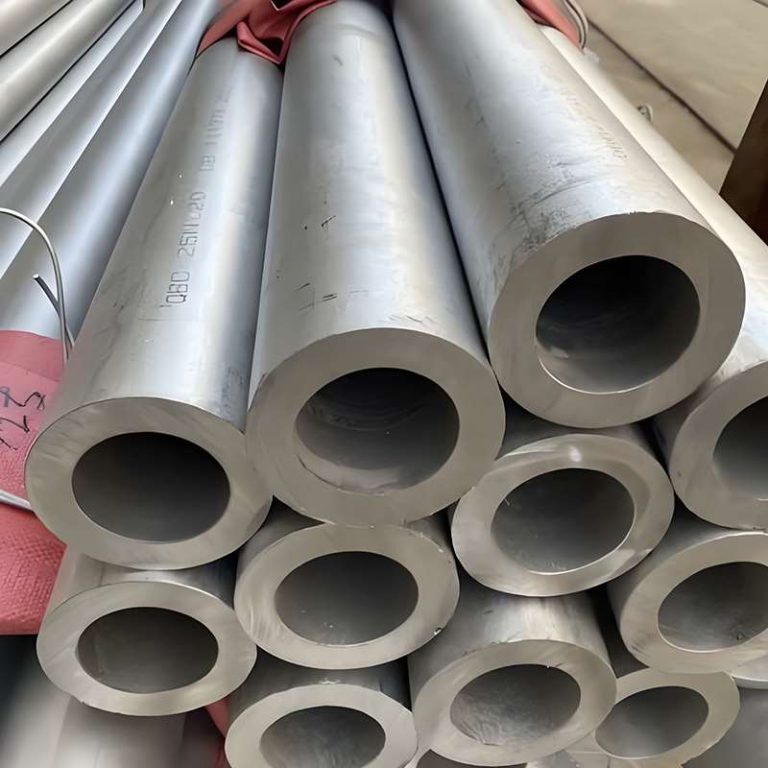
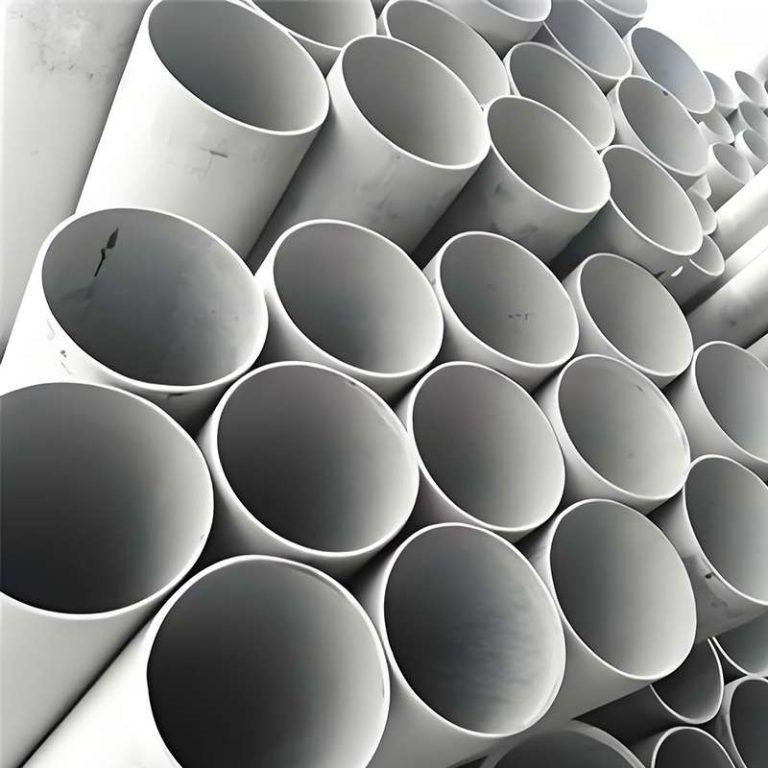
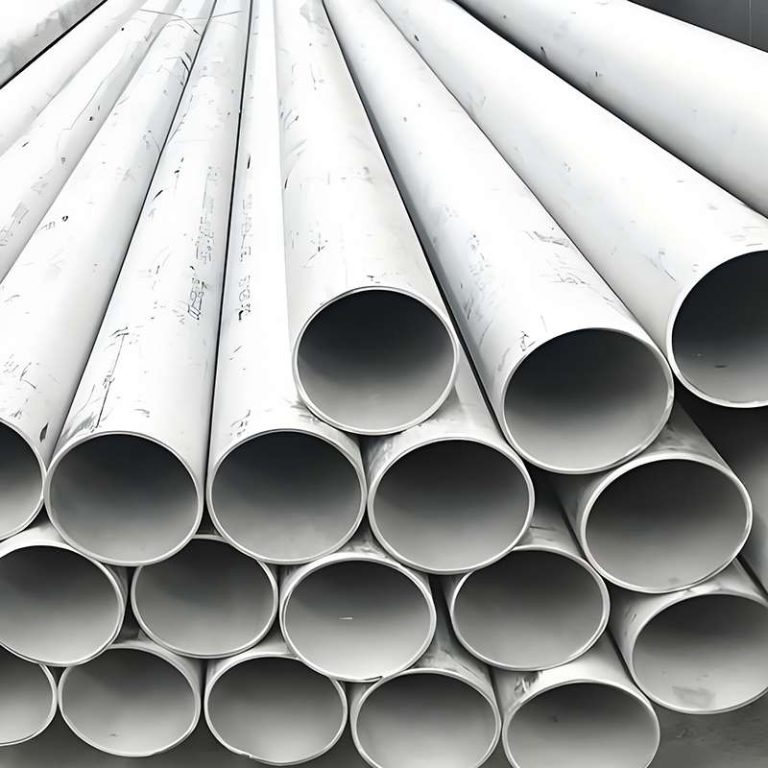
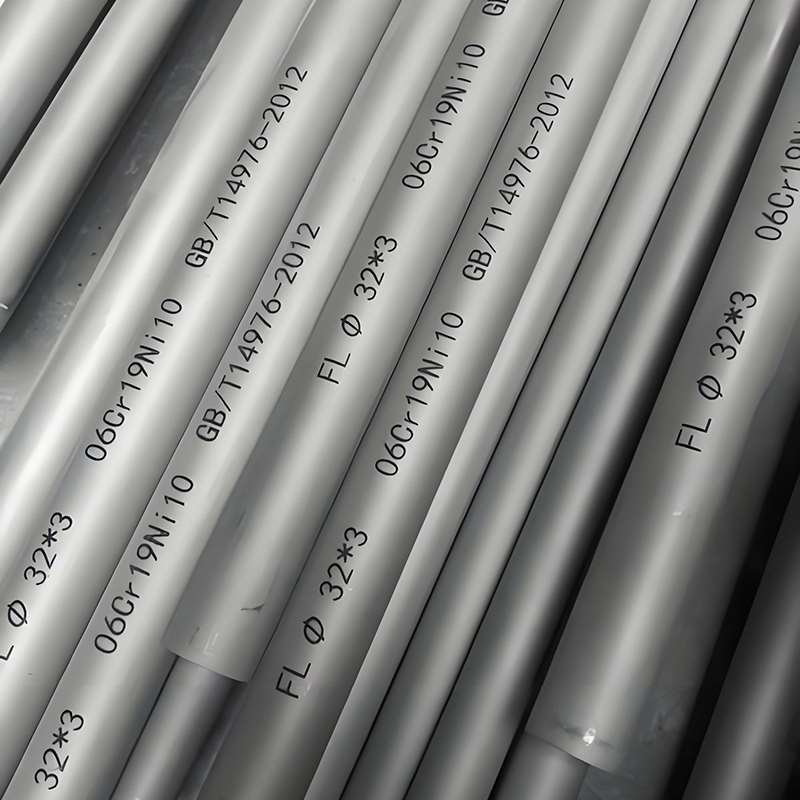
304 stainless steel seamless tubing for chemical applications is a high-performance pipe manufactured from austenitic stainless steel 304 (UNS S30400) using seamless fabrication techniques. Featuring uniform structure and strong pressure-bearing capacity, it is suitable for chemical industry piping systems demanding high corrosion resistance and safety.
This product maintains stable physical and chemical properties when conveying acids, alkalis, salt solutions, and various chemical media.
304 stainless steel seamless pipe exhibits excellent resistance to general corrosion and outstanding high-temperature and low-temperature performance, retaining good strength and toughness within the temperature range of -196°C to 800°C.
II. Core Advantages of 304 Stainless Steel Seamless Pipes for Chemical Applications
- Stable Corrosion Resistance
Offers excellent resistance to clean water, steam, weak acids, weak alkalis, and various chemical media, making it suitable for long-term use in common chemical processing conditions. - Seamless Construction for Safety and Reliability
The weld-free design ensures uniform pipe walls and high pressure-bearing capacity, reducing leakage and rupture risks. Ideal for medium-to-high pressure pipeline systems. - Excellent High-Temperature and Low-Temperature Resistance
Maintains stable mechanical properties in extreme thermal conditions, making it suitable for chemical plants with significant temperature fluctuations. - Superior Weldability and Fabrication
Easily welded, cut, and formed, facilitating installation and shortening construction timelines. - Extended Service Life and Low Maintenance Costs
Corrosion resistance and consistent performance reduce maintenance and replacement frequency, resulting in lower overall operating costs. - Strong Application Adaptability
Widely applicable in chemical pipelines, equipment connections, heat exchange systems, and fluid transportation fields.
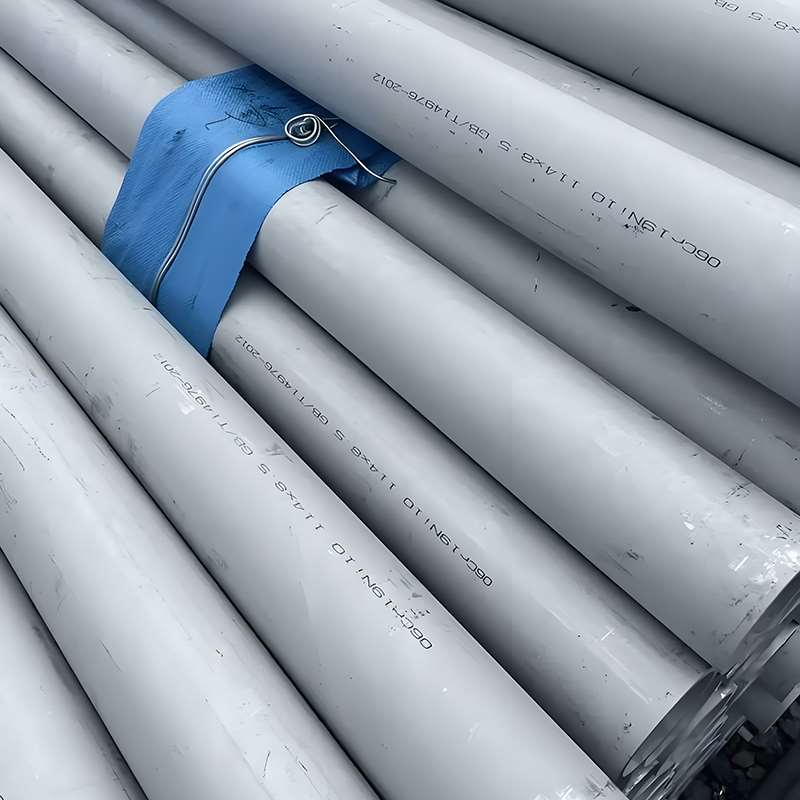
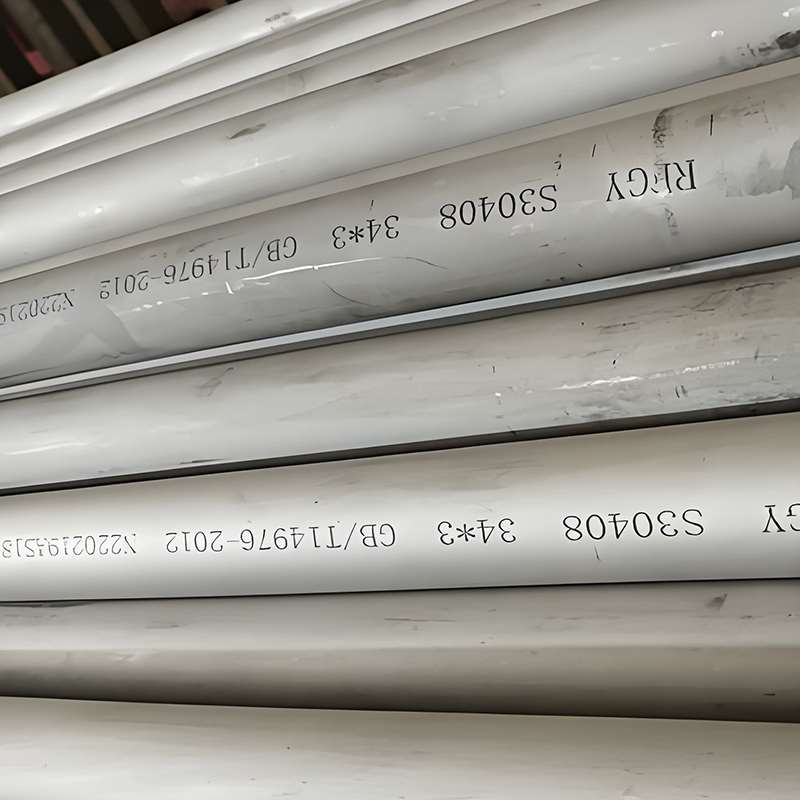
III. Application of 304 Stainless Steel Seamless Pipes in Chemical Media and Operating Conditions
i. Applicable Media
304 stainless steel seamless pipes for chemical applications are suitable for weakly corrosive, stable chemical media, commonly including:
- Water and industrial water: Fresh water, circulating water, cooling water
- Steam: Low- to medium-pressure steam pipelines
- Weak acid media: Low-concentration organic acids, dilute nitric acid (at ambient or low-to-medium temperatures)
- Weakly alkaline media: Medium-to-low concentration alkaline solutions
- Organic solvents: Alcohols, ketones, ethers, etc.
- Suitable applications: General chemical piping, equipment connection lines, auxiliary heat exchange system pipelines.
ii. Applicable Operating Conditions
- Temperature: Ambient to medium-high temperature conditions
- Pressure: Medium-low to medium-high pressure systems
- Operating mode: Suitable for continuous operation or frequent start-stop cycles
- Environment: Indoor/outdoor conventional chemical processing facilities
- Selection Principle: For media with low corrosion and low chloride ion content, prioritize 304 seamless pipe.
iii. Conditions Where Use Is Not Recommended or Requires Caution
Direct use of 304 stainless steel seamless pipe is not recommended under the following conditions:
- High chloride ion environments: Seawater, high-salinity media, chloride-containing solutions
- Strong acid media: High-concentration sulfuric acid, hydrochloric acid
- High-temperature + severe corrosion combined conditions
- Alternative Recommendations: Consider 316/316L or higher-grade stainless steel alloys for such conditions.
iv. Practical Selection Guidelines
- Weak corrosion + standard temperature/pressure → 304 stainless steel seamless pipe
- Chloride presence or increased corrosion → Upgrade material grade
IV. Comparison Table of 304 and 316 Stainless Steel Seamless Pipes
| Comparison Item | 304 Stainless Steel Seamless Pipe | 316 Stainless Steel Seamless Pipe |
|---|---|---|
| Material Grade | AISI 304 / UNS S30400 | AISI 316 / UNS S31600 |
| Main Alloying Elements | Cr 18–20%, Ni 8–10.5% | Cr 16–18%, Ni 10–14%, Mo 2–3% |
| Molybdenum (Mo) Content | None | Contains Mo, enhances corrosion resistance |
| General Corrosion Resistance | Good | Excellent |
| Chloride Resistance | Average, prone to pitting | Better, strong pitting resistance |
| Suitable Media | Water, steam, weak acids, weak alkalis, organic solvents | Chloride-containing media, highly corrosive chemical media |
| Suitable Conditions | Standard chemical service | Highly corrosive or more demanding service |
| Temperature Performance | Good, suitable for medium-high temperatures | Good, better high-temperature stability |
| Pressure Capacity | Depends on size and wall thickness | Similar to 304 (under same specifications) |
| Welding & Fabrication | Excellent, easy to work with | Excellent, stable welding performance |
| Service Life | Meets conventional chemical usage | Longer service life in corrosive environments |
| Cost | Lower, high cost-performance ratio | Higher, increased material cost |
| Typical Applications | General chemical pipelines, equipment connection pipes | Chemical plants, chloride or highly corrosive pipelines |
| Selection Recommendation | Projects with low corrosivity or budget-sensitive | Projects with high corrosivity or service life priority |
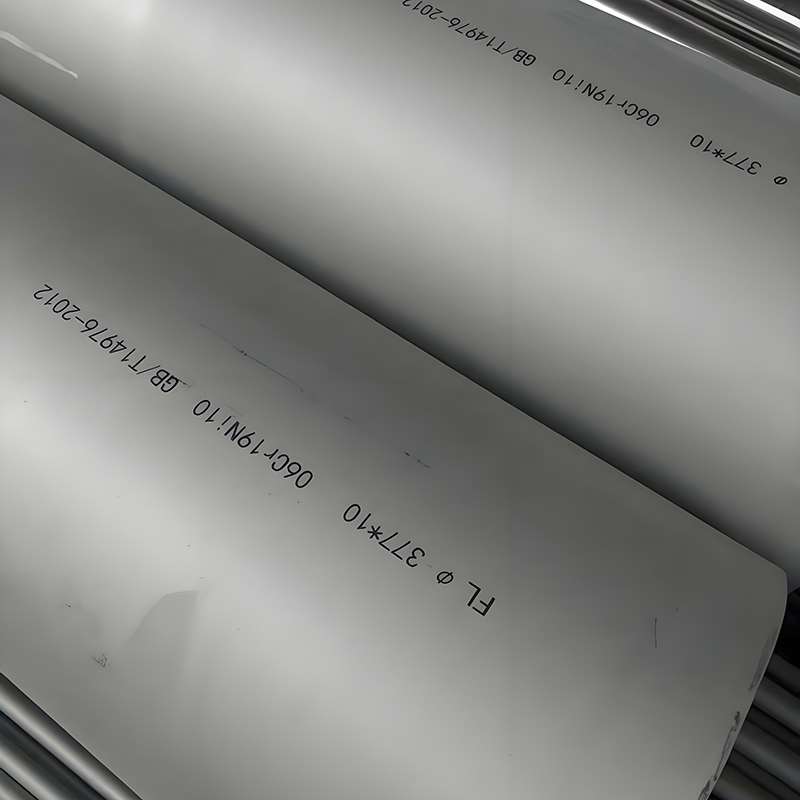
V. Common standards for 304 stainless steel seamless pipes used in the chemical industry
| Item | Standard Number | Applicable Scope / Description |
|---|---|---|
| ASTM A312 | A312 / A312M | Common austenitic stainless steel seamless and welded pipes; suitable for chemical, boiler, and high-temperature fluid pipelines |
| ASTM A213 | A213 / A213M | Seamless steel pipes for boilers and superheaters; used for steam and high-temperature fluid transport |
| ASTM A269 | A269 / A269M | Stainless steel seamless pipes for chemical equipment and general industrial use; suitable for medium- and low-pressure fluid transport |
| ASTM A554 | A554 / A554M | Stainless steel welded pipes; suitable for chemical and general industrial applications |
| EN 10216-5 | EN 10216-5 | European standard for austenitic stainless steel seamless pipes; used in pressure pipeline systems |
| JIS G3459 | JIS G3459 | Japanese standard for austenitic stainless steel seamless pipes; used in pressure equipment and chemical systems |
Selection Guide:
- For export projects, choose ASTM/EN/JIS standards based on destination country preferences.
- Domestic chemical projects commonly use ASTM A312 or ASTM A269.
- The selected standard determines pipe tolerances, inspection methods, and applicable temperature-pressure ratings.
VI. Comparison of 304 Stainless Steel Seamless Pipes vs. Welded Pipes for Chemical Applications
| Comparison Item | 304 Stainless Steel Seamless Pipe | 304 Stainless Steel Welded Pipe |
|---|---|---|
| Manufacturing Process | Formed by continuous drawing, no weld seam | Stainless steel coils or strips welded into pipe |
| Pipe Uniformity | High; wall thickness consistency is excellent | Weld seam may cause stress concentration |
| Pressure Capacity | High; suitable for medium- and high-pressure pipelines | Moderate; weld seam may affect pressure performance |
| Corrosion Resistance | Excellent; seamless, no weld seam corrosion points | Weld area slightly lower; may require additional treatment |
| Size Range | Suitable for small to large diameters | Large diameters easier to produce; very small diameters are difficult |
| Installation & Fabrication | Easy to cut, bend, and weld | Welding and fabrication convenient; suitable for large-diameter pipes |
| Cost | Higher; moderate cost-performance ratio | Lower; economical choice |
| Typical Applications | Medium- and high-pressure chemical pipelines, corrosive fluid transport | Low- and medium-pressure pipelines, general chemical or water treatment pipelines |
| Service Life | Long; minimal maintenance | Shorter; welds may require periodic inspection |
Quick Selection Guide:
- High/medium pressure, corrosive media → Choose seamless pipes
- Low pressure, general media, or limited budget → Choose welded pipes
VII. Factors Affecting the Price of 304 Stainless Steel Seamless Tubes
| Factor | Description | Impact on Price |
|---|---|---|
| Material & Grade | Different grades (304, 304L, 316L) and corrosion resistance | High |
| Outside Diameter & Wall Thickness | Larger diameter and thicker wall increase material usage | High |
| Length & Fabrication | Standard length vs. custom cut; plain end or beveled end | Medium |
| Surface Treatment | Pickling, polishing, bright annealing, anti-rust coating | Medium |
| Manufacturing Process & Standard | Seamless vs. welded; compliance with ASTM / EN / JIS standards | High |
| Market Conditions | Fluctuation of nickel, chromium, and other raw material prices; order quantity and delivery schedule | Medium–High |
| Transportation & Packaging | Transportation cost for large-diameter or long pipes; export packaging requirements | Low to Medium |
Selection Tips: When purchasing, consider material composition, specifications, manufacturing processes, and market conditions comprehensively. Avoid solely pursuing low prices to ensure safety and longevity.
VIII. FAQ on 304 Stainless Steel Seamless Tubes for Chemical Applications
Q1: Can 304 stainless steel seamless pipes transport strong acids or strong alkalis?
A1: 304 stainless steel is suitable for transporting general chemical media such as weak acids, weak alkalis, and most organic solvents. For high-concentration strong acids (e.g., concentrated sulfuric acid, hydrochloric acid) or highly corrosive alkalis, we recommend using 316 or higher-grade stainless steel to prevent pipeline corrosion or shortened service life.
Q2: Can 304 stainless steel seamless pipe be used in high-temperature, high-pressure conditions?
A2: It can be used in medium-to-high temperature (ambient to approximately 800°C) and medium-low to medium-high pressure conditions. However, if the operating environment involves both high temperature and high pressure with highly corrosive media, it is advisable to comprehensively evaluate the material’s corrosion resistance or consider upgrading to 316/316L.
Q3: Can pipes be customized to non-standard dimensions?
A3: Yes. 304 seamless pipes support custom lengths, non-standard wall thicknesses, and end finishes (flat ends or beveled ends). Note that non-standard processing may increase costs and lead times. Please confirm dimensional requirements in advance during procurement.
Q4: How should one choose between seamless and welded pipes?
A4:
Seamless pipes: Suitable for medium-to-high pressure and corrosive media pipelines, offering high pressure-bearing capacity and more stable corrosion resistance.
Welded pipes: Suitable for low-pressure, general-purpose, or budget-constrained pipeline projects, featuring lower production costs and easier installation.
Selection should be based on a comprehensive assessment of the medium, pressure requirements, and budget.
Q5: Does 304 stainless steel seamless pipe require special maintenance?
A5: Under typical chemical processing conditions, 304 seamless pipe requires minimal maintenance.
Avoid prolonged exposure to high chloride ions or highly corrosive media.
Regularly inspect pipe surfaces and connections.
If used in high-humidity environments or areas prone to debris accumulation, periodically clean or apply rust-preventive oil.