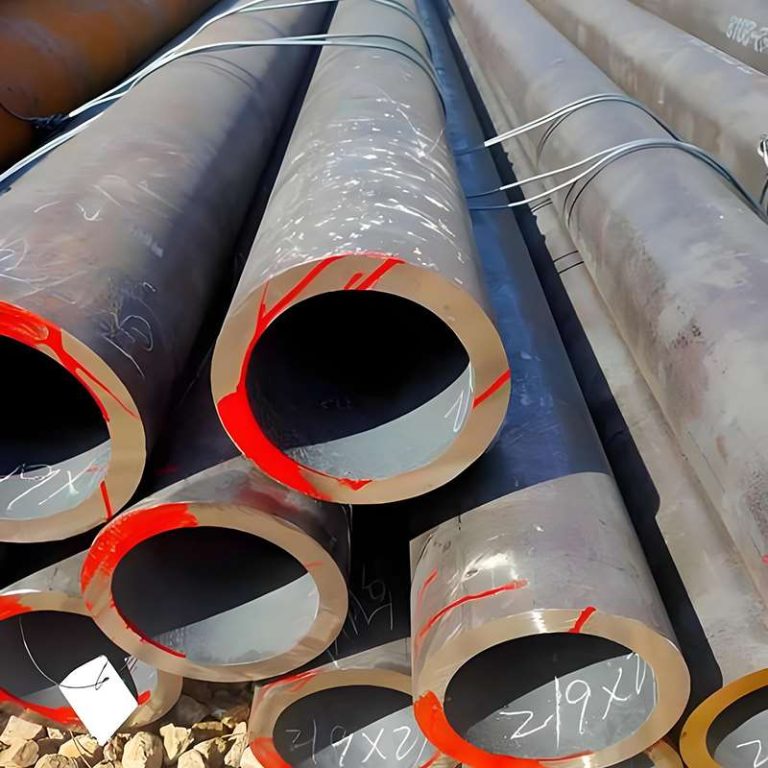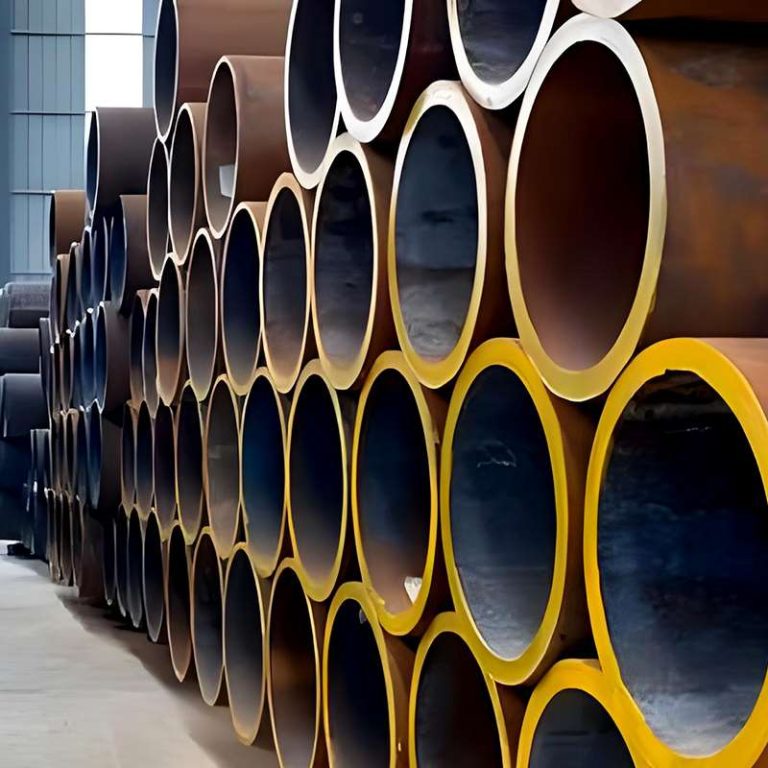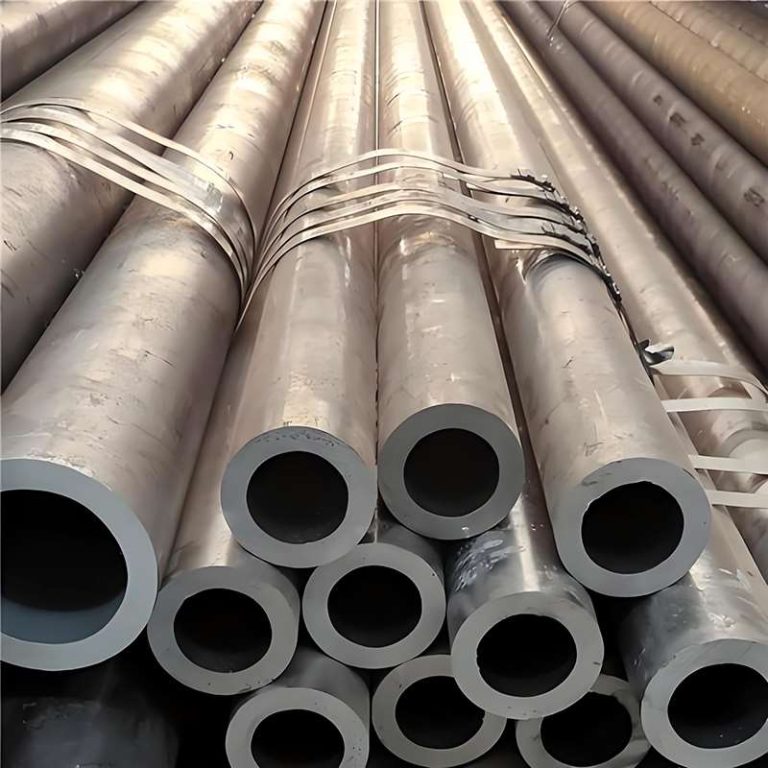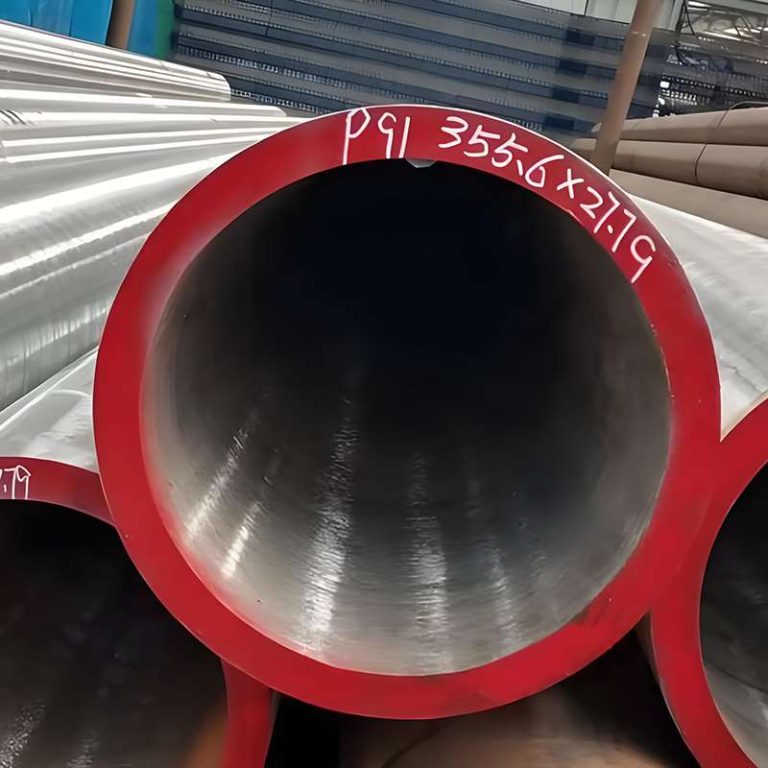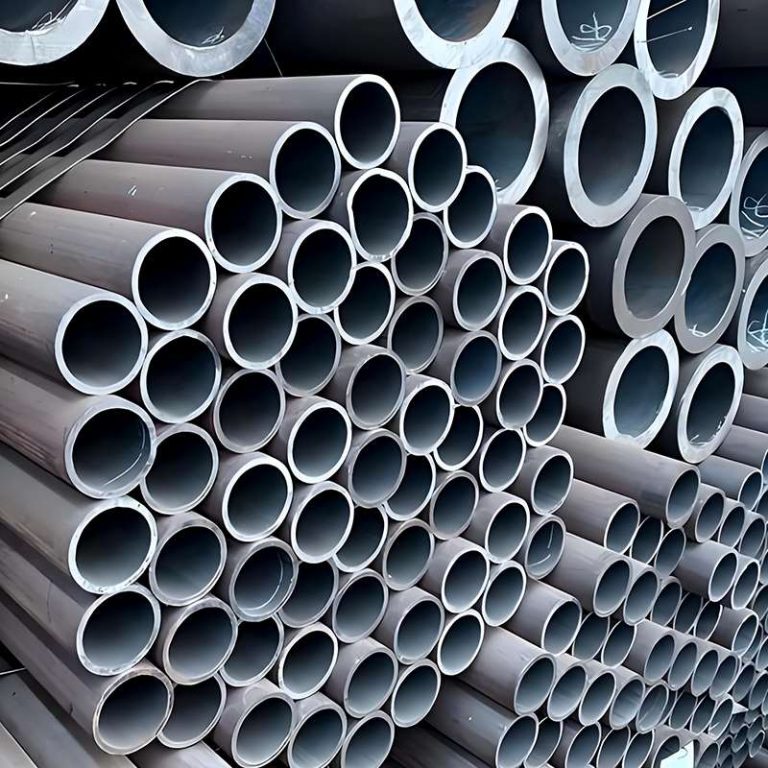
I. Introduction to Alloy Steel Pipes for Boiler Steam Piping
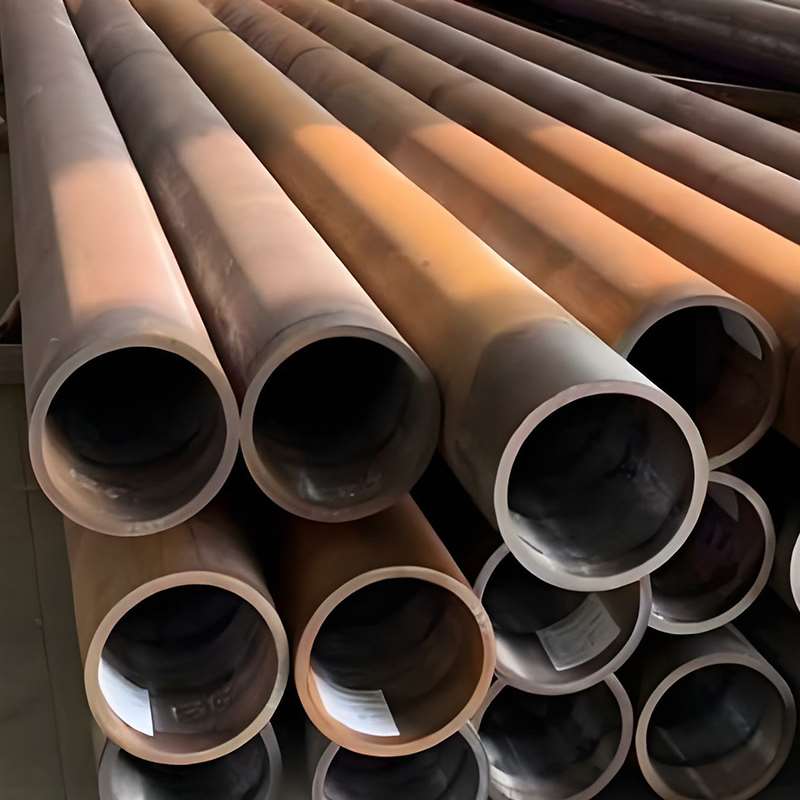
Alloy steel pipes for boiler steam piping are critical tubing specifically engineered for industrial boilers and high-temperature steam systems. Manufactured from premium chromium-molybdenum alloy steel, they are formed through hot-rolled or cold-drawn seamless processes and undergo normalizing + tempering heat treatment to ensure long-term stable operation under high-temperature, high-pressure conditions.
Key Features
High-Temperature & High-Pressure Resistance: Safely operates under 450–600°C high-temperature steam for extended periods.
High Strength & Toughness: Meets pressure-bearing requirements for industrial boiler steam piping.
Excellent Corrosion Resistance: Alloy elements enhance oxidation resistance and corrosion resistance.
High Dimensional Accuracy: Facilitates installation, welding, and construction.
Application Fields
Industrial boiler steam systems (main steam lines, superheaters, reheaters)
High-pressure steam main pipelines
High-temperature steam piping in petrochemical, chemical, and power plants
II. Common Standards for Alloy Steel Pipes Used in Boiler Steam Piping
ASTM A335 / ASME SA335: American standard applicable to high-temperature, high-pressure seamless steel pipes such as P11, P22, and P91.
EN 10216-2: European standard applicable to alloy steel pipes such as 10CrMo9-10, 13CrMo4-5, and P91.
GB 5310: Chinese national standard for steam piping in boilers and thermal energy systems.
ASTM A213 / EN 10217: Welded pipe standards for boiler heat transfer surfaces and low-to-medium pressure steam piping.
ASME B31.1: Pressure piping design code providing guidance for pipe diameter, wall thickness, and steel grade selection.
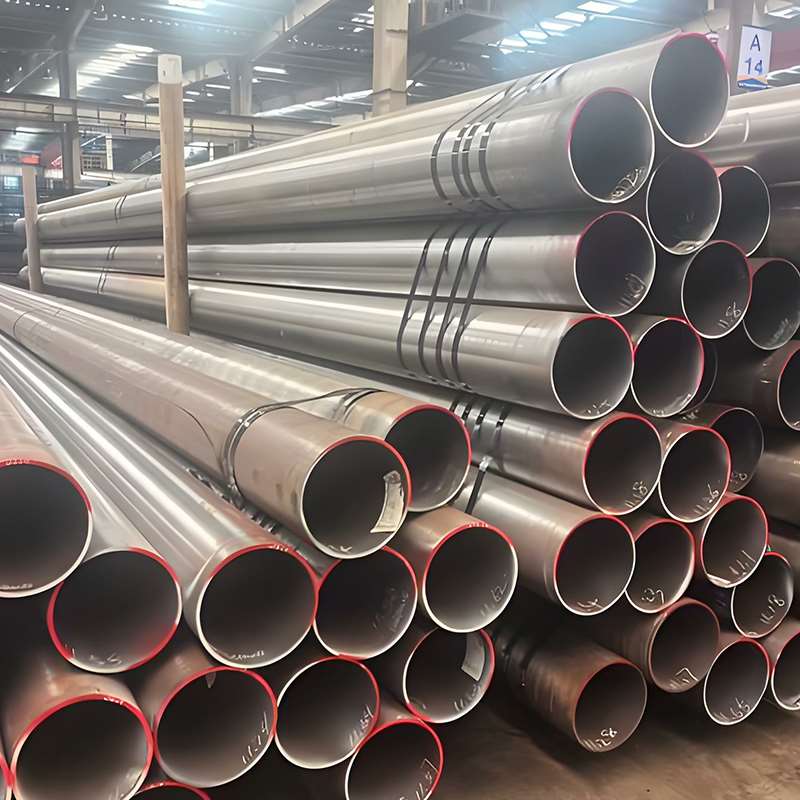
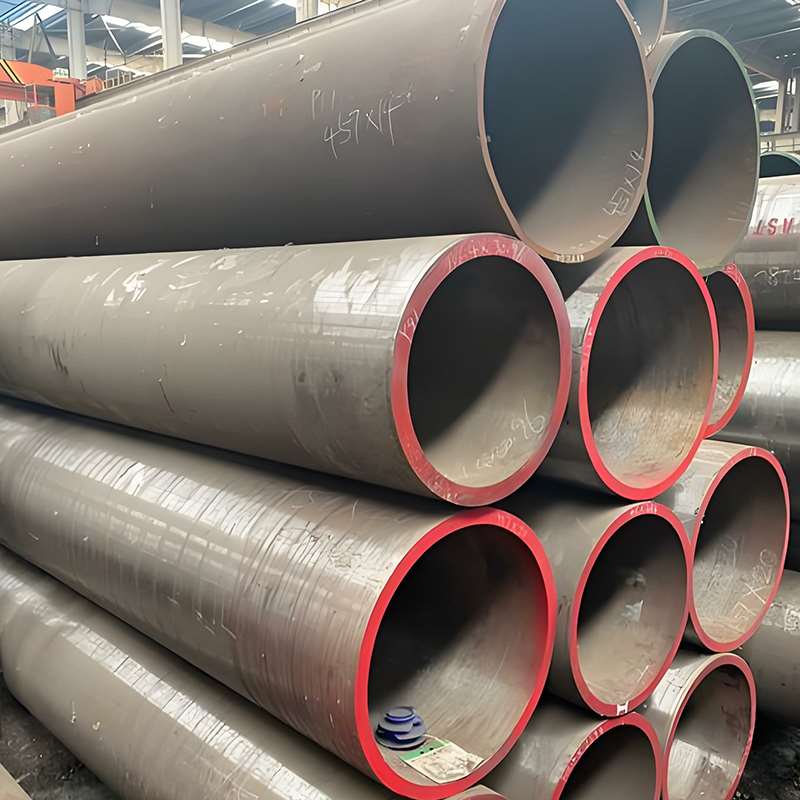
III. Chemical Composition and Mechanical Properties of Alloy Steel Tubes for Industrial Boiler Steam Piping
1. Chemical Composition Table (%)
| Steel Grade | C | Mn | Si | P | S | Cr | Mo | V |
| P11 | 0.08–0.15 | 0.30–0.60 | 0.10–0.40 | ≤0.035 | ≤0.035 | 0.90–1.10 | 0.45–0.65 | 0 |
| P22 | 0.08–0.15 | 0.30–0.60 | 0.10–0.40 | ≤0.035 | ≤0.035 | 1.90–2.20 | 0.85–1.05 | 0 |
| P91 | 0.08–0.12 | 0.30–0.60 | 0.20–0.50 | ≤0.025 | ≤0.015 | 0.85–1.05 | 0.90–1.05 | 0.18–0.25 |
| 10CrMo9-10 | 0.08–0.15 | 0.40–0.70 | 0.10–0.40 | ≤0.035 | ≤0.035 | 1.00–1.20 | 0.90–1.10 | 0 |
| 13CrMo4-5 | 0.12–0.18 | 0.40–0.70 | 0.10–0.40 | ≤0.035 | ≤0.035 | 1.20–1.50 | 0.50–0.65 | 0 |
2. Mechanical Properties Table
| Steel Grade | Standard | Yield Strength σs (MPa) | Tensile Strength σb (MPa) | Elongation δ5 (%) | Applicable Temperature Range (℃) |
|---|---|---|---|---|---|
| P11 | ASTM A335 / ASME SA335 / GB 5310 | ≥205 | 410–550 | ≥20 | ≤450 |
| P22 | ASTM A335 / ASME SA335 / GB 5310 | ≥205 | 415–550 | ≥20 | 450–540 |
| P91 | ASTM A335 / ASME SA335 / EN 10216-2 / GB 5310 | ≥600 | 690–850 | ≥20 | ≥540 |
| 10CrMo9-10 | EN 10216-2 | ≥205 | 415–550 | ≥20 | 450–540 |
| 13CrMo4-5 | EN 10216-2 | ≥205 | 410–550 | ≥20 | ≤450 |
IV. Quick Selection Guide for Alloy Steel Pipes Used in Industrial Boiler Steam Lines
| Steel Grade / Material | Main Standard | Applicable Temperature (℃) | Design Pressure Range (MPa) | Typical Applications | Selection Suggestion |
|---|---|---|---|---|---|
| P11 | ASTM A335 / ASME SA335; GB 5310 | ≤450 | 0.5–16 | Medium-temperature steam pipelines, boiler superheaters, reheaters | Cost-effective, suitable for medium-temperature and medium-pressure conditions |
| P22 | ASTM A335 / ASME SA335; GB 5310 | 450–540 | 1.0–25 | High-temperature boiler steam pipes, superheaters, reheaters | Preferred for high-temperature and high-pressure conditions, suitable for power plants and chemical boilers |
| P91 | ASTM A335 / ASME SA335; EN 10216-2; GB 5310 | ≥540 | 10–35 | High-temperature, high-pressure main steam pipelines, ultra-supercritical boilers | High creep strength at high temperature, requires strict heat treatment and welding |
| 10CrMo9-10 | EN 10216-2 | 450–540 | 1.0–22 | Industrial boiler steam pipes, reheaters | Can replace P22, suitable for medium- to high-pressure steam systems |
| 13CrMo4-5 | EN 10216-2 | ≤450 | 0.5–16 | Medium-temperature industrial boiler steam pipes, low-pressure steam pipes | Low cost, suitable for medium- and low-pressure conditions |
| Welded Pipe | ASTM A213 / EN 10217 | ≤540 | 0.5–16 | Boiler heat-exchange surface pipelines, low- to medium-pressure steam systems | Suitable for small-diameter or low-pressure applications, easy installation |
V. Common Specifications and Dimensions of Alloy Steel Pipes for Boiler Steam Piping
| Outer Diameter OD(mm) | Wall Thickness WT(mm) | Standard Length m |
| 21.3 | 2.0, 2.5, 3.0, 3.5, 4.0 | 6–12 |
| 26.9 | 2.5, 3.0, 3.5, 4.0, 4.5, 5.0 | 6–12 |
| 33.7 | 3.0, 3.5, 4.0, 4.5, 5.0, 5.5, 6.0 | 6–12 |
| 42.4 | 3.5, 4.0, 4.5, 5.0, 5.5, 6.0, 7.0, 8.0 | 6–12 |
| 48.3 | 4.0, 4.5, 5.0, 5.5, 6.0, 7.0, 8.0 | 6–12 |
| 60.3 | 4.0, 4.5, 5.0, 5.5, 6.0, 7.0, 8.0, 9.0, 10.0 | 6–12 |
| 76.1 | 5.0, 6.0, 7.0, 8.0, 9.0, 10.0, 11.0, 12.0 | 6–12 |
| 88.9 | 5.0, 6.0, 7.0, 8.0, 9.0, 10.0, 12.0, 14.0 | 6–12 |
| 114.3 | 6.0, 7.0, 8.0, 9.0, 10.0, 12.0, 14.0, 16.0 | 6–12 |
| 139.7 | 6.0, 7.0, 8.0, 9.0, 10.0, 12.0, 14.0, 16.0, 18.0, 20.0 | 6–12 |
| 168.3 | 7.0, 8.0, 9.0, 10.0, 12.0, 14.0, 16.0, 18.0, 20.0, 22.0, 25.0 | 6–12 |
| 219.1 | 8.0, 10.0, 12.0, 14.0, 16.0, 18.0, 20.0, 25.0, 30.0 | 6–12 |
| 273.0 | 10.0, 12.0, 14.0, 16.0, 18.0, 20.0, 25.0, 30.0, 35.0 | 6–12 |
| 323.9 | 12.0, 14.0, 16.0, 18.0, 20.0, 25.0, 30.0, 35.0, 40.0 | 6–12 |
| 355.6 | 14.0, 16.0, 18.0, 20.0, 25.0, 30.0, 35.0, 40.0, 45.0 | 6–12 |
| 406.4 | 16.0, 18.0, 20.0, 25.0, 30.0, 35.0, 40.0, 45.0, 50.0 | 6–12 |
| 508.0 | 20.0, 25.0, 30.0, 35.0, 40.0, 45.0, 50.0, 55.0, 60.0 | 6–12 |
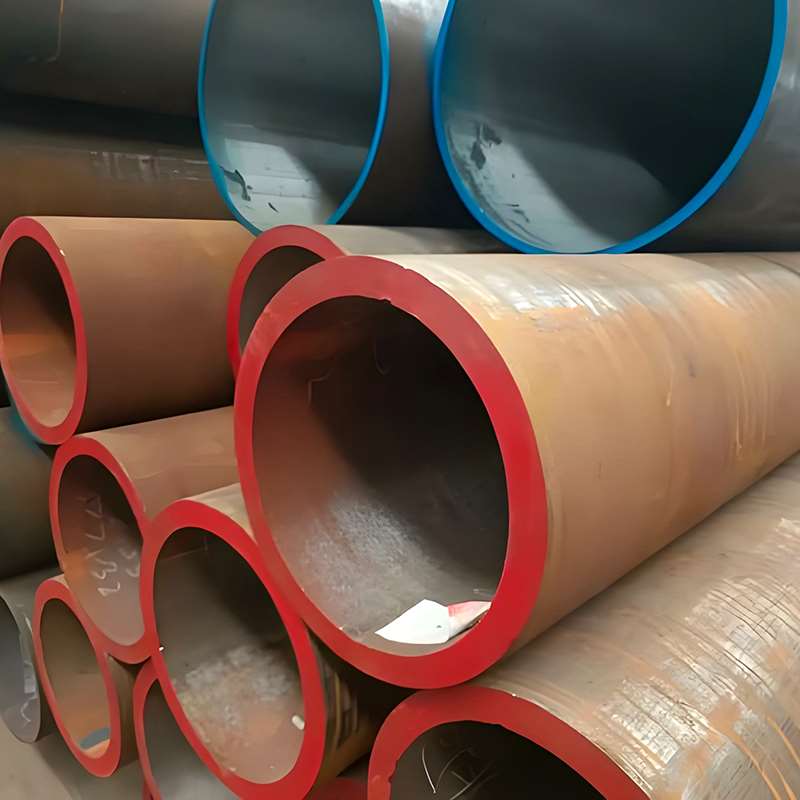
VI. Inspection Items for Alloy Steel Pipes Used in Boiler Steam Piping (US Standard)
| Inspection Item | ASTM / ASME Method | Test Content | Description / Purpose |
|---|---|---|---|
| Chemical Composition Analysis | ASTM E415 | Content of C, Mn, Si, Cr, Mo, V, Nb, etc. | Ensure the alloy composition of the steel pipe meets design requirements |
| Raw Material Certificate Verification | ASTM A999 | Material Test Certificate (MTC) content | Verify chemical composition and pipe information |
| Tensile Test | ASTM A370 | Yield strength, tensile strength, elongation | Verify mechanical properties meet design requirements |
| Bend Test | ASTM A370 | Pipe bending toughness and weldability | Check toughness and weldability |
| Hardness Test | ASTM E10 | Brinell or Rockwell hardness values | Confirm heat treatment effect and pressure resistance |
| Impact Test (Optional) | ASTM E23 | Charpy V-notch impact energy | Check low-temperature toughness and prevent brittle fracture |
| Radiographic or Eddy Current Testing | ASTM E213 | Internal defects (porosity, cracks) | Ensure internal quality of thick-walled or welded pipes |
| Ultrasonic Testing | ASTM A388 | Longitudinal and circumferential cracks and porosity | Inspect internal defects of the pipe body |
| Magnetic Particle Testing | ASTM E709 | Surface cracks, weld defects | Detect defects at pipe ends and welded joints |
| Outer Diameter & Wall Thickness Measurement | ASTM A530 | Pipe diameter, wall thickness | Ensure dimensional accuracy meets design requirements |
| Length & End Finish | ASTM A530 | Pipe length, end flatness, bevel angle | Ensure ease of installation and welding quality |
| Surface Quality Inspection | ASTM A530 | Scale, scratches, cracks, rust | Ensure surface smoothness and prevent localized corrosion |
VII. Common FAQs for Procuring Alloy Steel Pipes for Boiler Steam Piping
Q1: How to select the appropriate steel grade?
A1: Select steel grades based on steam temperature and pressure.
≤450℃, Medium-Low Pressure → P11 or 13CrMo4-5
450–540℃, Medium-High Pressure → P22 or 10CrMo9-10
≥540℃, high pressure → P91
Also consider cost, service life, and construction convenience.
Q2: How to verify pipe quality during procurement?
A2: Verify the Material Test Certificate (MTC) to confirm chemical composition, mechanical properties, and heat treatment records. Additionally, request ASTM test reports or third-party inspection reports.
Q3: How are wall thickness and outer diameter determined?
A3: Consult piping design codes (e.g., ASME B31.1) based on design pressure and temperature. Thin-walled pipes may be selected for small-diameter branch lines, while thick-walled pipes should be chosen for large-diameter main steam lines or high-pressure pipes. Clearly specify design drawing requirements during procurement to avoid ordering incorrect specifications.
Q4: What are the requirements for pipe length and end preparation?
A4: Standard lengths range from 6–12 m, with custom cutting available. Ends typically require flat, burr-free surfaces. Chamfering or beveling may be performed according to construction welding specifications.
Q5: Is a non-destructive testing (NDT) report required?
A5: NDT reports are recommended for high-pressure and main steam pipes, including radiography/eddy current, ultrasonic, and magnetic particle testing. Low-pressure or small-diameter pipes may undergo selective testing based on project requirements.
Q6: How can we prevent selecting the wrong standard or steel grade during procurement?
A6:
- Confirm the applicable regional requirements (domestic GB standards or international ASTM/EN standards).
- Verify the corresponding standard, temperature, pressure, and application for each steel grade.
- Confirm material certificates and test reports with suppliers to avoid engineering accidents or rework caused by incorrect steel grades.