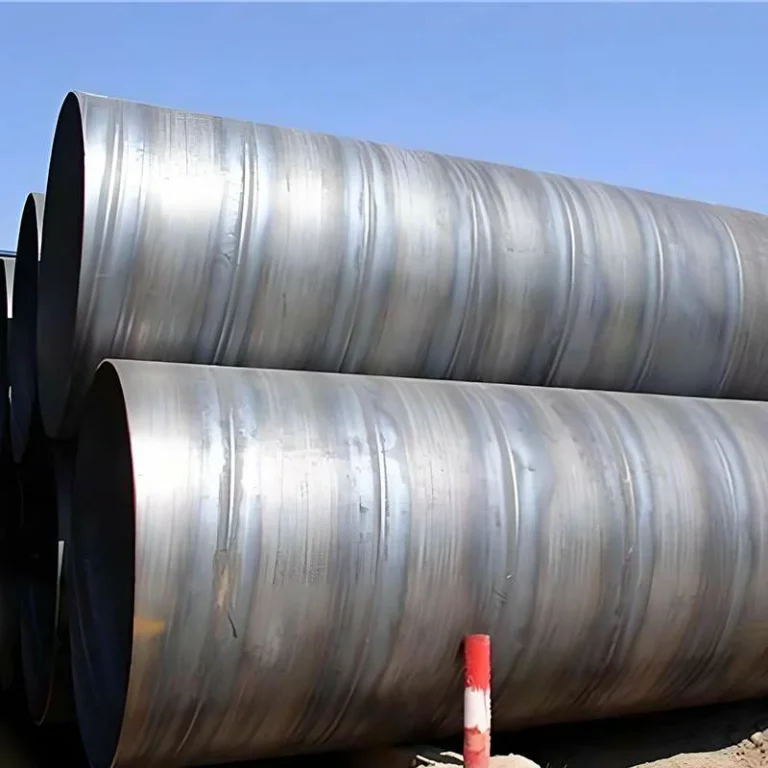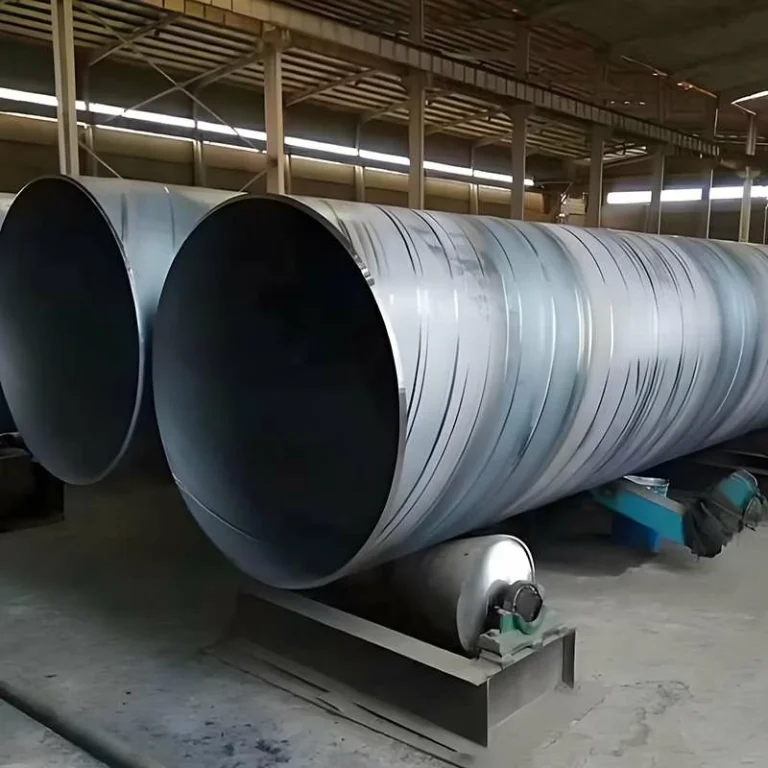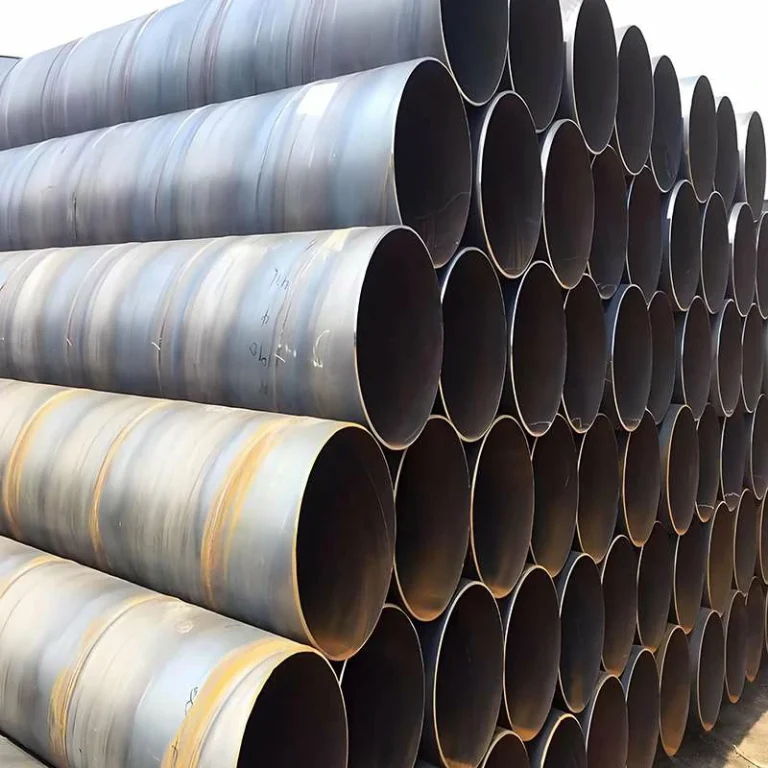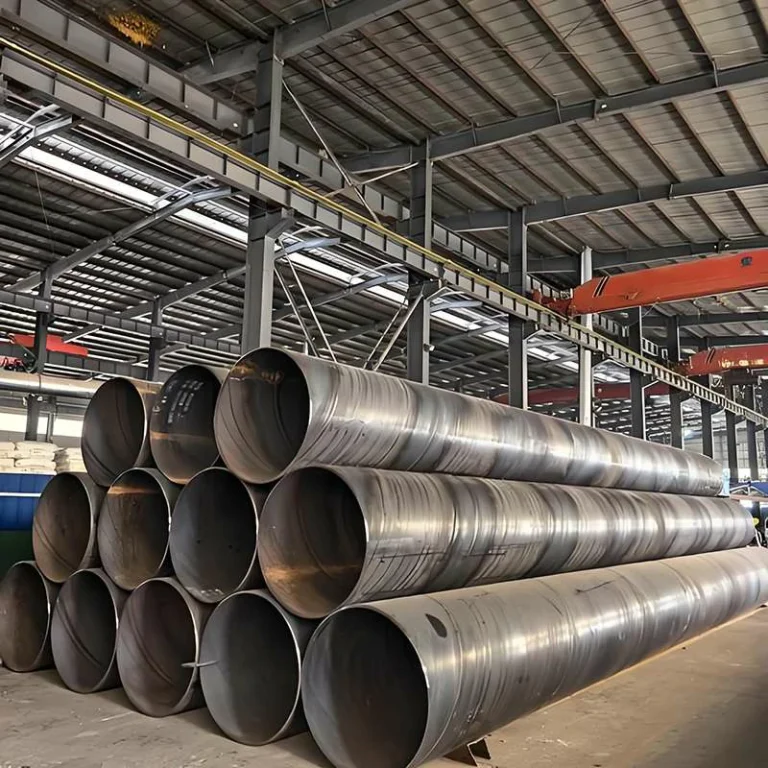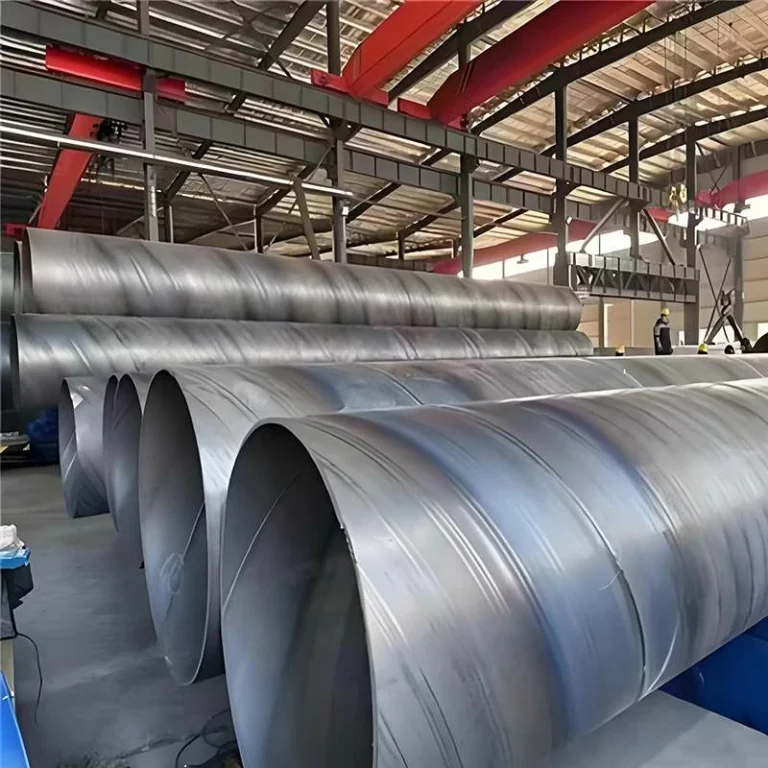
I. Introduction to API 5L X42 Carbon Steel Pipe
API 5L X42 carbon steel pipe is widely used in onshore and subsea pipeline transportation projects for oil and gas, classified as a medium-to-low strength grade pipeline pipe. Manufactured using a microalloyed heat treatment process, this pipe ensures excellent mechanical properties and reliability under medium-to-low pressure and ambient temperature conditions.
Compared to stainless steel seamless pipes, carbon steel pipes offer lower production costs while meeting the corrosion resistance and low/high-temperature performance requirements for conventional pipeline transportation. They represent an economical and efficient choice for medium- and low-pressure oil and gas pipeline projects.
II. API 5L Carbon Steel Pipe Grade Comparison Table
i. Chemical Composition (%)
| Element | Grade B | X42 | X46 | X52 | X56 | X60 | X65 | X70 |
|---|---|---|---|---|---|---|---|---|
| Carbon (C) | ≤ 0.28 | ≤ 0.26 | ≤ 0.26 | ≤ 0.26 | ≤ 0.26 | ≤ 0.26 | ≤ 0.26 | ≤ 0.26 |
| Manganese (Mn) | 0.60–1.00 | 0.85–1.20 | 0.85–1.20 | 0.85–1.30 | 0.85–1.30 | 0.85–1.35 | 0.85–1.35 | 0.85–1.40 |
| Silicon (Si) | 0.10–0.35 | ≤ 0.55 | ≤ 0.55 | ≤ 0.55 | ≤ 0.55 | ≤ 0.55 | ≤ 0.55 | ≤ 0.55 |
| Sulfur (S) | ≤ 0.035 | ≤ 0.035 | ≤ 0.035 | ≤ 0.035 | ≤ 0.035 | ≤ 0.035 | ≤ 0.035 | ≤ 0.035 |
| Phosphorus (P) | ≤ 0.035 | ≤ 0.035 | ≤ 0.035 | ≤ 0.035 | ≤ 0.035 | ≤ 0.035 | ≤ 0.035 | ≤ 0.035 |
| Nickel (Ni) | ≤ 0.40 | ≤ 0.40 | ≤ 0.40 | ≤ 0.40 | ≤ 0.40 | ≤ 0.40 | ≤ 0.40 | ≤ 0.40 |
| Chromium (Cr) | ≤ 0.30 | ≤ 0.30 | ≤ 0.30 | ≤ 0.30 | ≤ 0.30 | ≤ 0.30 | ≤ 0.30 | ≤ 0.30 |
| Molybdenum (Mo) | ≤ 0.10 | ≤ 0.10 | ≤ 0.10 | ≤ 0.10 | ≤ 0.10 | ≤ 0.10 | ≤ 0.10 | ≤ 0.10 |
| Copper (Cu) | ≤ 0.40 | ≤ 0.40 | ≤ 0.40 | ≤ 0.40 | ≤ 0.40 | ≤ 0.40 | ≤ 0.40 | ≤ 0.40 |
| Vanadium (V) | ≤ 0.08 | ≤ 0.08 | ≤ 0.08 | ≤ 0.08 | ≤ 0.08 | ≤ 0.08 | ≤ 0.08 | ≤ 0.08 |
ii. Mechanical properties
| Steel Grade | Yield Strength σy (MPa) | Tensile Strength σt (MPa) | Elongation δ5 (%) | Impact Test (-20℃, J) |
|---|---|---|---|---|
| Grade B | ≥ 240 | 415–540 | ≥ 20 | ≥ 27 |
| X42 | ≥ 290 | 415–540 | ≥ 22 | ≥ 27 |
| X46 | ≥ 317 | 415–540 | ≥ 22 | ≥ 27 |
| X52 | ≥ 359 | 455–620 | ≥ 20 | ≥ 27 |
| X56 | ≥ 386 | 485–620 | ≥ 20 | ≥ 27 |
| X60 | ≥ 414 | 485–620 | ≥ 20 | ≥ 27 |
| X65 | ≥ 448 | 510–655 | ≥ 18 | ≥ 27 |
| X70 | ≥ 483 | 535–690 | ≥ 18 | ≥ 27 |
-2.jpg)
-3.jpg)
III. API 5L Seamless Steel Pipe Performance Parameter Table
| Property | GR.B | X-42 |
|---|---|---|
| Outer Diameter Tolerance | 1% | 1% |
| Wall Thickness Tolerance | 12.5% | 12.5% |
| Length Tolerance | 2% | 2% |
| Bevel Angle | 35° | 35° |
| Bevel Land Size | 1/16″ ± 1/32″ | 1/16″ ± 1/32″ |
| Hydrostatic Test Pressure & Hold Time | 1070 psig, 5 seconds | 1070 psig, 5 seconds |
| Tensile Strength | 60,000 psi = 414 MPa | 60,000 psi = 414 MPa |
| Yield Strength | 35,000 psi = 241 MPa | 42,000 psi = 290 MPa |
| Elongation | ≥ 30% | ≥ 30% |
| Stamping Mark | KSL API 5L Seamless Steel Pipe 6″ SCH40 13560 | KSL API 5L Seamless Steel Pipe 6″ SCH40 13560 |
| Straightness | 2% | 2% |
| Weld Inspection Method | 100% X-ray | 100% X-ray |
| Non-Expanded Type | Yes | Yes |
| Plastic End Caps | Yes | Yes |
| Internal & External Coating | None | None |
| Weight Measurement Method | Length Measurement / Weighing | Length Measurement / Weighing |
IV. Classification of API 5L X42 steel pipes for oil and gas pipelines
| Type | Manufacturing Description | Applicable Scenarios / Features |
|---|---|---|
| Seamless Pipe | Formed by hot rolling or cold drawing, entire pipe without weld seam | Uniform strength, high pressure resistance, suitable for onshore and offshore medium- to low-pressure pipelines, good weldability, long service life |
| ERW Pipe (Electric Resistance Welded) | Formed from steel strips and welded by electric resistance | Lower cost, suitable for medium- to low-pressure long-distance pipelines, weld seam requires NDT for safety |
| LSAW Pipe (Longitudinal Submerged Arc Welded) | Steel plate rolled into pipe shape and longitudinally welded with submerged arc | Commonly used for large-diameter, high-pressure pipelines; high weld strength, suitable for long-distance oil & gas pipelines |
| SSAW / HSAW Pipe (Spiral Submerged Arc Welded) | Steel strip spiral-rolled and welded into pipe | Large-diameter, long-distance pipelines at lower cost, suitable for medium- to low-pressure oil & gas transport |
Features Summary
Seamless Pipe: Preferred for high-pressure and critical pipelines, offering extended service life and uniform pressure distribution.
Welded Pipe (ERW/LSAW/SSAW): Lower cost, suitable for medium-to-low pressure or large-diameter long-distance pipelines, but welds require rigorous inspection.
Selection Criteria: The pipeline’s pressure rating, diameter, conveyed medium, and installation environment determine the production process type.
V. X42 API 5L Carbon Steel Pipe Production Process
- Seamless Pipe Production Process
Steel billet → Heating → Piercing → Hot rolling → Cooling → Finish rolling/Cold drawing → Dimensional correction → Inspection → Cutting → Surface treatment → Finished product storage - Electric Resistance Welded Pipe (ERW Pipe) Production Process
Steel plate/strip → Forming → Seam welding (High-Frequency Resistance Welding) → Cooling → Straightening → Cutting → Inspection (Non-Destructive Testing) → Surface Treatment → Finished Product Storage - Longitudinal Submerged Arc Welded Pipe (LSAW Pipe) Production Process
Steel Plate → Rolling into Pipe → Longitudinal Submerged Arc Welding → Weld Heat Treatment → Straightening → Non-Destructive Testing (Radiography/Ultrasonic) → Cutting → Surface treatment → Finished product storage - Spiral Welded Pipe (SSAW / HSAW) Production Process
Steel strip → Spiral rolling into pipe → Spiral welding → Weld heat treatment → Straightening → Non-destructive testing → Cutting → Surface treatment → Finished product storage
-4.jpg)
-1.jpg)
VI. Corrosion Protection Solutions and Selection Recommendations for API 5L X42 Carbon Steel Pipes Used in Oil and Gas Pipelines
i. Overview of Corrosion Protection Solutions
| Corrosion Protection Type | Applicable Scope | Features |
|---|---|---|
| Rust Preventive Oil / Temporary Coating | Transportation, short-term storage | Low cost, easy to apply, but poor durability; suitable for short-term protection |
| Epoxy Resin Coating (FBE, Fusion Bonded Epoxy) | Onshore buried pipelines | Strong adhesion, corrosion-resistant, wear-resistant; suitable for medium- to low-pressure pipelines |
| Epoxy / Polyethylene (PE) Coating | Long-distance pipelines | Thick protective layer, resistant to chemical corrosion; suitable for high-pressure pipelines |
| Galvanization / Hot-Dip Galvanizing | Outdoor, exposed, or humid environments | Resistant to atmospheric corrosion, easy to apply, but limited protection in underground environments |
| Cathodic Protection (CP) with Coating | Subsea or buried pipelines | Effectively inhibits electrochemical corrosion; standard for offshore long-distance pipelines |
ii. Selection Recommendations
- Selection Based on Buried/Offshore Environments
Land-based ordinary soil: Epoxy coating + PE wrapping sufficient
Offshore pipelines or high-salinity environments: Epoxy internal/external coating + cathodic protection - Selection Based on Operating Pressure and Steel Grade
High-pressure pipelines (≥4 MPa, steel grade X52 or higher): Thickened anti-corrosion layer recommended; wear-resistant coating preferred
Medium-low pressure pipelines (X42, Grade B): Standard epoxy coating + PE wrapping or galvanization sufficient - Selection Based on Medium Temperature
Ambient crude oil/natural gas: Standard epoxy coating
High-temperature steam or high-temperature crude oil: High-temperature resistant epoxy coating or specialized anti-corrosion paint - Protection During Transportation and Storage
Pipes may be coated with rust-preventive oil at the factory; protect from rain and moisture during transport
Inspect coating integrity before installation; perform spot repairs as necessary
VII. Common FAQs on API 5L Grade X42 Carbon Steel Pipe Usage
Q1: What is the maximum working pressure that API 5L X42 carbon steel pipe can withstand?
A1: X42 steel grade pipe has a yield strength ≥290 MPa and tensile strength of 415–540 MPa. It is suitable for medium- and low-pressure pipelines (generally ≤4 MPa). For high-pressure pipelines, higher steel grades such as X52/X60 should be selected.
Q2: Will pipelines become brittle and fracture in low-temperature environments?
A2: PSL2-rated pipelines require an impact test ≥27 J at -20°C to ensure low-temperature toughness. For cryogenic or subsea environments, additional impact testing or the selection of low-temperature optimized steel grades is recommended.
Q3: How are buried or subsea pipelines protected against corrosion?
A3: Common corrosion prevention measures include epoxy resin coating (FBE), polyethylene overlay, galvanization, and combined cathodic protection. Different solutions are selected based on specific environments to ensure long-term corrosion resistance.
Q4: What issues commonly arise during pipe installation?
A4: Common problems include mismatched flange or valve connections due to wall thickness tolerance deviations, bent or distorted pipe ends, and welding quality issues. Strict inspection of dimensional tolerances, roundness, and weld quality is recommended.
Q5: What maintenance considerations are required for long-term pipeline operation?
A5: As an experienced Carbon Steel Pipe Supplier, we recommend conducting regular inspections of coating integrity, weld corrosion, and pressure variations to ensure long-term pipeline reliability. Offshore pipelines require cathodic protection effectiveness testing every 1–3 years, while onshore pipelines should be inspected every 5–10 years.
Q6: How can one determine if pipe material selection is appropriate?
A6: Select steel grades and manufacturing processes based on pressure rating, pipe diameter, conveyed medium, and environmental conditions:
High-pressure critical pipelines → Seamless pipe or LSAW
Medium/low-pressure long-distance transmission → ERW or SSAW
Special environments → Enhanced corrosion-resistant or low-temperature optimized steel grades