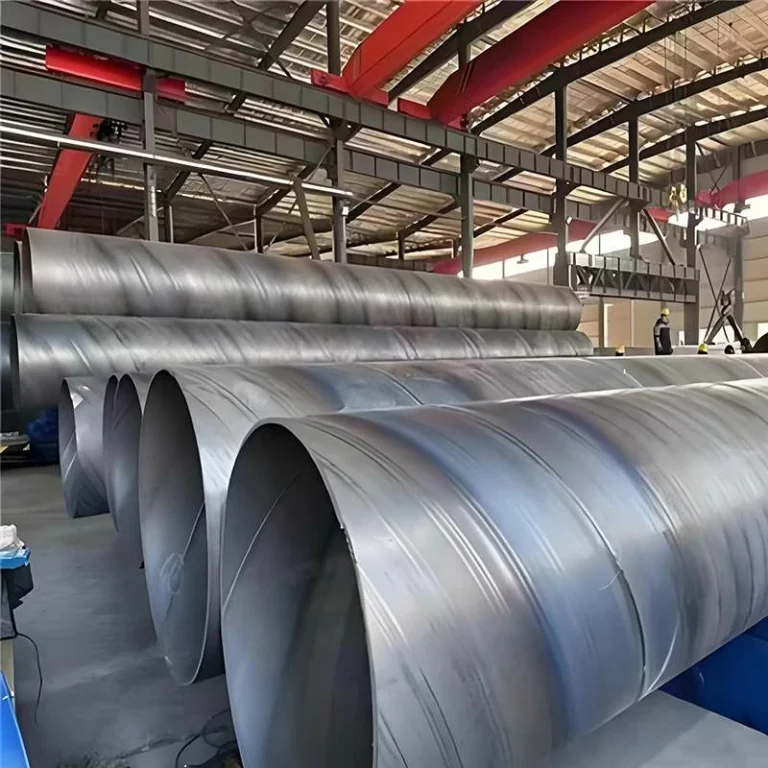
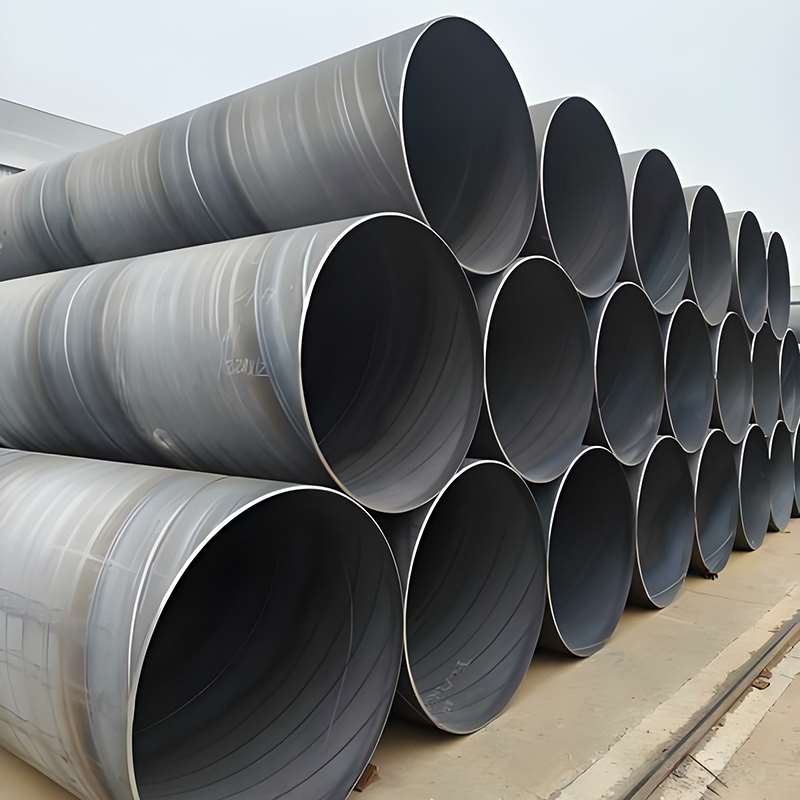
I. Overview of SSAW Carbon Steel Pipe
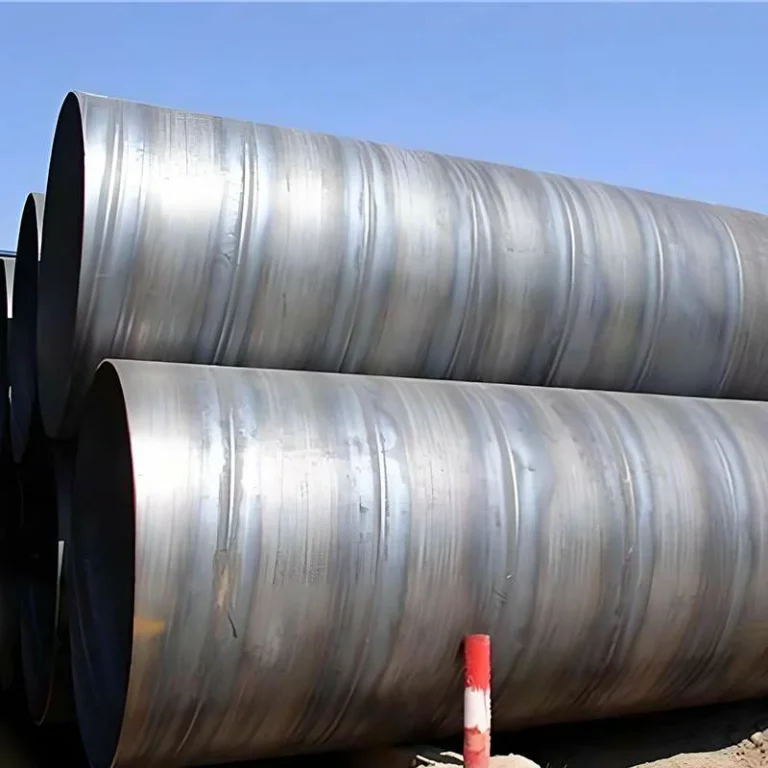
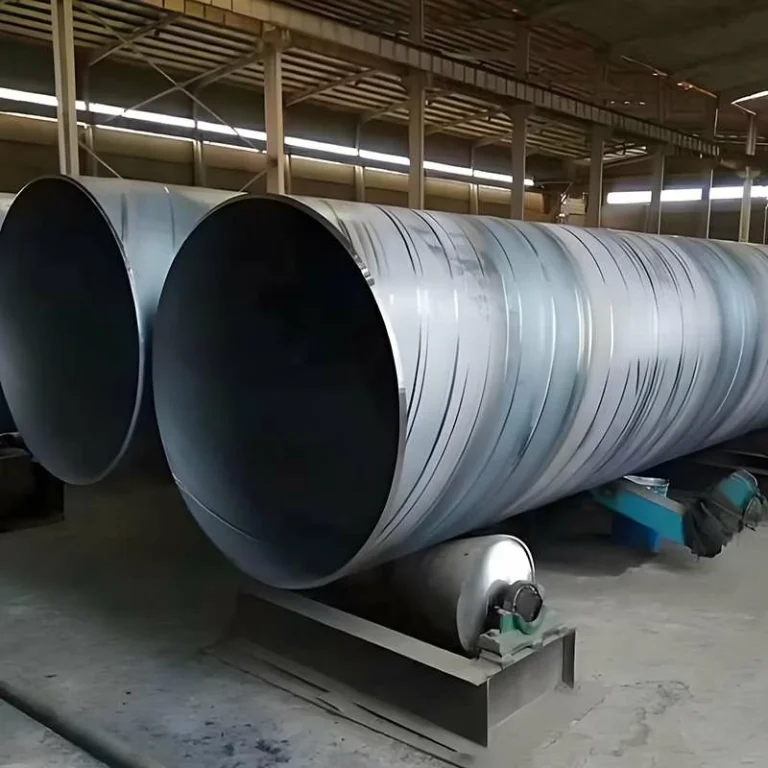
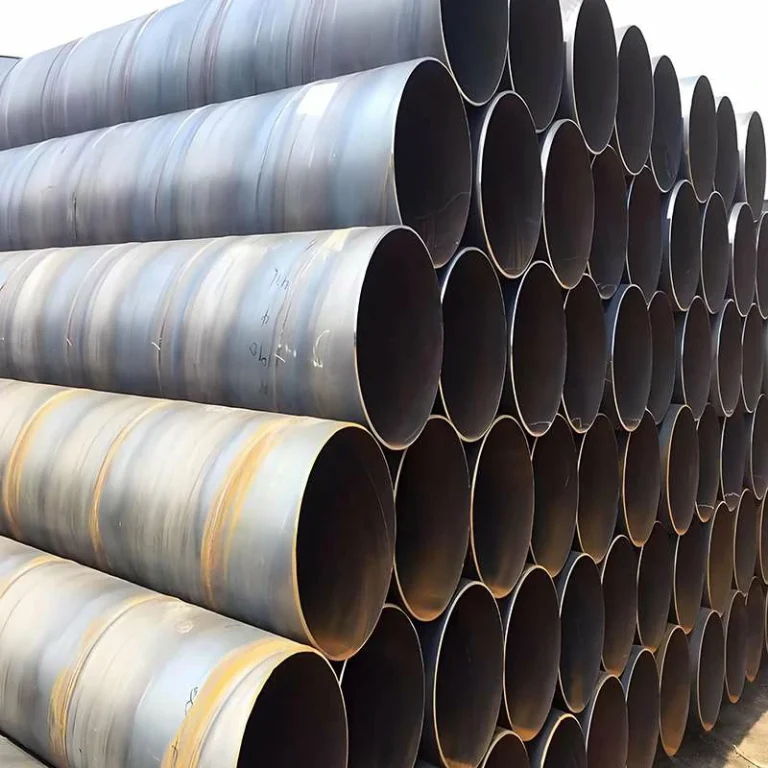
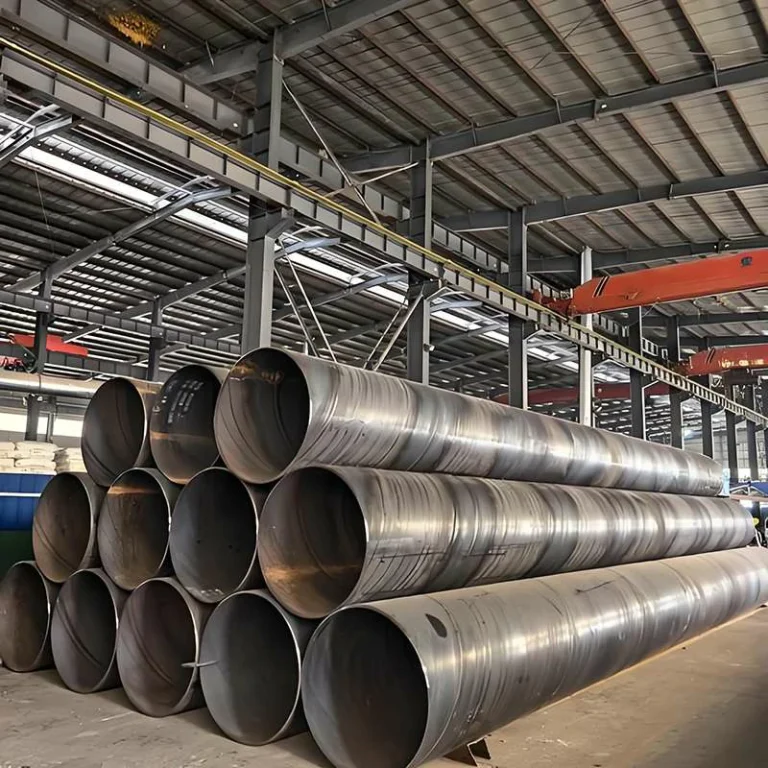
SSAW carbon steel pipe is a long-distance steel pipe manufactured using a high-efficiency submerged arc welding process. It features high weld quality, uniform structure, and strong pressure resistance.
The product offers a wide range of diameters, and wall thickness can be customized according to application requirements. Materials include Q235, Q345, or low-alloy steel conforming to API standards. Surface treatments include hot-dip galvanizing, anti-corrosion coating, or painting, meeting the corrosion resistance, rust prevention, and durability requirements of various environments.
II. SSAW Carbon Steel Pipe Specification Selection Comparison Table
| Outer Diameter OD (mm) | Wall Thickness WT (mm) | Theoretical Weight kg/m | Standard Length m | Typical Application |
|---|---|---|---|---|
| 60 | 4, 5, 6 | 7.5–10.8 | 6–12 | Water supply and drainage, small to medium process pipes |
| 76 | 4, 5, 6, 8 | 10–15 | 6–12 | Small-diameter industrial pipes, low-pressure gas |
| 89 | 4, 5, 6, 8 | 13–22 | 6–12 | Industrial process, water pipelines |
| 108 | 5, 6, 8, 10 | 19–35 | 6–12 | Oil transportation, low-pressure gas pipes |
| 114 | 5, 6, 8, 10 | 21–38 | 6–12 | Oil pipelines, industrial pipes |
| 127 | 5, 6, 8, 10, 12 | 25–45 | 6–12 | Industrial process and structural pipes |
| 139 | 6, 8, 10, 12 | 34–60 | 6–12 | Oil & gas transportation, structural use |
| 159 | 6, 8, 10, 12, 14 | 45–80 | 6–12 | Medium-diameter transport pipelines |
| 168 | 6, 8, 10, 12, 14, 16 | 52–95 | 6–12 | High-pressure industrial pipelines |
| 219 | 8, 10, 12, 14, 16, 18, 20 | 90–170 | 6–12 | Large-diameter oil & gas pipelines |
| 273 | 8, 10, 12, 14, 16, 18, 20, 22 | 130–230 | 6–12 | Oil and natural gas pipelines |
| 325 | 10, 12, 14, 16, 18, 20, 22, 25 | 200–350 | 6–12 | Large industrial pipelines |
| 377 | 12, 14, 16, 18, 20, 22, 25, 28 | 270–470 | 6–12 | High-pressure oil & gas transportation |
| 426 | 12, 14, 16, 18, 20, 22, 25, 28, 30 | 350–600 | 6–12 | Extra-large diameter pipeline projects |
| 480 | 12–30 | 450–700 | 6–12 | Extra-large transport pipelines |
| 530 | 14–30 | 550–800 | 6–12 | Oil & gas transport pipelines |
| 610 | 14–32 | 700–1000 | 6–12 | High-pressure industrial pipelines, large diameter projects |
| 720 | 16–35 | 1000–1400 | 6–12 | Extra-large diameter oil & gas pipelines |
| 820 | 16–38 | 1300–1800 | 6–12 | Extra-large diameter pipeline projects |
| 1020 | 18–40 | 2000–2800 | 6–12 | Extra-large high-pressure pipelines |
| 1220 | 18–45 | 2500–3500 | 6–12 | Extra-large transport pipelines |
| 1420 | 20–50 | 3500–5000 | 6–12 | Extra-large oil & gas transport pipelines |
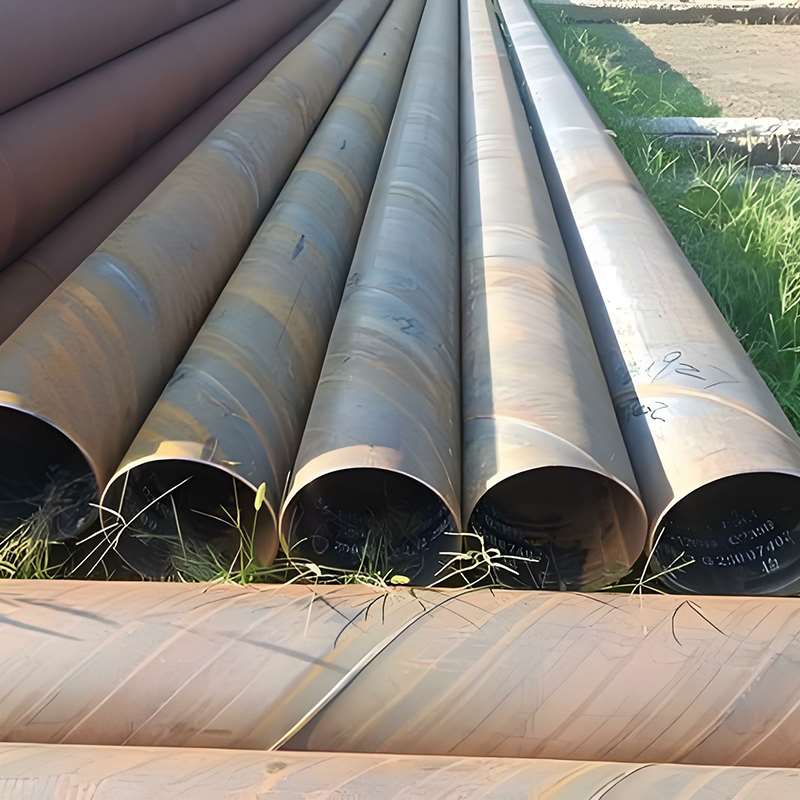
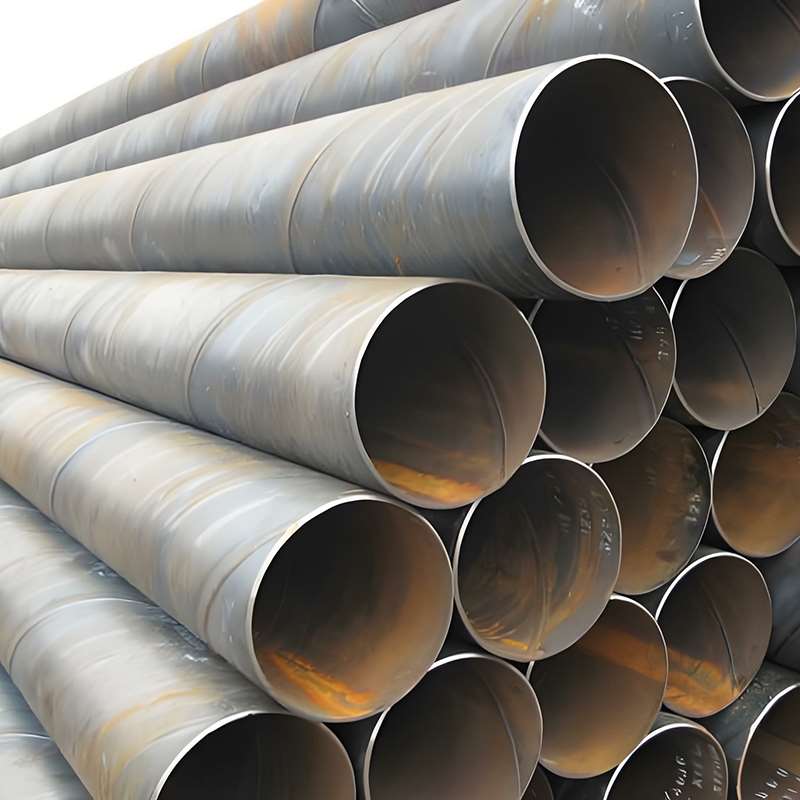
III. International Standard for SSAW Carbon Steel Pipe
| International Standard | Typical Application | Material / Grade | Pipe Diameter Range | Notes |
|---|---|---|---|---|
| ASTM A134 | Boiler, pressure vessel, structural pipe | Carbon steel | Small to medium-large diameter | Commonly used in industrial process and structural pipelines |
| ASTM A252 | Piles, pipe piles, structural pipe | Carbon steel | 60–1420 mm | Used in construction and foundation projects |
| ASTM A53 | Water, steam, oil & gas transportation | Gr.A / Gr.B | 20–500 mm | Suitable for low-pressure pipelines |
| ASTM A106 | High-temperature service pipes | Gr.B / Gr.C | 20–500 mm | For high-temperature steam and hot water pipelines |
| API 5L | Oil & gas transportation | X42–X65 | 60–1420 mm | Common standard for oil and gas pipelines |
| EN 10217-2 | Pressure-bearing welded steel pipes | P235–P355 | 21.3–1219 mm | Industrial pipelines and pressure pipes |
| EN 10219-1/2 | Cold-formed welded structural pipes | S235–S355 | 21.3–1219 mm | Pipes for building structures |
| ISO 3183 | Oil & gas transportation pipelines | X42–X65 | 60–1420 mm | International oil & gas pipeline standard |
| GB/T 9711 | Oil & gas transportation | X42–X65 | 60–1420 mm | Domestic standard for oil & gas pipelines in China |
| GB/T 5310 | Boiler and pressure vessel pipes | 10#, 20#, Q345 | Small to medium diameter | High-temperature steam and industrial process |
| JIS G3454/5/6 | Water, oil & gas, and industrial pipelines | STK300–STK500 | 21.3–610 mm | Japanese industrial standard pipes |
IV. Production Process of SSAW Carbon Steel Pipe
SSAW carbon steel pipes are manufactured using the submerged arc welding process, an automated pipe production method that employs welding wire and flux under submerged arc conditions.
Key characteristics of this process include:
- Uniform and Stable Welding
During submerged arc welding, the weld bead is covered by flux, protecting it from atmospheric contamination. This ensures high weld quality and uniform microstructure of the weld metal. - Suitable for Large Diameter, Thick-Wall Pipes
Submerged arc welding utilizes high welding currents and deep penetration capabilities, enabling the production of carbon steel pipes with large diameters and substantial wall thicknesses. - High Weld Strength
The welded joint bonds tightly with the base metal, exhibiting mechanical properties comparable to or exceeding those of the base material. This ensures reliable overall pipe strength, making it suitable for pressure-bearing pipelines. - Smooth, Flat Weld Surfaces
The submerged arc process produces weld surfaces that are flat and smooth, with minimal internal defects, reducing the need for subsequent processing. - High efficiency, low spatter
High automation levels ensure rapid production with minimal spatter during welding, saving labor and material costs. - Strong controllability
Precise control of welding parameters facilitates the production of carbon steel pipes in various materials, specifications, and wall thicknesses, meeting diverse engineering requirements.
V. SSAW Carbon Steel Pipe Testing Standard Comparison Table
| Test Item | Test Method | Key Indicators / Standard Requirements | Applicable Standards |
|---|---|---|---|
| Chemical Composition | Spectral analysis or chemical analysis | C, Mn, Si, P, S content meets material requirements (e.g., Q235, Q345, X42–X65) | ASTM A53/A106, API 5L, GB/T 9711, EN 10217 |
| Tensile Strength | Tensile test (universal testing machine) | Strength meets material standard requirements (e.g., Q345: 470–630 MPa) | ASTM A53/A106, GB/T 9711 |
| Yield Strength | Tensile test | Yield strength meets material requirements (e.g., Q345 ≥ 345 MPa) | ASTM A53/A106, GB/T 9711 |
| Elongation | Tensile test | ≥ standard specified value (usually ≥ 20%) | ASTM A53/A106, GB/T 9711 |
| Impact Toughness | Charpy impact test | Ensures toughness under low temperature conditions (e.g., -20℃ or -40℃) | ASTM A106, EN 10217 |
| Dimensional Accuracy | OD, wall thickness, length measurement | OD, wall thickness, and length deviations meet standard requirements | ASTM A53, GB/T 9711, EN 10217 |
| Roundness & Straightness | Measurement and visual inspection | Ensures smooth pipe installation | ASTM A53, GB/T 9711 |
| Weld Quality | Ultrasonic testing (UT), Radiographic testing (RT) | Welds free of cracks, porosity, lack of fusion; weld strength ≥ base metal | ASTM A134, API 5L, EN 10217 |
| Surface Quality | Visual inspection | Smooth surface, no obvious rust, dents, or scratches | ASTM A53, GB/T 9711 |
| Pressure Test (Optional) | Hydrostatic or pneumatic test | Pipeline pressure capacity meets design requirements | ASTM A106, API 5L, GB/T 9711 |
VI. SSAW Carbon Steel Pipe FAQ
Q1: How to select pipe diameter and wall thickness?
A1: Pipe diameter and wall thickness should be determined based on the pressure, flow rate, and operating environment of the conveyed medium. Thin-walled, small-diameter pipes may be selected for low-pressure water or gas lines, while thick-walled, large-diameter pipes are required for high-pressure oil/gas or industrial process pipelines.
Q2: Should I choose Q235, Q345, or API-grade steel?
A2:
Q235: Suitable for low-pressure water supply, drainage, and structural applications.
Q345: Suitable for medium-to-high-pressure industrial process pipelines or load-bearing structural pipes.
API X42–X65: Suitable for oil and gas transmission pipelines, high-pressure applications, and demanding environments.
Q3: Is anti-corrosion treatment or coating required?
A3:
For outdoor or corrosive environments, hot-dip galvanizing, epoxy coating, or FBE powder coating must be selected.
For indoor or dry environments, standard pipes may be used to reduce costs.
Q4: How is pipe weld quality ensured?
A4: The weld seam of SAW pipes is critical for pressure-bearing. Ultrasonic (UT) or X-ray (RT) testing must be performed to ensure welds are free of cracks, porosity, and lack of fusion defects.
Q5: What issues commonly arise in high-pressure or high-temperature pipelines?
A5: High-pressure or steam pipelines may leak or deform due to insufficient wall thickness, poor welding, or inadequate support. Select pipes with sufficient wall thickness and high-temperature resistant materials, strictly controlling welding processes and pipeline support.
Q6: How should pipes for chemical or corrosive media be selected and maintained?
A6: Choose corrosion-resistant low-alloy steel or internally/externally coated pipes. Conduct regular inspections of coatings and pipeline condition to prevent corrosion perforation and leakage.