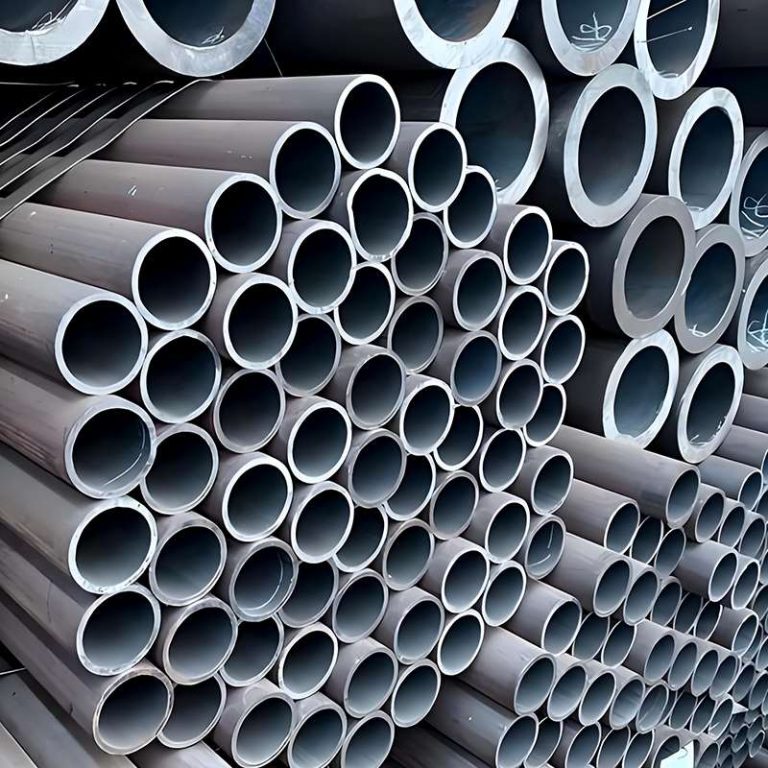
I. Overview of Seamless Alloy Steel Pipes for Boiler Feedwater
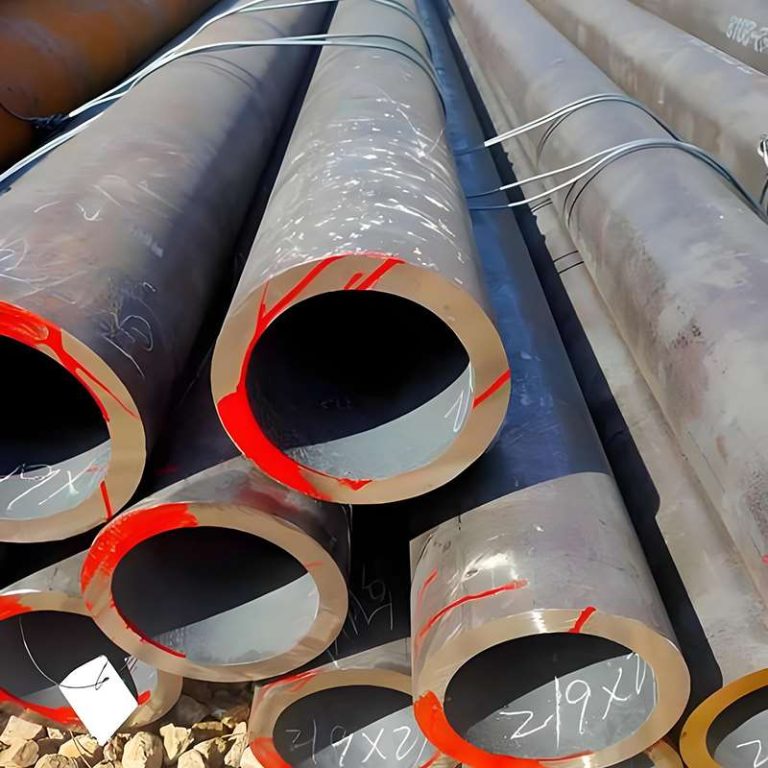
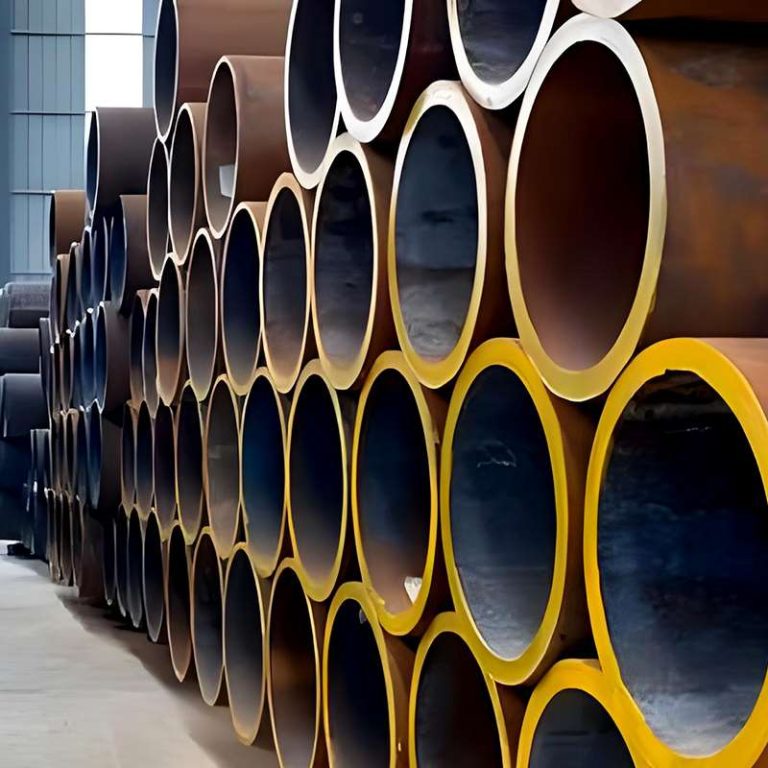
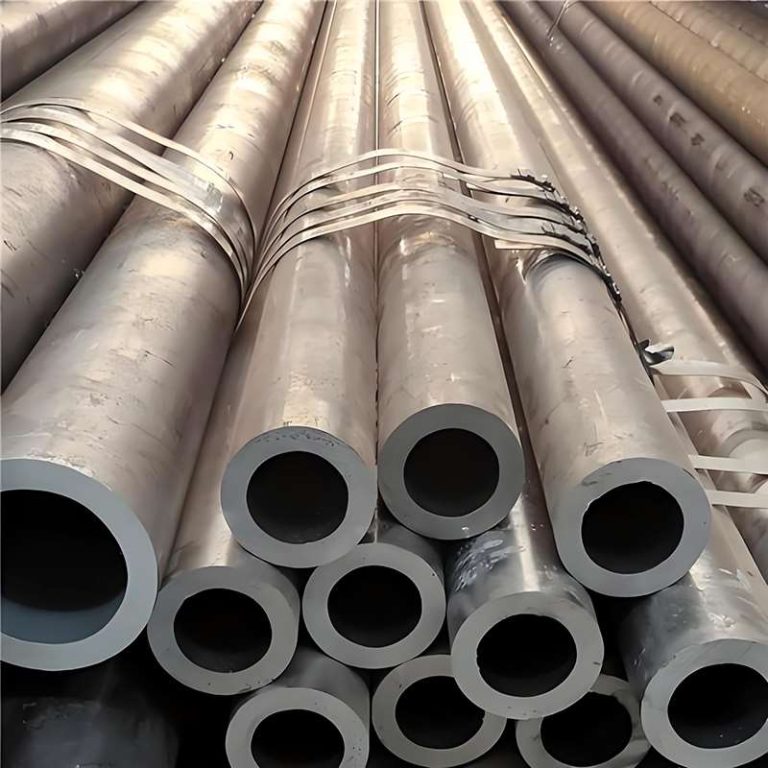
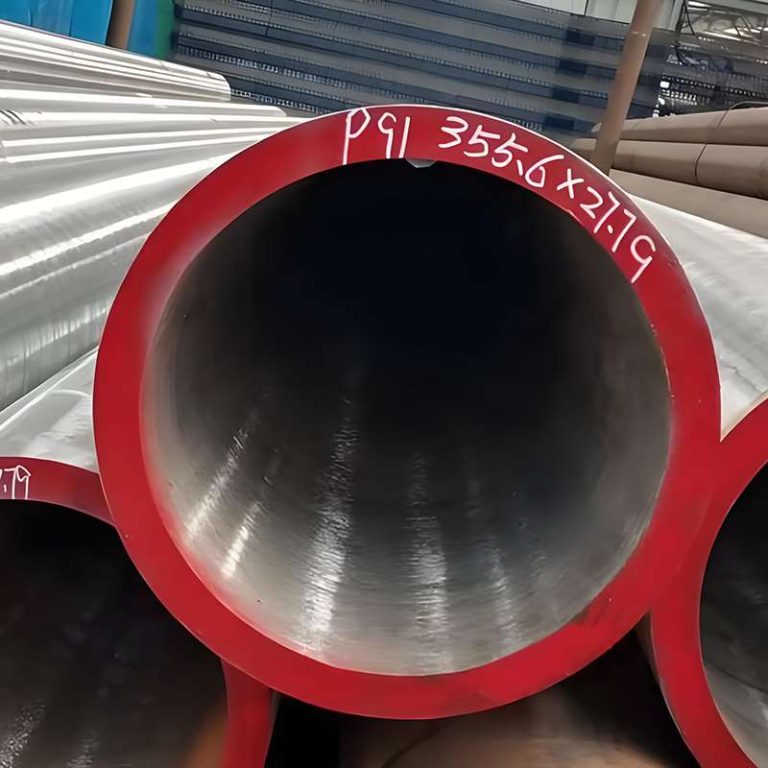
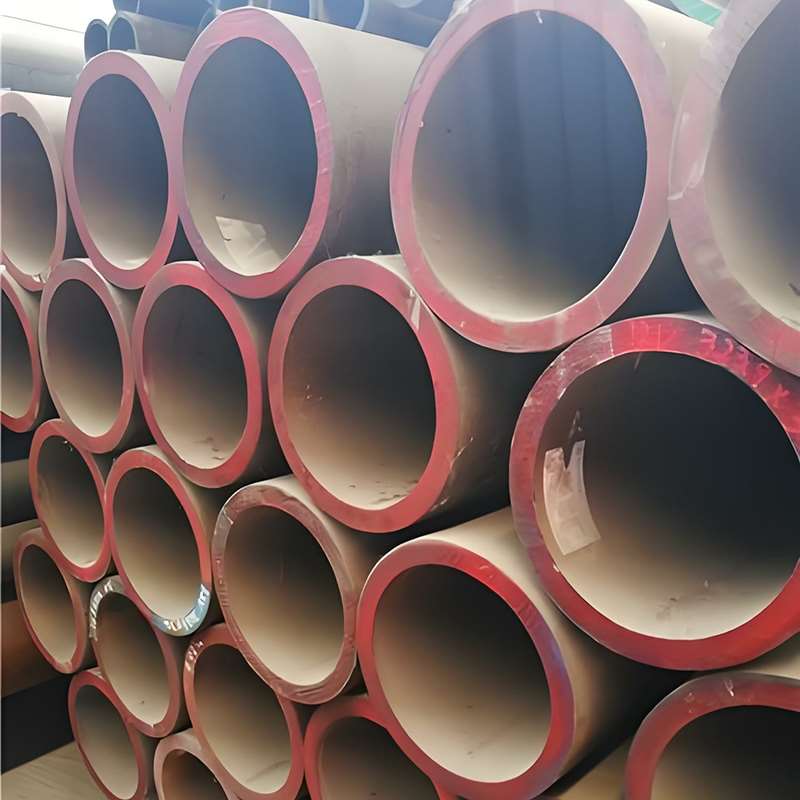
Seamless alloy steel pipes for boiler feedwater are high-strength, pressure-resistant, and corrosion-resistant tubing specifically designed for industrial boiler feedwater systems. Manufactured using seamless production techniques, these pipes ensure uniform pressure-bearing capacity and are suitable for feedwater applications ranging from medium-low to high-pressure boilers.
Common steel grades include P11, P22, P91, 10CrMo9-10, and 13CrMo4-5, with material selection based on feedwater temperature and pressure requirements.
II. Common Specifications for Seamless Alloy Steel Pipes Used in Boiler Feedwater Systems
| Outer Diameter OD(mm) | Wall Thickness WT(mm) | Standard Length m |
| 21.3 | 2.0, 2.5, 3.0, 3.5, 4.0 | 6–12 |
| 26.9 | 2.5, 3.0, 3.5, 4.0, 4.5, 5.0 | 6–12 |
| 33.7 | 3.0, 3.5, 4.0, 4.5, 5.0, 5.5, 6.0 | 6–12 |
| 42.4 | 3.5, 4.0, 4.5, 5.0, 5.5, 6.0, 7.0, 8.0 | 6–12 |
| 48.3 | 4.0, 4.5, 5.0, 5.5, 6.0, 7.0, 8.0 | 6–12 |
| 60.3 | 4.0, 4.5, 5.0, 5.5, 6.0, 7.0, 8.0, 9.0, 10.0 | 6–12 |
| 76.1 | 5.0, 6.0, 7.0, 8.0, 9.0, 10.0, 11.0, 12.0 | 6–12 |
| 88.9 | 5.0, 6.0, 7.0, 8.0, 9.0, 10.0, 12.0, 14.0 | 6–12 |
| 114.3 | 6.0, 7.0, 8.0, 9.0, 10.0, 12.0, 14.0, 16.0 | 6–12 |
| 139.7 | 6.0, 7.0, 8.0, 9.0, 10.0, 12.0, 14.0, 16.0, 18.0, 20.0 | 6–12 |
| 168.3 | 7.0, 8.0, 9.0, 10.0, 12.0, 14.0, 16.0, 18.0, 20.0, 22.0, 25.0 | 6–12 |
| 219.1 | 8.0, 10.0, 12.0, 14.0, 16.0, 18.0, 20.0, 25.0, 30.0 | 6–12 |
| 273.0 | 10.0, 12.0, 14.0, 16.0, 18.0, 20.0, 25.0, 30.0, 35.0 | 6–12 |
| 323.9 | 12.0, 14.0, 16.0, 18.0, 20.0, 25.0, 30.0, 35.0, 40.0 | 6–12 |
| 355.6 | 14.0, 16.0, 18.0, 20.0, 25.0, 30.0, 35.0, 40.0, 45.0 | 6–12 |
| 406.4 | 16.0, 18.0, 20.0, 25.0, 30.0, 35.0, 40.0, 45.0, 50.0 | 6–12 |
| 508.0 | 20.0, 25.0, 30.0, 35.0, 40.0, 45.0, 50.0, 55.0, 60.0 | 6–12 |
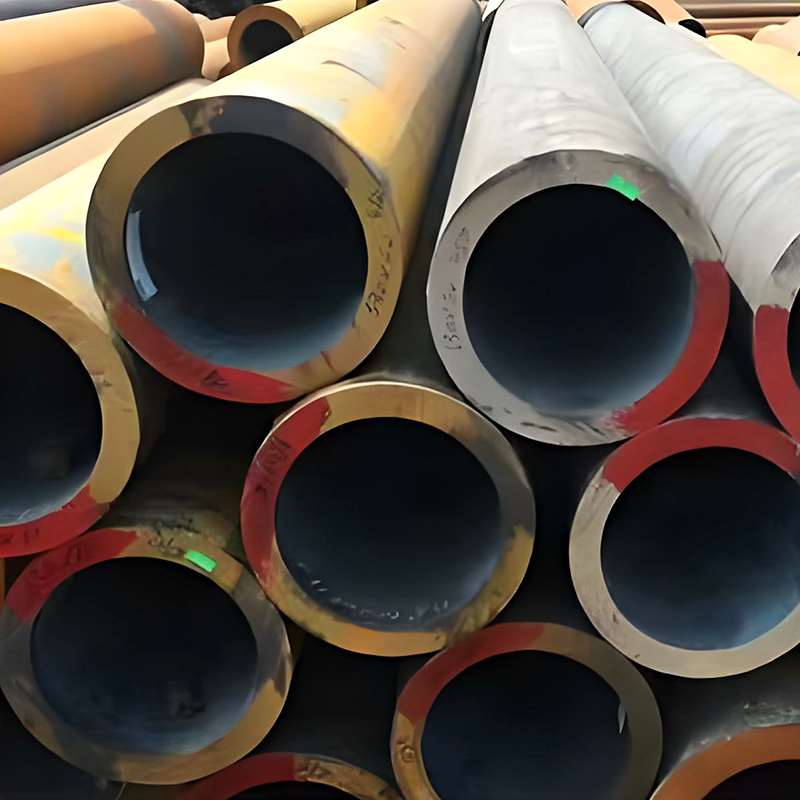
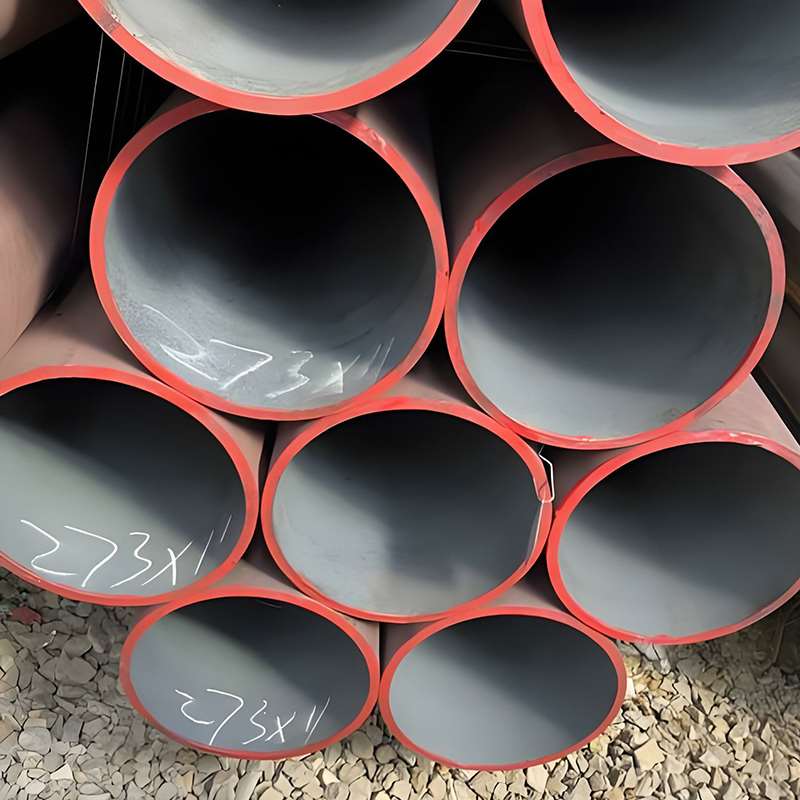
III. International Standards for Seamless Alloy Steel Tubes for Boiler Feed
| International Standard | Description / Applicable Scope |
|---|---|
| ASTM A335 / ASME SA335 | U.S. standard seamless alloy steel pipe for high-temperature, high-pressure boiler and heat exchanger pipelines. Covers grades P1, P5, P9, P11, P22, P91, etc. |
| ASTM A213 / ASME SA213 | Seamless or welded alloy steel heat exchanger pipe suitable for boilers, hot water boilers, and steam pipelines. |
| EN 10216-2 | European standard steel pipe covering seamless alloy steel pipes for pressure applications, suitable for boilers and steam systems. |
| EN 10217-2 | European welded alloy steel pipe mainly used for pressure vessels and boiler feedwater pipelines. |
| GB/T 5310 | Chinese national standard seamless alloy steel pipe for pressure applications, suitable for boiler feedwater and heat exchange systems. |
| GB/T 6479 | Chinese standard seamless alloy steel pipe specifically for boiler feedwater pipelines, including grades P11, P22, etc. |
Note
- American ASTM/ASME standards are most commonly used in international boiler projects, particularly for export or overseas engineering.
- European EN standards apply to projects within the EU and parts of the Middle East.
- Chinese GB standards are frequently used for domestic boiler engineering.
- Different standards correspond to different steel grades. Select the appropriate standard and steel grade based on temperature, pressure, and application.
IV. Chemical Composition and Mechanical Properties of Seamless Alloy Steel Tubes for Boilers (ASTM A335)
1. Chemical Composition Comparison Table (%)
| Steel Grade | C | Mn | Si | Cr | Mo | V | Ni |
| P11 | 0.07–0.13 | 0.30–0.60 | 0.10–0.50 | 1.00–1.50 | 0.45–0.60 | ≤0.08 | ≤0.40 |
| P22 | 0.07–0.15 | 0.30–0.60 | 0.10–0.50 | 1.90–2.60 | 0.85–1.05 | ≤0.08 | ≤0.40 |
| P5 | 0.05–0.15 | 0.30–0.60 | 0.10–0.50 | 0.50–0.80 | 0.45–0.60 | ≤0.08 | ≤0.40 |
| P9 | 0.07–0.15 | 0.30–0.60 | 0.10–0.50 | 0.80–1.10 | 0.45–0.60 | ≤0.08 | ≤0.40 |
| P91 | 0.08–0.12 | 0.40–0.60 | 0.20–0.50 | 8.00–9.50 | 0.85–1.05 | 0.18–0.25 | 0.30–0.50 |
2. Mechanical Properties Comparison Table
| Steel Grade | Tensile Strength σb (MPa) | Yield Strength σy (MPa) | Elongation δ5 (%) | Applicable Temperature (℃) |
|---|---|---|---|---|
| P11 | 415–585 | ≥245 | ≥20 | ≤450 |
| P22 | 415–585 | ≥245 | ≥20 | ≤540 |
| P5 | 415–585 | ≥205 | ≥20 | ≤450 |
| P9 | 415–585 | ≥245 | ≥20 | ≤540 |
| P91 | 585–750 | ≥415 | ≥20 | ≤600 |
V. ASTM A335 Seamless Alloy Steel Tubes for Boilers: Application Areas and Selection Recommendations
1. Industrial Boiler Feedwater Piping
Common Grades: P11, P22, P91, 10CrMo9-10
Selection Rationale:
- P11: Resistant to medium-low temperatures and pressures, cost-effective, suitable for branch pipes in standard industrial boilers.
- P22: Resistant to medium-high temperatures and pressures, suitable for main lines of large industrial boilers and high-temperature feedwater systems.
- P91: For high-temperature, high-pressure pipelines, ideal for critical main lines to extend service life.
2. Boiler Steam Piping (Main Steam, Branch Steam, Superheated Steam Pipes)
Common Steel Grades: P5, P9, P22, P91
Selection Rationale:
- P5: Low-to-medium pressure, low-to-medium temperature steam pipes. Cost-effective and easy to install.
- P9 / P22: Medium-to-high pressure steam pipes. Suitable for temperatures 450–540°C. High strength and excellent creep resistance.
- P91: High-temperature, high-pressure main steam pipes. Superior resistance to high-temperature creep and corrosion. Ideal for power plant boilers.
3. Heat Exchanger Piping (Boiler or Chemical Heat Exchange Systems)
Common Steel Grades: P22, P91
Selection Rationale:
- P22: Suitable for high-temperature heat exchange media, corrosion-resistant, cost-effective.
- P91: High-temperature, high-pressure heat exchange piping, long service life, essential for critical applications.
4. Power Plant and Boiler Systems
Common Steel Grade: P91
Selection Rationale:
- High-temperature, high-pressure main steam pipes and feedwater headers require high strength, excellent high-temperature creep resistance, and extended service life.
- High-chromium-molybdenum-vanadium alloy design enhances corrosion resistance and high-temperature strength, making it suitable for long-term operation.
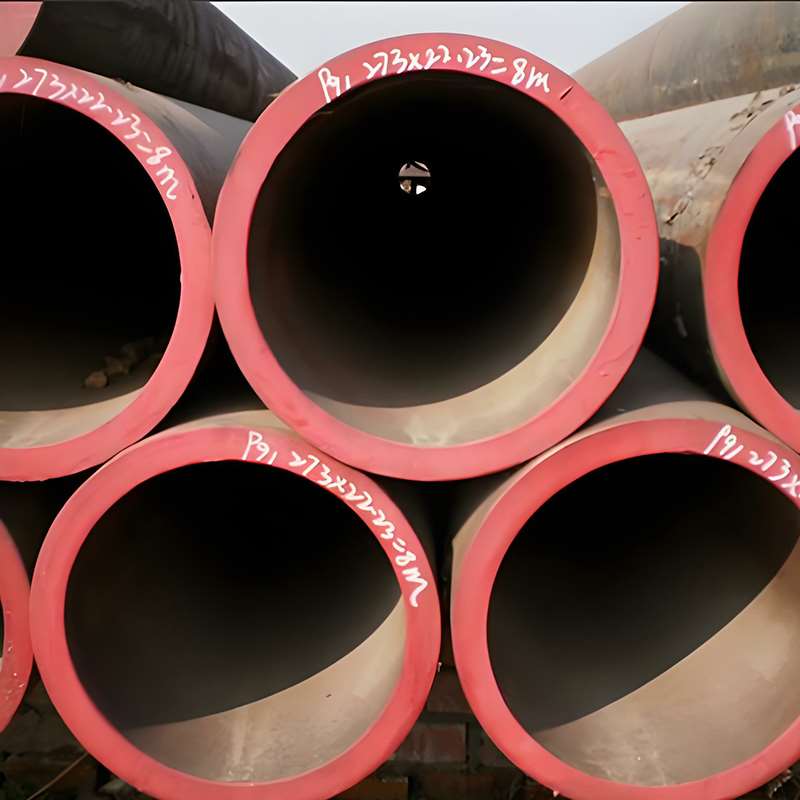
VI. Quick Selection Table for Seamless Alloy Steel Tubes for Boilers
| Steel Grade | Standard | Applicable Temperature | Applicable Pressure | Wall Thickness Range | Typical Pipeline Location / Application |
|---|---|---|---|---|---|
| P5 | ASTM A335 / ASME SA335 | ≤450℃ | Medium–Low Pressure ≤10 MPa | 2.0–16 mm | Branch steam pipes, medium–low pressure feed water pipes |
| P9 | ASTM A335 / ASME SA335 | ≤540℃ | Medium–High Pressure ≤16 MPa | 3.0–20 mm | Medium–high pressure steam pipes, heat exchanger tubes |
| P11 | ASTM A335 / ASME SA335 | ≤450℃ | Medium–Low Pressure ≤10 MPa | 2.0–18 mm | Industrial boiler feed water pipes, steam branch pipes |
| P22 | ASTM A335 / ASME SA335 | ≤540℃ | Medium–High Pressure ≤16 MPa | 3.0–25 mm | Medium–high pressure boiler main pipes, steam mains |
| P91 | ASTM A335 / ASME SA335 | ≤600℃ | High Pressure ≤25 MPa | 6.0–40 mm | High-temperature high-pressure boiler main steam pipes, critical feed water mains |
| 10CrMo9-10 | ASTM A335 / ASME SA335 | ≤540℃ | Medium–High Pressure ≤16 MPa | 3.0–25 mm | Industrial boiler feed water systems, heat exchanger tubes |
| 13CrMo4-5 | ASTM A335 / ASME SA335 | ≤450℃ | Medium–Low Pressure ≤10 MPa | 2.0–18 mm | Medium–low pressure boiler feed water pipes, chemical boiler tubes |
VII. Common FAQs on Selecting Seamless Alloy Steel Pipes for Boilers
1. How to select the appropriate steel grade?
Answer: Steel grade selection primarily depends on pipeline temperature and pressure:
P5 / P11: Low-to-medium pressure boiler steam or feedwater pipes, lower cost
P22 / P9: Medium-to-high pressure boiler steam or feedwater pipes
P91: High-temperature, high-pressure main pipes, suitable for power plants or critical applications
Balance strength, temperature resistance, creep resistance, and cost during selection.
2. How to determine wall thickness?
Answer: Wall thickness should be calculated based on design pressure and pipe diameter, following ASME B31.1 or GB/T 150 standards.
Increase wall thickness for higher pressures and temperatures.
Thinner walls may be selected for branch pipes; thicker walls are required for main lines or high-pressure pipelines.
3. How to select pipe length and end finishes?
Answer:
Standard lengths range from 6–12 m, with custom lengths available upon request.
End finishes include:
Plain ends
Chamfered ends
Beveled ends
Confirm end preparation requirements before welding to ensure weld quality.
4. How to verify material quality?
Answer: When purchasing, request suppliers to provide an MTC (Material Test Certificate) including:
Chemical composition and mechanical properties
Dimension and surface inspection records
Third-party non-destructive testing (NDT) reports when required, such as radiography or ultrasonic testing
5. How do service lives differ across steel grades?
Answer:
P5 / P11: Suitable for low-to-medium pressure conditions, offering moderate service life
P22 / P9: Designed for medium-to-high pressure conditions, providing extended service life
P91: Optimized for high-temperature, high-pressure environments, delivering the longest service life and recommended for critical main pipelines
Balance cost and service life when selecting; higher grades are advised for critical pipelines
6. How to select standards?
Answer:
Export or international projects: Prioritize ASTM A335 / ASME SA335
Domestic projects: GB/T 5310, GB/T 6479
European engineering: EN 10216-2 / EN 10217-2
When selecting standards, consider project specifications, certification requirements, and availability of material certificates.