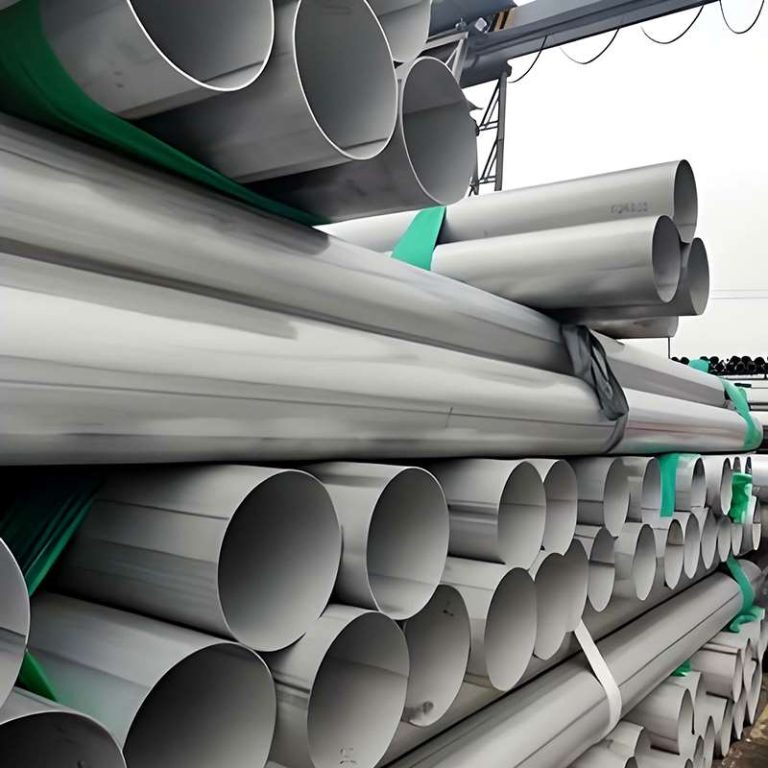
I. Overview of 316 Stainless Steel Seamless Pipe
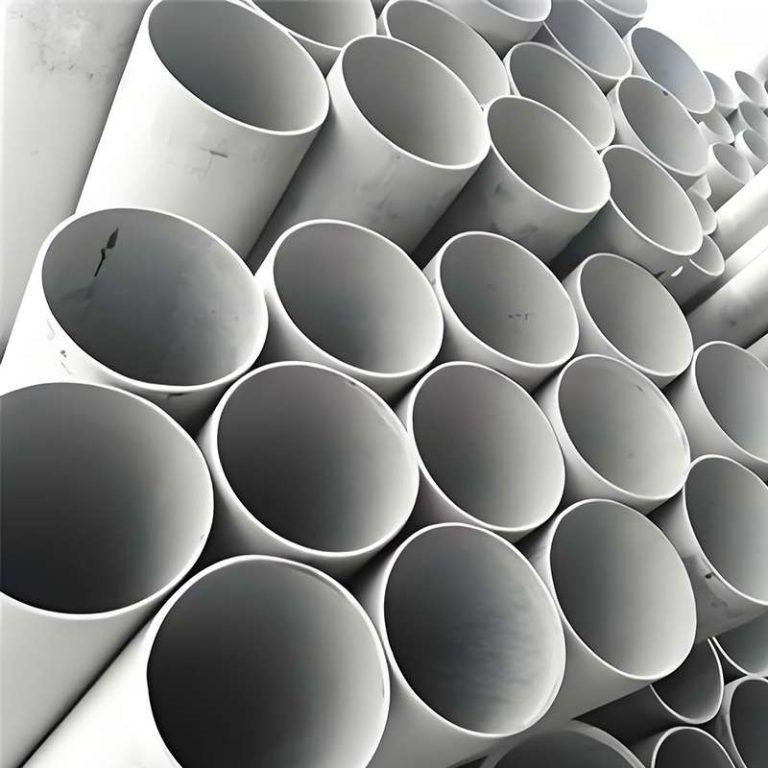
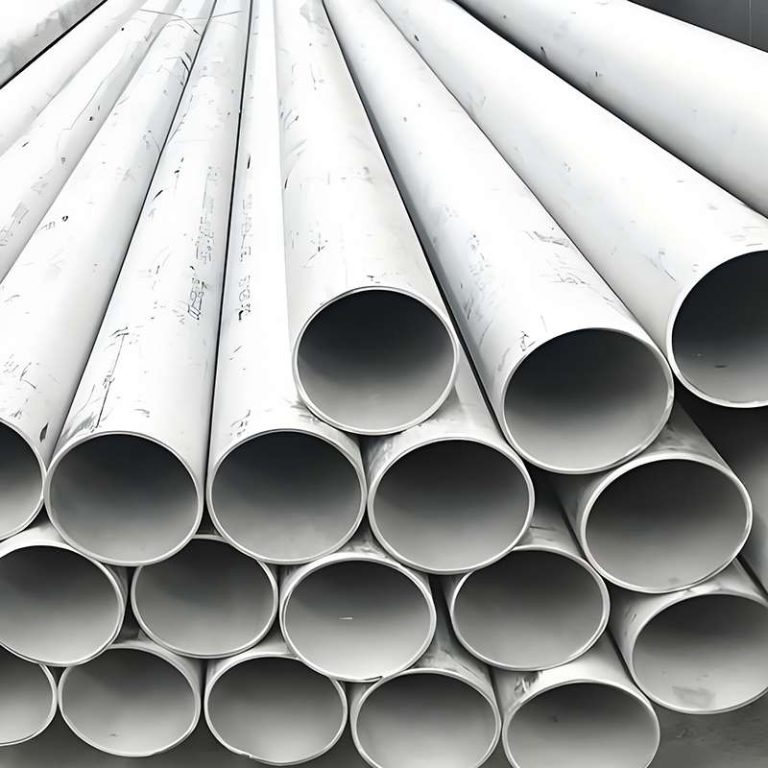
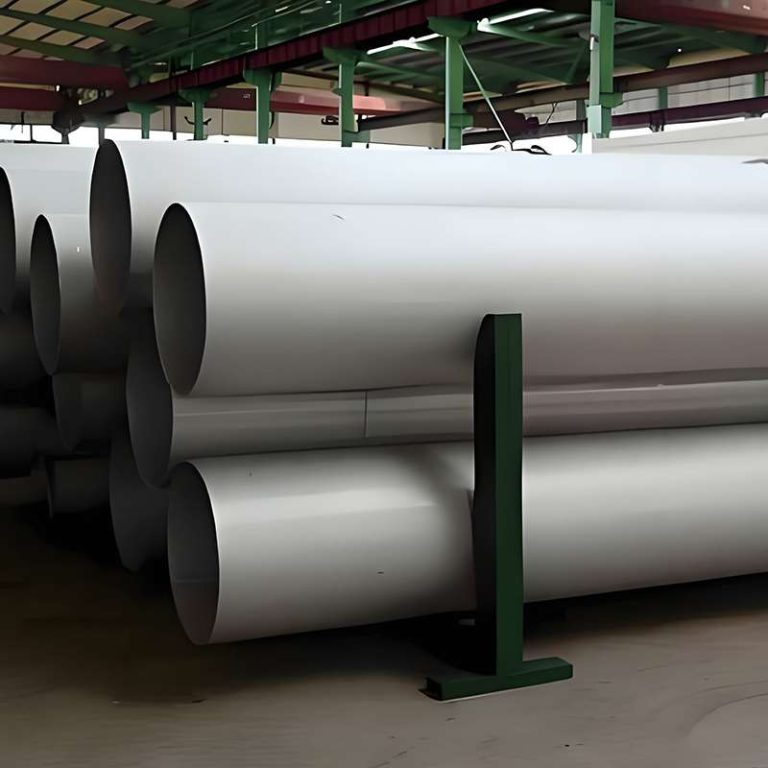
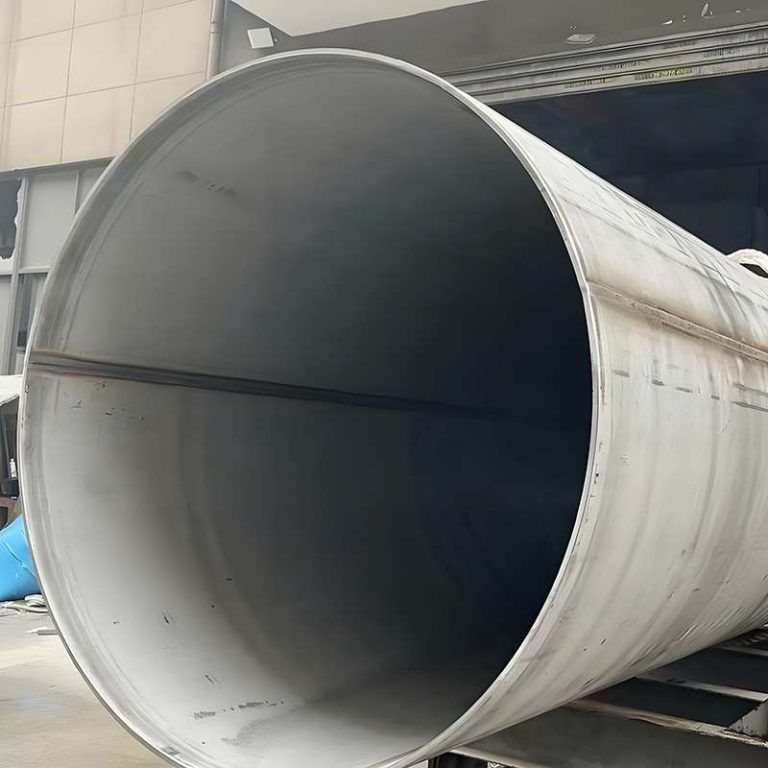
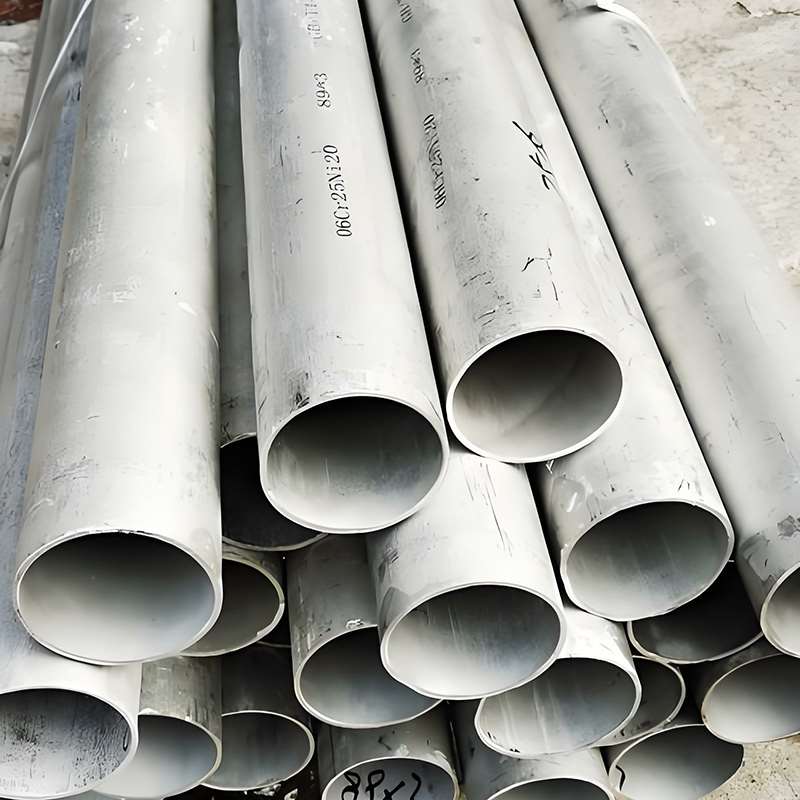
316 Stainless steel seamless pipe for sanitary applications is a high-quality industrial piping product manufactured from 316 austenitic stainless steel. It offers excellent corrosion resistance and consistent mechanical strength, and is widely used in piping systems that require high standards of hygiene and media purity.
This product is manufactured using a seamless forming process. Unlike welded steel pipes, it has no weld defects and features a more uniform internal structure, effectively reducing the risk of media residue and contamination. It is particularly suitable for conveying systems in the food, beverage, pharmaceutical, and biotechnology industries.
Typical Applications
This product is primarily used in sanitary fluid transfer systems, such as:
- Food processing and conveying pipeline systems
- Beverage production equipment piping
- Pure water and process fluid systems in the pharmaceutical industry
- Transportation of media with high corrosion resistance requirements in the chemical industry
II. Common Standards for 316 Stainless Steel Seamless Pipes (for the Food and Beverage Industry)
| Item | Standard Number | Applicable Scope / Description |
|---|---|---|
| ASTM A312 | A312 / A312M | Austenitic stainless steel seamless and welded pipes; suitable for food, beverage, and sanitary fluid systems |
| ASTM A213 | A213 / A213M | Stainless steel seamless pipes for boilers, superheaters, and high-temperature fluids; suitable for food steam and process piping |
| ASTM A269 | A269 / A269M | Stainless steel seamless pipes for chemical equipment and general industrial use; suitable for medium- and low-pressure fluid transport and sanitary conditions |
| ASTM A554 | A554 / A554M | Austenitic stainless steel welded pipes; suitable for food and general industrial applications |
| EN 10216-5 | EN 10216-5 | European standard for austenitic stainless steel seamless pipes; used in pressure pipeline systems and sanitary applications |
| JIS G3459 | JIS G3459 | Japanese standard for austenitic stainless steel seamless pipes; used in pressure equipment and sanitary food piping |
| Food Sanitary Standards | FDA / 3-A / EHEDG | Compliant with food and beverage industry hygiene requirements; ensures safe and clean fluid transport |
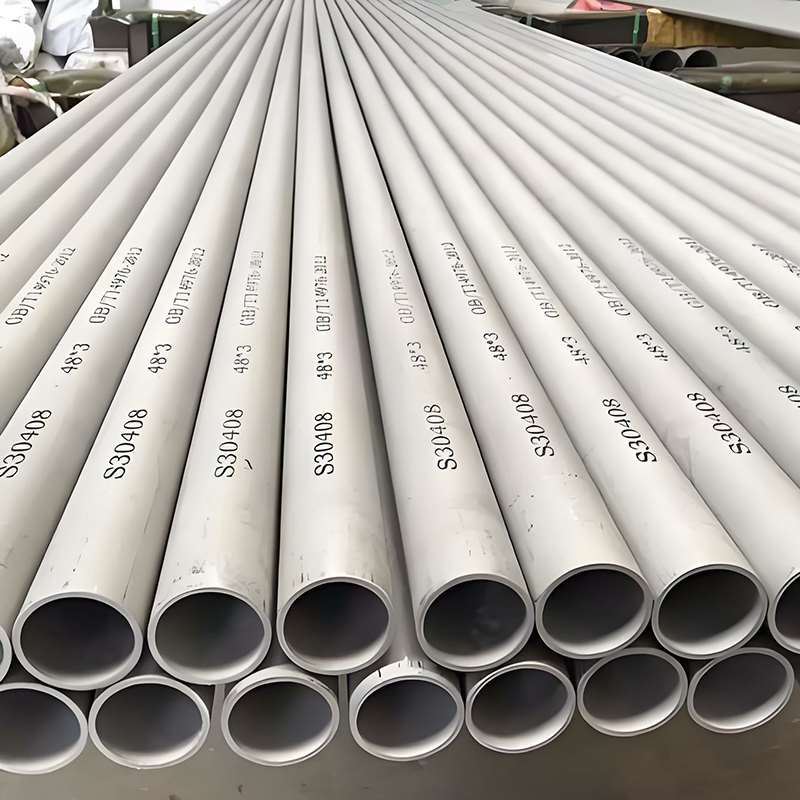
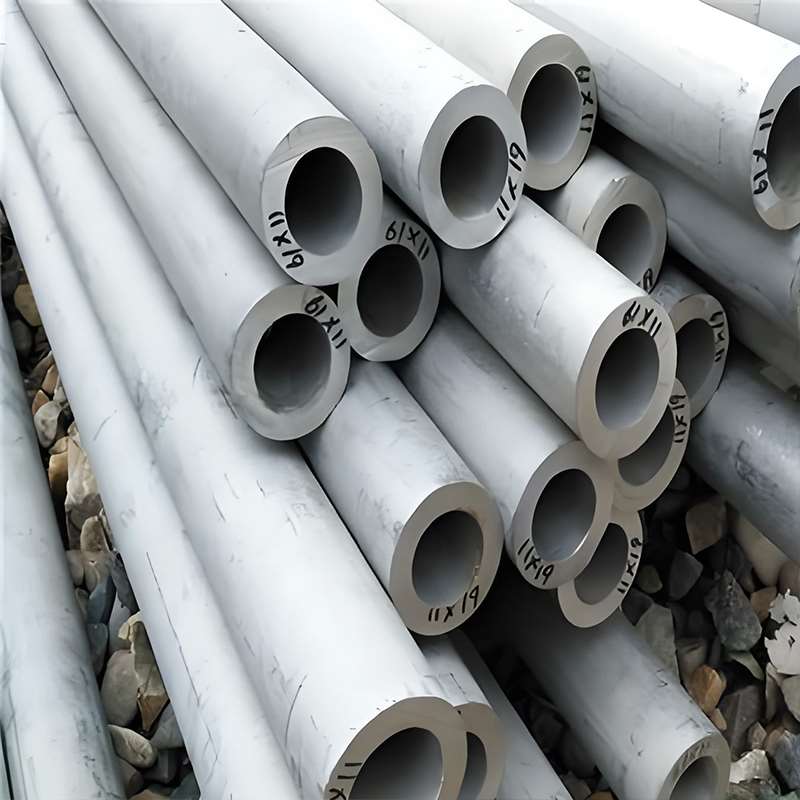
III. 316 Stainless Steel Seamless Pipe: Chemical Composition and Mechanical Properties
i. Chemical composition (%)
| Element | C | Si | Mn | P | S | Cr | Ni | Mo |
|---|---|---|---|---|---|---|---|---|
| Content Range (%) | ≤0.08 | ≤1.00 | ≤2.00 | ≤0.045 | ≤0.03 | 16.0–18.0 | 10.0–14.0 | 2.0–3.0 |
Note: 316 stainless steel, compared to 304 stainless steel, contains added molybdenum (Mo), which improves its resistance to chloride ion corrosion. It is particularly suitable for liquid transfer in the food, dairy, and beverage industries.
ii. Mechanical properties
| Performance Indicator | Unit | ASTM A312 / A269 316 |
|---|---|---|
| Yield Strength | MPa | ≥ 205 |
| Tensile Strength | MPa | 515–720 |
| Elongation | % | ≥ 40 |
| Hardness (Brinell HB) | HB | ≤ 201 |
| Impact Toughness (Charpy) | J | Typically ≥ 27 (at room temperature) |
IV. Applications of 316 Stainless Steel Pipe
1. Food and Beverage Processing Systems
In food-grade production, 316 stainless steel seamless pipes are commonly used in liquid conveyance and processing operations, such as for milk, fruit juice, beer, and drinking water.
- Applications: Raw material conveyance lines, finished product conveyance systems, and piping for filling equipment
- Advantages: Smooth inner walls, resistant to bacterial growth, and compliant with sanitary standards
- Common Standards: Food-grade sanitary piping systems
2. Pharmaceutical and Biotechnology Industries
In the pharmaceutical industry, where requirements for pipe cleanliness and chemical stability are extremely high, 316 stainless steel seamless tubes are one of the most commonly used materials.
- Applications: Purified water systems (PW), water for injection (WFI), pharmaceutical solution transfer lines
- Advantages: High corrosion resistance, suitable for frequent CIP/SIP cleaning
- Requirements: Typically requires a highly polished inner surface (low surface roughness Ra)
3. Chemical Industry and Transport of Mildly Corrosive Media
In the chemical industry, 316 stainless steel seamless pipes are used to transport media with moderate corrosiveness.
- Applications: Acidic solutions, alkaline liquids, cleaning agents, chemical intermediates
- Advantages: Superior resistance to pitting and crevice corrosion compared to 304 stainless steel
- Note: Material suitability requires further evaluation in strong acid and strong alkali environments
4. Marine and High-Chloride Environment Engineering
Due to its molybdenum content, 316 stainless steel exhibits greater stability in chloride-containing environments and is therefore commonly used in marine and coastal engineering.
- Suitable for: Seawater desalination systems, auxiliary piping on offshore platforms, coastal industrial facilities
- Advantages: Strong resistance to chloride corrosion, reducing the risk of pitting corrosion
- Features: Suitable for long-term exposure to high-humidity and high-salinity environments
5. High-Purity Industrial and Semiconductor Systems
In high-end manufacturing, extremely high standards for pipe cleanliness and stability are required.
- Applications: Ultrapure water systems, gas delivery systems (e.g., nitrogen, clean air)
- Advantages: Seamless construction reduces contamination risk; suitable for high-purity media
- Requirements: Typically requires mirror polishing and strict cleaning processes
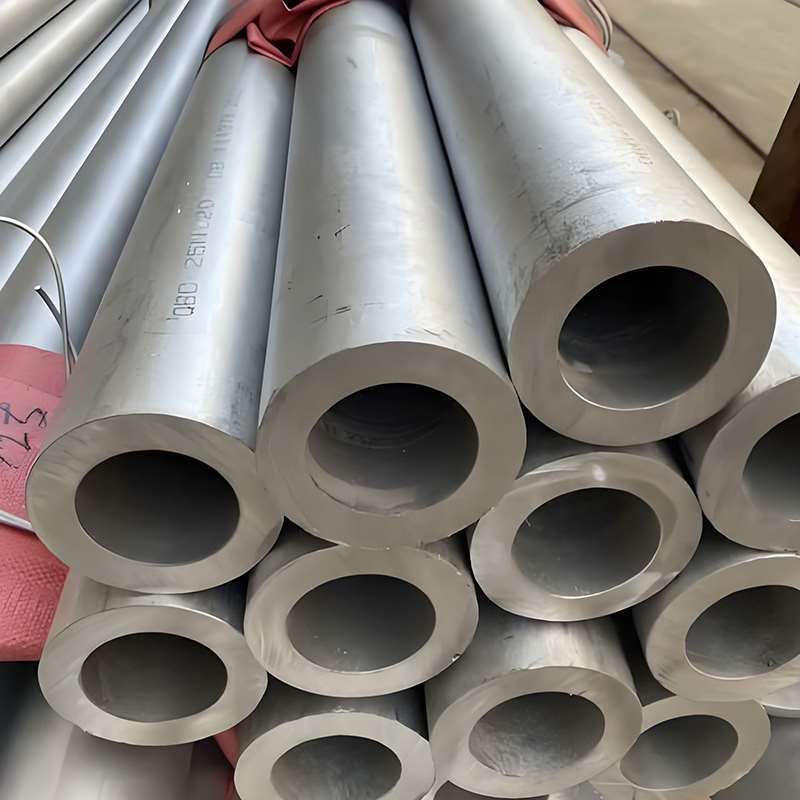
V. 316 Stainless Steel Seamless Pipe Specifications and Dimensions Table
| Nominal Diameter DN / Inch | Outside Diameter OD (mm) | Wall Thickness Schedule / mm | Theoretical Weight (kg/m) | Reference Design Pressure (MPa) | Common Material Grade |
|---|---|---|---|---|---|
| DN10 / 3/8″ | 17.2 | 1.2 (SCH10) | 0.55 | 2.5 | 316 |
| DN15 / 1/2″ | 21.3 | 1.5 (SCH10) | 0.84 | 2.5 | 316 |
| DN20 / 3/4″ | 26.9 | 1.5 (SCH10) | 1.11 | 2.5 | 316 |
| DN25 / 1″ | 33.7 | 2.0 (SCH10) | 1.66 | 2.5 | 316 |
| DN32 / 1 1/4″ | 42.4 | 2.0 (SCH10) | 2.09 | 2.5 | 316 |
| DN40 / 1 1/2″ | 48.3 | 2.0 (SCH10) | 2.38 | 2.5 | 316 |
| DN50 / 2″ | 60.3 | 2.0 (SCH10) | 2.94 | 2.5 | 316 |
| DN65 / 2 1/2″ | 76.1 | 2.5 (SCH10) | 4.09 | 2.5 | 316 |
| DN80 / 3″ | 88.9 | 3.0 (SCH10) | 5.21 | 2.5 | 316 |
| DN100 / 4″ | 114.3 | 3.0 (SCH10) | 6.81 | 2.5 | 316 |
| DN125 / 5″ | 139.7 | 3.5 (SCH10) | 9.09 | 2.5 | 316 |
| DN150 / 6″ | 168.3 | 4.0 (SCH10) | 11.7 | 2.5 | 316 |
| DN200 / 8″ | 219.1 | 5.0 (SCH10) | 18.3 | 2.5 | 316 |
| DN250 / 10″ | 273.0 | 5.0 (SCH10) | 22.7 | 2.5 | 316 |
| DN300 / 12″ | 323.9 | 6.0 (SCH10) | 32.2 | 2.5 | 316 |
VI. Comparison Table of 316 Stainless Steel Seamless Pipe vs. 304 / 316L
| Comparison Item | 304 Stainless Steel | 316 Stainless Steel | 316L Stainless Steel |
|---|---|---|---|
| Chemical Composition | Cr 18%, Ni 8%, no Mo | Cr 16–18%, Ni 10–14%, Mo 2–3% | Cr 16–18%, Ni 10–14%, Mo 2–3%, C ≤ 0.03% |
| Corrosion Resistance | Good; suitable for general food and beverage applications | Excellent; Mo enhances chloride corrosion resistance | Superior; low carbon reduces welding sensitivity, suitable for welded pipes and highly corrosive environments |
| Welding Performance | Good | Good | Better; low carbon reduces risk of post-weld intergranular corrosion |
| High-Temperature Performance | Moderate; can withstand ~870℃ | Stable; can withstand ~870℃ | Stable; can withstand ~870℃ |
| Price | Relatively low; high cost-performance ratio | Medium; slightly higher than 304 | Higher; suitable for highly corrosive conditions |
| Typical Applications | Purified water, fruit juice, low-corrosive beverage pipelines | Fruit juice, dairy, beer, or chloride/acidic beverage pipelines | Highly corrosive service or welded pipelines; food and dairy industry |
Selection Recommendations
- General food and beverage applications → 304 is sufficient, offering low cost and meeting requirements for most clean water and low-corrosion liquid transfer.
- Chlorinated or acidic beverages, dairy products → 316 is recommended for superior corrosion resistance.
- Welding processes or highly corrosive environments → 316L is preferable, as its lower carbon content reduces the risk of intergranular corrosion after welding.
VII. Surface Treatment and Sanitation Requirements for 316 Stainless Steel Seamless Pipes
In the food and beverage industry, piping must not only withstand corrosion and pressure but also meet stringent sanitation standards. Surface treatment and sanitation requirements directly impact the safety of liquid conveyance and ease of cleaning.
i. Common Surface Treatment Methods
| Surface Treatment | Features | Applicable Applications |
|---|---|---|
| Polishing (BA / Mirror) | Smooth, reflective surface; easy to clean | Dairy, fruit juice, beer, and other high-hygiene liquids |
| Bright Annealing (BA) | Maintains bright surface after heat treatment; relieves processing stress | Sanitary pipelines, heat exchanger tubing |
| Pickling | Removes processing oil, scale, and oxidation; improves corrosion resistance | Food processing and beverage process pipelines |
| Mechanical Polishing / Electropolishing | Enhances surface smoothness; reduces micro-cracks and bacterial adhesion | High-hygiene dairy and pharmaceutical pipelines |
ii. Hygiene requirements and standards
| Standard / Requirement | Description | Application |
|---|---|---|
| FDA | Material and surface treatment meet U.S. Food and Drug Administration (FDA) sanitary requirements | Food, beverage, and pharmaceutical fluid transport |
| 3-A | Sanitary design standard ensuring pipelines are cleanable and sterilizable | Dairy and beverage production lines |
| EHEDG | European Hygienic Engineering & Design Group guidelines to minimize microbial contamination risk | Food and dairy process pipelines with high hygiene requirements |
iii. Selection Recommendations
- Liquid Type: For dairy products and high-viscosity juices, a mirror or bright annealed surface is recommended.
- Cleaning Requirements: For CIP (Clean-in-Place) system piping, electropolishing is recommended to reduce residue and bacterial adhesion.
- Hygiene Standards: Ensure that the tubing meets standards such as FDA / 3A / EHEDG to meet export and high hygiene requirements for food processing.
- Easy-to-Clean Design: Choose a seamless tube structure to avoid liquid accumulation in welds and grooves.
VIII. 316 Stainless Steel Seamless Tubing FAQ
i. Can 316 stainless steel seamless pipe transport chlorinated juices or beverages?
Answer: Yes, but pay attention to the chloride concentration in the liquid. 316 stainless steel contains molybdenum, providing stronger resistance to chloride ion corrosion than 304. For liquids with high chloride content or prolonged contact, use the low-carbon 316L variant and ensure the pipe surface is polished or pickled to minimize corrosion risk.
ii. Can the pipes be used for dairy product transportation?
Answer: Yes. 316 seamless pipes feature a smooth surface that facilitates cleaning and complies with food hygiene standards (FDA/3A). We recommend mirror-polished or bright annealed surfaces paired with a CIP (Clean-in-Place) system to prevent dairy residue buildup and microbial growth.
iii. What temperatures can seamless pipes withstand in high-temperature sterilization processes?
Answer: 316 stainless steel can withstand short-term exposure to conventional high-temperature sterilization processes (approximately 120–150°C). If process temperatures exceed this range or involve high pressure, pressure resistance calculations must be performed based on wall thickness and pipe diameter to ensure safe operation.
iv. Does the pipe require regular maintenance? How should it be cleaned?
Answer: 316 seamless pipe is corrosion-resistant with a smooth surface, making maintenance straightforward for routine liquid conveyance. We recommend periodically inspecting the pipe’s exterior and joints. Cleaning can be performed using a CIP system or warm water with food-grade detergent. Avoid prolonged exposure to liquids with high chloride ion content or sediment buildup.
v. How should 316 seamless pipes and welded pipes be selected for food and beverage processing?
Answer:
Seamless pipes: Suitable for medium-to-high pressure applications, acidic or chlorinated beverage pipelines, offering superior hygiene and corrosion resistance.
Welded pipes: Suitable for low-pressure applications, general liquid transfer, or budget-constrained scenarios. However, weld seams require strict treatment to ensure hygiene.