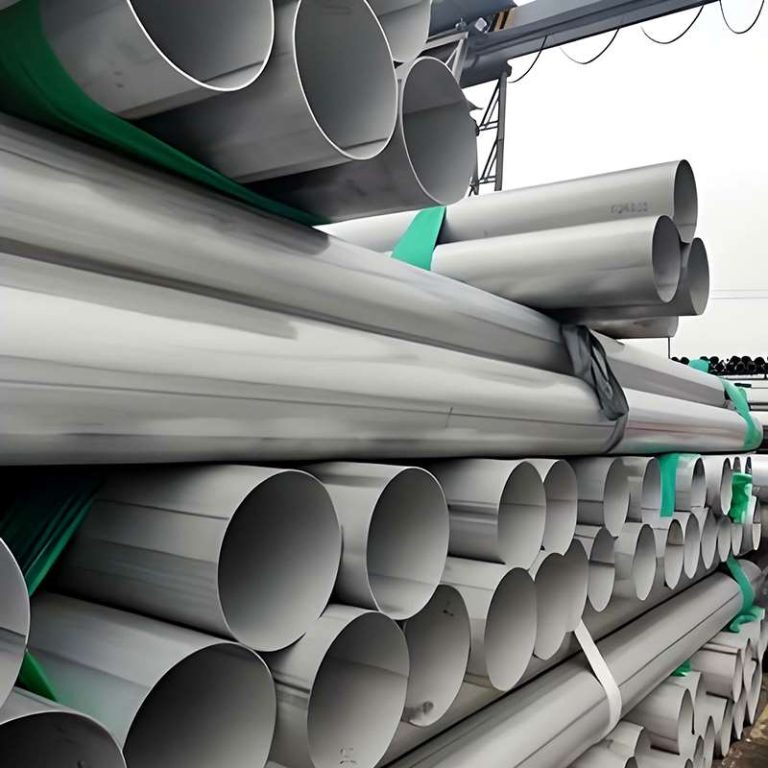
I. Overview of Stainless Steel ERW Welded Tubes
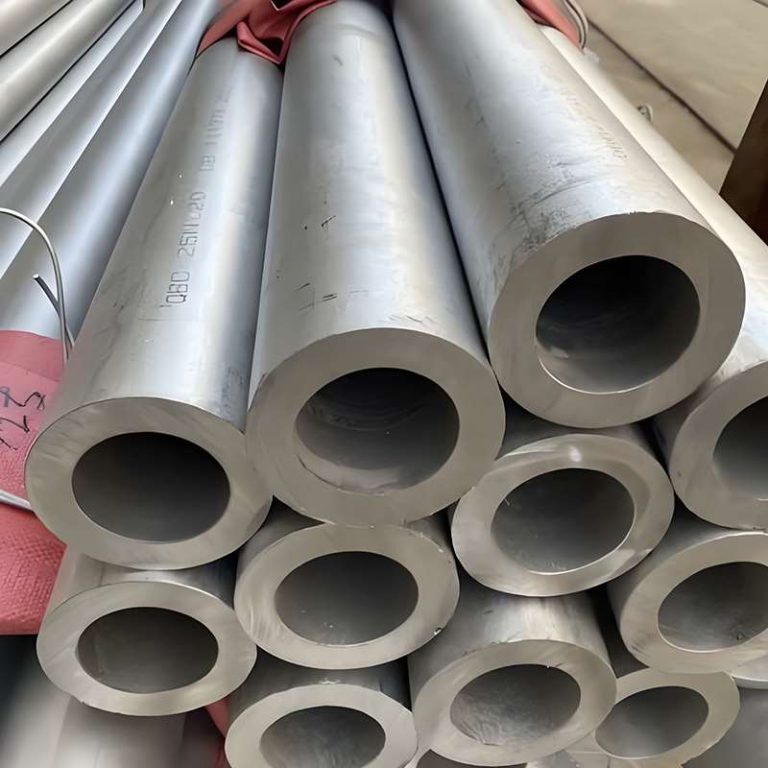
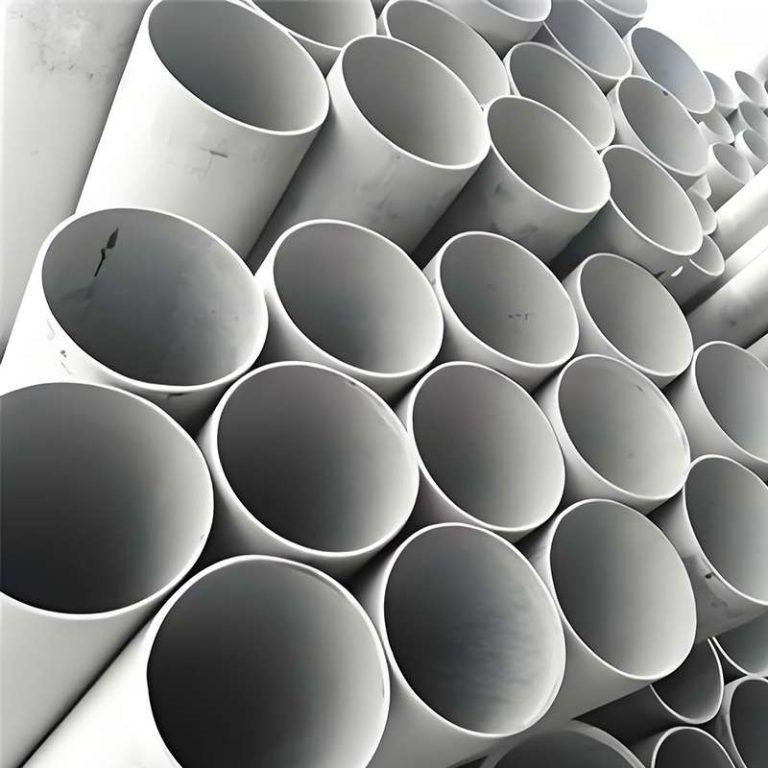
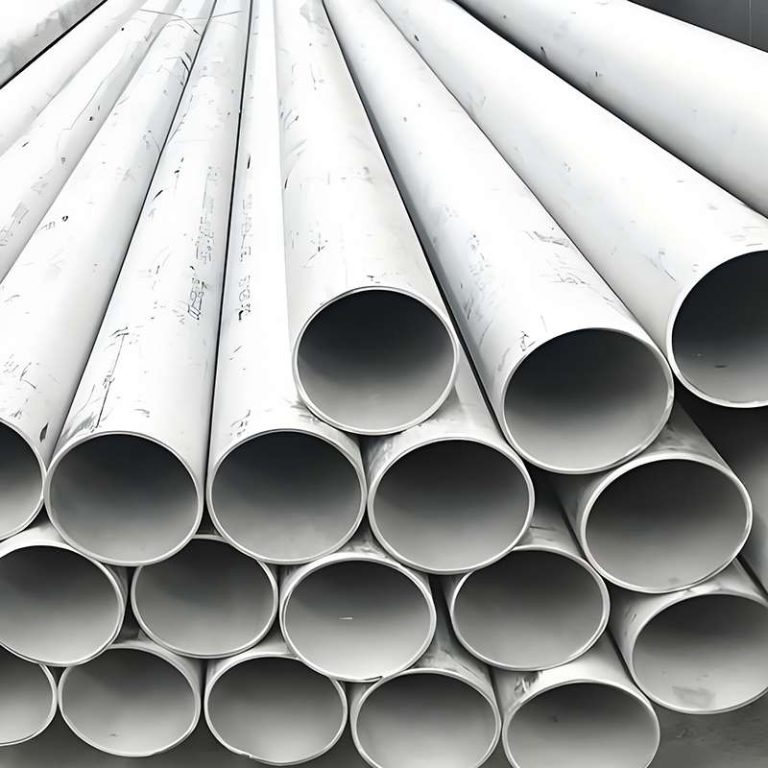
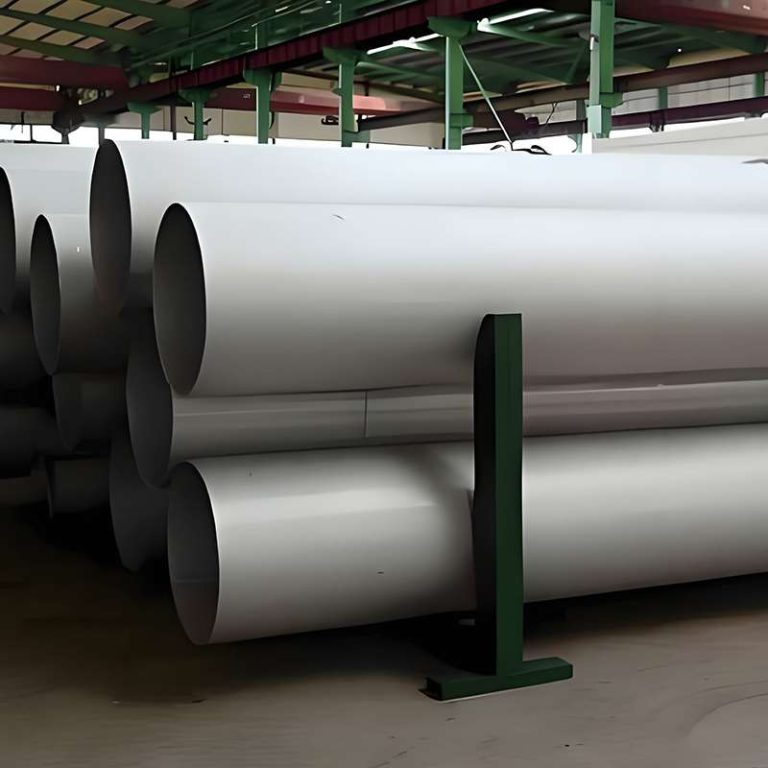
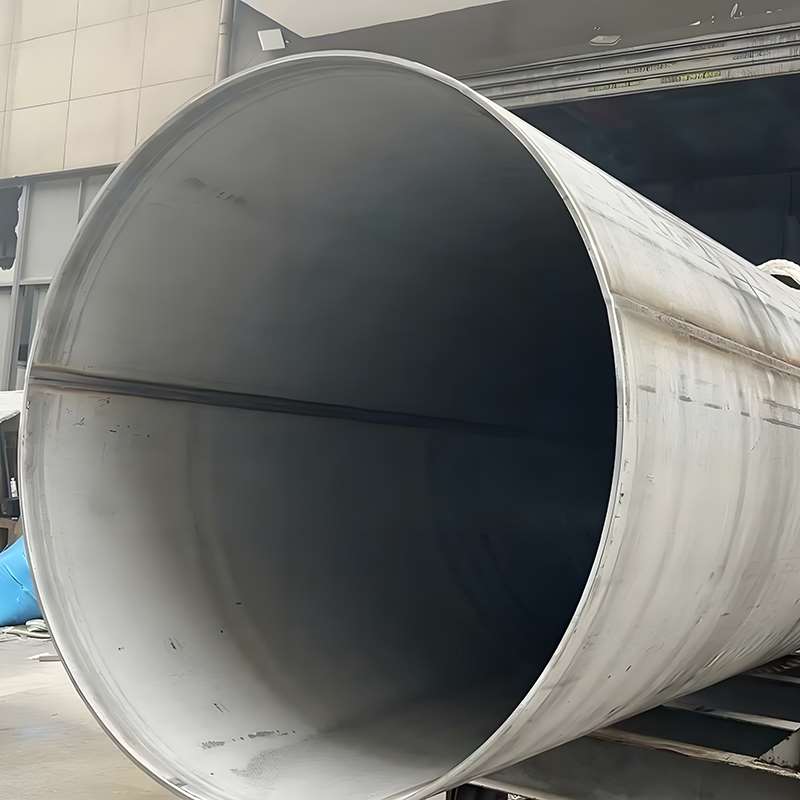
Stainless steel ERW welded tubes are manufactured by forming and welding austenitic stainless steel strip (such as 304, 316, 316L) through high-frequency resistance welding (ERW). These tubes feature high corrosion resistance, smooth weld seams, dimensional accuracy, and high production efficiency.
The production process primarily includes: strip shearing → forming → high-frequency welding → straightening → dimensional inspection → surface treatment → packaging. Custom specifications are available upon request, including various diameters (Φ6–219 mm), wall thicknesses (0.5–10 mm), and surface finishes (pickling, polishing, mirror finish, or brushed finish).
II. Stainless Steel ERW Welded Pipe Materials
1. Common Materials
- 304 Stainless Steel: The most widely used austenitic stainless steel, resistant to water, acids, alkalis, and general chemical corrosion. Suitable for industrial piping and water supply/drainage systems.
- 316 Stainless Steel: Incorporates molybdenum (Mo) to enhance chloride corrosion resistance beyond 304. Ideal for chemical processing, seawater, and humid environments.
- 316L Stainless Steel: A low-carbon variant with reduced risk of intergranular corrosion after welding, better suited for high-volume welding or pipes not annealed post-weld.
2. Material Characteristics
- Austenitic Stainless Steel: Non-magnetic with excellent ductility, toughness, and weldability.
- High Corrosion Resistance: Withstands most industrial corrosive environments, seawater, and chemical exposure.
- Good High-Temperature Performance: Suitable for general industrial piping and medium-to-high-temperature fluid transport.
3. Material Selection Recommendations
- General industrial piping → 304 stainless steel
- Chemical processing, seawater, or highly corrosive environments → 316 / 316L
- Welded piping without post-weld annealing → 316L
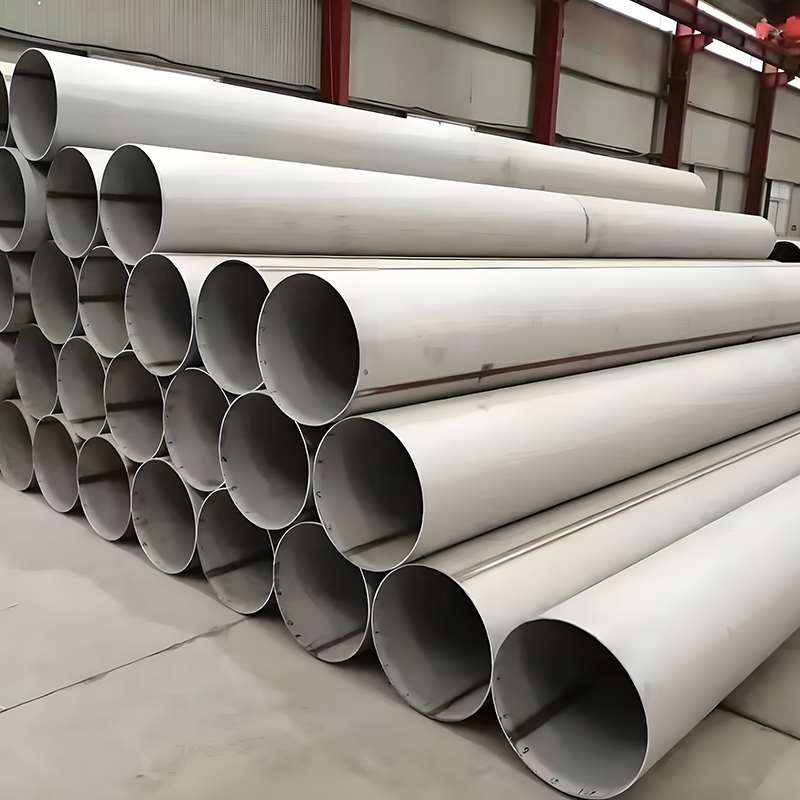
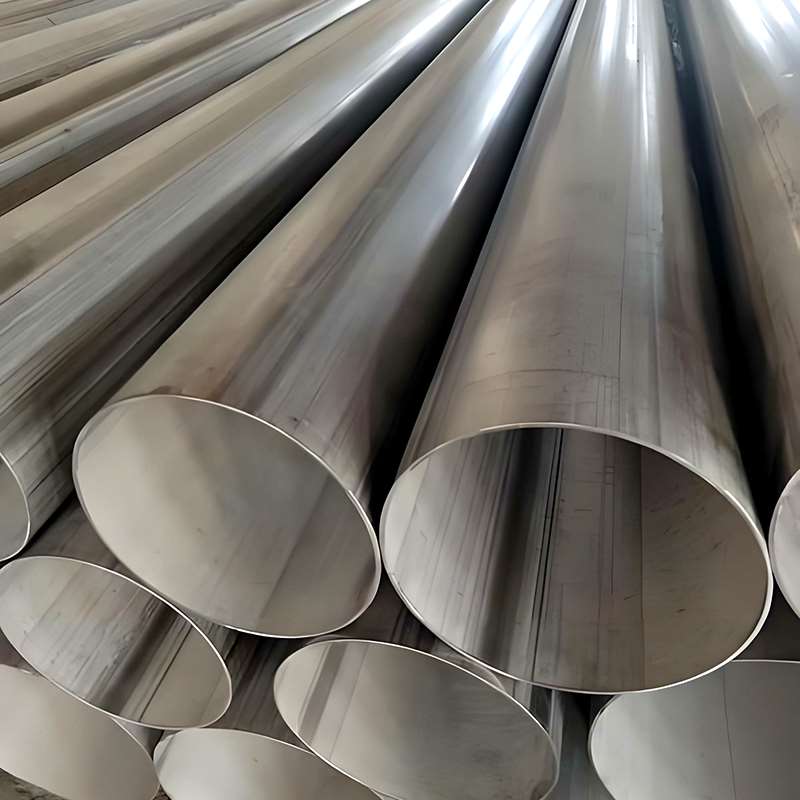
III. Standards for Stainless Steel ERW Welded Pipes
| Standard System | Standard Number | Applicable Scope / Description |
|---|---|---|
| ASTM (USA) | ASTM A554 / A312 | Austenitic stainless steel welded pipes for industrial, chemical, and pressure applications |
| EN (Europe) | EN 10217-7 | Austenitic corrosion-resistant welded pipes for industrial and chemical environments |
| GB (China) | GB/T 12771 | Austenitic stainless steel welded pipes for industrial and chemical use |
| JIS (Japan) | JIS G3463 | Stainless steel welded pipes for industrial applications |
| ISO (International) | ISO 1127 / ISO 4200 | International reference standards for stainless steel welded pipe dimensions, wall thickness, and pressure ratings |
Note:
- ASTM A554 is primarily used for ERW or cold-rolled welded pipes, suitable for industrial pipelines and medium-to-low pressure pipelines.
- ASTM A312 is primarily used for high-pressure pipelines involving seamless and welded pipes, and is also suitable for small-diameter ERW pipes.
- EN 10217-7 applies to industrial and chemical environments, emphasizing corrosion resistance and pressure-bearing performance.
- GB/T 12771 is a domestic standard suitable for piping in industrial, chemical, and construction sectors.
IV. Chemical Composition Table of Stainless Steel ERW Welded Pipes
| Material | C (%) | Si (%) | Mn (%) | P (%) | S (%) | Cr (%) | Ni (%) | Mo (%) |
| 304 | ≤0.08 | ≤1.0 | ≤2.0 | ≤0.045 | ≤0.03 | 18–20 | 8–10.5 | — |
| 316 | ≤0.08 | ≤1.0 | ≤2.0 | ≤0.045 | ≤0.03 | 16–18 | 10–14 | 2–3 |
| 316L | ≤0.03 | ≤1.0 | ≤2.0 | ≤0.045 | ≤0.03 | 16–18 | 10–14 | 2–3 |
V. Mechanical Properties Table of Stainless Steel ERW Welded Pipes
| Material | Tensile Strength (MPa) | Yield Strength (MPa) | Elongation (%) | Hardness (HRB) |
|---|---|---|---|---|
| 304 | 515 – 750 | ≥ 205 | ≥ 40 | 70 – 90 |
| 316 | 515 – 700 | ≥ 205 | ≥ 40 | 70 – 90 |
| 316L | 485 – 690 | ≥ 170 | ≥ 40 | 70 – 90 |
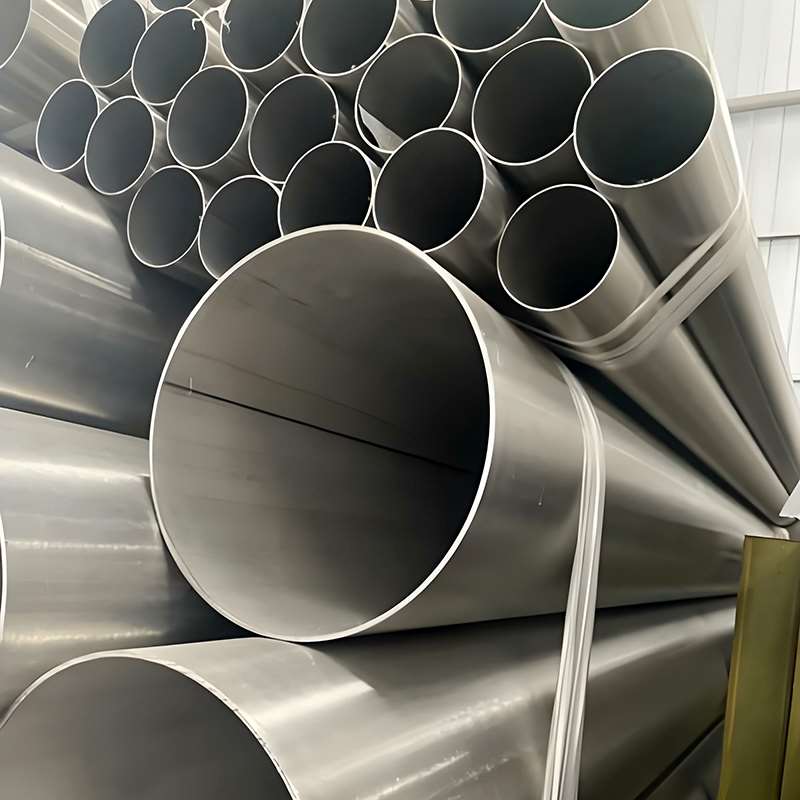
VI. Application Fields and Selection Recommendations for Stainless Steel ERW Welded Pipes
1. Water Supply and Drainage Systems
Operating Conditions: Indoor/outdoor water pipes, hot/cold water conveyance, low-to-medium pressure, mild environment.
Selection Recommendations:
Material: 304 or 316 stainless steel
Process: ERW high-frequency welding (cost-effective)
Wall Thickness: SCH5S–SCH10S sufficient
Surface Treatment: Pickling or polishing to ensure corrosion resistance and aesthetics
2. Chemical Piping
Operating Conditions: Conveyance of chemical media, acids/alkalis, or chloride-containing liquids; highly corrosive environments; may involve medium-to-high pressure.
Selection Recommendations:
Material: 316 / 316L (Mo element enhances corrosion resistance)
Process: ERW or SAW (for medium-large diameters and thick walls)
Wall Thickness: Select SCH20S–SCH40S based on pressure rating or customize thick walls
Surface Treatment: Pickling or mirror finish to ensure corrosion resistance
3. Food, Beverage, and Pharmaceutical Production Lines
Operating Conditions: High sanitary requirements, fluids are sensitive to pipeline hygiene impacts, welds must be smooth and easy to clean.
Selection Recommendations:
Material: 316L (low carbon content, corrosion resistance after welding, intergranular corrosion prevention)
Process: TIG/MIG welding or high-quality ERW
Wall Thickness: Small diameters may opt for SCH5S–SCH10S
Surface Finish: Mirror or electropolished, Ra ≤ 0.4 μm, for easy cleaning
4. Mechanical Manufacturing and Industrial Structures
Operating Conditions: Withstands medium-to-low pressure fluids or structural mechanical loads; general corrosion resistance required.
Selection Recommendations:
Material: 304 stainless steel
Process: ERW welding, cost-effective
Wall Thickness: Select SCH10S–SCH20S based on pressure rating and structural strength
Surface Finish: Pickled or polished
5. Architectural Decoration and Municipal Facilities
Operating Conditions: Visible piping sections or decorative pipes requiring aesthetics, corrosion resistance, and weather resistance.
Selection Recommendations:
Material: 304 or 316
Process: ERW (Economical for mass production)
Wall Thickness: SCH5S–SCH10S
Surface Finish: Brushed or mirror finish for both aesthetics and corrosion resistance
6. Seawater and Marine Engineering
Operating Conditions: High-salinity environments with severe corrosion, potentially involving high-pressure fluids.
Selection Recommendations:
Material: 316L (Mo element enhances chloride corrosion resistance)
Process: ERW or SAW to ensure robust weld integrity
Wall Thickness: Select thick-walled pipes based on pressure rating and corrosion resistance requirements
Surface Finish: Pickled or mirror finish to extend service life
VII. Inspection Standards for Stainless Steel ERW Welded Pipes
| Inspection Category | Inspection Content | Standard / Reference | Description |
|---|---|---|---|
| Visual Inspection | Check for scratches, cracks, burrs, welding defects on the pipe surface | ASTM A554 / EN 10217-7 / GB/T 12771 | Ensure surface quality and weld integrity |
| Dimensions & Tolerances | Outer diameter, wall thickness, length, straightness, ovality | ASTM A554 / ISO 1127 / GB/T 12771 | Ensure pipe dimensions meet design requirements |
| Chemical Composition | Content of main elements such as C, Cr, Ni, Mo | ASTM / EN / GB standards | Ensure material meets design and corrosion resistance requirements |
| Mechanical Properties | Tensile strength, yield strength, elongation, hardness | ASTM / EN / GB standards | Ensure the pipe meets pressure and mechanical performance requirements |
| Non-Destructive Testing (NDT) | Eddy current, ultrasonic testing, X-ray or magnetic particle inspection | ASTM A554 / EN 10217-7 | Detect internal weld defects to ensure pipe reliability |
| Pressure Test | Hydrostatic or pneumatic testing | ASTM A554 / EN 10217-7 / GB/T 12771 | Verify the pipe’s pressure-bearing capacity and ensure safe use |
| Surface Treatment Verification | Pickling, polishing, mirror finish, etc. | Company standard or contract requirement | Ensure corrosion resistance and aesthetic surface quality |