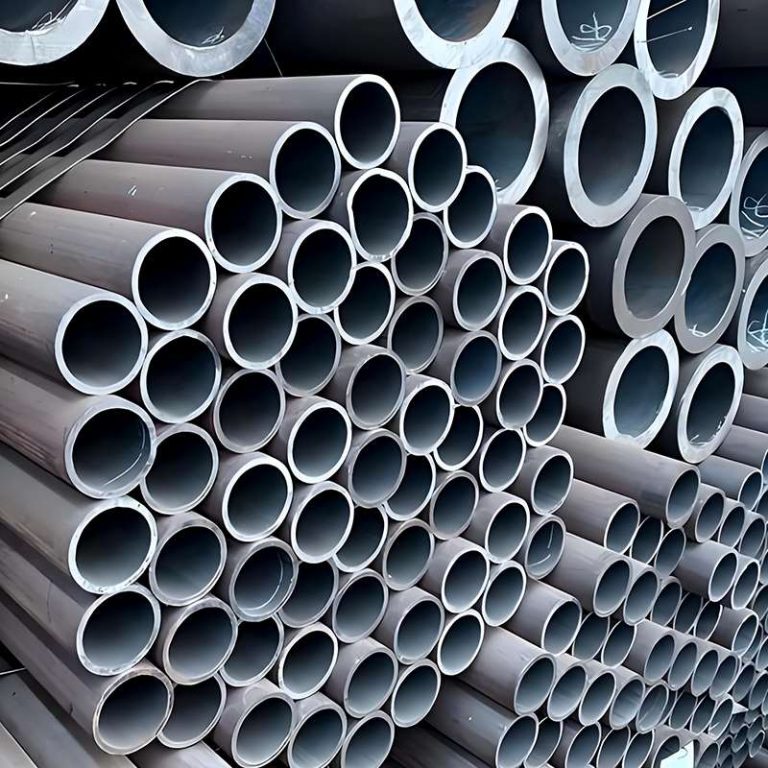
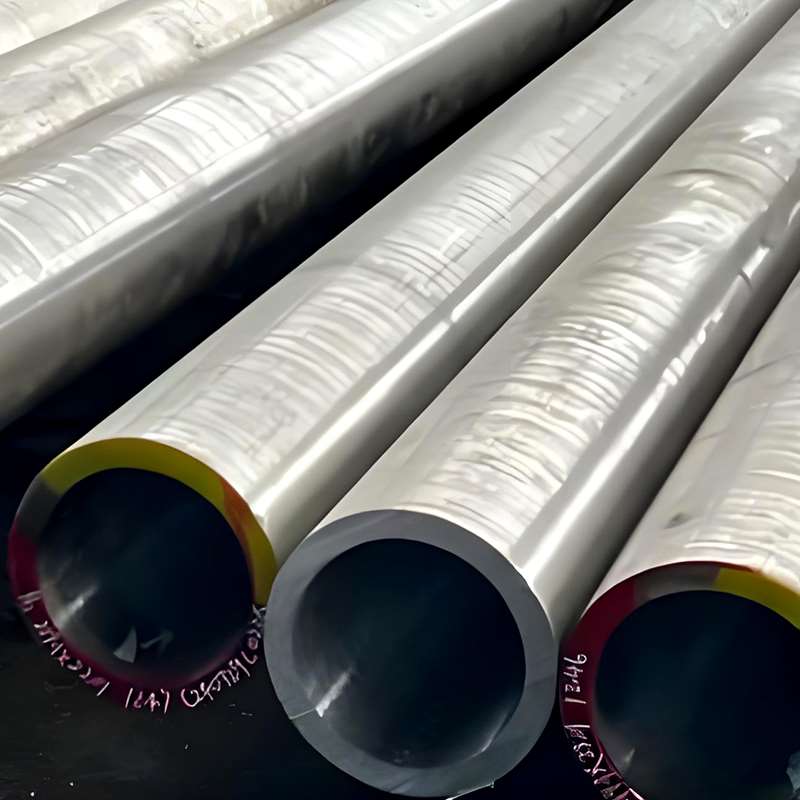
I. Overview of ASTM A335 P22 High-Pressure Alloy Steel Pipe
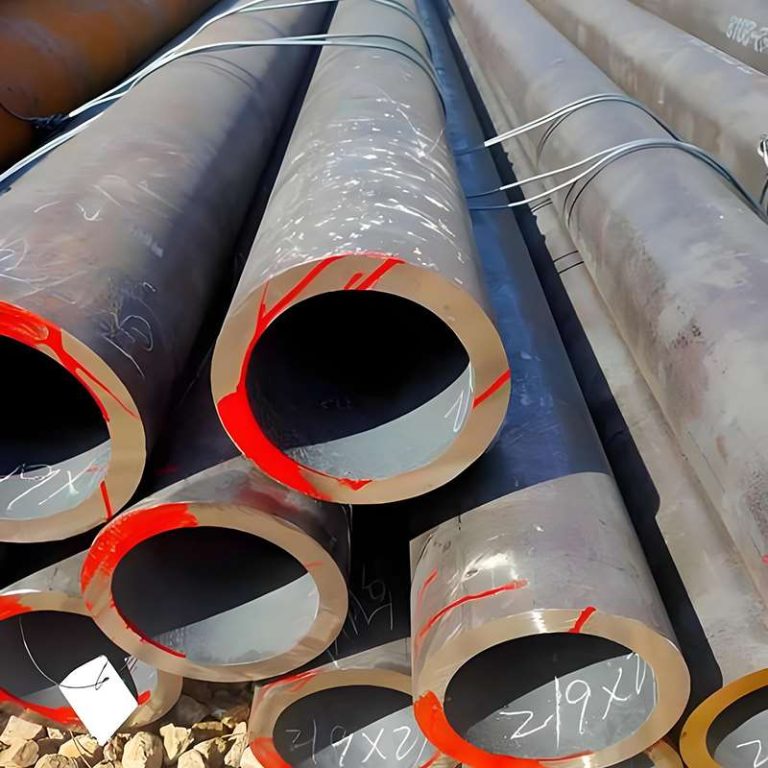
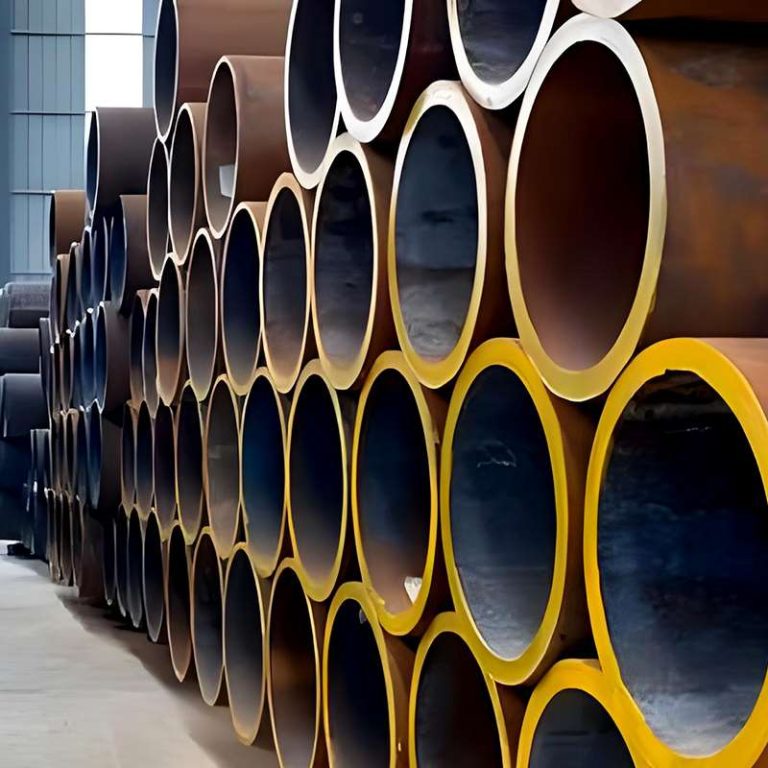
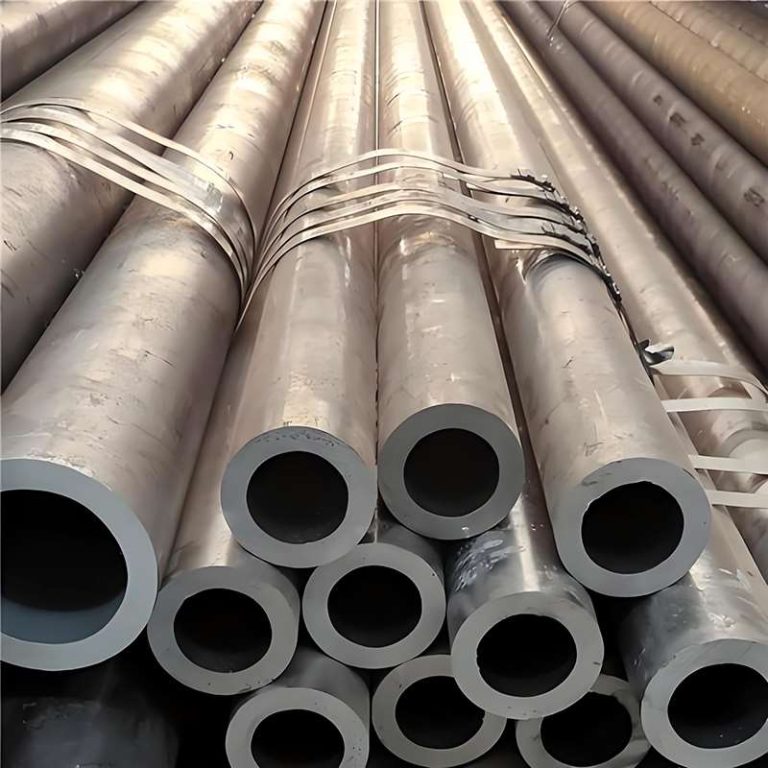
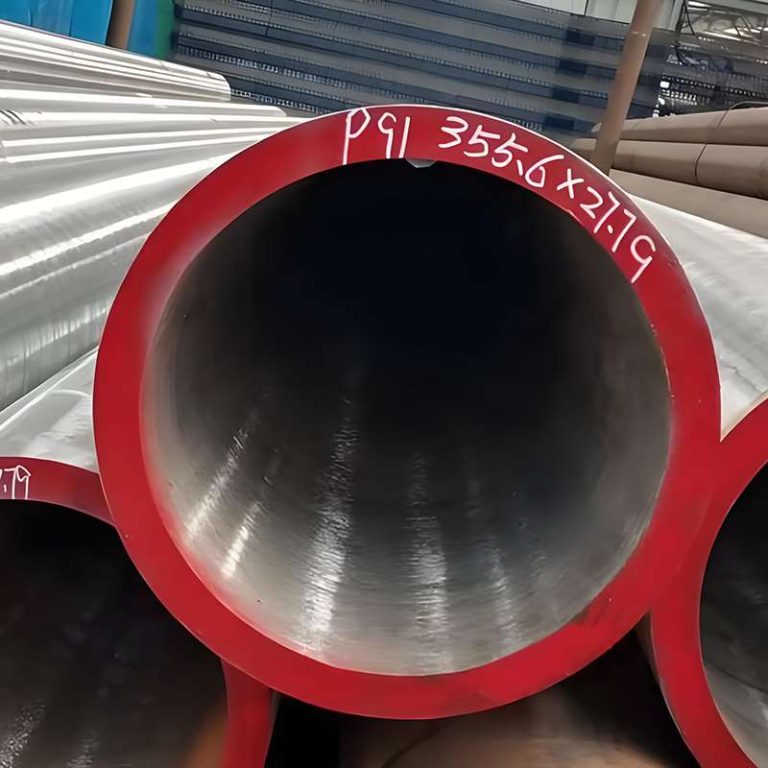
ASTM A335 P22 high-pressure alloy steel pipe is a seamless alloy steel pipe featuring 2.25% Chromium (Cr) and 1% Molybdenum (Mo) as its primary alloying elements. It is designed for service conditions involving high temperatures, high pressures, and prolonged, continuous operation.
This steel grade strikes an excellent balance between strength, heat resistance, and creep resistance, making it one of the most established and reliable high-temperature piping materials utilized in power plant boilers and petrochemical facilities.
The core advantage of P22 steel pipe lies in its exceptional ability to retain strength at elevated temperatures. Under operating conditions ranging from 450°C to 600°C, the material maintains stable mechanical properties, effectively resisting creep deformation and stress cracking at high temperatures, thereby extending the service life of the piping system. This characteristic renders it highly suitable for applications such as main steam lines, reheat steam lines, and high-temperature header systems.


II. Classification of ASTM A335 P-Series Steel Grades (High-Pressure Alloy Steel Pipes)
| Grade | Chemical Characteristics | Main Applications | Description |
|---|---|---|---|
| P1 | 0.12–0.20% C, 0.25–0.60% Cr | Low to medium pressure steam piping | Carbon steel with low alloying, limited high-temperature strength, cost-effective |
| P2 / P2a | 1% Cr – 0.5% Mo | Medium pressure steam piping | Suitable for medium temperature and pressure, moderate strength and creep resistance |
| P5 | 5% Cr – 0.5% Mo | High-temperature boiler tubes | Higher high-temperature strength, good creep resistance |
| P9 | 9% Cr – 1% Mo | Ultra-high temperature steam piping | Excellent strength under high temperature and pressure, strong creep resistance |
| P11 | 1.25% Cr – 0.5% Mo | Power plant boiler steam piping | Good creep resistance, suitable for 450–550°C |
| P12 | 1.25% Cr – 0.5% Mo | High-temperature and high-pressure piping | Similar to P11, but with slightly higher strength |
| P22 | 2.25% Cr – 1% Mo | High-temperature and high-pressure boilers and steam piping | Standard high-pressure alloy steel pipe, suitable for 450–600°C, strong creep and crack resistance |
| P91 / P92 | 9Cr–1Mo–V/Nb | Ultra-high temperature boiler piping | High alloy steel, suitable for 600–650°C, superior creep resistance, higher cost |
III. ASTM A335 P22 High-Pressure Alloy Steel Pipe: Chemical Composition and Mechanical Properties
i. Chemical Composition Table (by Weight Percentage, wt%)
| Element | C | Si | Mn | P | S | Cr | Mo | Ni |
|---|---|---|---|---|---|---|---|---|
| Content Range (%) | 0.05–0.15 | 0.50–1.00 | 0.30–0.60 | ≤0.025 | ≤0.025 | 2.00–2.50 | 0.85–1.05 | 0.40 |
ii. Mechanical Properties Table
| Property | Minimum Value | Unit | Description |
|---|---|---|---|
| Yield Strength (σy) | 205 | MPa | Yield strength at room temperature |
| Tensile Strength (σu) | 415–585 | MPa | Tensile strength at room temperature |
| Elongation (δ) | ≥20 | % | Gauge length 50 mm tensile specimen |
| Impact Toughness (Charpy V) | ≥27 | J | At -29°C, ensuring low-temperature impact resistance |
| Hardness | ≤207 | HB | Maximum hardness (Brinell) |
IV. Manufacturing Process for ASTM A335 P22 High-Pressure Alloy Steel Pipes:
Raw Steel Billet → Heating → Longitudinal Piercing / Hot Rolling → Sizing / Hot Expanding → Normalizing → Tempering → Cutting → Dimensional Inspection → Surface Treatment → Packaging → Finished Product Dispatch
V. P22 High-Pressure Alloy Steel Pipe Corrosion Protection Guide
- Indoor Dry Storage or Short-Term Holding
- Recommendation: “Black pipe” finish or application of anti-rust oil.
- Function: Prevents short-term oxidation; low-cost solution suitable for indoor high-temperature steam piping.
- Protection During Transport or Warehousing
- Recommendation: Anti-rust oil or pickling followed by oil coating.
- Function: Prevents pipe corrosion and facilitates subsequent installation work.
- Outdoor High-Temperature Steam Pipelines
- Recommendation: Black paint or epoxy coating
- Function: Provides more durable protection; suitable for long-term outdoor use; pipe ends require protection.
- Buried Pipelines or Humid Environments
- Recommendation: Epoxy coating or internal/external anti-corrosion layers
- Function: Prevents corrosion caused by soil and moisture; ensures a long service life.
- Chemical Pipelines or Pipelines Handling Highly Corrosive Media
- Recommendation: Internal/external epoxy anti-corrosion treatment or internal lining
- Function: Provides comprehensive corrosion protection against the conveyed medium; extends the pipeline’s service life.
- Low-Pressure Water Pipes or Outdoor Pipelines with Low Corrosion Risk
- Recommendation: Hot-dip galvanizing
- Function: Resists general oxidation and moisture, but is not suitable for high-temperature steam applications.


VI. Inspection Standards for ASTM A335 P22 High-Pressure Alloy Steel Pipes
| Inspection Item | Inspection Content | Purpose / Standard Requirement |
|---|---|---|
| Visual Inspection | Pipe surface shall be smooth, free of cracks, dents, zinc lumps, or obvious scratches; pipe ends shall be properly machined according to standards | Ensure surface quality and meet welding/construction requirements |
| Dimensional Inspection | Outside diameter, wall thickness, length, tolerances, pipe end diameter, and bevel angle | Ensure dimensional accuracy for easy installation and fit-up |
| Chemical Composition | Content of elements such as C, Cr, Mo, Mn, Si, Ni, etc. | Comply with chemical requirements of ASTM A335 P22 |
| Mechanical Properties | Yield strength, tensile strength, elongation, impact toughness | Ensure safety and reliability under high temperature and pressure |
| Non-Destructive Testing (NDT) | Ultrasonic Testing (UT), Radiographic Testing (RT), Magnetic Particle Testing (MT), Penetrant Testing (PT) | Detect internal and surface defects to ensure pipe integrity |
| Coating / Anti-Corrosion Inspection | Thickness and uniformity of epoxy coating, galvanization, or anti-rust oil | Ensure corrosion resistance and extend service life |
| Certification & Inspection Reports | MTC (3.1 / 3.2) and mill test records | Verify compliance of chemical composition, mechanical properties, and inspections with standards, meeting project acceptance requirements |
VII. ASTM A335 P22 High-Pressure Alloy Steel Pipe: Frequently Asked Questions
1. What levels of steam pressure and temperature can P22 piping withstand?
Answer:
ASTM A335 P22 piping is suitable for high-temperature steam applications ranging from 450°C to 600°C. The design pressure depends on the pipe’s diameter and wall thickness; generally, it can withstand steam pressures of up to 4–8 MPa. Specific pipe selection should be based on calculations of wall thickness and safety factors tailored to the specific operating conditions.
2. Does P22 piping experience creep issues during long-term operation?
Answer:
Under conditions of high temperature and high pressure, P22 material is susceptible to creep; however, its creep resistance can be significantly enhanced through a normalizing and tempering heat treatment process. For long-term operations (spanning tens of thousands of hours), it remains necessary to perform creep life calculations based on the specific pipe diameter, wall thickness, and operating temperature.
3. Are P22 pipes prone to high-temperature stress cracking?
Answer:
Provided that the material quality is up to standard and the welding is performed correctly, high-temperature stress cracking generally does not occur. However, cracks may develop in cases of improper welding or at points of stress concentration. It is recommended to perform preheating prior to welding, apply post-weld heat treatment, and utilize non-destructive testing (such as UT or RT) to ensure the integrity of the weld seams.
4. Are P22 pipes susceptible to rusting when exposed to outdoor or humid environments?
Answer:
P22 is an alloy steel that offers high-temperature resistance; however, it remains susceptible to oxidation and moisture. For outdoor or humid environments, it is essential to implement anti-corrosion measures—such as epoxy coatings, rust-inhibiting oils, black paint, or internal and external protective linings—to prevent surface corrosion resulting from prolonged exposure.
5. Will the performance of P22 piping degrade after welding?
Answer:
Provided that proper welding procedures are followed and Post-Weld Heat Treatment (PWHT) is performed, the performance of the piping will essentially remain undiminished. Improper welding or inadequate PWHT can lead to localized hardening or a reduction in creep resistance; therefore, strict control over the welding process is of paramount importance.
6. What is the typical maintenance interval for high-temperature steam piping?
Answer:
It is generally recommended to conduct visual inspections and non-destructive testing every 2 to 3 years. Critical areas—such as welds, support points, and elbows—may be inspected annually. During long-term operation, the maintenance schedule can be adjusted based on specific operating conditions and observed corrosion rates to ensure continued safety and reliability.