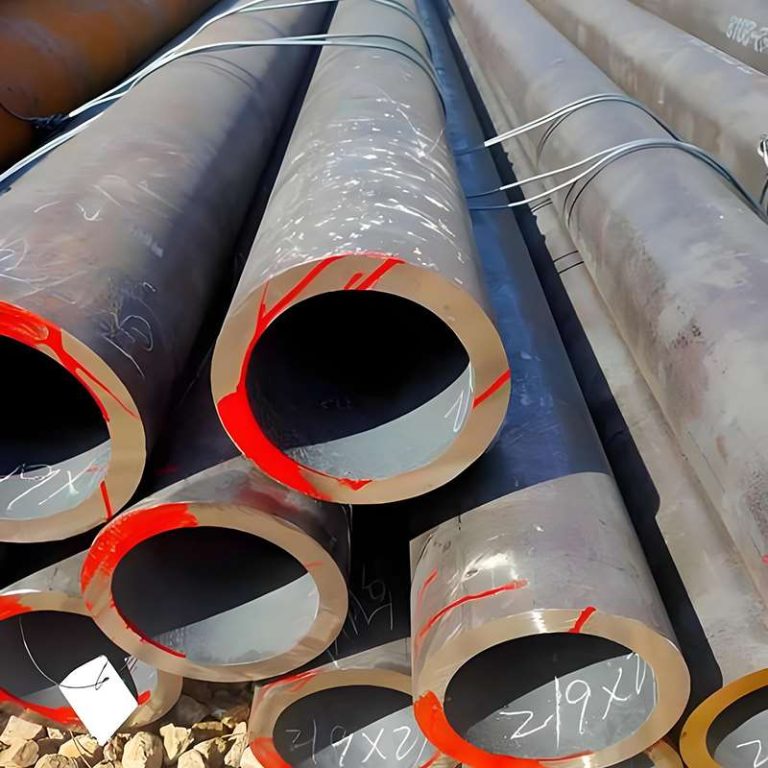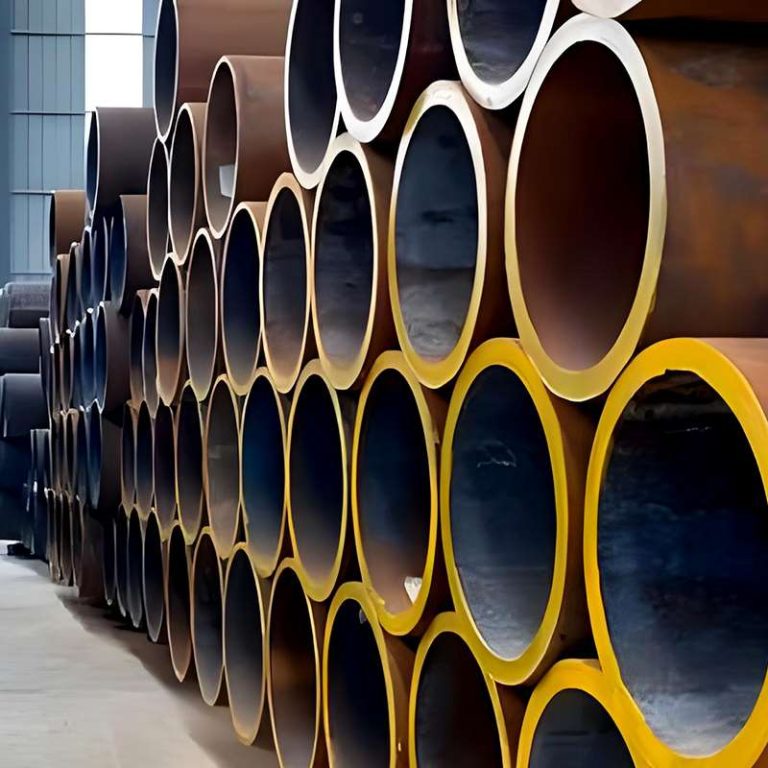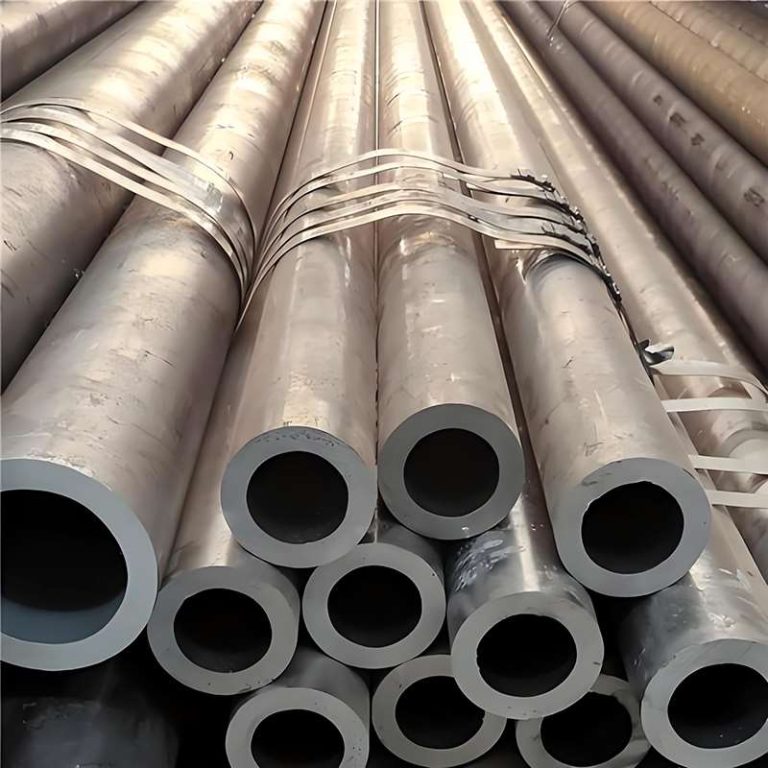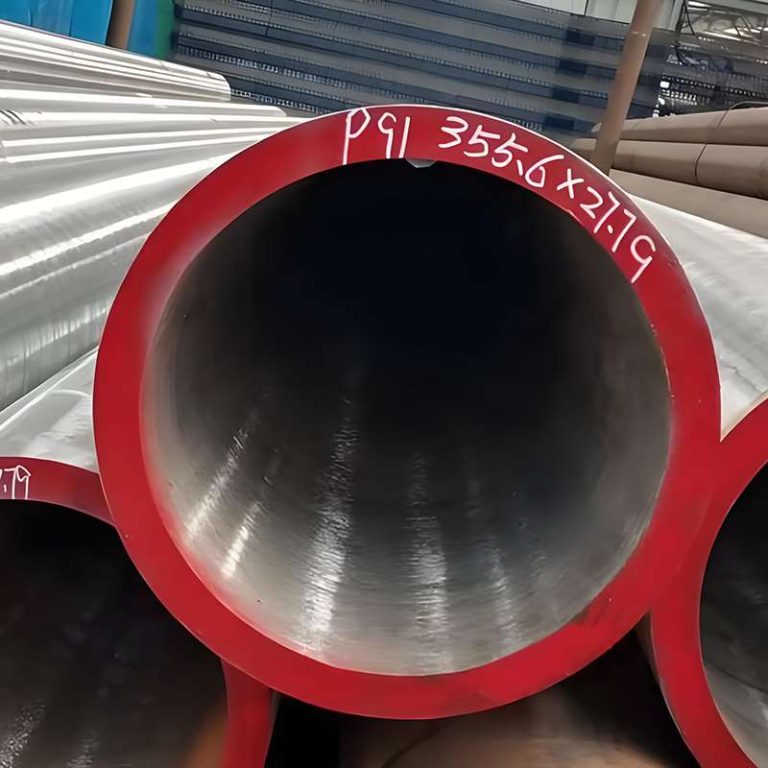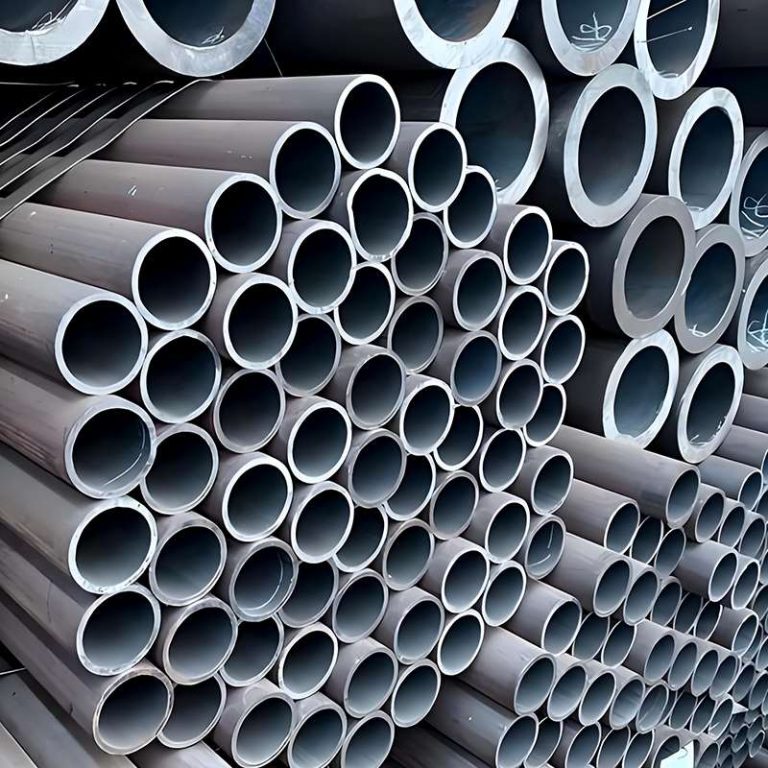
I. Introduction to High-Pressure Alloy Steel Pipes for Steam Piping Systems
In power plants, chemical plants, metallurgical facilities, and industrial boiler systems, the safety and stability of steam piping systems are of paramount importance. Ordinary carbon steel pipes or low-pressure pipes often exhibit issues such as creep, weld cracking, leakage, and pipe oxidation when subjected to high-temperature, high-pressure steam environments.
To address these challenges, high-pressure alloy steel pipes for steam pipelines have emerged as the ideal solution for high-temperature, high-pressure steam systems. With their superior mechanical properties, dimensional accuracy, and corrosion resistance, these pipes have gained widespread adoption across the power generation, chemical, and metallurgical industries.
II. Classification of High-Pressure Alloy Steel Pipes for Steam Pipelines
1. Classified by application conditions
| Category | Features | Recommended Steel Grade |
|---|---|---|
| Main Steam Pipeline | High-temperature, high-pressure steam from boiler outlet to turbine | P91, P92 |
| Reheat Steam Pipeline | Reheat steam delivered to midsection of turbine | P91, P92 |
| High-Temperature Steam Network for Chemical Plants | Steam for process equipment, may contain corrosive impurities | P11, P22, P91 |
| Boiler Branch Pipe | Branch connecting boiler to main pipeline | P11, P22 |
| Heat Exchanger Tube Bundle | High-temperature steam used to heat process fluids | P11, P22, P91 |
2. Classified by steel grade
| Steel Grade | Main Features | Service Temperature Range (℃) |
|---|---|---|
| P11 / T11 | Medium–low pressure, low temperature | ≤450 |
| P22 / T22 | Medium pressure, medium temperature | 450–500 |
| P91 / P92 | High temperature, high pressure, creep-resistant | 500–620 |
3. Classified by manufacturing process
| Process Type | Features | Application Scenario |
|---|---|---|
| Seamless Steel Pipe | No weld seam, high pressure resistance, long creep life | Main steam pipes, reheat steam pipes, high-pressure chemical pipes |
| Longitudinal Welded Steel Pipe (ERW / SAW) | Lower manufacturing cost, suitable for moderate pressure | Branch pipes, medium- and low-pressure pipelines, secondary pipelines |
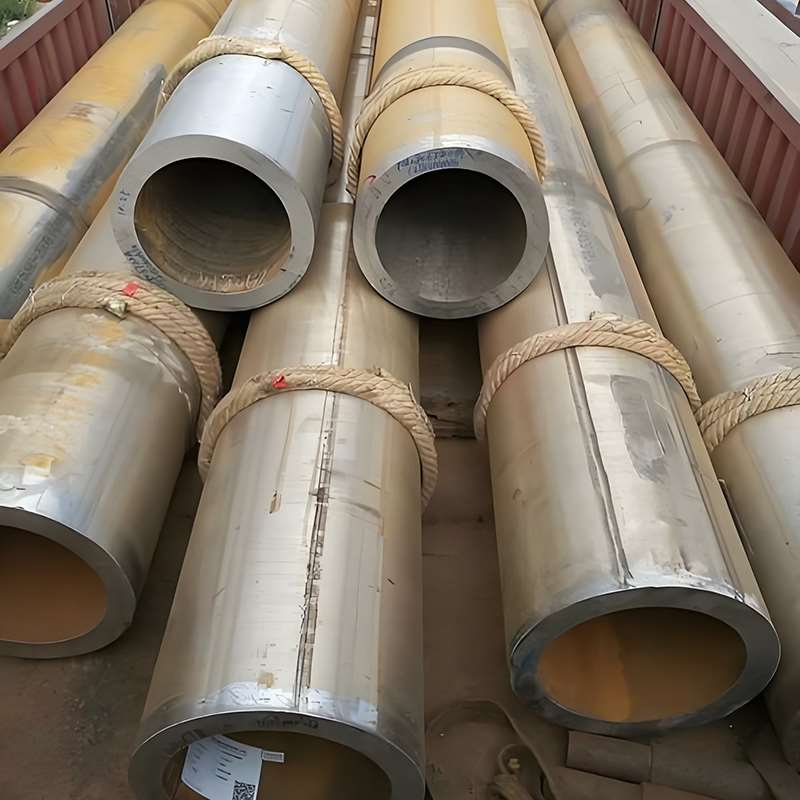
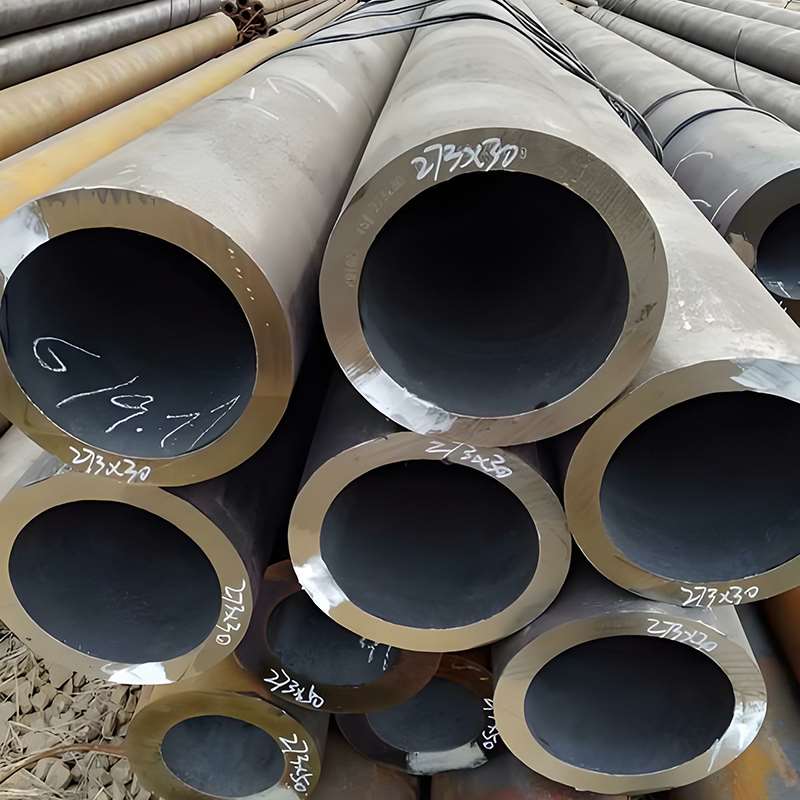
III. Chemical Composition and Mechanical Properties of High-Pressure Alloy Steel Pipes for Steam Pipelines
1. Chemical Composition Table (Percentage by Mass %)
| Steel grade | C | Mn | Si | Cr | Mo | V | Nb |
| P11 | 0.08–0.15 | 0.30–0.60 | 0.10–0.40 | 1.00–1.50 | 0.45–0.65 | — | — |
| P22 | 0.07–0.13 | 0.30–0.60 | 0.10–0.40 | 1.90–2.60 | 0.44–0.65 | — | — |
| P91 | 0.08–0.12 | 0.30–0.60 | 0.20–0.50 | 8.00–9.50 | 0.85–1.05 | 0.18–0.25 | 0.06–0.12 |
| P92 | 0.08–0.12 | 0.30–0.60 | 0.20–0.50 | 8.00–9.50 | 0.50–1.00 | 0.18–0.25 | 0.06–0.12 |
2. Mechanical Properties Table
| Steel Grade | Tensile Strength (MPa) | Yield Strength (MPa) | Elongation (%) | Impact Toughness (J) @ 20℃ |
|---|---|---|---|---|
| P11 | ≥415 | ≥205 | ≥22 | ≥34 |
| P22 | ≥415 | ≥205 | ≥22 | ≥34 |
| P91 | ≥690 | ≥415 | ≥20 | ≥47 |
| P92 | ≥690 | ≥415 | ≥20 | ≥47 |
Description:
- P11 and P22 are suitable for medium-to-low temperature, medium-pressure steam pipelines;
- P91 and P92 are suitable for high-temperature, high-pressure steam pipelines, offering excellent creep resistance;
- Chemical composition is strictly controlled to ensure strength, toughness, and corrosion resistance during long-term high-temperature operation;
- Mechanical properties can be tested according to ASME SA-335 / ASTM A335 standard requirements.
IV. International Standards Comparison Table for High-Pressure Alloy Steel Pipes for Steam Pipelines
| International Standard System | Standard Number | Applicable Steel Grades | Main Application |
|---|---|---|---|
| American Standard (ASTM / ASME) | ASTM A335 / ASME SA-335 | P11, P22, P91, P92 | Boilers, steam pipelines, high-temperature and high-pressure pipelines |
| American Standard | ASTM A213 / ASME SA-213 | P11, P22, P91 | Boilers, heat exchanger tubes |
| American Standard | ASTM A192 | — | Seamless steel pipes for high-pressure boilers |
| American Standard | ASTM A333 / A334 | — | Low-temperature or medium-pressure steam branch pipes |
| European Standard (EN) | EN 10216-2 | P11, P22, P91, P92 | High-temperature steam pipes, pressure vessels |
| European Standard | EN 10222-2 | P11, P22, P91 | Boilers and high-temperature pressure equipment |
| Japanese Standard (JIS) | JIS G 3463 | P11, P22, P91 | High-pressure boilers and superheated steam pipelines |
| Japanese Standard | JIS G 3462 | P11, P22, P91 | High-temperature boilers and steam pipelines |
| Chinese Standard (GB) | GB/T 5310 | P11, P22, P91, P92 | Boilers and pressure pipelines |
| Chinese Standard | GB/T 9948 | P11, P22, P91 | High-pressure steam pipelines, heat exchangers |
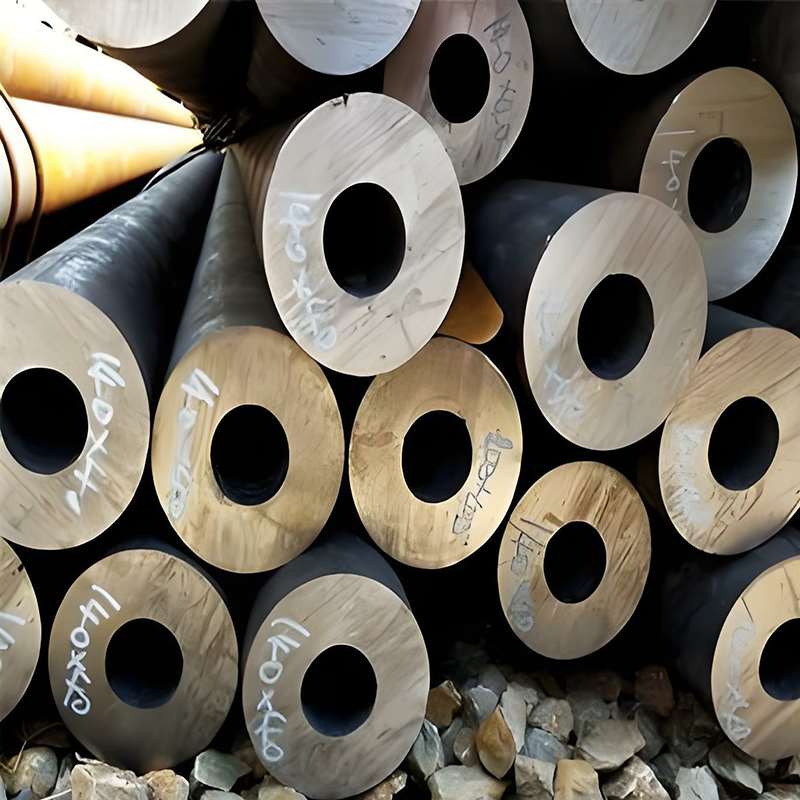
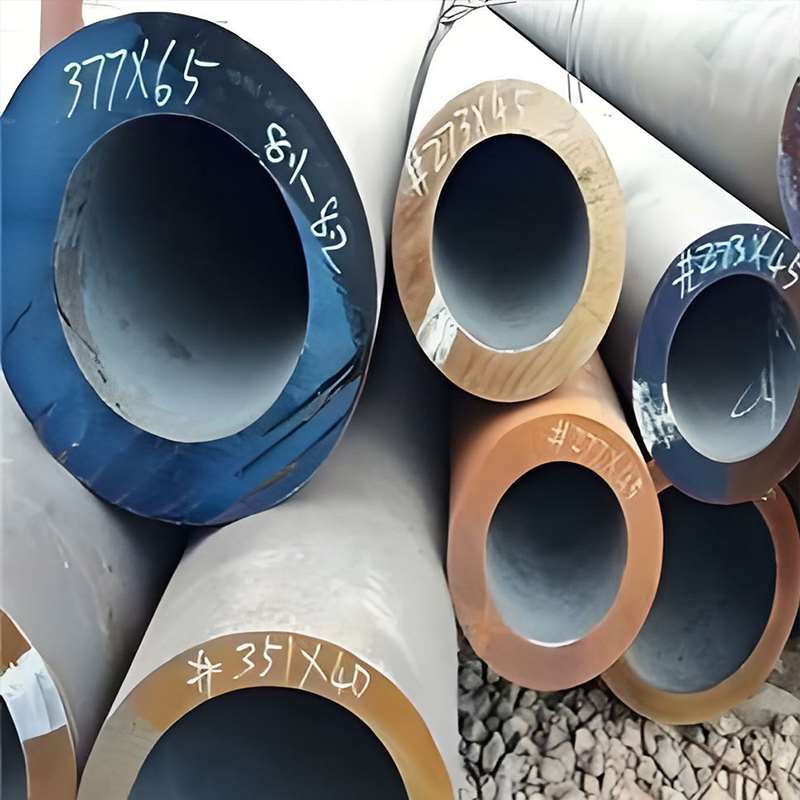
V. Application Fields for High-Pressure Alloy Steel Pipes in Steam Piping Systems
- Thermal Power Plants
Applications: Main steam pipes, reheat steam pipes, steam branch pipes
Selected Steel Grades: P91, P92 (high-temperature, high-pressure main lines), P22/P11 (medium-low pressure branch pipes)
Characteristics: Withstands high-temperature, high-pressure steam to ensure long-term stable turbine operation - Chemical Plants
Applications: Steam heating systems, reactor vessel steam networks, heat exchanger steam lines
Selected Grades: P11, P22, P91
Characteristics: Steam may contain corrosive impurities, requiring corrosion-resistant and high-temperature alloy steel pipes - Petroleum Refineries
Applications: Steam cracking units, atmospheric and vacuum distillation steam pipelines
Selected Grades: P91/P92
Characteristics: High-temperature and high-pressure conditions demand creep resistance and long-term reliability - Combined Heat and Power (CHP) & Industrial Boilers
Applications: Main steam lines, branch lines, and secondary lines in industrial boilers
Selected Steel Grades: P11/P22
Characteristics: Suitable for medium-to-high temperature and medium-pressure conditions; offers high cost-effectiveness with ease of installation and maintenance - Heat Exchanger Systems
Applications: Steam heating of process fluids, heat exchanger tube bundles
Selected Grades: P11, P22, P91
Features: High-temperature resistance, corrosion resistance, ensuring long-term heat transfer efficiency
Summary
Core Characteristics: High-temperature resistance, high-pressure resistance, creep resistance, corrosion resistance
Main High-Temperature/High-Pressure Piping: Prioritize P91/P92 seamless steel pipes
Medium/Low-Pressure Steam Branch Piping or Process Piping: Opt for P11/P22 seamless or welded pipes
VI. Common FAQs on High-Pressure Alloy Steel Pipes for Steam Piping
Q1: Which steel grade should be selected for main steam pipes?
A: Main steam pipes operate at high temperatures and pressures. P91 or P92 seamless steel pipes are generally recommended for their excellent high-temperature creep resistance and high-pressure tolerance, ensuring long-term safe operation.
Q2: Can lower steel grades be used for branch pipes?
A: Yes. Medium-to-low pressure branch pipes typically use P11 or P22 grades, balancing cost and performance. However, steam temperature and pressure must remain within the permissible range for the selected steel grade.
Q3: How should seamless and welded pipes be selected?
A:
Seamless steel pipes: Suitable for main steam pipes and reheat steam pipes due to their high-pressure resistance and long creep life at elevated temperatures.
Welded steel pipes (ERW/SAW): Cost-effective for medium- and low-pressure branch pipes or secondary lines.
Q4: How should wall thickness be selected?
A: Wall thickness should be calculated based on working pressure, pipe diameter, and temperature, generally referencing SCH40–SCH160. Thicker walls are preferred for high-pressure, high-temperature pipelines to ensure safety factors and service life.
Q5: Do steam pipes require corrosion protection?
A: High-temperature steam typically has low corrosion requirements. However, for chemical plants or steam networks containing impurities, internal coatings or corrosion-resistant steel pipes are recommended. External surfaces can be sandblasted and painted or coated with epoxy to extend pipeline lifespan.
Q6: How can I quickly determine the appropriate pipe selection?
A: Based on operating temperature, pressure, pipe diameter, and application purpose, select the corresponding steel grade (P11/P22/P91/P92), manufacturing process (seamless or welded), and wall thickness rating. Refer to the quick reference chart under “Application Field → Steel Grade → Process → Pressure/Temperature” for immediate clarity in engineering and procurement decisions.