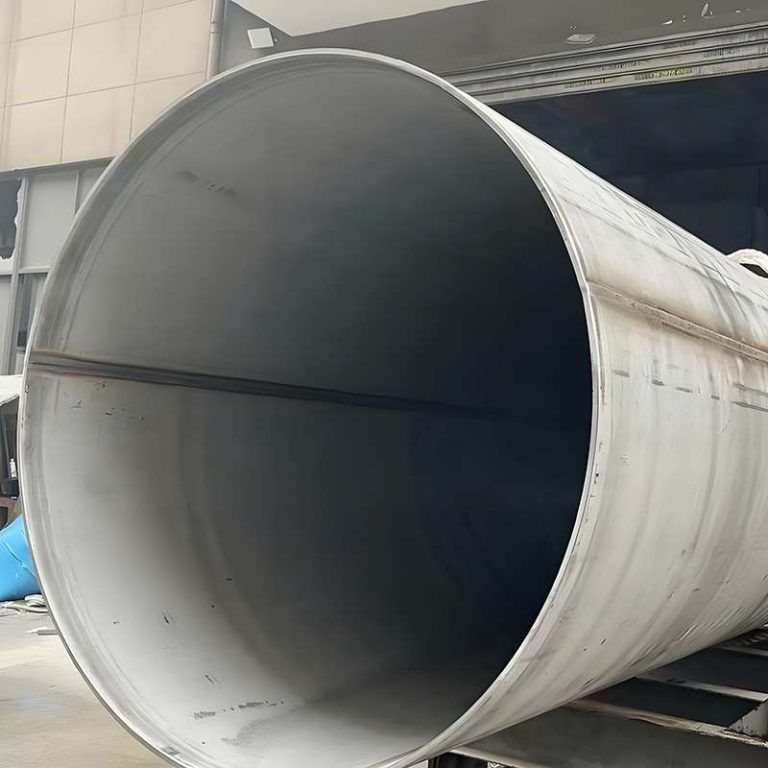
I. Overview of Sanitary Grade Stainless Steel Piping for the Pharmaceutical Industry
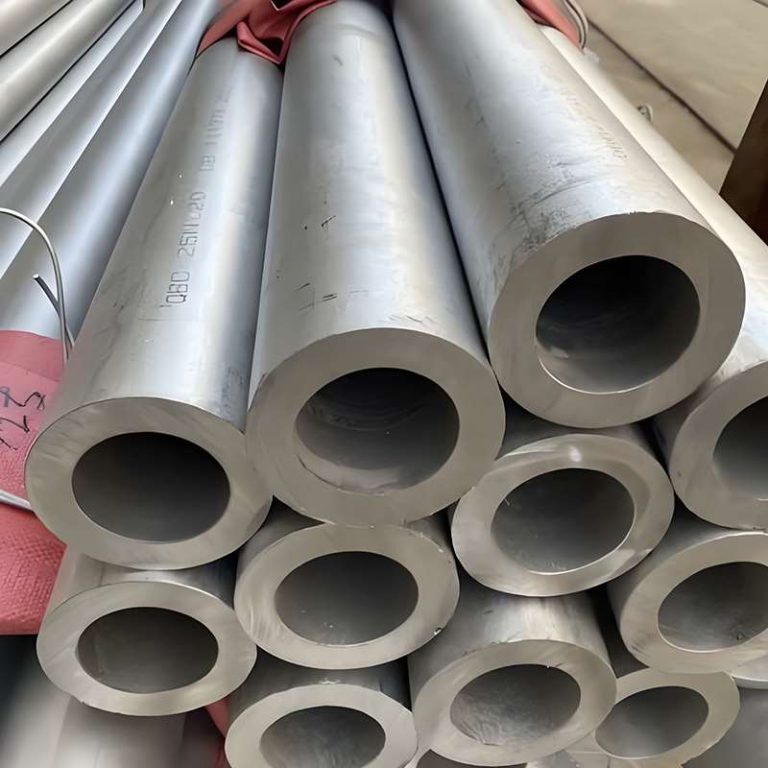
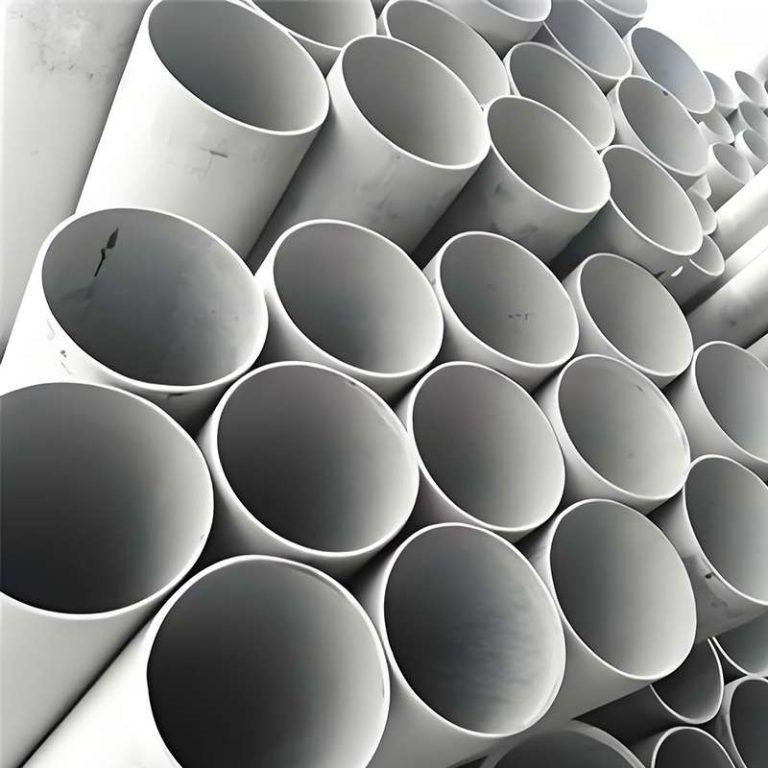
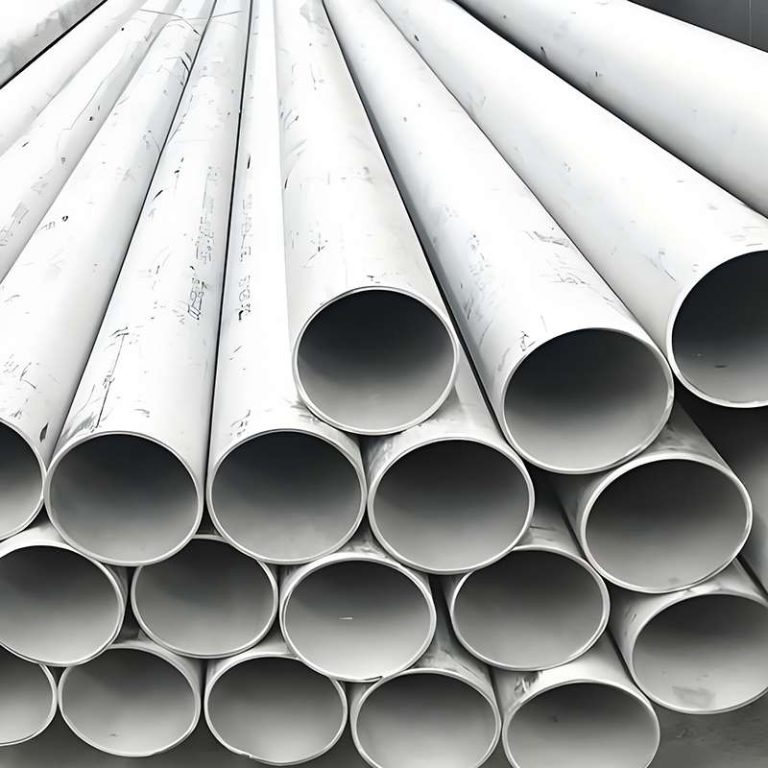
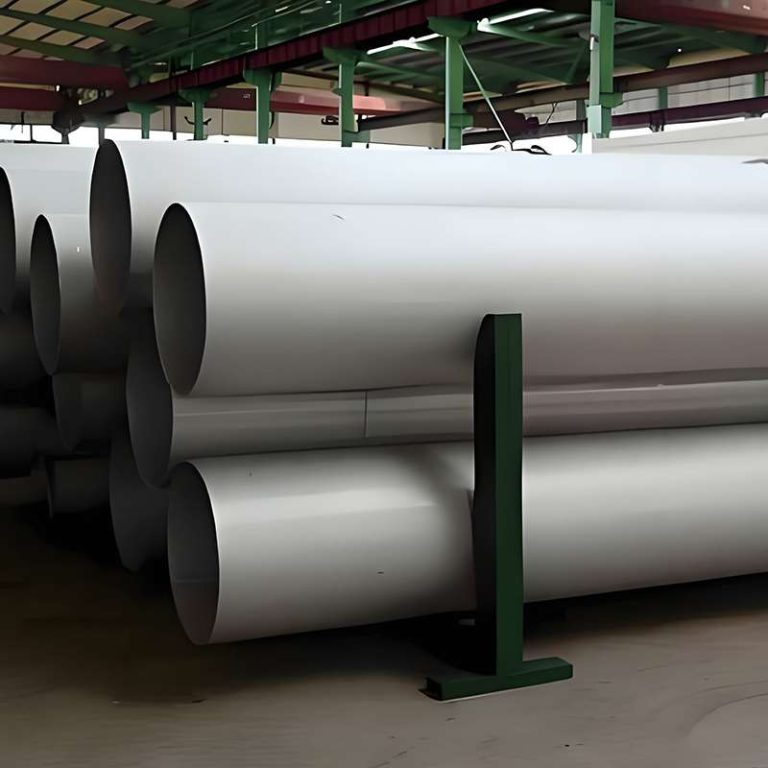
Sanitary grade stainless steel piping for the pharmaceutical industry is a specialized piping system designed for pharmaceutical, biopharmaceutical, and other high-hygiene-requirement sectors.
This product utilizes high-quality stainless steel materials (304, 304L, 316, 316L) with internal and external polishing to ensure high purity, corrosion resistance, and hygienic safety during pharmaceutical liquid transportation.
Pharmaceutical sanitary piping not only fulfills fluid conveyance needs but also supports CIP (Clean-in-Place) and SIP (Sterilization-in-Place) processes, delivering efficient and reliable piping solutions for pharmaceutical production lines.
II. International Sanitary Standards for Sanitary Grade Stainless Steel Pipes Used in the Pharmaceutical Industry
| Standard Name | Region / Application | Main Scope & Features |
|---|---|---|
| ASTM A270 | North America, International | Standard issued by ASTM (American Society for Testing and Materials). It specifies dimensions, welding requirements, surface roughness, and testing methods for sanitary stainless steel tubing. Widely used in pharmaceutical and food processing industries. |
| 3-A Sanitary Standard | North America | U.S. sanitary piping standard focusing on food and pharmaceutical contact safety, cleanability, and hygienic design. Commonly used in conjunction with ASTM A270. |
| DIN 11850 | Europe (Germany and neighboring countries) | German standard for sanitary stainless steel tubing, defining dimensions, tolerances, welding quality, and internal/external surface requirements. Suitable for pharmaceutical and food industries. |
| EN 10357 | Europe | European sanitary tubing standard derived from DIN 11850, emphasizing hygienic design and compliance with GMP requirements. |
| ISO 2037 | International | Sanitary tubing standard issued by ISO, covering dimensions, welding, surface roughness, and quality control. Widely applied in global pharmaceutical projects. |
| BS 4825-1 / BS 4825-2 | United Kingdom and some Commonwealth countries | British sanitary stainless steel tubing standards, commonly used in pharmaceutical, dairy, and beverage industries. |
Model Selection Recommendations
| Region / Project Type | Recommended Standard |
|---|---|
| North American Pharmaceutical Plants / Biopharmaceutical Projects | ASTM A270 + 3-A |
| European Pharmaceutical Plants / GMP Piping Systems | DIN 11850 / EN 10357 |
| International Engineering / Multi-National Pharmaceutical Projects | ISO 2037 |
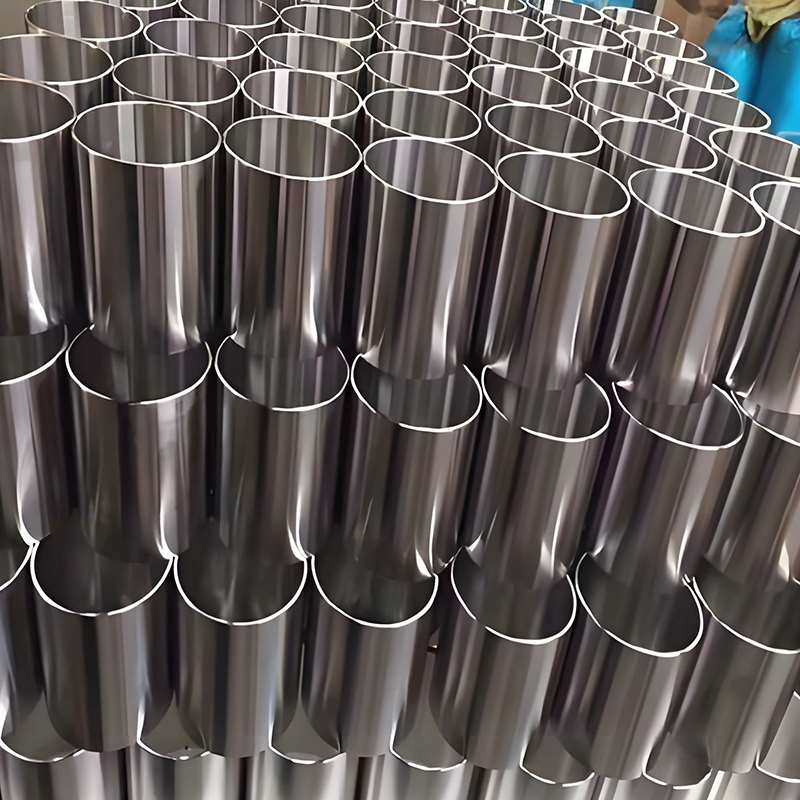
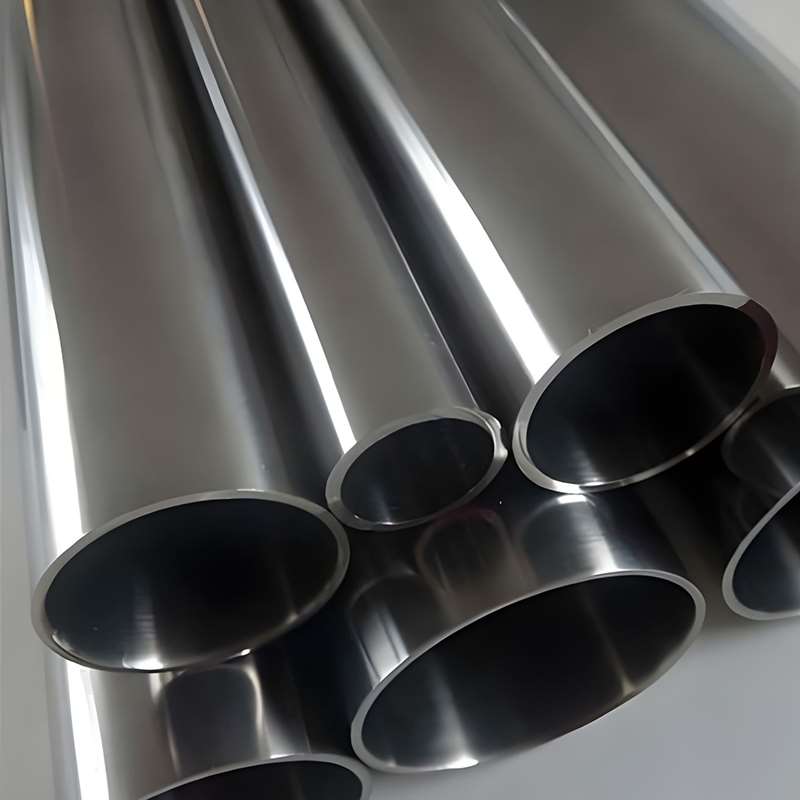
III. Selection Guide Table for Sanitary Grade Stainless Steel Pipes in the Pharmaceutical Industry
| Outside Diameter (OD) | Wall Thickness (WT) | Material / Grade | Internal Surface Roughness (Ra) | End Connection | Standard |
|---|---|---|---|---|---|
| 12.7 mm | 0.8 / 1.0 / 1.2 mm | 304 / 316L | ≤ 0.8 μm / ≤ 0.6 μm | Plain End / Clamp / Welded | ASTM A270 / 3-A / ISO 2037 |
| 19.05 mm | 0.8 / 1.0 / 1.2 / 1.5 mm | 304 / 316L | ≤ 0.8 μm / ≤ 0.6 μm | Plain End / Clamp / Welded | ASTM A270 / 3-A / ISO 2037 |
| 25.4 mm | 0.8 / 1.0 / 1.2 / 1.5 mm | 304 / 316L | ≤ 0.8 μm / ≤ 0.6 μm | Plain End / Clamp / Welded | ASTM A270 / 3-A / ISO 2037 |
| 31.75 mm | 1.0 / 1.2 / 1.5 / 2.0 mm | 304 / 316L | ≤ 0.8 μm / ≤ 0.6 μm | Plain End / Clamp / Welded | ASTM A270 / 3-A / ISO 2037 |
| 38.1 mm | 1.0 / 1.2 / 1.5 / 2.0 mm | 304 / 316L | ≤ 0.8 μm / ≤ 0.6 μm | Plain End / Clamp / Welded | DIN 11850 / EN 10357 |
| 50.8 mm | 1.2 / 1.5 / 2.0 mm | 316L | ≤ 0.6 μm | Plain End / Clamp / Welded | EN 10357 / ISO 2037 |
| 63.5 mm | 1.5 / 2.0 mm | 316L | ≤ 0.6 μm | Plain End / Welded | ISO 2037 |
| 76.2 mm | 1.5 / 2.0 mm | 316L | ≤ 0.6 μm | Plain End / Welded | ISO 2037 |
| 101.6 mm | 2.0 mm | 316L | ≤ 0.6 μm | Plain End / Welded | ISO 2037 |
IV. Sanitary Grade Stainless Steel Piping for the Pharmaceutical Industry — Typical Application Scenarios
- Pharmaceutical Liquid Conveyance Piping
Transports various pharmaceutical liquids, buffers, intermediates, and solutions
Requires smooth inner walls, high sanitary standards, and easy cleaning
Commonly used in piping systems connecting reactors, storage tanks, and filling equipment on pharmaceutical production lines - Pure Water and Process Water Systems
Used to convey pharmaceutical-grade pure water, water for injection, and deionized water
Must prevent secondary contamination of water quality
Supports CIP/SIP online cleaning - Biopharmaceutical Production Lines
High-hygiene processes for vaccines, antibodies, blood products, protein preparation, etc.
Pipes require resistance to strong corrosion, frequent cleaning, and compliance with GMP standards
Internal surface roughness Ra ≤ 0.6 μm or lower - Chemical and Buffer Solution Conveyance
For transporting acidic/alkaline solutions or pharmaceutical buffers
316L stainless steel recommended to ensure corrosion resistance and extended service life - GMP High-Sanitary Grade Piping Systems
Integrated production line piping systems, including reactor connections, storage tanks, and filling equipment
Emphasizes sanitary design, detachable interfaces, and ease of sterilization and maintenance
V. Selection Recommendations for Sanitary Grade Stainless Steel Pipes in the Pharmaceutical Industry
1. Selection of Outer Diameter and Wall Thickness
| Outside Diameter (OD) | Recommended Wall Thickness (WT) | Applicable Applications |
|---|---|---|
| 12.7 mm – 25.4 mm | 0.8 / 1.0 / 1.2 mm | Conveying purified water, buffer solutions, low-flow pharmaceutical pipelines |
| 31.75 mm – 50.8 mm | 1.2 / 1.5 mm | Medium-flow pharmaceutical liquids, buffer lines, reactor inlet/outlet pipes |
| 63.5 mm – 101.6 mm | 1.5 / 2.0 mm | High-flow pharmaceutical pipelines, purified water circulation systems, high-pressure delivery pipelines |
2. Material Selection
| Material | Applicable Medium | Applicable Applications | Reason for Selection |
|---|---|---|---|
| 304 / 304L | Purified water, buffer solutions, low-corrosive pharmaceutical liquids | Standard pharmaceutical plants | Moderate cost; corrosion resistance sufficient for general pharmaceutical liquid transport |
| 316 / 316L | Acidic or alkaline pharmaceutical liquids, highly corrosive buffer solutions, biopharmaceutical fluids | High-end pharmaceutical plants, biopharmaceutical facilities | Excellent corrosion resistance; suitable for high-hygiene processes and CIP/SIP cleaning3. |
3. Internal Surface Roughness
- Ra ≤ 0.8 μm: Conventional pharmaceutical solutions, buffers, and pure water systems
- Ra ≤ 0.6 μm: High-end biopharmaceuticals, vaccine production, blood products
- Ra ≤ 0.4 μm: Ultra-high hygiene requirements, high-frequency CIP/SIP cleaning systems
- Practical recommendation: When selecting equipment, clearly define the cleaning process frequency. For high-frequency CIP/SIP systems, Ra ≤ 0.6 μm must be selected.
4. End connector selection
| Connection Type | Applicable Applications | Recommended Reason |
|---|---|---|
| Clamp (Tri-Clamp) | Pipelines requiring frequent disassembly, cleaning, or maintenance | Easy to install and remove; reduces downtime |
| Welded End (Butt Weld / Socket Weld) | Pipelines requiring high sealing or fixed installation | Ensures long-term leak-free performance; compliant with GMP piping requirements |
| Plain / Beveled End | Equipment interfaces or transition pipelines | Suitable for standard welding or custom interface machining |
5. Recommended Selection Process
(1) Identify the medium type (pure water, pharmaceutical solutions, buffers, biopharmaceutical liquids)
(2) Select outer diameter and wall thickness based on flow rate, pressure, and piping layout
(3) Choose material based on medium corrosivity (304 / 316 / 316L)
(4) Determine inner surface roughness Ra to meet CIP/SIP cleaning requirements
(5) Select end connection type considering disassembly frequency and sealing requirements
(6) Confirm applicable standards to ensure factory audit and export compliance
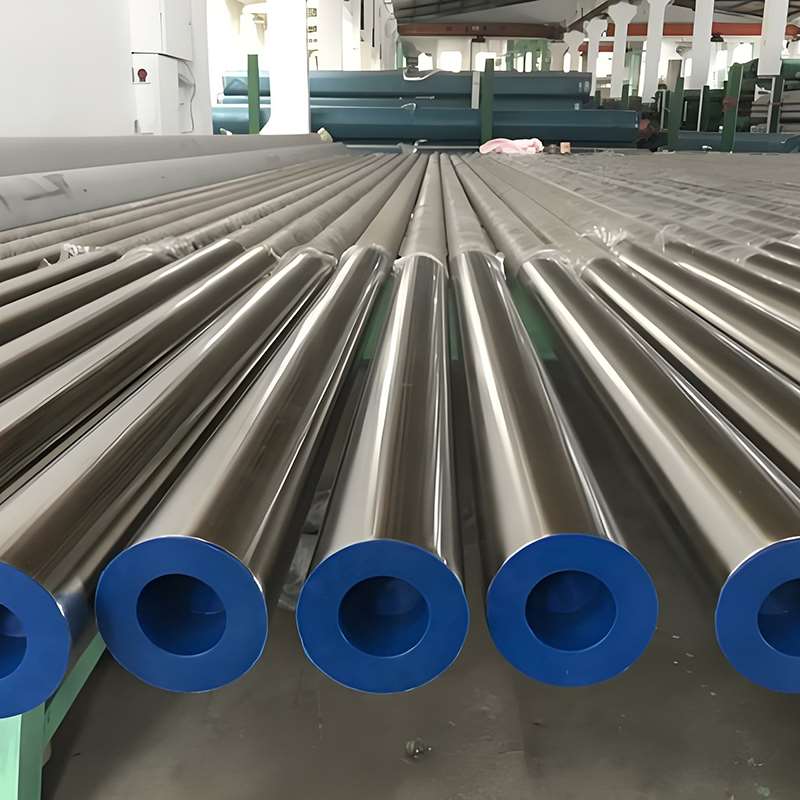
VI. Testing Standards for Sanitary Stainless Steel Pipes Used in the Pharmaceutical Industry
| Inspection Type | Test Items | Standard / Method | Description |
|---|---|---|---|
| Chemical Composition | C, Si, Mn, P, S, Cr, Ni, Mo, etc. | ASTM A269 / ASTM A270 / EN 10357 / ISO 2037 | Ensures material meets 304 / 316 / 316L standards and guarantees corrosion resistance |
| Mechanical Properties | Tensile strength, yield strength, elongation | ASTM A269 / ASTM A270 / ISO 2037 | Ensures the pipe will not deform or break under pipeline pressure, installation, or operation |
| Dimensional Tolerance | OD, wall thickness, length, straightness | ASTM A269 / DIN 11850 / EN 10357 | Ensures compatibility with equipment interfaces and facilitates welding or clamp connections |
| Internal Surface Roughness | Ra measurement (standard ≤0.8 μm, high-end ≤0.6 μm) | ISO 4287 / ASTM A967 | Ensures hygienic and safe transport of pharmaceutical fluids; supports CIP/SIP cleaning |
| External Surface Finish | Polished or brushed surface quality | ASTM A967 / DIN 11850 | Prevents contamination and facilitates cleaning and maintenance |
| Weld Quality | Smooth weld surface, no cracks, visual and radiographic inspection | ASTM A270 / ISO 5817 / 3-A | Ensures overall hygiene and pressure resistance of the pipeline |
| Sanitary Inspection | Microbial cleanliness test, residue detection | 3-A Sanitary Standard / GMP / USP <643> | Ensures no secondary contamination in pharmaceutical processes; meets GMP requirements |
| Corrosion Resistance | Salt spray test, acid/alkaline immersion test | ASTM B117 / ASTM A262 | Verifies long-term corrosion resistance under pharmaceutical fluids and cleaning solutions |
| Pressure Test | Hydrostatic or pneumatic test | ISO 2037 / ASTM A269 | Ensures no leakage or plastic deformation under design pressure |
Testing Process Recommendations
- Raw Material Testing: Confirmation of material composition, chemical properties, and mechanical performance
- Pipe Dimension Testing: Outer diameter, wall thickness, length, straightness
- Surface Inspection: Smoothness of inner/outer surfaces, weld quality
- Sanitary Testing: Microbial and residue detection
- Corrosion Resistance and Pressure Testing: Ensuring long-term safety and reliability of piping systems
- Acceptance Criteria: Compliance with GMP/3-A/ISO 2037 standards combined with contractual technical requirements
VII. FAQ on Common Selection of Sanitary Grade Stainless Steel Pipes for the Pharmaceutical Industry
Q1: Which material is more suitable?
A:
304 / 304L: Suitable for general pharmaceutical solutions, buffers, and pure water systems
316 / 316L: Suitable for highly corrosive pharmaceutical solutions, biopharmaceutical liquids, or high-sanitation systems
Select material based on medium corrosivity and cleaning/disinfection frequency to ensure long-term corrosion resistance and sanitary safety.
Q2: How should the inner surface roughness Ra value be selected?
A:
Ra ≤ 0.8 μm: Standard pharmaceutical liquid transfer
Ra ≤ 0.6 μm: Biopharmaceuticals, vaccines, blood products, and other high-hygiene requirements
Ra ≤ 0.4 μm: Ultra-high hygiene standards and systems requiring frequent CIP/SIP cleaning
Smoother inner surfaces minimize liquid residue and enable more thorough cleaning.
Q3: How should outer diameter and wall thickness be selected?
A:
Outer Diameter (OD): 12.7 mm to 101.6 mm
Wall Thickness (WT): 0.8 mm to 2.0 mm
Select thin-walled tubing for small diameters and low flow rates; choose thick-walled tubing for large diameters, high flow rates, or high-pressure applications to ensure pressure resistance and durability.
Q4: Which end connection type should be selected?
A:
Quick-connect Clamp: Facilitates disassembly, cleaning, and maintenance
Welded End (Butt Weld / Socket Weld): High sealing or fixed piping
Flat End / Chamfered End: Connects to equipment interfaces or transition piping
Select the connection type based on pipeline layout and cleaning/maintenance requirements to ensure system reliability.
Q5: Which standard should I choose?
A:
North America: ASTM A270 + 3-A
Europe: DIN 11850 / EN 10357
International / Multi-country projects: ISO 2037
When selecting, first confirm the standards required by project audits or customers to ensure compliance with audits or export regulations.