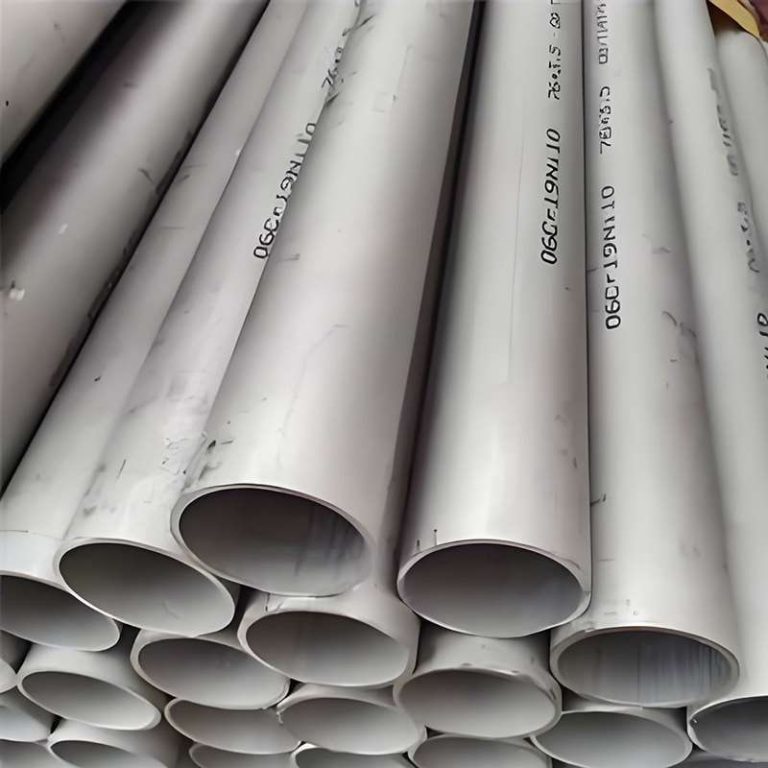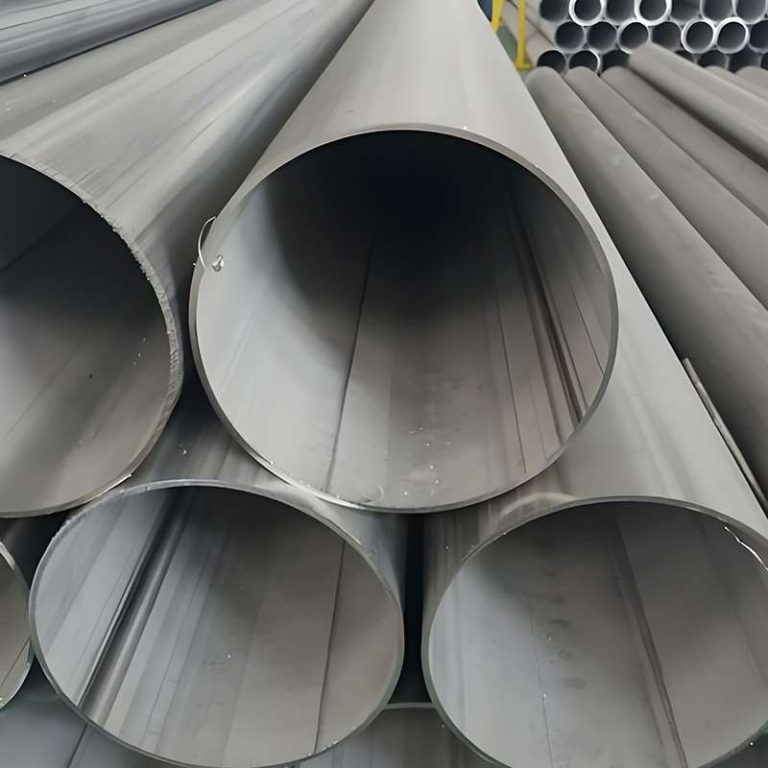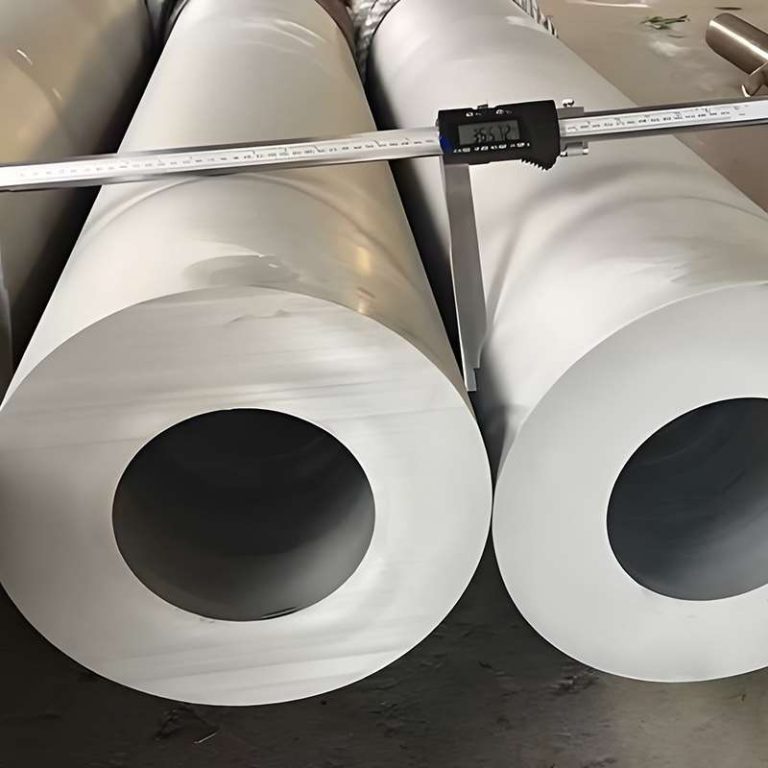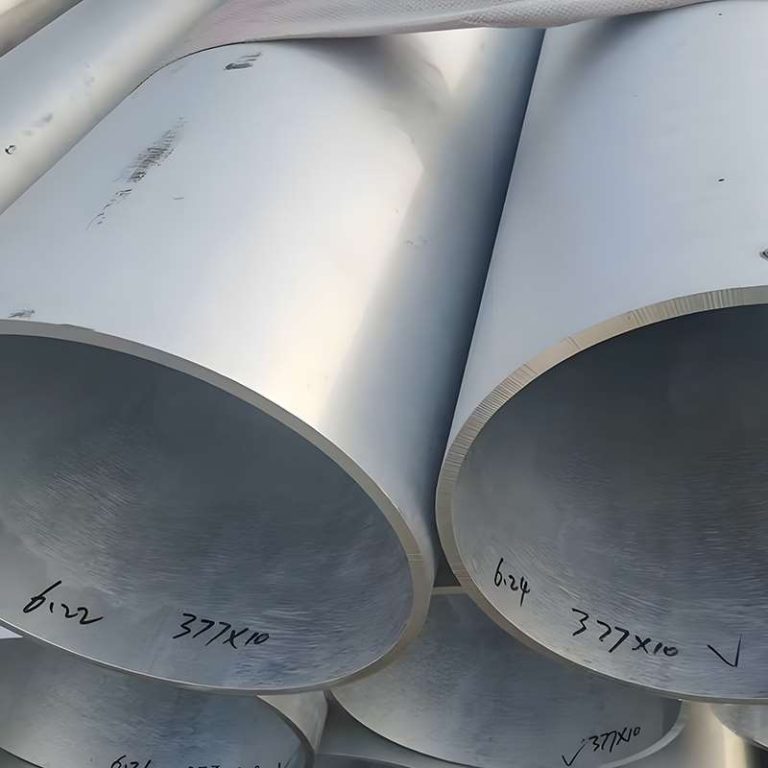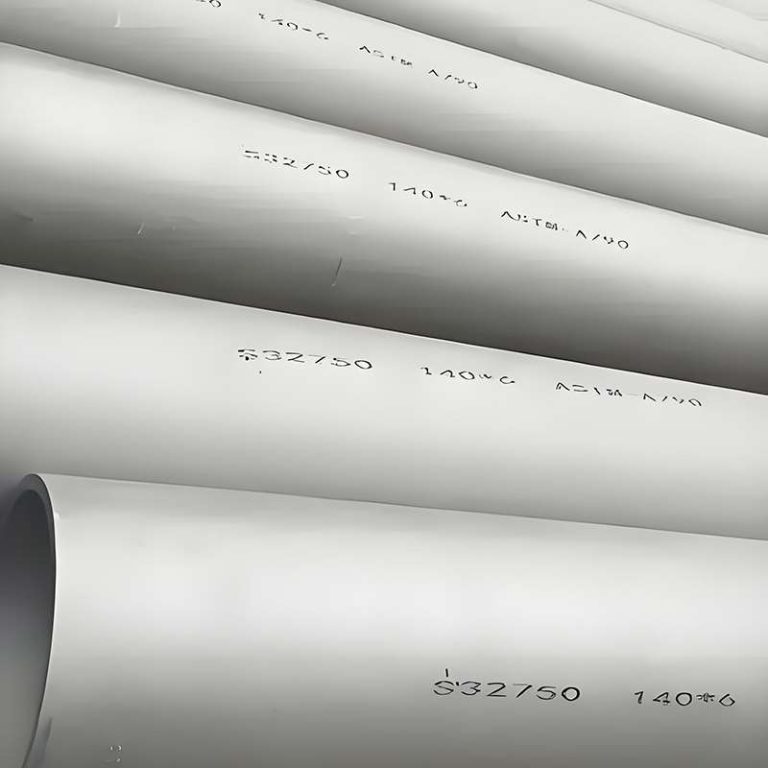
I. Introduction to Inconel 625 Alloy Steel Pipes
Inconel 625 alloy steel pipe is a high-performance nickel-based alloy pipe made of a nickel matrix containing chromium and molybdenum, corresponding to UNS N06625.
This alloy achieves excellent overall performance through solid solution strengthening mechanisms, maintaining good strength and stability even in high-temperature, high-pressure, and highly corrosive environments.
Inconel 625 alloy steel pipe possesses outstanding corrosion resistance, especially exhibiting strong resistance to chlorides, seawater, acidic media, and oxidizing environments. It also has good resistance to pitting corrosion, crevice corrosion, and stress corrosion cracking.
Under high-temperature conditions, the material maintains good creep resistance and fatigue resistance, making it suitable for long-term continuous operation.
II. Standards for Inconel 625 Alloy Steel Pipes
| Standard System | Standard No. | Standard Name / Scope |
|---|---|---|
| ASTM | ASTM B444 | Seamless and Welded Nickel-Chromium-Molybdenum-Niobium Alloy Pipes (Inconel 625) |
| ASME | ASME SB-444 | Inconel 625 Pipes for Pressure Vessels and Boilers |
| ASTM | ASTM B829 | General Requirements for Nickel and Nickel Alloy Pipes and Tubes |
| UNS | UNS N06625 | Unified Numbering System designation for Inconel 625 |
| ISO | ISO 9723 | International Standard for Seamless Nickel and Nickel Alloy Pipes |
| EN | EN 10095 / EN 10204 | Requirements for Heat-Resisting Alloy Materials / Material Certification |
Standard Selection Guidelines
- ASTM B444 / ASME SB-444 are the most core and commonly used standards for Inconel 625 alloy steel pipes.
- Chemical, marine, and oil and gas projects typically require ASTM + UNS N06625.
- Pressure systems, boilers, and heat exchange equipment often use ASME SB-444.
- For projects exporting to Europe, ISO/EN standards may be added.
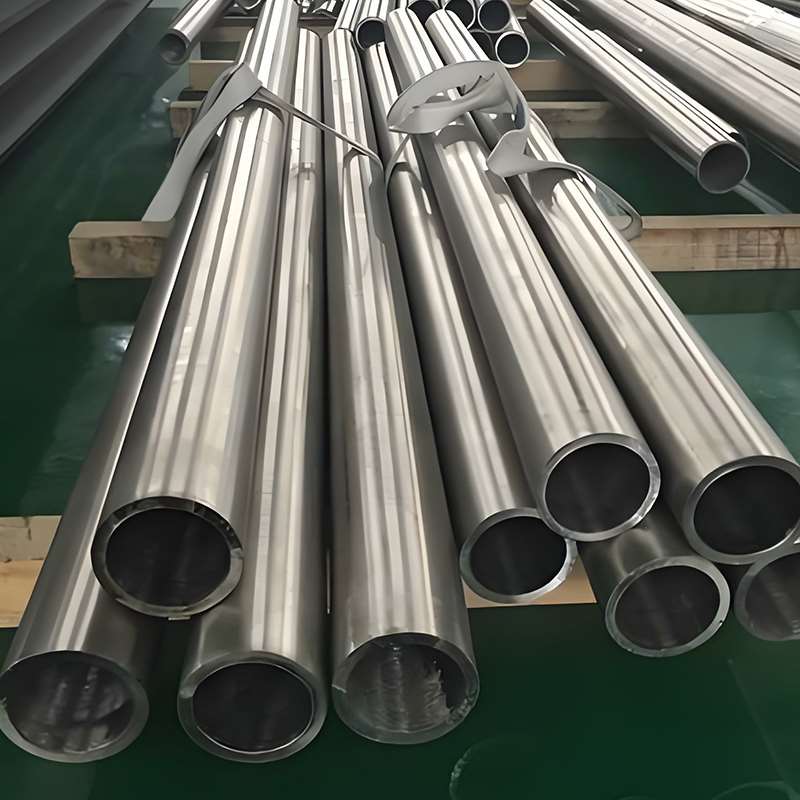
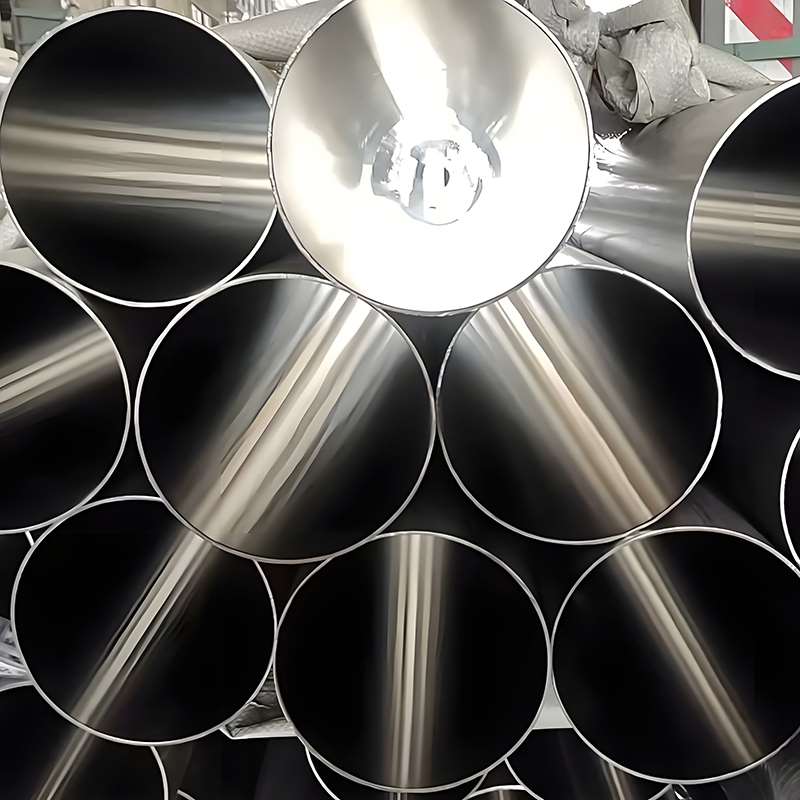
III. Chemical Composition and Mechanical Properties of Inconel 625 Alloy Steel Tubes
Data based on ASTM B444 / ASME SB-444 / UNS N06625
i. Chemical Composition of Inconel 625 (%)
| Element | Content Requirements |
| Ni | ≥ 58.0 |
| Cr | 20.0 – 23.0 |
| Mo | 8.0 – 10.0 |
| Nb + Ta | 3.15 – 4.15 |
| Fe | ≤ 5.0 |
| C | ≤ 0.10 |
| Mn | ≤ 0.50 |
| Si | ≤ 0.50 |
| P | ≤ 0.015 |
| S | ≤ 0.015 |
| Al | ≤ 0.40 |
| Ti | ≤ 0.40 |
ii. Mechanical Properties Table of Inconel 625 (Room Temperature)
| Mechanical Property | Requirement | Description |
|---|---|---|
| Tensile Strength (Rm) | ≥ 827 MPa | High strength, suitable for high-pressure systems |
| Yield Strength (Rp0.2) | ≥ 414 MPa | Good load-bearing capacity |
| Elongation (A) | ≥ 30 % | Excellent ductility and toughness |
| Hardness | ≤ 220 HB | Suitable for welding and machining |
| Impact Toughness (Reference) | ≥ 40 J | High fatigue and impact resistance |
IV. Why Inconel 625 Alloy Steel Pipes are Suitable for High-Temperature and Corrosion-Resistant Environments
Inconel 625 alloy steel pipe is a high-performance nickel-based alloy pipe (UNS N06625), designed specifically for extreme operating conditions involving high temperatures, high pressures, and strong corrosion.
Its suitability is mainly reflected in the following aspects:
- Nickel-based alloy structure ensures high-temperature stability
Inconel 625 uses a high content of nickel (≥58%) as its base material. It does not easily undergo structural transformation or embrittlement at high temperatures, maintaining stable mechanical properties under long-term high-temperature conditions, superior to ordinary stainless steel and most low-alloy steels.
- Solid solution strengthening mechanism provides strong creep and fatigue resistance
This alloy primarily relies on the solid solution strengthening effect of Mo and Nb, maintaining high strength and creep resistance under high-temperature conditions, making it suitable for continuous operation or frequent thermal cycling conditions, such as high-temperature steam and heat exchange systems.
- Excellent corrosion resistance and chloride resistance
Inconel 625 has strong corrosion resistance to chlorides, seawater, acidic media, and oxidizing environments. Especially in chlorine-containing, high-temperature media, it effectively resists pitting corrosion, crevice corrosion, and stress corrosion cracking.
- Synergistic effect of chromium, molybdenum, and niobium forms a stable protective layer
Cr forms a dense oxide film on the surface, Mo improves pitting corrosion resistance, and Nb enhances the overall stability of the material. This synergistic effect of elements allows Inconel 625 to maintain long-term durability in complex chemical environments.
- Excellent welding performance and high engineering reliability
Inconel 625 does not rely on precipitation hardening, and is less prone to cracking or performance degradation after welding, making it suitable for manufacturing complex piping systems and ensuring structural safety under high-temperature and severe corrosion conditions.
V. Comparative Analysis of Inconel 625 with 316L / Duplex / Incoloy 825 in Engineering Applications
1. Overview of Core Performance Comparison
| Comparison Item | Inconel 625 | 316L Stainless Steel | Duplex Stainless Steel (2205) | Incoloy 825 |
|---|---|---|---|---|
| Alloy System | Nickel-based alloy | Austenitic stainless steel | Austenitic + Ferritic | Nickel-Iron-Chromium alloy |
| Typical Temperature Resistance | ≤ 980 °C (intermittent) | ≤ 400 °C | ≤ 300–350 °C | ≤ 550 °C |
| High-Temperature Strength Retention | Excellent | Poor | Moderate | Good |
| Creep Resistance | Excellent | Fair | Fair | Moderate |
| Chloride Corrosion Resistance | Excellent | Poor | Good | Good |
| Resistance to Stress Corrosion Cracking | Excellent | Poor | Good | Excellent |
| Seawater Service Suitability | Long-term reliable | Not recommended | Usable (with risk) | Suitable |
| Weldability | Excellent | Excellent | More complex | Good |
| Cost Level | High | Low | Medium | Medium–High |
2. Engineering Comparison with 316L Stainless Steel
316L is more suitable for:
Medium to low temperatures and weakly corrosive media
Conventional chemical pipelines and food processing equipment
Cost-sensitive systems
Inconel 625 offers significant advantages:
Much higher high-temperature strength than 316L
316L is highly susceptible to stress corrosion cracking in high-temperature + chloride environments
Can be used long-term in strong acids, seawater, and high-temperature oxidizing environments
Engineering Conclusion:
When the operating temperature > 400℃ or strong chlorides/highly corrosive media are present, 316L is no longer suitable, and Inconel 625 should be prioritized.
3. Engineering Comparison with Duplex Stainless Steel (2205)
Advantages of Duplex Stainless Steel (2205):
Higher strength than 316L
Superior chloride resistance compared to austenitic stainless steel
Lower cost than nickel-based alloys
Advantages of Inconel 625:
No risk of phase transformation, stable microstructure at high temperatures
Significantly stronger corrosion resistance in high-temperature chloride environments
Not limited by ferrite content and welding heat-affected zone
Engineering Conclusion:
Duplex stainless steel is suitable for medium-temperature, high-strength, and moderately corrosive conditions;
Under high-temperature and highly corrosive conditions, Inconel 625 is safer and more reliable.
4. Engineering Comparison with Incoloy 825
Incoloy 825 Characteristics:
Higher nickel content, good acid resistance
Excellent performance in reducing media such as sulfuric acid and phosphoric acid
Lower cost than Inconel 625
Inconel 625 Advantages:
Higher high-temperature strength and creep resistance
Stronger adaptability to mixed corrosive media (high temperature + chlorides + oxidizing environment)
Significantly higher mechanical load capacity
Engineering Conclusion:
Incoloy 825 is more suitable for medium-temperature strong acid environments;
Inconel 625 is the preferred choice for high-temperature + high-stress + complex corrosion conditions.
5. Quick recommendations for engineering equipment selection
| Service Condition | Recommended Material |
|---|---|
| Ambient / Low to Medium Temperature, Cost-Sensitive Applications | 316L Stainless Steel |
| Medium Temperature, Chloride Resistance, High Pressure Requirement | Duplex Stainless Steel 2205 |
| Medium Temperature, Strong Acids (Sulfuric Acid, Phosphoric Acid) | Incoloy 825 |
| High Temperature + Severe Corrosion + High Safety Requirements | Inconel 625 |
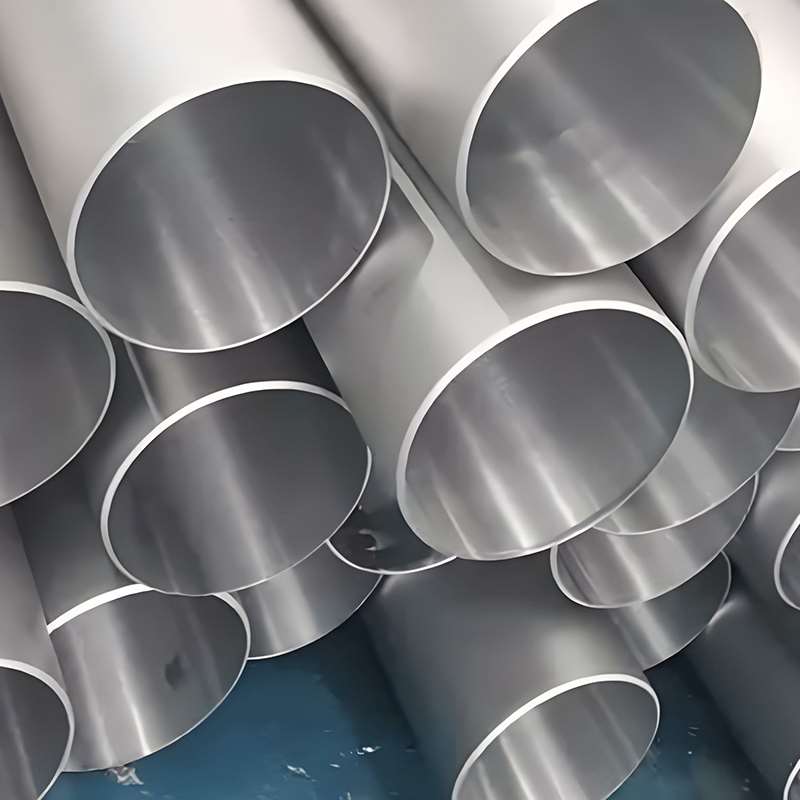
VI. Industrial Applications of Inconel 625 Alloy Steel Pipes
- Oil and Gas: High-temperature and high-pressure oil and gas pipelines, resistant to sulfide and chloride corrosion.
- Chemical and Fine Chemical Industries: High-temperature reactors, steam pipes, heat exchangers, resistant to pitting and crevice corrosion.
- Marine Engineering: Seawater pipelines, offshore platform water supply systems, long-term resistance to seawater corrosion.
- Energy and Aerospace: Gas turbines, nuclear power and power plant high-temperature pipelines, resistant to creep and thermal fatigue.
- Flue Gas Desulfurization and Waste Gas Treatment: High-temperature flue gas and chemical waste gas pipelines, resistant to high-temperature corrosion.
- Summary: Inconel 625 is suitable for industrial piping systems operating at high temperatures, under strong corrosive conditions, and requiring long-term continuous operation. It is an ideal choice for extreme operating conditions.
VII. Inconel 625 Alloy Steel Pipe Selection Guide and Common Misconceptions
i. Inconel 625 Alloy Steel Pipe Selection Guide
- Determine Operating Conditions
Temperature: Recommended for long-term continuous use ≤ 980℃
Medium: Contains chlorides, strong acids, seawater, or high-temperature gases
Pressure: Confirm that the design pressure matches the pipe wall thickness
Engineering Tip: Inconel 625 is suitable for high-temperature, high-pressure, and highly corrosive environments; it is not recommended for low-corrosion or low-temperature applications due to its high cost.
- Select Pipe Type
Seamless pipe: Suitable for high-pressure, demanding conditions
Welded pipe: Suitable for low to medium pressure, long-distance pipelines, or economical projects
Engineering Tip: For high-temperature and high-pressure systems, seamless pipes are preferred; welded pipes require strict control of weld quality.
- Determine Specifications and Dimensions
Outer diameter and wall thickness should be selected according to standards (ASTM B444 / ASME SB-444)
Length should be customized based on installation and transportation conditions
Engineering Tip: Too thin a wall thickness will affect pressure resistance and creep resistance; too thick will increase costs.
- Surface Treatment and Welding Requirements
Pickling and solution treatment can improve corrosion resistance
Heat treatment or solution treatment should be performed before and after welding to ensure performance
Engineering Tip: Welding quality directly affects corrosion resistance and high-temperature performance.
- Standards and Certifications
ASTM B444 / ASME SB-444 / UNS N06625
For export or large-scale projects, MTC (EN 10204 3.1) and third-party inspection are recommended
Engineering Tip: Ensure that the supplier’s material certificates are complete for acceptance and project documentation.
ii. Common misconceptions when selecting Inconel 625 alloy steel pipes
| Misconception | Explanation | Engineering Recommendation |
|---|---|---|
| 316L can replace Inconel 625 | 316L has low high-temperature strength and poor chloride corrosion resistance | Inconel 625 must be used in high-temperature and highly corrosive environments |
| Welded pipes are much weaker than seamless pipes and should not be used | Welded pipes are suitable for low to medium pressure applications with reliable and controllable quality | Select pipe type based on pressure rating |
| Thicker wall is always better | Excessive wall thickness increases cost and installation difficulty and does not necessarily improve safety | Select the most economical wall thickness according to pressure and design requirements |
| Pipes can be used without heat treatment | Lack of solution annealing after welding or forming may reduce corrosion resistance and high-temperature strength | Solution heat treatment must be performed in accordance with standards |
| All high-temperature applications are the same | Corrosion mechanisms vary with different media and service conditions | Select materials based on a comprehensive evaluation of temperature, pressure, and process media |