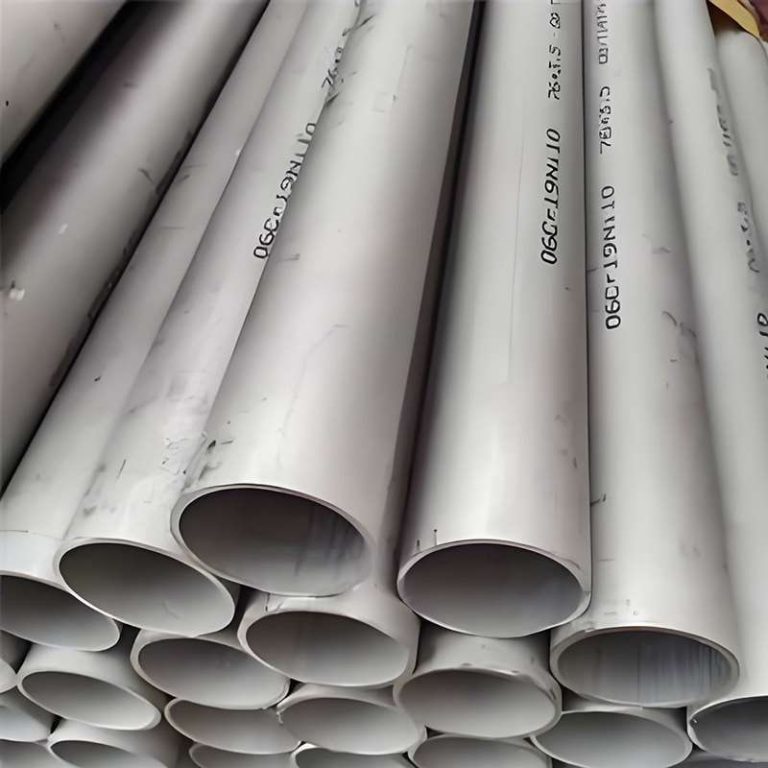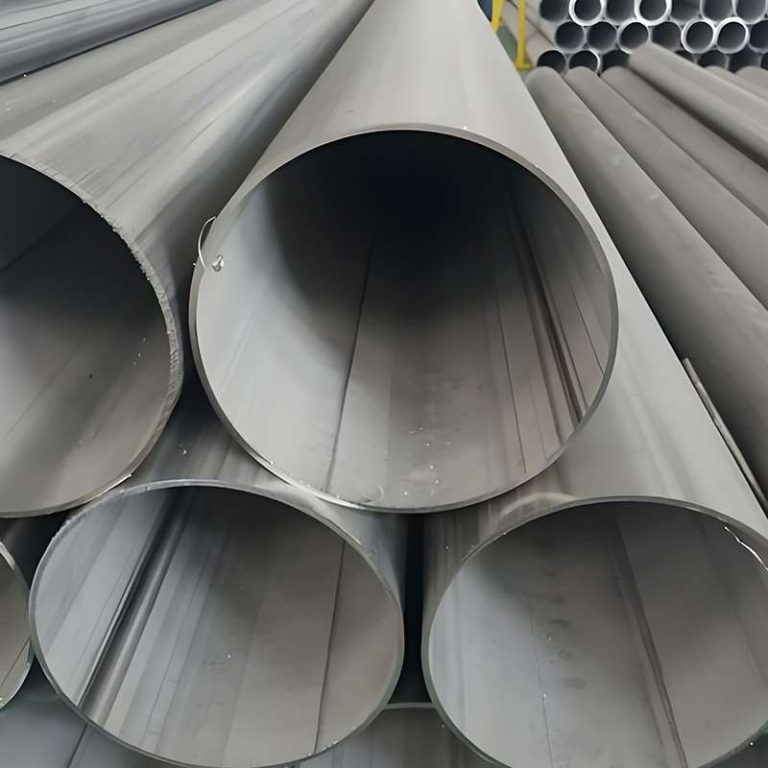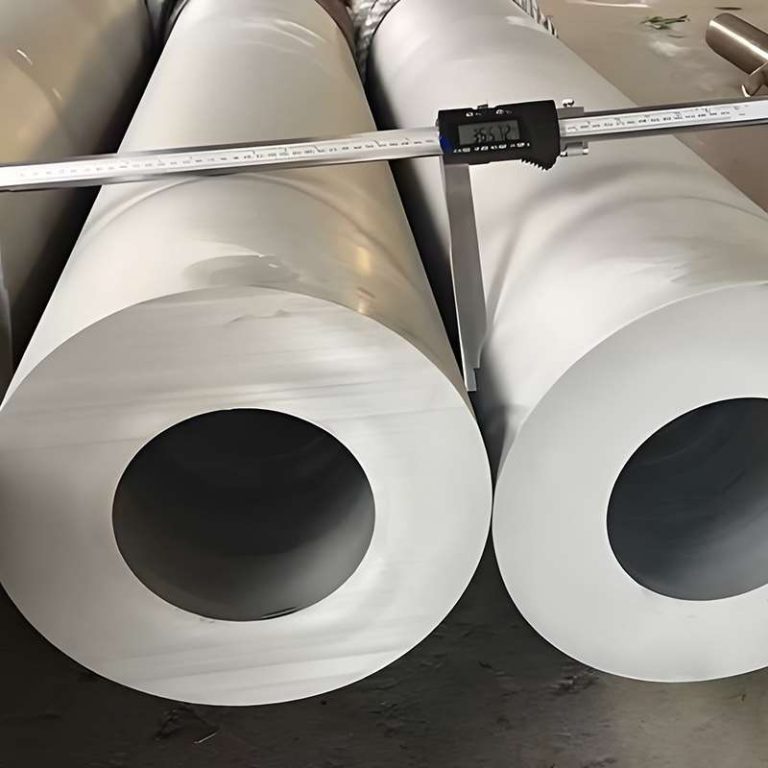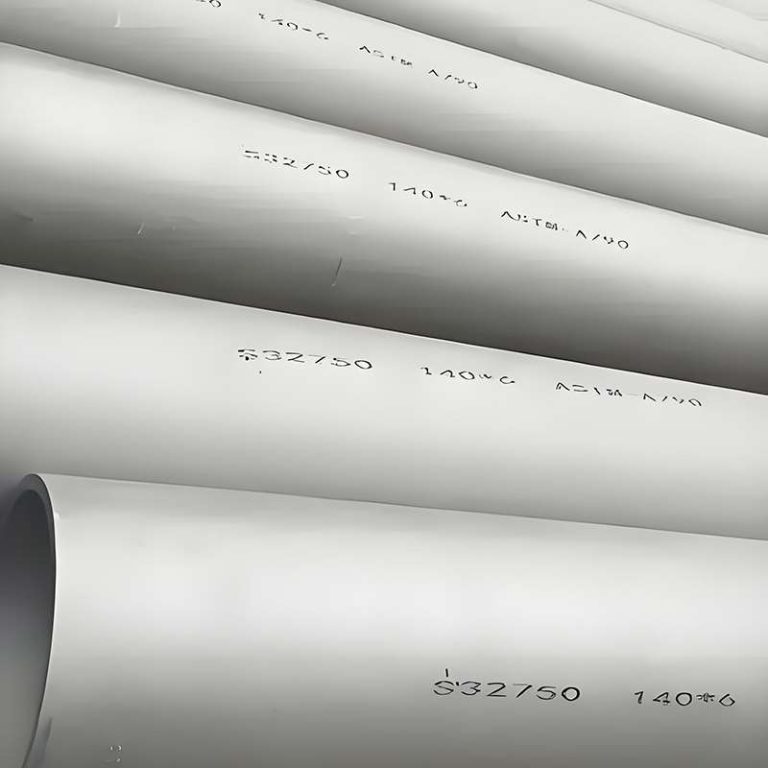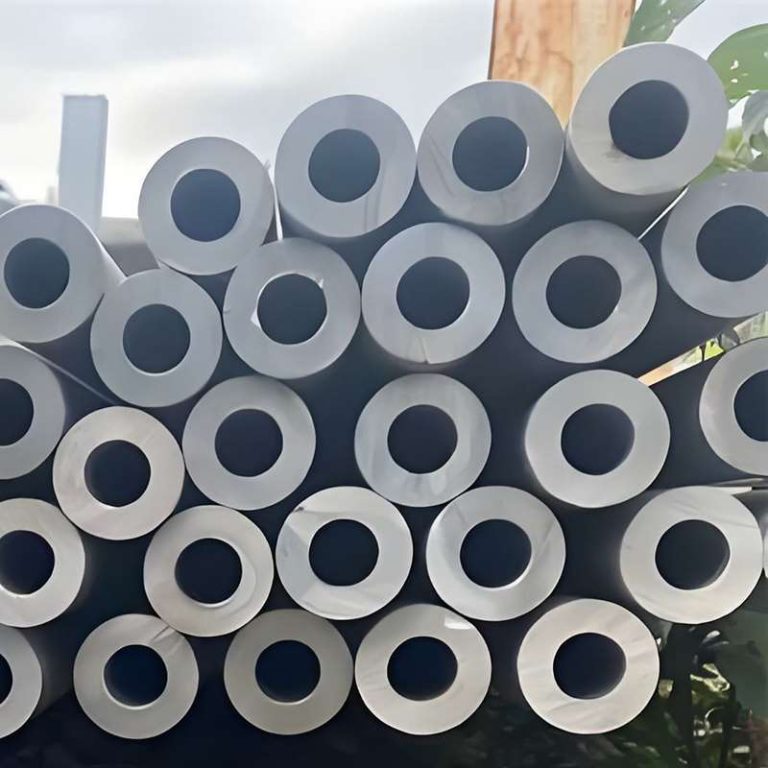
I. Overview of AISI 309 Stainless Steel Heat-Resistant Tubes
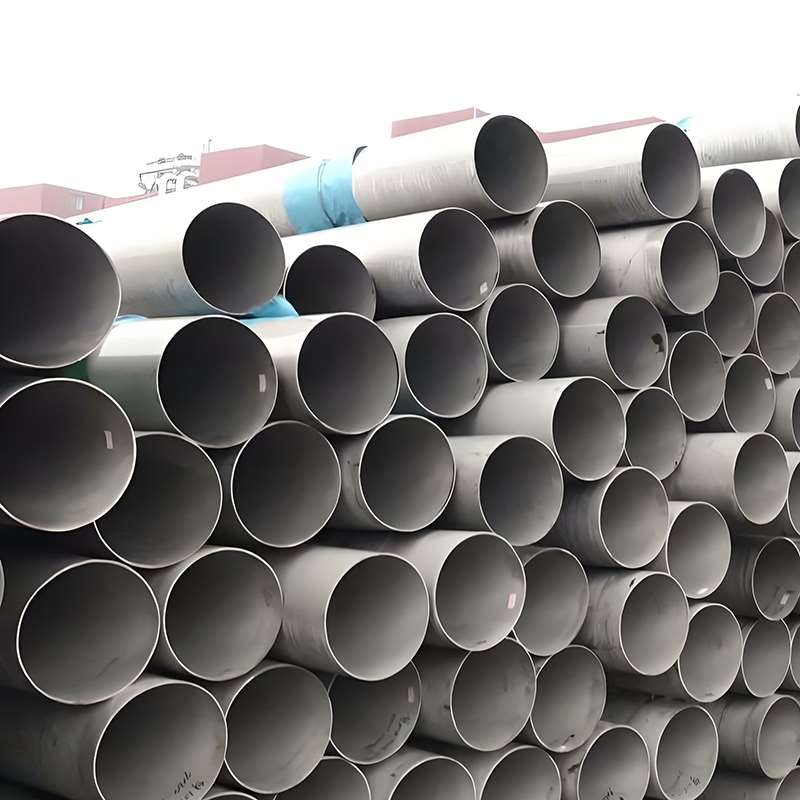
AISI 309 stainless steel heat-resistant tubes are a type of stainless steel tubing specifically designed for high-temperature industrial environments, possessing excellent oxidation and corrosion resistance.
This tubing contains a high proportion of chromium (Cr) and nickel (Ni), enabling it to maintain good mechanical properties and structural stability at high temperatures. It is widely used in applications such as boilers, heat exchangers, chemical equipment, gas turbines, and high-temperature steam pipelines.
II. Chemical Composition and Mechanical Properties of AISI 309 Stainless Steel Heat-Resistant Tubes
1. Chemical Composition
| Element | Content Range (%) |
|---|---|
| Carbon (C) | ≤ 0.08 |
| Manganese (Mn) | ≤ 2.00 |
| Silicon (Si) | ≤ 1.00 |
| Chromium (Cr) | 22.0 – 24.0 |
| Nickel (Ni) | 12.0 – 15.0 |
| Phosphorus (P) | ≤ 0.045 |
| Sulfur (S) | ≤ 0.030 |
| Iron (Fe) | Balance |
2. Mechanical properties
| Mechanical Property | Value (Room Temperature) |
|---|---|
| Yield Strength (σ₀.₂) | ≥ 205 MPa |
| Tensile Strength (σb) | 515 – 827 MPa |
| Elongation (δ5) | ≥ 40 % |
| Hardness (HRB) | ≤ 80 |
III. Advantages of AISI 309 Stainless Steel Heat-Resistant Tubes
- Excellent high-temperature resistance: Can withstand temperatures of approximately 900°C for extended periods, suitable for various high-temperature industrial applications.
- Oxidation and corrosion resistance: Maintains surface stability even in high-temperature steam or chemical media environments.
- Stable mechanical properties: Retains good strength and toughness at high temperatures, resulting in a long service life.
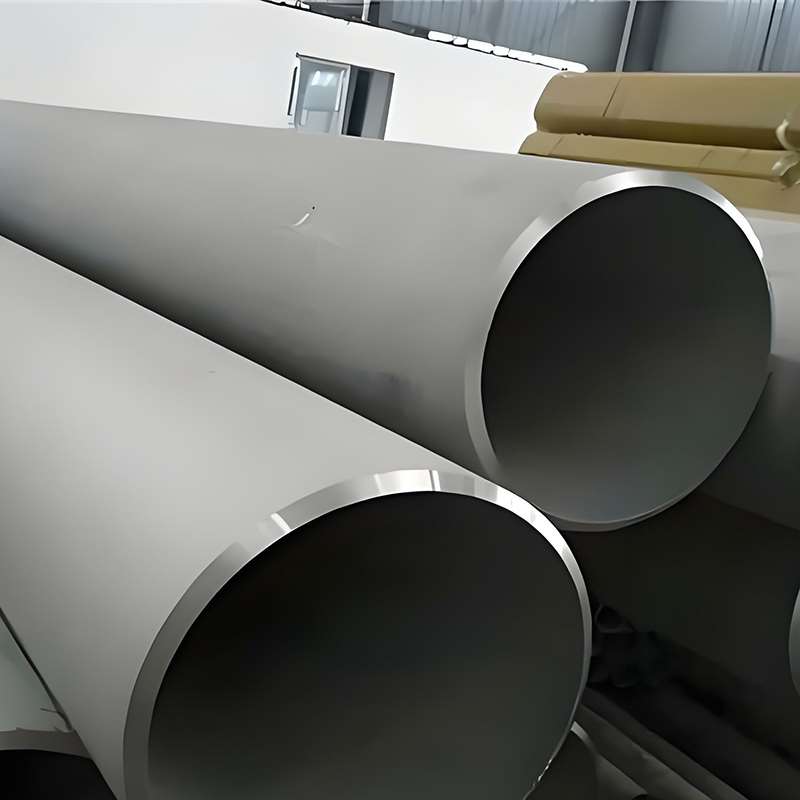
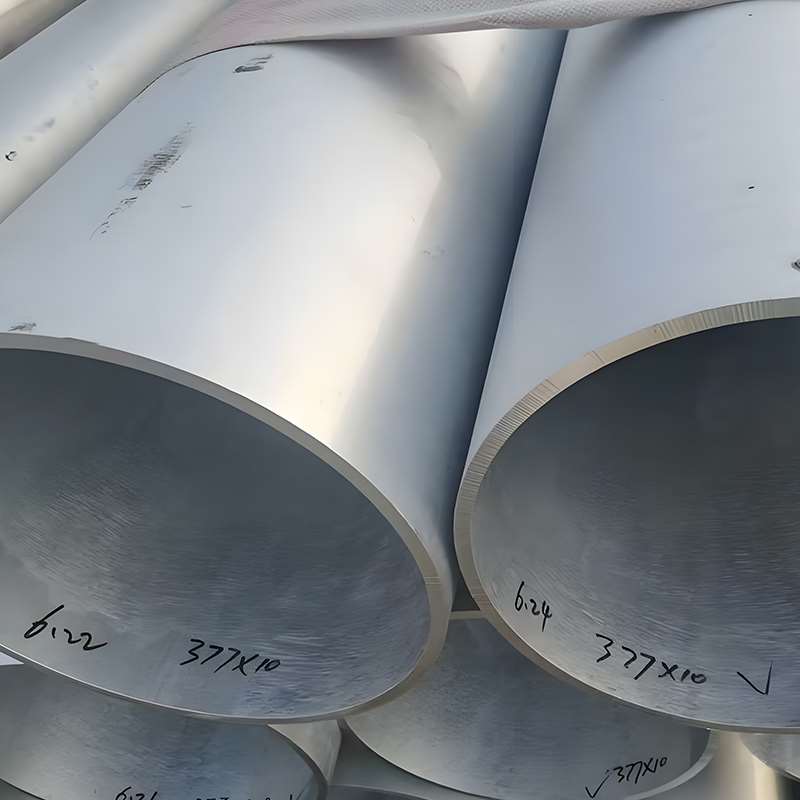
- Multiple specifications available: Outer diameter, wall thickness, and length can be customized according to project requirements.
- Various surface treatments: Pickling, polishing, and other treatments can meet industrial aesthetic and corrosion resistance requirements.
IV. AISI 309 Stainless Steel Heat-Resistant Pipe Selection and Practical Application Suggestions
1. Specification Selection
Outer Diameter and Wall Thickness: Select the pipe diameter and wall thickness based on the system design pressure, fluid temperature, and media properties.
For example:
- Medium-low pressure steam pipelines: Outer diameter 25–76mm, wall thickness 1.5–3mm (commonly used)
- High-temperature boiler or chemical pipelines: Outer diameter 89–219mm, wall thickness 4–12mm (optional)
- Length: Commonly 6m or 12m, short pipes or spliced pipes can be customized according to on-site installation conditions.
- Standards: Ensure compliance with ASTM A213/A249/A269 to guarantee material performance and traceability.
2. Welding and Processing
- Welding Process: TIG or MIG welding is recommended. The oxide layer and oil stains should be cleaned from the weld area before welding.
- Heat Treatment: For large-diameter or thick-walled pipes, post-weld solution treatment can be considered to improve high-temperature strength and corrosion resistance.
- End Processing: Choose plain end, threaded end, or flanged end according to the connection method.
3. Installation Suggestions
- Thermal Expansion Treatment: Expansion compensation space should be reserved during high-temperature pipeline installation; expansion joints or bends can be used for adjustment.
- Support and Fixing: The spacing between support points should be calculated based on the pipe diameter and wall thickness to avoid sagging or stress concentration at high temperatures.
- Isolation Measures: Avoid direct contact with carbon steel or low-heat-resistant materials to prevent galvanic corrosion.
4. Operation and Maintenance
- Regular Inspection: In high-temperature operating environments, regular inspections of surface oxidation and corrosion signs are necessary.
- Cleaning: Keep the pipe surface clean to prevent chemical media residue from causing localized corrosion.
- Fluid Control: Avoid excessive particles or deposits in the fluid to reduce localized wear or blockage.
5. Application Examples
- Boiler Systems: Select heat-resistant thick-walled pipes to withstand high-temperature steam pressure.
- Chemical Equipment: Acid and alkali resistant, high-temperature resistant, ensuring long-term stable operation.
- Heat Exchanger Piping: Acid-pickled bright pipes improve corrosion resistance and facilitate cleaning and maintenance.
V. AISI 309 Stainless Steel Heat-Resistant Pipe – Relevant Standards and Certifications
i. Standards
- ASTM Standards (American Society for Testing and Materials)
ASTM A213: Seamless Stainless Steel and Alloy Steel Tubes for High-Temperature Service
ASTM A249: Welded and Seamless Stainless Steel Boiler and Heat Exchanger Tubes
ASTM A269: Seamless and Welded Stainless Steel Tubing for General Service
ASTM A312: Seamless and Welded Stainless Steel Pipes for High-Temperature and Corrosive Service
- EN / ISO Standards (European / International Standards)
EN 10216-5: Seamless Stainless Steel Tubes for High-Temperature Applications
EN 10217-7: Welded Stainless Steel Tubes for High-Temperature Applications
ISO 1127: Stainless Steel Tubes – Dimensions, Wall Thicknesses and Tolerances
- Other Commonly Used Standards
JIS G3459 (Japanese Industrial Standard): Heat-Resistant Stainless Steel Tubes
GB/T 12770 (Chinese Standard): Stainless Steel High-Temperature Tubes
ii. Certification
- Material Test Certificate (MTC / Mill Test Certificate)
Includes chemical composition, mechanical properties, dimensional inspection, etc., conforming to ASTM or EN standards. - Third-Party Testing and Certification
Certificates can be issued by third-party organizations such as SGS, TÜV, BV, and Lloyd’s Register. - Quality System Certification
ISO 9001: Quality Management System Certification
ISO 14001: Environmental Management System Certification (required by some customers) - Special Application Certification (Optional)
ASME / PED certification: Applicable to pressure vessels or boiler systems
FDA / 3A certification: For pipes used in the food or pharmaceutical industries
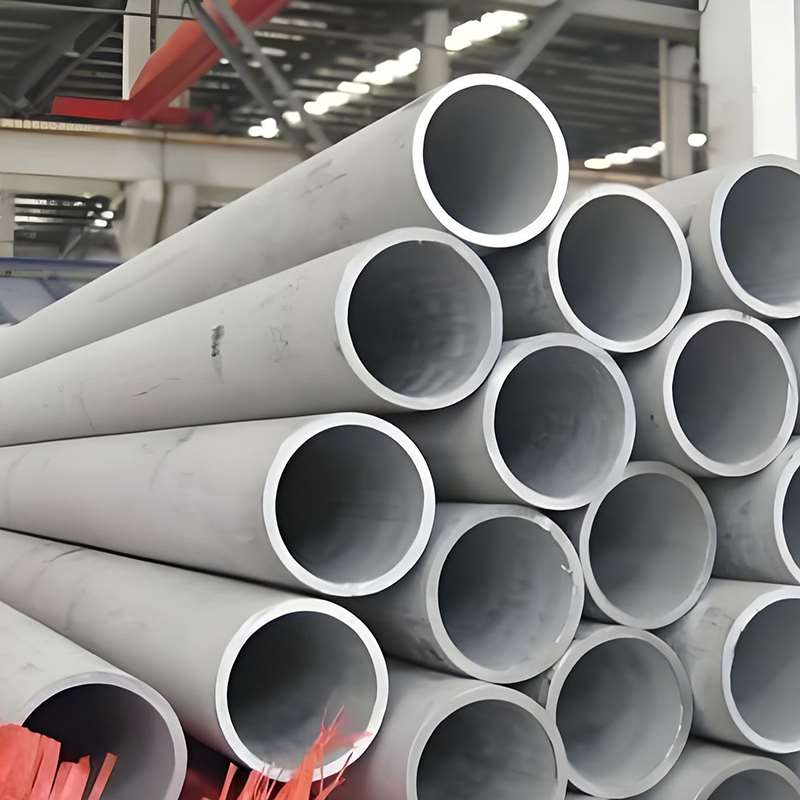
VI. Applications of AISI 309 Stainless Steel Heat-Resistant Tubes
- High-Temperature Industrial Piping
High-temperature steam pipes, hot oil pipes, hot gas pipes
Can withstand high-temperature environments of 800–900°C for extended periods. - Boilers and Heat Exchangers
Boiler pipes, heat exchanger tubing
High-temperature corrosion resistance ensures long-term safe operation. - Chemical Equipment Piping
Chemical reactors, high-temperature acid and alkali resistant pipes
Can resist some highly corrosive media. - Gas Turbine and Furnace Tube Systems
Gas turbine exhaust pipes
High-temperature furnace tubes, heating furnace piping - High-Temperature Processes in Food and Pharmaceutical Industries (Non-direct contact)
Steam heating pipelines
High-temperature cleaning systems - Other High-Temperature Industrial Uses
Heat treatment furnace piping
Power plant high-temperature piping systems
Metal smelting and furnace systems
VII. Common Selection FAQs for AISI 309 Stainless Steel Heat-Resistant Tubes
Q1: What is the maximum suitable operating temperature for AISI 309 tubing?
A: It can operate continuously at approximately 900°C, maintaining good mechanical properties and oxidation resistance at high temperatures.
Q2: How to select the outer diameter and wall thickness based on pressure and medium?
A: Select the pipe diameter and wall thickness based on the system design pressure, fluid type, and flow rate. For medium and low-pressure steam, an outer diameter of 25–76mm and a wall thickness of 1.5–3mm can be selected; for high-temperature and high-pressure boilers or chemical pipelines, an outer diameter of 89–219mm and a wall thickness of 4–12mm can be selected.
Q3: Can AISI 309 tubing be welded, and what are the precautions for the welding process?
A: It can be welded, and TIG or MIG welding is recommended. Before welding, the oxide layer and oil stains on the weld should be cleaned. After welding, solution treatment can be performed on thick-walled pipes to improve corrosion resistance and strength.
Q4: How to choose the surface treatment and end condition of the pipe?
A: Common treatments include pickling and brightening or polishing to enhance corrosion resistance; the ends can be plain, threaded, or flanged, depending on the on-site installation requirements.
Q5: How to prevent pipe deformation or corrosion in high-temperature environments?
A: Leave space for thermal expansion during installation, and use supports and expansion joints; avoid direct contact with low-heat-resistant steel materials, and regularly inspect for oxidation or corrosion.
Q6: What industries and application scenarios are suitable for AISI 309 pipes?
A: Widely used in high-temperature industrial pipelines, boilers, heat exchangers, chemical equipment, gas turbines, high-temperature steam pipelines, etc.