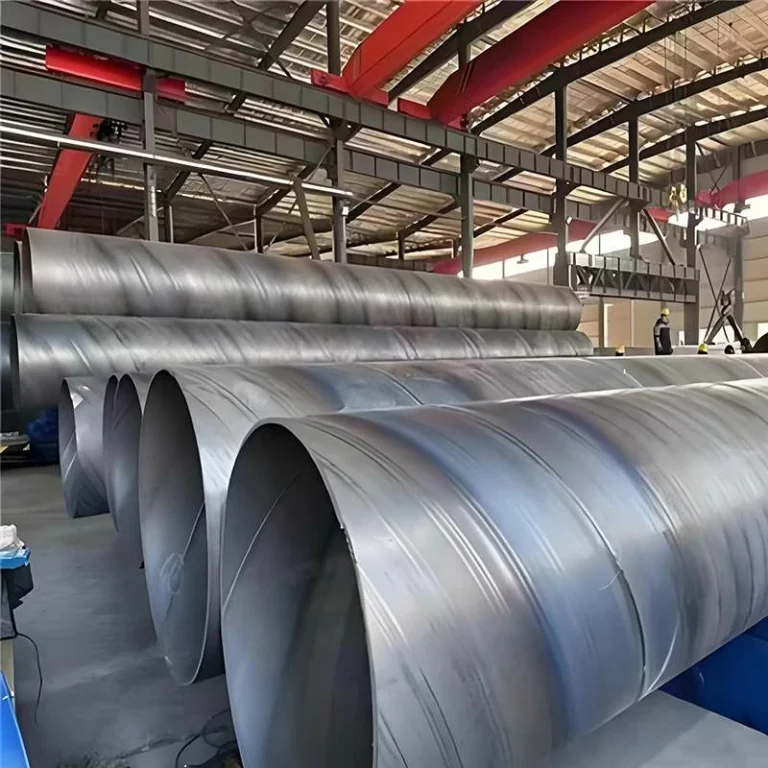
I. Introduction to Precision Seamless Carbon Steel Pipes
Precision seamless carbon steel tubes are high-precision steel pipes manufactured using a seamless pipe process, featuring excellent surface finish and high dimensional accuracy.
These pipes are commonly used in industrial applications requiring precise dimensions, tolerances, and mechanical properties. Due to their excellent mechanical properties and corrosion resistance, precision seamless carbon steel pipes are widely used in hydraulic systems, automotive, mechanical equipment, and structural engineering, among other fields.
Main Features:
- High-precision dimensions: Precise outer diameter and wall thickness to meet specific engineering requirements.
- Excellent mechanical properties: Possesses good strength, toughness, and pressure resistance, suitable for high-strength applications.
- Smooth surface: Smooth inner and outer surfaces reduce friction and wear, extending the service life of the pipes.
- Seamless structure: No welded joints, providing better pressure resistance and sealing performance.
II. Precision Seamless Carbon Steel Tubes — International Standards and Steel Grades/Materials
| International Standard | Standard Description | Common Grades / Material | Application Notes |
|---|---|---|---|
| ASTM A513 | Carbon Steel Precision Tube | Gr.5, Gr.6 | Machinery components, hydraulic systems, automotive parts |
| ASTM A106 | Seamless Carbon Steel Pipe for High-Temperature Service | Gr.B | Medium to high-pressure industrial pipelines, hydraulic lines |
| ASTM A519 | Cold-Drawn / Cold-Rolled Carbon Steel Precision Tube | 1010, 1020 | High-precision machinery parts, hydraulic cylinder tubes |
| EN 10305-1 | Precision Seamless Steel Tube for General Applications | C10, C15, C20 | Precision machinery tubes, general-purpose hydraulic tubes |
| EN 10305-2 | Precision Seamless Steel Tube for Hydraulic Applications | C15, C22 | High-precision hydraulic tubes |
| ISO 1127 / ISO 11969 | Precision Seamless Carbon Steel Pipe | C10, C15, C20 | Internationally recognized standard, for hydraulic and precision applications |
Application Recommendations
- Mechanical, hydraulic, or automotive industries: ASTM A513 or EN 10305 series are preferred.
- Medium to high-pressure industrial pipelines: ASTM A106 Gr.B or EN 10305-2 C22
- High-precision small-diameter hydraulic tubing: Cold-drawn ASTM A519 or EN 10305-2
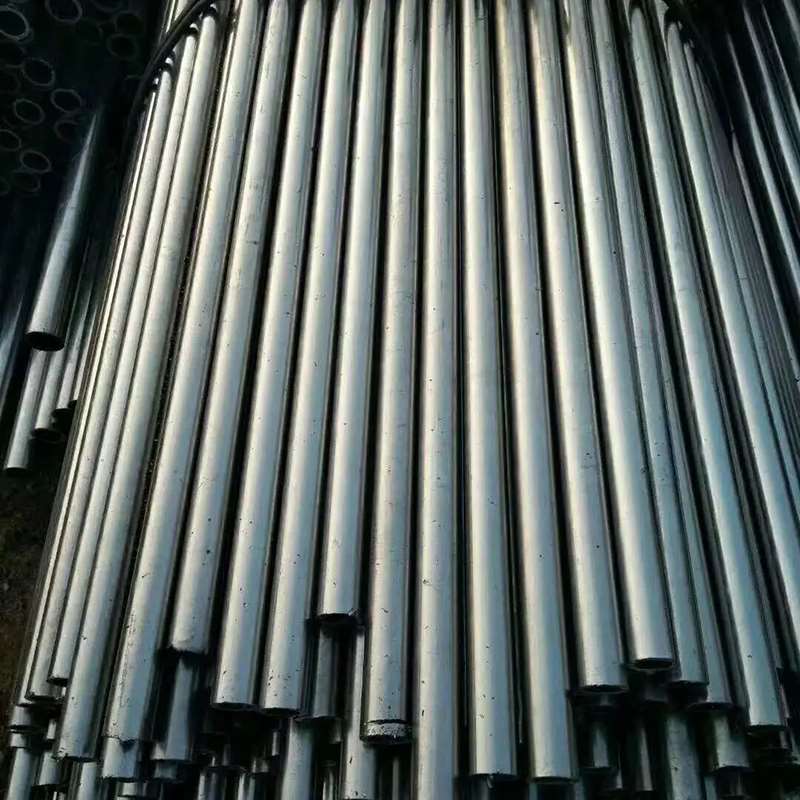
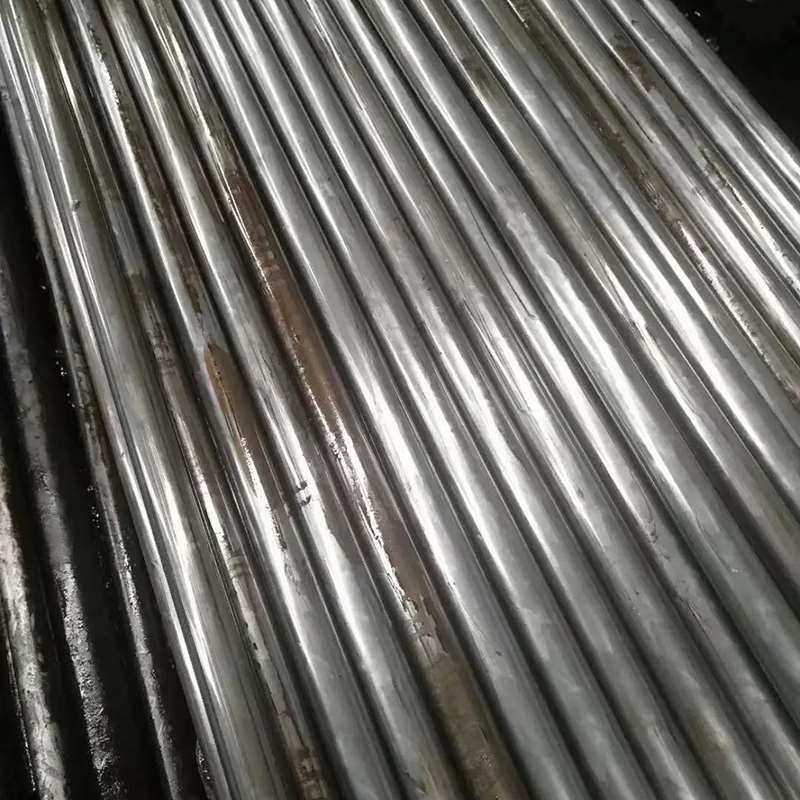
III. Production Process Flow of Precision Seamless Carbon Steel Pipes
- Raw Material Preparation
- Raw materials: Carbon steel bars, steel billets, or steel pipe blanks
- Inspection: Chemical composition, mechanical properties, and visual inspection
- Pre-treatment: Cutting, cleaning, and descaling
- Piercing/Hot Rolling Forming
- Hot rolling piercing method: Heating the steel billet to an appropriate temperature and piercing it into a pipe blank using a piercing machine.
- Hot rolling drawing: Further adjustment of outer diameter and wall thickness.
- Advantages: Suitable for medium and large diameter steel pipes, ensuring pipe body density and strength.
- Annealing Treatment
- Purpose: To eliminate internal stress and improve plasticity and toughness.
- Method: Room temperature annealing or furnace annealing.
- Effect: Reduces processing deformation and improves the accuracy of subsequent cold drawing.
- Cold Drawing/Cold Rolling (Precision Machining)
- Cold drawing on a drawing machine: Precisely controlling the outer diameter and wall thickness through dies.
- Cold rolling for bright finish: Improving surface finish and ensuring high dimensional accuracy.
- Optional steps: Multiple cold drawing passes and multiple annealing cycles to achieve higher precision.
- Heat Treatment (Optional)
- Normalizing, tempering, or quenching: Improving mechanical properties.
- Applications: High-strength pipes or hydraulic tubes requiring high pressure resistance and toughness.
- Surface Treatment
- Pickling: Removing scale and rust.
- Polishing or grinding: Improving surface finish.
- Anti-corrosion coatings (e.g., epoxy, galvanizing) can be applied at this stage.
- Testing and Inspection
- Dimensional inspection: Outer diameter, wall thickness, length, tolerances.
- Mechanical properties: Tensile, hardness, flattening tests.
- Non-destructive testing: Ultrasonic testing (UT), eddy current testing (ET).
- Coating thickness and adhesion inspection.
- Cutting and End Treatment
- Cut to standard length or customer-specified length
- End processing: flat end, beveled end, or threaded end
- Packaging and Shipment
- Bundled or wooden crate packaging, with plastic protective caps on the ends
- Labeling: specifications, standard, steel grade, heat number
- Export requirements: moisture-proof and impact-resistant packaging
IV. Characteristics of Precision Seamless Carbon Steel Pipes
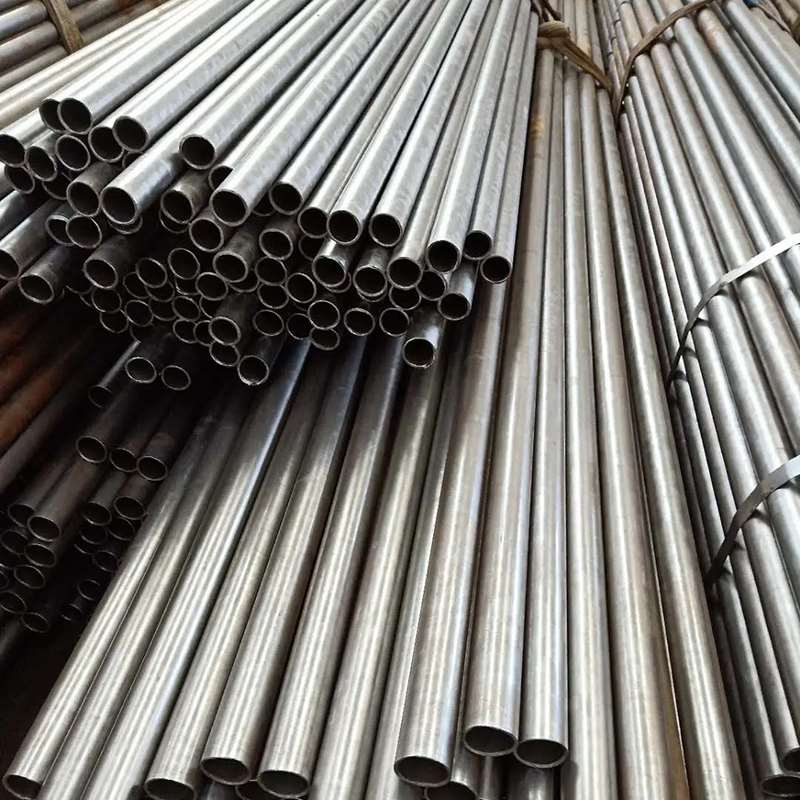
Precision seamless carbon steel pipes are characterized by high accuracy and stability. Compared with ordinary seamless pipes, they have more precise dimensions and a smoother surface, making them suitable for high-precision applications such as hydraulics, machinery, and automotive industries.
| Feature | Specification / Description |
|---|---|
| Dimensional Tolerance | OD, wall thickness ±0.01–0.03 mm |
| Surface Finish | Smooth internal and external surfaces, low Ra value to reduce friction |
| Concentricity & Ovality | High concentricity, low ovality, uniform stress distribution |
| Cold-Drawn Precision | Stable dimensions, suitable for high-precision assembly and machining |
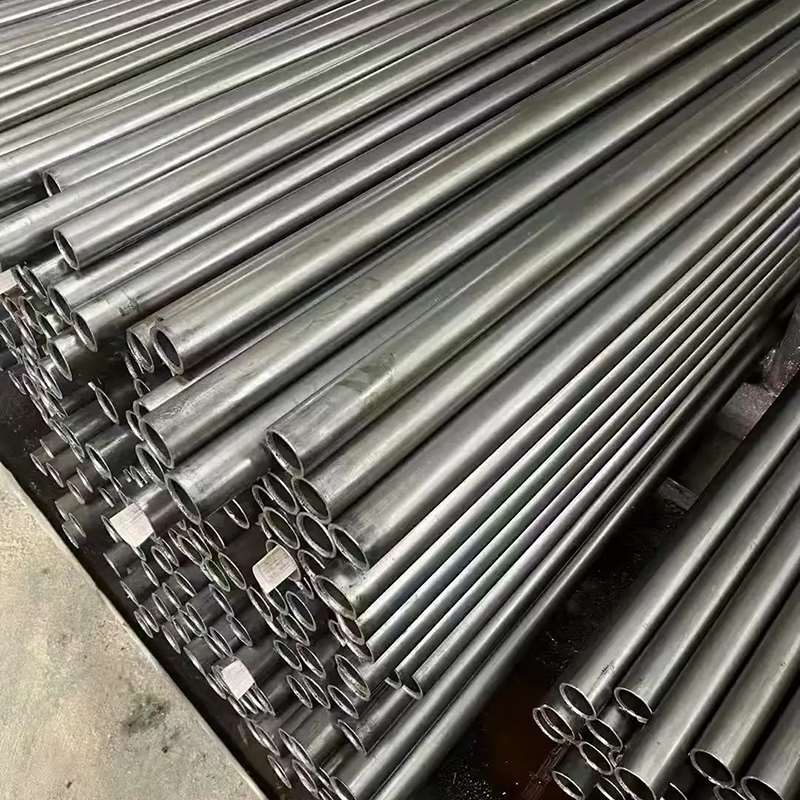
V. Mechanical Properties and Pressure Resistance
Precision seamless tubes have superior mechanical properties compared to ordinary seamless tubes, offering high pressure resistance and strong reliability.
| Property | Description |
|---|---|
| Tensile Strength | High strength after heat treatment and cold-drawing processes |
| Yield Strength | Uniform internal structure, strong resistance to deformation |
| Pressure Bearing Capacity | Seamless structure capable of withstanding high pressure |
| Application Reliability | Safe and stable for use in hydraulic systems, automotive transmissions, and precision machinery |
VI. Key Aspects of Quality Control
Compared to ordinary seamless pipes, precision seamless carbon steel pipes have stricter inspection requirements to ensure dimensional accuracy and reliability in use.
| Inspection Item | Description |
|---|---|
| Dimensional Accuracy | OD, wall thickness, and tolerances are strictly controlled to ensure proper assembly fit |
| Surface Finish | Smooth internal and external surfaces to reduce friction and wear |
| Concentricity & Ovality | High pipe concentricity, low ovality, uniform stress distribution |
| Mechanical Properties | Tensile strength, yield strength, and elongation meet design requirements |
| Fatigue Performance | Stable performance under high pressure or cyclic loads, extending service life |
VII. Frequently Asked Questions (FAQ) about Precision Seamless Carbon Steel Pipes
Q1: What is the difference between precision seamless carbon steel pipes and ordinary seamless pipes?
A1: Precision seamless pipes have tighter tolerances (outer diameter and wall thickness ±0.01–0.03 mm), smooth inner and outer surfaces, and high concentricity, making them suitable for high-precision applications such as hydraulics, machinery, and automotive industries.
Q2: How much pressure can precision seamless carbon steel pipes withstand?
A2: The pipes have no welds and a uniform steel structure, resulting in high pressure resistance. The actual pressure capacity depends on the outer diameter, wall thickness, and steel grade, making them suitable for medium- and high-pressure hydraulic systems and industrial pipelines.
Q3: Can precision seamless pipes be used directly in hydraulic systems?
A3: Yes, but it is recommended to choose cold drawn seamless carbon steel pipes with a smooth surface and that have undergone annealing treatment to ensure the safety and reliability of high-pressure hydraulic systems.
Q4: How to prevent internal corrosion during use?
A4: Epoxy coating on the inner wall or other anti-corrosion measures can be used, and the pipeline should be kept flowing smoothly to avoid long-term low-flow deposition.
Q5: What processing methods are suitable for precision seamless carbon steel pipes?
A5: They can be cut, bent, welded, or threaded, and are particularly suitable for high-precision assembly of precision mechanical parts and hydraulic pipelines.