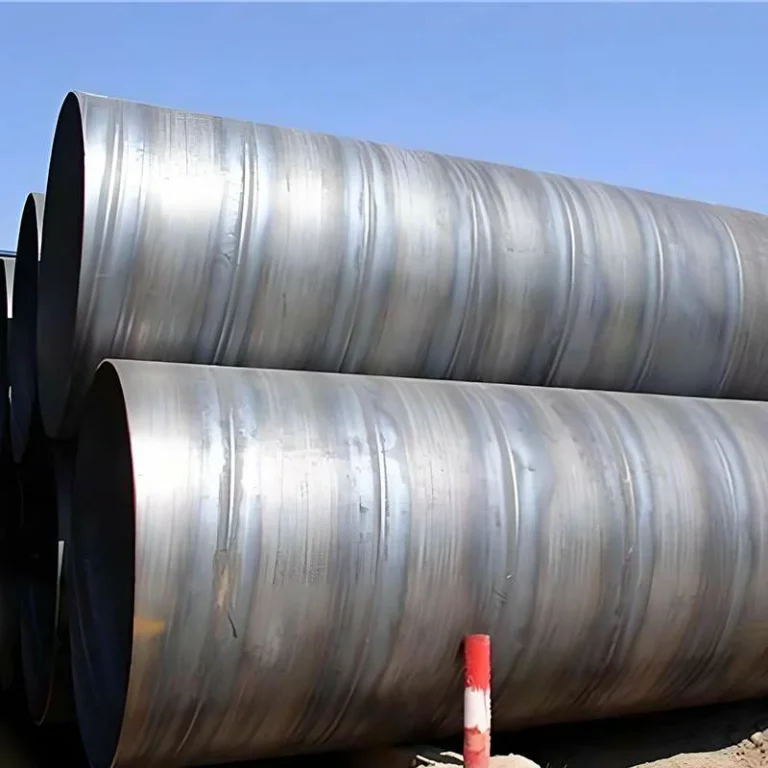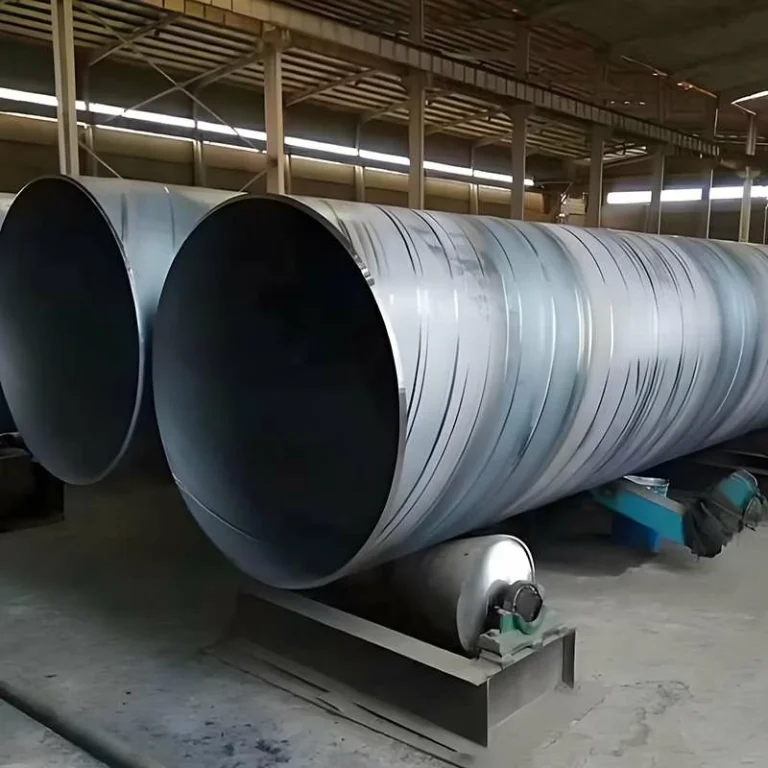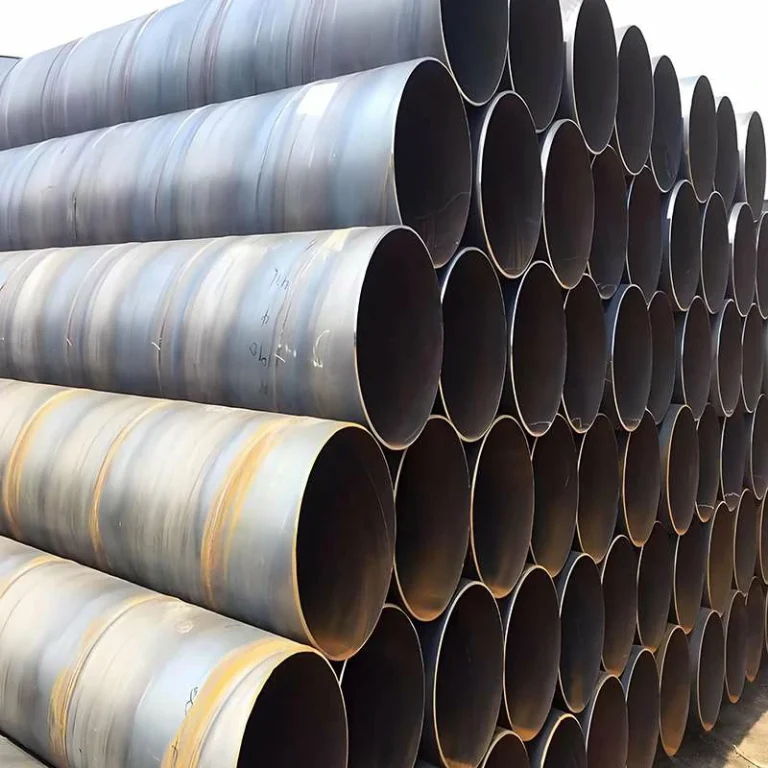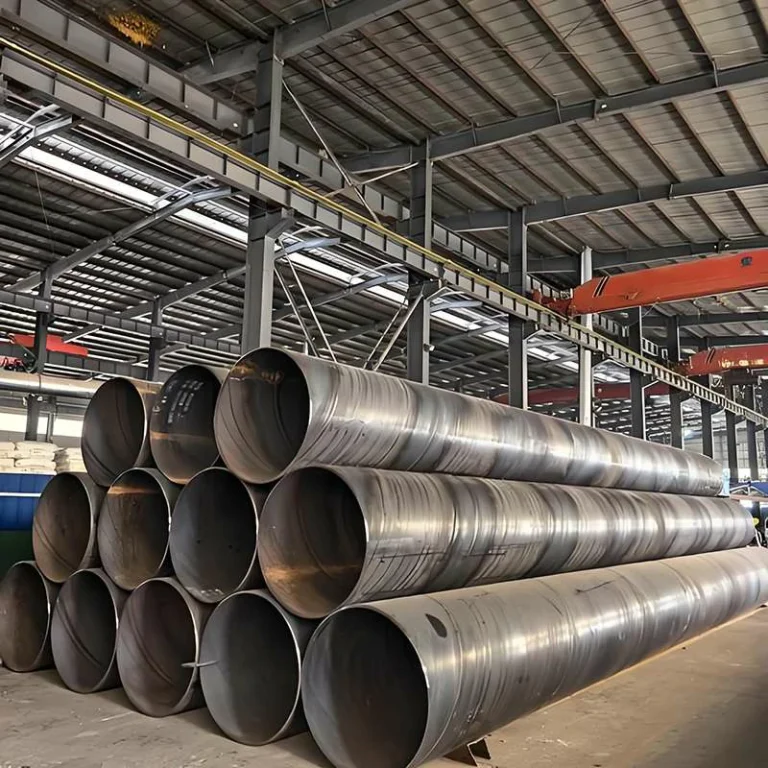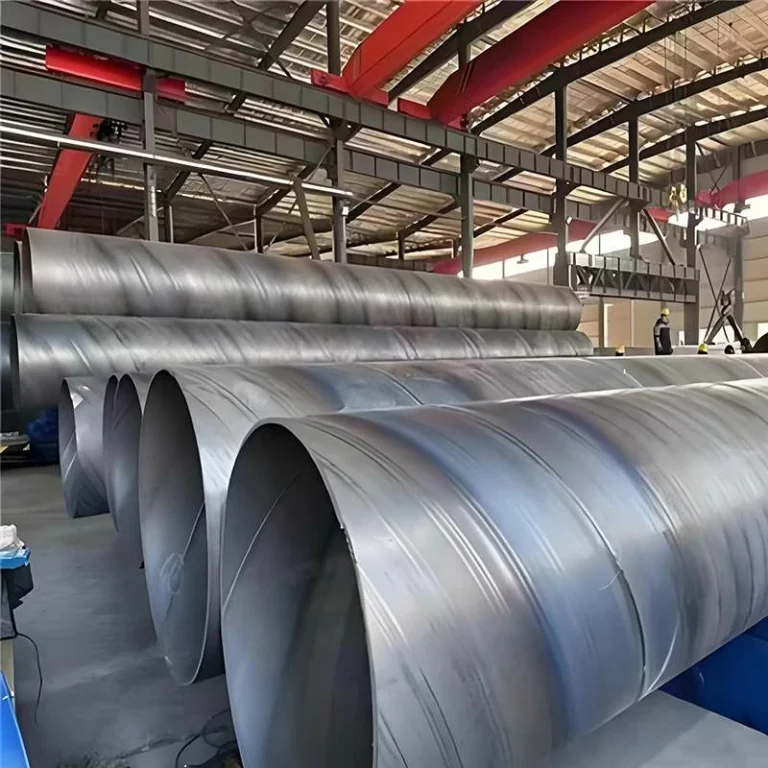
I. Overview of Welded Carbon Steel Pipes for Water Supply
- Welded carbon steel pipes for water supply are a commonly used material for water pipelines.
- They are manufactured using a welding process, resulting in a strong and dimensionally stable pipe body.
- The steel pipes can be produced using processes such as SAW (Submerged Arc Welding) or HFW (High-Frequency Welding).
- The welds are uniform and dense, ensuring long-term safe use.
- This product is widely used in municipal water supply systems, industrial water supply, and industrial park pipeline networks.
- In construction projects, it can also be used as welded carbon steel pipe for water supply and drainage pipeline installation.
II. Standards for Welded Carbon Steel Pipes for Water Supply
| Standard System | Common Standards | Applicable Description |
|---|---|---|
| ASTM (American Society for Testing and Materials) | ASTM A53 / ASTM A135 | Used for municipal and industrial water supply pipelines, suitable for low to medium pressure applications. |
| EN (European Standards) | EN 10217-1 / EN 10219 | Cold-rolled or hot-rolled welded pipes, suitable for construction and industrial water supply. |
| GB (Chinese National Standards) | GB/T 13793 / GB/T 8162 | Common domestic standards, covering welded carbon steel pipes and steel grade requirements. |
| API (American Petroleum Institute) | API 5L (optional for some low-pressure water systems) | For fluid transportation pipelines; low-pressure water systems can refer to this standard. |
| JIS (Japanese Industrial Standards) | JIS G3466 / JIS G3461 | Used in some export projects or Japanese-style piping systems. |
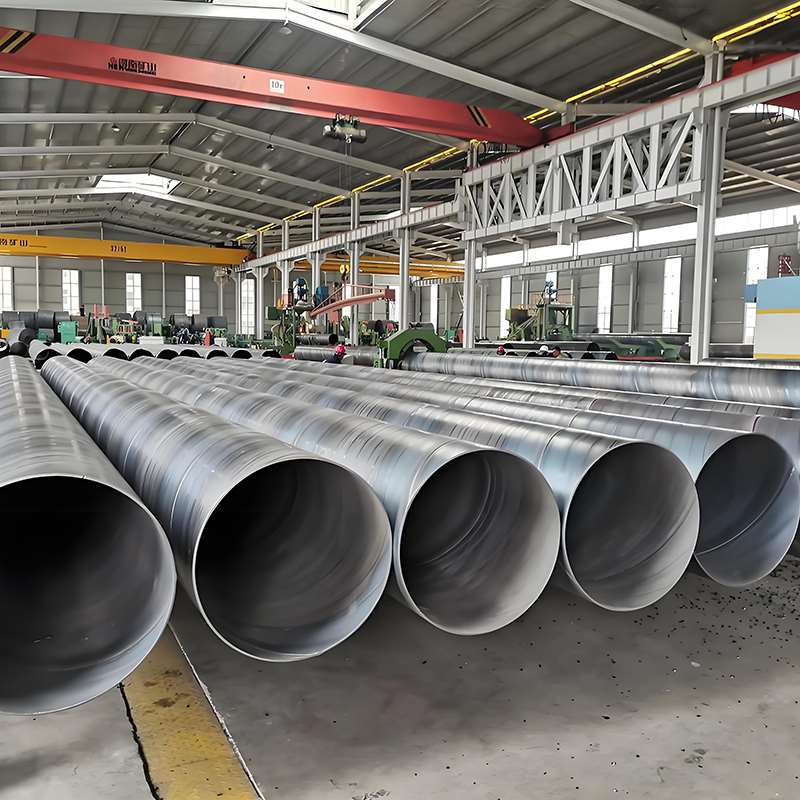
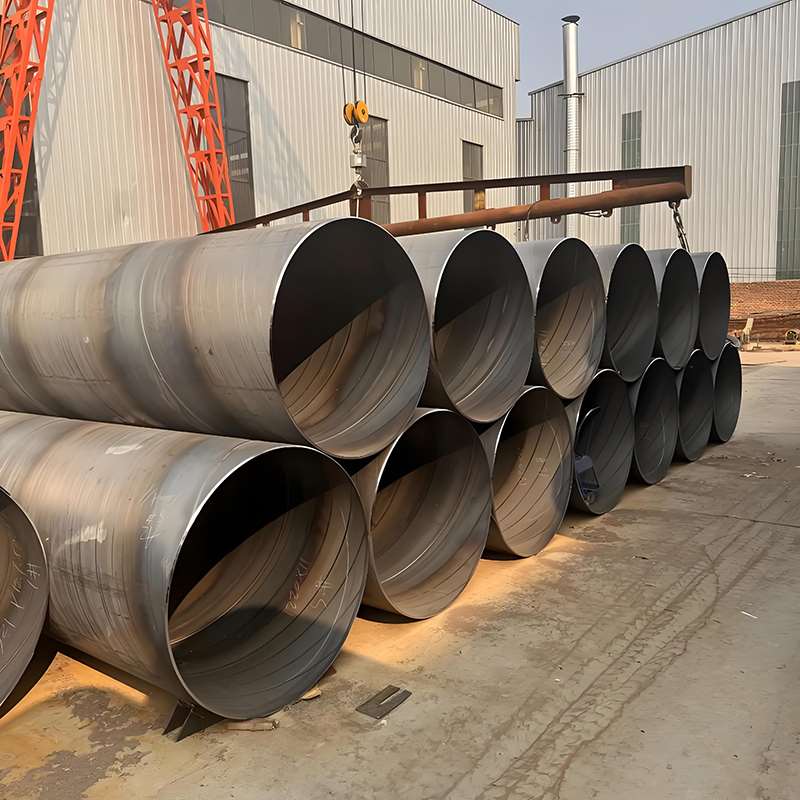
III. Production Process Flow for Welded Carbon Steel Pipes for Water Supply
Steel Coil Inspection → Steel Coil Uncoiling → Leveling Treatment → Continuous Forming → Welding (HFW or SAW) → Weld Seam Extrusion Forming → Removal of Internal and External Weld Beads → Online Weld Seam Inspection → Sizing and Rounding → Straightening Treatment → Heat Treatment (as needed) → Cutting to Length → End Processing (Plain End/Beveled End) → Dimensional and Performance Testing → Surface Treatment / Anti-corrosion Coating → Packaging and Shipment
IV. Anti-corrosion Coatings for Welded Carbon Steel Water Supply Pipes and Their Matching Applications
i. Dry or Short-Term Storage and Transportation Environments
- Recommended Coating: Black pipe or varnish/rust-proof oil
- Application Description: Suitable for pipes used only indoors or for short-term transportation and storage; low cost, basic rust prevention is sufficient.
ii. Indoor Water Supply or Building Pipelines
- Recommended Coating: Epoxy coating (inner and outer walls)
- Application Description: Suitable for conveying drinking water or non-corrosive water, preventing water pollution and extending pipe life.
- Note: Suitable for welded carbon steel pipes used in buildings.
iii. Underground or Outdoor Buried Pipelines
- Recommended Coating: Hot-dip galvanized coating or epoxy coating
- Application Description: Suitable for pipes exposed to soil, groundwater, or humid environments for extended periods, preventing corrosion and rust. Galvanized carbon steel pipes can also be used in these applications to enhance corrosion resistance.
iv. Highly Corrosive Environments / Large Municipal Water Networks / Industrial Water Supply
- Recommended Coating: 3LPE (Three-layer composite coating: epoxy primer + powder middle layer + PE protective layer)
- Application Description: Suitable for highly corrosive environments, long-term buried applications, underwater applications, or industrial water supply systems.
- Note: Provides the highest level of corrosion protection and significantly extends pipe life.
V. Quality Inspection Standards for Welded Carbon Steel Pipes Used for Water Supply
| Inspection Item | Main Content | Inspection Method / Standard |
|---|---|---|
| Appearance Check | Pipe surface should be smooth, free of cracks, porosity, weld spatter, and visible rust | Visual inspection |
| Dimensional Accuracy | Outer diameter, wall thickness, length, and tolerances meet design requirements | Vernier caliper, thickness gauge, steel ruler |
| Weld Quality | Welds should be dense, free of lack of fusion, slag inclusion, or cracks | Ultrasonic Testing (UT), Radiographic Testing (RT) |
| Mechanical Properties | Yield strength, tensile strength, elongation, and hardness meet standards | Tensile test, hardness test |
| Hydrostatic Test | Pipe pressure capacity meets design requirements | Hydrostatic (water pressure) test |
| Chemical Composition | Main elements such as C, Mn, Si, P, S comply with standards | Spectroscopy analysis or chemical analysis |
| Surface Anti-Corrosion | Coating thickness is uniform, no peeling or bubbles | Coating thickness gauge, visual inspection |
| Packaging Inspection | Bundles are secure, waterproof and dustproof coverage in place | Visual inspection |
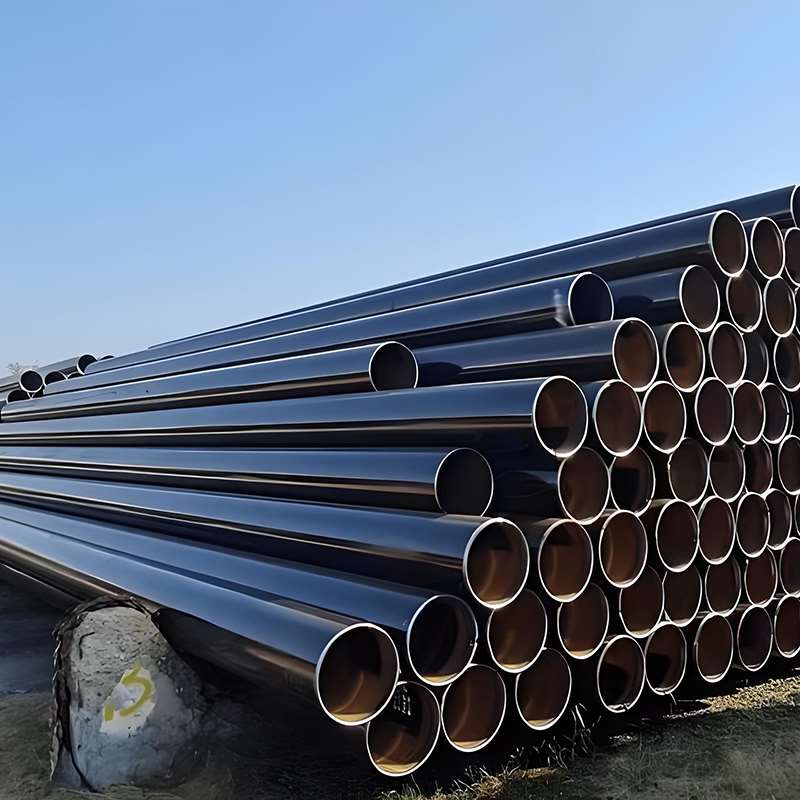
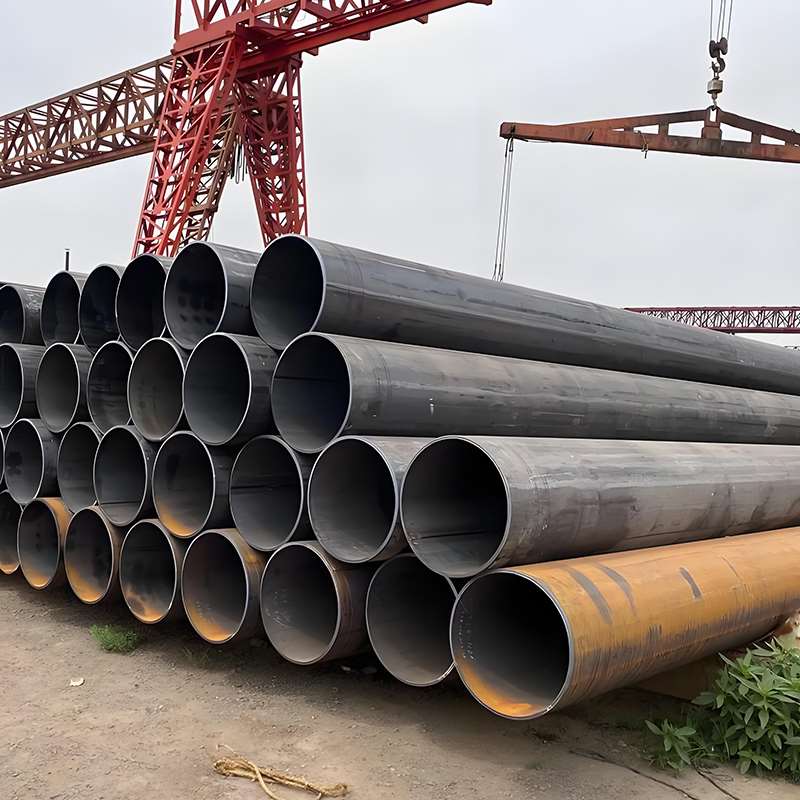
VI. Selection Guide for Welded Carbon Steel Pipes for Water Supply
- Determine Operating Conditions
- First, clearly define the design pressure and operating temperature of the pipeline.
- Different operating conditions will result in different choices of pipe material and wall thickness.
- For medium and low-pressure water systems, galvanized carbon steel pipes for water supply can be prioritized to enhance corrosion resistance.
- Select Pipe Diameter and Wall Thickness
- The pipe diameter directly affects flow rate and pressure loss.
- The wall thickness determines the pressure bearing capacity and safety factor.
- Thicker pipe walls are required for high-pressure conditions, while thinner walls can be used for low-pressure conditions.
- Steel Grade and Standards
- Select a steel grade that conforms to standards such as ASTM, GB, and EN.
- Ensure that the mechanical properties of the pipe material meet the design requirements.
- In special high-pressure or high-temperature projects, refer to seamless carbon steel pipes for water supply for comparison and selection.
- Corrosion Protection and Coating
- Choose an appropriate corrosion protection scheme based on the operating environment.
- For indoor or dry environments, clear varnish or rust-proof oil can be used.
- For underground, humid, or corrosive environments, epoxy coating or 3LPE coating is recommended.
- Length and End Processing
- Standard supply lengths are 6 m or 12 m, and custom lengths are available.
- The ends can be plain or beveled for on-site welding or connection.
- Selection Summary
- Clearly define the design pressure, temperature, and water quality environment.
- Select the pipe diameter, wall thickness, and steel grade based on the operating conditions.
- Determine the corrosion protection coating and end type.
- Compare the application scenarios of welded pipes and seamless carbon steel pipes for water supply to make a reasonable choice.
VII. Frequently Asked Questions (FAQ) about Welded Carbon Steel Pipes for Water Supply
Q1: What water pressure conditions are suitable for welded carbon steel pipes used in water supply systems?
Welded carbon steel pipes can be used in low to medium-high pressure water systems.
Specific pressure ratings need to be calculated based on pipe diameter, wall thickness, and design standards.
High-pressure applications still require strict adherence to standard regulations.
Q2: What are the differences between welded carbon steel pipes and seamless pipes in water supply systems?
Welded pipes have lower costs and higher production efficiency, making them suitable for low to medium-pressure water supply systems.
Seamless pipes have higher pressure bearing capacity and are suitable for high-pressure or special applications.
Selection should be based on project design pressure, temperature, and service life requirements.
Q3: Is pipe corrosion protection necessary?
Corrosion protection depends on environmental conditions.
Underground, humid, or corrosive water conditions require epoxy coating, hot-dip galvanizing, or 3LPE coating.
Indoor or dry environments can use varnish or rust-proof oil.
Q4: How to ensure reliable weld quality?
Welding uses high-frequency or submerged arc welding processes.
Dimensional inspection, non-destructive testing (UT/RT), and pressure testing are performed before shipment.
Qualified welds can meet the design pressure requirements.
Q5: What factors are easily overlooked during selection?
Commonly overlooked factors include: water corrosivity, environmental humidity, pipe thermal expansion, and safety factors.
These factors should be considered comprehensively during the design and procurement phases.
Q6: Can welded carbon steel pipes for water supply be used for a long time?
Under standard design pressure, wall thickness, and corrosion protection conditions, the service life can reach several decades.
Regular inspection and maintenance can extend the service life of the pipes.