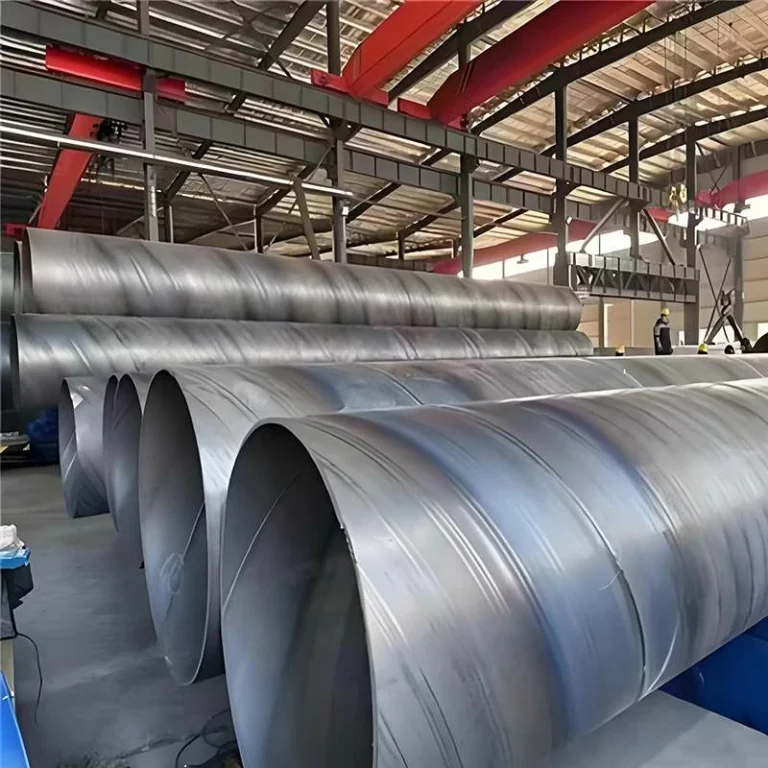
I. Overview of Welded Carbon Steel Pipes for Construction
i. What are Welded Carbon Steel Pipes for Construction?
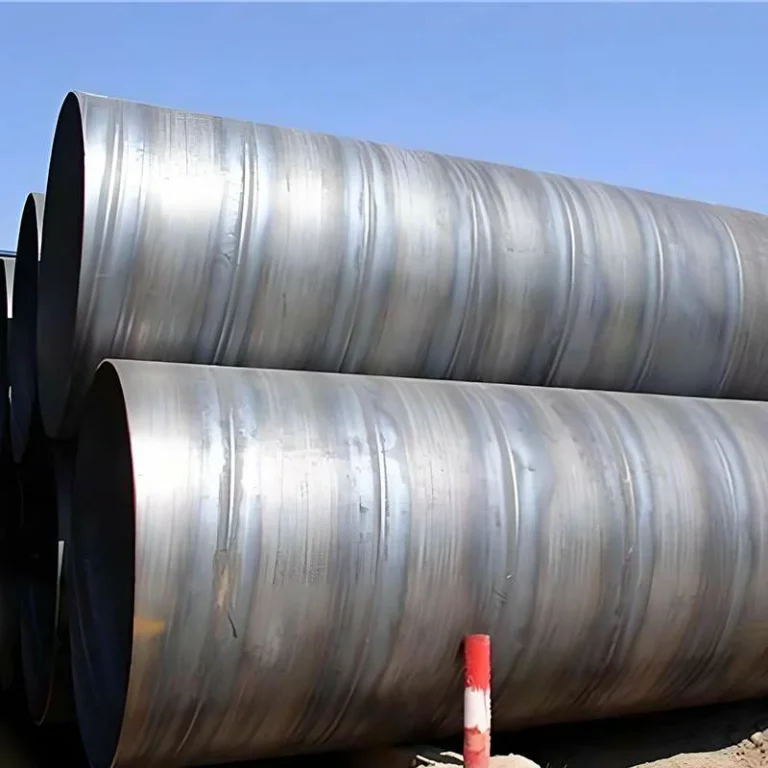
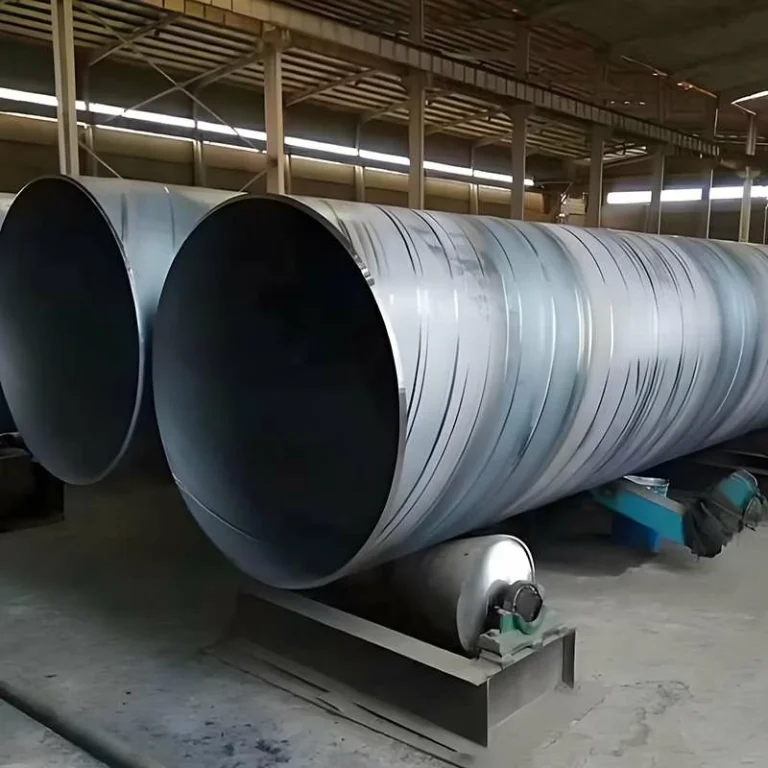
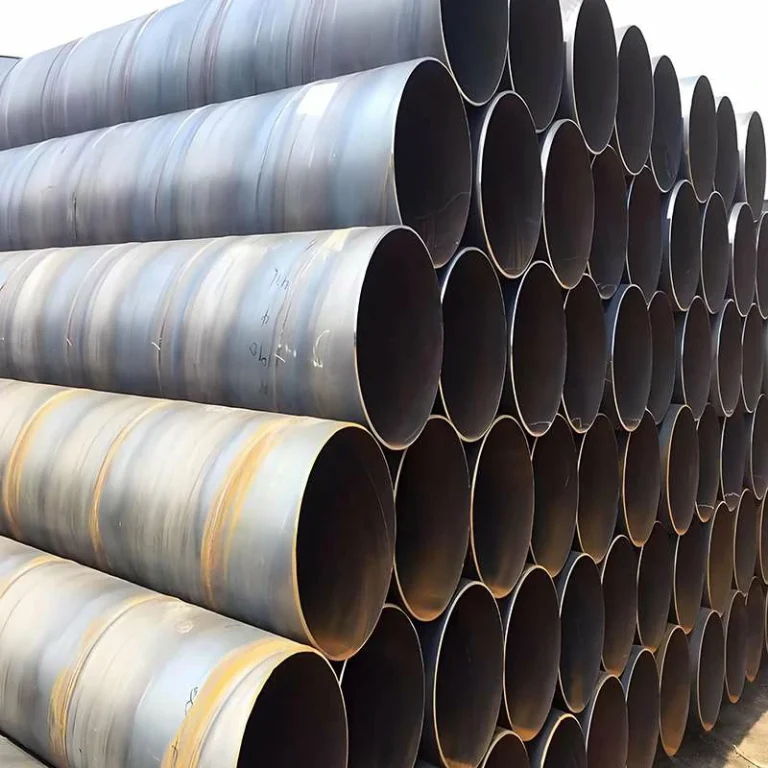
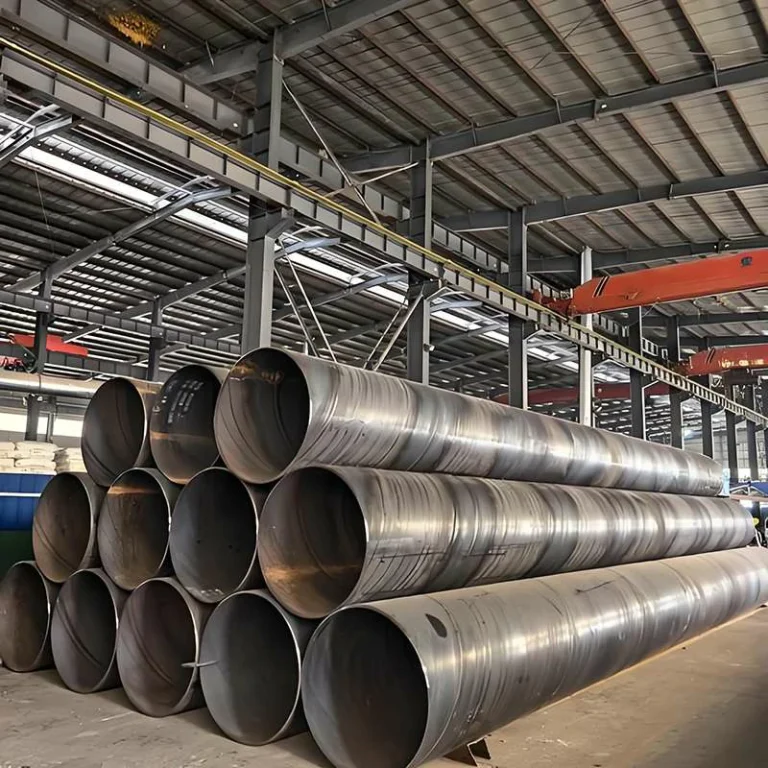
- Welded carbon steel pipes for construction are steel pipes specifically designed for building and construction structures.
- They are manufactured using a welded carbon steel pipe process, resulting in a strong and precisely sized pipe body.
- The pipes are suitable for load-bearing structures, support frames, and piping systems, ensuring the safety and stability of buildings.
ii. Main Manufacturing Process
- Welded carbon steel pipes for construction commonly utilize the ERW (Electric Resistance Welding) high-frequency welding process or other welding methods.
- The welds are uniform and dense, ensuring long-term reliability.
- The high-frequency welding process offers high production efficiency, suitable for mass supply to construction projects.
iii. Product Advantages
- High dimensional accuracy, facilitating construction and installation.
- Stable weld quality and reliable pressure resistance.
- Can be manufactured according to standards such as ASTM, EN, and GB, with customizable steel grades and specifications.
- Supports various surface treatments and anti-corrosion solutions to suit different environments.
II. Application and Selection Guide for Welded Carbon Steel Pipes in the Construction Industry
i. Building Frames and Load-Bearing Structures
- Application Description: Used for floor beams and columns, light steel structure factory frames, support frames, and other load-bearing components.
- Recommended Pipe Type: HFW carbon steel pipes (high-frequency welded) or ERW carbon steel pipes, manufactured using high-frequency welding or resistance welding processes.
- Outer Diameter Range: 60 mm – 219 mm
- Wall Thickness Range: 3.0 mm – 12.0 mm
- Corrosion Protection Recommendations: For indoor use, clear varnish or rust-proof oil can be used; for outdoor or humid environments, hot-dip galvanized welded carbon steel pipes or epoxy coatings are recommended.
- Other Parameters: Recommended steel grade Q235 or Q345, length can be customized according to construction needs (6 m / 12 m).
ii. Building Water Supply and Drainage Pipelines
- Application Description: Pipelines for domestic water and fire fighting water systems in buildings or industrial parks.
- Recommended Pipe Type: Welded carbon steel pipes for water supply, ERW carbon steel pipes are recommended.
- Outer Diameter Range: 21.3 mm – 168 mm
- Wall Thickness Range: 2.0 mm – 8.0 mm
- Corrosion Protection Recommendations: Epoxy coating on the inner and outer walls of the pipe to ensure water quality safety; if necessary, hot-dip galvanizing or epoxy powder coating on the outer wall for corrosion protection.
- Other Parameters: Recommended steel grade Q235, manufactured according to ASTM A53 / GB/T 13793 standards.
iii. Building Construction Supports and Temporary Structures
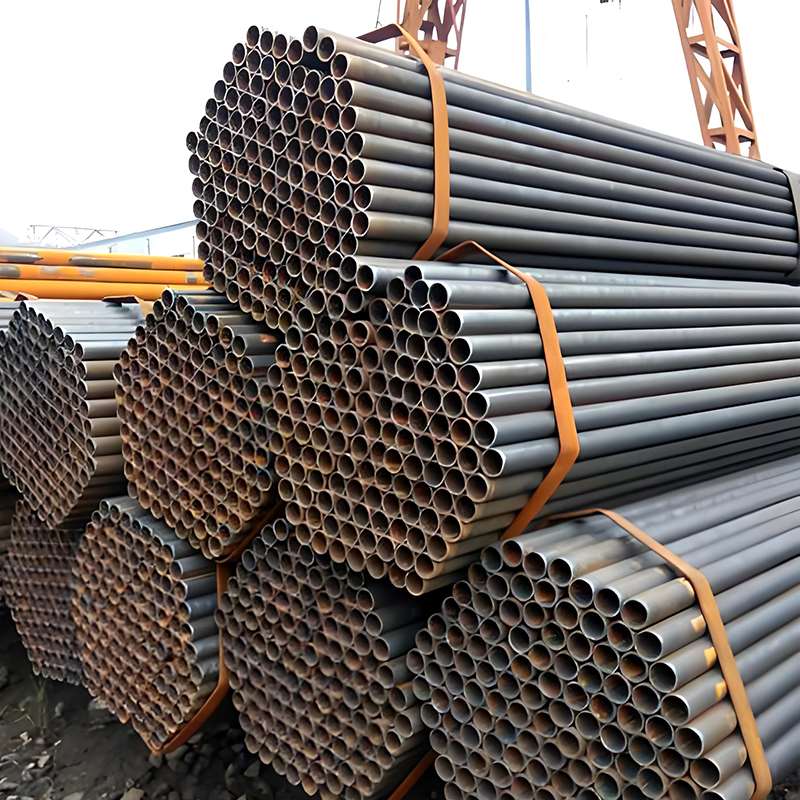
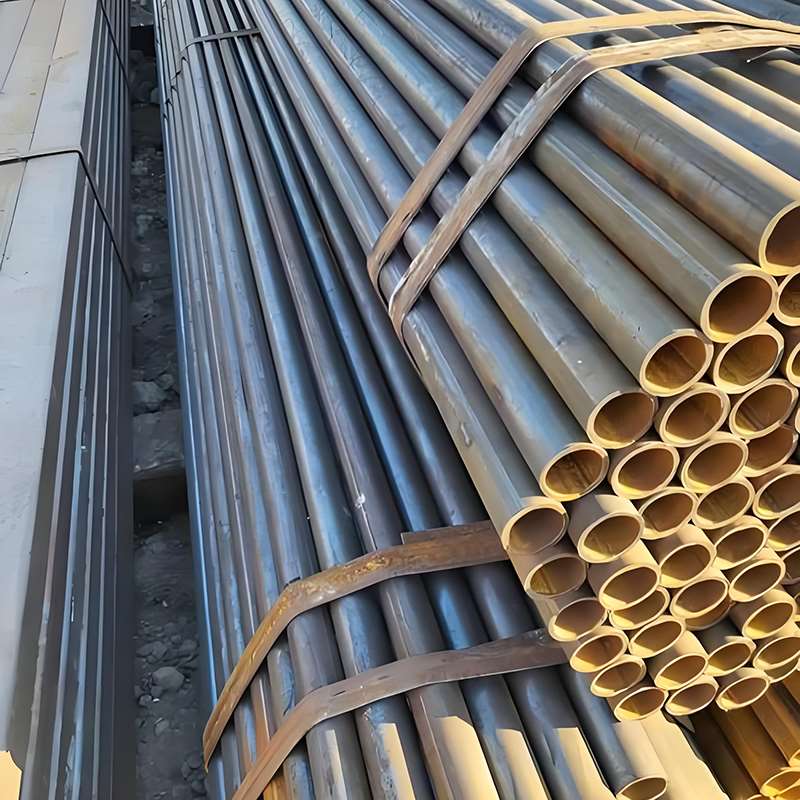
- Application Description: Scaffolding, formwork support frames, or temporary support pipes for construction.
- Recommended Pipe Type: HFW welded carbon steel pipes, high-frequency welded or straight seam welded pipes.
- Outer Diameter Range: 48 mm – 114 mm
- Wall Thickness Range: 2.5 mm – 6.0 mm
- Corrosion Protection Recommendations: Black pipes or clear varnish can be used for short-term use; hot-dip galvanizing is recommended for long-term or humid environments.
- Other Parameters: Steel grade Q235, length is usually 6 m for easy handling and installation.
iv. Building Ventilation and Pipe Rack Supports
- Application Description: Used for air conditioning duct supports, pipe rack support systems, and roof structures. Recommended pipe type: ERW carbon steel pipe or straight seam welded pipe.
- Outer diameter range: 32 mm – 108 mm
- Wall thickness range: 2.0 mm – 6.0 mm
- Corrosion protection suggestions: Clear varnish or rust-proof oil for indoor use; hot-dip galvanizing or epoxy coating recommended for outdoor use.
- Other parameters: Steel grade Q235/Q345, length can be customized according to construction requirements.
V. Selection Considerations
- Load-bearing and pressure: For load-bearing structures, pipes with higher wall thickness and steel grade should be selected.
- Environmental conditions: Indoor, outdoor, buried, or humid environments affect the choice of corrosion protection method.
- Standard requirements: Welded carbon steel pipes for construction are usually manufactured according to ASTM, EN, GB, and other standards to ensure mechanical properties and safety factors.
- Construction convenience: Length and end form (plain end/beveled end) should be selected based on construction and installation requirements.
III. Specifications and Models Table for Welded Carbon Steel Pipes for Construction
| Nominal Diameter DN (mm) | Outer Diameter OD (mm) | Wall Thickness WT (mm) – Common Range | Common Schedule / SCH | Remarks |
|---|---|---|---|---|
| 15 | 21.3 | 2.0 / 2.77 | SCH10 / SCH20 | Small-diameter indoor pipes, water supply |
| 20 | 26.7 | 2.0 / 2.87 / 3.25 | SCH10 / SCH20 | Small pipelines, support use |
| 25 | 33.4 | 2.77 / 3.25 / 3.91 | SCH10 / SCH20 | Water pipes, drainage pipes |
| 32 | 42.2 | 2.77 / 3.25 / 4.0 | SCH10 / SCH20 | Small to medium building support pipes |
| 40 | 48.3 | 3.0 / 3.73 / 4.0 | SCH10 / SCH20 | Framework and support use |
| 50 | 60.3 | 3.0 / 3.91 / 4.5 | SCH10 / SCH20 | Water pipes and light framework |
| 65 | 76.1 | 3.25 / 4.0 / 4.5 | SCH20 / SCH40 | Medium load-bearing structures |
| 80 | 88.9 | 3.25 / 4.0 / 5.0 | SCH20 / SCH40 | Framework and support structures |
| 100 | 114.3 | 4.0 / 4.5 / 5.0 | SCH20 / SCH40 | Medium load-bearing and pipe corridors |
| 125 | 139.8 | 4.5 / 5.0 / 5.5 | SCH20 / SCH40 | Main building support pipes |
| 150 | 168.3 | 4.5 / 5.0 / 6.0 | SCH20 / SCH40 | Engineering supports, pipe corridors |
| 200 | 219.1 | 5.0 / 6.0 / 7.0 | SCH40 / SCH80 | Large structural supports |
| 250 | 273.0 | 6.0 / 7.0 / 8.0 | SCH40 / SCH80 | Main load-bearing and water supply pipes |
| 300 | 323.9 | 6.0 / 7.0 / 9.0 | SCH40 / SCH80 | Large building framework pipes |
| 350 | 355.6 | 7.0 / 8.0 / 10.0 | SCH40 / SCH80 | Special load-bearing use |
| 400 | 406.4 | 8.0 / 9.0 / 10.0 | SCH40 / SCH80 | High-pressure pipes or supports |
| 450 | 457.0 | 9.0 / 10.0 / 12.0 | SCH40 / SCH80 | Large structural pipes |
| 500 | 508.0 | 10.0 / 12.0 / 14.0 | SCH40 / SCH80 | Structural supports, campus pipelines |
| 600 | 609.6 | 12.0 / 14.0 / 16.0 | SCH40 / SCH80 | Special large building structures |
IV. Manufacturing Process Flow for Welded Carbon Steel Pipes for Construction
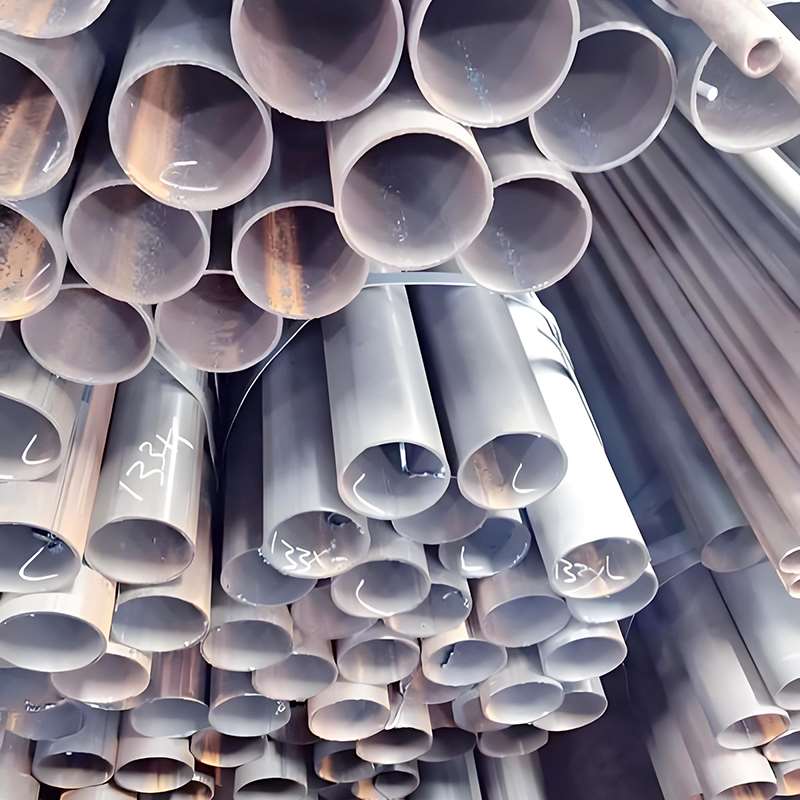
Raw Material Preparation (Steel Strip/Steel Plate) → Uncoiling and Leveling → Forming and Rolling → Welding (High-Frequency Welding/ERW Welding) → Weld Seam Shaping → Heat Treatment/Annealing (Optional) → Dimensional Correction → Surface Treatment (Varnishing/Galvanizing/Epoxy Coating) → Dimensional Inspection & Non-Destructive Testing → Pressure Testing → Cutting to Length → Packaging and Shipment
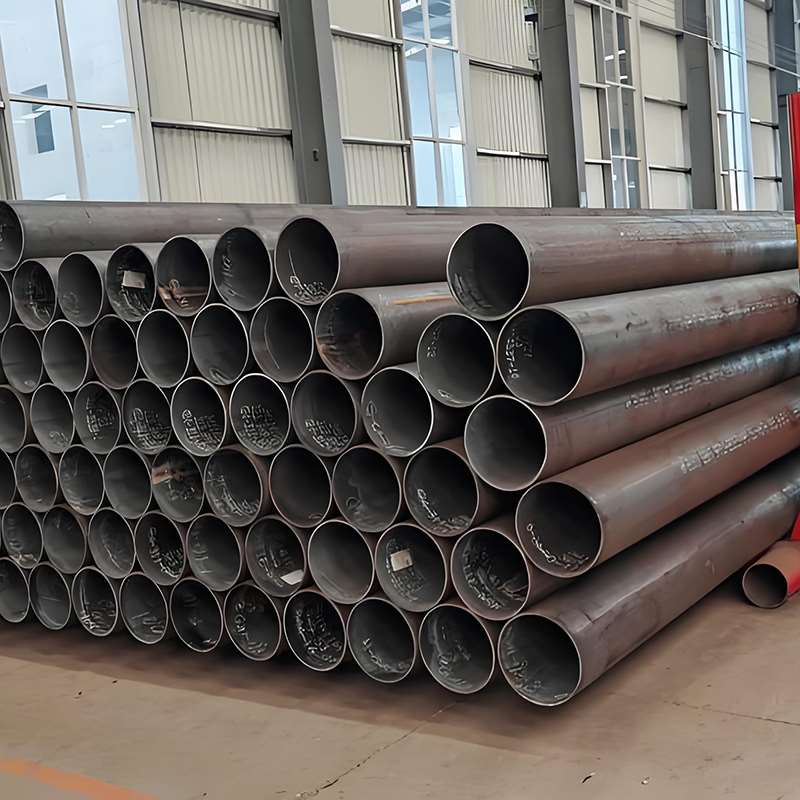
V. Procurement Considerations for Welded Carbon Steel Pipes for Construction
i. Clarify Usage and Operating Conditions
- First, determine the application scenario of the pipe material: load-bearing structures, water supply and drainage pipelines, construction supports, or pipe rack supports.
- Determine the pipe diameter, wall thickness, and steel grade based on the operating conditions.
- High-pressure or heavy-load-bearing structures require pipes with greater wall thickness and higher steel grade.
ii. Select the Appropriate Welding Process
- Common welding methods include ERW (Electric Resistance Welding) and HFW (High-Frequency Welding) for carbon steel pipes.
- Weld quality directly affects pipeline safety; confirm the welding process during procurement.
iii. Confirm Standards and Steel Grade
- Procure according to standards such as ASTM, EN, and GB to ensure mechanical properties and safety factors.
- Common steel grades are Q235, Q345, or S235, S355, which should match the design requirements.
iv. Pay Attention to Anti-Corrosion Treatment
- For indoor environments, clear varnish or rust-proof oil can be used.
- For outdoor, underground, or humid environments, hot-dip galvanizing, epoxy coating, or 3LPE coating is recommended.
- Improper anti-corrosion treatment will reduce the service life of the pipe.
v. Check Specifications and Dimensions
- Verify the outer diameter, wall thickness, length, and end form (plain end/beveled end).
- Tolerances must meet design requirements to ensure convenient construction.
- For bulk purchases, confirm the consistency of dimensions in each batch.
vi. Supplier Qualifications and After-Sales Service
- Preferably choose qualified carbon steel pipe manufacturers.
- Require factory inspection reports, including dimensions, welds, mechanical properties, and anti-corrosion testing.
- Understand after-sales service to ensure support during transportation, storage, and installation of the pipes.
VI. Welded Carbon Steel Pipes for Construction – FAQ
Q1: What construction applications are suitable for welded carbon steel pipes?
A1: They can be used in building beams and columns, light steel structure factories, construction support frames, water supply and drainage pipelines, and pipe rack supports. The appropriate pipe diameter, wall thickness, and steel grade should be selected for different applications.
Q2: What are the differences between welded carbon steel pipes and seamless pipes in construction?
A2: Welded pipes have lower costs and higher production efficiency, making them suitable for medium to low-pressure load-bearing and water supply systems. Seamless pipes have higher pressure resistance and are suitable for high-pressure or special engineering applications.
Q3: What steel grades and standards should be considered during procurement?
A3: Commonly used steel grades include Q235, Q345, or S235, S355. Standards can be ASTM, EN, or GB. The steel grade and standard must match the design load-bearing capacity and operating environment.
Q4: What are the options for corrosion protection?
A4: For indoor environments, clear varnish or rust-proof oil can be used; for outdoor, buried, or humid environments, hot-dip galvanizing, epoxy coating, or 3LPE coating is recommended. The corrosion protection method should be selected based on the construction environment.
Q5: How to ensure the quality of welds and pipes?
A5: High-frequency welding (HFW) or ERW welding processes are used during production. Before delivery, dimensional inspection, non-destructive testing (UT/RT), and pressure testing are performed to ensure uniform and dense welds and reliable pressure resistance.
Q6: What are some common misconceptions when selecting pipes?
A6: Common misconceptions include focusing only on pipe diameter while neglecting wall thickness and steel grade, neglecting corrosion protection, and ignoring the construction environment and safety factors. Rational selection requires considering all parameters comprehensively.