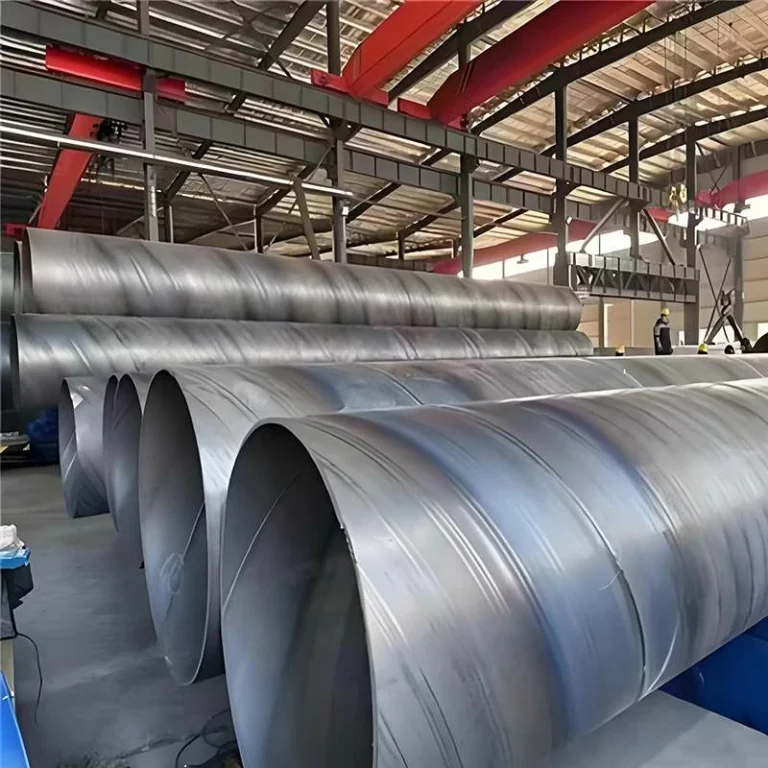
I. Definition of Seamless High-Pressure Carbon Steel Pipe
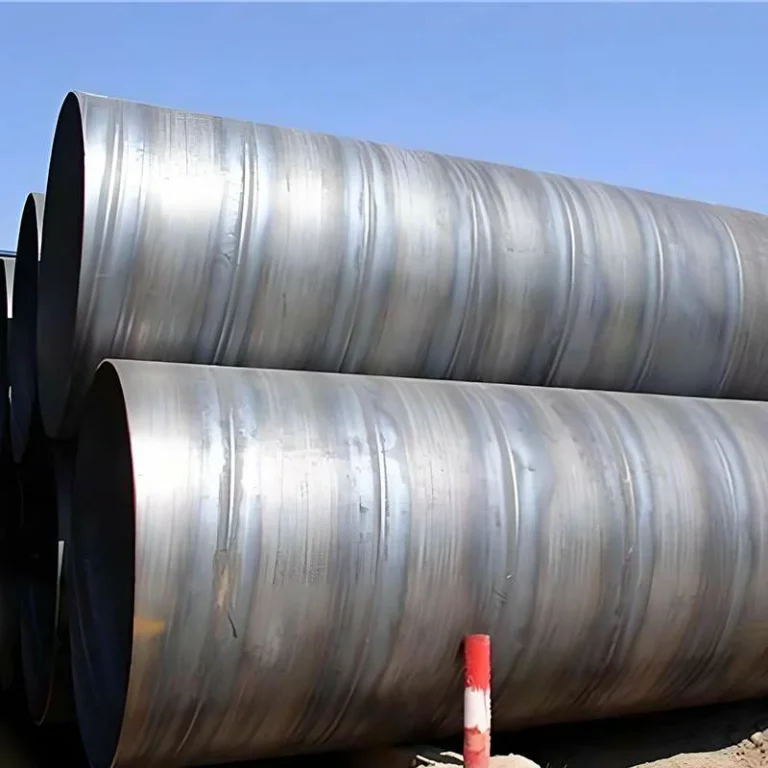
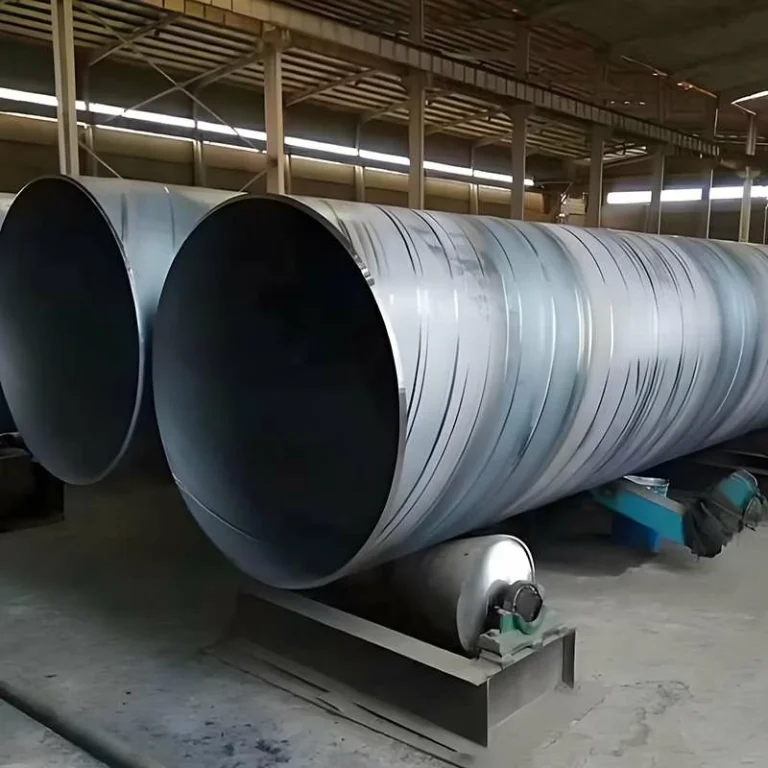
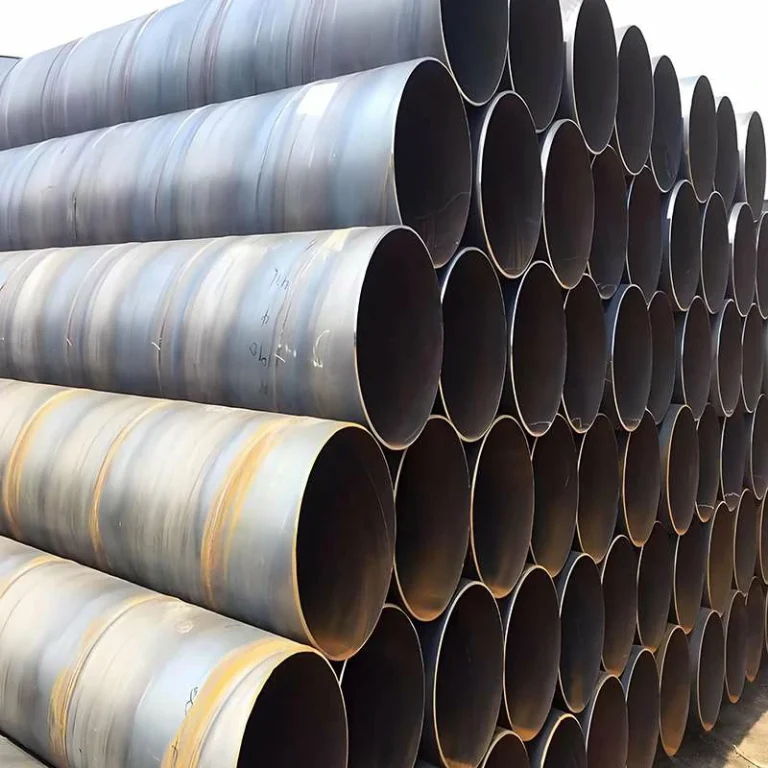
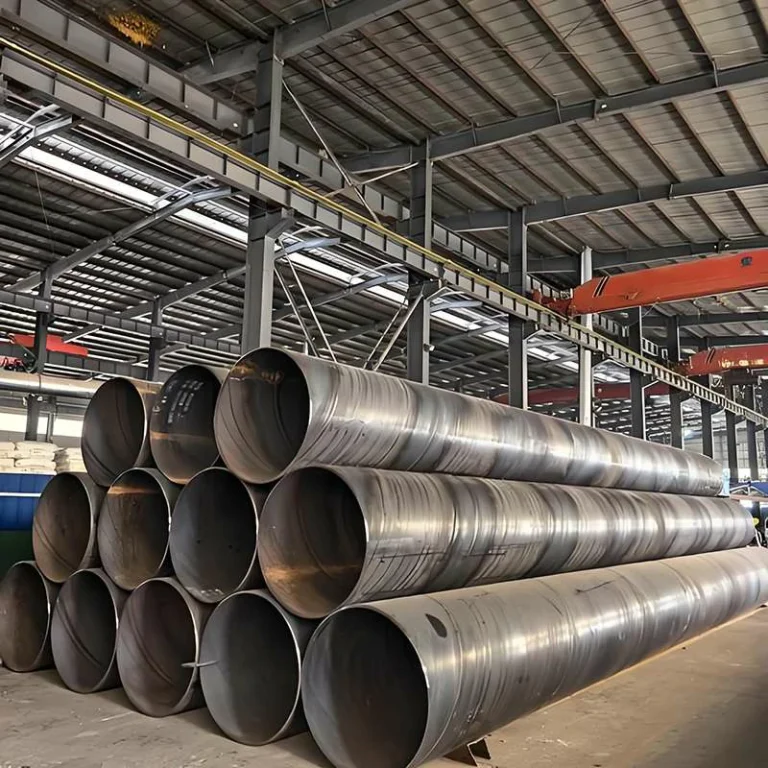
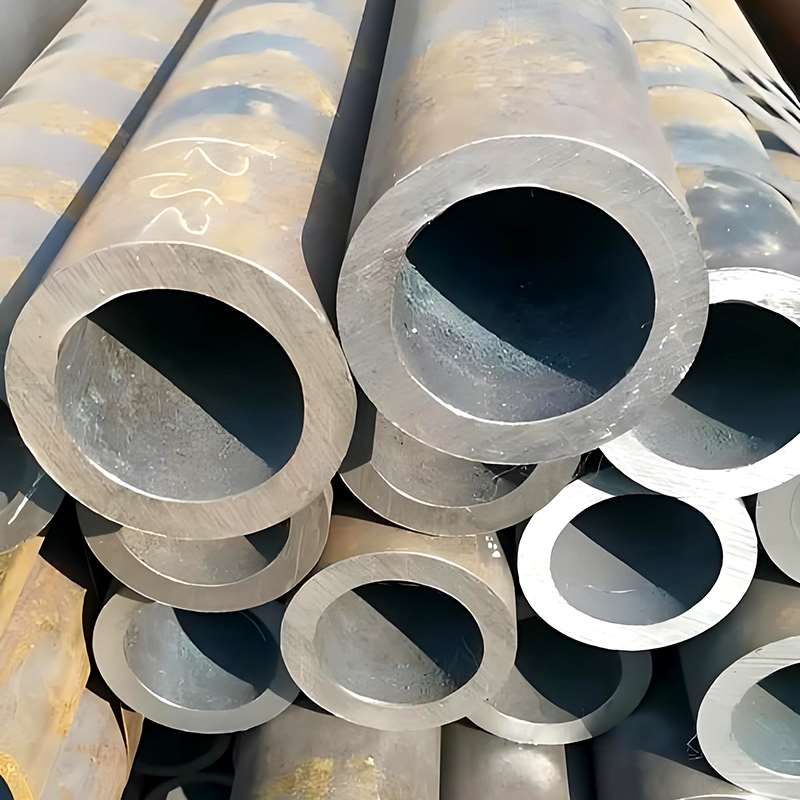
Seamless high-pressure carbon steel pipe refer to carbon steel pipes manufactured from a single steel billet through processes such as hot rolling, hot expanding, or cold working, without any welds in the pipe body. They are primarily used in industrial and oilfield fluid transportation systems that require resistance to high pressure, high temperature, or complex operating conditions.
Due to their integral forming structure, these steel pipes offer significant advantages in terms of pressure bearing capacity and operational stability.
II. Standards for Seamless High-Pressure Carbon Steel Pipe
| Standard System | Standard | Applicable Conditions | Typical Application Areas |
|---|---|---|---|
| ASTM / ASME | ASTM A106 / ASME SA106 | High temperature, high pressure | Boilers, steam pipelines, petrochemical, power systems |
| ASTM | ASTM A53 (Seamless) | General and medium pressure | Industrial fluid transport, structural and auxiliary piping |
| ASTM | ASTM A333 | Low temperature | Low-temperature medium transport, pipelines in cold regions |
| EN (Europe) | EN 10216 | Pressure-bearing applications | High-temperature and high-pressure industrial piping systems |
| GB (China) | GB/T 8163 | Medium to low-pressure fluid transport | General industrial piping systems |
| GB (China) | GB/T 3087 | Low to medium-pressure boiler conditions | Boilers and steam systems |
| GB (China) | GB/T 5310 | High-temperature, high-pressure boiler conditions | High-pressure boilers and energy equipment |
| API | API 5L (Seamless) | Oil and gas transport | Onshore and offshore oil & gas pipelines |
| API | API 5CT | Downhole high-pressure conditions | Oil well casing and tubing systems |
Instructions for Use
- High-temperature and high-pressure systems: Prioritize ASTM A106, EN 10216, or GB/T 5310
- General industrial use: ASTM A53 (seamless) or GB/T 8163 can be selected
- Oil and gas and energy projects: Select API 5L or API 5CT depending on the application
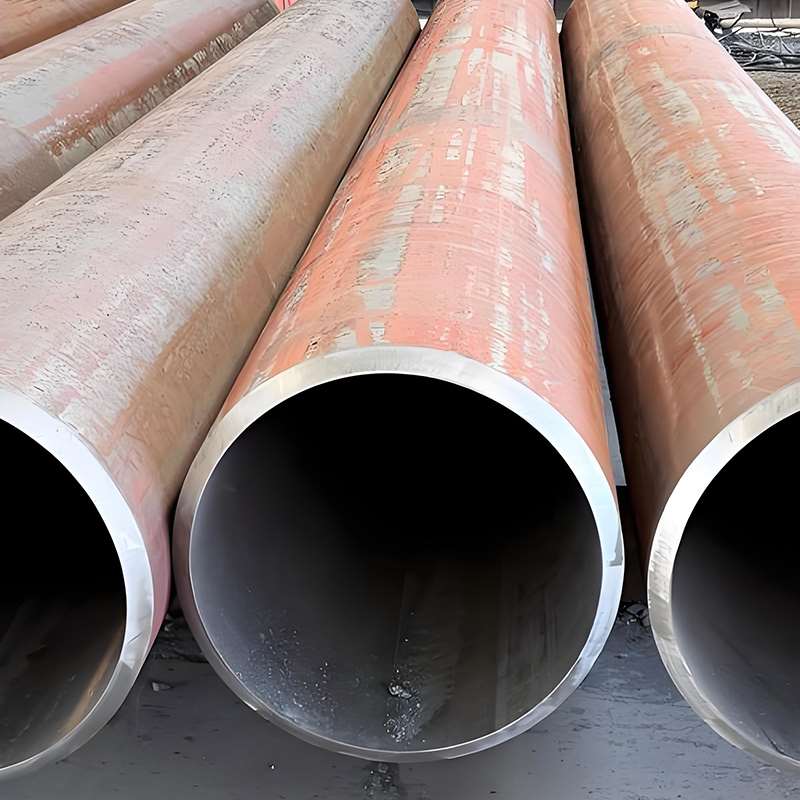
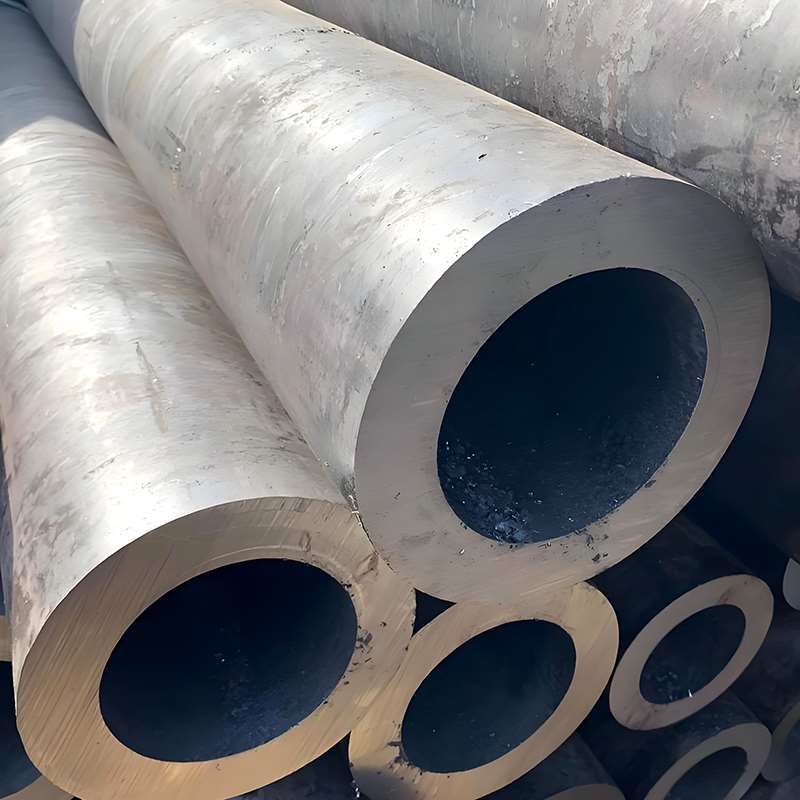
III. Comparison Table of Commonly Used Steel Grades for Seamless High-Pressure Carbon Steel Pipe
| Standard System | Standard | Common Steel Grade | Key Features | Typical Applications |
|---|---|---|---|---|
| ASTM / ASME | ASTM A106 / ASME SA106 | Gr.B | Balanced strength and toughness | High-temperature steam, high-pressure industrial piping |
| ASTM / ASME | ASTM A106 / ASME SA106 | Gr.C | Higher strength | High-pressure, high-temperature conditions |
| ASTM | ASTM A53 (Seamless) | Gr.B | General-purpose carbon steel | Medium-pressure industrial fluid transport |
| ASTM | ASTM A333 | Gr.6 | Good low-temperature toughness | Low-temperature or cold region pipelines |
| EN | EN 10216-2 | P235GH | Good weldability | General pressure-bearing applications |
| EN | EN 10216-2 | P265GH | Higher strength | High-temperature and high-pressure industrial systems |
| EN | EN 10216-3 | E355 | Relatively high strength | Pressure-bearing piping systems |
| GB (China) | GB/T 8163 | 20# | General carbon steel | General industrial fluid transport |
| GB (China) | GB/T 3087 | 20G | Boiler-specific grade | Low- to medium-pressure boiler systems |
| GB (China) | GB/T 5310 | 20G | Good high-temperature performance | High-pressure boilers and energy equipment |
| API | API 5L (Seamless) | B | Basic strength level | Oil & gas pipelines |
| API | API 5L (Seamless) | X42 / X52 | Incrementally higher strength | Medium- to high-pressure oil & gas pipelines |
| API | API 5CT | J55 / K55 | Cost-effective | Oil well casing and tubing |
| API | API 5CT | N80 | Higher strength | Deeper well conditions |
IV. Common Problems with Seamless High-Pressure Carbon Steel Pipe in Industrial and Oilfield Applications
1. What pressure and temperature ranges are suitable for seamless high-pressure carbon steel pipe?
This is a frequently asked question.
There is no fixed “maximum pressure value” in engineering.
The actual pressure bearing capacity depends on the outer diameter, wall thickness, steel grade, design standards, and safety factor, and needs to be calculated based on specific working conditions.
2. What are the differences in selection between industrial and oilfield systems?
Industrial systems focus more on long-term continuous operation and temperature stability.
Oilfield systems focus more on pressure fluctuations, complex media, and environmental conditions.
Therefore, even when using the same type of seamless pipe, there are significant differences in steel grade and wall thickness selection between different systems.
3. Are seamless high-pressure carbon steel pipe always better than ERW carbon steel pipes?
Seamless pipes are not necessary for all applications.
In high-pressure, high-temperature, and high-risk conditions, seamless pipes are safer.
In low-to-medium pressure or auxiliary systems, ERW carbon steel pipes have advantages in terms of cost and delivery time; the key is choosing the right pipe for the right application.
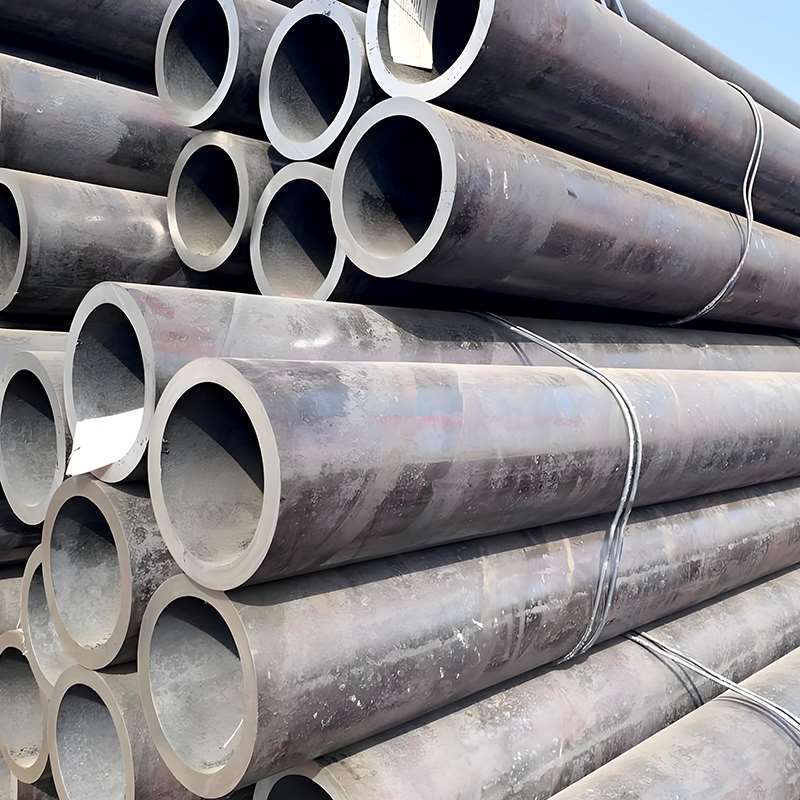
4. How to determine if a steel pipe is truly suitable for high-pressure applications?
It’s not enough to just look for the word “seamless.”
A comprehensive assessment is needed, including confirming the applicable standards, steel grade, dimensional tolerances, and whether it has passed pressure and non-destructive testing.
Compliant testing documents are crucial evidence for determining reliability.
5. What are the common standards used for seamless high-pressure carbon steel pipe?
In the industrial sector, ASTM, EN, and GB series standards are common.
In the oil and gas sector, API series standards are common.
Different standards are designed for different operating conditions and cannot be simply substituted for one another.
6. Is a thicker wall always safer in high-pressure systems?
Increasing wall thickness increases pressure resistance.
However, it also increases weight, cost, and welding difficulty.
Rational selection should strike a balance between safety, economy, and construction feasibility.
7. Besides specifications, what other factors should be considered during procurement?
In addition to outer diameter and wall thickness, you should also consider:
Applicable standards
Steel grade
Testing requirements
Supply condition
Actual operating conditions
Ignoring this information can easily lead to incorrect selection.
8. Why is there a significant price difference for seamless high-pressure carbon steel pipe of the same specifications?
Price differences usually stem from:
Different steel grades
Different applicable standards
Different testing requirements
Differences in raw materials and manufacturing processes
A lower price doesn’t necessarily mean the product is substandard, but it’s crucial to confirm whether the low-priced product meets the actual operating conditions.