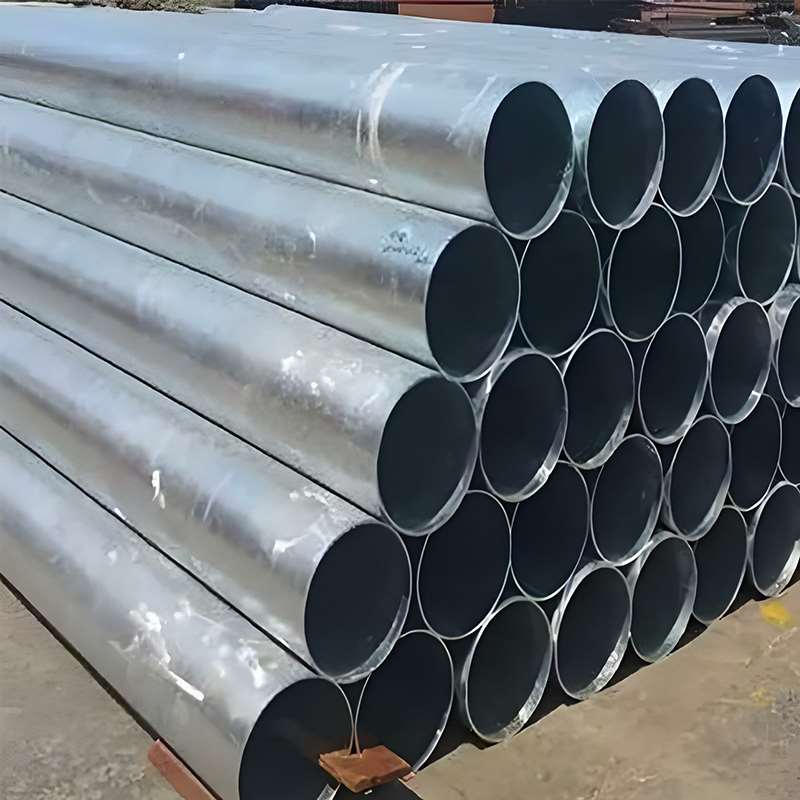
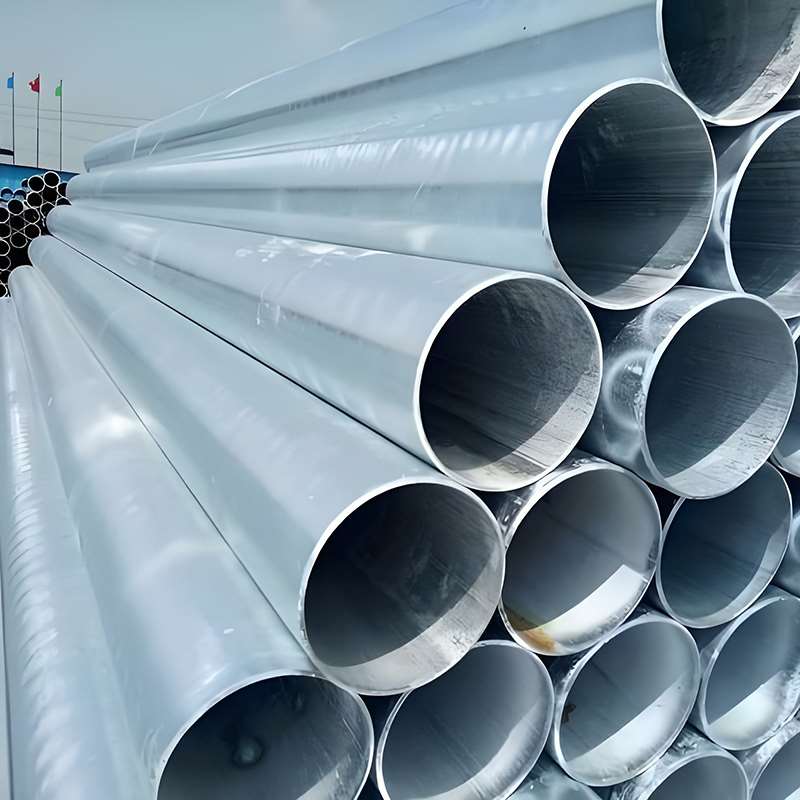
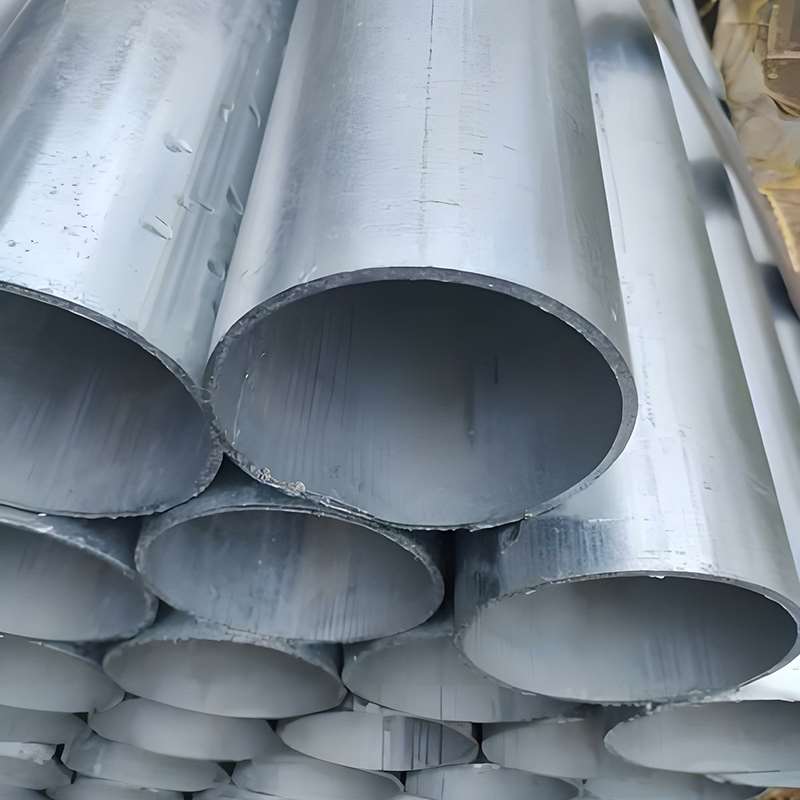
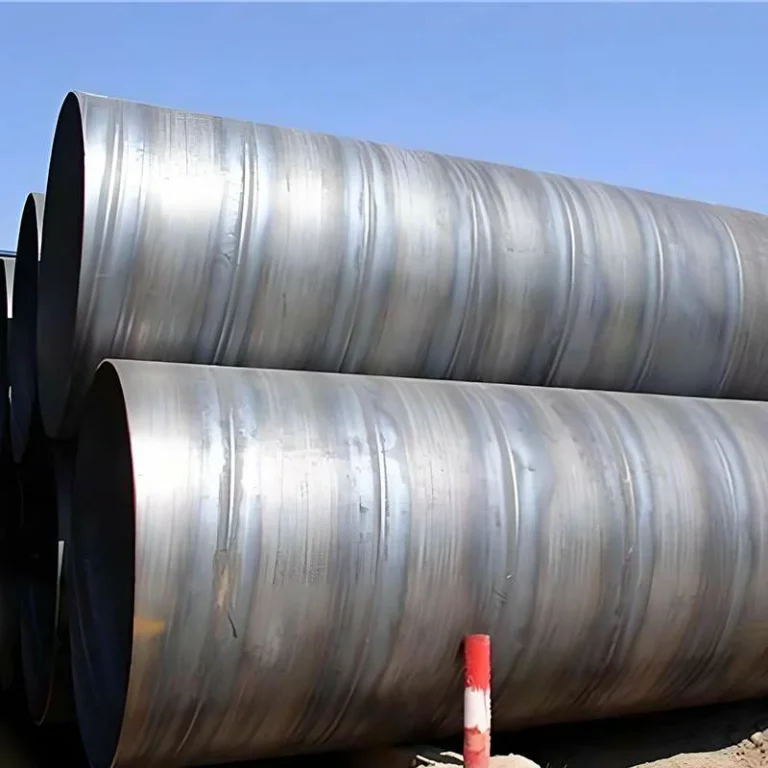
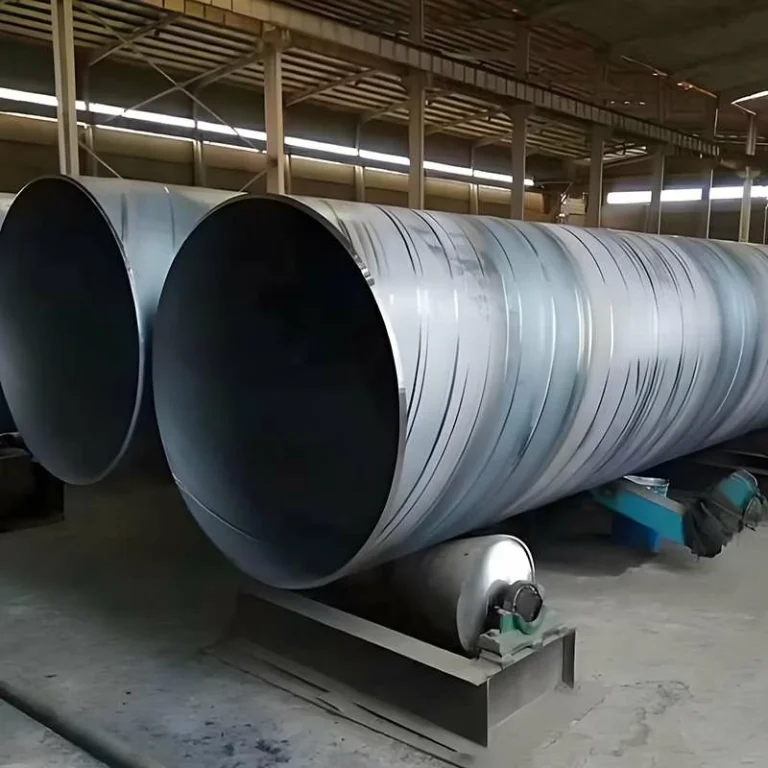
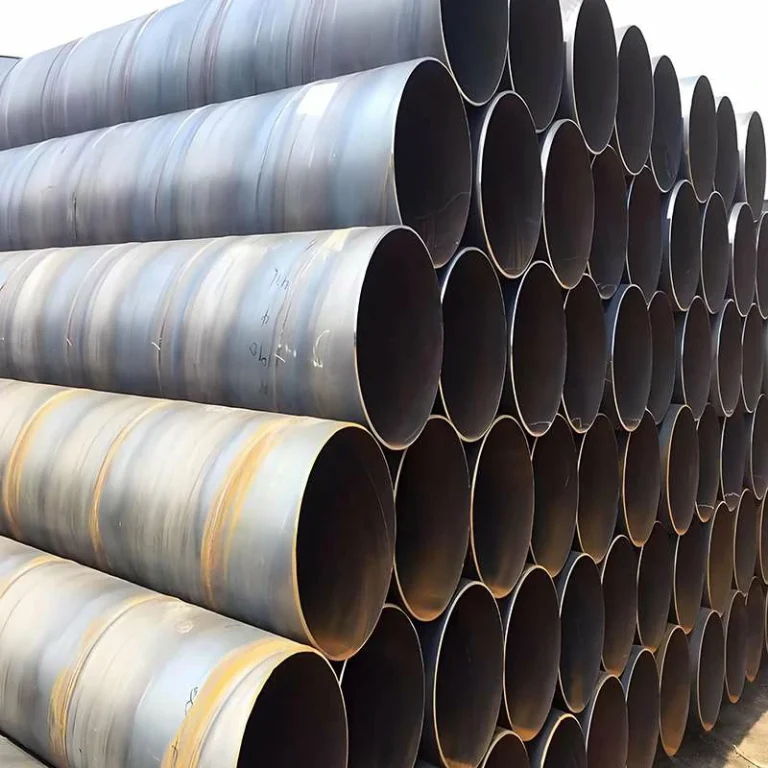
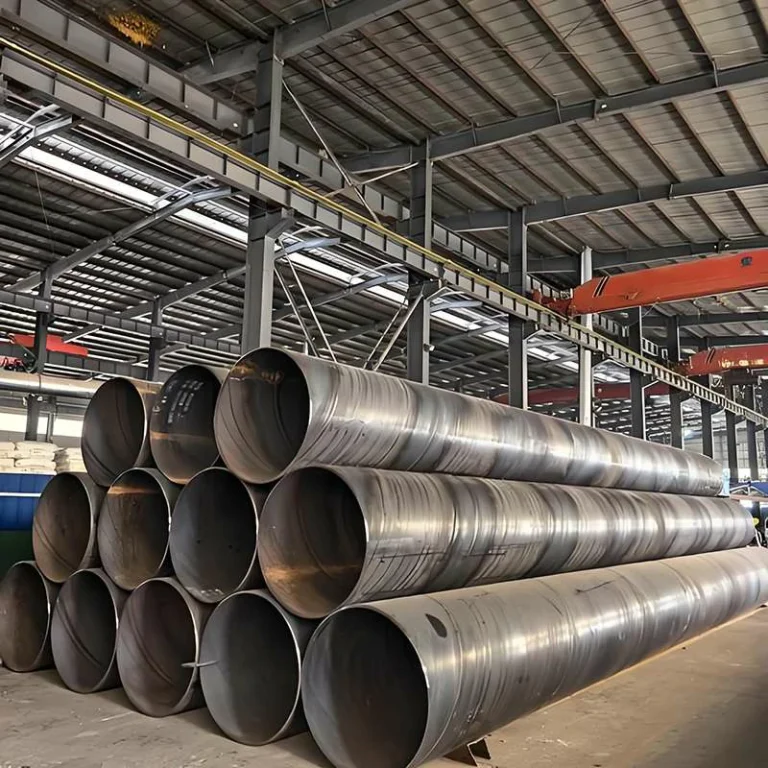
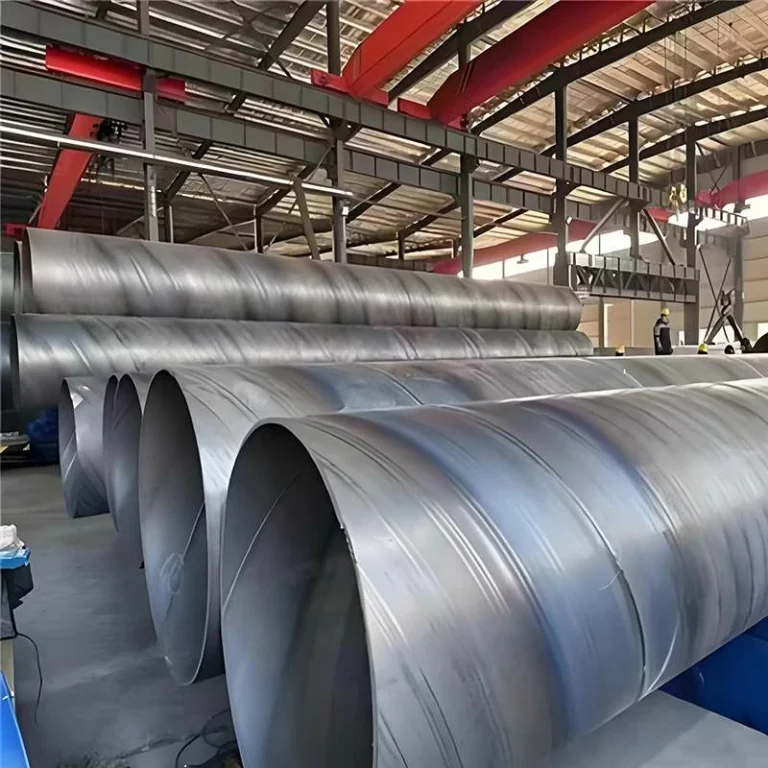
Bundled together, secured with steel straps, and packaged in export standard packaging, on wooden pallets or rainproof packaging.
Product Description
I. Introduction to Hot-Dip Galvanized Welded Carbon Steel Pipes
Hot-dip galvanized welded carbon steel pipes utilize high-quality welded carbon steel pipes as the base material. Through the hot-dip galvanizing process, both the inner and outer surfaces undergo comprehensive anti-corrosion treatment, forming a uniform, dense, and highly adherent zinc coating. This significantly enhances corrosion resistance and extends service life. While retaining the high dimensional accuracy, stable forming properties, and significant cost advantages of welded steel pipes, this product offers outstanding rust resistance, moisture resistance, and weathering capabilities. It is suitable for diverse outdoor and complex operational environments.
II. Comparison Table of Hot-Dip Galvanized Welded Carbon Steel Pipes and Cold-Dip Galvanized Steel Pipes
Comparison Item
Hot-Dip Galvanized Welded Carbon Steel Pipe
Electro-Galvanized (Cold-Galvanized) Steel Pipe
Galvanizing Process
Entire pipe immersed in molten zinc
Electrochemical deposition
Treatment Temperature
~450 ℃
Room temperature
Zinc Layer Structure
Iron-zinc alloy layer + pure zinc layer
Single zinc layer
Zinc Layer Thickness
40–85 μm (customizable)
5–15 μm
Zinc Layer Adhesion
Very strong, not easy to peel off
Relatively weak
Weld Corrosion Protection
Weld and base material galvanized simultaneously
Weld prone to corrosion
Corrosion Resistance
Strong
Relatively weak
Outdoor Use
Suitable for long-term use
Not recommended
Service Life
20–30 years
3–8 years
Surface Appearance
Silver-gray, slightly rough
Silver-white, relatively shiny
Initial Purchase Cost
Medium
Low
Overall Cost-Performance
High
Relatively low
Typical Applications
Municipal, fire protection, construction, agriculture
Indoor, temporary, decorative uses
III. Standards for Hot-Dip Galvanized Welded Carbon Steel Pipes
Standard
Description
Applicable Scope
ASTM A53
Standard Specification: Steel Pipe and Pipe Fittings
Suitable for pressure pipelines and general-purpose welded and seamless carbon steel pipes, widely used for water, gas, steam, etc.
ASTM A500
Standard Specification: Structural Steel Pipe
Suitable for welded steel pipes, commonly used in building structures and industrial carbon steel piping applications.
EN 10255
Non-alloy steel welded pipe for pressure applications
European standard, suitable for hot-dip galvanized welded steel pipes in ordinary building structures and municipal engineering.
ISO 65
Standard Specification: Steel Pipes for Fluid Transport
International standard, commonly used in fluid transport systems such as water, air, and oil pipelines.
BS 1387
British Standard: Welded Carbon Steel Pipe for Piping
Suitable for welded carbon steel pipes for water, gas, and other fluid transport, widely used in the UK and Europe.
JIS G3452
Japanese Industrial Standard: General Structural Steel Pipe
Japanese standard, suitable for hot-dip galvanized welded pipes for structural and fluid transport applications.
GB/T 3091
Chinese National Standard: Welded Steel Pipe
Suitable for water, gas, and general industrial carbon steel welded pipes; one of the commonly used domestic standards.
Common Application Areas Municipal Water Supply and Drainage (ASTM A53, EN 10255) Building Structures (ASTM A500, GB/T 3091) Fire Protection Systems (ASTM A53, EN 10255) Agricultural Irrigation (ISO 65, BS 1387)
Standard Selection Recommendations Domestic Projects: Prioritize GB/T 3091 or ASTM A53. International Markets: Commonly use ASTM A53, EN 10255, and ISO 65 to meet international project requirements. High-Standard Projects: For special anti-corrosion requirements, select ASTM A53 or EN 10255 with customized thicker zinc coatings.
IV. Chemical Composition and Mechanical Properties of Hot-Dip Galvanized Welded Carbon Steel Pipes
i. Chemical Composition Table
Standard
Carbon (C), max
Manganese (Mn)
Phosphorus (P), max
Sulfur (S), max
ASTM A53
≤ 0.26%
0.60% – 0.90%
≤ 0.035%
≤ 0.035%
ASTM A500
≤ 0.26%
0.60% – 0.90%
≤ 0.035%
≤ 0.035%
EN 10255
≤ 0.25%
0.30% – 0.90%
≤ 0.035%
≤ 0.035%
ISO 65
≤ 0.30%
0.60% – 0.90%
≤ 0.030%
≤ 0.030%
BS 1387
≤ 0.26%
0.60% – 0.90%
≤ 0.035%
≤ 0.035%
JIS G3452
≤ 0.30%
0.30% – 1.00%
≤ 0.035%
≤ 0.035%
ii. Mechanical Properties Table
Standard
Tensile Strength (MPa), min
Yield Strength (MPa), min
Elongation (%), min
ASTM A53
≥ 415
≥ 240
≥ 20
ASTM A500
≥ 400
≥ 250
≥ 20
EN 10255
≥ 360
≥ 235
≥ 23
ISO 65
≥ 410
≥ 240
≥ 25
BS 1387
≥ 410
≥ 240
≥ 20
JIS G3452
≥ 400
≥ 235
≥ 20
V. Zinc Coating Thickness and Corrosion Resistance of Hot-Dip Galvanized Welded Carbon Steel Pipes
i. Zinc Coating Thickness and Corrosion Resistance
Zinc Coating Thickness
Corrosion Resistance
Suitable Environment
Typical Applications
40 μm – 50 μm
General corrosion resistance, suitable for most environments
Lightly humid environments and urban construction areas
Municipal pipelines, building facades, ordinary water supply pipes, etc.
50 μm – 70 μm
Medium corrosion resistance, improved anti-corrosion
Moderate corrosion environments, such as coastal areas and outdoor exposure
Roads, bridges, municipal water supply pipelines, outdoor structures, etc.
70 μm – 85 μm
Strong corrosion resistance, relatively durable
Humid and highly corrosive environments, such as industrial zones and coastal areas
Agricultural irrigation, steel structure buildings, outdoor facilities, large public pipelines, etc.
≥ 85 μm
Extremely strong corrosion resistance, high anti-corrosion performance
Extreme corrosive environments, such as coastal, chemical, and marine settings
Oil & chemical plants, offshore platforms, coastal protection, highly corrosive environments, etc.
ii. Relationship Between Zinc Layer Thickness and Corrosion Resistance
Thin Zinc Layer (40–50 μm): Corrosion Resistance: Suitable for general non-extreme corrosion environments, providing basic anti-corrosion protection. Applicable Environments: Such as ordinary municipal construction, indoor piping, etc. Not suitable for long-term exposure to high-humidity or high-salinity environments.
Medium Zinc Coating (50–70 μm): Corrosion Resistance: Suitable for coastal and relatively humid environments, offering extended service life. Applicable Environments: Building structures, standard municipal water supply/drainage pipelines, outdoor equipment, etc.
Thick Zinc Coating (70–85 μm): Corrosion Resistance: Provides exceptionally strong corrosion protection, suitable for harsh environments. Suitable Environments: High-humidity, coastal, chemically contaminated, or heavy salt-fog areas. Suitable for long-term use.
Extra-thick zinc coating (85 μm and above): Corrosion Resistance: Exceptional corrosion resistance, maintaining durability for extended periods in extreme corrosive environments. Suitable Environments: Marine engineering, chemical plants, mines, ports, oil and gas industries, and other extreme environments.
VI. Selection Recommendations for Hot-Dip Galvanized Welded Carbon Steel Pipes
Determine the operating environment Mild corrosion: Select a 40-50 μm zinc coating, suitable for general municipal and construction projects. Moderate corrosion: Select a 50-70 μm zinc coating, suitable for coastal and humid environments. Severe corrosion: Select a zinc coating exceeding 70 μm, suitable for chemical plants, ports, offshore platforms, and similar environments.
Select wall thickness based on pressure and load requirements Low to Medium Pressure: Wall thickness 1.5–4.0 mm. High-Pressure Systems: Wall thickness ≥4.0 mm.
Select Pipe Dimensions Outer Diameter: Common sizes DN15–DN600. Choose based on flow requirements and installation space. Wall Thickness: Select thickness meeting pressure and strength requirements.
Select End Finishes Welded or Flanged Connections: Choose plain ends or chamfered ends. Quick Connect: Choose threaded or capped ends.
Confirm Standards Select based on regional or project standards, e.g., ASTM A53, EN 10255.
Length and Customization Standard lengths are 6m or 12m, custom lengths available upon request.
Consider Transportation and Packaging Ensure pipes are adequately protected during transport to prevent damage to the zinc coating.
VII. Inspection Standard Table for Hot-Dip Galvanized Welded Carbon Steel Pipes
Inspection Item
Test Method / Standard Requirements
Applicable Standards
Remarks
Chemical Composition
Spectroscopy or chemical analysis to measure elements such as C, Mn, P, S
ASTM A53, ASTM A500, EN 10255, ISO 65, etc.
Ensure alloy composition of the pipe meets specified requirements
Mechanical Properties
Tensile test: measure tensile strength, yield strength, and elongation
ASTM A53, ASTM A500, EN 10255, ISO 65, etc.
Tested using a universal testing machine
Dimensional Tolerance
Measurement of outside diameter, wall thickness, and length
ASTM A53, EN 10255, ISO 65, JIS G3452, etc.
Measured using calipers or laser distance meter
Zinc Coating Thickness
Measured by magnetic method or weight method
ASTM A123, EN 10255, etc.
Zinc layer thickness should be 40–85 μm to suit different environments
Surface Quality
Visual inspection and hardness test to check zinc adhesion and surface defects
ASTM A53, EN 10255, ISO 65, etc.
Check for scratches, cracks, and other surface defects
Hydrostatic Test
Test for leakage or deformation under specified pressure
ASTM A53, EN 10255, etc.
Ensure the pipe withstands working pressure without leakage
Bending Test
Bend pipe to a specified angle and check bending performance