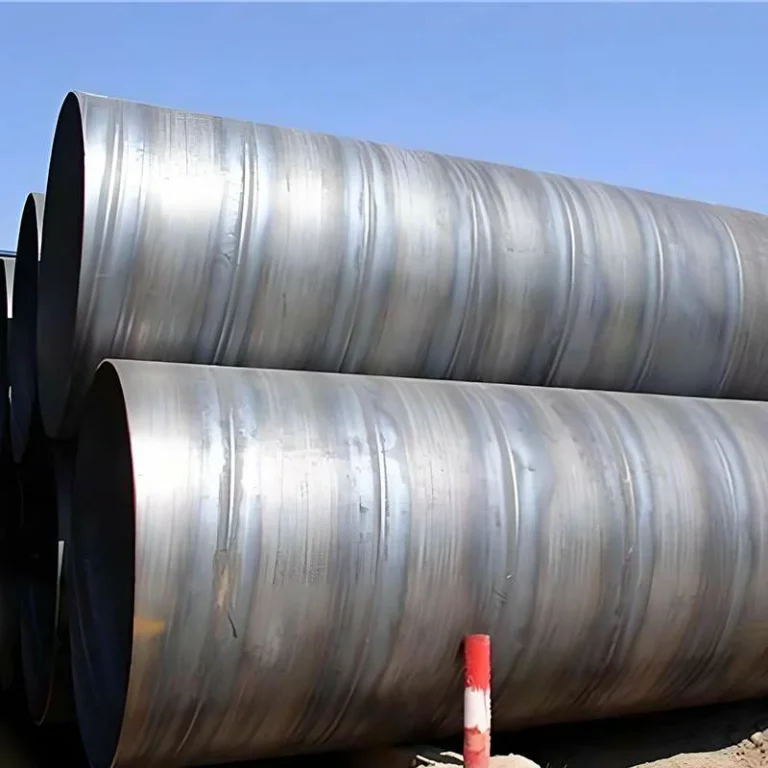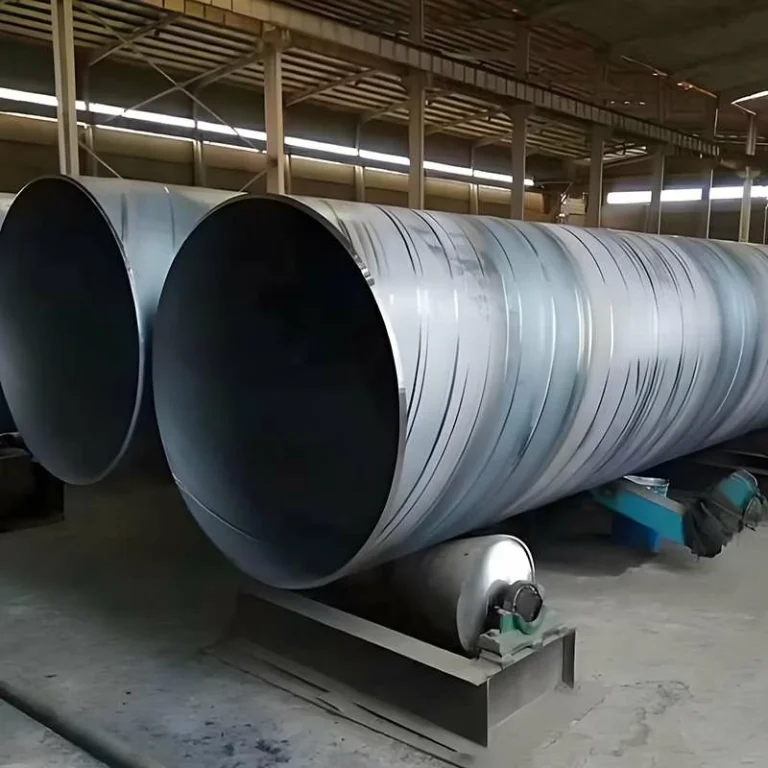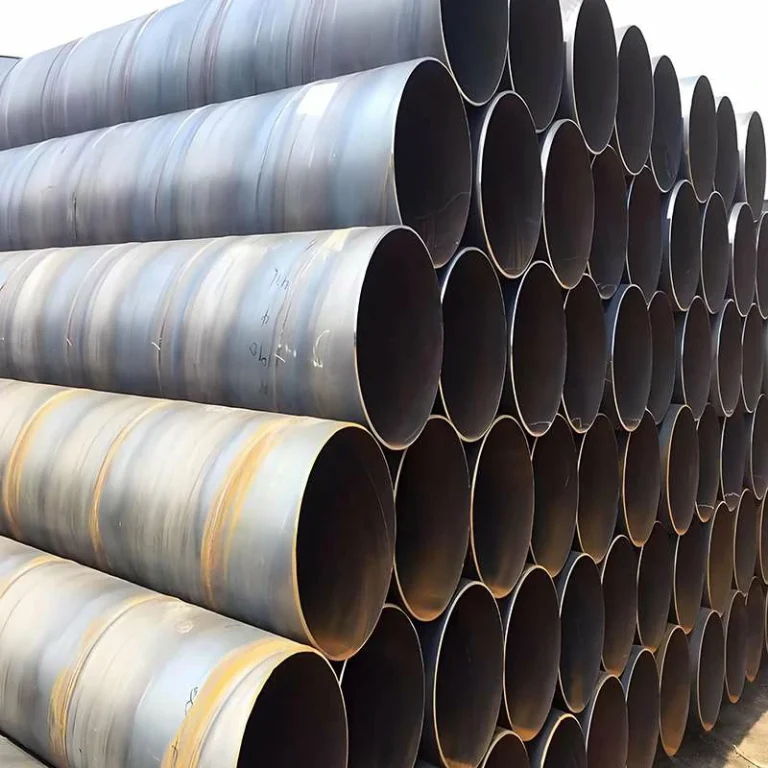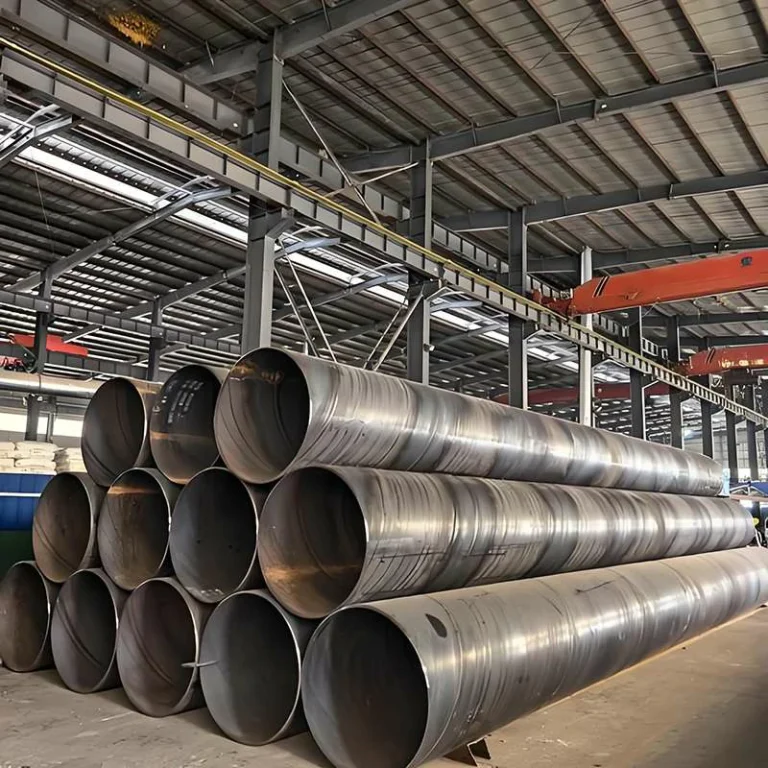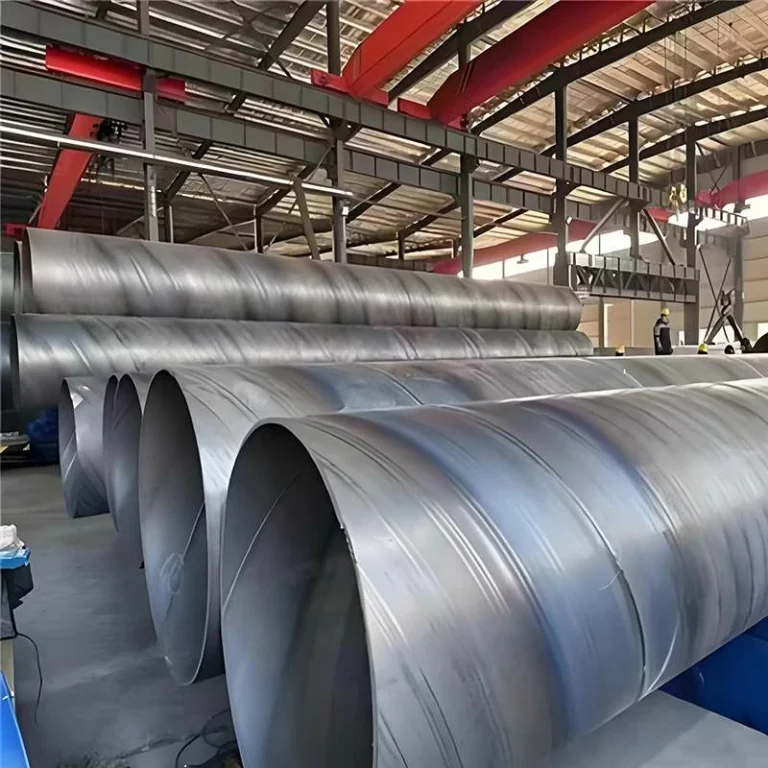
I. Overview of HFW Carbon Steel Pipes
i. Product Definition
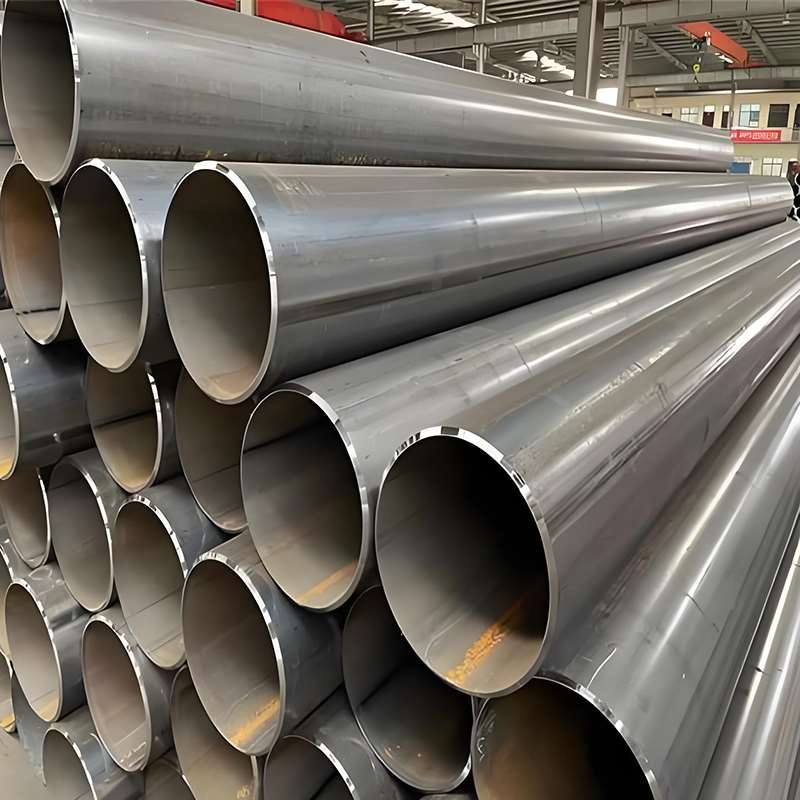
- HFW carbon steel pipe is a welded steel pipe produced using high-frequency resistance welding technology.
- It belongs to high-pressure welded carbon steel pipes and can meet the needs of high-pressure fluid transportation in industrial and engineering applications.
ii. Product Features
- HFW carbon steel pipes have stable weld quality.
- High dimensional accuracy and uniform wall thickness.
- Good surface finish.
- High production efficiency and controllable manufacturing costs.
- Suitable for large-scale and continuous production.
iii. Application Areas
- Suitable for oil and gas transportation.
- Suitable for water and steam pipeline systems.
- Suitable for municipal engineering and building steel structures.
- Suitable for mechanical manufacturing and general structural purposes.
II. HFW Carbon Steel Pipe Standards and Materials
| Parameter Category | Details | Description / Application Suggestions |
|---|---|---|
| Standards | ASTM A53 / A500 | Internationally recognized standards, suitable for general structural and pipeline applications |
| API 5L Gr.B / X42 / X52 | Used for oil & gas pipeline transportation, suitable for medium and high-pressure fluids | |
| EN 10219 S235 / S275 / S355 | European standard, commonly used in construction structures and machinery manufacturing | |
| GB/T 3091 Q195 / Q235 / Q355 | Chinese standard, suitable for general industrial pipelines and building structures | |
| Material / Grade | Carbon Steel Q195 / Q235 / Q355 | Common materials, moderate strength, good weldability |
| ASTM A53 Gr.A / Gr.B | Used in industrial pipelines and low-pressure fluid transport, good weldability | |
| ASTM A500 Gr.B / Gr.C | Commonly used for square or rectangular tubes, higher pressure-bearing capacity | |
| API 5L Gr.B | Suitable for oil & gas pipelines, good pressure resistance for high-pressure lines | |
| EN 10219 S235 / S355 | Steel structure engineering and construction pipelines, balancing strength and toughness |
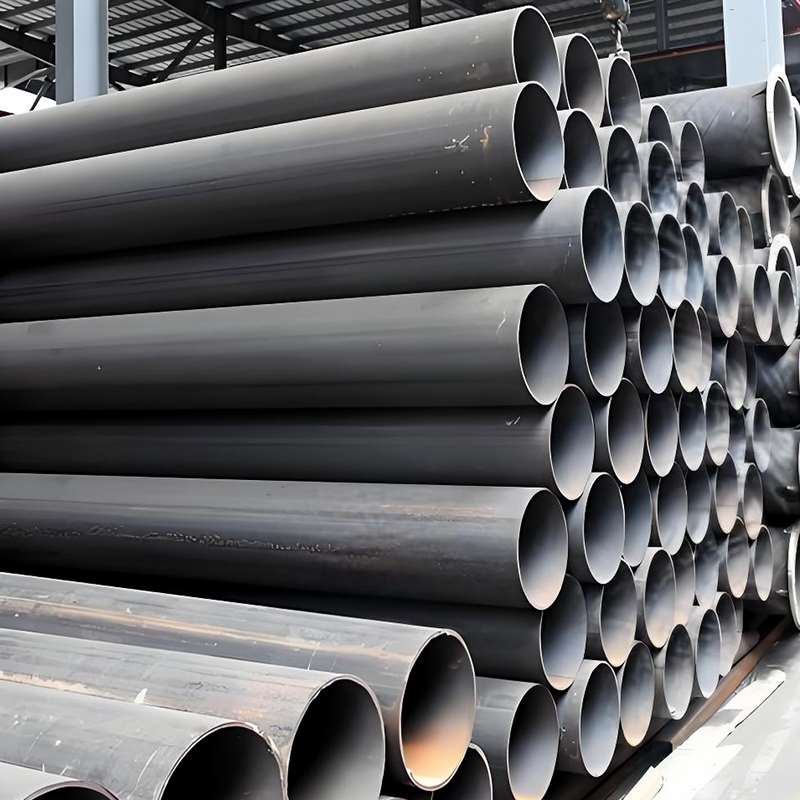
III. HFW Carbon Steel Pipe Applications and Surface Coatings
i. High-Pressure Pipeline Applications
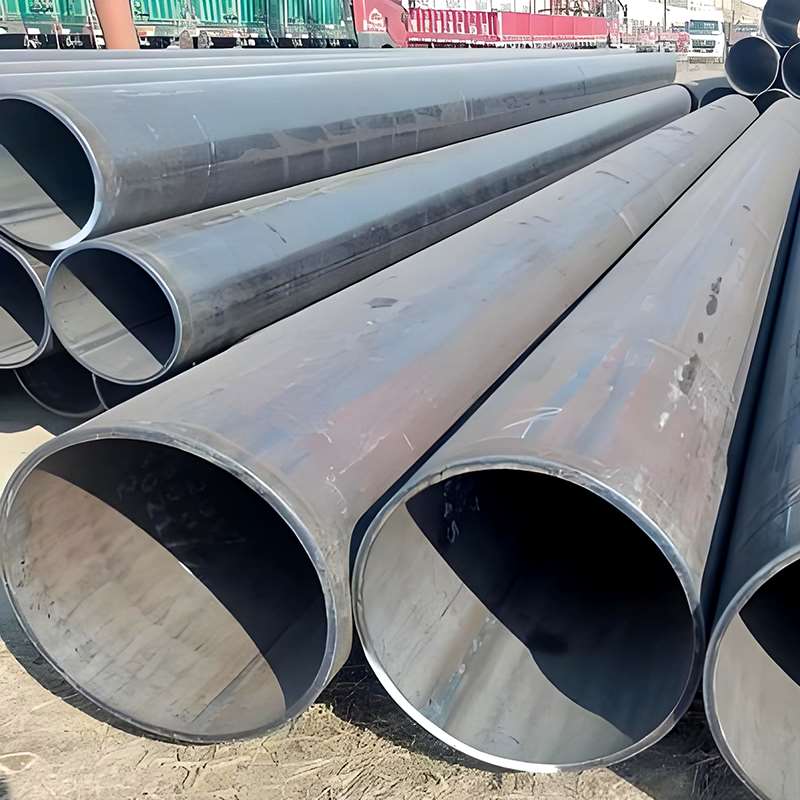
- HFW carbon steel pipes are suitable for oil and natural gas pipelines.
- The pipes are typically treated with pickling or sandblasting.
- The outer surface is coated with FBE or 2PE/3PE anticorrosion coatings.
- These pipes are high-pressure welded carbon steel pipes.
- They can withstand high-pressure fluid transportation.
- The coating provides corrosion protection and mechanical protection.
ii. Water Supply Systems
- In municipal engineering and water supply pipelines, welded carbon steel pipes for water supply are a common choice.
- The pipe surface can be black pipe or pickled.
- Coated with rust-proof oil or food-grade epoxy coating.
- This prevents internal corrosion and ensures water quality safety.
iii. Building Structures
- In building steel structures and general structural applications, welded carbon steel pipes for construction are widely used.
- The surface is usually sandblasted or pickled.
- Then coated with primer and epoxy anticorrosion paint.
- This improves weather resistance and service life indoors and outdoors.
iv. Machinery and Low-Corrosion Environments
- In machinery manufacturing and low-corrosion environments, varnish or rust-proof oil can be used.
- This protects the surface while reducing costs.
- Surface treatment and coating options can be flexibly selected according to the operating environment.
IV. HFW Carbon Steel Pipe Specifications and Dimensions Table
| Nominal Diameter NPS / DN | Outer Diameter OD (mm) | Wall Thickness WT (mm) | Standard Length (m) | Pipe End Type |
|---|---|---|---|---|
| 1/2″ / DN15 | 21.3 | 2.11, 2.77, 3.73 | 6 / 12 | Plain End, Beveled End |
| 3/4″ / DN20 | 26.7 | 2.11, 2.87, 3.91 | 6 / 12 | Plain End, Beveled End |
| 1″ / DN25 | 33.4 | 2.87, 3.91, 4.55 | 6 / 12 | Plain End, Beveled End |
| 2″ / DN50 | 60.3 | 3.91, 4.85, 5.54 | 6 / 12 | Plain End, Beveled End |
| 3″ / DN80 | 88.9 | 4.85, 5.54, 6.02 | 6 / 12 | Plain End, Beveled End |
| 4″ / DN100 | 114.3 | 5.54, 6.02, 7.11 | 6 / 12 | Plain End, Beveled End |
| 6″ / DN150 | 168.3 | 6.02, 7.11, 8.18 | 6 / 12 | Plain End, Beveled End |
| 8″ / DN200 | 219.1 | 7.11, 8.18, 9.27 | 6 / 12 | Plain End, Beveled End |
| 10″ / DN250 | 273.0 | 8.18, 9.27, 10.31 | 6 / 12 | Plain End, Beveled End |
| 12″ / DN300 | 323.9 | 9.27, 10.31, 11.13 | 6 / 12 | Plain End, Beveled End |
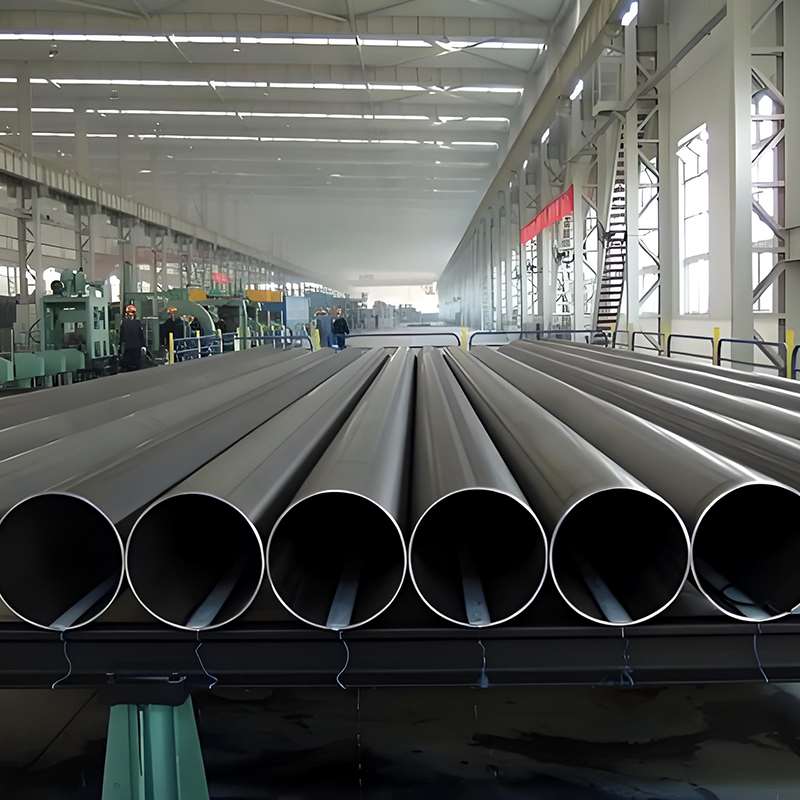
V. HFW Carbon Steel Pipe Application Conditions and Selection Guide
i. Low Pressure and Normal Temperature Conditions
- HFW carbon steel pipes are suitable for municipal water supply, general industrial water, and low-pressure steam pipelines.
- Small diameter pipes (DN15–DN100 / 1/2″–4″) are most commonly used.
- Wall thickness can be thin-walled pipes (2–5 mm).
- The surface can be black pipe or pickled.
- For indoor low-corrosion environments, anti-rust oil can be applied.
- For small-diameter low-pressure pipelines, ERW carbon steel pipes can also be used, which are lower in cost and have higher welding efficiency.
ii. Medium Pressure Conditions
- Suitable for medium-pressure steam, natural gas distribution pipelines, and industrial fluid transportation.
- Recommended pipe diameter is medium diameter (DN50–DN150 / 2″–6″).
- Medium wall thickness (4–8 mm) is recommended to ensure pressure bearing capacity.
- The surface can be pickled and then coated with FBE epoxy or hot-dip galvanized.
iii. High Pressure Conditions
- Suitable for oil and gas pipelines, high-pressure hydraulic pipes, and steam main lines.
- Medium to large diameters (DN80–DN300 / 3″–12″) are recommended.
- Thick-walled pipes (6–12 mm) are recommended to ensure safety and reliability.
- Surface coatings can be FBE or 2PE/3PE, suitable for underground or offshore environments.
- Under high-pressure conditions, HFW carbon steel pipes have dense welds and excellent pressure bearing performance.
- For higher temperature or pressure conditions, ASTM A106 Grade B seamless carbon steel pipes can also be selected, which have stronger temperature and pressure resistance.
iv. Outdoor or Corrosive Environments
- For coastal pipelines, chemical plants, or open-air pipelines, medium or large diameters should be selected.
- Medium wall thickness (5–10 mm) is safer.
- Surface treatment can be sandblasting + primer + epoxy coating, or hot-dip galvanizing / 2PE / 3PE anti-corrosion coating.
v. Construction and Structural Uses
- Used for building steel structures, mechanical supports, or scaffolding pipes. Small to medium diameters (DN15–DN150 / 1/2″–6″) are most commonly used.
- Wall thickness can be thin to medium (2–6 mm).
- The surface should be sandblasted or acid-washed and then coated with anti-corrosion paint.
- Suitable for welded carbon steel pipes used in construction, for both indoor and outdoor applications.
vi. General Selection Recommendations
- Diameter: Select based on flow rate, pressure, and medium.
- Wall Thickness: Choose thick-walled pipes for high pressure or harsh operating conditions.
- Surface Corrosion Protection: For highly corrosive environments, outdoor or buried applications, choose FBE/2PE/3PE coatings; for low-corrosion environments, black pipes or rust-inhibiting oil can be used.
- Special Operating Conditions: For high-pressure liquid or gas pipelines, HFW carbon steel pipes or ASTM A106 Grade B seamless carbon steel pipes can be selected to ensure safety and reliability.
VI. HFW Carbon Steel Pipe Quality Inspection Standards
| Inspection Item | Inspection Method | Purpose / Description |
|---|---|---|
| Appearance Check | Visual or Magnifying Glass | Check the pipe surface for cracks, scratches, rust, and porosity to ensure the integrity of the pipe. |
| Dimensions & Tolerances | Vernier caliper, thickness gauge, tape measure | Verify whether the outer diameter, wall thickness, and length meet the standards and design requirements. |
| Weld Quality | Ultrasonic Testing (UT) / Magnetic Particle Testing (MT) | Ensure HFW carbon steel pipe welds are dense, free of cracks, porosity, or incomplete fusion defects. |
| Chemical Composition | Spectroscopy Analysis | Confirm that the carbon steel material complies with ASTM, API, GB, and other standards to ensure mechanical performance. |
| Mechanical Properties | Tensile test, impact test, hardness test | Measure yield strength, tensile strength, elongation, and hardness to ensure pressure-bearing capacity. |
| Pressure Test | Hydrostatic or pneumatic test | Simulate working pressure to verify the pipe’s pressure resistance and ensure safety and reliability. |
| Surface Treatment Inspection | Coating thickness gauge, visual inspection | Check the completeness and thickness of anti-corrosion coating to ensure corrosion protection performance. |
Note:
All testing items are performed by a professional carbon steel pipe manufacturer before shipment, and a factory quality inspection report (MTR) is provided to ensure that every HFW carbon steel pipe is of reliable quality and can be directly used in engineering or pipeline installation.
VI. HFW Carbon Steel Pipe Frequently Asked Questions (FAQ)
Q1: What media are suitable for HFW carbon steel pipes?
A1: HFW carbon steel pipes can be used to transport water, steam, oil, natural gas, and general industrial liquids. For corrosive liquids, appropriate anti-corrosion coatings or special materials should be selected.
Q2: What are the common specifications of HFW carbon steel pipes?
A2: Common diameters range from DN15 (1/2″) to DN300 (12″), and wall thickness can range from 2 mm to 12 mm. The length is generally 6 meters or 12 meters, and can also be cut to size according to project requirements.
Q3: What surface treatment options are available for HFW carbon steel pipes?
A3: Basic treatments such as black pipe, pickling, and sandblasting are available, and anti-rust oil, epoxy coating (FBE), 2PE/3PE, or hot-dip galvanizing can be applied depending on the operating environment. Anti-corrosion coatings are recommended for outdoor or buried pipelines.
Q4: How is the weld quality of HFW carbon steel pipes ensured?
A4: The pipes use high-frequency resistance welding (HFW) technology, resulting in dense and uniform welds. Ultrasonic or magnetic particle testing is usually performed before shipment to ensure that the welds are free of cracks, incomplete penetration, or porosity defects.
Q5: Can HFW carbon steel pipes be used under high-pressure conditions?
A5: Yes. Thick-walled pipes should be selected for high-pressure conditions, along with appropriate anti-corrosion coatings. For higher temperature and pressure conditions, ASTM A106 Grade B seamless carbon steel pipes can be considered as an alternative.
Q6: How is the quality of HFW carbon steel pipes tested and guaranteed?
A6: Before shipment, the pipes are tested by a professional carbon steel pipe manufacturer for dimensions, wall thickness, welds, mechanical properties, chemical composition, and pressure testing. A material test report (MTR) is provided for each pipe to ensure compliance with standards.