I. Introduction
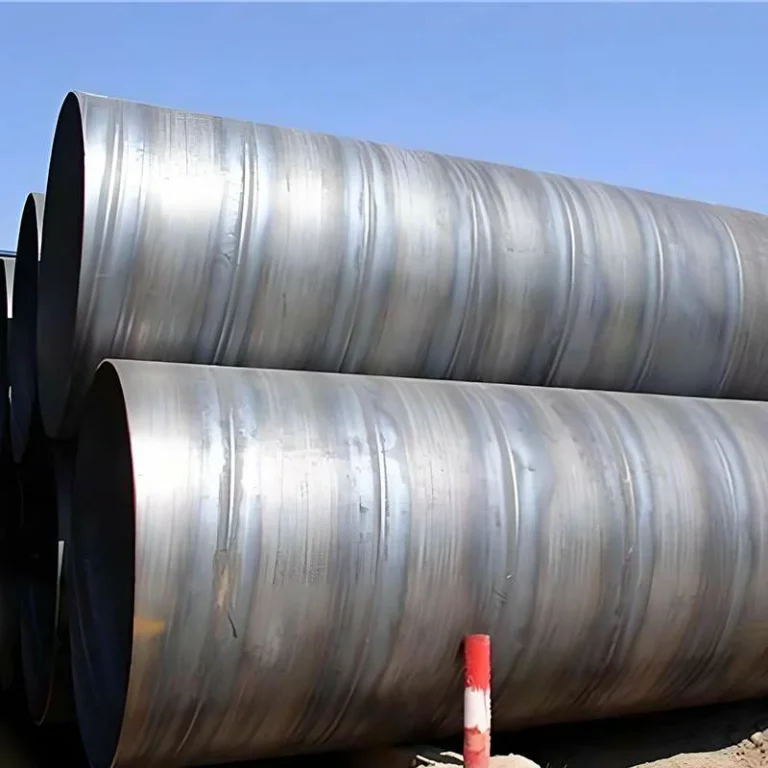
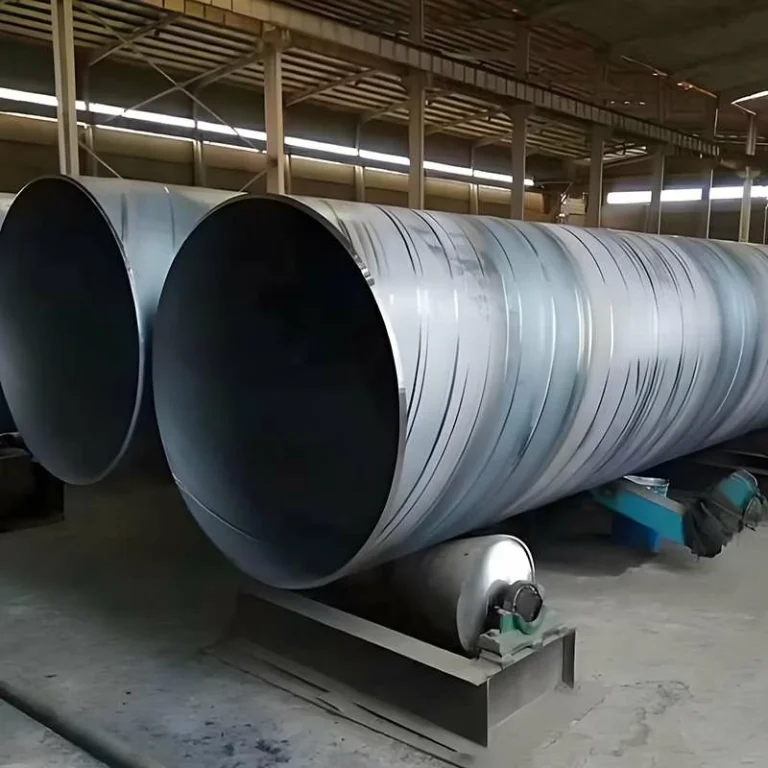
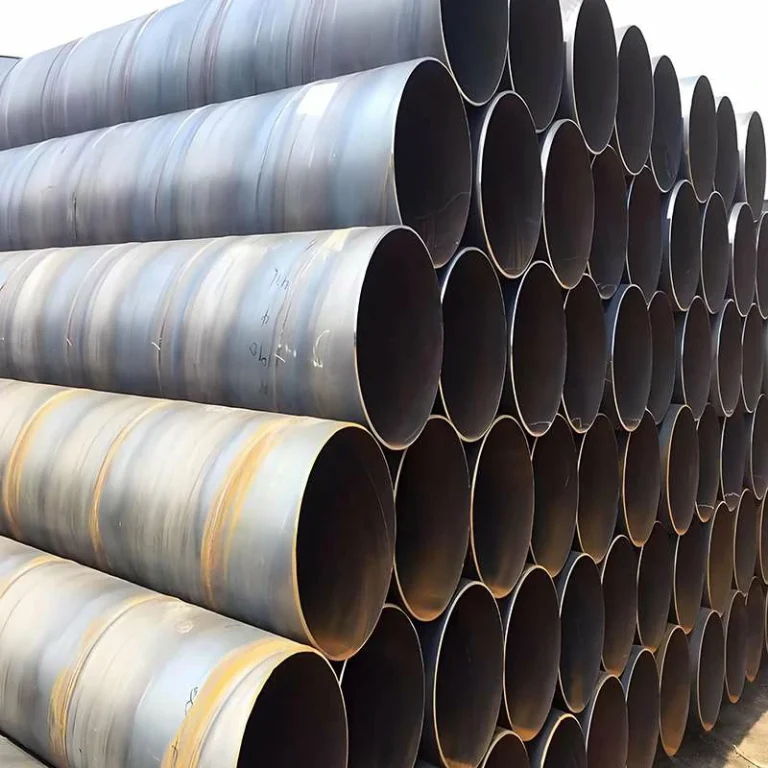
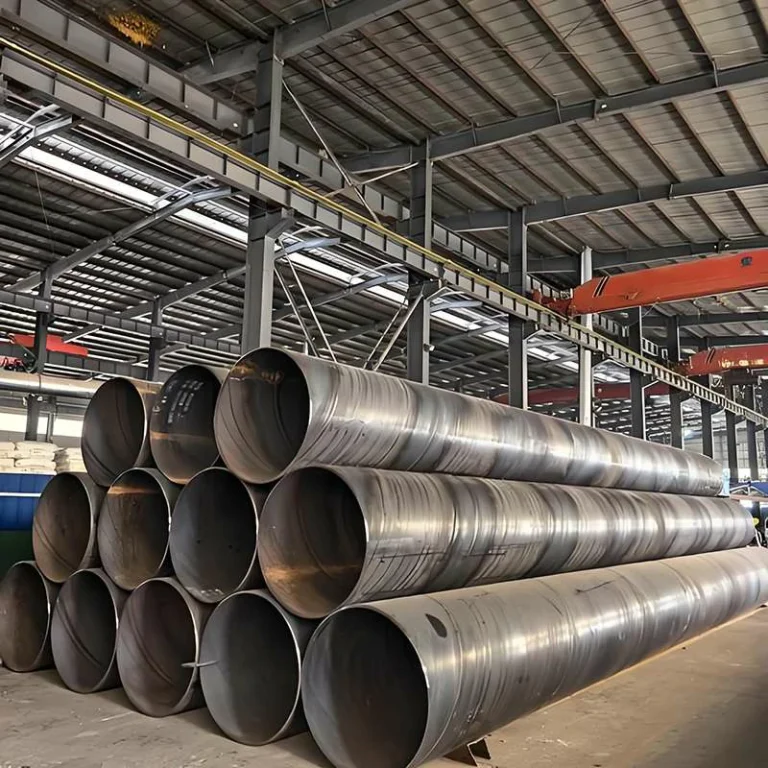
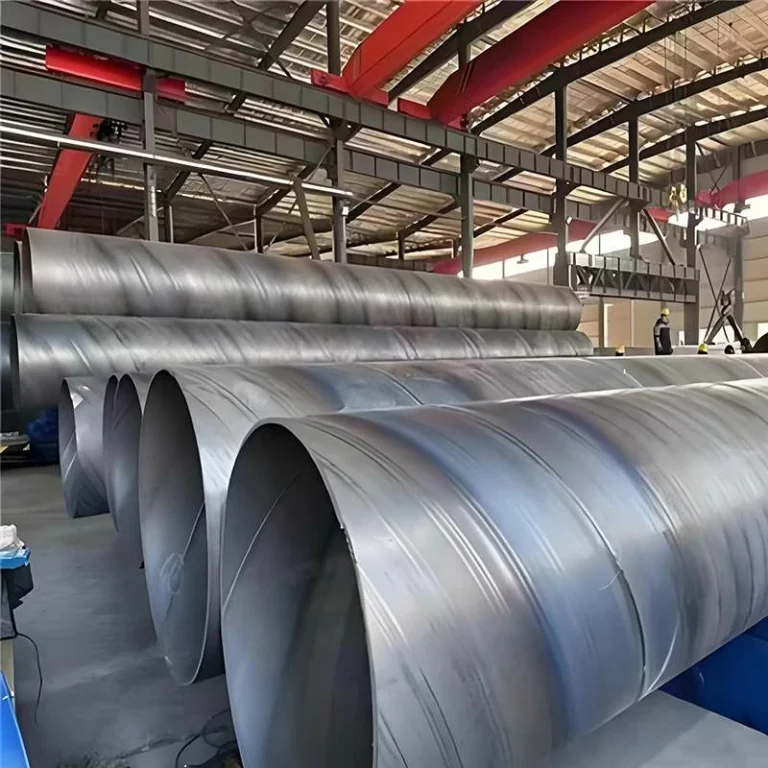
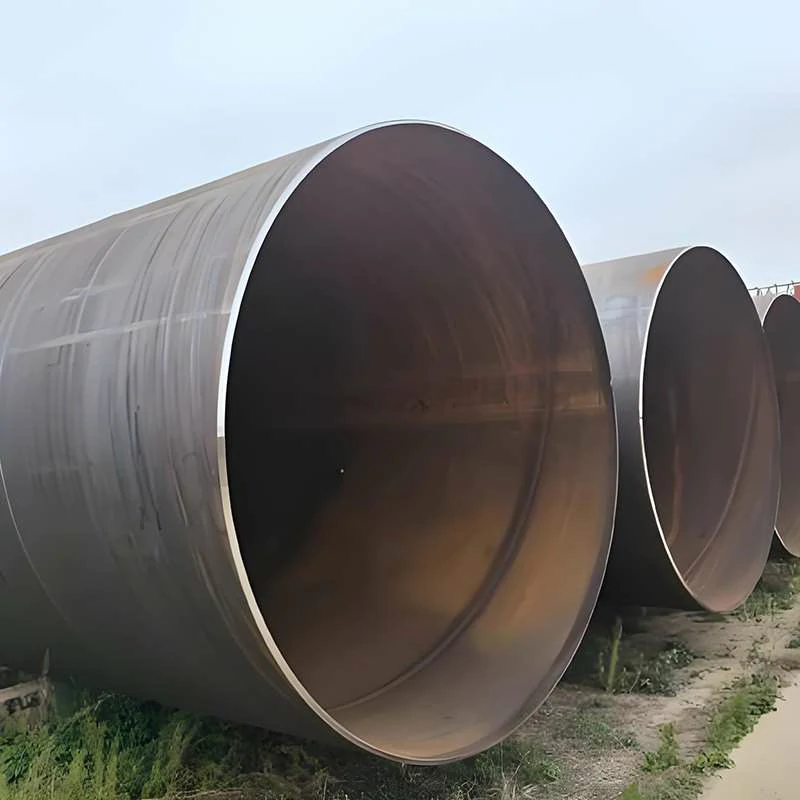
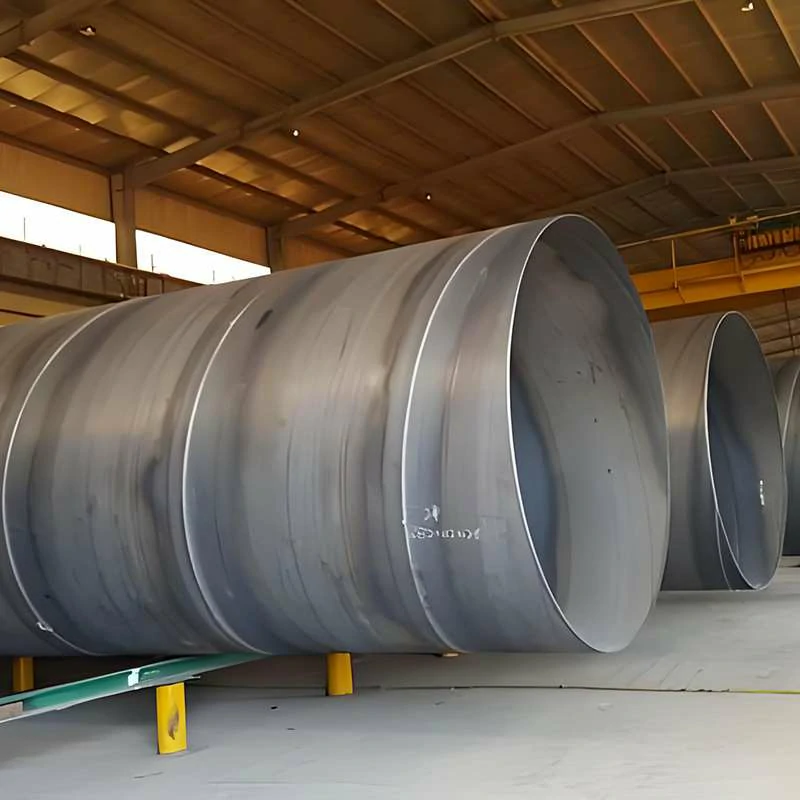
Large Diameter API 5L SSAW Pipe is widely used in long-distance oil and gas transmission projects, where pipe dimensions, material grade, weld quality, and pressure requirements must meet the project specifications.
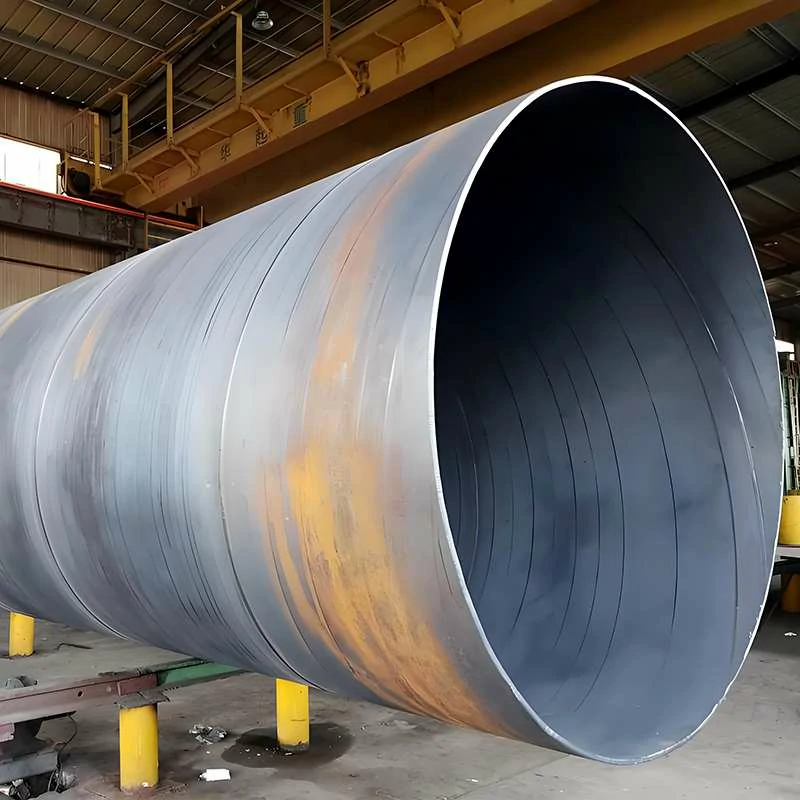
As a carbon steel pipe manufacturer, we produce spiral welded steel pipes from hot-rolled steel coils, with customizable outside diameters and wall thicknesses to suit different pipeline designs. When selecting pipes, buyers should confirm the required API 5L grade, pipe dimensions, specified length, testing requirements, and applicable project standards before placing an order.
For underground or subsea applications, external corrosion protection is also an important consideration. Coatings such as 3PE and FBE can help protect the pipe against corrosion, but the appropriate system should be selected according to the operating environment, design requirements, and project specifications.
II. API 5L SSAW Pipe Steel Grade Comparison Table
| Steel Grade | API 5L Level | Yield Strength (Min MPa) | Tensile Strength (MPa) | Applicable Pressure Level | Typical Applications |
|---|---|---|---|---|---|
| Gr.B | PSL1 / PSL2 | 245 MPa | 415 MPa | Low pressure | Municipal water supply, general water transmission projects |
| X42 | PSL1 / PSL2 | 290 MPa | 415 MPa | Low–medium pressure | Urban pipeline networks, general oil & gas branch lines |
| X46 | PSL2 | 315 MPa | 435 MPa | Medium pressure | Water transmission systems, industrial pipelines |
| X52 | PSL1 / PSL2 | 360 MPa | 460 MPa | Medium pressure | Oil & gas branch pipelines |
| X56 | PSL2 | 390 MPa | 490 MPa | Medium–high pressure | Medium- to long-distance oil & gas transportation |
| X60 | PSL2 | 415 MPa | 520 MPa | High pressure | Oil & gas trunk pipelines |
| X65 | PSL2 | 450 MPa | 535 MPa | High pressure | High-pressure oil and gas transmission projects |
| X70 | PSL2 | 485 MPa | 570 MPa | Ultra-high pressure | Long-distance energy transmission trunk lines |
| X80 | PSL2 (Special Projects) | 555 MPa | 625 MPa | Extremely high pressure | Specialized high-pressure oil & gas projects, extreme service conditions |
III. API 5L SSAW Pipe X42–X70 Pressure Selection Reference
| Steel Grade | Recommended Application | Common OD Range | Common WT Range | Recommended Max Design Pressure (MPa) | Description |
|---|---|---|---|---|---|
| X42 | Low-pressure water transmission systems | 219–813 mm | 6–10 mm | 2–5 MPa | Municipal water supply, general industrial pipelines |
| X46 | Low–medium pressure systems | 273–1016 mm | 6–12 mm | 3–6 MPa | Urban pipeline networks, water transmission |
| X52 | Medium-pressure oil & gas branch lines | 323–1219 mm | 8–14 mm | 4–8 MPa | Oil & gas branch pipeline systems |
| X56 | Medium–high pressure systems | 406–1422 mm | 8–16 mm | 6–10 MPa | Long-distance transportation |
| X60 | High-pressure oil & gas trunk pipelines | 508–1626 mm | 10–18 mm | 8–12 MPa | Main energy transmission networks |
| X65 | High-pressure long-distance pipelines | 610–1829 mm | 12–20 mm | 10–14 MPa | High-pressure oil and gas transmission |
| X70 | Ultra-high pressure energy trunk lines | 711–3500 mm | 14–25 mm | 12–16 MPa | National-level energy infrastructure projects |
Reference application pressure zones:
- Low pressure system (≤5 MPa) → X42 / X46
- Medium pressure system (5–8 MPa) → X52 / X56
- High pressure system (8–12 MPa) → X60 / X65
- Ultra-high pressure system (12–16 MPa) → X70
IV. Important Considerations in Oil and Gas Pipeline Projects
When using large-diameter API 5L SSAW steel pipes in oil and gas transportation projects, rigorous technical assessments and standard compliance verifications are essential to ensure the long-term safe and stable operation of the pipeline. The following are key considerations that must be addressed in the project:
1. Must meet PSL2 grade requirements
Most oil and gas transportation projects typically require the use of API 5L PSL2 steel grade, which has more stringent technical requirements than PSL1, including:
- Stricter chemical composition control
- Higher mechanical property requirements
- Impact toughness testing is mandatory
- A complete material traceability system (MTC)
PSL1 is generally only suitable for general industrial applications and not for critical oil and gas pipeline systems.
2. Steel selection must be combined with wall thickness design.
Steel grade alone cannot determine pressure capacity. Actual design pressure depends on several factors:
- Outer diameter (OD)
- Wall thickness (WT)
- Steel grade (X42–X70)
- Design factor
Common mistake: Selecting only a high steel grade (such as X70) while ignoring wall thickness design can easily lead to insufficient pressure resistance.
3. SSAW welds must be rigorously inspected.
The weld quality of spiral submerged arc welded steel pipes is a key control point in oil and gas projects and must be subject to:
- 100% ultrasonic testing (UT)
- Radiological testing (RT, a critical requirement)
- Hydrostatic test at the factory
Weld quality directly affects the safety of pipeline operation.
4. Corrosion Protection System is Key to Pipeline Lifespan
Oil and gas pipelines operate in complex environments and require a robust corrosion protection system:
- 3PE Anti-corrosion Coating: Preferred for buried oil and gas pipelines
- FBE Epoxy Coating: Suitable for high-temperature or complex geological environments
- Internal Anti-corrosion Coating (Epoxy Coating): Reduces transport resistance and improves efficiency
The absence of corrosion protection will significantly shorten pipeline lifespan.
5. Must comply with design standards and specifications
Different projects must follow relevant engineering specifications, such as:
- ASME B31.4 (Liquid Piping)
- ASME B31.8 (Natural Gas Piping)
- API 5L Product Standard
- DNV / ISO Marine Engineering Standards
Different standards will directly affect wall thickness, safety factor, and acceptance requirements.
6. Material Traceability Documentation (MTC) Must Be Complete
Each steel pipe must be accompanied by complete material certification documentation, including:
- Heat Number Traceability
- Chemical Composition Analysis
- Mechanical Property Testing
- Production Batch Records
Without a complete MTC, the oil and gas engineering project will fail acceptance.
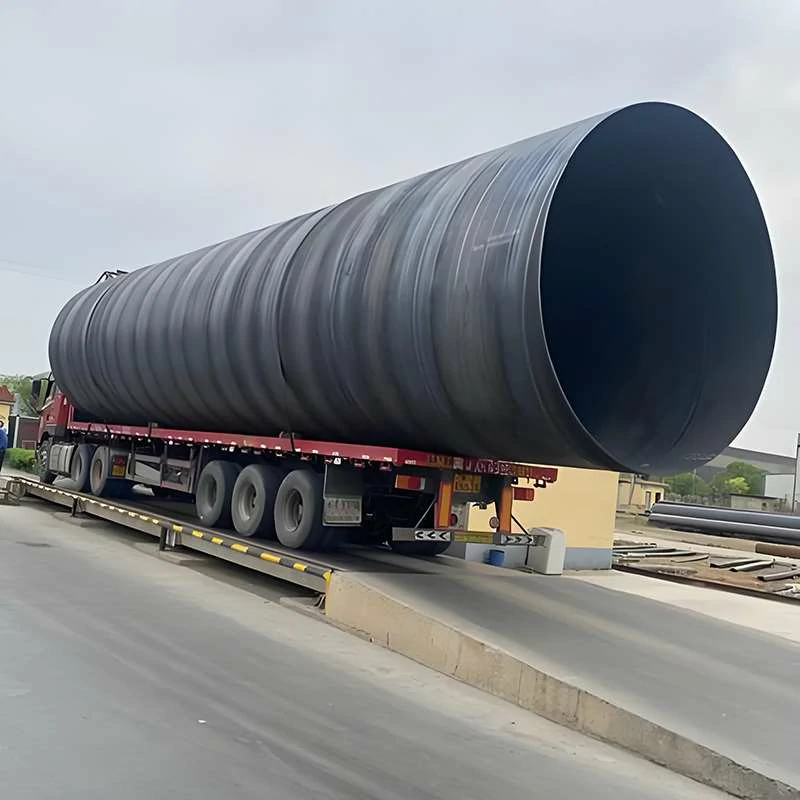
7. Transportation and Installation Requirements for Large-Diameter Steel Pipes
Due to the large diameter and weight of the pipes, the following precautions must be taken during transportation and construction:
- Bulk carriers or flat rack containers are recommended for transportation.
- Proper packaging to prevent deformation is essential.
- Lifting and stacking must be carried out according to strict standards.
- Prevent excessive ovality or coating damage.
V. API 5L SSAW Steel Pipe Selection FAQ
Q1: When selecting API 5L SSAW steel pipe, should the steel grade or wall thickness be prioritized?
In actual engineering selection, wall thickness (WT) has a more direct impact on pressure-bearing capacity than steel grade (Grade).
Many customers mistakenly believe that:
- X70 is always “safer” or can withstand higher pressure than X52.
However, the actual situation is:
- Pressure-bearing capacity is determined by steel grade + wall thickness + outer diameter + safety factor.
- In some cases, X52 + thick wall thickness can withstand higher pressure than X70 + thin wall thickness.
The correct method: First determine the design pressure, then work backward to determine the wall thickness and steel grade.
Q2: How to choose between PSL1 and PSL2? Is PSL2 mandatory for oil and gas projects?
- PSL1 = General industrial use (lower requirements)
- PSL2 = Oil and gas and critical engineering standards (higher requirements)
PSL2 has the following additional critical requirements compared to PSL1:
- Impact Test
- Stricter chemical composition control
- Higher non-destructive testing requirements
- Complete material traceability (MTC)
Conclusion:
- Main oil and gas pipelines: PSL2 is mandatory
- General water transmission projects: PSL1 can be used (depending on project requirements)
Q3: Is SSAW steel pipe suitable for high-pressure oil and gas pipelines? Is it unsafe?
SSAW steel pipe is one of the most commonly used large-diameter pipe types for oil and gas transportation worldwide.
Safety depends on:
- Whether it conforms to API 5L PSL2
- Whether the welds are 100% inspected (UT/RT)
- Whether the wall thickness is calculated according to design standards
Within a reasonable design range (especially for medium and high-pressure long-distance pipelines), SSAW is a mature and economical solution.
Unsafety is usually not caused by the process, but by improper selection or quality control.
Q4: Why are there such large price differences between different suppliers for the same X60 steel grade?
The main differences come from the following aspects:
- Whether the wall thickness truly meets the standard (negative tolerance issues)
- Whether it meets the PSL2 standard
- Whether it undergoes 100% UT/RT testing
- Whether it uses raw materials from reputable steel mills
- Whether it includes 3PE/FBE corrosion protection
- Whether it provides complete MTC documentation
Many low-priced products are actually:
- Non-standard wall thickness + PSL1 + simplified testing
Q5: How do you choose between 3PE and FBE coating for steel pipes?
- 3PE coating is commonly used for buried oil and gas pipelines, providing corrosion protection, moisture resistance, and good mechanical protection during installation.
- FBE coating offers strong adhesion and corrosion protection, making it suitable for buried pipelines, water transmission, and piling projects, depending on operating conditions.
- When selecting FBE Coated Steel Pipe, buyers should confirm coating thickness, adhesion requirements, holiday testing, and applicable standards.
Practical tip: Choose the coating according to soil conditions, operating temperature, installation method, and project specifications.
Q6: How to quickly determine if a supplier is professional and reliable?
You can judge based on the following 5 key points:
- Do they provide complete API 5L/ISO certificates?
- Do they provide MTC (Material Traceability Documentation)?
- Do they have large-scale oil and gas project case studies?
- Do they support third-party inspection (SGS/BV/TUV)?
- Do they provide technical selection support (not just a quote)?
Professional suppliers not only sell steel pipes, but also provide:
- Technical selection + Standard explanation + Project support