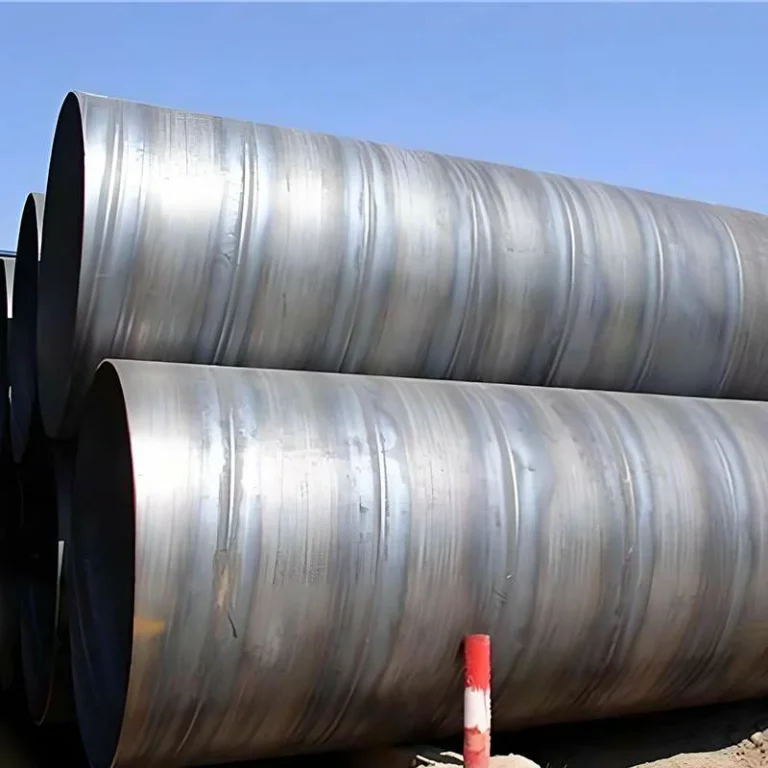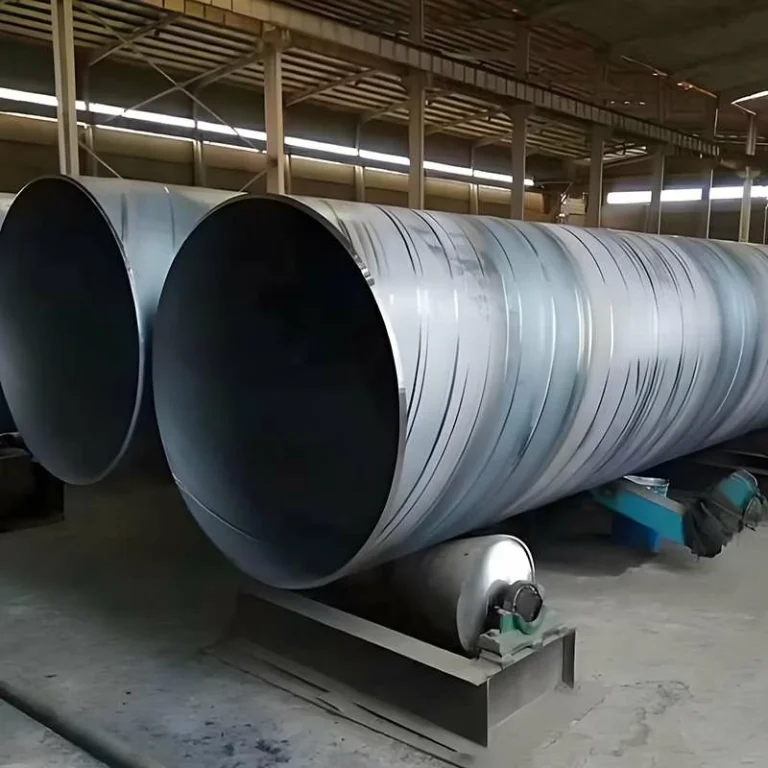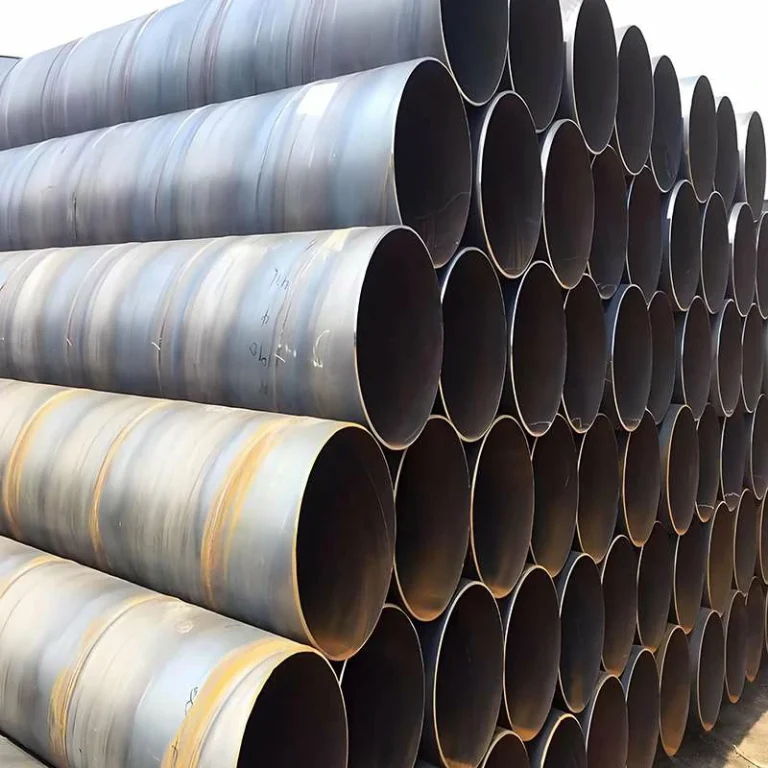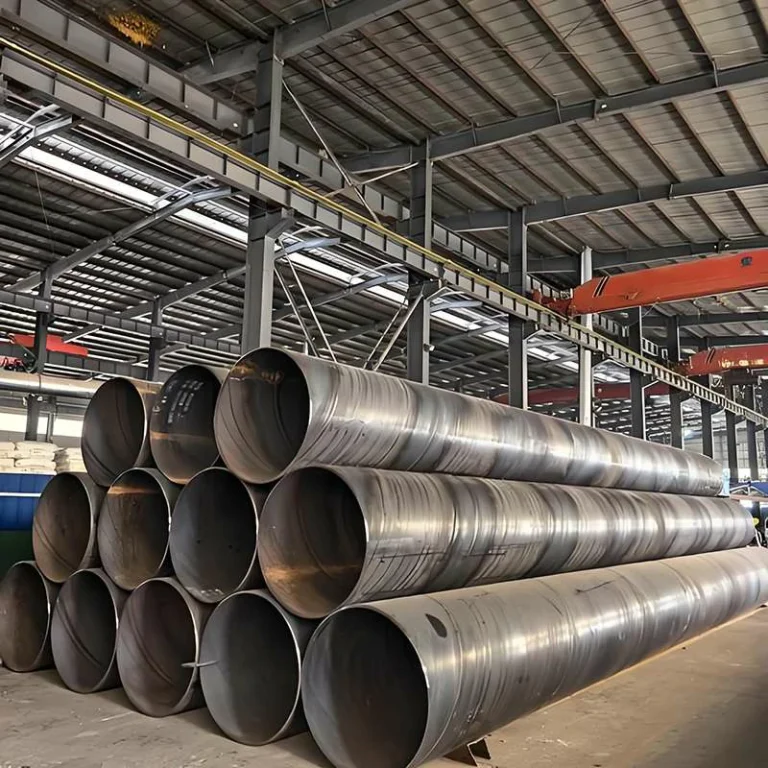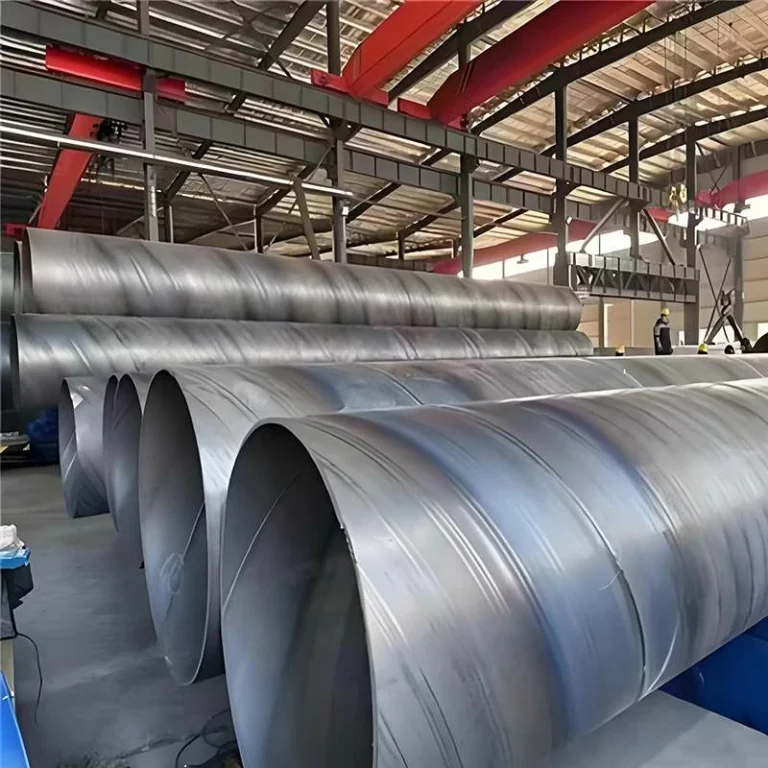
I. Introduction to Industrial Galvanized Carbon Steel Pipes
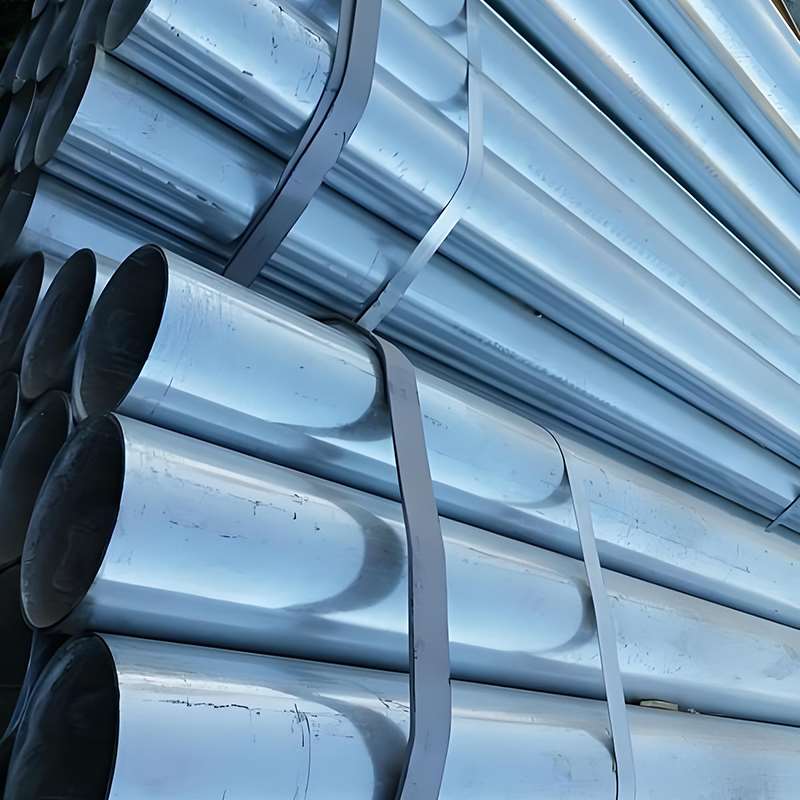
Industrial galvanized carbon steel pipes are a common industrial piping material.
They are made from high-quality carbon steel.
The surface is treated with a galvanizing process for corrosion protection.
This product possesses excellent strength and corrosion resistance.
It can adapt to various industrial environments.
It is suitable for long-term stable use.
II. Galvanizing Process for Industrial Galvanized Carbon Steel Pipes
i. Galvanizing Process Parameters Table (Industrial Galvanized Carbon Steel Pipes)
| Parameter | Value |
|---|---|
| Galvanizing Method | Hot-Dip Galvanizing |
| Galvanizing Temperature | Approximately 450 ℃ |
| Pre-Treatment | Degreasing → Pickling → Rinsing → Fluxing |
| Zinc Layer Structure | Zinc-iron alloy layer + Pure zinc layer |
| Zinc Layer Thickness | 40 – 120 μm (customizable on request) |
| Zinc Layer Adhesion | Metallurgical bonding, not easy to peel off |
| Surface Condition | Silver-gray, smooth or slight spangle |
| Corrosion Protection | Suitable for outdoor and industrial environments |
| Service Life / Corrosion Resistance | 20–50 years under normal conditions |
| Post-Treatment | Cooling, passivation, or sealing treatment |
| Quality Inspection | Zinc layer thickness test, visual inspection |
| Applicable Standards | ASTM A123 / ISO 1461 / GB/T 13912 |
Galvanizing Process Description:
- Industrial galvanized carbon steel pipes utilize a hot-dip galvanizing process.
- The steel pipes undergo degreasing, pickling, and washing treatments before galvanizing.
- This effectively removes oil stains and scale.
- The steel pipes are immersed in molten zinc at approximately 450℃.
- The zinc layer forms a metallurgical bond with the steel substrate.
- This results in strong adhesion and prevents peeling.
- The zinc layer thickness is uniform.
- The typical range is 40–120 μm.
- This meets the corrosion protection requirements of various industrial environments.
- After galvanizing, cooling and passivation treatments are performed.
- This enhances corrosion resistance.
- And extends the service life.
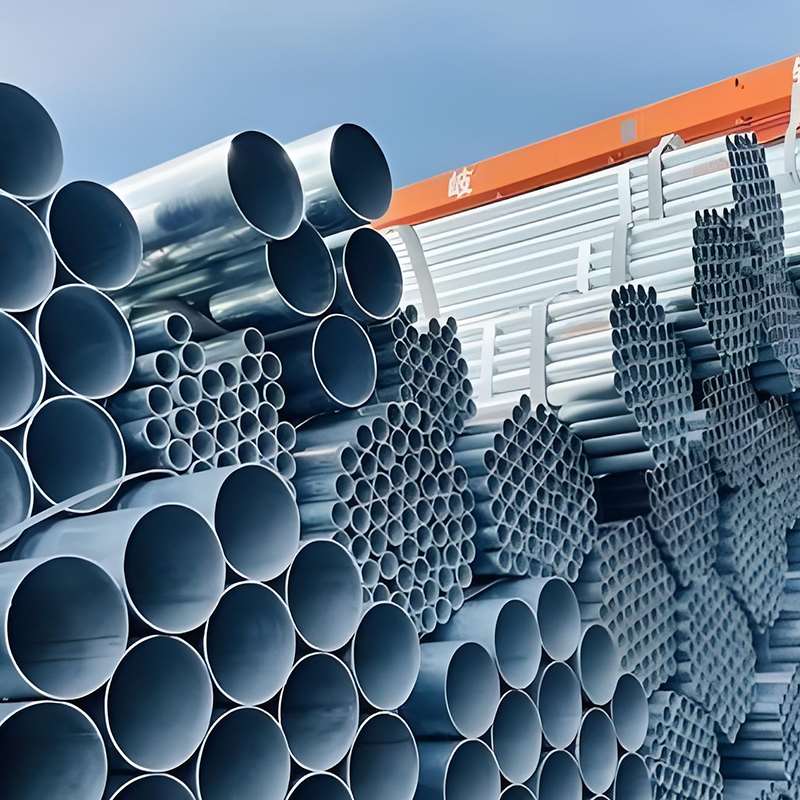
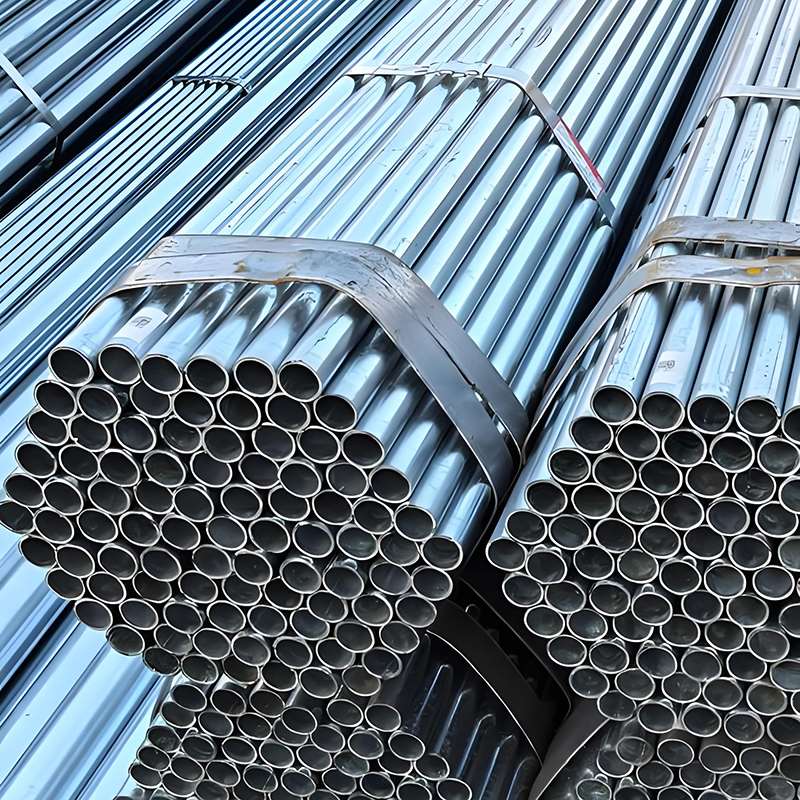
III. Industrial Galvanized Carbon Steel Pipes | Standards and Materials
| Parameter | Description |
|---|---|
| Standards (China) | GB/T 3091, GB/T 13793 |
| Standards (USA) | ASTM A53 |
| Standards (Europe) | EN 10255 |
| Common Steel Grades (China) | Q195, Q215, Q235, Q345 |
| ASTM Steel Grades | ASTM A53 Grade A, Grade B |
| EN Steel Grades | EN 10255 S195, S235 |
| Material Type | Carbon structural steel |
| Applicable Manufacturing Process | Longitudinal seam welding + Hot-dip galvanizing |
| Weldability | Good, suitable for high-frequency welding |
| Galvanizing Compatibility | Suitable for hot-dip galvanizing, strong zinc layer adhesion |
| Main Applications | Industrial piping, structural pipes, water supply, HVAC systems |
VI. Application Fields and Selection Suggestions for Industrial Galvanized Carbon Steel Pipes
1. I am in the industrial plant/equipment supporting industry.
My working conditions are:
Indoor or semi-outdoor environment
Fixed pipe installation
Requirements for strength and service life
I should choose:
Hot-dip galvanized welded carbon steel pipes
Standard: GB/T 3091 or ASTM A53
Zinc layer thickness: ≥ 60 μm
Standard straight pipes, 6 m or 12 m
2. I am in water transportation/water supply and drainage systems.
My working conditions are:
Long-term contact with water or humid environments
Requires stability and rust prevention
Low maintenance costs
I should choose:
Hot-dip galvanized carbon steel pipes
Standard: ASTM A53 / EN 10255
Zinc layer thickness: 80–120 μm
Ends: Threaded ends or beveled ends
3. I am in HVAC (Heating, Ventilation, and Air Conditioning) systems.
My working conditions are:
Mainly for indoor use
Complex piping, limited installation space
Requires good welding and processing performance
I should choose:
Medium-wall thickness hot-dip galvanized carbon steel pipe
Standard: GB/T 3091
Zinc layer thickness: 60–80 μm
Easy to cut and weld
4. I am in building structures and support systems.
My working conditions are:
Long-term outdoor exposure
High load-bearing requirements
High requirements for corrosion resistance and service life
I should choose:
High-zinc layer hot-dip galvanized carbon steel pipe
Material: Q235 / Q345
Zinc layer thickness: ≥ 100 μm
Uniform surface, no zinc nodules
5. My application is in general industrial piping / fluid transfer.
My operating conditions are:
Transporting air, low-pressure liquids, or non-corrosive media.
Reliability is required, but over-engineering is not necessary.
I am suitable for choosing:
Standard hot-dip galvanized carbon steel pipes
Standard: ASTM A53 Grade B
Standard zinc coating thickness
Cost-effectiveness is a priority.
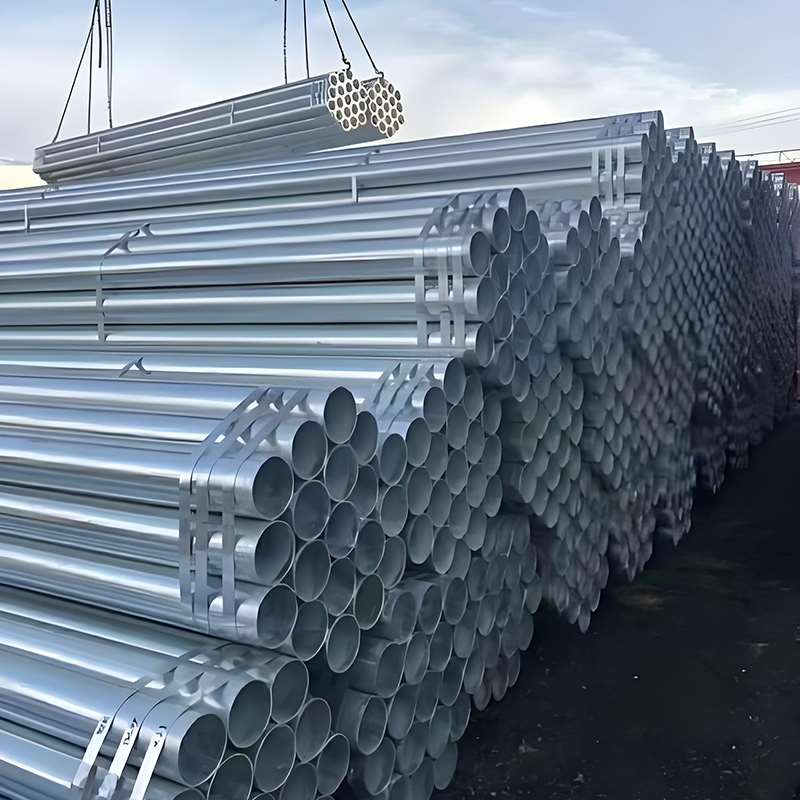
V. Testing Standards for Industrial Galvanized Carbon Steel Pipes
| Inspection Item | Inspection Content | Standard / Requirement |
|---|---|---|
| Visual Inspection | Surface should be smooth, free of cracks, zinc lumps, and noticeable scratches | Visual check, in accordance with GB/T 3091 / ASTM A53 / EN 10255 |
| Dimensional Inspection | Outer diameter, wall thickness, length, end diameter, and tolerances | GB/T 3091 ±1–2% / ASTM A53 / EN 10255 |
| Zinc Coating Thickness | Zinc layer on the surface should be uniform | Hot-dip galvanizing 40–120 μm (customizable based on service environment) |
| Adhesion Test | Zinc layer should be firmly bonded to the steel substrate | Pull-off or cross-cut test according to ASTM A123 / ISO 1461 |
| Mechanical Properties | Tensile strength, yield strength, elongation | In accordance with GB/T 3091, ASTM A53, or EN 10255 standards |
| Bend Test | Pipe should not crack or have coating peel during bending | Conducted per specified angle and bending radius in relevant standards |
| Pressure Test (Optional) | Pressure resistance test for water or industrial pipelines | Per GB/T 3091 or customer requirements |
| Packaging Inspection | Bundles must be secure, moisture-proof, and impact-resistant | Wooden pallets or steel strapping with moisture-proof cover, ensuring transport safety |
VI. Industrial Galvanized Carbon Steel Pipe Selection FAQ
Q1: Which type of galvanized carbon steel pipe should be chosen for indoor and outdoor pipelines?
A1: For indoor environments, standard hot-dip galvanized pipes with a zinc layer thickness of 60–80 μm can be selected; for outdoor or humid environments, high-zinc-layer hot-dip galvanized pipes with a zinc layer of ≥80 μm should be chosen to ensure corrosion resistance and service life.
Q2: What are the differences in pipe selection for water pipes and air pipes?
A2: Water pipes are in contact with water for a long time and require thick zinc layer pipes (80–120 μm); air pipes or low-pressure non-corrosive liquid pipes can use standard zinc layer pipes, ensuring sufficient strength and durability.
Q3: How should pipes be selected for high pressure or heavy load applications?
A3: For high-pressure or heavy-load pipelines, thickened-wall hot-dip galvanized carbon steel pipes should be selected, with Q235 or Q345 material recommended, to ensure structural safety and service life.
Q4: How are the pipe length and end type determined?
A4: The conventional length is 6 m or 12 m; the ends can be straight cut, beveled, or threaded, customized according to installation methods and project requirements.
Q5: How to determine if the galvanized layer is suitable?
A5: Determine based on the usage environment: generally 60–80 μm is sufficient for indoor use, and ≥80 μm for outdoor or humid environments; if necessary, it can be confirmed through a thickness gauge or professional testing report.
Q6: Are there differences between different standards (GB/T, ASTM, EN)?
A6: Different standards have slight differences in tolerances, dimensions, and mechanical properties. When selecting, the corresponding standard should be chosen according to project requirements, customer location, and industry specifications to ensure compatibility and safety.