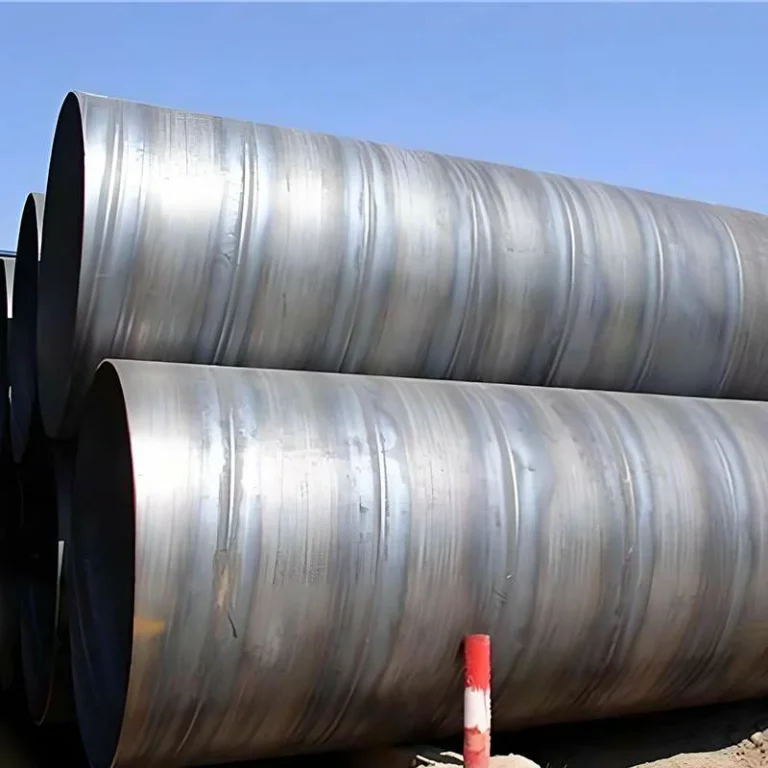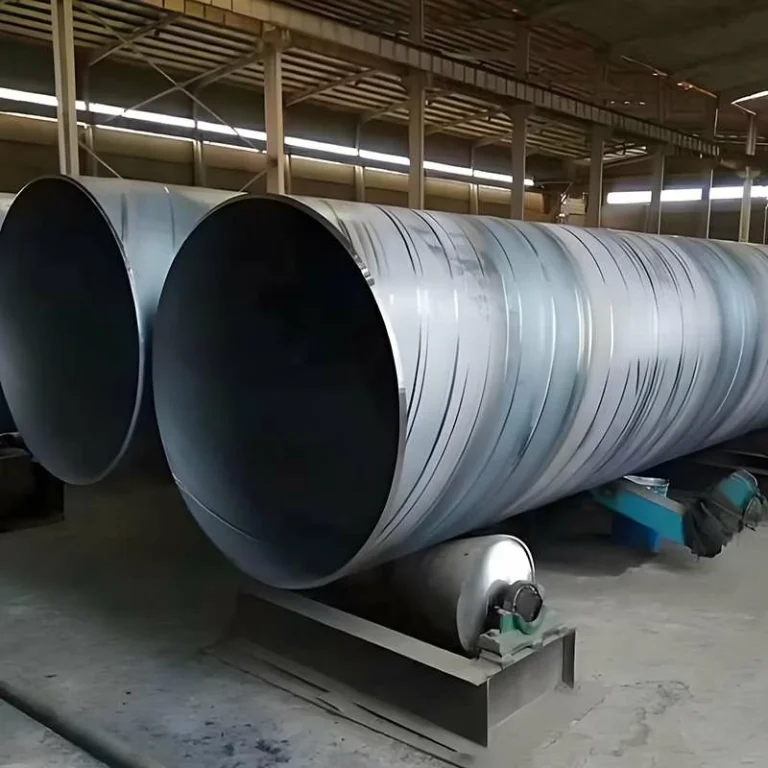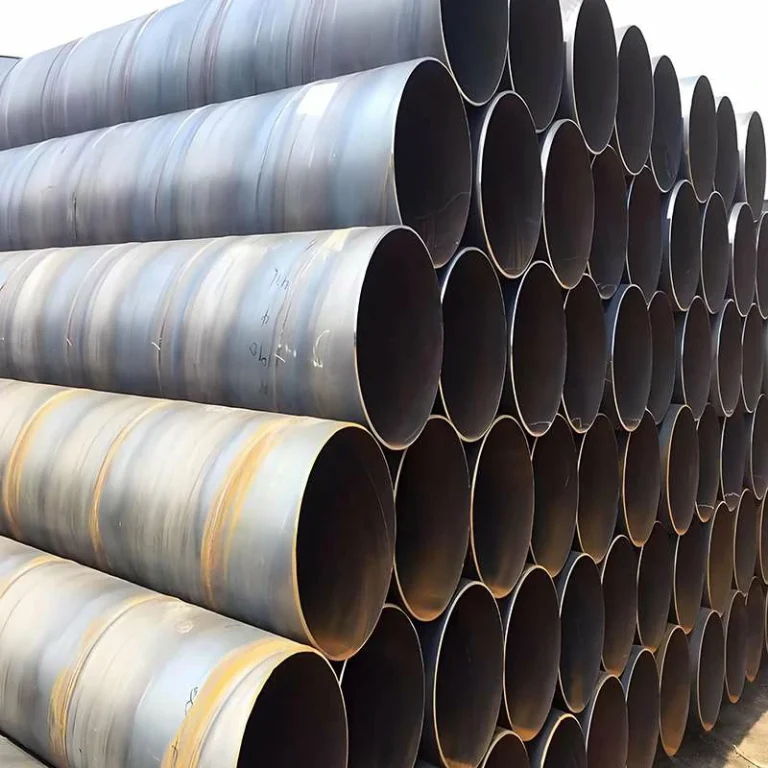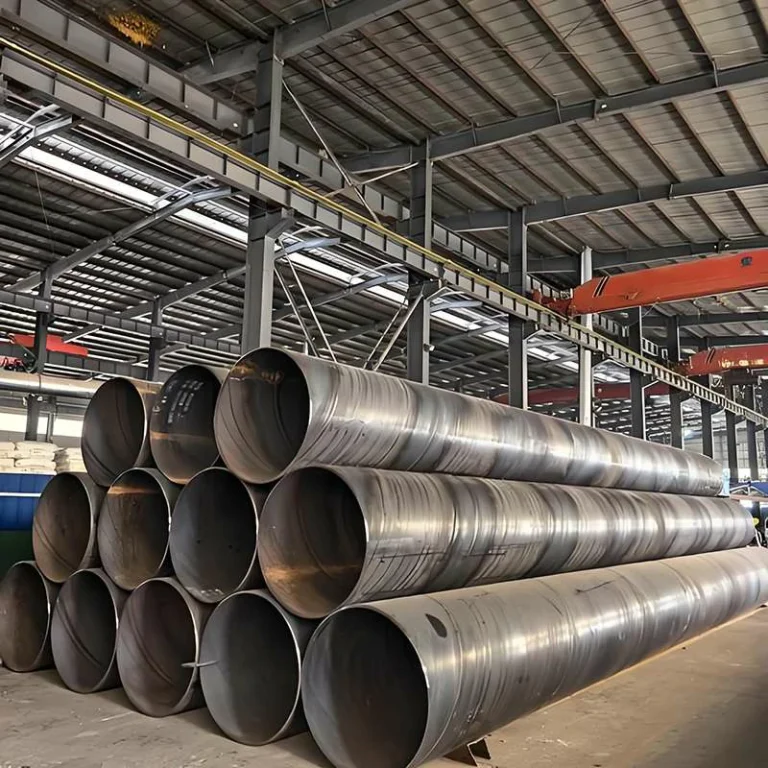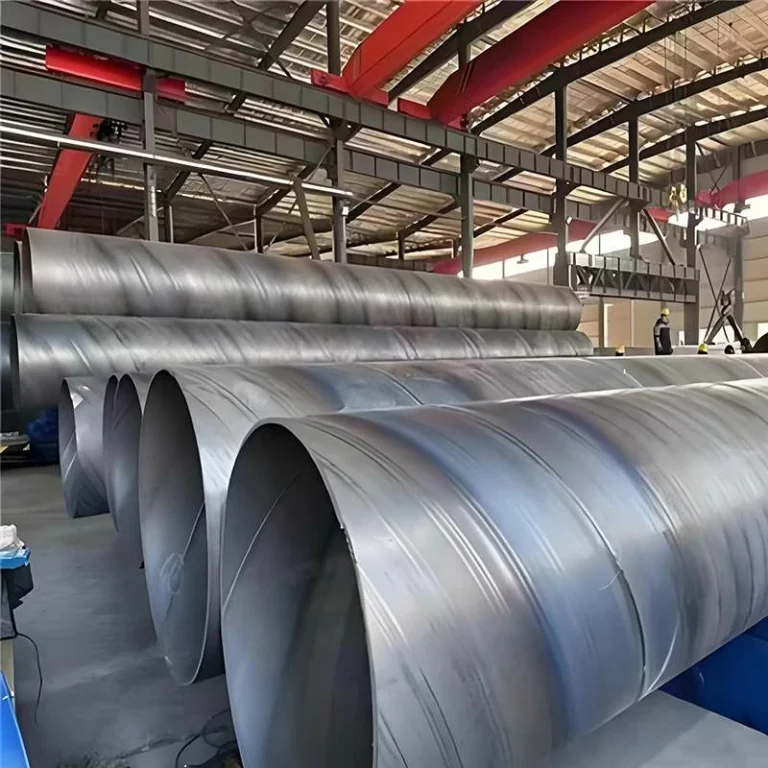
I. Overview of API 5L ERW Carbon Steel Pipes
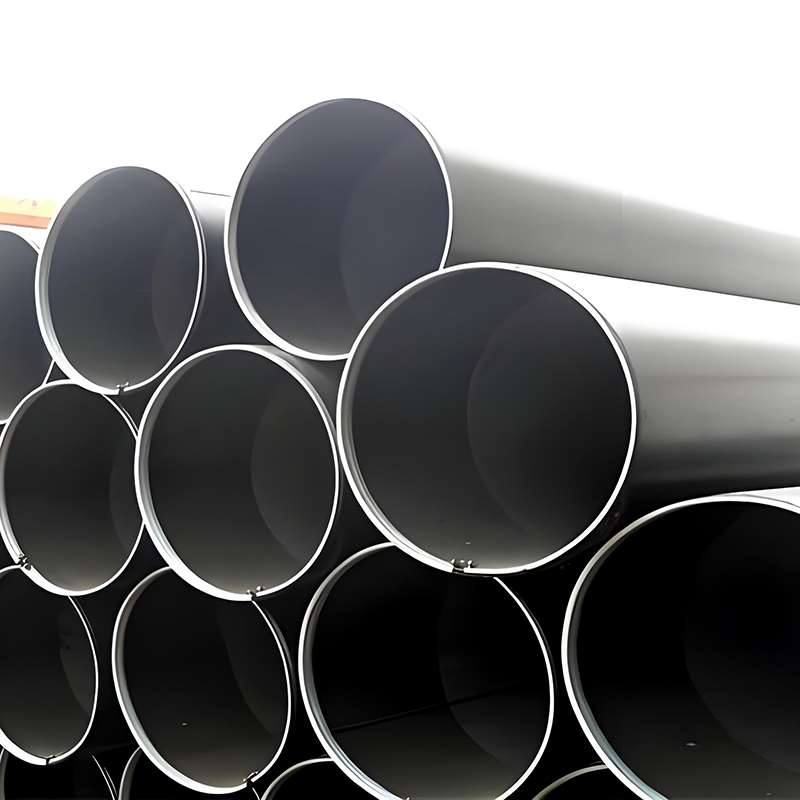
As a professional Carbon Steel Pipe Manufacturer, we produce API 5L ERW carbon steel pipes using the electric resistance welding (ERW) process. These pipes are manufactured according to API 5L requirements and are widely used in oil, natural gas, chemical, and industrial fluid transportation pipelines.
API 5L ERW carbon steel pipes are high-strength welded pipes with excellent pressure resistance. They feature precise pipe diameters and uniform welds, making them suitable for medium and high-pressure applications. Compared with API 5L LSAW carbon steel pipes, ERW pipes are more cost-effective for small and medium-diameter pipeline projects while still meeting the requirements of industrial and municipal engineering applications.
II. API 5L ERW Steel Pipe Specifications and Dimensions Table
| Inch (NPS) | Outside Diameter (mm) | Wall Thickness (mm, all available options) | Theoretical Weight (kg/m) | OD Tolerance | WT Tolerance |
|---|---|---|---|---|---|
| 1/2″ | 21.3 | 2.0, 2.3, 2.6, 3.0 | 1.41 – 1.84 | ±1% | ±12.5% |
| 3/4″ | 26.7 | 2.0, 2.3, 2.6, 3.0, 3.2 | 1.74 – 2.36 | ±1% | ±12.5% |
| 1″ | 33.4 | 2.0, 2.3, 2.6, 3.0, 3.2, 3.6 | 2.15 – 3.05 | ±1% | ±12.5% |
| 1 1/4″ | 42.2 | 2.6, 3.0, 3.2, 3.6, 4.0, 4.5 | 3.08 – 4.73 | ±1% | ±12.5% |
| 1 1/2″ | 48.3 | 2.6, 3.0, 3.2, 3.6, 4.0, 4.5 | 3.53 – 5.42 | ±1% | ±12.5% |
| 2″ | 60.3 | 3.0, 3.2, 3.6, 4.0, 4.5, 5.0, 5.6 | 4.69 – 7.40 | ±1% | ±12.5% |
| 2 1/2″ | 73.0 | 3.0, 3.6, 4.0, 4.5, 5.0, 5.6, 6.0 | 5.68 – 9.15 | ±1% | ±12.5% |
| 3″ | 88.9 | 3.6, 4.0, 4.5, 5.0, 5.6, 6.0, 7.1 | 7.35 – 11.58 | ±1% | ±12.5% |
| 4″ | 114.3 | 4.0, 4.5, 5.0, 5.6, 6.0, 7.1, 8.0 | 9.96 – 17.01 | ±1% | ±12.5% |
| 5″ | 141.3 | 5.0, 5.6, 6.0, 7.1, 8.0, 9.0 | 14.08 – 23.55 | ±1% | ±12.5% |
| 6″ | 168.3 | 5.6, 6.0, 7.1, 8.0, 9.0, 10.0 | 18.65 – 31.29 | ±1% | ±12.5% |
| 8″ | 219.1 | 6.0, 7.1, 8.0, 9.0, 10.0, 11.0, 12.0 | 27.02 – 47.10 | ±1% | ±12.5% |
| 10″ | 273.0 | 6.0, 7.1, 8.0, 9.0, 10.0, 11.0, 12.0, 14.0 | 33.82 – 61.43 | ±1% | ±12.5% |
| 12″ | 323.9 | 7.0, 8.0, 9.0, 10.0, 11.0, 12.0, 14.0, 16.0 | 44.55 – 82.71 | ±1% | ±12.5% |
| 14″ | 355.6 | 8.0, 9.0, 10.0, 11.0, 12.0, 14.0, 16.0, 18.0 | 54.35 – 106.8 | ±1% | ±12.5% |
| 16″ | 406.4 | 8.0, 9.0, 10.0, 11.0, 12.0, 14.0, 16.0, 18.0, 20.0 | 63.18 – 133.5 | ±1% | ±12.5% |
| 18″ | 457.0 | 9.0, 10.0, 11.0, 12.0, 14.0, 16.0, 18.0, 20.0 | 80.02 – 169.2 | ±1% | ±12.5% |
| 20″ | 508.0 | 10.0, 11.0, 12.0, 14.0, 16.0, 18.0, 20.0 | 95.84 – 202.8 | ±1% | ±12.5% |
| 24″ | 609.6 | 10.0, 11.0, 12.0, 14.0, 16.0, 18.0, 20.0, 22.0, 25.4 | 115.2 – 285.6 | ±1% | ±12.5% |
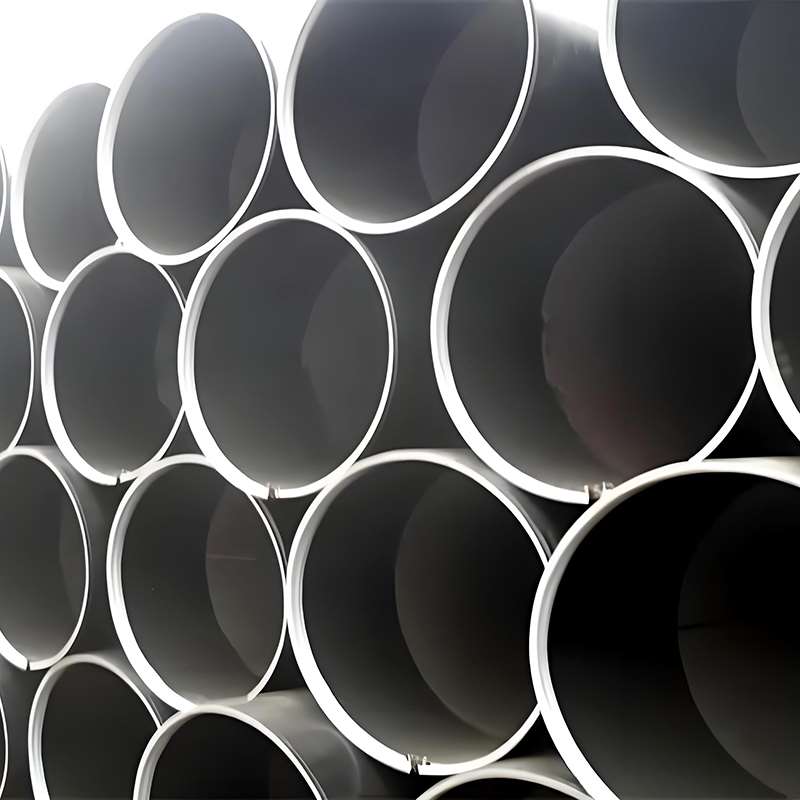
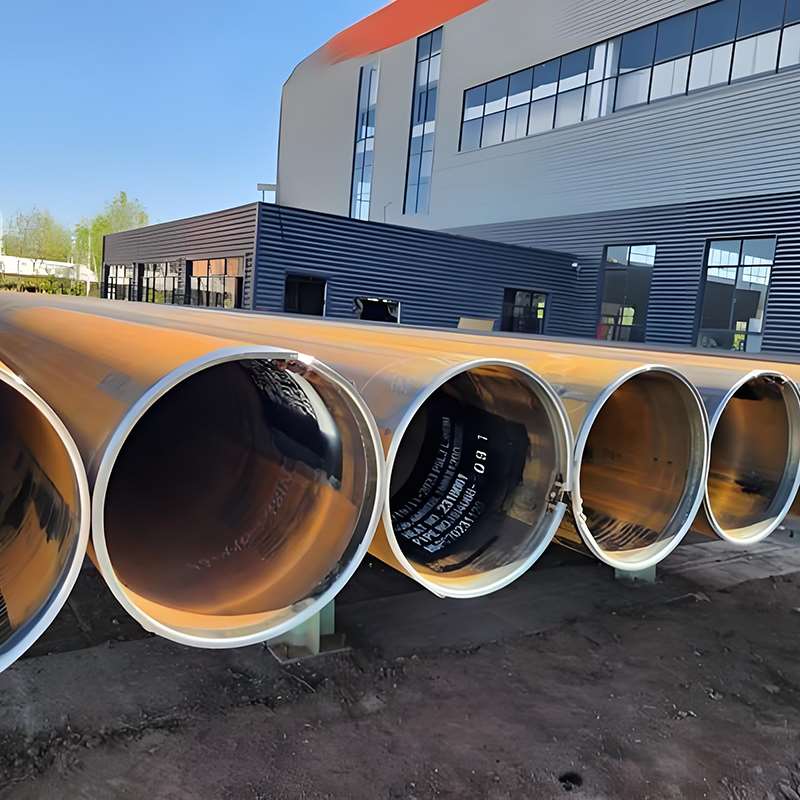
III. Comparison Table of Steel Grades and Materials for ERW Line Pipes
| Steel Grade / Material | Yield Strength σy (MPa) | Tensile Strength σb (MPa) | Elongation δ5 (%) | Typical Applications |
|---|---|---|---|---|
| Grade B | ≥ 240 | 415 – 535 | ≥ 22 | General oil and gas transmission pipelines |
| X42 | ≥ 290 | 415 – 540 | ≥ 22 | Medium- and low-pressure oil pipelines, gas pipelines |
| X46 | ≥ 315 | 435 – 580 | ≥ 22 | Medium-pressure oil and natural gas pipelines |
| X52 | ≥ 360 | 460 – 620 | ≥ 20 | High-pressure oil & gas transmission, city gas pipelines |
| X56 | ≥ 390 | 485 – 640 | ≥ 20 | High-pressure long-distance oil & gas pipelines |
| X60 | ≥ 415 | 510 – 665 | ≥ 20 | High-pressure oil and natural gas pipelines |
IV. Chemical Composition and Mechanical Properties Table for API 5L ERW Carbon Steel Pipes
i. Chemical Composition (%)
| Steel Grade | C | Mn | P | S | Si | Remarks |
|---|---|---|---|---|---|---|
| Grade B | ≤0.26 | 0.60–1.50 | ≤0.030 | ≤0.030 | 0.10–0.50 | Commonly used grade |
| X42 | ≤0.26 | 0.60–1.50 | ≤0.030 | ≤0.030 | 0.10–0.50 | Medium- and low-pressure transmission pipelines |
| X46 | ≤0.26 | 0.60–1.50 | ≤0.030 | ≤0.030 | 0.10–0.50 | Medium- to high-pressure pipelines |
| X52 | ≤0.26 | 0.60–1.50 | ≤0.030 | ≤0.030 | 0.10–0.50 | High-pressure pipelines |
| X56 | ≤0.26 | 0.60–1.50 | ≤0.030 | ≤0.030 | 0.10–0.50 | High-strength pipeline steel |
| X60 | ≤0.26 | 0.60–1.50 | ≤0.030 | ≤0.030 | 0.10–0.50 | High-pressure, long-distance pipelines |
ii. Mechanical properties
| Steel Grade | Yield Strength σy (MPa) | Tensile Strength σb (MPa) | Elongation δ5 (%) | Impact Toughness (J) |
|---|---|---|---|---|
| Grade B | ≥ 240 | 415 – 535 | ≥ 22 | ≥ 27 J at 20 °C |
| X42 | ≥ 290 | 415 – 540 | ≥ 22 | ≥ 27 J at 20 °C |
| X46 | ≥ 315 | 435 – 580 | ≥ 22 | ≥ 27 J at 20 °C |
| X52 | ≥ 360 | 460 – 620 | ≥ 20 | ≥ 27 J at 20 °C |
| X56 | ≥ 390 | 485 – 640 | ≥ 20 | ≥ 27 J at 0 °C |
| X60 | ≥ 415 | 510 – 665 | ≥ 20 | ≥ 27 J at 0 °C |
Instructions:
- All steel grades meet API 5L standard requirements.
- Grade B is commonly used for medium and low-pressure applications and is an economical choice.
- X-series steel grades (X42–X60) are suitable for medium-to-high pressure and high-strength applications.
- Impact toughness ensures pipe safety in low-temperature or high-pressure environments.
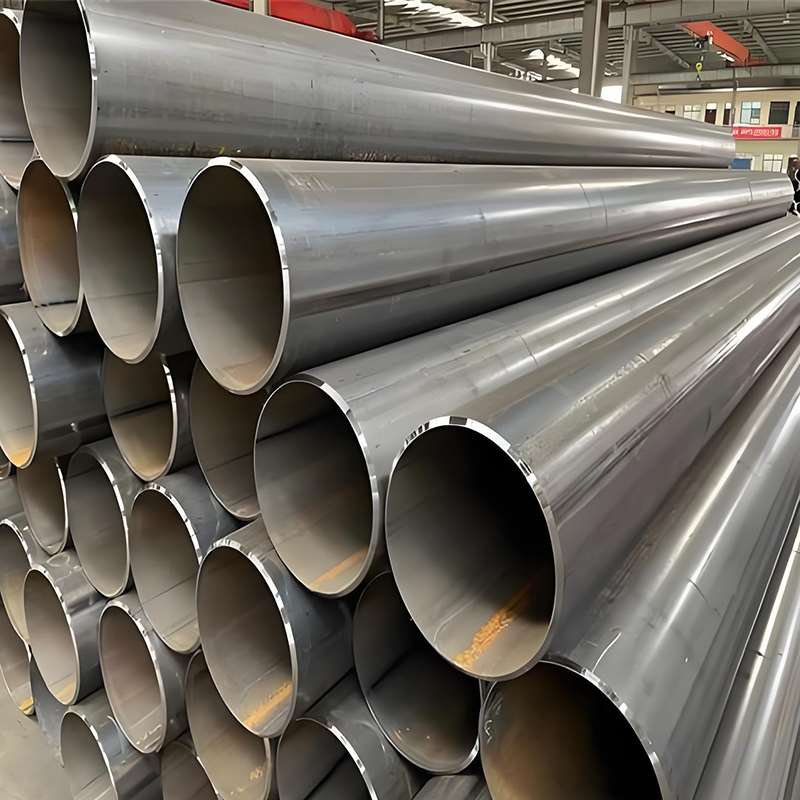
V. API 5L ERW Carbon Steel Pipe Application Scenarios and Selection Criteria
- Oil and Gas Transmission Pipelines
Operating Conditions: Medium to low pressure crude oil or natural gas transmission, moderate ambient temperature, and long pipeline lengths.
Recommended Pipe Material: Grade B or X42 ERW carbon steel pipe, wall thickness SCH40/SCH80, with plain ends or flanged ends.
Corrosion Protection Type: Black finish, hot-dip galvanized, or epoxy coating (FBE) selected based on design pressure and environment. - Chemical and Industrial Fluid Pipelines
Operating Conditions: Medium temperature, medium pressure, or corrosive media transmission, requiring high steel toughness and strength.
Recommended Pipe Material: X46/X52 ERW carbon steel pipe, wall thickness SCH40/SCH80/SCH100, with flanged or threaded connections.
Corrosion Protection Type: Epoxy powder (FBE), 3LPE, or anti-corrosion paint to enhance corrosion resistance. - Urban Water Supply and Gas Pipelines
Operating Conditions: Medium to low pressure water or gas transmission, stable operation, and long service life.
Recommended Pipe Material: Grade B ERW carbon steel pipe, wall thickness SCH10/SCH20/SCH40, with black finish or painted anti-rust treatment.
Corrosion Protection Type: Internal and external paint, epoxy coating, or galvanized carbon steel pipe corrosion protection treatment. - Industrial Steam and Thermal Pipelines
Operating Conditions: Medium temperature and pressure steam or hot water transmission, requiring long-term stable operation and good heat resistance.
Recommended Pipe Material: X46 ERW carbon steel pipe, wall thickness SCH40/SCH80, with threaded or flanged connections.
Corrosion Protection Type: Black finish or epoxy coating to meet medium-pressure steam corrosion protection requirements. - High-Pressure Small-Diameter Long-Distance Pipeline Projects
Operating Conditions: Transmission of crude oil or natural gas, medium-pressure pipelines, smaller diameter but requiring high strength.
Recommended Pipe Material: X52/X56 ERW carbon steel pipe, wall thickness SCH80/SCH160, with flanged or plain ends. Corrosion protection type: Epoxy coating or 3LPE, ensuring long-term pressure resistance and corrosion resistance. - Pipelines in Special Environments (Coastal and Humid Environments)
Operating conditions: Coastal or humid regions, where pipelines are susceptible to corrosion, high temperature, and high humidity.
Recommended pipe material: X46 / X52 ERW carbon steel pipe, wall thickness SCH80 or SCH100.
Corrosion protection type: Hot-dip galvanizing or epoxy + polyethylene (3LPE) composite anti-corrosion treatment.
VI. API 5L Carbon Steel ERW Pipe Common FAQs
Q1: What applications are suitable for API 5L ERW steel pipes?
A1: Suitable for medium and low-pressure crude oil, natural gas, industrial fluids, and urban water supply pipelines. Small and medium-diameter, medium-pressure pipelines offer high efficiency and low cost. High-strength steel grades (X46/X52) can be selected for high-pressure or long-distance pipelines.
Q2: How to choose the steel grade and wall thickness?
A2: Choose based on design pressure, temperature, and medium. Grade B is suitable for medium and low-pressure pipelines, while the X series (X42–X60) is suitable for medium and high-pressure or high-strength pipelines. Wall thickness can be selected according to the SCH series (SCH10–SCH160).
Q3: How to choose corrosion protection and coatings?
A3: Choose based on the conveyed medium and environment. Black steel is suitable for indoor or dry environments, hot-dip galvanizing is suitable for waterproofing and rust prevention, and FBE, 3LPE, or 3PP are suitable for humid, marine, or corrosive environments.
Q4: Can the pipes be custom-cut?
A4: Yes. API 5L electric resistance welded Pipe can be custom-cut according to project requirements, with lengths typically between 5.8 and 12 meters. The ends can be plain ends, flanged ends, or threaded ends for easy construction and installation.
Q5: Is third-party testing required?
A5: It is recommended to provide chemical composition, mechanical properties, and non-destructive testing (UT/RT) reports to ensure that the pipe material meets API 5L standards, improving safety and reliability.
Q6: What are the differences between ERW pipes and LSAW and hot-rolled seamless carbon steel pipes?
A6: ERW pipes use resistance welding technology, offering high production efficiency and low cost, suitable for small and medium-diameter pipelines. LSAW or hot-rolled seamless pipes are suitable for large-diameter, high-pressure, or long-distance pipelines, offering higher pressure resistance, but with higher prices and longer production cycles.