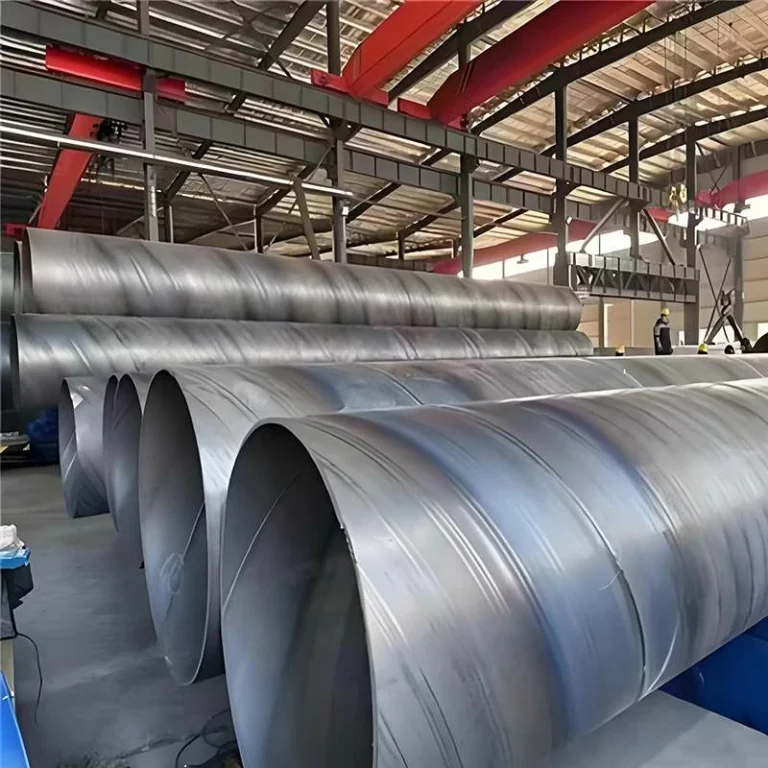
I. Overview of ERW Carbon Steel Pipes
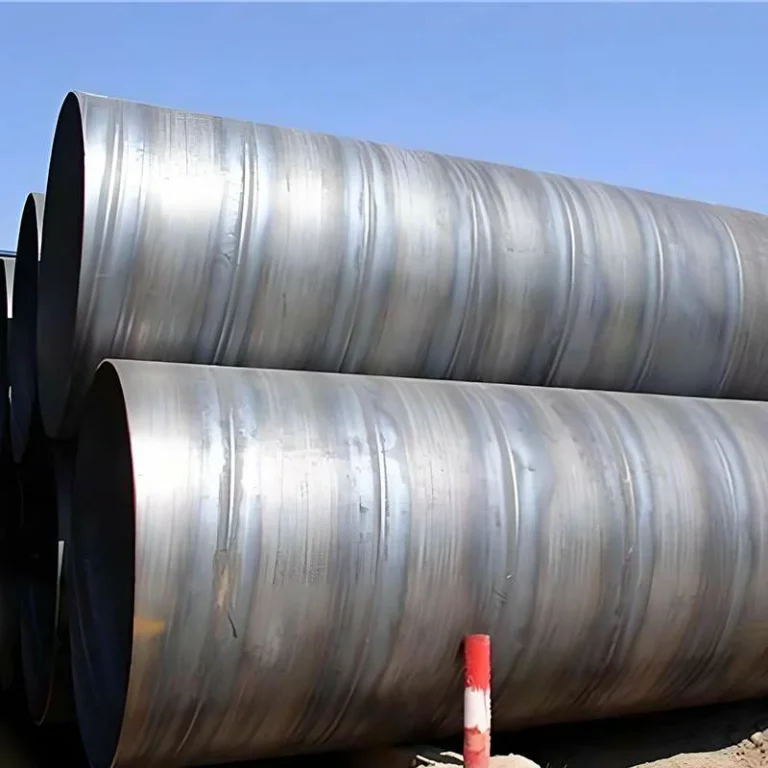
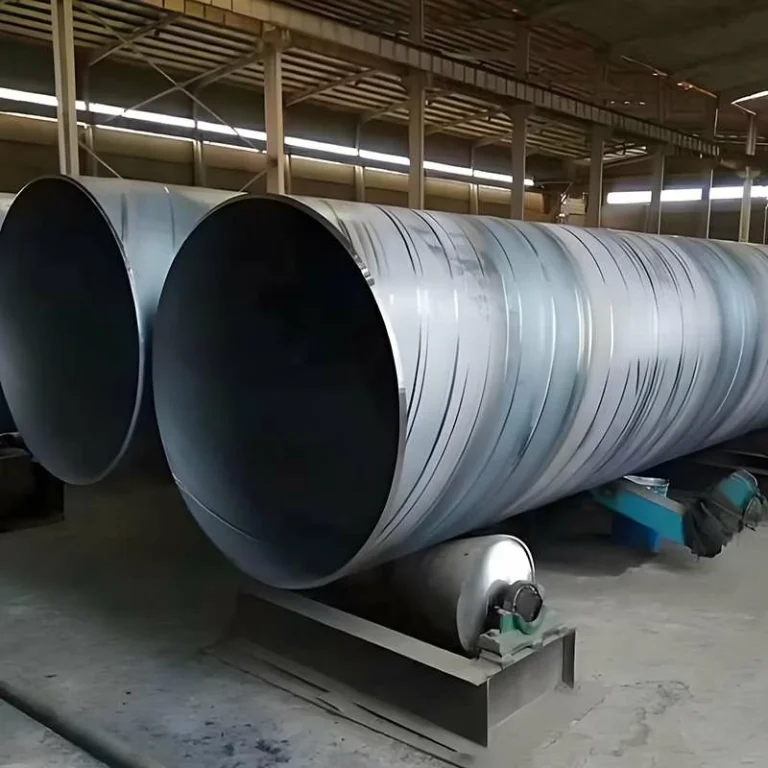
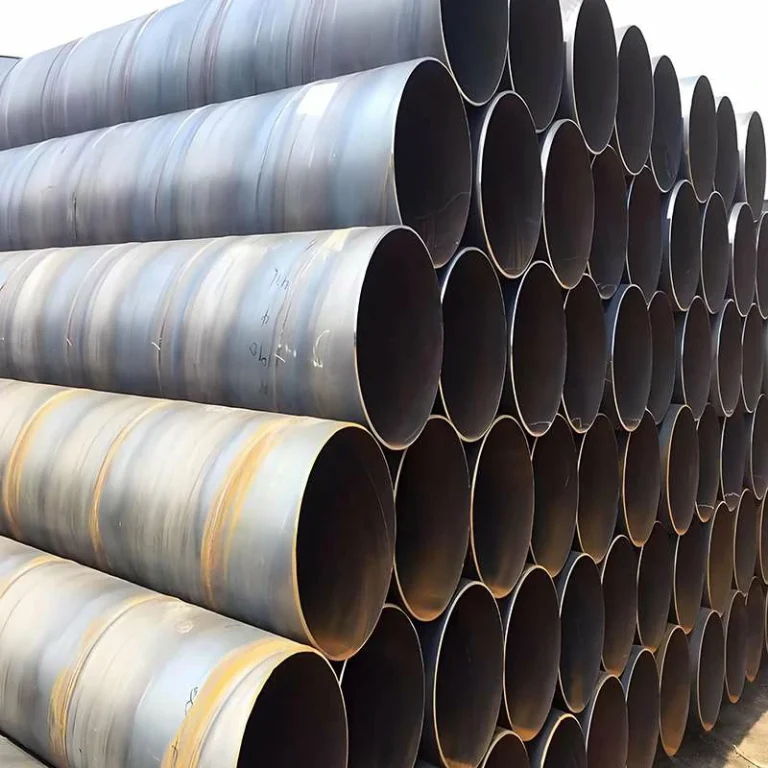
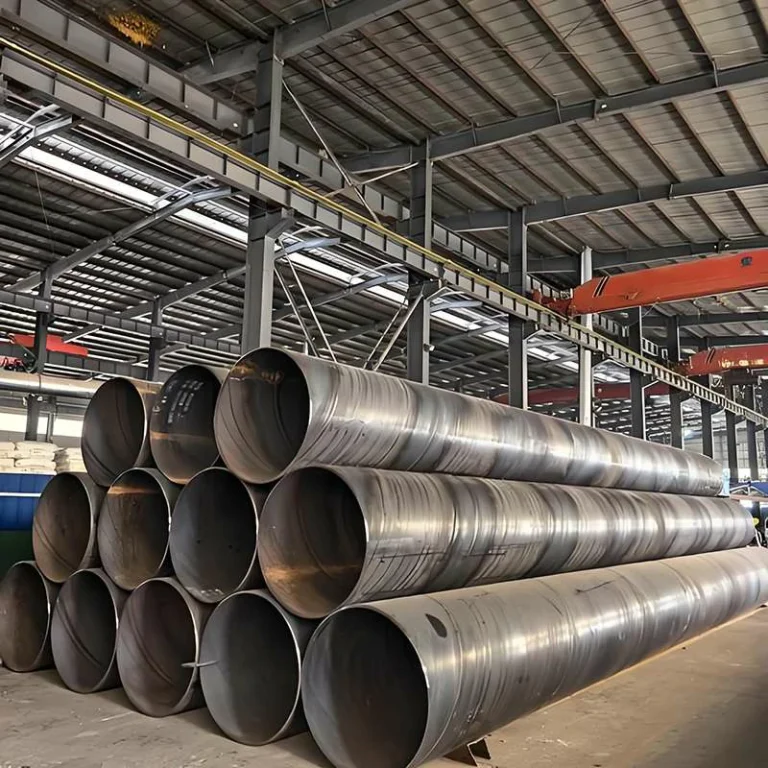
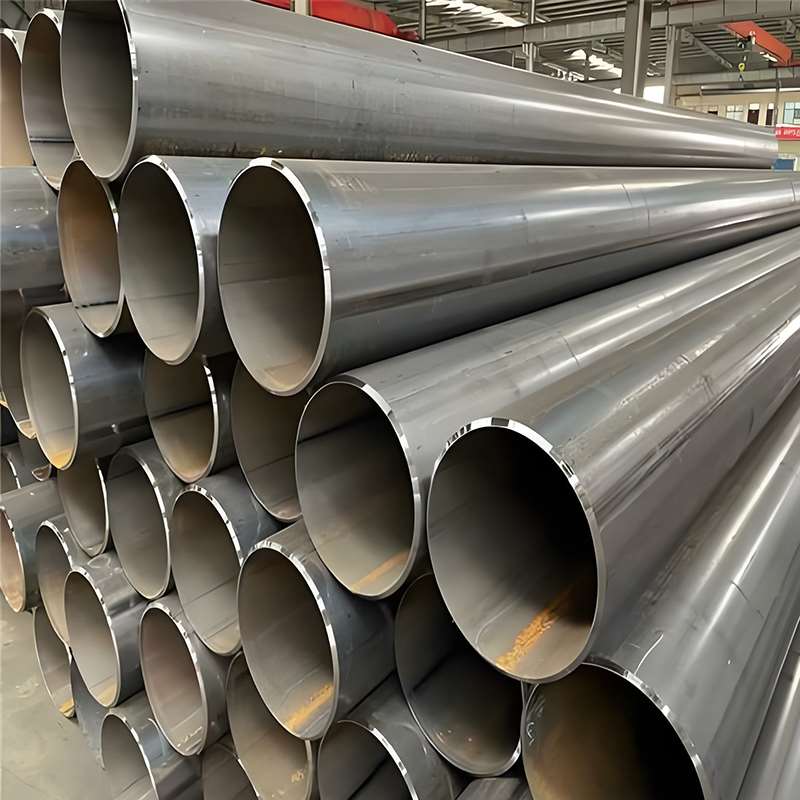
ERW carbon steel pipes are manufactured using resistance welding technology. Compared to seamless steel pipes, ERW carbon steel pipes offer high production efficiency and lower costs, making them suitable for medium-to-low pressure fluid transportation and structural applications.
Key Features
Welding Method: Utilizes resistance welded seams, ensuring uniform and robust welds with high pipe body strength.
Wide Size Range: Outer diameter and wall thickness can be customized according to standards and customer requirements, suitable for diverse engineering applications.
Smooth Surface: Treated with acid pickling or polishing, both inner and outer surfaces are flat, facilitating coating and anti-corrosion treatment.
Good Workability: Can be cut, welded, and bent, making installation and secondary processing convenient.
Economical and Practical: Lower manufacturing costs compared to seamless pipes, suitable for large-scale pipeline and structural engineering projects.
II. ERW Carbon Steel Pipe Standards
API 5L ERW Carbon Steel Pipes are manufactured according to internationally recognized standards, including API 5L, ASTM, EN, and ISO specifications. Different standards define requirements for chemical composition, mechanical properties, dimensions, and applications.
| International Standard | Standard Name | Common Grades / Materials | Application / Usage |
|---|---|---|---|
| ASTM A53 | Standard Specification for Pipe, Steel, Black and Hot-Dipped, Zinc-Coated, Welded and Seamless | Gr.A, Gr.B | For medium- and low-pressure water, gas, and oil pipelines |
| ASTM A252 | Standard Specification for Welded and Seamless Steel Pipe Piles | Grade 1, 2, 3 | Construction piling and structural pipes |
| ASTM A135 | Standard Specification for Electric-Resistance-Welded Steel Pipe | Gr. B | For structural use or fluid transportation |
| EN 10219 | Cold Formed Welded Structural Hollow Sections of Non-Alloy and Fine Grain Steels | S235JR, S275JR | Square and round tubes for building and mechanical structures |
| ISO 3183 / API 5L | Line Pipe for Pipeline Transportation Systems | PSL1, PSL2 | Oil and natural gas pipeline projects |
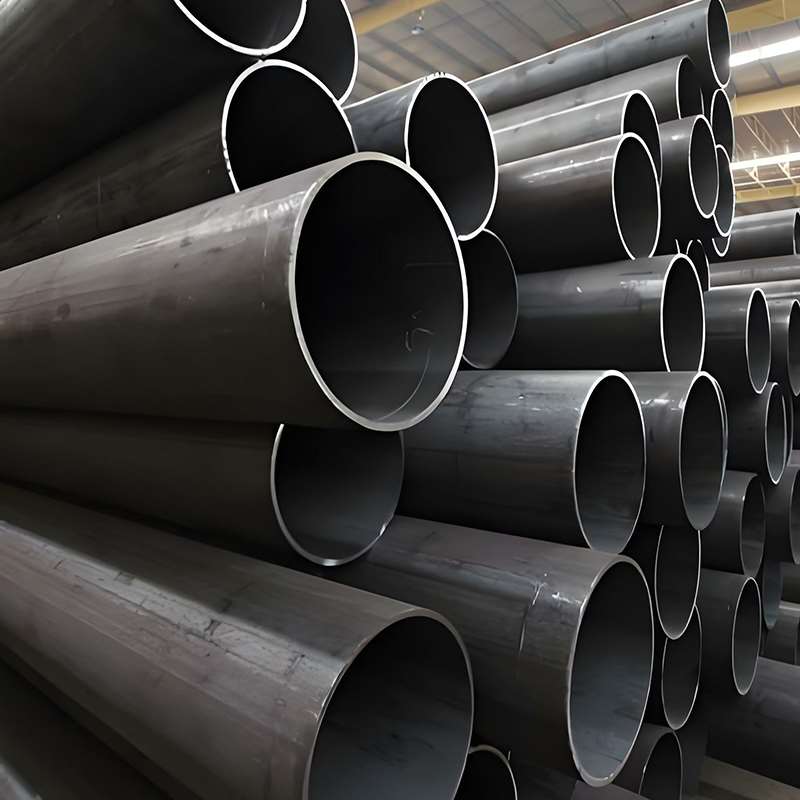
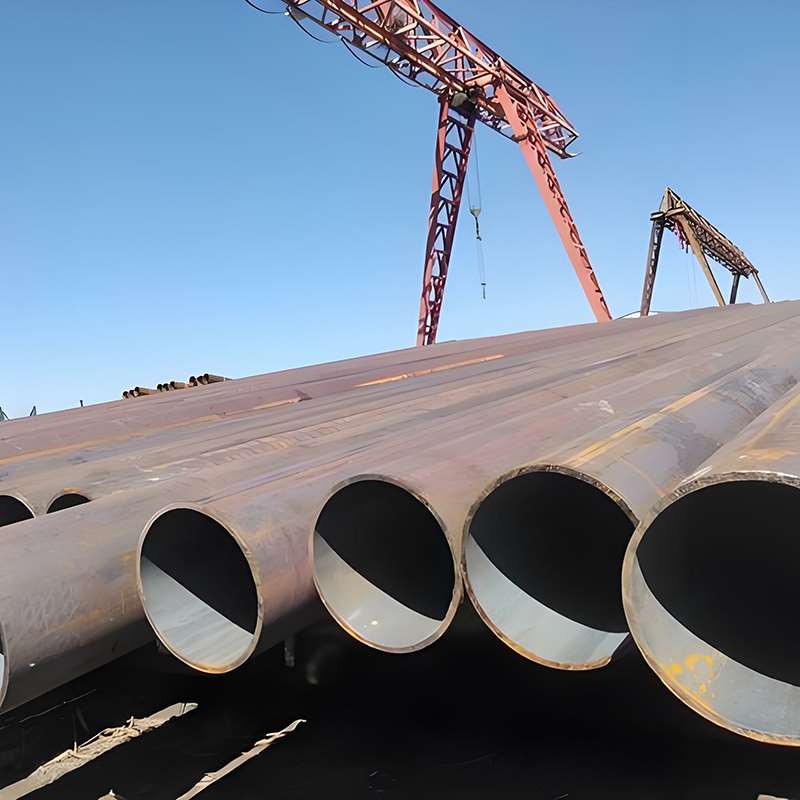
III. Comparison Table of International Standards and Dimensions for ERW Carbon Steel Pipes
| Outer Diameter Range (mm) | Wall Thickness Range (mm) | Length (m) | International Standard | Material / Grade | Application / Usage |
|---|---|---|---|---|---|
| 21.3 – 219 | 2 – 10 | 6 / 12 (custom lengths available) | GB/T 3091 | Q195, Q215, Q235 | Water pipes, gas pipes, industrial pipelines |
| 21.3 – 508 | 2.6 – 12.7 | 6 / 12 (custom lengths available) | ASTM A53 | Gr.A, Gr.B | Water, gas, and oil pipelines |
| 21.3 – 406.4 | 2 – 12.5 | 6 / 12 (custom lengths available) | EN 10219 | S235JR, S275JR | Building structures, mechanical structures, industrial pipelines |
| 60 – 508 | 3.5 – 12.7 | 6 / 12 (custom lengths available) | ISO 3183 / API 5L | PSL1, PSL2 | Oil and natural gas pipelines, high-pressure transmission |
IV. ERW Carbon Steel Pipe Chemical Composition and Mechanical Properties
i. Chemical Composition Table (%)
| International Standard | Grade / Material | C (%) | Mn (%) | Si (%) | P ≤ (%) | S ≤ (%) |
|---|---|---|---|---|---|---|
| ASTM A53 | Gr.A | 0.25 | 0.95 | 0.10 | 0.05 | 0.05 |
| ASTM A53 | Gr.B | 0.30 | 1.20 | 0.10 | 0.05 | 0.05 |
| ASTM A135 | Gr.B | 0.30 | 1.20 | 0.10 | 0.05 | 0.05 |
| EN 10219 | S235JR | 0.17 | 1.40 | 0.55 | 0.035 | 0.035 |
| EN 10219 | S275JR | 0.20 | 1.60 | 0.55 | 0.035 | 0.035 |
| ISO 3183 / API 5L | PSL1 | 0.26 | 1.40 | 0.50 | 0.035 | 0.035 |
| ISO 3183 / API 5L | PSL2 | 0.28 | 1.60 | 0.50 | 0.030 | 0.030 |
ii. Mechanical Properties Table
| International Standard | Grade / Material | Tensile Strength σb (MPa) | Yield Strength σs (MPa) | Elongation After Fracture δ5 (%) |
|---|---|---|---|---|
| ASTM A53 | Gr.A | 290–390 | 205 | ≥25 |
| ASTM A53 | Gr.B | 330–480 | 245 | ≥23 |
| ASTM A135 | Gr.B | 330–480 | 245 | ≥23 |
| EN 10219 | S235JR | 360–510 | ≥235 | ≥22 |
| EN 10219 | S275JR | 430–580 | ≥275 | ≥20 |
| ISO 3183 / API 5L | PSL1 | 415–550 | ≥305 | ≥21 |
| ISO 3183 / API 5L | PSL2 | 455–610 | ≥345 | ≥20 |
V. Welded Carbon Steel Pipe Specification Table
| Outer Diameter OD (mm) | Wall Thickness WT (mm) | Standard Length (m) | Theoretical Weight (kg/m) | Notes / Applications |
|---|---|---|---|---|
| 10 | 1.0–2.0 | 6–12 | 0.6–1.1 | Small diameter, instrumentation pipes, fluid pipelines |
| 15 | 1.0–2.5 | 6–12 | 0.9–1.9 | Small diameter, gas or water pipes |
| 20 | 1.2–3.0 | 6–12 | 1.6–3.2 | Instrumentation pipes, low-pressure fluid pipelines |
| 25 | 1.5–3.5 | 6–12 | 2.4–4.8 | Low-pressure water pipelines |
| 32 | 1.5–4.0 | 6–12 | 3.6–6.0 | General process pipelines |
| 40 | 2.0–4.5 | 6–12 | 5.0–9.0 | Industrial water or gas pipelines |
| 50 | 2.0–5.0 | 6–12 | 7.5–13.0 | Medium diameter water/gas pipelines |
| 65 | 2.5–5.5 | 6–12 | 11–19 | Construction and mechanical pipes |
| 80 | 3.0–6.0 | 6–12 | 16–27 | Construction or process pipelines |
| 100 | 3.5–6.5 | 6–12 | 23–37 | Medium-large diameter pipelines |
| 125 | 4.0–7.0 | 6–12 | 35–53 | Water, oil, and gas pipelines |
| 150 | 4.5–8.0 | 6–12 | 50–75 | Industrial pipelines, large-diameter transport |
| 200 | 5.0–10.0 | 6–12 | 80–150 | Large-diameter water or gas pipelines |
| 250 | 6.0–12.0 | 6–12 | 130–230 | Large-diameter industrial pipelines |
| 300 | 7.0–14.0 | 6–12 | 190–350 | High-capacity transport pipelines |
| 350 | 8.0–16.0 | 6–12 | 260–480 | Oil and natural gas pipelines |
| 400 | 8.0–18.0 | 6–12 | 330–620 | High-pressure pipelines |
| 450 | 9.0–20.0 | 6–12 | 410–780 | Large-diameter industrial pipelines |
| 500 | 10.0–22.0 | 6–12 | 500–950 | Oil and gas transport pipelines |
| 600 | 12.0–25.0 | 6–12 | 710–1,200 | Extra-large diameter pipelines |
VI. Applications of ERW Carbon Steel Pipes
- Water Supply and Drainage Piping: Conveyance of domestic water and potable water.
- Gas Piping: Transmission of city gas and industrial gases.
- Structural Engineering: Buildings, scaffolding, fencing, and support structures.
- Mechanical Manufacturing: Hydraulic pipes, pneumatic pipes, support pipes, mechanical components.
- Industrial Process Piping: Water, steam, and chemical liquid transportation.
- Power/Heat Piping: Hot water and steam pipeline systems.
- Agricultural Irrigation and Drainage: Irrigation systems and drainage pipelines.
- Oil Pipelines: Low-pressure oil and liquid transportation.
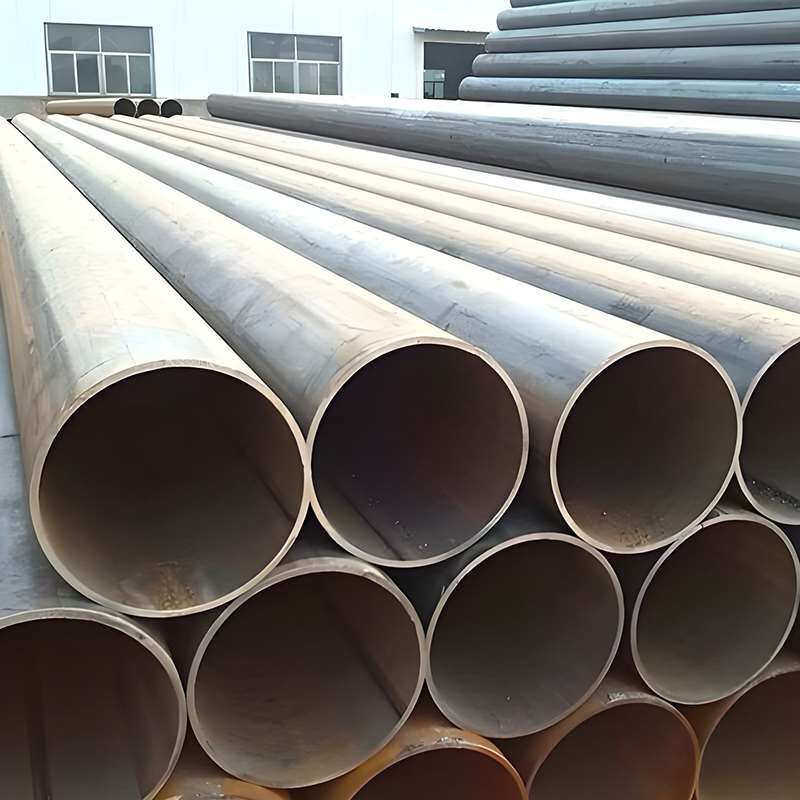
VII. Practical Guide to Selecting ERW Carbon Steel Pipes
1. Welded Carbon Steel Pipe for Water Supply (Domestic Water, Drinking Water)
Nominal Diameter Range: DN15–DN100
Wall Thickness Range: 1.0–4.0mm
Recommended Material: Q195–Q235
Surface Treatment: Hot-dip galvanizing or anti-corrosion coating
Selection Key Points:
- Thin-walled options available for low-pressure pipelines to reduce costs
- Smooth inner surface prevents scale buildup and corrosion
- Lengths can be cut to meet on-site construction requirements
2. Gas Piping (City Gas, Industrial Gases)
Nominal Diameter Range: DN20–DN150
Wall Thickness Range: 2.0–6.0mm
Recommended Material: Low-Carbon Steel or Galvanized Steel Pipe
Selection Guidelines:
- Ensure pressure rating meets design requirements
- Use welded joints or specialized gas fittings
- Pipe corrosion protection and leak prevention are critical for safety
3. Structural Engineering (Building, Scaffolding, Railings)
Nominal Diameter Range: DN50–DN300
Wall Thickness Range: 3.0–10.0mm
Recommended Material: Q235 or Q345
Surface Treatment: Spray coating or galvanization
Selection Criteria:
- Consider load-bearing capacity and structural strength
- High-quality pipe welding with effective surface rust prevention
- Select appropriate length and wall thickness based on construction requirements
4. Mechanical Manufacturing (Hydraulic, Pneumatic, Support Tubing)
Nominal Diameter Range: OD10–OD50
Wall Thickness Range: 1.0–3.0mm
Recommended Material: Low-Carbon Steel or Q235
Surface Finish: Bright or Polished
Selection Criteria:
- High precision required; diameter and wall thickness must meet mechanical standards
- Smooth surface facilitates hydraulic fluid flow or bracket assembly
- Short lengths available for convenient machining
5. Industrial Process Piping (Water, Steam, Chemical Liquids)
Nominal Diameter Range: DN25–DN200
Wall Thickness Range: 2.5–8.0mm
Recommended Materials: Corrosion-resistant low-alloy steel or internally coated anti-corrosion steel pipes
Selection Key Points:
- Select corrosion resistance grade based on medium properties
- Consider operating pressure and temperature for steam pipelines
- Chemical liquid pipelines require acid/alkali corrosion resistance
6. Power/Heat Piping (Hot Water, Steam)
Nominal Diameter Range: DN50–DN300
Wall Thickness Range: 4.0–12.0mm
Recommended Material: Q235/Q345 or Low-Alloy Steel
Selection Guidelines:
- Withstand high-temperature and high-pressure operation
- Ensure stable welding processes and rational support layout
- Apply anti-corrosion treatment to extend service life
7. Agricultural Irrigation/Drainage Pipes
Nominal Diameter Range: DN25–DN150
Wall Thickness Range: 2.0–5.0mm
Recommended Material: Galvanized or PE-coated steel pipes
Selection Criteria:
- Corrosion resistance, water pressure tolerance
- Easy installation, suitable for outdoor environments
- Flexible cutting lengths
8. Oil Transfer Piping (Low-Pressure Liquid Transportation)
Nominal Diameter Range: DN50–DN200
Wall Thickness Range: 3.0–8.0mm
Recommended Material: Low-Carbon Steel or Q345 Steel, compliant with pressure rating
Selection Criteria:
- Pipeline sealing and weld quality are critical
- Anti-corrosion coating prevents liquid leakage
- Pipeline routing, length, and elbow layout require careful planning
Practical Selection Tips
Select diameter and wall thickness based on application: Choose thin-walled pipes for low-pressure, light-load scenarios; opt for thick-walled pipes for pressure-bearing or structural use.
Select material and corrosion protection based on medium: Water, steam, chemical liquids, and petroleum products require different material grades.
Select length and surface treatment based on installation environment: Outdoor installations require rustproofing; indoor installations may omit coatings.
Prioritize safety factors: Ensure pressure resistance, temperature tolerance, and corrosion resistance meet on-site conditions.
Balance cost-effectiveness and installation convenience: Moderate wall thickness reduces expenses; galvanizing or anti-corrosion treatment minimizes maintenance.
VIII. ERW Carbon Steel Pipe Selection FAQ
Q1: How to select the diameter and wall thickness of ERW carbon steel pipes?
A1: Selection depends on the pressure of the conveyed medium and intended application. Thin-walled, small-diameter pipes are suitable for low-pressure water supply or gas pipelines. Large-diameter, thick-walled pipes are required for pressure-bearing pipelines or structural applications.
Q2: Should the material be Q195, Q235, or Q345?
A2: Q195/Q235 is suitable for low-pressure water supply, gas, and general structural pipelines; Q345 is suitable for pressure pipelines, industrial process pipelines, or load-bearing structural applications.
Q3: Do pipes require galvanization or anti-corrosion treatment?
A3: For outdoor or corrosive environments, hot-dip galvanization or sprayed anti-corrosion coatings are recommended. For indoor or low-corrosion environments, standard steel pipes may be selected to reduce costs.
Q4: How should pipe selection be made for high-temperature or high-pressure conditions?
A4: For high-pressure, steam, or hot water pipelines, select pipes with sufficient wall thickness and high-temperature resistant materials. Ensure reliable welding quality and pipe support.
Q5: How should materials be selected for chemical or corrosive medium pipelines?
A5: Choose corrosion-resistant low-alloy steel or internally coated corrosion-resistant steel pipes. Verify that the corrosion protection grade meets the medium requirements to ensure safety and service life.