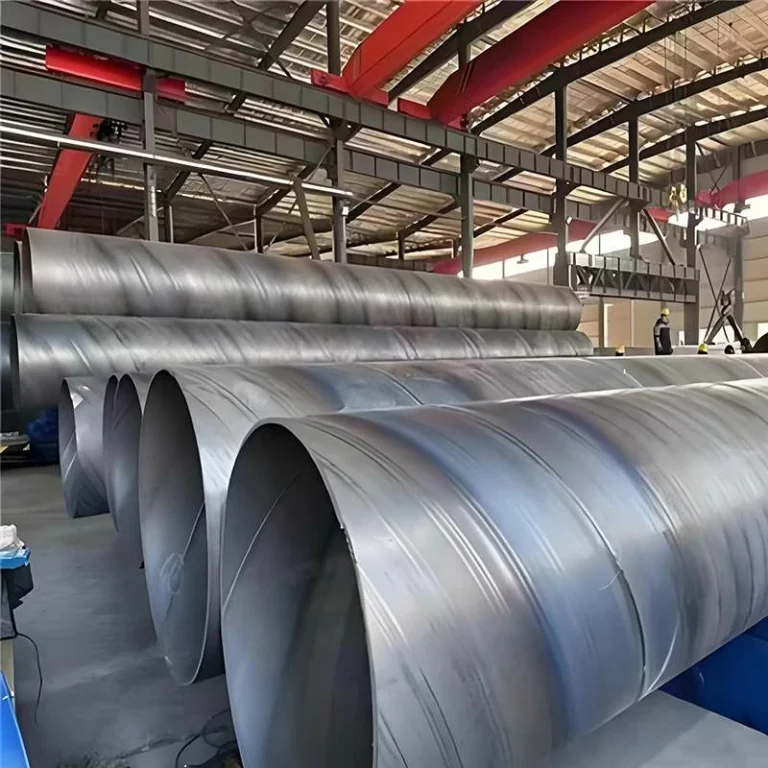
I. Introduction to Seamless Carbon Steel Pipes for Water Supply
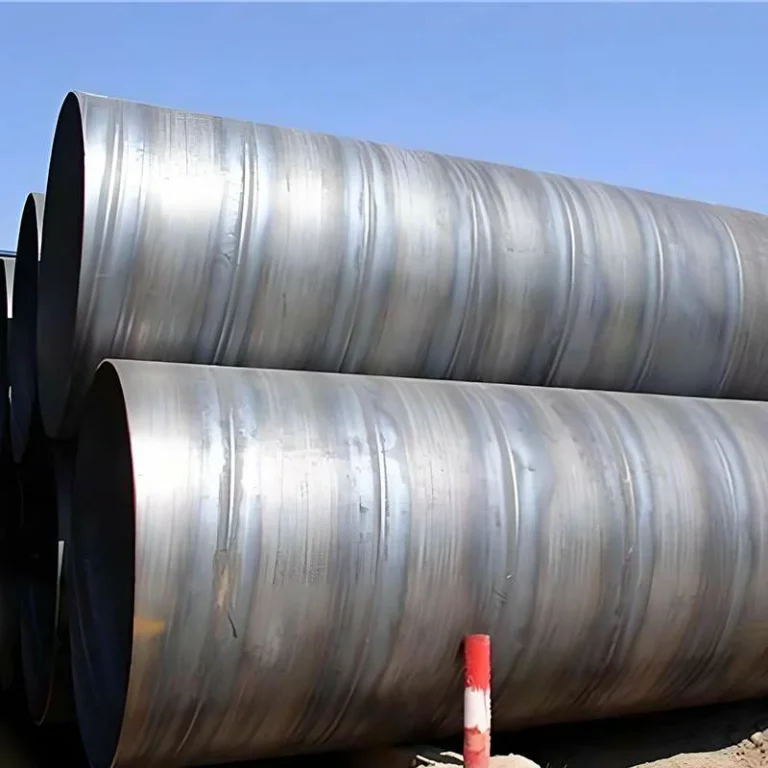
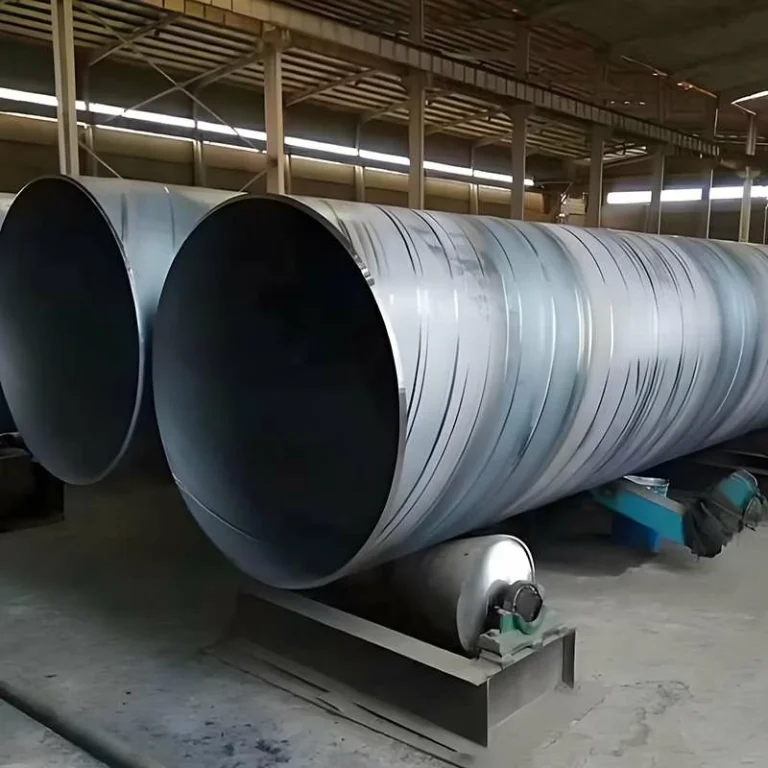
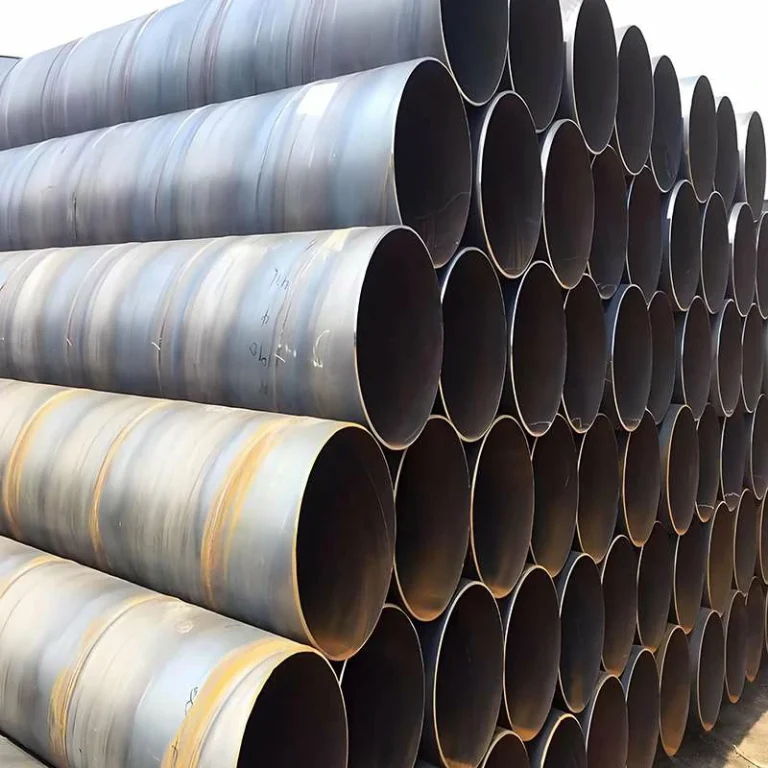
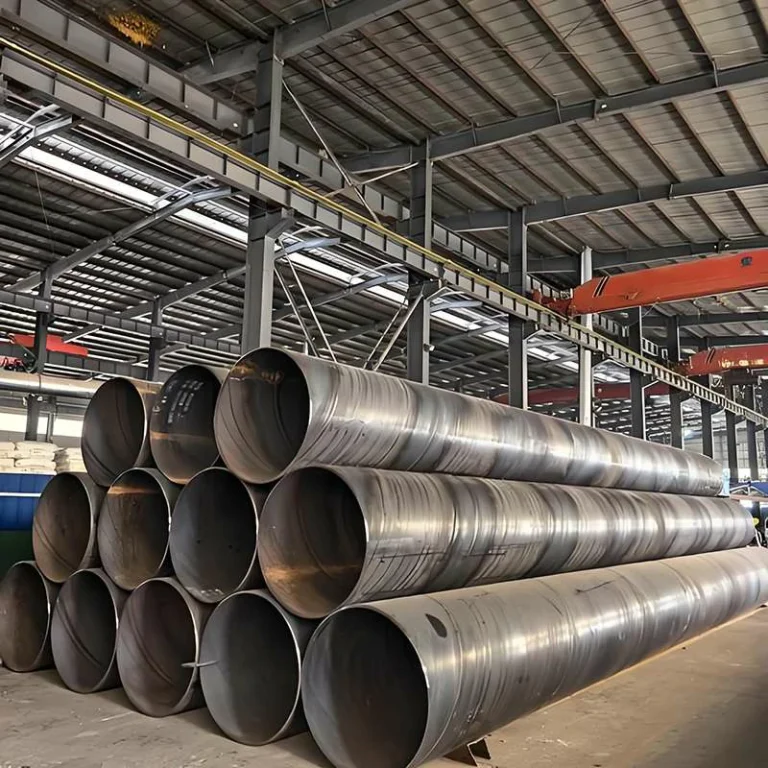
Seamless carbon steel pipe for water supply are high-performance steel pipes specifically designed for urban water supply, industrial water supply, and building water supply and drainage systems. These pipes are manufactured using a seamless forming process, resulting in a dense and uniform pipe body without welds. They possess excellent strength and pressure resistance, capable of withstanding water pressure for extended periods, ensuring the safe and stable operation of water supply systems.
Seamless carbon steel pipes can comply with international and national standards such as ASTM A106, ASTM A53, EN 10216-1, and GB/T 8163. Steel grade and wall thickness can be customized according to water pressure and flow rate requirements.
II. Chemical Composition and Mechanical Properties of Seamless Carbon Steel Pipes for Water Supply
i. Chemical Composition Comparison Table (%)
| Standard | Steel grade | C | Mn | Si | P ≤ | S ≤ |
| ASTM A106 | Gr.B | ≤0.30 | 0.29–1.06 | ≥0.10 | 0.035 | 0.035 |
| ASTM A106 | Gr.C | ≤0.35 | 0.29–1.06 | ≥0.10 | 0.035 | 0.035 |
| ASTM A53 | Gr.B | ≤0.30 | 0.29–1.06 | ≥0.10 | 0.035 | 0.035 |
| API 5L | X42 | ≤0.28 | ≤1.30 | — | 0.030 | 0.030 |
| API 5L | X52 | ≤0.28 | ≤1.40 | — | 0.030 | 0.030 |
| EN 10216-1 | P265TR1 | ≤0.20 | 0.80–1.40 | ≤0.40 | 0.025 | 0.025 |
| GB/T 8163 | 20# | 0.17–0.23 | 0.35–0.65 | 0.17–0.37 | 0.035 | 0.035 |
Note: The actual chemical composition may vary slightly depending on the batch or specific manufacturing process; please refer to the Material Test Certificate (MTC) for the exact specifications.
ii. Comparison Table of Mechanical Properties
| Standard | Grade | Yield Strength ≥ (MPa) | Tensile Strength (MPa) | Elongation ≥ (%) | Typical Applications |
|---|---|---|---|---|---|
| ASTM A106 | Gr.B | 240 | 415–550 | 20 | Heat Resistant / High Temperature Steel Pipe or general water supply pipelines |
| ASTM A106 | Gr.C | 275 | 485–620 | 20 | Medium to high pressure water supply pipelines |
| ASTM A53 | Gr.B | 240 | 415–550 | 20 | General water supply and building pipelines |
| API 5L | X42 | 290 | ≥415 | 21 | Municipal water supply and industrial water pipelines |
| API 5L | X52 | 360 | ≥460 | 21 | High-pressure water supply systems |
| EN 10216-1 | P265TR1 | 265 | 410–530 | 21 | Industrial pipelines and municipal water supply |
| GB/T 8163 | 20# | 245 | 410–550 | 25 | General water supply and building water systems |
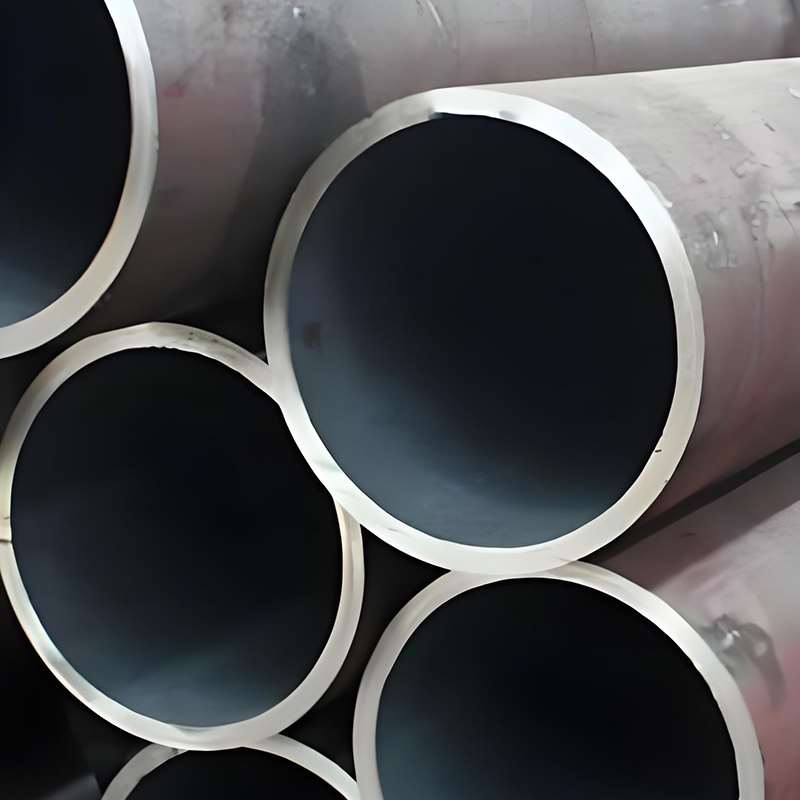
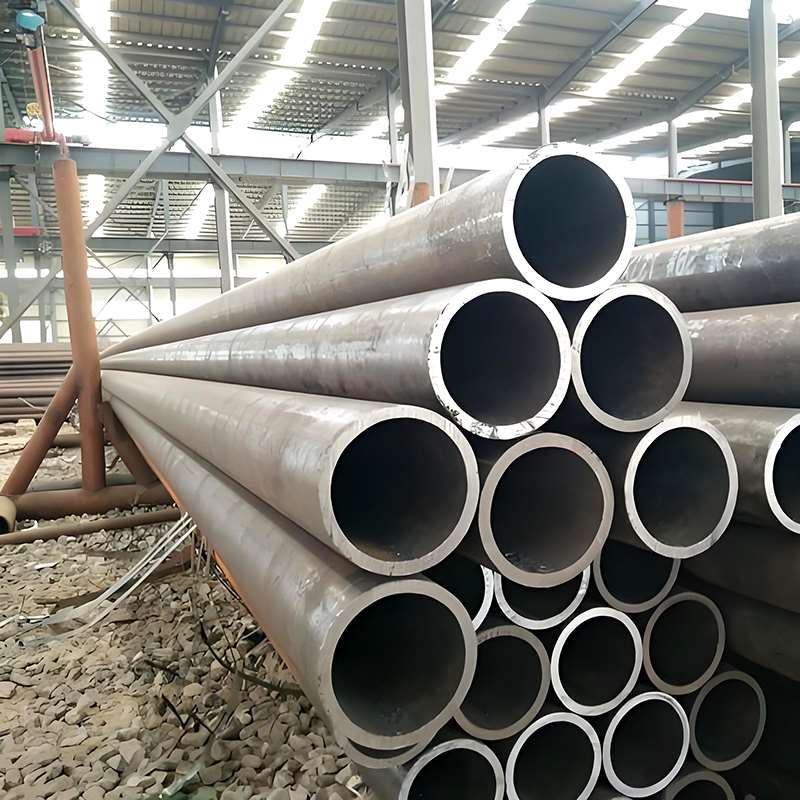
III. Standards and Corresponding Steel Grades for Seamless Carbon Steel Pipe for Water Supply
Seamless carbon steel pipe for water supply are commonly used in municipal water supply, industrial water supply, fire fighting water supply, and circulating water systems. These applications require high demands on pipe strength, pressure resistance, dimensional accuracy, and quality stability. According to different national and project requirements, the commonly used standards and corresponding steel grades are as follows:
i. Chinese Standards (GB)
| Standard | Standard Description | Common Grades | Application Notes |
|---|---|---|---|
| GB/T 8163 | Seamless Steel Pipes for Fluid Transport | 20#, Q345B | Widely used in municipal water supply and industrial water pipelines |
| GB/T 3087 | Seamless Steel Pipes for Low and Medium Pressure Boilers | 20# | Suitable for water supply systems with relatively low pressure and temperature requirements |
| GB/T 9711 | Steel Pipes for Pipeline Transportation Systems in the Petroleum and Natural Gas Industry | L245, L290 | Can be used for demanding water supply projects or pressure pipeline applications |
ii. American Standards (ASTM / ASME)
| Standard | Standard Description | Corresponding Grade | Application Notes |
|---|---|---|---|
| ASTM A106 | Seamless Carbon Steel Pipe for High-Temperature Service | Grade B | High strength, suitable for medium to high pressure water supply systems |
| ASTM A53 | Black and Hot-Dipped Galvanized Steel Pipe | Grade B | Commonly used for general water supply and fire protection systems |
| ASME SA106 | Seamless Steel Pipe for Boilers and Pressure Vessels | Gr.B | Widely used in engineering projects and pressure systems |
iii. European Standards (EN)
| Standard | Standard Description | Steel Grade | Application Notes |
|---|---|---|---|
| EN 10216-1 | Seamless Steel Tubes for Pressure Purposes | P235TR1 / P265TR1 | Municipal and industrial water supply systems |
| EN 10216-2 | Seamless Steel Tubes for Pressure Purposes | P235GH / P265GH | Water supply pipelines with higher pressure performance requirements |
IV. Corrosion Protection Scheme for Seamless Carbon Steel Pipes Used in Water Supply Systems
i. Main Sources of Steel Pipe Corrosion in Water Supply Systems
- Internal Corrosion (caused by water quality)
High dissolved oxygen content
Low pH value (acidic water)
Presence of chloride ions (Cl⁻) and sulfate ions (SO₄²⁻)
High impurity content in industrial recycled water or circulating water - External Corrosion (caused by the environment)
Moist and high-salt content soil in buried pipelines
High groundwater level
High air humidity and outdoor exposure
Electrochemical corrosion caused by contact with concrete or other metals
ii. Common Anti-Corrosion and Surface Treatment Methods for Seamless Carbon Steel Pipes Used in Water Supply
- Bare Pipe / Black Pipe (Not recommended for long-term water supply)
Applicable situations:
Indoor dry environments
Temporary pipelines
Projects where secondary anti-corrosion treatment can be applied later
Risks:
Prone to rusting and scaling, affecting water quality and service life.
- Hot-dip galvanizing (Traditional corrosion protection solution for water supply)
Features:
Zinc layer formed on both inner and outer surfaces
Provides good protection against general water quality
Suitable water quality and operating conditions:
Neutral or weakly alkaline water (pH 6.5–8.5)
Municipal tap water
Indoor or non-highly corrosive environments
Precautions:
High-chlorine water and softened water may accelerate zinc layer consumption
Its use is gradually decreasing in high-end drinking water projects
- Internal Coating for Corrosion Protection (Mainstream Solution for Water Supply Projects)
- (1) Epoxy Internal Coating (Most Commonly Used)
Features:
Dense coating with strong adhesion
Effectively isolates the steel pipe from contact with water
Can pass drinking water hygiene certification
Suitable water quality:
Drinking water
Low-corrosive industrial water supply
Water containing a certain amount of chloride ions
Engineering recommendations:
Common thickness: 200–500 μm
Preferred for projects with high water quality requirements - (2) Cement Mortar Lining (Large-Diameter Water Supply Pipelines)
Features:
Corrosion protection + anti-scaling
Improves hydraulic conditions
Applicable conditions:
Municipal water pipelines with DN300 or larger diameter
Long-distance water supply projects
Limitations:
Not suitable for small-diameter pipes
Not resistant to strongly acidic water
- External Anti-Corrosion Coating (Mandatory for buried or outdoor applications)
- (1) 3PE Anti-Corrosion Coating (High-Grade Anti-Corrosion)
Structure:
Epoxy primer + Adhesive + Polyethylene outer layer
Applicable Environment:
Buried water supply pipelines
High-humidity, high-salinity soil
Areas with high groundwater levels
Features:
Long service life (up to 30 years or more)
Higher initial cost, but low maintenance cost - (2) FBE Single-Layer Epoxy Coating
Applicable Situations:
Buried or above-ground water supply pipelines
Medium corrosive environments - (3) Asphalt Paint / Anti-Rust Paint (Economical)
Applicable Situations:
Short-term projects
Low corrosive soil
Cost-sensitive projects
iii. Recommendations for corrosion protection selection for seamless carbon steel pipes used in water supply systems
| Service Scenario / Operating Condition | Water Quality Characteristics | Recommended Internal Protection | Recommended External Protection | Selection Notes |
|---|---|---|---|---|
| Drinking Water Supply Systems | Neutral or mildly corrosive; water quality safety required | Food-grade epoxy coating (≥300 μm) | Buried: 3PE; Above-ground / indoor: epoxy paint or FBE | Prevent secondary contamination and avoid direct contact between water and steel |
| General Municipal Water Supply | Stable water quality, low corrosivity | Internal epoxy coating or hot-dip galvanizing | Buried: 3PE or enhanced anti-corrosion coating; Above-ground: anti-rust paint | Cost-effectiveness prioritized; local water quality should be considered |
| Water with High Chloride Content | High chloride ion concentration | Internal epoxy coating (≥300 μm) | 3PE | Galvanized pipes are not recommended, as the zinc layer may fail |
| Industrial Water / Circulating Water / Reclaimed Water | High impurities, high dissolved oxygen, strong corrosivity | Thick-film epoxy coating (≥400–500 μm) | 3PE or FBE | High risk of internal corrosion; enhanced internal protection is required |
| Buried Water Supply Pipelines | Affected by soil and groundwater | Internal epoxy coating | 3PE (preferred) | External protection level should not be lower than internal protection |
| Above-Ground or Indoor Water Supply | Relatively dry environment | Internal epoxy coating | Anti-rust paint or epoxy paint | Focus on internal corrosion protection; external protection can be simplified |
| Large-Diameter Water Transmission Pipelines (DN ≥300) | Long distance, large flow rate | Cement mortar lining or internal epoxy | 3PE | Provides corrosion protection while reducing scaling and improving hydraulic performance |
| Temporary or Short-Term Water Supply Projects (≤10 years) | Short service life | None or simple anti-rust treatment | Anti-rust paint | Suitable only for non-potable water systems where replacement is acceptable |
V. Checklist of Important Considerations for Purchasing Seamless Carbon Steel Pipe for Water Supply
| Purchasing Focus | Key Items to Confirm | Why It Matters | Practical Recommendations |
|---|---|---|---|
| Applicable Standard | GB/T 8163, ASTM A106 / A53, EN 10216, etc. | Determines quality requirements and acceptance criteria | Follow design documents or tender requirements; do not mix standards |
| Material / Grade | 20#, Q345B, ASTM A106 Gr.B, etc. | Directly affects pressure capacity and service life | Must fully comply with the specified standard |
| Dimensions | OD, wall thickness, nominal size, length | Affects installation and pressure performance | Specify allowable tolerances to avoid insufficient wall thickness |
| Corrosion Protection Method | Internal coating / galvanizing / 3PE / FBE | Determines service life and water quality safety | Clearly define whether both internal and external protection are required |
| Coating Type & Thickness | Epoxy, 3PE, etc., with minimum thickness | Corrosion performance depends on coating thickness | Minimum thickness values must be specified in the contract |
| Water Quality Compatibility | Potable water, chlorinated water, etc. | Prevents corrosion and water contamination | Use compliant coatings for drinking water projects |
| Manufacturing Process | Hot rolled seamless carbon steel pipe / Cold drawn seamless carbon steel pipe | Influences dimensional accuracy and strength | Hot-rolled seamless pipes are preferred for medium to high pressure water supply |
| Inspection & Testing | Chemical, mechanical, UT, hydrostatic test | Ensures pipeline safety | Require full inspection or defined sampling ratios |
| Quality Documentation | MTC (EN 10204 3.1) | Mandatory for project acceptance | Confirm original certificates are supplied with the shipment |
| Pipe Ends | Plain end / beveled end / threaded end | Affects on-site installation | Confirm in advance based on connection method |
| Packaging & Protection | End caps, bundling method | Prevents damage during transportation | Especially important for export projects |
| Supply Capability | Delivery time, batch consistency | Impacts project schedule | Confirm stable supply capacity for large projects |
| Marking & Traceability | Heat number, size, standard markings | Enables quality traceability | Require clear and permanent markings on pipes |
When purchasing seamless carbon steel pipes for water supply, it’s not enough to just consider the price; it’s crucial to ensure that the standards, steel grade, corrosion protection method, and testing documents fully match the project requirements.
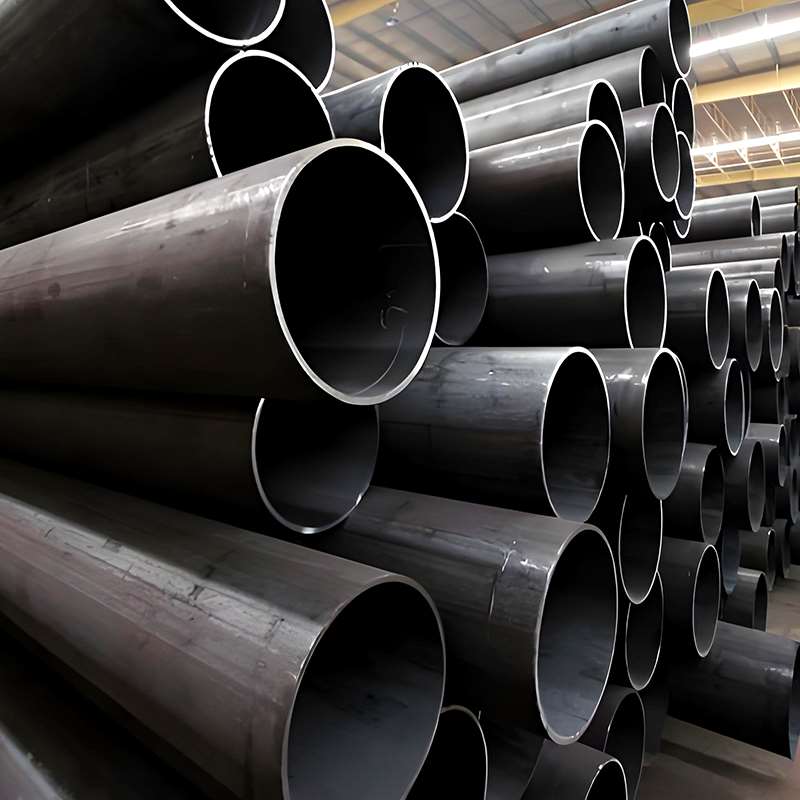
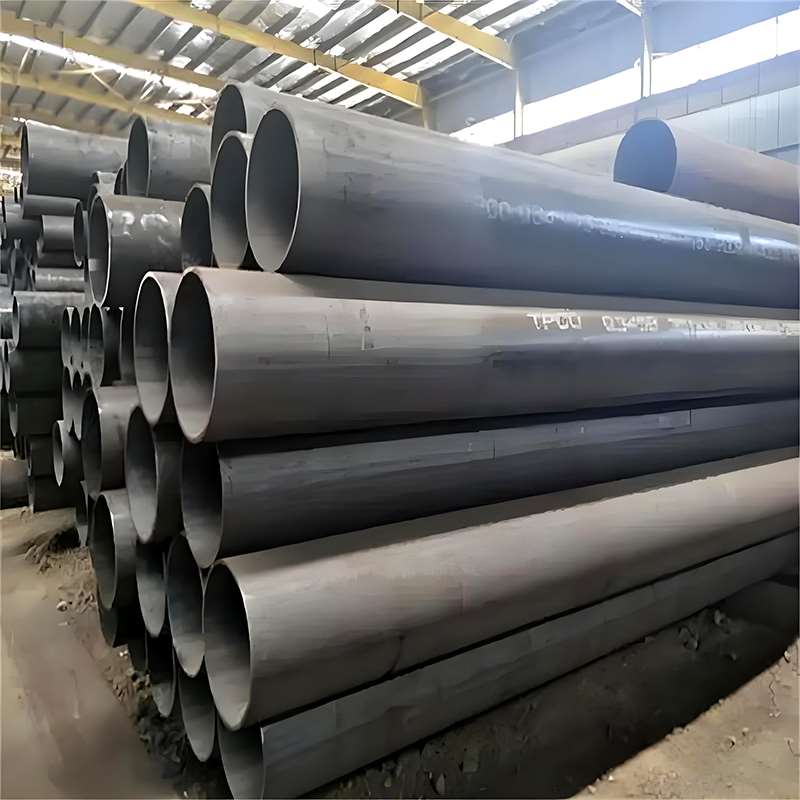
VI. Testing Standards for Seamless Carbon Steel Pipe for Water Supply
i. Overview of Testing Standards and Inspection Items
| Inspection Item | Inspection Content | Applicable Standard (Common) | Application Notes / Requirements |
|---|---|---|---|
| Visual Inspection | Surface cracks, laps, scabs, rust | GB/T 2102 | Mandatory for all water supply steel pipes |
| Dimensions & Tolerances | OD, wall thickness, length, ovality | GB/T 17395; ASTM A530 | Prevents insufficient wall thickness affecting pressure capacity |
| Chemical Composition Analysis | C, Mn, Si, P, S, etc. | GB/T 4336; ASTM A751 | Verifies compliance of material grade with the specified standard |
| Tensile Test | Tensile strength, yield strength, elongation | GB/T 228.1; ASTM A370 | Ensures mechanical properties meet requirements |
| Flattening Test | Pipe body ductility and weld quality (if applicable) | GB/T 246 | Commonly applied to small and medium diameters |
| Flaring Test | End forming and processing performance | GB/T 242 | Required when flared-end connections are used |
| Ultrasonic Testing (UT) | Internal defect detection | GB/T 5777; ASTM A106 / A53 | Strongly recommended for medium to high pressure water supply |
| Eddy Current Testing (ET) | Surface and near-surface defect detection | GB/T 7735 | Can substitute UT depending on the standard |
| Hydrostatic Test | Pressure resistance and leak tightness | GB/T 241; ASTM A106 | Recommended for pressure pipelines |
| Coating Visual Inspection | Coating continuity and surface damage | SY/T 0413 | Mandatory for coated steel pipes |
| Coating Thickness | Epoxy / 3PE coating thickness | ISO 2808 | Insufficient thickness equals ineffective corrosion protection |
| Adhesion Test | Coating adhesion strength | ASTM D4541 | Recommended for potable water and buried pipelines |
| Potable Water Compliance (if applicable) | Hygienic performance of coating | Relevant sanitary standards | Mandatory for drinking water projects |
| Marking & Documentation | Heat number, size, standard, MTC | EN 10204 3.1 | Critical documents for project acceptance |
ii. Recommended testing requirements for different water supply projects
| Project Type | Mandatory Inspection Items | Recommended Additional Items |
|---|---|---|
| Drinking Water Supply | Chemical composition, mechanical properties, UT, hydrostatic test, coating inspection | Coating compliance documentation |
| General Municipal Water Supply | Dimensional inspection, mechanical properties, UT or ET | Hydrostatic test |
| Industrial Water / Reclaimed Water | Chemical composition, mechanical properties, UT, hydrostatic test, coating thickness | Adhesion test |
| Buried Water Supply Pipelines | UT, external corrosion protection inspection | Full inspection of 3PE coating |
| Export or Critical Projects | Full inspection scope | Third-party inspection (TPI) |
iii. Key Reminders for Procurement and Acceptance:
(1) Testing standards must be consistent with the execution standards.
It is unacceptable to use pipes conforming to ASTM standards but only provide GB testing results.
(2) Material Test Certificates (MTC) must be complete.
They should include: chemical composition, mechanical properties, dimensions, and test conclusions.
(3) For medium and high-pressure water supply pipelines, it is not recommended to skip UT or hydrostatic testing.
These are high-risk projects.
(4) For anti-corrosion steel pipes, both “thickness + appearance” must be inspected, not just the coating name.
Insufficient thickness despite being labeled “epoxy” is a common problem.
VII. Frequently Asked Questions (FAQ) about Seamless Carbon Steel Pipe for Water Supply
Q1: After a period of use, rust-colored water or poor water quality appears in the pipes. What are the reasons?
Reasons:
- The pipe interior is not treated with anti-corrosion coating or the anti-corrosion treatment is insufficient.
- The water has a high content of dissolved oxygen or chloride ions.
- The pipeline operates at a low flow rate for extended periods, leading to sediment formation.
Suggested Solutions:
- Prioritize the use of steel pipes with internal epoxy coating for water supply systems.
- Inspect the inner walls of old pipelines and repair or replace them if necessary.
- Maintain a reasonable flow rate in the system to reduce sediment formation.
Q2: Is localized corrosion or pitting in pipelines after several years of use considered a quality issue?
Common causes:
- Actual water quality is more corrosive than anticipated in the design.
- The corrosion protection scheme is inadequate (e.g., only external corrosion protection is applied).
- External corrosion protection of buried pipelines fails.
Key points for assessment:
- If the material and testing meet specifications, it is generally not a quality issue with the pipe material itself.
- It is mostly due to insufficient corrosion protection design or environmental changes.
Improvement measures:
- Improve the level of internal and external corrosion protection.
- For buried pipelines, prioritize the use of 3PE external corrosion protection.
Q3: Can seamless carbon steel pipes for water supply be directly used in drinking water systems?
Conclusion: Yes, but with conditions.
Conditions that must be met:
- The inner wall must have an epoxy coating or lining that meets drinking water requirements.
- Bare pipes or pipes with only galvanizing are not recommended for long-term drinking water transport.
- Provide corresponding coating compliance or sanitary performance documents.
Q4: Why do some pipes leak even though they appear to be in good condition?
Common reasons:
- The wall thickness is too thin or there is localized thinning.
- Internal pitting corrosion has penetrated the pipe wall.
- The pipe pressure exceeds the design value.
Preventive suggestions:
- During procurement, carefully check the actual wall thickness and allowable deviation.
- Medium and high-pressure water supply pipelines must undergo UT and hydrostatic testing.
- Regularly monitor operating pressure.
Q5: Buried steel water pipes have a short service life. How can this be effectively extended?
Key factors:
- External corrosion protection level
- Soil corrosivity
- Construction and backfilling quality
Recommended practices:
- Use 3PE or equivalent high-grade corrosion protection for external coating
- Avoid damaging the coating during construction
- Strengthen protection and inspection in critical areas.